
Life Style
Why Do Some Appliances Get Warm When Plugged In?


Have you ever touched a phone charger, laptop adapter, or kitchen appliance and noticed that it feels warm even when you’re not actively using it? This can make many people wonder if something is wrong with the appliance or if it’s a normal part of how electronics work.
The truth is that many appliances naturally produce a small amount of heat when plugged in. In most cases, this warmth is harmless and simply a result of how electricity flows through electrical components. However, understanding why appliances heat up can help you recognize what’s normal and what might indicate a problem.
In this article, we’ll explore why appliances get warm when plugged in, which devices commonly produce heat, and when you should take safety precautions.
Why Appliances Produce Heat
When electricity flows through a device, it encounters resistance inside wires and electronic components. Resistance converts a small portion of electrical energy into heat.
This process is completely normal and happens in almost every electrical device.
Some common reasons appliances produce heat include:
- Electrical resistance in circuits
- Power conversion from high voltage to lower voltage
- Internal components such as transformers and processors
- Energy loss during operation
Even when an appliance is not actively performing a task, small amounts of electricity may still flow through its internal components.
Standby Power and “Always-On” Electronics
Many modern appliances and electronic devices remain partially active even when they appear to be turned off. This is often referred to as standby power.
Standby power allows devices to:
- Respond to remote controls
- Maintain internal clocks
- Stay connected to Wi-Fi
- Save settings and memory
Because the device still receives electricity, some internal components may generate a small amount of heat.
For example, devices such as televisions, routers, and gaming consoles often stay slightly warm due to these background processes.
Common Appliances That May Feel Warm
Several household appliances and electronics commonly feel warm when plugged in. This warmth is usually harmless if it remains mild.
Phone Chargers and Laptop Adapters
Chargers convert electricity from wall outlets into lower voltage suitable for charging batteries. During this process, some energy is lost as heat.
Wi-Fi Routers
Routers run continuously and process large amounts of data. Their processors and networking chips generate heat while operating.
Televisions
Modern TVs often stay partially powered so they can turn on quickly when you press the remote control.
Kitchen Appliances
Devices like coffee makers or microwaves may remain warm after use or while plugged in because of internal components such as control panels or timers.
Gaming Consoles and Streaming Devices
These devices contain processors that may generate heat even when they are in standby mode.
Is It Normal for Appliances to Feel Warm?
Yes, mild warmth is usually normal for many appliances and electronic devices.
Manufacturers design devices with ventilation and materials that safely handle the small amounts of heat generated during operation.
However, the warmth should typically feel:
- Slight to moderate
- Consistent but not increasing rapidly
- Not accompanied by unusual smells or sounds
If the appliance feels only slightly warm to the touch, it is generally operating as expected.
When Heat Might Be a Warning Sign
Although mild warmth is normal, excessive heat can indicate a problem.
You should pay attention if you notice:
- The appliance feels very hot to the touch
- A burning smell coming from the device
- Melted or damaged cords
- The device shutting down unexpectedly
- Discoloration near the plug or outlet
These signs may indicate issues such as faulty wiring, overloaded circuits, or damaged components.
If you suspect a problem, it’s best to unplug the device and consult a professional technician or electrician.
Why Chargers and Adapters Often Feel Warm
Chargers and power adapters are among the most common devices that feel warm when plugged in.
This happens because they perform power conversion, transforming electricity from the wall outlet into a lower voltage suitable for devices like smartphones or laptops.
During this conversion process:
- Electrical energy passes through internal components
- Some energy is lost as heat
- The adapter casing warms slightly
This is a normal part of how chargers operate. However, high-quality chargers typically include temperature control and safety features to prevent overheating.
Reducing Heat and Improving Safety
While some heat is unavoidable, there are ways to ensure appliances remain safe and efficient.
Avoid Overloading Outlets
Plugging too many devices into one outlet can increase electrical resistance and heat.
Use Certified Chargers and Cables
Low-quality chargers may lack proper insulation or temperature control features.
Ensure Proper Ventilation
Many electronics rely on airflow to dissipate heat. Avoid placing devices in enclosed spaces.
Unplug Devices When Not in Use
Disconnecting unused devices can reduce standby power and prevent unnecessary heat buildup.
Inspect Cords Regularly
Damaged or frayed cords can increase resistance and generate excessive heat.
Understanding Energy Use at Home
Heat generation in appliances is closely connected to how electricity is used throughout the home. Even though small devices produce only minor heat, energy efficiency can still play a role in overall household electricity consumption.
Many homeowners explore ways to better understand their energy costs, such as reviewing electricity plans or learning about regional pricing. In some areas, people compare local options like crystal city electricity rates to better understand how electricity pricing may affect their monthly bills.
While appliance warmth itself doesn’t significantly impact electricity costs, being aware of how devices use energy can help households make smarter choices about energy use.
Frequently Asked Questions (FAQs)
Is it normal for chargers to get warm when plugged in?
Yes. Chargers convert electricity to a lower voltage during charging, and some heat is produced during this process.
Why does my laptop charger get warm even when not charging?
Some chargers still draw a small amount of electricity when plugged in, which can produce mild heat.
Can warm appliances be dangerous?
Mild warmth is usually normal. However, appliances that become very hot or produce burning smells should be unplugged immediately.
Do appliances use electricity when plugged in but turned off?
Many devices use standby power when plugged in, which allows them to maintain settings or respond to remote controls.
Should I unplug appliances to prevent heat?
Unplugging devices when not in use can reduce standby power and prevent minor heat generation.
What appliances generate the most heat?
Appliances designed to produce heat—such as ovens, dryers, and space heaters—generate the most heat during normal operation.
Final Thoughts
It’s completely normal for many appliances to feel slightly warm when plugged in. This warmth is usually caused by electrical resistance and energy conversion inside the device.
Most electronics are designed to handle this heat safely, especially when used according to manufacturer instructions. However, excessive heat, burning smells, or damaged cords should always be taken seriously.
By understanding why appliances produce heat and practicing safe electrical habits, homeowners can ensure their devices operate efficiently and safely. Simple steps like using quality chargers, ensuring proper ventilation, and unplugging unused electronics can go a long way in maintaining both safety and energy awareness in the home.

Life Style
Stomach, Side, or Back Sleeper? The Effects of Your Sleep Position on Support, Comfort, and Spinal Health
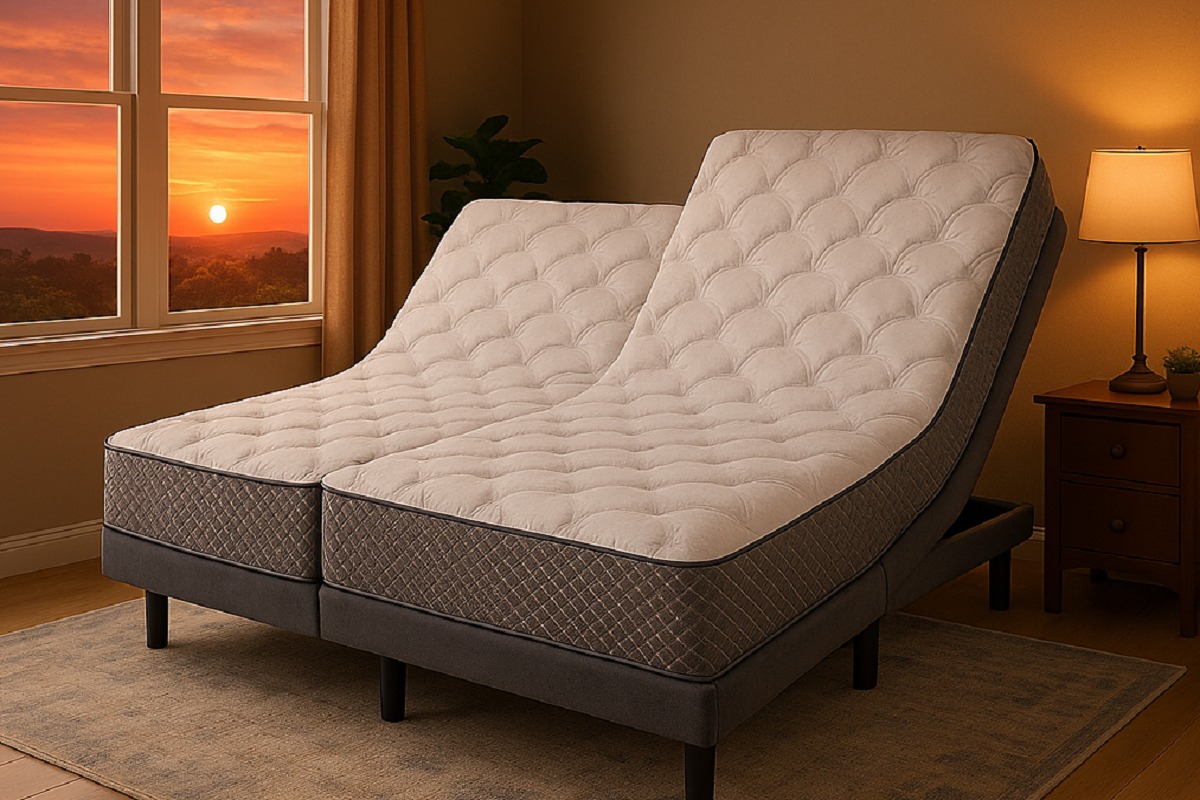
Although most people don’t give it much thought, your sleeping position has a significant impact on how well you sleep and how your body feels in the morning. Your favourite sleeping position has a direct impact on breathing, pressure points, spinal alignment, and general comfort, regardless of whether you sleep on your back, side, or stomach.
You can select the ideal mattress and sleeping arrangement for your body by being aware of the variations.
Back Sleepers: Equilibrium Support and Alignment of the Spine
One of the most neutral sleeping postures for spinal alignment is frequently thought to be lying on one’s back. The head, neck, and spine can rest in a fairly straight line when supported appropriately.
Back Sleepers: Equilibrium Support and Alignment of the Spine
One of the most neutral sleeping postures for spinal alignment is frequently thought to be lying on one’s back. The head, neck, and spine can rest in a fairly straight line when supported appropriately.
Benefits of Back Sleeping:
Encourages balanced weight distribution
lessens strain on the shoulders and hips
may lessen wrinkles on the face (less pillow contact)
When slightly raised, it can reduce acid reflux.
Back sleepers usually need a medium-to-medium-firm mattress that supports the lower back’s natural curve while preventing the hips from sinking too much. If the mattress is too soft, the pelvis may dip, creating strain in the lumbar region. It could put strain on the upper back if it is overly hard.
Relieving Pressure Is Crucial for Side Sleepers
The most popular sleeping position is on one’s side. It can help with breathing and lessen snoring, but it also puts extra strain on the hips and shoulders.
Advantages of Side Sleeping:
Could lessen snoring
Frequently advised when pregnant
can assist with specific stomach problems
A medium-to-medium-soft mattress that relieves pressure points while preserving spinal alignment is typically beneficial for side sleepers. The mattress should maintain a straight spine while allowing the hip and shoulder to dip slightly.
For optimal alignment and long-term comfort, selecting the appropriate mattress firmness based on sleep position is crucial. In order to better suit their body’s needs, many sleepers look at options like adjustable air mattresses, which provide customised firmness on either side.
Side sleepers may have hip pain, shoulder pain, or arm numbness if their mattress is excessively hard. The spine may curve abnormally and become rigid if it is excessively soft.
Firm Support for Stomach Sleepers to Avoid Arching
In general, stomach sleeping is thought to be the most difficult position for correct alignment. If the mattress does not offer sufficient support, it may put stress on the lower back and neck.
Increased lower back arching is one of the risks associated with stomach sleeping.
tension on the neck from turning the head
Increased tension on the spine
In order to keep their hips from sinking too far, stomach sleepers usually need a firmer mattress. The lower back’s natural curve can be exaggerated by excessive sinkage, which can cause stiffness or discomfort. Another way to lessen neck strain is to use a thinner pillow, or occasionally none at all.
Is It Possible to Adjust Your Sleep Position?
Throughout the night, a lot of people change positions. Nonetheless, the majority of people have a dominant position that affects the kind of assistance they require the most. The best sleep surface depends on a number of factors, including body weight, pre-existing back issues, and individual comfort preferences.
Concluding Remarks
Support requirements vary depending on whether a person sleeps on their back, side, or stomach. You can choose a mattress and foundation that support correct alignment and long-term comfort by being aware of how your body rests at night.
Pay attention to what your body needs instead of trends or brand names. Regardless of your preferred position, the ideal sleep system should support your natural posture, release pressure where necessary, and help you wake up feeling rested.

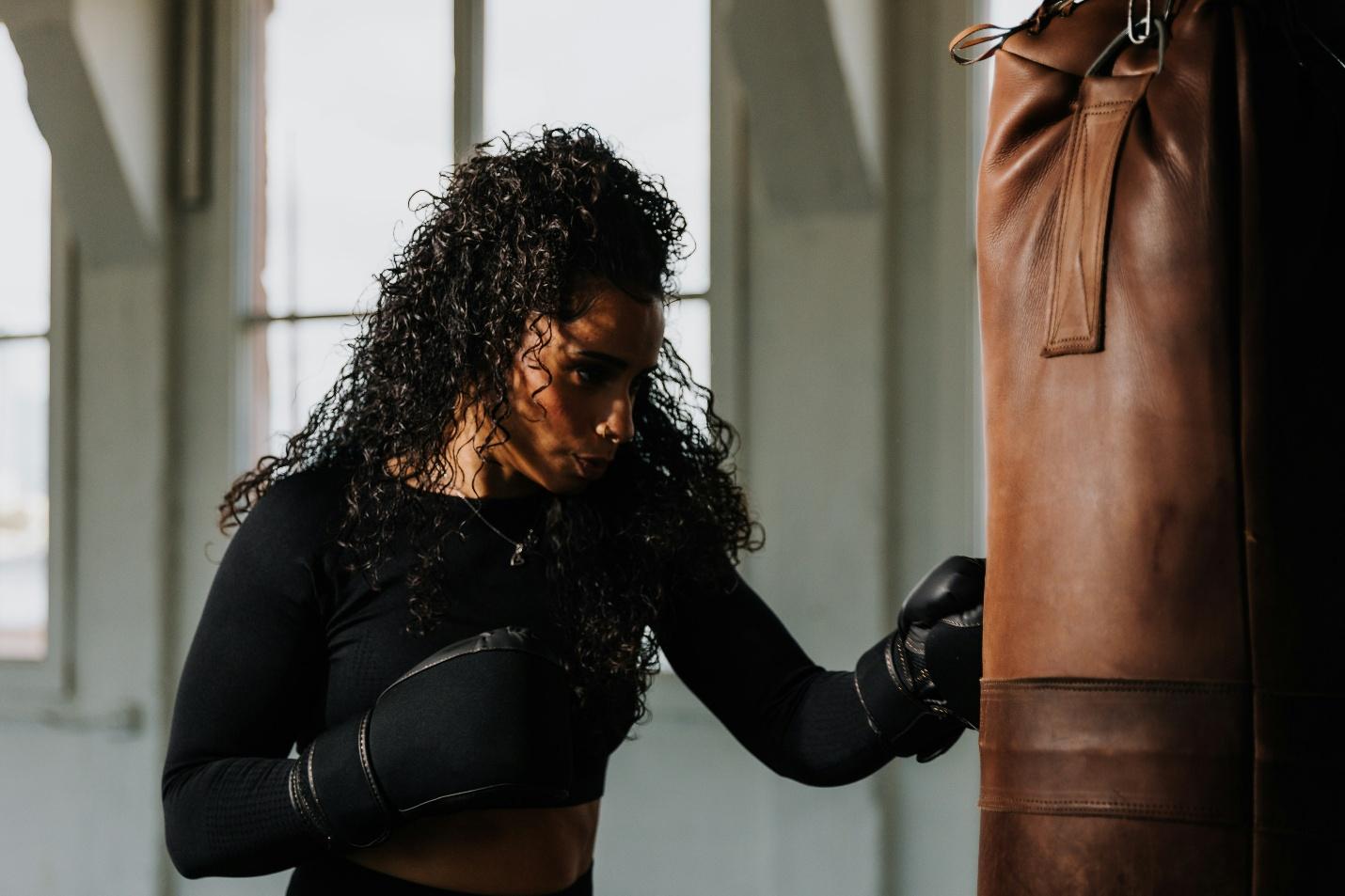
Nowadays, almost everyone wants to look perfect, especially when it comes to their physique. Having visible abs and a sharp, fit look has become a trend. It may seem a simple and easy task, but the truth is that dieting alone is not enough to get rid of stubborn fat. Your body does not like losing fat because it stores it for energy. Therefore, most bodybuilders add cutting blends into their cycle.
Cutting blends are combinations of compounds made to support fat loss and muscle protection at the same time. They can change how your body burns fat, holds water, and keeps muscle tissue. However, understanding both the positive and negative sides of these supplements is crucial before using them. It will help you make an informed decision, take necessary measures, and avoid health risks.
Here’s a complete guide to the major pros and cons of using cutting blends.
Benefits
Burn Stubborn Body Fat Faster
One of the biggest challenges you face during a diet is getting rid of the last few pounds of fat. You are eating clean and doing your cardio, but your lower back or stomach still holds onto a bit of softness. It forces most people to look for cutting-edge anabolic steroids for sale.
Cutting blends are formulated to increase your body’s internal temperature and help your system use stored fat as a primary energy source. It means that even the most stubborn areas start to lean out, giving you a much more athletic and aesthetic look.
Hard and More Defined Muscles
There is a big difference between just being thin and having the hard look that professional bodybuilders carry. Cutting blends help you achieve this by changing the way your muscles hold onto nutrients and glycogen. Instead of looking flat or soft, your muscles will appear dense and solid to the touch, making you look like you are always ready for a photo shoot.
Reduced Water Retention
Nothing ruins a good physique quite like bloat. You may have a low body fat percentage, but if your skin is holding onto excess water, you will look soft and blurry. Cutting blends are famous for their ability to flush out this subcutaneous fluid. This process helps the skin sit tighter against the muscle fibers, making your waist look smaller and your facial features more chiseled.
This reduction in water weight also makes you feel lighter and more athletic, which can be a huge boost to your confidence.
Increased Muscle Vascularity
Vascularity is a sign of a very lean and well-conditioned body. These blends help thin the skin and increase the blood flow to your working muscles, which forces your veins to the surface. It is a very motivating feeling to look down during a bicep curl and see veins you never knew existed.
This isn’t just about looks; it also indicates that your muscles are getting plenty of oxygen and nutrients while you train, which helps you keep your pump for a much longer time after you leave the gym.
Lean Muscle Preservation
The scariest part of any cutting phase is the fear that you are losing muscle along with the fat. When you eat fewer calories than your body needs, your system often tries to burn muscle tissue for energy. Cutting blends act as a protective shield for your gains. They send signals to your body to prioritize burning fat and keep your muscle fibers intact. It means that at the end of your diet, you will get a perfectly lean physique.
Faster Metabolism
Your metabolism is the engine that drives your fat loss, but it often slows down when you cut calories for a long time. Cutting blends help to kick your metabolism back into high gear. They act like a turbocharger for your internal engine, allowing you to burn more calories even when you are sitting still or sleeping. This increased metabolic rate makes the whole process of getting lean much more efficient.
Increased Workout Intensity
Dieting usually leads to low energy levels, which can make your gym sessions quite hard. You can feel weak or unmotivated because you aren’t eating many carbohydrates. Cutting blends provide a significant boost to your aggression and focus in the gym. It enables you to push through heavy sets that used to exhaust you, ensuring that every workout is productive and keeping your muscle mass.
Maintain Strength During a Calorie Deficit
When trying to lose weight, you can feel tired and exhausted. It can be discouraging to see your bench press or squat numbers go down every week. However, using a cutting blend, like Cut Mix 150, keeps your strength levels surprisingly high by improving muscle fiber recruitment and recovery. Being able to move heavy weights is a great feeling, and it helps you maintain the density and thickness of your muscles throughout the entire process.
Side Effects
Hormonal Imbalance
The most common side effect of using these blends is a significant shift in your hormones. Your body is a very delicate system that likes to stay in balance. When you introduce powerful external compounds, your natural hormone production gets confused. It can lead to issues like skin breakouts, hair loss, or even the growth of breast tissue in men. Therefore, going for a PCT or post-cycle therapy is necessary after finishing a cycle to stay protective.
High Blood Pressure
Cutting blends can put a lot of stress on your cardiovascular system if used for a long duration. Many of the ingredients used to burn fat also act as stimulants, which can cause your heart to beat faster and your blood pressure to rise. So, it is very important to monitor your blood pressure regularly to avoid serious long-term health problems that go far beyond bodybuilding.
Sudden Mood Swings
It is no secret that changing your body’s chemistry can affect your brain. Many people who use cutting blends report feeling more irritable or anxious than usual. You can find yourself getting angry over small things that wouldn’t normally bother you. These mood swings can put a strain on your personal relationships and your performance at work.
A Final Word
Cutting blends are an effective solution to burn stubborn body fat and get a perfect physique. However, considering the pros and cons and consulting with a professional is necessary to achieve the desired results without compromising your health.

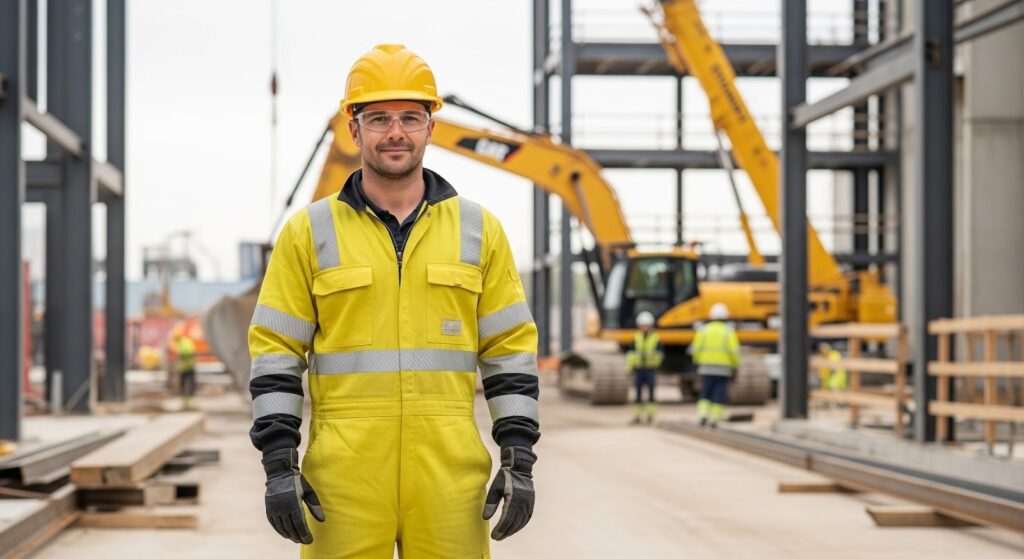
The purpose of hi-vis clothing is to ensure safety, but it also shapes a team’s perception. An organised and comfortable crew is more likely to work with greater confidence and consistency. Meanwhile, clothes should be comfortable enough to wear during long shifts without irritation or restriction. Even hi-vis coveralls, which are fully protective, must be comfortable and look good to wear all day.
Why Comfort Drives Compliance
When the clothing is comfortable, workers tend to adhere to the safety requirements. Slim cuts, coarse material and bad ventilation are soon distractions. When uncomfortable, individuals will change clothes, roll up sleeves, or even wear improperly, which will diminish visibility and compliance.
Comfort supports focus. When clothes are worn in a way that moves with the body, one will not be preoccupied with pulling hems or adjusting collars. Comfort also minimises fatigue, particularly when one is required to work long hours outdoors or in jobs that demand physical exercise. All-day wear can be enhanced by wearing hi-vis garments with soft linings, smooth stitches, and a sensible cut without compromising their protective value.
Fit That Supports Real Movement
The key to both safety and appearance is fit. Too loose clothes may get caught up in tools or equipment. Tight clothes limit bending, reaching, and lifting. Both extremes can influence posture and strain.
The good fit must allow full shoulder movement, easy crouching, and easy walking. The sleeves must not cover the hands. Boots should not make the trouser legs drag or catch.
Fit enhances appearance when it is uniform within the team. Standardised sizes and balanced clothing create a cohesive appearance. This consistency in imagery helps present a professional image on the ground and when dealing with clients or others in society.
Fabric Choices for All-Day Wear
Clothing influences the feel of clothing from the first hour to the last. Breathable fabrics are used to control temperature, particularly during continuous movement. The sweat that cannot be released causes dampness and cooling as the activity reduces.
Durability matters as well. Site clothing should be able to resist abrasion, washing and weather exposure. Even new clothes can appear used and unprofessional if the fabric they are made of fades or loses its shape.
Find materials that are flexible and strong. The garment can have stretch panels in areas that need them to enhance comfort. Knees or elbows are reinforced to provide longevity without becoming overly dirty.
Managing Heat And Layering
Hi-vis clothing is usually worn over base layers or under jackets. Layering must be natural and not heavy. A dress that fits very well on its own can be tight when worn with other items. The design that allows space for layering the light facilitates year-round use. Visibility and branding should not be impaired by insulation in colder conditions. Lightweight clothes can be used on hot days to avoid excessive heat and a sloppy appearance. Airflow can be enhanced with ventilation features such as mesh panels or underarm openings. This information will keep one comfortable and still look smart.
Design That Enhances Professional Image
Hi-vis clothes can be stylish and functional. There is a strong visual identity with clean lines; the reflective strips are consistently placed, and the logos are well placed. Design considerations will not overbrand or clutter the design, thereby losing sight of the safety purpose.
Reflective tape is to be even and to line jackets and trousers wherever feasible. The use of balanced proportions and light detailing can transform the garments into modern, rather than strictly utilitarian. There is also the colour brightness that affects the image. Frequent cleaning is used to keep it vibrant. Stained or boring cloth undermines safety impact and professional appearance.
Practical Features That Improve Daily Use
Pockets, buttons, and zippers determine the level of comfort and cleanliness of clothing during a shift. Zips are to be smooth and lie flat when closed. Studs and buttons should be fastened and should not be bulky.
The pockets must be placed in convenient locations for use without deforming the clothing. Big, loose pockets may make clothes feel uncomfortable when carrying tools. The cuffs and hems can be adjusted to fit and keep the wind out. These elements enhance comfort and maintain the garment’s appearance, keeping it neat and well-maintained.
The Role Of Personalisation
Embroidery or printing can be used to brand and look professional when done sparingly. The presence of a distinct logo on all garments makes the identity strong without being overly dominant to the safety design.
Reflective areas should not be interfered with by personalisation. Placement must comply with compliance standards and be visible and clean. A small logo in the right position can be considered more professional than huge graphics.
The site looks organised and credible when all team members wear coordinated, branded outfits. This perception may affect clients, inspectors, and the general population’s perception of the operation.
Long-Term Care And Appearance
Comfort and appearance rely on maintenance. Hi-vis clothing should be washed according to the manufacturer’s guidance to preserve reflectivity and colour. Repairs should be made promptly when seams loosen or tape begins to peel.
Regular replacement planning prevents garments from fading or wearing out before they become ineffective. Consistent quality across the team reinforces safety culture and reduces the temptation to wear non-compliant alternatives. Storage also plays a part. Hanging garments properly and keeping them dry helps maintain structure and appearance between shifts.
Where Comfort Meets Professionalism
Balancing comfort and professional appearance in hi-vis clothing requires attention to fit, fabric, and thoughtful design. When garments move easily with the body, regulate temperature, and maintain a clean visual standard, workers are more likely to wear them correctly throughout the day. That combination supports safety, reinforces identity, and ensures the team presents a capable image in every working environment.


How to Write a Business Plan for a Pizza Shop

Dwight Howard Net Worth in 2026: Career Earnings, Endorsements, and Financial Journey

Brittany Brower: Biography, Career, and Life of the Former Miss USA Contestant

Carolin Bacic: Life, Biography, Family, and Legacy

Christine Williamson: A Rising Star in Sports Journalism

Dame Esther Rantzen: Life, Career, and Legacy of a British Broadcasting Icon
-
 Celebrity6 months ago
Carolin Bacic: Life, Biography, Family, and Legacy
-
 Celebrity1 year ago
Christine Williamson: A Rising Star in Sports Journalism
-
 Celebrity1 month ago
Dame Esther Rantzen: Life, Career, and Legacy of a British Broadcasting Icon
-

 Celebrity6 months ago
Dani Daniels: A Complete Biography of the Artist, Media Personality, and Entrepreneur
-

 Celebrity2 months ago
Stephen Mulhern: The Complete Biography of Britain’s Beloved Television Entertainer
-

 Celebrity1 year ago
Berniece Julien: A Comprehensive Biography2025
-

 Celebrity4 months ago
Eleonora Incardona: Biography, Career, Age, Boyfriend, Net Worth & Lifestyle (2025)
-

 Celebrity5 months ago
Juan Gabriel: The Legendary Life of El Divo de Juárez