
Uncategorized
Digital Growth Strategies for Small Healthcare Practices in 2026

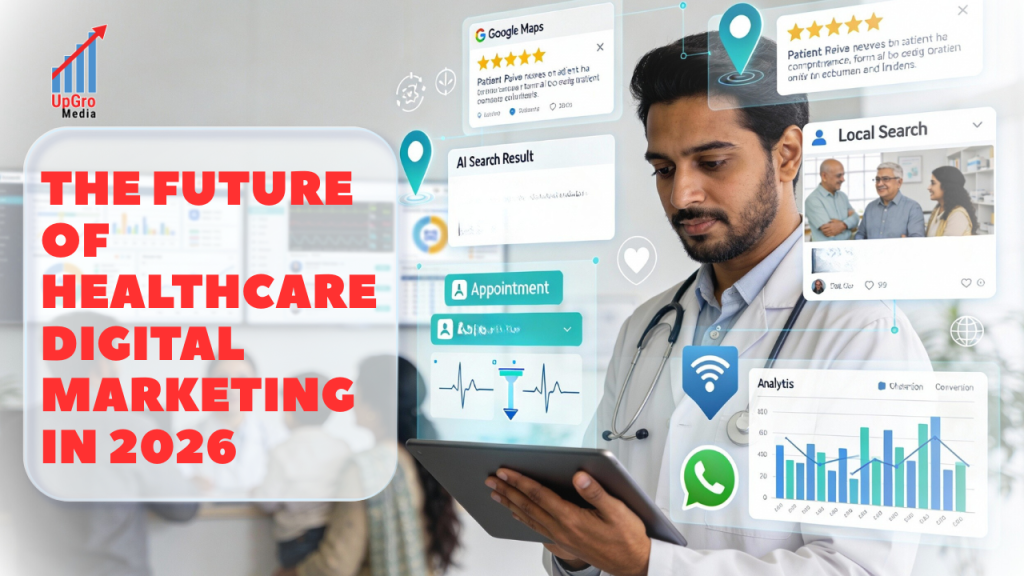
Running a small healthcare clinic looks very different today than it did ten years ago. Many patients now search online before they ever call a doctor’s office. Why does that matter? Clinics that show up online often fill their appointment slots faster.
People also expect simple digital experiences. They want to book visits online, ask questions through a portal, and receive reminders on their phones. The result? Clinics that rely only on phone calls and paper files often lose patients to offices that offer easier options.
A pediatric clinic owner in Ohio recently noticed this shift. Parents stopped calling the front desk and instead searched Google for nearby pediatricians. This means that pediatric healthcare marketing strategies play a big role in getting patients.
Digital growth is no longer optional for small healthcare practices. It helps them stay visible and connect with modern patients.
Why Client Management Systems Matter
Many small clinics still manage patient records, reminders, and communication using several different tools. This can create confusion for both staff and patients. So what happens next? Important details slip through the cracks.
Client management systems solve this problem by organizing patient information in one place. Staff can view appointment history, contact details, and follow-up notes on a single screen. The result? Front desk workers spend less time searching through files.
Patients feel the difference too.
Imagine a physical therapy clinic using a client management system. A patient named Maria finishes her first treatment session. Two days later, she receives a reminder about her next visit and a message asking how her recovery feels.
Why does that matter? Maria feels supported between appointments, not forgotten.
For small healthcare practices, this kind of system also improves scheduling. Staff can quickly see open slots and manage cancellations without long phone calls.
The result? Smoother days at the clinic.
Local Visibility Still Drives Patient Growth
Many patients simply search for a doctor near their home. They type phrases like “pediatrician near me” or “family clinic open today.” So what happens if a practice doesn’t appear in those results? Patients often pick the next option.
Local search visibility makes a big difference for small healthcare practices.
Clinics can start with simple steps. They update their Google Business profile, add current hours, and include clear photos of the office. The result? Patients know what to expect before arriving.
Online reviews also shape decisions.
Imagine a parent searching for a pediatric clinic after moving to a new city. She reads reviews from other families describing friendly staff and short wait times. Why does that matter? Those stories reduce uncertainty and help her feel comfortable booking a visit.
Small actions like responding to reviews or updating clinic photos can steadily attract more local patients.
Better Patient Communication Builds Loyalty
Clear communication keeps patients connected to their healthcare providers. Without it, people often forget follow-up visits or delay treatment. Why does that matter? Missed appointments hurt both patient health and clinic schedules.
Digital messaging tools help solve this issue.
A dental clinic might send appointment reminders by text message. Patients receive a quick notification the day before their visit. The result? Fewer no-shows and smoother scheduling.
Communication also helps patients stay engaged in their care.
Consider a patient recovering from knee surgery. His clinic sends weekly messages with simple exercise tips and recovery updates. So what happens next? He feels motivated to continue his rehab plan.
Small messages can build strong patient relationships over time.
Practical Steps Clinics Can Take in 2026
Digital growth does not require a huge budget or complicated systems. Many improvements begin with a few practical changes.
Start by reviewing how patients interact with the clinic. Can they schedule appointments online? Can they send quick questions through a patient portal? The result? Patients spend less time waiting on hold.
Next, consider tools like client management systems that keep records and communication organized. Staff gain a clear view of patient history and scheduling needs.
That makes daily work simpler.
Clinics can also explore pediatric healthcare marketing strategies or other targeted outreach that match their specialty. Short educational videos, helpful blog posts, and active social media pages often attract attention from local families.
Small changes add up.
Healthcare practices that invest in digital tools often discover something surprising. Patients feel closer to the clinic, not farther away.
And that connection keeps practices growing.



Athletes want to do their best. This can be in school, college, or pro sports. Training alone can help, but a sport-specific coach makes a big difference. They focus on skills, strength, and the right mindset for your sport.
If you want to reach your full potential, working with a coach is smart. Keep reading to see how sport-specific training helps athletes get better fast and play stronger.
What a Sport-Specific Coach Does
A sport-specific coach studies the sport you play. They make workouts, drills, and routines that match the sport. This type of training improves skills, strength, speed, and stamina in ways normal workouts cannot.
Coaches also help with technique. They watch how you move, fix mistakes, and show the right form. This lowers the chance of injuries and helps athletes move easier and faster.
Getting Strong and Fit
Athletes need strong bodies to perform well. Sport-specific coaches make plans for strength, speed, and endurance. These exercises work the muscles used most in the sport. They help athletes last longer in games or competitions.
Speed and fast reactions are important too. Drills for footwork, hand-eye coordination, and quick movements make athletes faster and sharper. A coach makes sure athletes train smart, not just hard.
Training the Mind
Being a great athlete is not only about the body. Coaches also teach mental skills. Athletes learn focus, discipline, confidence, and ways to stay calm under pressure.
Goal setting, visualizing plays, and mental practice are common. These skills help athletes make better choices and play well in games. Strong mental skills often make the difference between good and great players.
Developing focus, resilience, and confidence through consistent mental training allows athletes to stay composed under pressure, adapt to challenges, and maintain peak performance throughout competitions.
Personal Plans and Progress
Every athlete is different. Sport-specific coaches make personal plans based on your strengths, weaknesses, and goals. They track progress and change training to help you keep improving.
Coaches give feedback and support. This helps athletes stay motivated and keep going. Over time, personal plans give better results than generic workouts. Every athlete learns at their own pace. Coaches watch how you perform and adjust exercises as needed. They set clear, simple goals and celebrate small wins.
This keeps training fun and helps athletes stay confident. Regular check-ins make sure you keep improving and reach your full potential.
Certified Coaches Know Best
Many coaches take special certification programs to improve their skills. Programs like https://www.americansportandfitness.com/products/sport-specific-training-certification teach coaches safe training, injury prevention, and performance tips. Certified coaches bring skill and trust to athletes who want real results.
Reach Your Full Potential
Working with a sport-specific coach is smart for all athletes. They give personal training, improve skills, and help you grow physically and mentally.
By using personal plans, drills, and mental coaching, athletes can reach peak performance. If you want to play smarter, move faster, and perform your best, a sport-specific coach is the key. Start today and unlock your full potential!
Expand your knowledge and check out more posts on our blog!
Uncategorized
Gina Kirschenheiter: A Complete Biography of the RHOC Star’s Life, Career, and Personal Journey

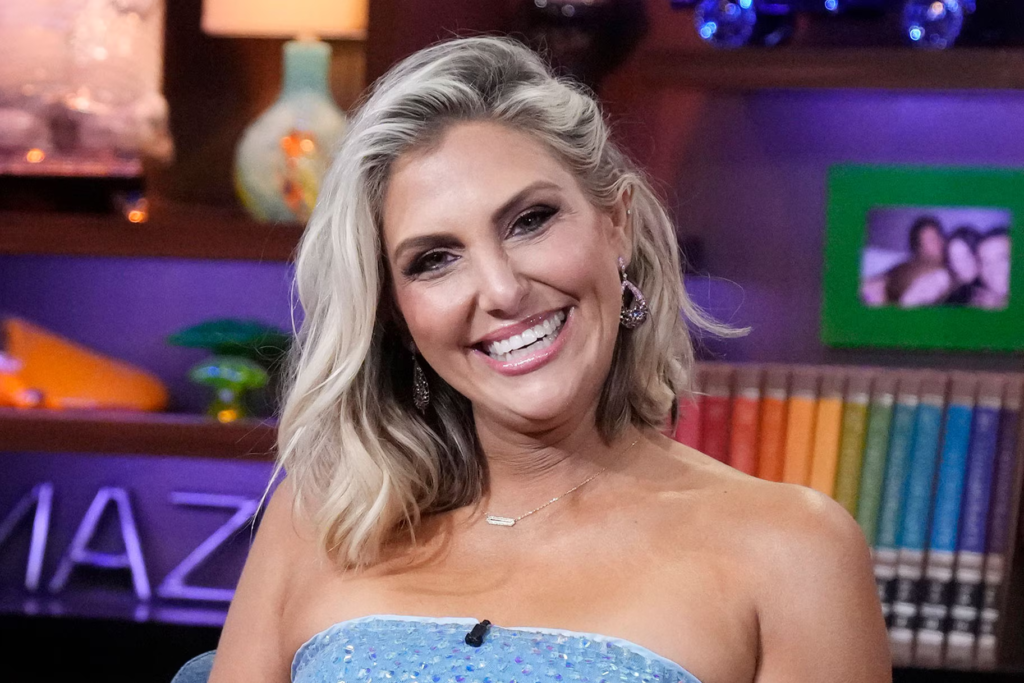
Gina Kirschenheiter is a well-known American reality television personality, entrepreneur, and public figure best recognized for her role on Bravo’s hit series, The Real Housewives of Orange County (RHOC). Since joining the franchise in Season 13 (2018), she has become one of the most relatable and transparent cast members, sharing her experiences with marriage, divorce, motherhood, and personal growth.
Unlike many of her co-stars who entered the show with established wealth or business empires, Gina Kirschenheiter built her public identity on authenticity. Her journey from a suburban life in Long Island, New York, to the glamorous yet challenging world of Orange County reality TV reflects resilience, transformation, and personal reinvention. This in-depth biography explores her early life, career milestones, relationships, legal challenges, and evolving legacy.

Early Life and Background of Gina Kirschenheiter
Gina Kirschenheiter was born on May 11, 1984, in Long Island, New York. Raised in a traditional East Coast environment, she grew up far removed from the spotlight of California’s entertainment scene. Her upbringing shaped the grounded personality fans later came to appreciate on RHOC.
Coming from a middle-class background, she experienced a relatively normal childhood filled with family values and strong community ties. Her New York roots remain a defining part of her identity, often reflected in her accent and straightforward communication style. Even after relocating to California, Gina Kirschenheiter has proudly maintained her East Coast authenticity.
Education and Early Aspirations
Before entering reality television, Gina Kirschenheiter pursued higher education and established a conventional career path. She attended Hofstra University, where she earned a degree in psychology. Her academic background suggests an early interest in understanding human behavior and relationships—an insight that later helped her navigate the interpersonal dynamics of reality TV.
After college, she briefly worked in Northwell Health’s marketing and event planning division, gaining experience in corporate environments. At this stage, there were no signs she would become a television personality. Her early career reflected stability and ambition, characteristics that would later support her entrepreneurial ventures.
Marriage to Matt Kirschenheiter
Gina Kirschenheiter married Matthew (Matt) Kirschenheiter, a financial planner, before relocating to California. The couple moved to Orange County for Matt’s career, marking a major transition in her life. At the time, Gina focused primarily on raising their children and building a home in a new state.
Their marriage initially appeared stable, but behind the scenes, challenges were emerging. When Gina Kirschenheiter joined RHOC, viewers quickly learned that the couple was experiencing significant strain. The show documented their separation and subsequent divorce, making her personal life a central storyline.
Becoming a Mother
Motherhood has always been a defining pillar of Gina Kirschenheiter’s life. She shares three children with Matt: Nicholas, Sienna, and Luca. Her parenting style reflects her down-to-earth personality, emphasizing honesty and emotional openness.
Throughout her time on RHOC, Gina Kirschenheiter has often prioritized her children over social status or luxury. Viewers have seen her navigate co-parenting complexities while maintaining a stable home environment. Her transparency about balancing single motherhood and public life resonated with many fans who appreciated her relatability.
Joining The Real Housewives of Orange County
In 2018, Gina Kirschenheiter joined The Real Housewives of Orange County during Season 13. She was introduced alongside Emily Simpson, and the two quickly formed a strong friendship that continues today.
Unlike veteran cast members, Gina entered the franchise without an extravagant lifestyle. Her modest home and candid discussions about finances differentiated her from traditional Housewives stereotypes. This contrast added a fresh dynamic to the series and positioned Gina Kirschenheiter as one of the most relatable personalities on Bravo.
Early Reception on RHOC
When Gina Kirschenheiter first appeared on RHOC, audience reactions were mixed. Some viewers appreciated her authenticity, while others questioned her fit within the glamorous Orange County cast. Over time, however, her honesty and emotional vulnerability won over a loyal fan base.
She openly discussed marital struggles, financial concerns, and insecurities—topics that many reality stars avoid. This transparency created deeper audience engagement and strengthened her relevance within the franchise.
Divorce and Legal Challenges
One of the most significant turning points in Gina Kirschenheiter’s life was her highly publicized divorce. In 2019, Matt Kirschenheiter was arrested following a domestic violence incident. The situation became a major storyline on RHOC, bringing national attention to her personal struggles.
Gina Kirschenheiter later spoke candidly about the emotional toll of the experience. She emphasized the importance of self-worth and safety, ultimately advocating for personal empowerment. Her openness about the incident was widely seen as courageous and helped raise awareness about domestic abuse.
Personal Growth and Reinvention
Following her divorce, Gina Kirschenheiter entered a new phase of self-discovery. She openly discussed therapy, healing, and rebuilding her confidence. Instead of presenting a polished image, she shared her vulnerabilities with viewers.
This period marked a transformation from a dependent spouse to an independent woman navigating life on her own terms. Her storyline shifted from marital drama to personal empowerment, reinforcing her authenticity within the franchise.

Relationship with Travis Mullen
After her divorce, Gina Kirschenheiter began dating Travis Mullen, a businessman and father. Their relationship evolved gradually, and eventually, they blended their families under one roof.
The couple’s blended household became a central storyline on RHOC. Gina Kirschenheiter often described Travis as supportive and stabilizing, contrasting sharply with her previous marriage. However, in recent seasons, she has openly discussed the complexities of maintaining independence while cohabitating.
Entrepreneurial Ventures
Beyond reality television, Gina Kirschenheiter has explored entrepreneurial opportunities. She has been involved in real estate, working toward establishing herself professionally outside Bravo.
Her career shift reflects a desire for financial independence and long-term stability. By diversifying her income streams, Gina Kirschenheiter demonstrates strategic thinking beyond the entertainment industry.
Financial Transparency on Reality TV
One aspect that distinguishes Gina Kirschenheiter from many Housewives is her willingness to discuss finances openly. She has spoken about downsizing her home and living within realistic means.
This transparency challenges the traditional RHOC narrative centered on extreme wealth. Gina Kirschenheiter’s financial honesty resonates with viewers who appreciate authenticity over extravagance.
Friendship with Emily Simpson
The friendship between Gina Kirschenheiter and Emily Simpson remains one of RHOC’s most stable dynamics. Their bond has survived cast conflicts, personal struggles, and shifting alliances.
This friendship adds emotional depth to the series and reinforces Gina’s loyalty and relatability.
Style Evolution and Public Image
Since her debut, Gina Kirschenheiter’s style has evolved significantly. Early seasons showcased a casual, suburban aesthetic, while later appearances reflect increased confidence and sophistication.
Her evolving fashion choices mirror her personal growth, symbolizing empowerment and self-expression.
Social Media Presence
Gina Kirschenheiter maintains an active presence on platforms like Instagram, where she shares updates about family, filming, and lifestyle moments. Her online engagement allows fans to connect beyond televised episodes.
Social media has become a strategic branding tool, enhancing her visibility and influence.
Philanthropy and Advocacy
Following her personal experiences, Gina Kirschenheiter has expressed support for domestic violence awareness initiatives. While not extensively documented as a formal philanthropist, her public discussions contribute to social awareness.
Her advocacy underscores her willingness to use her platform responsibly.
Impact on RHOC Franchise
Gina Kirschenheiter represents a shift in RHOC casting—moving from purely affluent portrayals to more relatable narratives. Her storylines focus on resilience rather than luxury.
This evolution reflects broader changes within the Housewives franchise.
Challenges of Reality Television
Reality TV brings scrutiny, and Gina Kirschenheiter has faced criticism regarding finances, relationships, and parenting. Despite this, she continues to participate actively in the series.
Her endurance demonstrates emotional resilience.
Public Perception and Fan Base
Over time, Gina Kirschenheiter has cultivated a dedicated fan base. Viewers who value transparency and growth often cite her as relatable.
Her journey resonates particularly with single mothers and women rebuilding after divorce.
Future Plans and Career Outlook
As of recent seasons, Gina Kirschenheiter continues her role on RHOC while expanding her professional pursuits in real estate. Her long-term plans appear focused on stability and personal fulfillment.
Whether she remains on reality TV indefinitely or transitions fully into business, her adaptability suggests continued relevance.
Conclusion
Gina Kirschenheiter has transformed from a suburban New York native into a recognizable reality television personality and entrepreneur. Her journey on The Real Housewives of Orange County has been marked by marriage, divorce, motherhood, reinvention, and resilience.
Rather than relying on glamour alone, Gina Kirschenheiter built her brand on authenticity. Through transparency about finances, relationships, and personal challenges, she has carved a distinct identity within the franchise. As she continues evolving professionally and personally, her story remains one of growth, strength, and determination.
Frequently Asked Questions (FAQs)
1. Who is Gina Kirschenheiter?
Kirschenheiter is an American reality TV personality best known for starring on The Real Housewives of Orange County since 2018.
2. How many children does Gina Kirschenheiter have?
She has three children: Nicholas, Sienna, and Luca.
3. When did Gina Kirschenheiter join RHOC?
She joined the show in Season 13 (2018).
4. Is Gina Kirschenheiter married?
She divorced Matt Kirschenheiter and has been in a relationship with Travis Mullen.
5. What does Gina Kirschenheiter do for a living?
In addition to reality television, she has pursued a career in real estate.
6. Where is Gina Kirschenheiter from?
She was born and raised in Long Island, New York.


Living in the USA often means managing busy schedules, professional commitments, and family responsibilities, all while staying connected to spiritual roots. For many Indian families abroad, maintaining religious traditions is deeply meaningful, but distance from temples and trusted priests can make it challenging. Whether it’s a festival puja, Grah Pravesh, Satyanarayan Katha, Rudrabhishek, or a personal sankalp for peace and well-being, online puja services have made it significantly easier to perform rituals with proper vidhi and authentic guidance.
The important part isn’t just booking a service, it’s choosing a platform that feels reliable, transparent, and rooted in tradition. An online puja service should offer transparency in pricing, clarity in ritual steps, verified priest credentials, and clear communication throughout the process. It should feel supportive rather than transactional, especially for those booking a ceremony for the first time.
5 trusted platforms that devotees in the USA commonly use
1) Shubhpuja (Available via Quicklly)
Shubhpuja offers structured Vedic rituals with clear explanations about the purpose and process of each puja. You can book experienced pandits and understand what to expect before the ceremony begins.
For devotees in the USA, Shubhpuja services are accessible through Quicklly, an online south asian marketplace, which helps simplify both booking and access to puja essentials. It’s especially helpful for families who want step-by-step clarity rather than just a confirmation email.
2) Astroved
Astroved is known for combining traditional rituals with astrological guidance. Devotees can book various pujas performed by trained priests, often with live participation or recorded options.
It’s suitable if you’re looking for mantra-focused ceremonies with astrological context. However, you may need to arrange puja materials separately.
3) Pandits Near Me
Pandits Near Me connects users with local priests across different US cities. This works well if you prefer in-person ceremonies or a more personalized interaction.
Since it functions as a connecting service, coordination around timing, samagri, and ritual steps may require direct communication with the priest.
4) 99Pandit
99Pandit operates as a marketplace for religious services. You can filter priests by language, availability, and location.
The booking process is simple and practical. However, first-time users may need to ask additional questions about preparation and ritual details.
5) Shastrigal
Shastrigal focuses strongly on scripture-based, traditional rituals. It connects devotees with experienced priests who follow orthodox practices.
It’s ideal for those who already know which puja they want and prefer a more traditional structure. The platform may feel formal, but it emphasizes authenticity.
How Do I Choose the Best Online Puja Platform?
Choosing the right platform depends on your comfort level and needs. Consider the following:
- Does the platform clearly explain the puja vidhi and purpose?
- Are the priests experienced and verified?
- Is pricing transparent?
- Do they offer live participation options?
- Are there clear preparation instructions?
- Do they provide support for devotees living outside India?
A good platform should make you feel guided and informed, not confused or rushed.
How to Prepare for an Online Puja in the USA
Preparation helps you focus on devotion rather than last-minute arrangements.
- Confirm your local time zone and puja timing
- Keep a stable internet connection for live participation
- Arrange essential puja samagri such as flowers, fruits, diya, incense, kumkum, turmeric, and prasad
- Clean and prepare a peaceful space at home
- Understand whether you need to repeat mantras or simply observe
Even when performed online, intention and discipline remain central to the ritual.
Final Thoughts
Online puja services have made it easier for devotees in the USA to stay spiritually connected without logistical stress. The right platform respects tradition while understanding the practical realities of living abroad.
When chosen carefully, online puja booking can feel just as meaningful and structured as participating in a ceremony back home.
FAQ
Can I book a puja online while living anywhere in the USA?
Yes. Online puja services are accessible from any US state since ceremonies are conducted virtually or on your behalf.
Is online puja considered valid in Hindu tradition?
When performed by trained priests following proper Vedic vidhi and sankalp, online pujas are considered spiritually meaningful
Can I attend the puja live from my home?
Many platforms offer live video participation so you can join the ceremony in real time.
Do I need to arrange puja materials myself?
In most cases, yes. Platforms usually provide a checklist so you can prepare in advance.
How much does an online puja cost in the USA?
Costs vary depending on the type of puja, priest experience, and whether it includes live participation or temple performance.
Can I book a same-day online puja?
Some platforms offer same-day bookings, but availability depends on the priest’s schedules and time zones. Booking in advance is recommended.


Digital Growth Strategies for Small Healthcare Practices in 2026

The Smart Seller’s Guide to AI-Powered E-commerce Growth

The Science Behind Modern Medical Weight-Loss Programs

Carolin Bacic: Life, Biography, Family, and Legacy

Christine Williamson: A Rising Star in Sports Journalism

Dame Esther Rantzen: Life, Career, and Legacy of a British Broadcasting Icon
-
 Celebrity7 months ago
Carolin Bacic: Life, Biography, Family, and Legacy
-
 Celebrity1 year ago
Christine Williamson: A Rising Star in Sports Journalism
-
 Celebrity2 months ago
Dame Esther Rantzen: Life, Career, and Legacy of a British Broadcasting Icon
-

 Celebrity6 months ago
Dani Daniels: A Complete Biography of the Artist, Media Personality, and Entrepreneur
-

 Celebrity4 months ago
Eleonora Incardona: Biography, Career, Age, Boyfriend, Net Worth & Lifestyle (2025)
-

 Celebrity2 months ago
Stephen Mulhern: The Complete Biography of Britain’s Beloved Television Entertainer
-

 Celebrity1 year ago
Berniece Julien: A Comprehensive Biography2025
-

 Celebrity5 months ago
Juan Gabriel: The Legendary Life of El Divo de Juárez