
Home Improvement
How Small Household Habits Quietly Shape Long-Term Well-Being

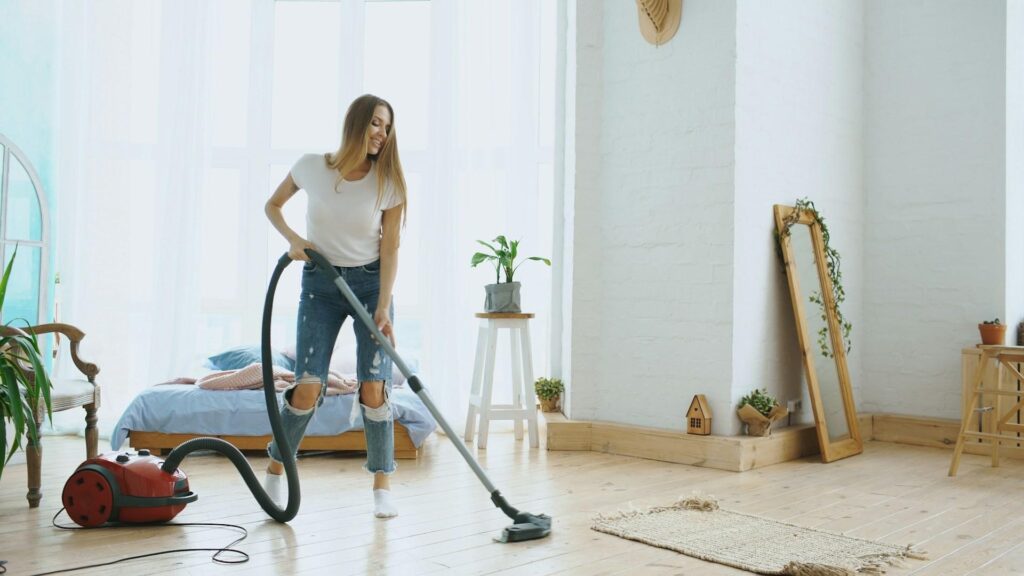
Photo by Vitaly Gariev on Unsplash
Most conversations about healthy living focus on big decisions: diet changes, exercise routines, or major home upgrades. Yet in everyday life, it’s often the smallest habits that have the greatest cumulative impact. The way people clean, ventilate rooms, store food, or reset shared spaces after daily use gradually defines how a home feels to live in over months and years.
These habits usually form without much planning. A spill gets wiped down quickly, shoes are left by the door, surfaces are cleaned before guests arrive. Over time, convenience tends to guide these choices more than intention. That’s why products like non toxic cleaning wipes often become part of a routine because they’re easy to reach and convenient for quick and easy clean ups.
What’s interesting is that these small, almost automatic actions influence comfort and well-being far more than people realize. They shape indoor air quality, how clean a space feels, and how much mental effort is required to keep things under control. When routines are simple and low-friction, maintaining a healthy environment feels manageable rather than exhausting.
The Psychology Behind Everyday Home Routines
Human behavior favors the path of least resistance. When a task feels quick and uncomplicated, it’s more likely to happen consistently. This principle applies strongly to household maintenance. People don’t skip cleaning because they dislike cleanliness; they skip it because the process feels disruptive or time-consuming.
Over time, homes reflect this reality. Areas that are easy to maintain stay orderly, while those that require extra steps often fall behind. This is why routines matter more than intentions. A home doesn’t become comfortable because of one deep clean or a burst of motivation. It becomes comfortable because small actions are repeated without much thought.
Environmental psychologists often point out that visual and sensory order reduces cognitive load. When surfaces are clear and spaces feel fresh, people experience less background stress, even if they can’t articulate why. This effect compounds in homes where multiple people share responsibilities, because predictability reduces friction and decision fatigue.
Cleanliness as a Background Condition, Not a Goal
One reason cleaning habits are so influential is that cleanliness is rarely the end goal. People don’t clean for the sake of cleaning; they clean to restore normalcy. A tidy surface, neutral air, and an orderly room signal that things are under control, allowing attention to shift elsewhere.
This framing changes how maintenance fits into daily life. When cleaning is seen as a background condition rather than a task to complete, it becomes easier to integrate into existing routines. A quick wipe here, a reset there, and the home stays within an acceptable range of order without major effort.
Health authorities reinforce the importance of this consistency. The Centers for Disease Control and Prevention emphasizes that regular surface cleaning supports healthier indoor environments, particularly in shared living spaces where germs and residues can accumulate unnoticed. The key is not intensity, but regularity.
How Home Environments Affect Mood and Focus

Photo by Vitaly Gariev on Unsplash
The connection between environment and mental state is subtle but powerful. Cluttered or stale spaces don’t just look unpleasant; they subtly drain attention and patience. Conversely, environments that feel clean and balanced tend to support focus and calm, even during stressful periods.
This is especially noticeable in homes that double as workspaces. As remote and hybrid work become more common, people spend longer stretches inside the same environment. In these settings, minor irritations compound quickly. A lingering smell, sticky surface, or visual mess becomes harder to ignore when there’s no change of scenery.
Addressing these issues doesn’t require perfection. In fact, aiming for perfection often backfires, leading to burnout or avoidance. Homes that feel good to live in usually strike a balance, staying clean enough to be comfortable without demanding constant attention.
Why Simplicity Matters More Than Optimization
Modern life is filled with optimization advice, much of it overwhelming. In the context of home care, simplicity often outperforms complex systems. The easier a routine is to maintain, the more likely it will persist over time.
This is why many effective habits are unremarkable. They don’t rely on schedules, checklists, or specialized knowledge. They rely on accessibility. When tools and solutions are easy to use, people use them. When they’re hidden away or complicated, they don’t.
Over years, these patterns shape the overall character of a home. Spaces that support simple maintenance feel resilient. They bounce back quickly after busy periods and don’t require major resets. This resilience contributes to a sense of stability, which is especially valuable during times of change or stress.
Long-Term Health Is Built From Ordinary Days
Well-being isn’t constructed from occasional efforts; it’s built from ordinary days lived repeatedly. The environments people inhabit during those days influence energy levels, stress responses, and even how well they rest at night.
Public health research increasingly acknowledges the role of indoor environments in overall health. The World Health Organization has highlighted how indoor conditions affect comfort and quality of life, particularly as people spend a majority of their time inside. This makes everyday habits, not just major interventions, a meaningful part of health outcomes.
When homes support simple, repeatable routines, they reduce the mental and physical effort required to stay comfortable. Over time, this ease translates into better consistency, which matters more than any single improvement.
Building Homes That Support, Rather Than Demand, Attention
The most livable homes aren’t the most impressive. They’re the ones that quietly support daily life. They allow people to reset spaces quickly, maintain order without strain, and move through routines without constant decision-making.
By paying attention to small habits and the tools that enable them, households can create environments that feel lighter to manage. These changes rarely announce themselves, but their effects are felt over time in reduced stress and greater ease.
In the end, long-term well-being is shaped less by dramatic transformations and more by what happens on an average day. Homes that accommodate those days gracefully become places of genuine comfort, not because they’re perfect, but because they’re practical.



Falls are one of the most common causes of injury, especially for older adults. According to health experts, many falls occur inside the home during everyday activities such as walking through hallways, using the bathroom, or climbing stairs. The good news is that many fall risks can be reduced with simple safety improvements and awareness.
Creating a safer living environment doesn’t always require major renovations. Small changes—like improving lighting, organizing living spaces, and adding supportive tools—can make a significant difference. In this guide, we’ll explore practical steps you can take to reduce fall risks at home and create a safer environment for everyone.
Why Fall Prevention Matters
Falls can happen to anyone, but they are particularly dangerous for older adults because they can lead to serious injuries such as fractures or head trauma. Even a minor fall may result in long recovery times or reduced mobility.
Preventing falls is important because it helps:
- Maintain independence
- Reduce injuries and hospital visits
- Improve confidence when moving around the home
- Support overall health and well-being
Taking proactive steps to make a home safer can significantly reduce the chances of accidents.
Improve Lighting Throughout the Home
Poor lighting is a common cause of falls. When rooms or hallways are dimly lit, it becomes harder to see obstacles, uneven flooring, or objects on the ground.
To improve lighting safety:
- Install brighter LED bulbs in frequently used areas
- Add night lights in bedrooms, hallways, and bathrooms
- Place lamps near seating areas or reading spaces
- Use motion-sensor lighting in stairways and entryways
Better lighting helps people move around safely, especially during the evening or nighttime.
Remove Tripping Hazards
Many falls occur because of everyday objects that create obstacles. Taking time to remove or secure these hazards can greatly improve home safety.
Common tripping hazards include:
- Loose rugs or carpets
- Electrical cords across walkways
- Clutter in hallways or living areas
- Shoes or bags left on the floor
Consider using non-slip rug pads or removing rugs entirely in areas where people frequently walk. Keeping floors clear and organized makes navigation easier and safer.
Install Grab Bars and Handrails
Grab bars and handrails provide extra support and stability when moving around the home. These features are especially helpful in areas where balance may be more difficult.
Consider installing grab bars in:
- Bathrooms near toilets and showers
- Bathtubs or walk-in showers
- Staircases
- Entryways with steps
Handrails on both sides of a staircase can offer additional support when going up or down.
Make the Bathroom Safer
Bathrooms are one of the most common places for falls because of slippery surfaces and limited space.
A few safety improvements can make a big difference:
- Place non-slip mats in showers and bathtubs
- Use a shower chair if standing for long periods is difficult
- Install grab bars near toilets and inside the shower
- Keep floors dry and clean
These simple tools can reduce the likelihood of slipping while bathing or grooming.
Keep Staircases Safe
Stairs can be particularly risky, especially for individuals with mobility challenges or balance concerns.
To improve stair safety:
- Ensure staircases are well lit
- Install sturdy handrails on both sides
- Use non-slip stair treads
- Remove items from steps
For individuals who find stairs difficult to navigate, assistive solutions may help. There are now some excellent slim-profile stairlift solutions on the market that fold away neatly when not in use.
These options can help individuals move between floors more comfortably while maintaining independence.
Wear Proper Footwear
Footwear plays an important role in preventing falls. Shoes with poor traction or loose-fitting slippers can increase the risk of slipping.
Choose footwear that:
- Has non-slip soles
- Fits securely on the foot
- Provides good support
Avoid walking on smooth floors in socks or loose slippers, as they can reduce stability.
Keep Frequently Used Items Within Reach
Reaching for items stored on high shelves or bending down repeatedly can increase the chance of losing balance.
To reduce this risk:
- Store frequently used items at waist or shoulder height
- Use pull-out shelves or organizers
- Avoid climbing on chairs or stools
Keeping essential items within easy reach makes daily tasks safer and more convenient.
Stay Physically Active
Maintaining strength and balance can help reduce the risk of falls.
Simple activities such as walking, stretching, or balance exercises may improve stability and coordination.
Exercise programs designed for fall prevention often focus on:
- Strengthening leg muscles
- Improving flexibility
- Enhancing balance
Before starting any new exercise routine, it’s a good idea to consult with a healthcare professional.
Use Assistive Devices When Needed
Assistive devices can provide extra support and confidence for people who may feel unsteady while walking.
Common devices include:
- Walking canes
- Walkers
- Reacher tools for picking up items
- Bed rails for easier movement
Using these tools when necessary can reduce strain and improve safety.
Organize Your Living Space
A well-organized home reduces the chances of accidents.
Consider these tips:
- Arrange furniture to create clear pathways
- Keep commonly used areas clutter-free
- Use storage solutions to keep items organized
Regularly reviewing your living space for hazards can help maintain a safer environment.
Frequently Asked Questions (FAQs)
What are the most common causes of falls at home?
Common causes include poor lighting, slippery floors, loose rugs, cluttered walkways, and lack of support in bathrooms or staircases.
How can lighting reduce fall risks?
Proper lighting makes it easier to see obstacles, uneven surfaces, and objects on the floor, helping prevent trips and falls.
Are bathrooms really a high-risk area for falls?
Yes. Wet surfaces and tight spaces make bathrooms one of the most common places where falls occur.
What is the easiest way to make a home safer?
Removing tripping hazards, improving lighting, and installing grab bars are some of the simplest ways to improve home safety.
Do exercise programs help prevent falls?
Yes. Strength and balance exercises can improve mobility and reduce the likelihood of falling.
When should someone consider fall prevention changes at home?
It’s best to implement fall prevention measures early, before mobility challenges or accidents occur.
Final Thoughts
Reducing fall risks at home is an important step toward creating a safer and more comfortable living environment. Many accidents can be prevented with simple adjustments such as improving lighting, removing tripping hazards, and installing supportive equipment.
These small changes can significantly improve safety, especially for older adults who want to maintain independence in their homes.
By staying proactive and making thoughtful improvements, households can create spaces that support safety, confidence, and peace of mind for everyone who lives there.

How Professional Carpet Cleaning Improves Your Home Environment
Carpets add warmth to a room, reduce noise and feel soft under your feet. They make living spaces more comfortable and welcoming. However, carpets can also collect a surprising amount of everyday dirt over time.
Even when a carpet looks clean, small particles can become trapped deep inside the fibres. Dirt brought in from outside, food crumbs, cooking residue and everyday household activity all contribute to this gradual build-up.
Over time this can lead to marks, unpleasant smells and bacteria developing inside the carpet fibres if they are not cleaned properly.
Understanding how carpets collect dirt and how professional cleaning works can help homeowners maintain a cleaner and healthier indoor environment.
What Builds Up Inside Carpet Fibres
Carpets act almost like a collection point for everyday household debris. As people walk across them throughout the day, tiny particles become pressed into the carpet pile.
Common things that can build up in carpets include:
- Dirt tracked in from outside
- Food crumbs and drink spills
- Pet hair and pet oils
- Cooking residue from the kitchen
- Bacteria are carried in from daily activity
As these materials settle deeper into the carpet fibres, they can slowly affect both the appearance and freshness of the carpet.
In some cases, this can also lead to lingering smells, especially in busy homes with heavy foot traffic.
Why Vacuuming Alone Is Not Always Enough
Vacuuming is important for day-to-day carpet care, but it mainly removes loose debris sitting near the surface.
Oily residues from cooking, small spills and dirt from outdoors can cling to carpet fibres. Over time these substances attract more dirt, which is why some carpets begin to look darker in walkways or busy areas.
When dirt becomes embedded deep in the fibres, professional cleaning equipment is usually needed to remove it effectively.
How Professional Carpet Cleaning Works
One of the most common methods used by professionals is deep steam extraction, also known as hot water extraction.
This process involves several stages designed to remove embedded dirt from the carpet.
Inspection
The carpet is first inspected to identify stains, heavily used areas and the type of fibres.
Pre-treatment
Cleaning solutions are applied to loosen dirt, grease and marks trapped within the fibres.
Deep extraction
Hot water is injected into the carpet and immediately extracted using powerful equipment. This process helps remove dirt, residues and bacteria from deep within the carpet pile.
Sanitising and deodorising
After cleaning, sanitising treatments can help remove odours and improve the carpet’s overall freshness.
The Benefits of Deep Carpet Cleaning
Professional cleaning can provide several practical benefits for homeowners.
These include:
- Removing deep-seated dirt
- Improving the smell and freshness of carpets
- Helping maintain a healthier indoor environment
- Restoring the appearance of worn areas
- Extending the life of the carpet
High-traffic areas such as hallways, living rooms and stairs usually benefit the most from occasional professional cleaning.
When a Carpet May Need Professional Cleaning
Some signs suggest that deeper cleaning may be helpful.
These include:
- Visible stains or marks
- Lingering smells in certain areas
- Darker patches in walkways
- Carpet fibres looking flattened or dull
When these issues appear, professional cleaning can often restore both the appearance and hygiene of the carpet.
Homeowners who want to learn more about professional cleaning methods can find useful information from companies such as Local Expert Cleaning, which shares advice and guidance on maintaining carpets and upholstery.
You can read more about professional carpet cleaning in Birmingham here:
Simple Ways to Keep Carpets Cleaner for Longer
While professional cleaning helps remove embedded dirt, small daily habits can also help maintain carpets.
Some useful tips include:
- Vacuum regularly in busy areas
- Use entrance mats to reduce outdoor dirt
- Remove shoes when entering the house
- Clean spills as soon as they happen
These simple habits help prevent dirt from becoming trapped deep within carpet fibres.
Keeping Your Home Fresh and Hygienic
Carpets naturally collect the dirt and smells of everyday life — crumbs, outdoor dirt, cooking residue, and other particles that accumulate over time. With proper care and occasional deep cleaning, carpets can remain comfortable, clean and long-lasting.
For additional cleaning advice and information about professional services, you can also visit
Local Expert Cleaning

Dubai humidity forces a completely different approach to home maintenance than what most residents are used to. Your AC alone will not protect your home. You need scheduled HVAC deep servicing every three to four months, professional cleaning of upholstered furniture, a dedicated dehumidifier keeping indoor levels between 30% and 50%, sealed entry points across every window and pipe, and moisture resistant materials in every renovation. That is the new baseline. Anything less, and you are paying for repairs instead of prevention.
How Does Dubai Humidity Affect Your Indoor Living Space?
Dubai sits on the Arabian Gulf, where summer sea temperatures hit 37C, and that warm water continuously evaporates moisture into the air your home breathes in all day long. The city records an annual average humidity of 59%, but summer months tell a different story with levels regularly spiking above 90% overnight in coastal neighborhoods like Dubai Marina and Jumeirah.
When that sticky outdoor air meets your 22C air conditioned interior, condensation forms on every cold surface. Windows fog up. Walls sweat behind wardrobes. And within 24 to 48 hours of sustained moisture above 60%, mold spores begin colonizing. You have seen it on your bathroom ceiling. You have smelled it near the AC vents. That is not just cosmetic. That is your home slowly breaking down from the inside.
Why Managing Humidity in Dubai is Essential for Your Home?
Dubai Municipality enforces indoor humidity control between 40% and 60% through its Technical Guidelines for Indoor Air Quality. Anything above that threshold invites structural damage, health risks, and repair costs that compound fast.
Wood warping and rot
Wooden flooring, door frames, and furniture absorb excess moisture like sponges. In a humid environment, that absorption triggers swelling, warping, and eventually rot. Replacing warped hardwood floors in a two bedroom apartment can cost thousands of dirhams, and the damage is often invisible until it is too late.
Mold and mildew growth
Mold does not need a flood. It needs moisture and warmth, exactly what every UAE home provides from May through October. These fungi release spores that trigger allergies, worsen asthma, and in severe cases produce mycotoxins linked to serious respiratory illness. Bathrooms, AC ducts, and storage rooms are ground zero.
Paint peeling and wall damage
When moisture gets trapped between the wall and the paint film, bubbles and peeling follow. Wallpaper fares even worse. Rooms with poor ventilation or walls that face the exterior condensation zone deteriorate fastest. Repainting every year is not maintenance. It is a symptom of a humidity problem you have not solved.
Electrical system corrosion
High humidity corrodes internal wiring, outlet connections, and metal components inside appliances. Short circuits become more likely. Performance degrades silently. This is not just expensive to repair. It is a genuine safety hazard that a standard home inspection will rarely catch until something fails.
Structural compromise from moisture cycles
Repeated cycles of moisture absorption and evaporation cause construction materials to expand and contract. Over time, that stress cracks plaster, weakens wall joints, and can compromise foundations if moisture seeps into lower levels. Properties in areas like Business Bay and Downtown Dubai with dense high rise construction face amplified pressure differentials that pull humid air through every gap in the building envelope.
How to Prevent Humidity Related Problems in Dubai Homes?
The old routine of wiping walls, running the AC colder, and hoping the smell goes away is exactly how small problems become five figure repair bills. Dubai’s climate demands a proactive, system level approach to moisture control.
Deep clean upholstered furniture regularly
Your sofa absorbs humidity like a reservoir. Fabric fibers trap moisture, dust mites, and mold spores that standard vacuuming cannot reach. Professional sofa cleaning every three to four months is no longer optional. Certified companies like Churchill Gulf use safe extraction methods that remove embedded moisture and allergens without leaving chemical residue that attracts more dust. If your cushions smell damp when you sit down, you are already overdue.
Upgrade your HVAC maintenance schedule
Forget the once a year checkup. Dubai demands professional HVAC servicing every three to four months during peak usage. That means inspecting condensate drainage lines, cleaning evaporator coils, and checking refrigerant levels. A dirty filter cripples your system’s ability to extract moisture, turning your AC into an expensive fan.
Invest in a proper dehumidifier
A standalone dehumidifier is not a luxury appliance. It is infrastructure. For apartments, a portable unit with continuous drainage handles bedrooms and bathrooms effectively. For villas, a ducted whole house system integrated into your HVAC delivers consistent results across every floor. Target indoor humidity between 30% and 50% and monitor it with a digital hygrometer placed away from windows and vents.
Seal every entry point for moisture
Humidity does not just float through open doors. It infiltrates through hairline cracks around windows, gaps in plumbing fixtures, and poorly sealed roof joints. Coastal properties near Al Wasl and JBR face additional corrosion from salt laden air that degrades metal pipes faster. Caulk and weatherstrip all openings. Inspect annually, and after every major sandstorm.
Ventilate strategically, not constantly
Opening windows in summer actually makes humidity worse. Instead, use exhaust fans in kitchens and bathrooms during and after use, and ensure your AC vents are never blocked by furniture or curtains. Restricted airflow causes condensation behind walls where you cannot see it. Cross ventilation works during cooler months, but from June through September, mechanical ventilation is your only reliable option.
Monitor humidity before you react to damage
Install a hygrometer in every room that faces an exterior wall or sits near water sources. A 15 dirham device can save thousands by catching humidity spikes before mold establishes. Smart home systems with IoT humidity sensors now allow remote monitoring, which is critical for residents who travel frequently and leave properties sealed for weeks.
Summary!
Dubai’s humidity is not getting milder. Arabian Gulf sea surface temperatures continue to rise, and coastal developments keep expanding into the most moisture heavy zones. The homes that survive this climate without constant repair bills will be the ones maintained with intention, not reaction. Swap the old habits for smarter systems, cleaner schedules, and materials that fight moisture instead of absorbing it. Your home was built to handle the heat. Make sure it can handle the water in the air too.


IPTV UK Premier League 2026: How Internet Streaming Is Shaping Football Viewing

Crafix Snow Globe Cups: Perfect Sublimation Tumblers for Every Project

Lily Collins Parents: Everything You Need to Know About Her Famous Family

Carolin Bacic: Life, Biography, Family, and Legacy

Christine Williamson: A Rising Star in Sports Journalism

Dame Esther Rantzen: Life, Career, and Legacy of a British Broadcasting Icon
-
 Celebrity7 months ago
Carolin Bacic: Life, Biography, Family, and Legacy
-
 Celebrity1 year ago
Christine Williamson: A Rising Star in Sports Journalism
-
 Celebrity2 months ago
Dame Esther Rantzen: Life, Career, and Legacy of a British Broadcasting Icon
-

 Celebrity6 months ago
Dani Daniels: A Complete Biography of the Artist, Media Personality, and Entrepreneur
-

 Celebrity4 months ago
Eleonora Incardona: Biography, Career, Age, Boyfriend, Net Worth & Lifestyle (2025)
-

 Celebrity1 year ago
Berniece Julien: A Comprehensive Biography2025
-

 Celebrity2 months ago
Stephen Mulhern: The Complete Biography of Britain’s Beloved Television Entertainer
-

 Celebrity5 months ago
Juan Gabriel: The Legendary Life of El Divo de Juárez