
Business
CBT for Social Anxiety: Evidence-Based Techniques That Actually Work

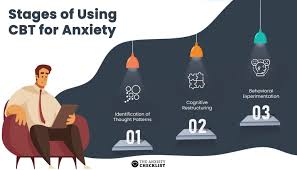
Many people feel nervous in social situations. But for some, the fear becomes overwhelming and affects everyday life. This condition is called Social Anxiety Disorder. People with social anxiety often worry about being judged, embarrassed, or rejected by others.
One of the most effective treatments for social anxiety is Cognitive Behavioral Therapy (CBT). CBT focuses on changing negative thoughts and behaviors that cause anxiety. Research in Clinical Psychology shows that CBT can help many people reduce their social fears and gain confidence.
Below are some simple CBT techniques that work. Read on.
Challenging Negative Thoughts
People with social anxiety often think the worst will happen in social situations. For example, they might think:
“Everyone will notice I’m nervous.” “If I say something wrong, people will laugh at me.”
CBT teaches people to question these thoughts. Instead of believing them automatically, they learn to ask:
Is there real evidence for this thought? What is a more realistic way to think about this?
For example, a person might replace the thought with: “Most people are not paying that much attention to me.” This helps reduce anxiety over time.
Facing Social Situations Step by Step
Avoiding social situations may feel safer, but it actually makes anxiety stronger. CBT encourages gradual exposure. This means facing feared situations slowly and in small steps.
A person might start with something simple like:
- Saying hello to a neighbor
- Asking a question in class
- Joining a small group conversation
As confidence grows, they can try more challenging situations. Repeated exposure helps the brain learn that these situations are not as scary as expected. Consult one of the top experts to learn more about overcoming social anxiety with therapy.
Testing Your Fears
Sometimes people believe their fears are guaranteed to happen. CBT uses something called behavioral experiments to test those beliefs.
For example, someone may think, “If I speak during a meeting, people will think I’m stupid.” Instead of avoiding it, they try speaking up and observing what actually happens.
Often, the result is much better than expected. These experiences help weaken anxious beliefs.
Practicing Social Skills
Some people with social anxiety worry that they do not know how to interact with others. CBT may include practicing basic social skills.
This can include:
- Making eye contact
- Starting conversations
- Listening actively
- Speaking confidently
Practicing these skills, sometimes through role-playing, can make social interactions feel easier and more natural.
Shifting Attention Outward
People with social anxiety often focus too much on themselves. They may constantly think about their heartbeat, sweating, or whether they look nervous.
CBT teaches people to shift their attention outward instead. For example, they might focus on what the other person is saying or what is happening in the room. This reduces self-consciousness and helps conversations flow more naturally.
Transform Your Life Today!
Cognitive Behavioral Therapy is one of the most effective treatments for Social Anxiety Disorder. By changing negative thoughts, gradually facing fears, and practicing new skills, people can learn to manage social anxiety.
Progress takes time, but with consistent practice, many individuals become more confident and comfortable in social situations. Small steps can lead to big improvements in everyday life.
If you want to read more articles, visit our blog.



Cash flow keeps your small business steady when pressure rises. You might sell enough. You might show a profit. Yet if cash does not come in on time, payroll, rent, and supplies sit at risk. Cash flow analysis shows when money enters, when it leaves, and where it sticks. Then you can plan. You can spot shortfalls early. You can protect your staff and your own paycheck. This is not a task for large companies only. It matters for every shop, contractor, and online seller. It also ties directly to tax time. Careful tracking supports accurate business tax preparation in Charlotte, NC. It reduces surprise tax bills. It also cuts stress when the year closes. When you understand your cash flow, you respond faster, negotiate from strength, and keep doors open during hard seasons.
What Cash Flow Really Shows You
Cash flow is the story of your money in real time. It tracks every dollar that comes in and every dollar that goes out. Income statements and balance sheets show profit and worth. Cash flow shows your next move.
You use cash flow analysis to answer three hard questions.
- Can you pay your bills this month
- Can you cover a sudden repair or slow week
- Can you pay yourself without hurting the business
The U.S. Small Business Administration cash flow guidance explains that many small businesses close even when they show a profit. They run out of cash. Your cash flow statement shows if your profit is real cash or only a number on paper.
Three Main Parts Of Cash Flow
Cash flow analysis sorts money into three simple groups. This helps you see where stress begins.
- Operating cash flow. Money from sales, services, and daily work. You watch this first.
- Investing cash flow. Money used for equipment, tools, and property. Also, money from selling those items.
- Financing cash flow. Money from loans, owner draws, and investor funds. Also, loan payments.
When you track these three, patterns appear. Maybe your work brings in steady cash, yet loan payments crush your bank account. Maybe you buy equipment too fast. Cash flow analysis gives you an early warning.
Cash Flow Versus Profit
People mix up profit and cash. That mistake causes fear and missed paychecks. Profit is your income minus expenses on paper. Cash is what sits in your bank today.
Here is a simple comparison.
| Topic | Profit | Cash Flow |
|---|---|---|
| What it measures | Income minus expenses over a period | Actual cash in and out of your accounts |
| Key question | Did you earn money on paper | Can you pay bills and payroll on time |
| Timing | Uses invoices and bills, even if unpaid | Counts only money that moved |
| Main risk | Gives a false sense of safety | Shows stress early, can feel harsh |
| Use for decisions | Helps with long term planning | Guides daily and weekly choices |
You need both views. Yet when cash and profit clash, cash wins every time. Your vendors and staff expect payment in cash, not profit.
Why Cash Flow Analysis Protects Your Family And Staff
Small businesses run close to home. When cash flow breaks, your family feels it. Your staff feels it. Careful analysis protects the people who trust you.
Cash flow analysis helps you
- Plan payroll with less fear
- Avoid late fees and shutoff notices
- Time owner draws so they do not hurt the business
The IRS small business resources remind you that cash planning also supports clean records. Clean records reduce tax risk. They also support fair treatment of staff and contractors.
Using Cash Flow To Prepare For Taxes
Tax time often exposes weak cash habits. Sudden tax bills hit hard when you did not track money during the year. Cash flow analysis turns tax time into a steady process.
You can use a simple method.
- Review monthly cash in and cash out
- Set aside a percent of net cash each month for taxes
- Mark large payments like quarterly estimates on a calendar
When you link your cash flow report to your tax plan, you see tax payments as part of normal life. They become one more planned cash outflow, not a shock.
Simple Steps To Start Cash Flow Analysis
You do not need complex software to start. You can use a spreadsheet or even paper. The key is steady habit. Try this three-step routine.
- List all cash in. Record each payment you receive. Include date, source, and amount.
- List all cash out. Record each payment you make. Include date, payee, and purpose.
- Review each week. Compare totals. Mark weeks when cash out is higher than cash in.
Over a month or two you will see clear trends. You will notice slow weeks. You will notice seasons when expenses jump, such as back-to-school or holidays. That knowledge lets you adjust staffing, inventory, and owner pay.
Common Cash Flow Traps To Avoid
Cash flow problems often come from a few repeat mistakes. Watch for these traps.
- Slow invoicing or late billing
- Loose payment terms that let customers pay far too late
- Large inventory orders before you need the stock
- Owner draws that ignore upcoming bills
- Loan payments that do not match your true cash power
Cash flow analysis uncovers each trap. Once you see the pattern, you can change terms, adjust orders, or refinance debt.
Turn Cash Flow Into A Weekly Habit
Cash flow analysis matters because it gives you control. Not perfect control. Enough control to make steady choices. Set one short meeting each week. Look at your cash in and cash out. Ask three questions.
- Do you have enough to cover the next two weeks
- Do you need to slow spending this week
- Do you need to speed up collections
When you keep this habit, money surprises shrink. Stress at home eases. Your staff sees steady pay. Your business stands stronger when pressure rises.
Business
What are cross-border payments? How B2B businesses can use Payoneer for global transactions


Going global isn’t just a bold leap anymore – it’s the natural path to growth. But as you scale, you’ll likely hit a very specific kind of drag: cross-border payments get more complicated as you scale, especially when accepting payments online from multiple regions.
For example, a UK-based professional services firm invoicing international clients might find that a seemingly small 3% bank exchange rate markup on £5 million in annual revenue actually costs them £150,000 a year – money that could have been reinvested into growth, hiring, or new services. Payoneer is a platform for cross-border payments that’s actively solving this problem, particularly for businesses managing international business payments.
This article breaks down how money moves across the map and how emerging FinTech platforms like Payoneer remove these invisible obstacles. Along the way, we’ll look at:
- how small FX spreads and intermediary fees reduce margin at scale;
- how delayed or misrouted payments create knock-on operational risk;
- why managing inbound and outbound flows separately increases cost and complexity;
- how holding and deploying funds in multiple currencies through a multi currency account protects profit
- and how integrated platforms like Payoneer turn cross-border payments into a controlled, repeatable system.
What are cross-border payments?
Simply put, a cross-border payment is a transaction where money moves between entities in different countries. In a B2B context, these cross-border transactions are the lifeblood of your b2b payments and international contracts.
Complexity creeps in as your money navigates different banking jurisdictions, currency conversions, and local regulations. To grow, you’ll need to turn this obstacle course into a straight path, especially when managing how to receive online payments efficiently across borders.
B2B cross-border payments vs traditional international transfers
B2B ecommerce payments require a different strategy than standard transfers. The stakes are higher, particularly for companies relying on scalable b2b payment solutions.
Take a business relying on timely settlement to keep suppliers and contractors paid. If an international payment stalls due to a clerical error in payment details, planned payouts may be delayed. This creates a ripple effect: delivery schedules tighten, relationships strain, and the business loses time to preventable admin.
Platforms like Payoneer provide the specialised infrastructure to prevent this. You can manage local bank details in major currencies, allowing you to be paid by clients as if you were a local business, avoiding the SWIFT chain entirely while improving multi currency payment processing.
Types of cross-border payment solutions for businesses
Most businesses choose between a traditional bank and an agile FinTech platform. Banks offer a baseline for occasional transfers, but they often lack the speed and digital integration modern cross-border commerce requires, especially for businesses managing business accounts online.
B2B ecommerce payment processing like Payoneer meet this challenge head-on. Instead of stitching together multiple systems, you get a unified toolkit. For instance, an IT outsourcing agency can receive USD from a US client and immediately use that balance to pay their developers in India or the Philippines, avoiding double conversion fees and simplifying how to accept payments online.
The role of SWIFT in cross-border payments
Think of SWIFT as a global ‘postal service’ for money. While it’s the standard network for bank communication, funds often pass through several intermediary banks on their way to their destination. Each stop adds time and hidden fees.
The role of SWIFT in cross-border payments is being augmented by FinTech platforms to provide the tracking and visibility that you’d expect from a parcel delivery service. You can see exactly where your funds are – whether they’re sitting with an intermediary bank in Frankfurt or have finally landed in Singapore.
Cross-border payment platforms explained
Managing separate portals for different regions is a headache. A dedicated cross-border payment platform acts as your global financial headquarters, centralising invoicing, currency exchange, and reconciliation.
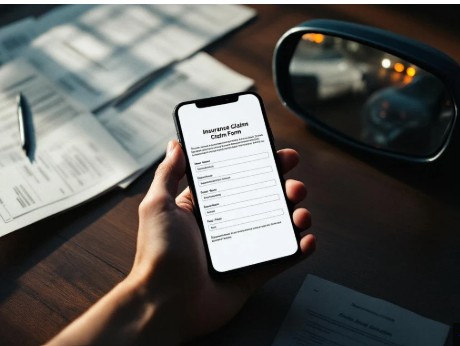
What steps should you take right after an accident to protect your rights? Accidents can happen at any time, and they often leave people confused and unsure about what to do next.
Knowing the process can help you stay calm and make better choices. This guide will walk you through simple steps to handle a legal claim after an accident.
Take time to learn these steps so you can move forward with confidence and peace of mind.
Check for Safety First
Your safety is the top priority after any accident. Make sure you and others are not in danger. Move to a safe place if possible. If anyone is hurt, seek help right away. Even small injuries should not be ignored. Staying calm during this moment is very important. Panic can lead to poor decisions.
Take a deep breath and focus on what needs to be done first. Helping yourself and others safely should always come before anything else. If you are able, check your surroundings carefully. Look for risks like fire, traffic, or falling objects. Being aware of danger can help prevent further harm.
Call Emergency Services
It is important to contact emergency services as soon as possible. Police and medical teams can help manage the situation. A police report is also useful for your legal claim. This report gives an official record of what happened. Emergency responders are trained to handle accidents properly. They can assess injuries and secure the area.
Their presence also ensures that the situation is documented correctly. This can help avoid confusion later. Make sure to answer questions clearly when they arrive. Give honest and simple details about what happened. This will help create an accurate report.
Gather Information at the Scene
Collect details while you are still at the accident scene. Take photos of the area, vehicles, and any damage. Get the names and contact details of everyone involved. Speak to witnesses if they are present. Their statements may support your claim later. Try to gather as much clear information as possible. Small details can matter in legal cases.
Make sure your photos are clear and show different angles. This evidence can help explain what really happened. If possible, note the time, weather, and road conditions. These details can add more context to your case. The more complete your information is, the stronger your claim can be.
Seek Medical Attention
Even if you feel fine, you should see a doctor. Some injuries may not show right away. A medical record is also important for your claim. It proves that the accident caused your injuries.
Pay attention to signs like headaches or dizziness, which may relate to concussion symptoms after car accident. Following medical advice is also very important. Attend all check-ups and take treatments seriously. Skipping care can affect both your health and your claim.
Proper treatment helps you recover and supports your case. Keep copies of your medical reports and prescriptions. These documents are useful proof of your condition. They also show the steps you took to recover.
Report the Accident to Your Insurance
Inform your insurance company about the accident quickly. Give them accurate and clear information. Do not guess or exaggerate facts. Keep copies of all messages and documents. This step helps start your claim process. Clear communication with your insurance company can prevent delays.
Always review what you send before submitting it. Mistakes can slow down your claim or cause issues. Keeping everything organized will make the process smoother. It may also help to keep a record of phone calls. Write down the date, time, and what was discussed. This can be useful if there are questions later.
Keep Records and Evidence
Save all documents related to the accident. This includes medical bills, repair costs, and receipts. Keep a record of lost income if you miss work. Write down how the accident affects your daily life. These details can strengthen your case. You can also keep a simple journal. Write about your pain, stress, or limits each day.
This helps show how the accident changed your life. Strong records make your claim more reliable. Organizing your documents in one place is helpful. You can use a folder or a digital file. Easy access to records saves time when needed.
Understand Your Legal Rights
Take time to learn about your rights after an accident. Laws may differ depending on your location. You may be entitled to compensation for damages. This can include medical costs, lost wages, and pain. Knowing your rights helps you make better decisions. Learning your rights gives you confidence.
It helps you avoid being taken advantage of. You can make better choices when you understand what you deserve. Knowledge is a powerful tool in legal matters. You may also want to read simple guides or trusted resources. This can give you a clearer idea of what to expect. Being informed can reduce fear and confusion.
Speak With a Legal Professional
A legal expert can guide you through the claim process. They can explain your options in simple terms. They also help you avoid mistakes. You do not have to handle everything alone. Good advice can make the process easier. A lawyer can also deal with paperwork and communication.
This saves you time and stress. They understand legal terms and deadlines. Having support can make a big difference in your case. Choosing the right professional is also important. Look for someone with experience in accident claims. This can improve your chances of a fair outcome.
File Your Legal Claim
Once you have all your documents, you can file your claim. This step may involve paperwork and deadlines. Be sure to submit everything on time. Missing deadlines can affect your case. Stay organized and follow instructions carefully. Take your time to review everything before filing. Errors can delay the process.
Make sure all details are correct and complete. A well-prepared claim has a better chance of success. Double-check all required forms and attachments. Missing information can slow things down. Careful preparation can help your claim move forward smoothly.
Learn All About Legal Claims After an Accident
Handling a legal claim after an accident may feel overwhelming at first, but taking it step by step can make it easier. Focus on safety, gather information, and keep clear records.
Understanding the process helps you stay in control. With the right approach, you can protect your rights and move forward with confidence.
Did you enjoy reading this article? If so, then be sure to check out the rest of our blog for more!


CBT for Social Anxiety: Evidence-Based Techniques That Actually Work

Gracie Hunt Age: Biography, Career, Family, and Personal Life (2026 Guide)

Diane Warren Net Worth: A Complete Breakdown of Her Wealth, Career, and Success (2026)

Carolin Bacic: Life, Biography, Family, and Legacy

Christine Williamson: A Rising Star in Sports Journalism

Dani Daniels: A Complete Biography of the Artist, Media Personality, and Entrepreneur
-
 Celebrity7 months ago
Carolin Bacic: Life, Biography, Family, and Legacy
-
 Celebrity1 year ago
Christine Williamson: A Rising Star in Sports Journalism
-
 Celebrity6 months ago
Dani Daniels: A Complete Biography of the Artist, Media Personality, and Entrepreneur
-

 Celebrity6 months ago
Juan Gabriel: The Legendary Life of El Divo de Juárez
-

 Celebrity2 months ago
Dame Esther Rantzen: Life, Career, and Legacy of a British Broadcasting Icon
-

 Celebrity2 weeks ago
Valerie Perrine: A Complete Biography of the Acclaimed Actress and Icon
-

 Celebrity1 year ago
Vera Davich: Biography, Life, and Legacy2025
-

 Celebrity5 months ago
Eleonora Incardona: Biography, Career, Age, Boyfriend, Net Worth & Lifestyle (2025)