
Finance
How the British Pound and US Dollar Shape Global Currency Movements

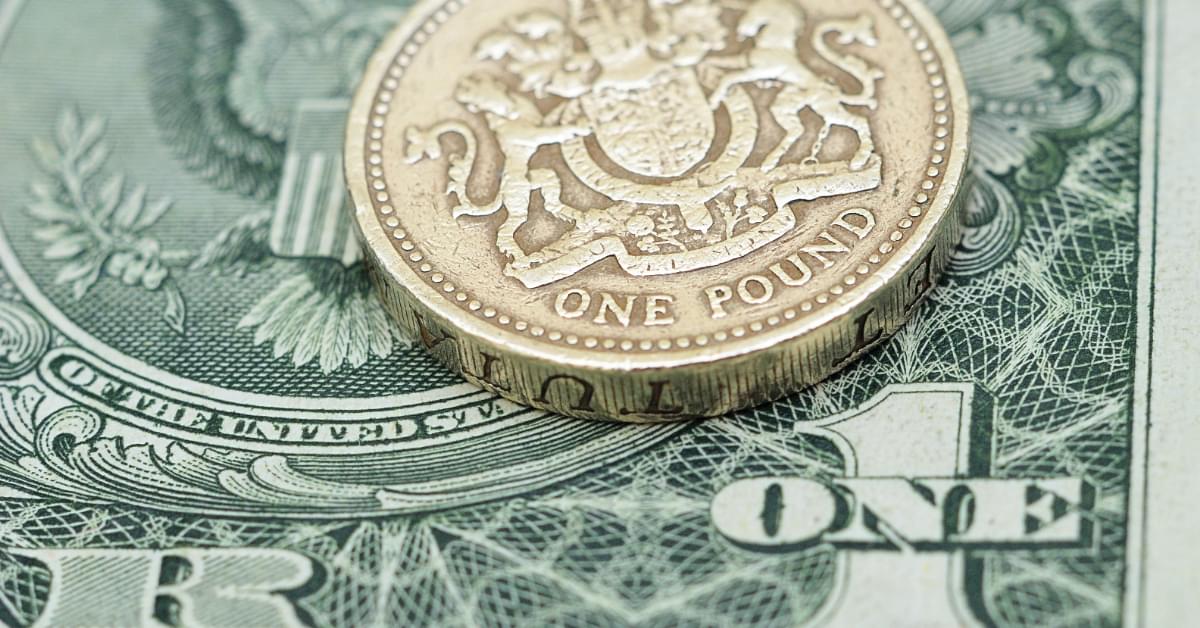
Currency values tell stories about economies, trade, and global confidence. Every day, millions of transactions across borders rely on the relationship between different currencies. Among these, the pound dollar exchange rate stands out as one of the most closely watched indicators in international finance.
This exchange rate reflects the value of the British pound compared with the US dollar. It influences everything from global investment flows to travel budgets and international trade agreements. When the value shifts, it often signals deeper economic changes happening in the United Kingdom, the United States, or the broader global market.
Understanding what moves this currency pair can help readers gain insight into the forces shaping the modern financial world.
Why Exchange Rates Move Constantly
Currency markets operate around the clock. Traders, banks, businesses, and governments continuously buy and sell currencies for a wide variety of reasons.
Exchange rates change when the demand for one currency increases or decreases relative to another. When investors believe a country’s economy is strengthening, they may buy more of its currency, causing its value to rise. If confidence declines, the opposite can happen.
Because thousands of global institutions participate in these markets every second, even small shifts in economic expectations can move currency values quickly. In many cases, currency fluctuations are driven by expectations about the future rather than current conditions.
Economic Growth and Currency Strength
Economic growth plays a major role in determining currency value. A strong economy usually attracts investment because businesses and investors see opportunities for expansion and profit.
In the United Kingdom, growth is measured through indicators such as employment levels, consumer spending, industrial production, and overall economic output. Positive data can strengthen confidence in the pound.
Similarly, the United States releases regular reports that reveal how its economy is performing. When American economic indicators show consistent growth, demand for the dollar often increases. Because both economies are large and interconnected, the balance between them often influences the direction of the pound dollar exchange rate.
Central Banks and Monetary Policy
Central banks have powerful tools that influence currency values. The Bank of England and the Federal Reserve set interest rates, regulate financial systems, and implement policies aimed at maintaining economic stability.
Interest rates are particularly important in currency markets. Higher interest rates often attract international investors who seek better returns on their investments. As demand for a currency increases, its value can rise.
For example, if interest rates in the United States increase while UK rates remain stable, investors may move their funds into dollar-denominated assets. This shift can strengthen the dollar relative to the pound. Monetary policy decisions therefore play a significant role in shaping currency expectations.
Inflation and the Value of Money
Inflation represents the rate at which prices increase over time. When inflation rises quickly, the purchasing power of a currency decreases.
Central banks carefully monitor inflation levels because stable prices are essential for economic confidence. If inflation becomes too high, central banks may increase interest rates to reduce spending and control price growth.
In both the United Kingdom and the United States, inflation trends influence financial markets and investor behavior. If inflation is managed effectively, it can support currency stability. If it becomes unpredictable, it may weaken market confidence. Because inflation affects both economies differently at different times, it remains an important factor behind movements in the pound dollar exchange rate.
Global Events and Currency Reactions
Currency markets are highly sensitive to global developments. Political events, trade agreements, geopolitical tensions, and unexpected crises can all influence exchange rates.
For example, changes in international trade policies may affect how businesses operate across borders. Investors often respond quickly to such developments, shifting capital between currencies depending on perceived risk.
Financial markets also react to major global events such as economic downturns or sudden shifts in commodity prices. During uncertain periods, investors often move toward currencies they believe are safer or more stable. These reactions can cause sudden movements in exchange rates even when underlying economic conditions remain relatively unchanged.
The Role of International Trade
Trade relationships between countries require constant currency exchange. When businesses import goods from another country, they must convert their currency into the seller’s currency to complete the transaction.
If British companies export more goods to the United States, demand for the pound may increase because American buyers need pounds to pay for those products. Conversely, strong demand for US exports can increase demand for the dollar.
Trade balances, supply chain changes, and global manufacturing patterns all influence currency demand. Over time, these shifts contribute to the ongoing movement of exchange rates. The pound dollar exchange rate therefore reflects the dynamic flow of goods, services, and capital between two major economies.
Technology and Modern Currency Trading
Advancements in technology have transformed the foreign exchange market. Decades ago, currency trading was primarily conducted through banks and large financial institutions.
Today, digital platforms allow investors and traders around the world to access currency markets instantly. Real-time data, automated systems, and advanced analytical tools have significantly increased the speed and efficiency of global trading.
This technology has also improved transparency in financial markets. Traders can now monitor economic indicators, analyze charts, and respond quickly to breaking news. While these innovations have created new opportunities, they have also increased market volatility. Exchange rates can move rapidly when large numbers of traders respond to the same information at once.
Conclusion
The relationship between the British pound and the US dollar will continue to evolve as global economic conditions change. Advances in technology, shifting trade patterns, and evolving economic priorities will all influence currency markets in the years ahead.
Both the United Kingdom and the United States remain major players in global finance, ensuring that their currencies will stay at the center of international economic activity.
As markets adapt to new challenges and opportunities, the pound dollar exchange rate will remain a key indicator of economic balance between these two powerful economies. For readers interested in global finance, watching this currency relationship offers valuable insight into how economic forces shape the world’s financial landscape.



Whenever small business owners apply for funding, it is useful to be aware of the various SBA loan rates applicable, depending on the type of funding available with the SBA. The Small Business Administration has various potential sources of funding at its disposal, and these include, primarily, SBA 7(a) Loans, SBA 504 Loans, and Microloans. The interest mechanics, purposes, and target businesses are all different for each variant of funding. Here, you can find a table that would help you decide which variant of SBA business loans you should apply for.
Understanding SBA Loan Rates in 2025
The SBA loan rate, as with conventional loans, is partially determined by the prime rate, but they are somewhat restricted by program rules. The terms of the loan, size of the loan, and flexibility of the lender’s capital in their portfolio all affect rates. Again, partnering with the best SBA lenders will create a meaningful difference in your eventual cost. Here’s what makes each program unique:
1. Interest Rate for SBA 7(a) Loans: Flexible but High
SBA 7(a) loans are the most popular due to the flexibility to apply towards anything, such as working capital, equipment, business acquisition, or refinancing.
Rate Structure
- Variable APRs: Prime + 2.75% to 4.75%
- Fixed Prices: Necessarily slightly higher than variable
- The interest rate range generally ranges between 11% and 14% in today’s market
Best Use Cases
- Working Capital
- Business expansion
- Equipment and inventory
- Partners buyouts
- Debt refinance
Why 7(a) Rates Are Higher
The interest rate for 7(a), this type of program has the widest degree of flexibility, allowing lenders more latitude to set interest rates within those set by the SBA. Due to its flexibility, SBA loan rates of 7(a) can be higher than 504 loans.
2. SBA 504 Loan Rates: Lower, Long-Term, and Fixed
If you need predictable, long-term financing for large purchases, the 504 program is a great option. It is structured through Certified Development Companies (CDCs) and private lenders who collaborate.
Rate Structure
- Fixed long-term rates (20–25 years for real estate; 10 years for equipment)
- Typical effective rates: 6%–8%
- Rates remain fixed for the entire term, which aids in budgeting
Best Use Cases
- Commercial real estate
- Large equipment
- Construction or renovation of a facility
Why 504 Rates are Lower
Given that these loans are considered long-term economic development loans, SBA loan rates for 504 financing are lower and a perfect fit for stable financing for the high-value asset.
3. SBA Microloan Interest Rates: Higher, But Targeted for Small Borrowers
SBA Microloans are intended for very small businesses, newly established companies, and socially and economically disadvantaged entrepreneurs.
Rate Structure
- Normal fixed rates: 8%–13%
- The loan is usually no more than $50,000
- The rates are very different depending on the nonprofit intermediary that provides the funds
The Best Use Cases
- Capital to start a business
- Small equipment
- Buying of inventory
- Community-based or home-based businesses
Why Microloan Interest Rates Are Different
Microloans require more work from lenders, thus SBA loan rates are generally higher as compared to 504 loans but can be as low as 7(a) loans for smaller amounts.
Differences in SBA Loan Interest Rates Depending on Programs
The variation in SBA loan rates is better understood by analyzing all three schemes simultaneously. The SBA 7(a) Loan generally has interest rates ranging from 11% to 14% with repayment terms going up to 25 years, making it specifically suited for funding purposes such as inventory, business acquisitions, and equipment. The SBA 504 Loan, however, has the lowest fixed interest rates for long-term, generally ranging from 6% to 8% with repayment terms of 10 to 25 years, making it specifically suited for funding purposes such as property, construction, and heavy machinery equipment. The SBA microloan program, specifically suited for startups, has fixed interest rates ranging from 8% to 13% with terms not exceeding 6 years.
Which Type of SBA Loan is Most Valuable?
- If your business requires working capital or a flexible loan, the 7(a) is your best loan option, though the SBA loan rates on it might be slightly higher.
- If you require real estate or to finance large equipment, the 504 loan most often features the lowest and most stable interest rate of an SBA loan.
- If you are a startup needing less than $50,000, Microloans are very accessible, but the SBA loan rates tend to be high.
Conclusion
Knowledge of the changes in SBA loan rates between the 7(a), 504, and Microloan programs will give you a lead in mapping out your financing strategy. Every alternative has its advantages, but the one that suits you best will depend on whether you require a flexible solution, a stable one for the long run, or easy-to-get startup capital. A carefully chosen SBA business loan can be a source of your expansion and at the same time keep the costs of the loan at a minimum.


Top 8 AI YouTube Video Makers for Businesses to Create Stunning Visual Content

Top 10 AI Image-to-Video Generators Every Business Should Use for Content Creation

Shannen Doherty Net Worth: A Complete Breakdown of Her Wealth, Career, and Legacy

Carolin Bacic: Life, Biography, Family, and Legacy

Christine Williamson: A Rising Star in Sports Journalism

Dani Daniels: A Complete Biography of the Artist, Media Personality, and Entrepreneur
-
 Celebrity7 months ago
Carolin Bacic: Life, Biography, Family, and Legacy
-
 Celebrity1 year ago
Christine Williamson: A Rising Star in Sports Journalism
-
 Celebrity6 months ago
Dani Daniels: A Complete Biography of the Artist, Media Personality, and Entrepreneur
-

 Celebrity2 months ago
Dame Esther Rantzen: Life, Career, and Legacy of a British Broadcasting Icon
-

 Celebrity5 months ago
Eleonora Incardona: Biography, Career, Age, Boyfriend, Net Worth & Lifestyle (2025)
-

 Celebrity1 year ago
Berniece Julien: A Comprehensive Biography2025
-

 Celebrity5 months ago
Juan Gabriel: The Legendary Life of El Divo de Juárez
-

 Celebrity1 year ago
Vera Davich: Biography, Life, and Legacy2025