
Business
Legal Claims After an Accident: What You Need to Know Today

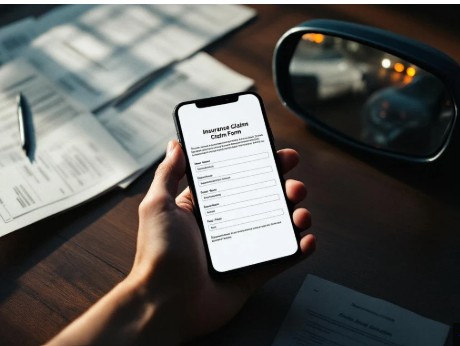
What steps should you take right after an accident to protect your rights? Accidents can happen at any time, and they often leave people confused and unsure about what to do next.
Knowing the process can help you stay calm and make better choices. This guide will walk you through simple steps to handle a legal claim after an accident.
Take time to learn these steps so you can move forward with confidence and peace of mind.
Check for Safety First
Your safety is the top priority after any accident. Make sure you and others are not in danger. Move to a safe place if possible. If anyone is hurt, seek help right away. Even small injuries should not be ignored. Staying calm during this moment is very important. Panic can lead to poor decisions.
Take a deep breath and focus on what needs to be done first. Helping yourself and others safely should always come before anything else. If you are able, check your surroundings carefully. Look for risks like fire, traffic, or falling objects. Being aware of danger can help prevent further harm.
Call Emergency Services
It is important to contact emergency services as soon as possible. Police and medical teams can help manage the situation. A police report is also useful for your legal claim. This report gives an official record of what happened. Emergency responders are trained to handle accidents properly. They can assess injuries and secure the area.
Their presence also ensures that the situation is documented correctly. This can help avoid confusion later. Make sure to answer questions clearly when they arrive. Give honest and simple details about what happened. This will help create an accurate report.
Gather Information at the Scene
Collect details while you are still at the accident scene. Take photos of the area, vehicles, and any damage. Get the names and contact details of everyone involved. Speak to witnesses if they are present. Their statements may support your claim later. Try to gather as much clear information as possible. Small details can matter in legal cases.
Make sure your photos are clear and show different angles. This evidence can help explain what really happened. If possible, note the time, weather, and road conditions. These details can add more context to your case. The more complete your information is, the stronger your claim can be.
Seek Medical Attention
Even if you feel fine, you should see a doctor. Some injuries may not show right away. A medical record is also important for your claim. It proves that the accident caused your injuries.
Pay attention to signs like headaches or dizziness, which may relate to concussion symptoms after car accident. Following medical advice is also very important. Attend all check-ups and take treatments seriously. Skipping care can affect both your health and your claim.
Proper treatment helps you recover and supports your case. Keep copies of your medical reports and prescriptions. These documents are useful proof of your condition. They also show the steps you took to recover.
Report the Accident to Your Insurance
Inform your insurance company about the accident quickly. Give them accurate and clear information. Do not guess or exaggerate facts. Keep copies of all messages and documents. This step helps start your claim process. Clear communication with your insurance company can prevent delays.
Always review what you send before submitting it. Mistakes can slow down your claim or cause issues. Keeping everything organized will make the process smoother. It may also help to keep a record of phone calls. Write down the date, time, and what was discussed. This can be useful if there are questions later.
Keep Records and Evidence
Save all documents related to the accident. This includes medical bills, repair costs, and receipts. Keep a record of lost income if you miss work. Write down how the accident affects your daily life. These details can strengthen your case. You can also keep a simple journal. Write about your pain, stress, or limits each day.
This helps show how the accident changed your life. Strong records make your claim more reliable. Organizing your documents in one place is helpful. You can use a folder or a digital file. Easy access to records saves time when needed.
Understand Your Legal Rights
Take time to learn about your rights after an accident. Laws may differ depending on your location. You may be entitled to compensation for damages. This can include medical costs, lost wages, and pain. Knowing your rights helps you make better decisions. Learning your rights gives you confidence.
It helps you avoid being taken advantage of. You can make better choices when you understand what you deserve. Knowledge is a powerful tool in legal matters. You may also want to read simple guides or trusted resources. This can give you a clearer idea of what to expect. Being informed can reduce fear and confusion.
Speak With a Legal Professional
A legal expert can guide you through the claim process. They can explain your options in simple terms. They also help you avoid mistakes. You do not have to handle everything alone. Good advice can make the process easier. A lawyer can also deal with paperwork and communication.
This saves you time and stress. They understand legal terms and deadlines. Having support can make a big difference in your case. Choosing the right professional is also important. Look for someone with experience in accident claims. This can improve your chances of a fair outcome.
File Your Legal Claim
Once you have all your documents, you can file your claim. This step may involve paperwork and deadlines. Be sure to submit everything on time. Missing deadlines can affect your case. Stay organized and follow instructions carefully. Take your time to review everything before filing. Errors can delay the process.
Make sure all details are correct and complete. A well-prepared claim has a better chance of success. Double-check all required forms and attachments. Missing information can slow things down. Careful preparation can help your claim move forward smoothly.
Learn All About Legal Claims After an Accident
Handling a legal claim after an accident may feel overwhelming at first, but taking it step by step can make it easier. Focus on safety, gather information, and keep clear records.
Understanding the process helps you stay in control. With the right approach, you can protect your rights and move forward with confidence.
Did you enjoy reading this article? If so, then be sure to check out the rest of our blog for more!


Why Custom Flame-Resistant Clothing Is Essential for Industrial Businesses
Industrial and utility workplaces face constant risks from heat, flames, and electrical hazards every day. Workers need protection that goes beyond standard uniforms and basic workwear. Custom flame-resistant clothing provides advanced protection while aligning with company-specific needs and branding goals.
Flame-resistant garments are designed to self-extinguish and prevent burns during sudden exposure to fire. This makes them essential for industries like oil and gas, construction, manufacturing, and electrical services. Businesses that invest in high-quality FR clothing reduce workplace injuries and improve employee confidence.
Custom options allow businesses to select the right fit, fabric, and features based on their working environment. This ensures better comfort and performance for workers who wear these garments for long hours. When safety meets customization, companies build a strong and reliable workforce image.
The Growing Demand for Custom FR Apparel in 2026
The demand for custom flame-resistant clothing continues to rise as workplace safety regulations become stricter. Companies are now more aware of compliance standards and the importance of protective apparel. This shift is driving businesses to invest in certified and customized FR solutions.
Modern businesses also want their teams to look professional while staying protected. Branded safety apparel helps companies stand out in competitive industries. It also improves team identity and strengthens brand visibility on job sites.
With the rise of bulk ordering and customization services, companies can now scale their safety programs easily. Custom FR clothing is no longer a luxury but a necessity for businesses that prioritize safety and branding together.
Key Features of High-Quality Flame-Resistant Clothing
High-quality flame-resistant clothing includes several important features that ensure maximum protection and durability. These features help workers stay safe without compromising comfort or performance.
- Self-extinguishing fabric that reduces burn injury risks
- Heat and flame resistance for hazardous environments
- Durable stitching for long-term use
- Breathable materials for comfort during long shifts
- Compliance with safety standards like ASTM and NFPA
- Moisture-wicking properties to keep workers dry
These features make FR clothing suitable for demanding work conditions. Businesses should always choose certified garments that meet industry safety requirements.
Why Custom Embroidery Matters for FR Workwear
Custom embroidery services plays a key role in transforming safety apparel into branded workwear. It allows businesses to display their logo, team names, or departments directly on garments. This adds a professional and organized look to the workforce.
Embroidery is known for its durability and premium appearance. Unlike printed designs, embroidered logos do not fade easily over time. This makes them ideal for long-term use in industrial environments.
However, it is important to apply embroidery correctly on flame-resistant garments. Improper stitching or materials can affect the safety performance of the clothing. Businesses should always work with experienced providers who understand FR compliance requirements.
Embroidery vs Screen Printing vs Heat Transfer for FR Clothing
Choosing the right customization method is important when working with flame-resistant clothing. Each method offers unique benefits based on the design and application.
Embroidery provides a premium and durable finish. It works best for logos placed on the left chest or sleeves. However, large embroidery designs can affect fabric flexibility.
Screen printing is a better option for larger designs and graphics. It maintains the integrity of the garment when done using FR-approved inks. This method is cost-effective for bulk orders.
Heat transfer offers flexibility for detailed designs and smaller batches. It is suitable for quick turnaround orders but must use heat-resistant materials.
Businesses should choose the method that balances safety, durability, and branding needs effectively.
Compliance and Safety Standards You Must Follow
Flame-resistant clothing must meet strict safety standards to ensure proper protection. Businesses cannot compromise on compliance when selecting FR apparel.
ASTM F1506 and NFPA 2112 are two key standards that define performance requirements for flame-resistant garments. These standards ensure that clothing can withstand heat exposure and reduce burn injuries.
Choosing compliant clothing protects workers and helps businesses avoid legal risks. It also shows a commitment to safety and responsibility. Companies should always verify certifications before placing bulk orders.
How Custom FR Clothing Enhances Brand Identity
Custom flame-resistant clothing is not just about safety. It also plays a strong role in building brand identity in industrial environments. Workers become brand ambassadors when they wear branded uniforms on-site.
Consistent branding across teams creates a professional image for clients and stakeholders. It also helps businesses stand out in competitive industries. Custom logos and colors make teams easily recognizable and organized.
Branded FR apparel also builds trust among customers. It shows that the company values both safety and presentation. This combination strengthens long-term business relationships.
Benefits of Bulk Ordering Custom Flame-Resistant Clothing
Bulk ordering is the most efficient way for businesses to manage safety apparel needs. It ensures consistency in quality, design, and branding across the workforce.
Bulk orders also reduce the cost per unit, making it a cost-effective solution for large teams. Businesses can plan inventory better and avoid last-minute shortages.
Another advantage is faster production and delivery timelines. Established suppliers can handle bulk customization efficiently without compromising quality. This helps companies meet urgent requirements and deadlines.
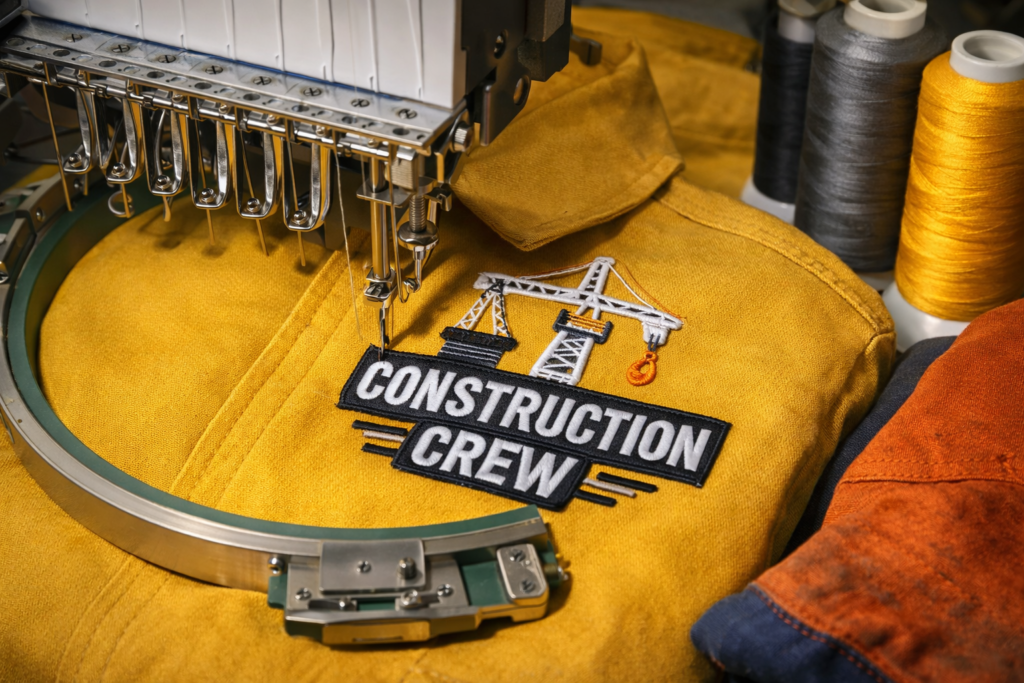
Image Alt Tag: custom flame-resistant clothing, custom embroidery services
Industries That Need Custom Flame-Resistant Clothing
Several industries rely heavily on flame-resistant clothing to ensure worker safety and compliance. These industries face high-risk environments where protective gear is essential.
- Oil and gas industry
- Electrical and utility services
- Construction and infrastructure projects
- Manufacturing and heavy industries
- Welding and fabrication businesses
Each of these industries requires specific FR solutions based on their working conditions. Customization helps meet these unique requirements effectively.
Choosing the Right Provider for Custom FR Apparel
Selecting the right provider is critical when ordering custom flame-resistant clothing. Businesses should look for suppliers who understand both safety standards and customization techniques.
An experienced provider ensures that all garments meet compliance requirements while maintaining high-quality branding. They also offer guidance on the best customization methods for FR clothing.
Reliable providers offer fast turnaround times, bulk pricing options, and consistent product quality. This helps businesses streamline their ordering process and maintain safety standards.
Why The Apparel Factory Is a Trusted Choice for Custom FR Clothing
The Apparel Factory offers reliable solutions for businesses looking for custom flame-resistant clothing and custom embroidery services. With a focus on quality and compliance, they provide garments that meet industry standards.
Their expertise in screen printing, embroidery, and heat transfer ensures that branding does not compromise safety. Businesses can customize their FR apparel with confidence and precision.
The Apparel Factory also supports bulk orders with competitive pricing and efficient delivery timelines. This makes them a strong partner for companies that need scalable and reliable solutions.
Verdict: Invest in Safety and Branding Together
Custom flame-resistant clothing is a smart investment for businesses operating in high-risk environments. It protects workers while enhancing brand visibility and professionalism.
By combining safety with customization, companies create a strong and reliable workforce image. Choosing the right materials, compliance standards, and customization methods ensures long-term performance.
Businesses that prioritize both safety and branding gain a competitive advantage in their industry. Now is the time to upgrade your workwear with custom FR solutions that deliver real value.
Upgrade Your Team’s Safety Today
Protect your workforce and strengthen your brand with custom flame-resistant clothing. Choose reliable solutions that meet safety standards and deliver professional results. Partner with The Apparel Factory today and place your bulk order with confidence.
FAQs
What is flame-resistant clothing?
Flame-resistant clothing is designed to resist ignition and self-extinguish to reduce burn injuries.
Who needs flame-resistant clothing?
Workers in oil, gas, electrical, construction, and manufacturing industries need FR clothing for safety.
Can flame-resistant clothing be customized?
Yes, FR clothing can be customized using embroidery, screen printing, and heat transfer methods.
Does embroidery affect flame-resistant clothing?
If done incorrectly, it can affect safety. Always use FR-compliant embroidery techniques.
What standards should FR clothing meet?
FR clothing should meet ASTM F1506 and NFPA 2112 safety standards.
Is screen printing safe for FR garments?
Yes, if FR-approved inks and methods are used during the printing process.
Why is custom FR clothing important for businesses?
It improves safety, ensures compliance, and enhances brand identity on job sites.
How long does custom FR clothing last?
High-quality FR garments can last a long time with proper care and maintenance.
Can small businesses order custom FR clothing in bulk?
Yes, many suppliers offer bulk ordering options with competitive pricing for small businesses.
What is the best customization method for FR apparel?
It depends on the design. Embroidery is best for logos, while screen printing suits larger graphics.


Tax season can crush your focus, sleep, and savings. You face strict deadlines, confusing rules, and real financial risk. Yet you are not expected to know every tax rule. That is the work of a CPA. A CPA protects you from errors that trigger letters from the IRS. A CPA also spots credits and deductions you miss. This support matters even more if you own a business, care for family, or juggle many income sources. Many people search for quick fixes or cheap software and then feel trapped when numbers do not line up. Instead, you can rely on a trained expert who handles this stress every day. For example, accounting services in Phoenix, Az offer focused help for local and federal rules. This blog explains five clear reasons you need a CPA during tax season so you can protect your money, your time, and your peace.
1. You reduce the risk of costly mistakes
Tax forms use simple words but hide sharp traps. A wrong number, missing form, or unchecked box can lead to fees and audits. The IRS reports that millions of returns need fixes each year. Many of those come from basic math errors or missing income.
A CPA checks every entry. You gain someone who
- Matches income reports to your W-2s and 1099s
- Reviews past returns for missed issues
- Applies current IRS rules to your life
You can see how small errors add up.
Common Tax Mistakes And Possible Consequences
| Common mistake | Example | Possible result |
|---|---|---|
| Missing income | Forgetting a 1099 from side work | Tax bill plus interest |
| Wrong filing status | Choosing Single instead of Head of Household | Higher tax and loss of credits |
| Math errors | Adding deductions by hand | Delay in refund and IRS notice |
| Missing forms | Not attaching schedules for self employment | Review or audit |
Each mistake piles on stress. A CPA cuts that risk and guards your cash.
2. You pay only what you owe, not a dollar more
Many people fear audits, so they claim less than the law allows. You may skip credits because they seem complex. You may avoid itemizing because the rules feel heavy. The result is simple. You leave money on the table.
A CPA studies tax law changes and applies them to your life. This support helps you claim what you have earned. For example, the IRS explains many credits and deductions in plain terms.
A CPA helps you
- Use child and dependent care credits
- Claim education costs for you or your child
- Track self-employment costs like home office and mileage
Over time, these savings can reach thousands of dollars. You keep more of what you earn while staying within the law.
3. You save time and protect your energy
Tax rules change often. Learning them takes time. Applying them takes more time. Fixing mistakes eats up the time you have left. If you work, raise children, care for parents, or run a business, that time loss hurts everyone around you.
When you work with a CPA, you hand off the hardest part. You still gather records. You still answer questions. Yet you are not alone with the forms.
You gain
- Clear checklists of what to bring
- Simple next steps instead of guesswork
- Faster filing and fewer delays
Your evenings stay open for your family. Your weekends stay open for rest. Tax season no longer controls your schedule.
4. You get guidance for your whole year, not just April
Taxes are not a one-month event. Every paycheck, every move, and every life change shapes your return. Marriage, divorce, new children, college, home buying, and retirement all have tax effects. A CPA helps you plan before choices lock in.
The IRS offers free education on many of these topics. A CPA then turns that guidance into steps for your life.
With year-round support, you can
- Adjust your paycheck withholding so refunds or tax bills stay small
- Plan estimated tax payments if you are self-employed
- Prepare for big events like selling a home or cashing out investments
Instead of reacting when tax time arrives, you move with a plan. That control can calm your home and your budget.
5. You gain a trusted shield if the IRS contacts you
A letter from the IRS can freeze you in place. You may fear what it means. You may ignore it until the date passes. That delay only makes trouble grow.
When you use a CPA, you have someone ready to respond. A CPA can
- Read and explain the notice in plain words
- Check if the IRS is correct
- Help you send records or corrections on time
If an audit comes, a CPA can stand between you and the stress. You do not have to speak alone. You do not have to guess what to say. This support can protect both your money and your sense of safety.
How CPAs compare to doing it yourself
You may still wonder if you should use software, file by hand, or hire a CPA. This simple table shows key differences.
CPA Support Compared To Other Tax Options
| Option | Your time needed | Risk of errors | Personal guidance | Help if IRS contacts you |
|---|---|---|---|---|
| Do it yourself by hand | High | High | None | You handle it alone |
| Tax software | Medium | Medium | Limited and generic | Often extra cost or none |
| CPA | Low | Low | High and tailored | Professional support |
You still play a role with each option. Yet only a CPA brings deep training, personal context, and steady support when problems appear.
Taking your next step this tax season
Tax season does not need to drain your family. You can choose calm over chaos. You can protect your earnings and your time. A CPA gives you fewer mistakes, fair taxes, saved hours, year-round planning, and a shield when the IRS calls.
Start now. Gather your pay stubs, bank records, and past returns. Then reach out to a trusted CPA in your community. Your future self will feel real relief when tax season comes again.

Vlogging is no longer a niche activity. Whether you want to share travel adventures, document everyday life, or analyze pop culture, video is the format that connects most directly with people. What separates clips that fade from ones that stick is not always resolution or flashy effects, but the way you arrange moments into a narrative that feels honest and watchable.
Before you obsess over kit or trends, think about what you want viewers to feel. If you start evaluating gear, you might see searches for the best vlogging camera, but the story you choose often has more influence than the camera itself. The following practical approach helps you plan, shoot, and edit with intention so your content does more than record; it communicates.
Why Storytelling Trumps Gear
Stories give your footage shape. Viewers are wired for cause and effect, tension and release. When you decide on a simple arc before you press record, every clip has a purpose. You do not need an elaborate plot. Three beats often work: setup, complication, and resolution.
- Setup introduces location, character, or premise.
- Complication adds a problem, surprise, or question.
- Resolution offers a payoff, lesson, or invitation to think.
Think about scenes as short stories. Even a two-minute video benefits from a clear throughline. This approach helps you shoot less random footage and more usable material. It also eases editing because you will recognize which takes move the story forward and which ones are filler.
Planning Scenes And Composition
Planning does not mean scripting every word. It means mapping moments you want to capture and the shots that will express them. Before you go out, ask three simple questions: What should the viewer know? What should they feel? How should the scene end?
Compose shots with purpose. Use wide shots to establish place, medium shots for interaction, and close-ups for emotion or detail. Move the camera when motion adds meaning. A slow push in can create intimacy. A quick cut to a reaction can reveal surprise. Keep shot variety in mind so your edit will breathe.
Practical planning tips:
- Make a shot list with one-sentence goals for each item.
- Scout locations for light and background distractions.
- Think about transitions between scenes to keep flow natural.
You do not have to capture every angle. Aim for three or four reliable setups that cover the action and let you choose in the edit.
Sound And Lighting: The Invisible Details
Good audio and sensible lighting often matter more than a higher-resolution sensor. Viewers forgive rough image quality if they can hear and understand your subject clearly. Conversely, pristine video with poor sound feels cheap.
For audio:
- Get as close as reasonable to your subject.
- Use a dedicated microphone when possible.
- Monitor levels on location so you can hear issues before they ruin a take.
For lighting:
- Face subjects toward soft, even light whenever you can.
- Use a small reflector or a phone flashlight to fill shadows subtly.
- Avoid harsh backlight unless you intend a silhouette.
Ambient noise, wind, and inconsistent light are usually the biggest enemies of on-location shoots. Anticipate them and plan quick fixes. Sometimes moving five feet left or changing a shooting angle solves a problem without extra gear.
Editing For Flow And Emotion
Editing is where the story becomes obvious. When your timeline is messy, your narrative will be too. Start by assembling a rough structure that follows your three beats. Then cut for clarity.
Work through these stages:
- Rough assembly: place clips in sequence to get the skeleton of the story.
- Tightening: remove redundant footage and shorten pauses.
- Pacing: vary rhythm to match emotion. Faster cuts raise energy. Longer shots build reflection.
- Sound design: add ambient tracks, subtle effects, and level dialogue so the voice stands out.
- Color and stabilization: apply modest corrections to unify the look.
Less is often more. Excessive effects or long, aimless takes can distract from the point. Trust viewers to fill gaps if you are clear about what matters. Use reaction shots sparingly to amplify human moments.
Distribution And Building An Audience
A good video deserves a sensible distribution plan. Platforms differ in format, audience behavior, and discovery mechanics, so you should tweak your content for where you publish without changing the core story.
Consider these platform realities:
- Short-form apps reward immediacy and bold openings.
- Mid-form channels favor narrative arcs and personal connection.
- Long-form platforms accommodate deeper context and interviews.
Consistency builds recognition. If you post on a schedule and maintain a clear style, viewers learn what to expect. Engagement also grows when you respond to comments and adapt without losing your identity.
Think beyond views. Aim for a small, engaged audience that returns over time. Metrics like average watch time and repeat viewers tell you more about resonance than a raw view count. Use those signals to refine what stories you choose next.
Craft Habits That Improve Output
Quality often follows habit. You do not need expensive routines to make better work; you need consistent ones. Small practices compound into noticeable improvement.
Daily or weekly habits to consider:
- Shoot regularly, even short clips, to keep technical skills sharp.
- Review your work critically and note one thing to improve next time.
- Keep a running list of story ideas so you can act when opportunities appear.
- Learn basic edits and shortcuts to reduce friction during postproduction.
Feedback is useful but filter it. Look for patterns in what viewers respond to and decide which comments align with your creative goals. Maintain a balance between refining your craft and staying true to the stories you want to tell.
Conclusion
Vlogging and short-form video flourish when creators prioritize story, clarity, and care. Gear can make parts of the process easier, but strong narratives and reliable execution are what keep audiences watching. By planning simple arcs, focusing on sound and light, editing with intention, and building consistent habits, you can make content that feels thoughtful and magnetic. Start small, iterate quickly, and let each video teach you what your audience cares about.


Treats, Grooming, and Lots of Love

Aircraft Engine Must Haves For Successful Business Travel

Katie Holmes Age: A Complete Look at Her Life, Career, and Timeless Success

Carolin Bacic: Life, Biography, Family, and Legacy

Christine Williamson: A Rising Star in Sports Journalism

Dani Daniels: A Complete Biography of the Artist, Media Personality, and Entrepreneur
-
 Celebrity7 months ago
Carolin Bacic: Life, Biography, Family, and Legacy
-
 Celebrity1 year ago
Christine Williamson: A Rising Star in Sports Journalism
-
 Celebrity7 months ago
Dani Daniels: A Complete Biography of the Artist, Media Personality, and Entrepreneur
-

 Celebrity6 months ago
Juan Gabriel: The Legendary Life of El Divo de Juárez
-

 Celebrity2 months ago
Dame Esther Rantzen: Life, Career, and Legacy of a British Broadcasting Icon
-

 Celebrity2 weeks ago
Valerie Perrine: A Complete Biography of the Acclaimed Actress and Icon
-

 Celebrity1 year ago
Vera Davich: Biography, Life, and Legacy2025
-

 Celebrity5 months ago
Eleonora Incardona: Biography, Career, Age, Boyfriend, Net Worth & Lifestyle (2025)