
Business
Retail Store Closures: Causes, Impact & the Future of Brick-and-Mortar Retail


Retail store closures have become one of the most widely discussed topics in the global business world. Over the past decade, thousands of physical stores—ranging from major retail chains to small family-run businesses—have been forced to shut their doors permanently. The rise in retail store closures has affected the economy, job market, real estate sector, and consumer shopping behaviors in profound ways. While the retail industry is always evolving, recent years have seen an unusually rapid increase in closures due to shifting trends, technological advancements, and major economic disruptions. Understanding the causes and consequences behind these closures is crucial for consumers, investors, business owners, and policymakers alike.
Understanding the Rise of Retail Store Closures
The rapid surge in retail store closures did not happen overnight. Instead, it has been the result of multiple long-term structural changes combined with sudden external pressures. The phrase “retail apocalypse” became widely popular starting around 2017, when several large retailers filed for bankruptcy or significantly downsized their store footprints. Companies that once dominated malls and shopping centers started to struggle as consumer preferences shifted from in-person shopping to online alternatives. The rise of e-commerce giants, economic uncertainty, and supply chain disruptions contributed further to the ongoing challenge for brick-and-mortar stores. This growing trend highlights the need to look deeper into what’s driving retailers out of the physical marketplace.
Historical Overview of the Retail Apocalypse
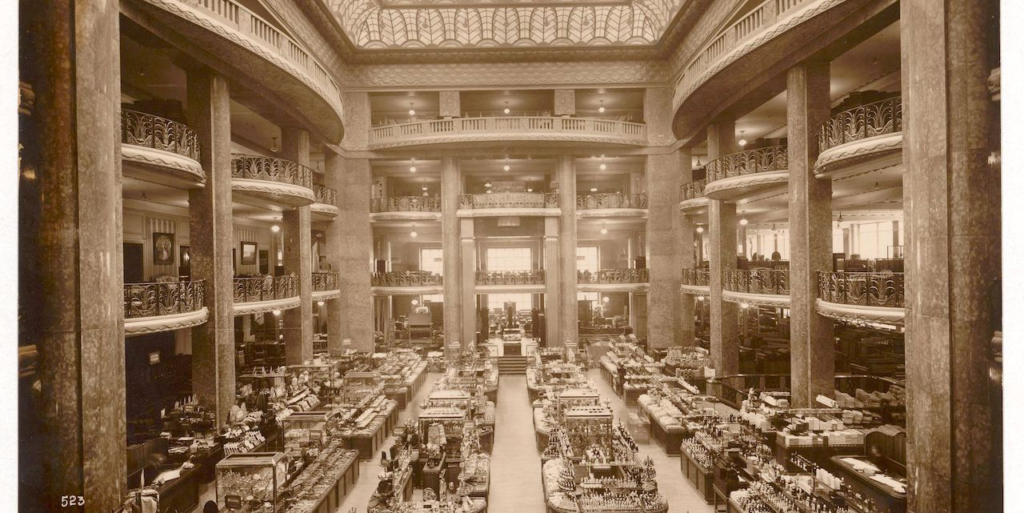
The concept of a retail apocalypse began gaining traction in the mid-2010s. Traditional retail players like Sears, Toys “R” Us, JCPenney, and RadioShack began closing hundreds of stores. Many of these businesses had long histories, strong brand recognition, and loyal customer bases, which made their decline surprising to many. However, analysts soon observed clear patterns: outdated business models, slow adoption of digital solutions, and massive debt burdens were common issues behind many collapses. The COVID-19 pandemic intensified the problem by accelerating the shift to online shopping and causing temporary shutdowns that many retailers never recovered from. This era of transformation continues today, shaping the future landscape of retail worldwide.
MAJOR REASONS BEHIND RETAIL STORE CLOSURES
The Shift Toward Online Shopping
One of the most undeniable drivers of retail store closures is the explosive growth of online shopping. E-commerce has steadily taken over a significant share of retail sales, with consumers appreciating the convenience of home delivery, price comparisons, and endless product availability. Companies like Amazon have completely redefined customer expectations, making in-person shopping feel less efficient for many categories. Brick-and-mortar retailers that failed to adopt digital strategies quickly fell behind. Online stores operate with lower overhead costs, enabling competitive pricing that physical stores struggle to match. As this digital transformation continues, retailers without a strong online presence face increasing pressure to shut down unprofitable locations.
High Operational Costs
Operating a physical store is expensive. Rent, inventory, utilities, transportation, and employee wages all contribute to growing overhead costs. In major cities, commercial rent prices have skyrocketed, making it extremely difficult for retailers to maintain profitability. Even successful companies have had to reevaluate their store footprints, closing underperforming locations to reduce operational costs. For smaller retailers with limited budgets, maintaining a physical presence has become even more challenging. When cost pressures outweigh sales revenues, store closures often become inevitable. Rising expenses paired with economic instability have made the retail environment increasingly unforgiving.
Inflation & Economic Slowdown
Periods of economic uncertainty, inflation, and recession significantly contribute to retail store closures. When inflation rises, consumer purchasing power declines, leading people to cut back on discretionary spending. Retail categories such as fashion, electronics, and home décor tend to suffer the most during these downturns. Additionally, retailers face higher production and shipping costs, reduced profit margins, and slower inventory turnover. The economic effects of inflation combined with changing global supply chains have created widespread challenges for physical stores. Without adequate financial resilience, many retail brands struggle to survive long economic slowdowns.
Labor Challenges in Retail
Labor shortages and rising wage expectations have had a major impact on the retail industry. After the pandemic, many retailers struggled to rehire staff, resulting in understaffed stores, decreased customer service quality, and increased labor expenses. Higher minimum wage requirements in some regions also increased operating costs. Many employees have shifted toward remote or gig-economy jobs, reducing the available workforce for in-person retail roles. When labor costs increase, profit margins shrink, making it harder for brick-and-mortar stores to operate successfully. These labor challenges have forced numerous companies to reorganize or close entirely.
Poor Business Models & High Debt
Legacy retailers, especially department stores, often struggled with outdated business models, overexpansion, and heavy debt loads. Many brands opened too many stores during the early 2000s, expecting continual growth. However, when sales slowed, these large store footprints became unsustainable. High-interest debt prevented many retailers from investing in modernization, digital platforms, or store renovations. As competition increased, brands with outdated models could not keep up. As a result, many iconic retailers declared bankruptcy and moved toward liquidation or significant downsizing.
THE WIDESPREAD IMPACT OF RETAIL STORE CLOSURES
Impact on Local Communities
Retail store closures affect more than just companies—they deeply impact local communities. When stores shut down, employees lose jobs, small towns lose essential services, and shopping malls experience declining foot traffic. In many communities, retail centers act as economic hubs, supporting surrounding businesses like cafés, repair shops, and entertainment venues. When a major anchor store closes, it can trigger a ripple effect, causing smaller nearby businesses to shut down as well. This contributes to economic slowdown, reduced property values, and decreased tax revenue for local governments. Over time, entire neighborhoods can feel the decline, especially in rural and underserved areas.
Job Loss and Workforce Transition
One of the most direct consequences of retail store closures is widespread job loss. Retail remains one of the largest employment sectors globally, offering opportunities for workers of various skill levels and backgrounds. When stores close, thousands of employees may suddenly find themselves without income or benefits. While some transition to e-commerce distribution centers or logistics roles, others struggle to find equivalent positions. The shift toward automation and online retail also limits the number of available traditional retail jobs. Workforce retraining programs and government support have become essential to help displaced workers navigate new opportunities, but challenges remain significant.
Impact on Shopping Malls and Retail Centers
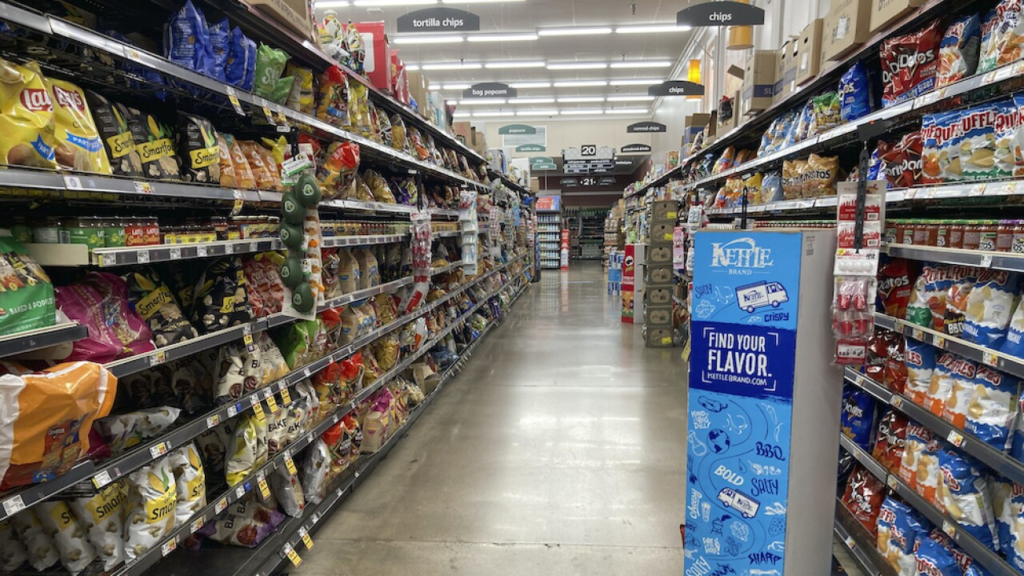
Shopping malls have been among the hardest-hit victims of the retail apocalypse. Many malls rely heavily on anchor stores—large retailers like Sears, Macy’s, or JCPenney—to attract traffic. When these anchors close, foot traffic drops dramatically, causing smaller stores to suffer. This phenomenon, known as the “anchor effect,” has forced hundreds of malls across the U.S., Canada, and Europe to shut down or repurpose their facilities. Once-busy malls now sit abandoned, becoming symbols of retail transformation. However, some malls are adapting by incorporating entertainment venues, medical clinics, fitness centers, and mixed-use developments to stay relevant.
Brand Closures: Major Retailers Affected
Over the past decade, numerous well-known brands have closed hundreds or even thousands of stores. Some declared bankruptcy, while others restructured and downsized. Major examples include:
- Sears – once the largest retailer in the U.S., now almost entirely shuttered
- Toys “R” Us – closed globally before returning in limited formats
- Bed Bath & Beyond – filed for bankruptcy in 2023
- JCPenney – closed many stores despite restructuring
- Best Buy and Target – reduced some locations to focus on digital growth
- Walgreens and CVS – shutting hundreds of underperforming sites
These closures highlight shifting consumer preferences and the challenges of maintaining large store networks in an evolving retail environment.
RETAIL STORE CLOSURES BY SECTOR
Fashion Retailers
Fashion brands are among the hardest hit because of fast-changing trends and high competition. Companies like Forever 21, Gap, H&M, and Zara have all closed locations due to rising production costs, overstock problems, and the popularity of online resale platforms. Consumers are also gravitating toward sustainable brands, pressuring fast-fashion retailers to adopt new models.
Department Stores
Department stores have seen the largest decline in modern retail history. Their traditional business models—large stores carrying mixed categories—no longer match the streamlined online shopping experience. Consumers prefer specialized retailers or online marketplaces. As a result, department stores face falling sales, expensive leases, and changing consumer habits.
Grocery and Pharmacy Closures
Even essential retail categories have been affected. Walgreens, CVS, and RiteAid have announced hundreds of closures. Meanwhile, independent grocery stores in low-income neighborhoods struggle due to competition from major chains and rising operational costs. These closures contribute to food deserts, leaving communities with limited access to fresh produce and essential medications.
Electronics Retailers
Electronics stores were early victims of online competition. Amazon, Best Buy online, and direct-to-consumer brands reduced the demand for physical electronics shops. RadioShack, Fry’s Electronics, Maplin (UK), and others shut most of their locations by the late 2010s. Today, electronics retail is dominated by online marketplaces and a few major chains.
ECOMMERCE AND TECHNOLOGY: THE NEW RETAIL REALITY
Rise of E-Commerce Giants
The rise of e-commerce titans like Amazon, Alibaba, and Walmart Online fundamentally reshaped retail. These platforms offer millions of products, fast delivery, easy returns, and competitive pricing—all of which contribute to declining foot traffic at physical stores. Their advanced data analytics allow them to predict customer behavior more accurately than traditional retailers.
The Growing Role of Social Commerce
Social media platforms like Instagram, TikTok, and Facebook have become powerful shopping hubs. Influencers and brand collaborations drive impulse buying, making it easier for consumers to shop digitally without visiting stores. Younger generations, especially Gen Z, rely heavily on social media as their primary discovery channel for products.
Automation and Self-Checkout Systems
Technological innovation has automated many retail processes, reducing the need for large in-store teams. Self-checkout kiosks, AI-driven inventory management, and robotic warehouses increase efficiency but lower employer demand for physical retail roles. While these improvements benefit retailers, they contribute indirectly to retail store closures by reducing the need for large staffed stores.
CONSUMER BEHAVIOR: WHY SHOPPERS ARE CHANGING
Retail analysts note several major shifts in customer behavior that contribute to fewer physical store visits:
Value-driven shopping
Consumers now compare prices across multiple platforms before purchasing. E-commerce makes price comparison effortless, reducing loyalty to physical locations.
Demand for convenience
People want fast delivery, easy returns, and a frictionless buying experience—something online stores excel at.
Preference for curated experiences
Brick-and-mortar stores must now provide more than products—they must offer experiences like personalization, workshops, or interactive displays.
Sustainability concerns
Environmentally conscious shoppers prefer minimal packaging and second-hand shopping, often facilitated through online resale platforms.
THE FUTURE OF RETAIL: WHAT’S NEXT?
The Rise of Hybrid Retail
Retail’s future is not purely physical or digital—it’s a hybrid. Successful brands integrate online and offline shopping seamlessly through:
- Buy Online, Pick Up In Store (BOPIS)
- Curbside pickup
- Virtual try-ons
- Same-day local delivery
Hybrid models allow retailers to optimize costs while maintaining customer engagement.
Repurposing of Retail Spaces
Empty malls and store buildings are increasingly being converted into:
- Housing complexes
- Medical facilities
- Community centers
- Warehouses
- Educational institutions
This adaptive reuse helps cities reduce urban decay and revitalize abandoned commercial spaces.
Return of Small Specialty Stores
Niche and artisanal shops are reemerging. Consumers today appreciate authenticity and handcrafted goods, creating new opportunities for small retailers offering unique experiences rather than mass-market products.
CONCLUSION
Retail store closures reflect a massive shift in global consumer habits, economic trends, and technological advancements. While many physical stores are disappearing, retail itself is not dying—it’s evolving. The brands that understand this evolution and embrace hybrid retail experiences will continue to thrive. As the world becomes increasingly digital, physical stores must innovate, adapt, and redefine their value to stay relevant.
FAQs
1. What causes most retail store closures?
The primary causes include rising operational costs, increased competition from e-commerce, economic downturns, and outdated business models.
2. Are malls going extinct?
Not completely—many malls are being repurposed into mixed-use developments, entertainment centers, or medical facilities.
3. Which retailers have closed the most stores?
Major closures include Sears, Bed Bath & Beyond, JCPenney, Walgreens, and various fashion brands like Forever 21.
4. How has online shopping contributed to closures?
E-commerce offers lower prices, more convenience, and fast delivery, drawing customers away from physical stores.
5. Will physical stores disappear?
No, but their purpose will shift toward experience-driven, service-focused, and hybrid models integrating digital technology.


A strong online presence depends on more than publishing website content and targeting popular keywords. Businesses also need to establish credibility, reach relevant audiences, and make their web pages easier to discover. One way to support these objectives is through a well-planned backlink strategy that complements other search engine optimisation activities.
Link Building Services help businesses identify relevant linking opportunities, create useful resources, and develop relationships with publishers. Rather than concentrating only on the number of backlinks, an effective strategy focuses on relevance, editorial quality, and sustainable SEO practices.
Understanding the Importance of Link Building
Backlinks are links from external websites that direct users to another website. They can help search engines discover content and understand how different pages relate to one another. Relevant editorial links may also introduce a business to potential customers who are already interested in its industry.
For example, a software company mentioned in a relevant technology publication may receive referral visitors who want to explore its services. Similarly, a business featured in a respected industry resource can gain additional exposure among its target audience.
However, backlinks do not guarantee higher search rankings. Their potential value depends on several factors, including the context of the link, the quality of the content, and the overall strength of the website.
Effective Strategies for Building Quality Backlinks
Businesses can use different methods to develop a natural backlink profile. The best approach depends on their industry, target audience, available resources, and marketing objectives.
Publish Informative and Original Content
Useful content provides a reason for other websites to reference a business. Original research, industry reports, practical tutorials, and detailed guides can help answer questions that readers and publishers frequently encounter.
Content should offer genuine value instead of repeating information already available everywhere. Including relevant examples, accurate data, and clear explanations can make a resource more useful to its intended audience.
Contribute Guest Articles
Guest posting involves publishing original articles on relevant third-party websites. It allows businesses to share their knowledge with new audiences and build relationships with industry publishers.
Successful guest articles focus on the publication’s readers. Links should be included only when they provide useful context and comply with the publisher’s editorial policies.
Explore Industry Directories
Relevant business directories and professional listings can help users find companies within a particular industry or location. Accurate business details also make it easier for potential customers to identify and contact a business.
Businesses should select reputable directories that serve their audience rather than submitting their websites to large numbers of unrelated platforms.
Develop Digital PR Opportunities
Digital PR helps businesses earn attention through newsworthy information, expert insights, original research, and meaningful industry contributions. Publishers may reference a company’s website when its information adds value to a story or provides evidence for a particular topic.
Although editorial coverage cannot be guaranteed, a thoughtful outreach strategy can create opportunities to build relationships and earn relevant mentions.
How SEO Packages Support Link Building
Businesses comparing SEO Packages should examine whether link acquisition forms part of a coordinated optimisation strategy. Depending on the provider, packages may include keyword research, technical SEO, on-page optimisation, content creation, backlink outreach, and performance reporting.
These activities address different aspects of organic search performance. Technical optimisation helps search engines access website content, while on-page improvements make pages clearer and more useful. Quality content answers users’ questions, and relevant backlinks can help audiences discover those resources through external websites.
The appropriate package depends on a website’s current performance, competition, industry, and growth objectives. Before selecting a plan, businesses should review the scope of work, reporting frequency, link quality standards, and any additional charges for content or external placements.
A transparent package should explain what will be delivered rather than relying on vague promises about rankings.
Common Link Building Practices to Avoid
Poor backlink practices can waste marketing budgets and create unnecessary SEO risks. Businesses should avoid automated link creation, paid schemes designed to manipulate rankings, and large volumes of backlinks from irrelevant websites.
Excessive reciprocal linking and publishing low-quality guest articles solely to obtain links can also undermine the value of a campaign.
Instead, prioritise genuine editorial relationships, relevant content, and links that help readers. Paid placements should be identified appropriately using the link attributes recommended by search engine guidelines.
Measuring Link Building Performance
Evaluating link building requires more than counting the number of links acquired. Businesses should monitor referring domains, the relevance of linking websites, referral traffic, organic search visibility, and the performance of important landing pages.
For companies focused on lead generation, qualified enquiries and conversions are especially valuable indicators. These measures help connect SEO activities with commercial objectives.
Results may take time and can vary according to competition, content quality, website condition, and other ranking factors. Regular reporting allows businesses to identify successful activities and refine their strategies based on available evidence.
Selecting the Right Link Building Partner
A reliable service provider should explain its website selection process, outreach methods, content standards, and reporting practices. Businesses should ask how backlink quality is evaluated and whether external publication costs are included in the proposed price.
Avoid providers promising guaranteed rankings or thousands of backlinks without explaining their sources. A sustainable strategy should prioritise relevance, transparency, and long-term website quality.
Conclusion
A strategic backlink campaign can support website discovery, referral traffic, and broader SEO objectives when it focuses on useful content and relevant editorial relationships. Businesses should treat link acquisition as one part of a complete digital marketing strategy rather than an isolated ranking tactic.
By choosing appropriate link building services and evaluating SEO packages carefully, businesses can develop a structured approach to improving their online visibility, reaching relevant audiences, and supporting sustainable organic growth.

Static product shots don’t move the needle anymore. Meta, TikTok, and AppLovin reward motion creative, UGC-style storytelling, and localized voiceovers — which means DTC brands and dropshippers now need to produce dozens of ad variants per week. The ten platforms below each ship a serious commerce workflow, from URL-to-video automation to AI avatars pitching products in 75+ languages. If you need an AI video generator that can actually turn a product listing into a conversion-ready ad, this comparison will save you a lot of trial-and-error.
How We Tested
Each platform was evaluated against five criteria that matter specifically for e-commerce ad production:
- Ad-ready output modes — how many commerce-specific generation paths does the platform offer (product display, avatar ads, V2V restyle, template ads)?
- Avatar realism for UGC — how human do the actors look, and how many languages are supported?
- Variant velocity — how fast can you spin up 10–20 ad versions for A/B testing?
- Ad-platform fit — vertical/square/horizontal exports, hook templates, CTA overlays
- Commerce-adjacent tooling — product-photo cleanup, background swap, bulk editing
TL;DR Comparison
| Rank | Platform | Standout Commerce Feature | Avatar / Actor Library | Ad-Ready Output Modes |
| 1 | DramaPixel | AI Ad Creative + Product Display | ✅ AI Avatar Generator | ✅ Ad Creative · Product Display · V2V · Avatar |
| 2 | Pippit AI | Link-to-Video + Smart Showcase | ✅ Talking Avatar | ✅ Smart Showcase · Product Avatar · Short Drama |
| 3 | Creatify AI | 1,500+ AI actors + Product Ads | ✅ 1,500+ actors | ✅ Product Ads · Avatar UGC · Aurora |
| 4 | invideo AI | Agent Two + full timeline | ✅ AI Avatars | ✅ Agent-driven ads · Timeline edit |
| 5 | CapCut | Commerce templates + AI Dubbing | ✅ AI Avatar Generator | ✅ Templates · Avatar · Dubbing |
| 6 | ImagineArt | Lipsync Studio + voice clones | ✅ Kling Avatars 2.0 | ⚠️ Lipsync ads only |
| 7 | MakeShot AI | 8-image reference for product lock | ⚠️ Via Veo/Kling | ⚠️ Static-first |
| 8 | Kling AI | Avatar 2.0 + Motion Control | ✅ Avatar 2.0 | ⚠️ Avatar · Motion |
| 9 | Luma AI | Luma Agents for shot design | ❌ No native avatar | ⚠️ Hero shots only |
| 10 | DomoAI | V2V restyle of raw product footage | ⚠️ Lip-sync only | ⚠️ V2V restyle only |
1. DramaPixel
DramaPixel bundles an AI Ad Creative Generator and AI Product Display workflow alongside its storytelling tools, which makes it a quietly strong fit for commerce teams who also want narrative ad formats. Its AI Avatar Generator produces talking spokespeople, and the catalog of 100+ effects and templates covers the typical hook formats seen on TikTok Shop and Reels. For brands building out a hero character or mascot-driven campaign, the superhero generator is a useful side tool to establish a recognizable brand persona before dropping it into product scenes.
Capabilities
- AI Ad Creative Generator and AI Product Display modules
- AI Avatar Generator for spokesperson-style ads
- Four generation modes: T2V, I2V, Start/End Frame, V2V
- Integrated models: Wan 2.6 V2V, Hailuo 2.3, Veo 3.1, Kling V3, Nano Banana
- Fast Generation Mode and AI Video Extender for longer ad cuts
- Commercial rights and watermark-free export on all paid plans
Pricing
- Lite — $14.9/month (annual $178.8/yr)
- Pro — $29.9/month (annual $358.8/yr)
- Premium — $149.9/month (annual $1,798.8/yr), 3,200 credits/month
- Annual plans discounted 25%; daily sign-in bonus up to 60 credits over 7 days
Strengths
- Dedicated Ad Creative and Product Display workflows (not generic T2V)
- V2V mode lets you restyle existing product footage into campaign variants
- Multiple SOTA models under one subscription
- All paid tiers unlock commercial use
Trade-offs
- No native URL-to-Video ingestion; product info is prompt-driven
- Avatar library isn’t numbered publicly like Creatify’s 1,500+
Best for: DTC brands and content agencies that want narrative ad creative plus product display scenes under one subscription.
2. Pippit AI
Pippit (by CapCut/ByteDance) is purpose-built for commerce. Its Link-to-Video feature pulls product data directly from a URL, and its Smart Showcase and AI Product Avatar tools are tuned for e-commerce ad formats.
Capabilities
- Link-to-Video: paste a product URL → auto-generated ad scenes
- Smart Showcase, AI Product Avatar, Avatar Spokesperson
- Video Agent + Image Agent natural-language workflow
- Models: Seedance 2.5, Seedance 2.0, Veo 3.1, Sora 2, Seedream 5.0 Pro, Nano Banana Pro
- 30+ languages for voiceover; up to 4K via Upscaler
- Daily free credit refresh on all plans, including free tier
Pricing
- Free — $0 with daily credits
- Starter — ~$14/mo annual, 1,575 credits/mo
- Plus — ~$34.1/mo annual, 3,885 credits/mo
- Pro — $2,196/yr annual, 35,500 credits/mo
Strengths
- Fastest URL-to-ad pipeline we tested
- Commerce-native templates (TikTok Shop, Amazon, Shopify-style)
- Lowest per-credit cost at Pro tier (~$0.00515/credit)
Trade-offs
- UI is heavily commerce-oriented — overkill for pure brand storytelling
- Pro tier is a steep jump from Plus
Best for: Dropshippers, Amazon sellers, and TikTok Shop operators who need volume at speed.
3. Creatify AI
Creatify is one of the most mature ad-creative platforms, with 1,500+ AI actors on higher tiers, URL-to-Video ingestion, and 75+ language dubbing.
Capabilities
- URL-to-Video: product listings → ad scripts and scenes automatically
- 300–1,500+ AI actors; custom avatar on Pro and above
- Aurora: static portrait → animated speaker with micro-expressions
- Models: Seedance 2.5, Seedance 2.0, Veo 3.1, Kling 3.0 Pro/Standard, 50–100+ total
- 75+ languages for voice and subtitles
- Unlimited free manual edits post-export
Pricing
- Free — $0, 10 credits/mo
- Standard — $12/mo annual, 55 credits
- Pro — $44/mo annual, 280 credits
- Max — $76/mo annual, 730 credits
- Business — $156/mo annual, 1,500–6,100 credits
Strengths
- Deepest actor library on the market
- Credit rollover for up to 2 months
- Strong fit for UGC-style ads where a human face sells conversion
Trade-offs
- Per-credit cost is high (~$0.157 at Pro)
- Max video length capped at 2 minutes
Best for: Performance marketers running avatar-driven UGC ads at scale.
4. invideo AI
invideo AI pairs Agent Two (Lite/Pro/Ultra) with a full timeline editor — rare in this category. You can brief the agent with a product URL or a text prompt, then fine-tune the output in a proper edit suite.
Capabilities
- Agent Two auto-generates ad storyboards and scripts from briefs
- Models: Seedance 2.5 (1080p/720p/Draft), Seedance 2.0 (4K), Veo 3.1, Sora 2, Kling, Wan, Hailuo
- Full Studio: timeline editor, color, audio, 3D tools
- Multi-seat with guest collaborators for creative teams
- 30-day unlimited free generation on select image models at annual signup
Pricing
- Starter — $10/seat/mo annual, 400 credits
- Plus — $30/seat/mo annual, 2,000 credits + 10 guest seats
- Max — $75/seat/mo annual, 5,000 credits + 20 guest seats
Strengths
- End-to-end: brief → generate → edit → publish in one subscription
- GPT Image 2.5 Sunburst at ~$0.006/image for mass thumbnail variants
- Seedance 2.5 1080p 5-second clip ≈ $1.44 on Plus
Trade-offs
- Seat-based pricing adds up for creative teams
- No native product-URL ingestion like Pippit or Creatify
Best for: Mid-sized ad teams who want agent assistance plus post-production control.
5. CapCut
CapCut’s AI Magic Tools now cover AI Video Maker, AI Avatar Generator, AI Dubbing, AI Voice Changer, plus the usual commerce staples: motion tracking, keyframes, green screen, and transcript-based editing.
Capabilities
- AI Video Generator and Long Video → Shorts
- AI Avatar Generator and AI Dubbing for localized ads
- Full timeline editor with motion tracking and keyframes
- Seedance 2.0 Mini and Seedance 2.5 via credits
- Massive commerce template library
Pricing
- Free — $0, 200 welcome credits
- Pro — $19.99/mo, 1,200 credits/mo + 1 TB storage
- Ultra — $79/mo, 8,645 credits/mo + Ultra-exclusive AI
- Teams — $12.49/mo per seat (min 2 seats)
Strengths
- Seedance 2.0 Mini 480p: ~$0.007/second — cheapest ad clip rate we found
- Up to 58% credit savings using Seedance 2.0 Mini for draft variants
- Deep commerce-template catalog
Trade-offs
- Credit allocation on Pro is modest for serious ad volume
- No URL ingestion; relies on templates and uploads
Best for: Solo creators and small brands editing product footage with AI-assisted polish.
6. ImagineArt
ImagineArt aggregates Kling, Seedance, Minimax, Nano Banana, Runway, Grok, and GPT Image under one roof, with a Lipsync Studio that’s particularly useful for avatar-based ads.
Capabilities
- Lipsync Studio: Kling Avatars 2.0 Pro, Kling 2.6, Veo 3.1, WAN 2.6, Infini Talk
- Voice clones, AI speech, AI song, AI music
- GPT, Gemini, Claude as text co-writers for ad copy
- Agent AI Toolkit + Workflows panel
- Concurrent generation (4 image / 2 video jobs)
Pricing
- Free — $0 with daily credits
- Basic — $13/mo annual, 3,000 credits (~600 images or 96 videos)
- Ultimate — $55/mo annual, 16,000 credits
- Creator — $168/mo annual, 45,000 credits
Strengths
- Strongest lipsync model lineup for talking-head product ads
- Transparent credit conversions per model
- Daily credit refresh on free tier
Trade-offs
- 720P ceiling on video output
- Video length capped at 3–6 seconds per render
- No URL ingestion
Best for: Brands running avatar-led ads where lip-sync accuracy affects CTR.
7. MakeShot AI
MakeShot’s 8-image reference feature is quietly powerful for product consistency — you can lock a specific SKU’s look across many ad variants.
Capabilities
- 8-image character/product reference across AI Image shots
- Integrated models: Veo 3.1 Lite/Basic/Premium, Kling 2.1 Pro/Master, Seedance 2.5 SOTA, Wan 3.0, Nano Banana Pro
- Native audio generation in AI Video workshop
- Watermark-free, commercial rights, private generations on every plan
- Credit rollover across months
Pricing
- Starter — 8.3/moannual,10,000credits/year(~0.010/credit)
- Pro — $25/mo annual, 32,000 credits/year, 40% model discount
- Unlimited — $75/mo annual, unlimited free use of base + enhanced models + 90,000 SOTA bonus credits
Strengths
- Unlimited plan includes free unlimited generations on Veo 3, Veo 3.1 Basic, Wan 2.5, Kling 2.5, Nano Banana, GPT Images
- Lowest annual-pricing SOTA access we tested
- 8-image reference is excellent for keeping product packaging consistent
Trade-offs
- No URL ingestion or ad-platform templates
- No native editor for post-polish
Best for: Agencies producing high-volume product imagery where SKU visuals must stay consistent.
8. Kling AI
Kling’s Avatar 2.0 and Motion Control make it a strong pick for performance ads where you need precise control over on-screen action.
Capabilities
- Kling 4.0 / 4.0 Flash (annual Ultra Early Access) and Kling 3.0
- 1080P / 4K export with Shorts formatting
- Motion Control, VIDEO 2.6 Voice Control, Avatar 2.0, Canvas Agent
- Element AI Multi-Shot: 3 free trials daily
- Omni multimodal engine with developer MCP/API
Pricing
- Standard — 6.99firstmonth(8.80/mo renewal), 660 credits
- Pro — 25.99firstmonth(32.58/mo), 3,000 credits
- Premier — 64.99firstmonth(80.96/mo), 8,000 credits
- Ultra — 127.99firstmonth(159.99/mo), 26,000 credits
Strengths
- Best-in-class per-credit price at Ultra (~$0.00615/credit)
- VIDEO 2.6 voice control is free to access
- Motion Control gives direct levers for ad choreography
Trade-offs
- Credit refresh pricing jumps significantly after first month
- No URL ingestion or commerce templates
Best for: Performance creatives who need precise motion/voice control for high-polish ads.
9. Luma AI
Luma AI leans on the Dream Machine lineage, with Luma Agents acting as a shot-design assistant. It’s not a commerce-native tool, but strong raw generation quality still makes it a useful source of hero shots.
Capabilities
- Luma proprietary video/image models plus third-party model access
- Luma Agents for automated shot/sequence planning
- Guest Collaborators for shared editing
- Commercial Use included on all paid plans
Pricing
- Plus — $30/month, 10,000 credits
- Pro — $90/month, 40,000 credits, 4x Agents quota
- Ultra — $300/month, 150,000 credits, 15x Agents quota
Strengths
- Strong per-credit cost at Ultra tier (~$0.002/credit)
- Collaborative editing included at Plus
- Clean, high-quality cinematic shots
Trade-offs
- No URL ingestion, no commerce templates, no actor library
- Per-generation credit cost not published upfront
Best for: Hero-shot generation for brand campaigns rather than daily ad production.
10. DomoAI
DomoAI’s V2V engine turns raw product footage into stylized ad variants — anime, cinematic painted, 3D-rendered looks — which can give commodity SKUs a differentiated creative angle.
Capabilities
- 50+ V2V styles preserving motion trajectory
- 5s, 10s, 20s, up to 30s character-to-video
- Avatar lip-sync up to 60 seconds on Pro/Team
- Models: DomoAI 2.5, 2.4.1, MiniMax H3, Seedance 2.5/2.0, Nano Banana Pro
- 4K/6K upscaling
Pricing
- Basic — $9/mo annual, 600 credits
- Standard — $29/mo annual, 2,200 credits + unlimited relaxed mode on select models
- Pro — $99/mo annual, 8,000 credits + 30s character-to-video + 60s avatar
- Team — $99/seat/mo (3 seats min), 24,000 shared credits
Strengths
- Standard/Pro/Team: $0 relaxed-mode generations on DomoAI 2.5, Nano Banana, GPT Image 2.5
- Unmatched for restyling raw product footage into premium creative
- Lowest per-image cost at Pro (~$0.0495)
Trade-offs
- No commerce templates or URL ingestion
- Character-to-video length capped at 30s
Best for: Brands who want to differentiate commodity products with stylized visuals that competitors can’t easily copy.
Key Takeaways
- For URL-to-ad speed, Pippit and Creatify are the only two that take a product link and output ad scenes with minimal manual setup.
- For avatar-led UGC, Creatify’s 1,500+ actors and DramaPixel’s AI Avatar Generator are the strongest options; ImagineArt wins specifically on lip-sync accuracy.
- For ad-variant velocity, CapCut’s Seedance 2.0 Mini and MakeShot’s Unlimited plan deliver the lowest cost per draft version.
- For hero shots and stylized differentiation, Luma handles premium brand footage and DomoAI handles restyling existing clips.
- For end-to-end production, invideo AI and DramaPixel bundle generation, editing, and multi-mode outputs under one subscription.
Conclusion
E-commerce ad creative splits into two jobs: volume and differentiation. Volume tools (Pippit, Creatify, CapCut) chew through variants fast; differentiation tools (DramaPixel, DomoAI, Luma, MakeShot) help your creative stand out when every competitor is spamming the same URL-to-video output. The strongest ad stacks pair one of each — a URL ingestion tool for daily iteration, plus a narrative or restyle tool for hero campaigns. Trial two platforms from each column before committing to annual billing.

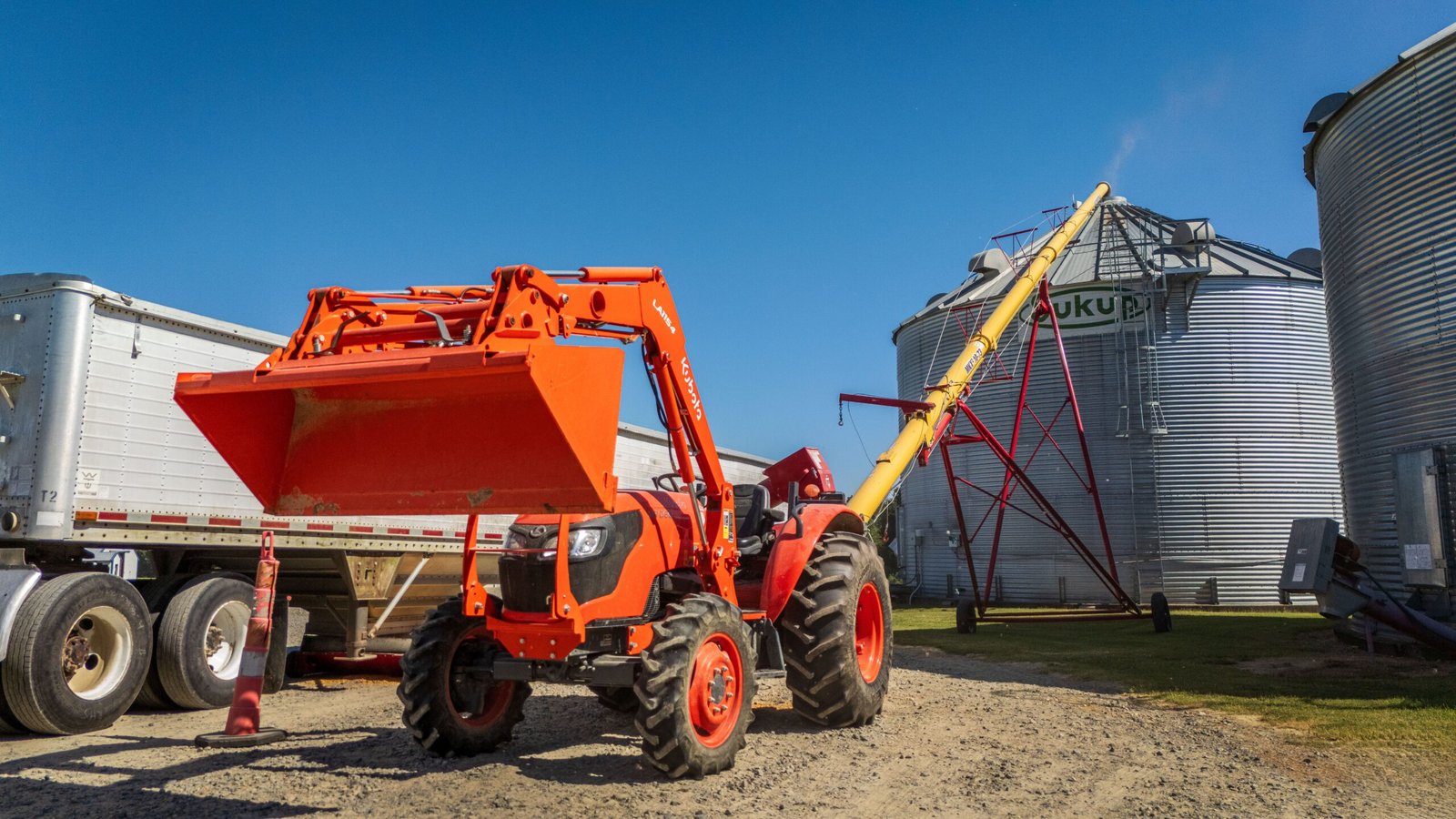
Image from Pexels
Running a successful farm requires much more than fertile soil and quality livestock or crops. The equipment you choose directly affects productivity, efficiency, and long-term profitability. Whether you operate a small family farm or a large agricultural enterprise, having the right tools can help reduce labor demands, improve yields, and make day-to-day operations more sustainable.
Tractors: The Backbone of Farm Operations
A tractor is often the most valuable and versatile piece of equipment on a farm. From tilling fields and mowing pastures to hauling materials and operating attachments, tractors support countless agricultural tasks throughout the year.
When choosing a tractor, consider factors such as:
- Total acreage
- Type of crops or livestock
- Terrain conditions
- Required attachments
- Horsepower needs
Compact tractors may be sufficient for smaller farms, while larger commercial operations often require high-horsepower models capable of handling extensive fieldwork and heavy equipment.
A reliable tractor can significantly improve efficiency and reduce the manual labor needed to maintain farm operations.
Soil Preparation Equipment
Healthy crops begin with proper soil preparation. Equipment designed for tilling and conditioning the soil helps create an environment where seeds can germinate and establish strong root systems.
Common soil preparation tools include:
- Moldboard plows
- Chisel plows
- Disc harrows
- Cultivators
- Cultipackers
These tools help break up compacted soil, incorporate organic matter, manage residue, and create a uniform planting surface.
Investing in proper soil management equipment can improve crop establishment and support long-term soil health.
Planting and Seeding Equipment
Accurate planting is essential for maximizing production. Modern planting equipment helps ensure seeds are placed at the correct depth and spacing, improving germination rates and overall crop performance.
Examples include:
Seed Drills
Seed drills distribute seeds evenly while maintaining consistent planting depth.
Row Planters
Popular for crops such as corn and soybeans, row planters improve spacing accuracy and reduce seed waste.
Broadcast Seeders
Useful for cover crops, pastures, and certain specialty crops, broadcast seeders distribute seed across larger areas quickly and efficiently.
Proper seeding equipment helps optimize crop populations and contributes directly to higher yields.
Harvesting Equipment
The harvest season is often the most time-sensitive period of the farming year. Reliable harvesting equipment allows crops to be collected efficiently before weather conditions affect quality.
Common harvesting equipment includes:
- Combine harvesters
- Hay balers
- Forage harvesters
- Potato diggers
- Vegetable harvesters
The specific machinery you need depends on the crops produced by your farm. Efficient harvesting reduces labor demands while minimizing losses in the field.
Irrigation and Water Storage Systems
Water management is critical for maintaining farm sustainability, particularly in regions prone to drought or inconsistent rainfall.
Many farms utilize:
- Drip irrigation systems
- Sprinkler systems
- Pumps
- Water storage tanks
- Filtration systems
Farmers who collect and store rainfall often rely on a professionally crafted rainwater tank to provide a dependable water source for irrigation, livestock, and other farm operations. Proper water storage can help reduce costs and improve resilience during dry periods.
A well-designed water management system supports both productivity and sustainability.
Livestock Equipment
Farms that raise animals require additional equipment to support feeding, health management, and daily care.
Important livestock equipment may include:
- Feeders
- Water troughs
- Fencing systems
- Livestock handling equipment
- Portable shelters
- Feed storage facilities
Proper equipment improves animal welfare and helps streamline routine management tasks.
Grain and Feed Storage Solutions
Protecting harvested crops and feed supplies is essential for maintaining their value and usability.
Storage options often include:
- Grain bins
- Silos
- Feed sheds
- Commodity bins
- Climate-controlled storage buildings
Quality storage reduces losses caused by pests, moisture, and spoilage while helping farmers market products when prices are most favorable.
Utility Vehicles and Transportation Equipment
Efficient transportation is vital on nearly every farm. Utility vehicles and trailers help move people, tools, feed, crops, and materials between different areas of the property.
Common transportation equipment includes:
- Utility task vehicles (UTVs)
- Farm trucks
- Flatbed trailers
- Livestock trailers
- Feed wagons
These vehicles improve efficiency and save significant amounts of time across daily operations. Routine maintenance extends equipment lifespan and reduces costly downtime during critical seasons.
Conclusion
Sustaining a productive farm requires a combination of essential machinery, water management systems, storage solutions, and maintenance tools. Tractors, soil preparation equipment, planters, harvesting machinery, irrigation systems, and transportation vehicles each play an important role in day-to-day agricultural success.
While equipment investments can be significant, selecting machinery that matches your farm’s size, goals, and operational needs helps improve efficiency, increase productivity, and support long-term sustainability. By carefully evaluating your requirements and maintaining your equipment properly, you can build a farm operation that remains productive and resilient for years to come.



-

 Celebrity1 year ago
Carolin Bacic: Life, Biography, Family, and Legacy
-

 Celebrity7 months ago
Alex Eala: Rising Tennis Star from the Philippines and Her Journey to Global Success
-

 Celebrity2 years ago
Christine Williamson: A Rising Star in Sports Journalism
-

 Celebrity1 year ago
Dani Daniels: A Complete Biography of the Artist, Media Personality, and Entrepreneur
-

 Celebrity7 months ago
Valerie Perrine: A Complete Biography of the Acclaimed Actress and Icon
-

 Celebrity12 months ago
Eleonora Incardona: Biography, Career, Age, Boyfriend, Net Worth & Lifestyle (2025)
-

 Celebrity2 years ago
Vera Davich: Biography, Life, and Legacy2025
-

 Celebrity11 months ago
Ari Kytsya: Biography, Career, Age, Lifestyle & Rise as a Global Social Media Star