
Sports
Los Angeles Rams vs Cleveland Browns Match Player Stats: Complete Breakdown, Analysis, and Key Performances

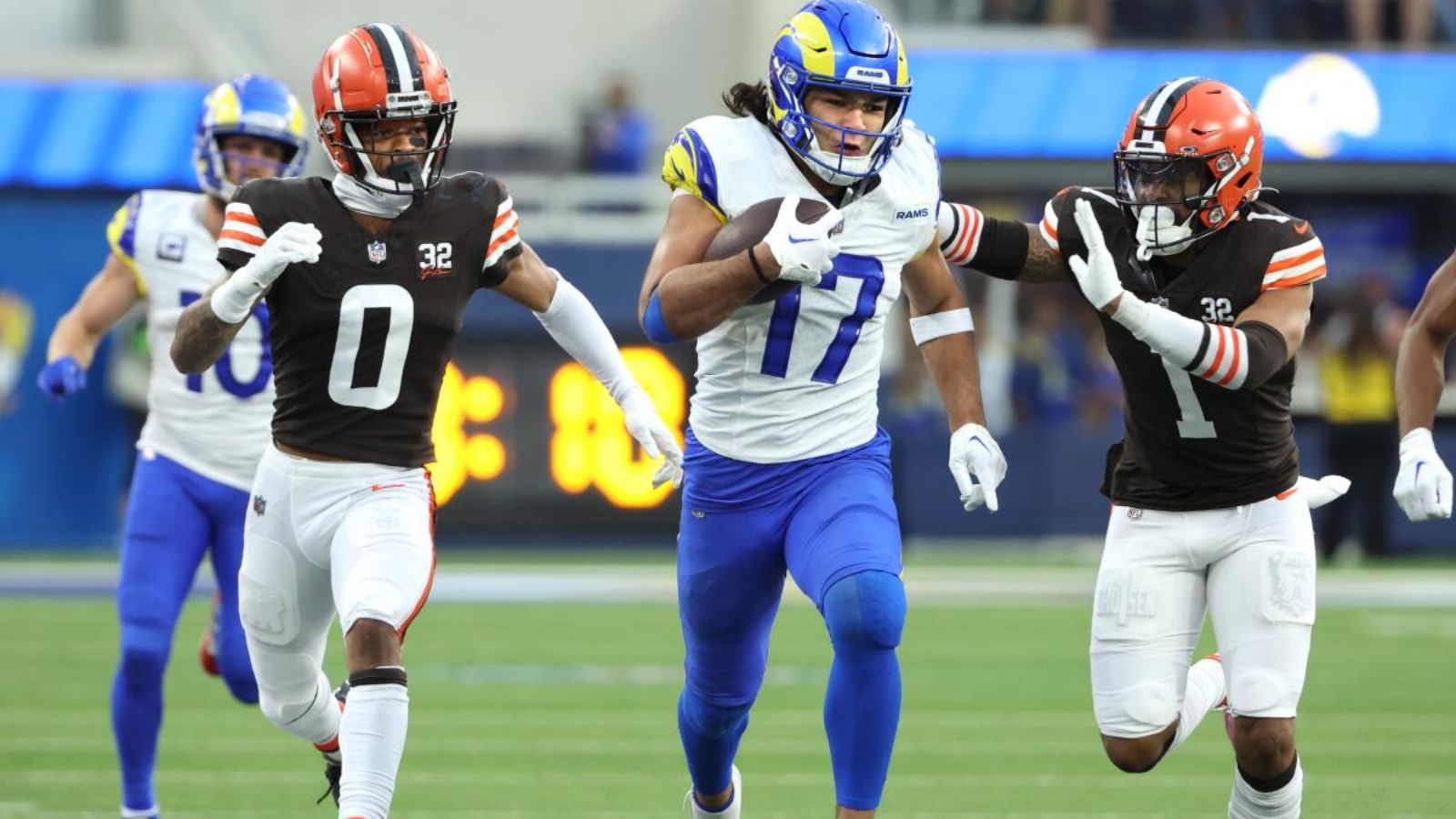
Why Los Angeles Rams vs Cleveland Browns Match Player Stats Matter
The los angeles rams vs cleveland browns match player stats have become a major point of interest for NFL fans, analysts, and fantasy football players alike. Whenever these two franchises meet, the matchup offers a compelling mix of offensive firepower, defensive grit, and individual brilliance. Player statistics from such games help explain not just who won, but why the game unfolded the way it did.
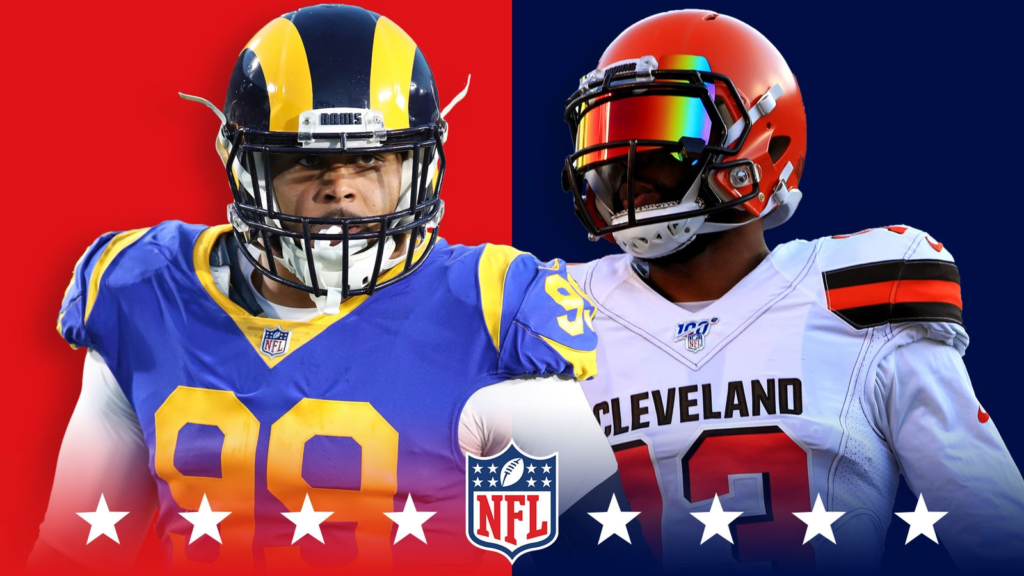
Overview of the Los Angeles Rams vs Cleveland Browns Rivalry
The rivalry between the Los Angeles Rams and the Cleveland Browns may not be annual, but it consistently delivers high-quality football. Both teams represent different football philosophies—Los Angeles leaning toward offensive creativity, while Cleveland emphasizes physical defense and ground control.
When examining los angeles rams vs cleveland browns match player stats, historical context matters. These games often feature standout individual performances rather than purely dominant team efforts. Over the years, quarterbacks, edge rushers, and wide receivers have all had moments that shaped outcomes. This makes statistical analysis particularly valuable for understanding the balance of power during each encounter.
Match Context: Date, Venue, and Final Score
The most recent high-profile matchup took place on December 3, 2023, at SoFi Stadium in Inglewood, California. The Cleveland Browns defeated the Los Angeles Rams 36–19, delivering one of the most talked-about games of the 2023 NFL season.
This context is crucial when analyzing los angeles rams vs cleveland browns match player stats, as the game featured unexpected quarterback heroics, defensive touchdowns, and late-game momentum shifts. Despite playing on the road, Cleveland capitalized on turnovers and explosive plays, while Los Angeles struggled to maintain consistency after halftime.
Team Statistical Comparison: Rams vs Browns
From a team perspective, the Browns outperformed the Rams in key areas. Cleveland totaled 381 yards, while Los Angeles recorded 360 yards, showing that yardage alone did not determine the result. Turnovers and situational efficiency played decisive roles.
In terms of possession, the Browns controlled the ball for 32:11, compared to the Rams’ 27:49. When reviewing los angeles rams vs cleveland browns match player stats, third-down efficiency stands out—Cleveland converted 50%, while Los Angeles managed just 33%. These margins reveal why individual player contributions mattered more than raw offensive totals.
Los Angeles Rams Offensive Player Stats Breakdown
The Rams entered the game with high expectations on offense, particularly through the air. While flashes of brilliance were present, inconsistency plagued their execution. The los angeles rams vs cleveland browns match player stats show a unit that moved the ball but failed to finish drives efficiently.
Red-zone struggles and turnovers limited scoring opportunities, forcing the Rams to rely heavily on explosive plays rather than sustained drives. Despite solid individual efforts, the offense could not match Cleveland’s opportunistic scoring, especially after defensive breakdowns late in the game.
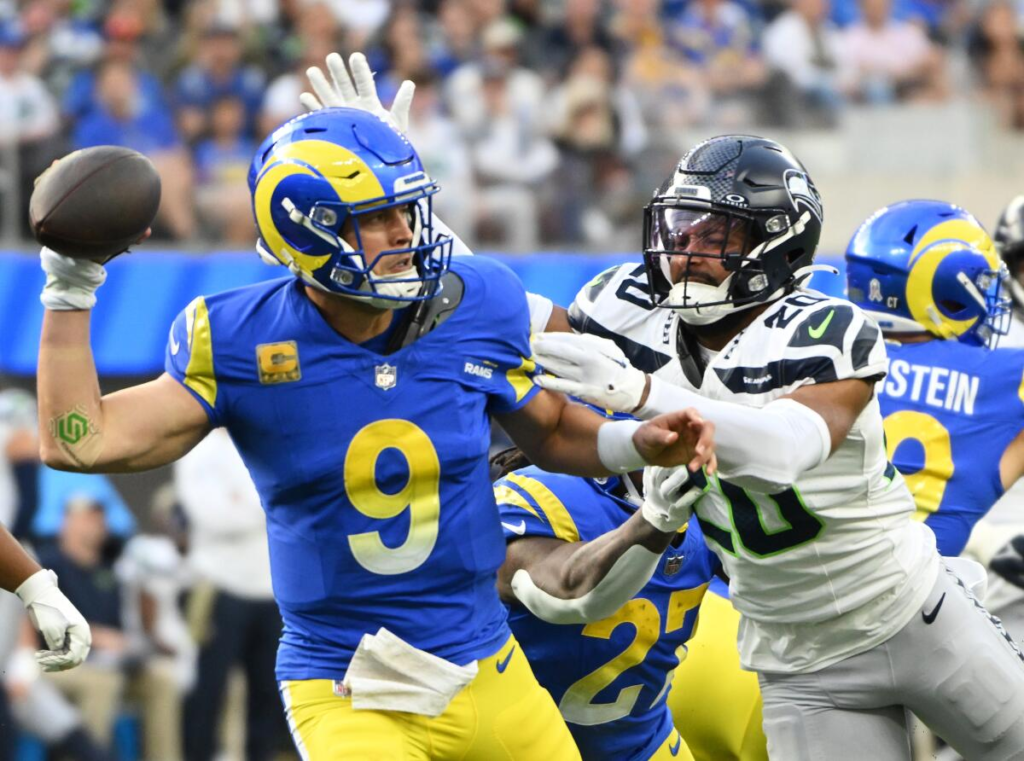
Matthew Stafford’s Quarterback Performance
Matthew Stafford delivered a mixed performance, finishing with 279 passing yards, 3 touchdowns, and 1 interception. On paper, these numbers appear strong, but deeper los angeles rams vs cleveland browns match player stats reveal missed opportunities.
Stafford completed 62% of his passes, showing accuracy in short and intermediate routes. However, pressure from Cleveland’s defensive front disrupted his rhythm. The interception, returned for a touchdown, proved costly and shifted momentum. While Stafford demonstrated leadership and arm talent, the stats reflect how defensive pressure can neutralize even elite quarterbacks.
Rams Rushing Game: Efficiency and Limitations
The Rams’ rushing attack struggled to establish dominance. Kyren Williams led the team with 38 rushing yards on 13 carries, averaging just under 3 yards per attempt.
When analyzing los angeles rams vs cleveland browns match, the lack of rushing efficiency stands out as a key weakness. Cleveland’s defensive line consistently closed gaps, forcing Los Angeles into predictable passing situations. Without a reliable ground game, the Rams became one-dimensional, making it easier for the Browns to apply pressure and force mistakes.
Rams Receiving Leaders and Key Contributions
Despite the loss, the Rams’ receiving corps produced notable performances. Puka Nacua recorded 105 receiving yards on 6 catches, continuing his breakout season. Cooper Kupp added 62 yards and a touchdown, showcasing veteran reliability.
These los angeles rams vs cleveland browns match player stats highlight the strength of Los Angeles’ passing weapons. However, dropped passes and timing issues prevented even bigger gains. While individual stats were impressive, the lack of sustained drives limited their overall impact on the final score.
Cleveland Browns Offensive Player Stats Breakdown
Cleveland’s offense delivered resilience and adaptability, especially under pressure. The los angeles rams vs cleveland browns match player stats reveal a team that maximized efficiency rather than volume.
Rather than dominating through sheer yardage, the Browns capitalized on field position and timely execution. Their offense complemented a strong defensive effort, ensuring that every successful drive resulted in meaningful points.
Joe Flacco’s Standout Quarterback Performance
One of the biggest surprises came from Joe Flacco, who threw for 254 yards, 2 touchdowns, and 1 interception. At 38 years old, Flacco demonstrated poise and experience, making quick decisions under pressure.
In the context of los angeles rams vs cleveland browns match, Flacco’s ability to extend plays and exploit defensive mismatches was crucial. His deep touchdown pass late in the game sealed the victory, proving that veteran quarterbacks can still deliver elite performances when supported by strong team execution.
Browns Rushing Attack: Physical and Consistent
The Browns’ rushing game provided balance and control. Jerome Ford led the ground attack with 84 rushing yards, consistently gaining tough yards between the tackles.
These los angeles rams vs cleveland browns match show how Cleveland used the run game to control tempo. Even when passing plays stalled, steady rushing gains kept the offense on schedule, reducing pressure on the quarterback and wearing down the Rams’ defensive front.
Browns Receiving Leaders and Explosive Plays
Cleveland’s receiving unit delivered explosive moments. Amari Cooper recorded 95 receiving yards, while David Njoku added 54 yards and a touchdown.
When analyzing los angeles rams vs cleveland browns match, Cleveland’s ability to stretch the field stands out. These big plays forced the Rams to adjust coverage schemes, opening up opportunities across the field. The receiving stats reflect efficiency rather than volume, aligning with Cleveland’s balanced offensive approach.
Defensive Player Stats: Los Angeles Rams
Defensively, the Rams struggled to contain Cleveland’s late-game surge. Aaron Donald recorded 2 sacks, continuing to anchor the defensive line.
However, the broader los angeles rams vs cleveland browns match reveal breakdowns in coverage and tackling. Missed assignments allowed big plays, and fatigue became evident in the fourth quarter. While individual efforts were strong, collective execution fell short when it mattered most.
Defensive Player Stats: Cleveland Browns
Cleveland’s defense delivered one of its strongest performances of the season. Myles Garrett registered 1.5 sacks and constant quarterback pressure.
Most notably, a pick-six interception return shifted the game’s momentum. These los angeles rams vs cleveland browns match emphasize how defensive scoring can define outcomes. The Browns’ defense consistently disrupted timing, proving to be the difference-maker in the matchup.
Special Teams Contributions and Field Position
Special teams also played a role. Cleveland’s kick coverage limited return yards, while their kicker converted all scoring opportunities.
In contrast, Los Angeles faced field position challenges that forced longer drives. These often-overlooked los angeles rams vs cleveland browns match highlight how special teams efficiency supports both offensive and defensive success, especially in tightly contested NFL games.
Key Turning Points Reflected in Player Stats
Several statistical moments defined the game. The defensive touchdown, third-down conversions, and red-zone efficiency all favored Cleveland.
When reviewing los angeles rams vs cleveland browns match, these turning points illustrate how individual plays influence momentum. Football games are often decided by a handful of critical moments, and this matchup was no exception.
Fantasy Football Impact of Player Performances
From a fantasy perspective, players like Matthew Stafford, Puka Nacua, and Amari Cooper delivered solid point totals.
The los angeles rams vs cleveland browns match player stats provided valuable insights for fantasy managers evaluating consistency and matchup performance. Defensive touchdowns and sacks also boosted Cleveland’s fantasy value, reinforcing the importance of defensive units in scoring formats.
Tactical Analysis Based on Player Statistics
Statistically, Cleveland executed a more disciplined game plan. Their ability to capitalize on mistakes and control tempo proved decisive.
These los angeles rams vs cleveland browns match player stats demonstrate how efficiency often outweighs raw production. Los Angeles moved the ball effectively but failed to minimize errors, a critical lesson highlighted by the numbers.
Conclusion: What the Los Angeles Rams vs Cleveland Browns Match Player Stats Reveal
The los angeles rams vs cleveland browns match tell a story of efficiency, resilience, and opportunism. While the Rams showcased offensive talent, Cleveland’s balanced approach and defensive excellence ultimately determined the outcome.
This matchup serves as a reminder that football success relies on execution across all phases. By examining individual player statistics, fans gain deeper insight into how games are won and lost. As both teams continue their seasons, these performances will influence strategies, confidence, and future matchups.
FAQs: Los Angeles Rams vs Cleveland Browns Match Player Stats
Who was the best-performing quarterback in the game?
Joe Flacco stood out with efficient passing and clutch plays.
Which Rams player had the most yards?
Puka Nacua led the Rams with 105 receiving yards.
Did defense decide the game?
Yes, Cleveland’s defensive touchdown and sacks were decisive.
How did Matthew Stafford perform statistically?
He threw for 279 yards and 3 touchdowns, but also had a costly interception.
Who led the Browns in rushing yards?
Jerome Ford with 84 rushing yards.
Why are player stats important for this matchup?
They explain how efficiency, turnovers, and key plays shaped the final result.


Following a live sports match once meant sitting in front of a television or waiting for updates on the radio. Today, fans can watch games on their phones, check scores from other fixtures, and discuss important moments with friends, wherever they are.
Technology has transformed how people experience live sport, making coverage more accessible, interactive, and personalised. From streaming services and instant notifications to detailed statistics and digital platforms, fans now have more ways to stay connected to the action than ever before.
Live Streaming Makes Matches Accessible Beyond Television
Live streaming has changed where people can watch sport. Instead of relying entirely on a television at home, fans can follow matches on smartphones, tablets, and laptops. Someone working late might catch the second half of a football match on their commute, provided they have a suitable connection.
Streaming platforms also offer greater flexibility in how viewers access different competitions. Depending on broadcasting agreements, fans may find domestic leagues, international tournaments, and less widely televised sports through dedicated services. This creates opportunities to follow teams and events that receive limited traditional television coverage.
The experience still depends on internet quality. A weak mobile connection can cause buffering, reduced picture quality, or interruptions during important moments. Streaming delays also mean someone watching online might receive a goal notification before seeing the ball enter the net.
Subscription costs and broadcasting rights introduce further limitations. Different competitions may require separate services, making access expensive for supporters following several sports. Nevertheless, streaming has expanded viewing options and made live coverage possible in places where traditional television is impractical.
Real-Time Notifications Keep Fans Connected to the Action
Not every supporter can watch an entire match. Mobile notifications help bridge that gap by delivering important developments directly to their devices. Goal alerts, final scores, red cards, and injury updates allow fans to follow events while working, travelling, or handling other responsibilities.
Many sports apps let users personalise these alerts around particular teams, leagues, or players. A football supporter might receive updates whenever their club scores, while a basketball follower could track the closing minutes of a closely contested NBA game.
Notifications become especially useful when several matches take place simultaneously. During a busy football weekend, supporters can monitor league rivals without constantly switching broadcasts. A late equaliser elsewhere might change the league table, giving additional significance to the match they’re already watching.
However, receiving every possible update can become distracting. Frequent alerts may interrupt the viewing experience or reveal important moments before they appear on a delayed stream. Selecting only relevant notifications helps fans stay informed without constantly checking their phones.
Live Statistics Help Fans Understand What Happens on the Field
A scoreboard tells viewers who’s winning, but it rarely explains the full story. Live statistics provide additional information about how a match is developing. In football, possession percentages, shots on target, and passing accuracy can help supporters assess each team’s performance.
Consider a team trailing 1–0 despite recording more shots than its opponent. The score suggests one side has the advantage, but the statistics reveal that the trailing team is creating opportunities. Examining shot quality and where attempts originate can provide further context.
Other sports offer similarly useful information. Basketball fans can monitor shooting percentages, rebounds, and turnovers, while tennis followers can examine first-serve percentages and break-point opportunities. These figures help explain why a player or team might be struggling despite appearing competitive.
Statistics still require interpretation. A football team dominating possession may simply be passing the ball around its defence without creating chances. Likewise, a basketball team shooting efficiently could be benefiting from an unusually strong short period. Combining live data with what happens on screen produces a more complete understanding.
Interactive Platforms Give Fans More Ways to Follow Games
Watching sport has become a more social experience through digital platforms. Supporters can discuss decisions in group chats, react to goals on social media, and share opinions while matches are still underway. These conversations extend the atmosphere beyond the stadium or living room.
Other platforms encourage more active participation. Fantasy sports competitions allow fans to track individual performances, while prediction games and live polls invite them to assess possible outcomes. A supporter might follow a striker’s performance more closely because it affects their fantasy team.
Sportsbook apps have also become part of this wider second-screen experience for eligible adults. Alongside the match itself, platforms such as the FanDuel online sportsbook app allow users in supported locations to follow changing betting markets as events unfold. A goal, injury, or change in momentum can affect the available prices, adding another way for interested fans to interpret developments during a game.
These interactive experiences can make viewers more attentive to events beyond the final score. However, constant phone activity can also distract from the match itself. Choosing when to engage with additional platforms helps supporters enjoy the action without feeling compelled to respond to every development.
New Viewing Technologies Enhance Live Coverage
Broadcast technology is changing how supporters see important moments. High-definition coverage, improved camera systems, and detailed on-screen graphics make it easier to follow fast-moving action. In sports such as tennis and Formula 1, different camera positions can reveal details that traditional wide shots might miss.
Alternative viewing angles are particularly useful during complicated incidents. A football challenge that looks harmless from the main camera may appear different when replayed from the opposite side. Slow-motion footage helps viewers examine the sequence, although camera angles cannot always settle disagreements about a referee’s judgement.
Graphics also make broadcasts more informative. Player tracking, tactical illustrations, and visual comparisons can explain movement and positioning during a match. For instance, a replay showing a defender’s positioning may help supporters understand how an attacking player found space to score.
Accessibility technology is another important development. Subtitles, audio description, and adjustable viewing settings can make coverage easier to follow for people with different needs. These features broaden participation in live sport, although availability varies between broadcasters and platforms.
A More Connected Way to Follow Live Sport
Technology has given sports fans more freedom over how they watch, understand, and discuss live games. Streaming brings coverage to different devices, notifications deliver immediate updates, and statistics reveal details that might otherwise go unnoticed.
The most useful tools depend on how each supporter prefers to follow sport. Some enjoy detailed analysis and interactive features, while others simply want an uninterrupted broadcast. Having more options allows fans to create a viewing experience that suits them.

The Southeastern Conference (SEC) rarely waits long to challenge preseason expectations, and 2026 should provide plenty of early tests. Texas and Georgia headline the contenders, but the championship race extends well beyond those two programs.
Ole Miss is adapting to major change, Texas A&M brings valuable continuity and LSU starts a new era under Lane Kiffin. Each has a different route toward Atlanta, along with questions that could determine how realistic those championship ambitions become.
1. Texas Longhorns
Texas enters 2026 with the kind of roster that makes championship expectations difficult to avoid in a competitive SEC race. Steve Sarkisian has accumulated high-end talent across the field, but much of the attention will naturally settle on Arch Manning.
Manning brings greater experience directing the offense, while his supporting cast gives Texas plenty of ways to challenge defenses. Cam Coleman and Ryan Wingo provide dangerous receiving options who can stretch the field and punish overcommitted secondaries.
The defense has its own potential game-changers. Colin Simmons gives the Longhorns a disruptive presence off the edge, something that becomes particularly valuable against experienced SEC quarterbacks when a game reaches an obvious late passing situation.
The biggest question may be less glamorous. Texas must ensure its reworked offensive line can protect Manning and create running lanes against physical SEC fronts. Skill-position talent can produce spectacular Saturdays, but championships are often shaped in tighter spaces.
2. Georgia Bulldogs
Georgia hardly needs an introduction to the SEC championship conversation. Kirby Smart has built a program capable of replacing significant talent without reinventing itself, with recruiting and development providing continuity as familiar names depart.
Gunner Stockton enters another important season at quarterback, responsible for keeping the offense balanced while younger contributors take larger roles. His supporting structure remains formidable, particularly because Georgia rarely needs one player to carry the workload.
Defense should again provide a foundation. KJ Bolden brings playmaking ability in the secondary, while Raylen Wilson adds speed at linebacker. That strength keeps Georgia prominent in SEC championship odds. Yet consistency will determine if those expectations hold.
Georgia’s challenge is turning potential into consistency quickly. Younger players will inevitably make mistakes, and one poor Saturday can reshape the SEC picture. Smart’s ability to accelerate their development could therefore matter as much as the Bulldogs’ established stars.
3. Ole Miss Rebels
Few contenders face a more intriguing transition than Ole Miss entering the 2026 season. Lane Kiffin’s departure for LSU could have disrupted the program, but Pete Golding now has the opportunity to prove the Rebels can maintain their trajectory under new leadership.
The offense still possesses players capable of creating problems. Trinidad Chambliss gives Ole Miss mobility and improvisational ability at quarterback, while Kewan Lacy provides another explosive threat from the backfield. Together, they create a defensive dilemma: pressure Chambliss and Lacy finds space; drop coverage and Chambliss escapes the pocket.
Roster turnover creates uncertainty. The transfer portal has helped Ole Miss replace departing production, but assembling talent and building cohesion are different challenges. New combinations must develop quickly as games tighten and opponents become more physical.
Will Echoles and Jehiem Oatis can help provide much-needed physical presence along the defensive front. If Ole Miss combines that physical presence with its offensive explosiveness, the Rebels could remain uncomfortable opponents for the SEC’s leading conference favourites.
4. Texas A&M Aggies
Texas A&M may not generate quite the same preseason noise as Texas or Georgia, which could make the Aggies one of the more interesting teams to follow. Their experience gives them a credible route into the SEC title conversation as the season develops.
Continuity is part of their appeal. Mike Elko has experienced players occupying important roles, starting with Marcel Reed at quarterback. Familiarity with the offense should allow Reed to play with greater control while continuing to develop as a passer and decision-maker.
Mario Craver provides an explosive option in the receiving game, while DJ Hicks gives the defensive front the kind of interior presence needed against SEC running attacks. Those pieces give A&M a potentially useful combination of offensive experience and defensive physicality.
The key test arrives when the preferred script disappears. Contenders eventually face games when the defense struggles or an early deficit changes the outlook. A&M must show enough offensive explosiveness to respond rather than relying on control and defensive resistance.
5. LSU Tigers
LSU might be the hardest of these five teams to predict. Lane Kiffin’s arrival changes the program’s direction, bringing a new offensive vision and considerable expectations to Baton Rouge. How quickly that vision takes shape could define LSU’s title prospects.
Kiffin inherits talent in the areas he’ll need most for his first season. Jordan Seaton anchors an offensive line capable of protecting Kiffin’s pass-heavy system, while Trey’Dez Green provides the receiving target necessary to execute that offense. DJ Pickett brings depth to the secondary, allowing the defense to hold while the offense develops.
The bigger question is how quickly everything fits together once competitive SEC games begin. New coaching staffs change terminology, responsibilities and routines, while players comfortable in one system may suddenly be asked to perform different roles.
That transition can take time even with obvious talent. LSU’s ceiling looks intriguing, but its early development could prove decisive during a demanding SEC schedule. If the Tigers find cohesion quickly, the championship race becomes considerably more crowded.
Why the SEC Race Could Change Quickly
Preseason projections provide a useful starting point, but the SEC schedule rarely respects them. Several factors could reshape the championship picture:
- Nine conference games: More SEC matchups create opportunities for contenders to collide and drop crucial games,
- Road environments: Difficult trips can expose weaknesses that were less obvious against weaker opponents,
- Injuries and depth: Physical SEC games accumulate, making roster depth increasingly important over the season,
- Different challenges: Georgia and Texas manage expectations, Ole Miss and LSU navigate change, while Texas A&M must turn continuity into progress.
That variety makes September especially revealing. Early results will not settle the race, but they can show which preseason strengths translate into meaningful advantages.
The SEC Race Is Only Beginning
Texas, Georgia, Ole Miss, Texas A&M and LSU each bring enough talent to make the SEC race compelling, but their routes to Atlanta look different. Coaching transitions, roster development and established continuity will shape how those championship ambitions unfold.
Opening weekend provides only the first clues. As conference play intensifies, depth, adaptability and consistency will matter more. The teams that handle those demands best will separate from the field and turn early promise into a genuine championship push.
Content reflects information available as of 2026/09/03; subject to change.
The 2026 PGA Championship arrives with a rare blend of established dominance, career-defining moments, and emerging talent ready to reshape the landscape of professional golf. Set against the historic backdrop of Aronimink Golf Club, this year’s tournament carries both legacy significance and modern intrigue.
With several of the game’s biggest names entering under vastly different circumstances, the narratives surrounding the championship feel deeper than ever.
From Scottie Scheffler’s continued excellence to Rory McIlroy’s shifting motivations, and from Brooks Koepka’s return to the PGA Tour to the rise of a fearless new generation, the stage is set for a compelling weekend in Pennsylvania from May 14 – 17.
Aronimink Golf Club: A Historic and Demanding Venue
The 2026 PGA Championship marks the tournament’s return to Aronimink Golf Club for the first time since Gary Player’s victory there in 1962. Located in Pennsylvania and designed by Donald Ross, Aronimink brings architectural prestige and a deep sense of tradition to the championship.
The course holds the unique distinction of being the first to host all three PGA of America major championships, including the 2003 Senior PGA and the 2020 Women’s PGA. That legacy underscores its importance within the broader landscape of championship golf. Its design demands precision, discipline, and a complete skill set from competitors.
Expectations for the 2026 setup suggest a course that heavily rewards accurate, high-level ball striking. Narrow fairways, strategically placed hazards, and demanding green complexes are likely to challenge even the most accomplished players.
Those with consistent iron play and controlled driving will have a clear advantage, while inconsistencies will be quickly exposed. Aronimink’s profile ensures that only the most complete performances will contend over four days.
Scottie Scheffler’s Historic Dominance Entering 2026
Scottie Scheffler enters the 2026 PGA Championship as a leading favorite following a landmark 2025 season that saw him dominate both the PGA Championship and The Open.
Those victories reinforced his position as the most consistent elite performer in modern golf, placing him firmly among the sport’s contemporary greats. His ability to contend week after week has elevated expectations to a level rarely seen in recent years.
However, it’s worth noting that in early 2026, Scheffler’s form has shown minor fluctuations rather than the near‑flawless standard he set in 2025. His iron play, still widely viewed as a core strength, has not been quite as dominant on a week‑to‑week basis. Even with his approach game remaining a clear asset, any softening in that edge naturally introduces a bit more uncertainty into an otherwise imposing profile.
Historically, Scheffler’s iron game has separated him from the field in major championships. If that edge continues to narrow, it could open the door for challengers at Aronimink. Conversely, if he finds a way to contend without his sharpest tool, it may further elevate his legacy. That tension makes his title defense one of the most compelling individual storylines of the week, especially as observers track shifts in PGA tour odds tied to his form.
Brooks Koepka’s High-Stakes PGA Tour Return
Brooks Koepka’s return to the PGA Tour ahead of the 2026 season stands as one of the most significant developments in professional golf. After departing LIV Golf, his reintegration into traditional competition has drawn widespread attention, with fans and players alike assessing how his game translates back into a deeper field. The scrutiny has been immediate and intense.
Koepka’s 2025 major season passed without a serious run at a title, including a missed cut at the Masters, naturally prompting questions about whether his once‑dominant major form had softened.
Few players, however, boast a stronger relationship with the PGA Championship. Koepka’s history in this event is marked by dominance and resilience, often elevating his performance when the stakes are highest. Aronimink offers him another platform to reaffirm that identity. His performance this week will serve as a crucial indicator of whether his decision to return was strategically sound or a step into a more demanding competitive landscape.
Rory McIlroy’s Motivation After the Grand Slam
Rory McIlroy’s victory at the 2025 Masters completed the Career Grand Slam, marking one of the most significant achievements in modern golf. The accomplishment represented the culmination of years of near misses, pressure, and persistent excellence. With that milestone secured, McIlroy enters 2026 in a uniquely different position compared to previous seasons.
Defending his Masters title earlier this year added another layer of complexity to his narrative. The central question now revolves around motivation, whether achieving golf’s ultimate personal milestone alters his competitive drive in subtle ways. While McIlroy remains one of the most naturally gifted players in the world, the psychological shift following such an achievement is difficult to quantify.
At the same time, legacy remains firmly in focus. McIlroy is now within reach of Nick Faldo’s record of six major championships for a European player. That pursuit offers a renewed sense of purpose and historical context. As he arrives at Aronimink, his mindset becomes one of the most intriguing storylines, blending fulfillment with the pursuit of further greatness.
The Next Generation Ready to Break Through
While established stars like Scheffler and McIlroy dominate headlines, a new wave of talent is steadily building momentum. The 2026 PGA Championship presents a genuine opportunity for the next generation to assert itself on one of golf’s biggest stages. These players are no longer outsiders; they are legitimate contenders.
Ludvig Åberg leads this group, continuing his rapid rise with strong early-2026 performances. His composure and technical precision suggest a player fully capable of contending in major championships.
Cameron Young also enters with growing confidence, having secured a significant victory at the 2025 Wyndham Championship and consistently delivering solid major finishes.
Viktor Hovland, meanwhile, represents perhaps the most intriguing variable. After a disrupted 2025 season marked by swing adjustments, he arrives with renewed focus and the potential for a resurgence.
Collectively, this emerging group adds unpredictability to the championship. Their presence introduces a dynamic element that could disrupt the established order and redefine expectations at Aronimink.
A Championship Defined by Contrast
Contrasts, dominance versus uncertainty, legacy versus ambition, and experience versus emerging talent shape the 2026 PGA Championship. Each storyline adds depth to a tournament already rich in history and expectation.
As the championship unfolds, attention will inevitably shift from speculation to performance. Yet, it is these underlying storylines that provide the framework for understanding what is at stake.


-

 Celebrity1 year ago
Carolin Bacic: Life, Biography, Family, and Legacy
-

 Celebrity9 months ago
Alex Eala: Rising Tennis Star from the Philippines and Her Journey to Global Success
-

 Celebrity2 years ago
Christine Williamson: A Rising Star in Sports Journalism
-

 Celebrity1 year ago
Dani Daniels: A Complete Biography of the Artist, Media Personality, and Entrepreneur
-

 Celebrity8 months ago
Valerie Perrine: A Complete Biography of the Acclaimed Actress and Icon
-

 Celebrity1 year ago
Eleonora Incardona: Biography, Career, Age, Boyfriend, Net Worth & Lifestyle (2025)
-

 Celebrity2 years ago
Vera Davich: Biography, Life, and Legacy2025
-

 Celebrity1 year ago
Ari Kytsya: Biography, Career, Age, Lifestyle & Rise as a Global Social Media Star