
Uncategorized
How Businesses Can Use AI to Stay Ahead of Regulatory Change


Staying on top of rules and regulations can feel like a full-time job for any business. From data protection laws to environmental standards, the web of compliance obligations grows more complex every year. For many organisations, this means dedicating huge amounts of time and resources just to avoid breaking the law. However, artificial intelligence is emerging as a powerful ally, offering a way to manage these challenges more efficiently and proactively.
The Growing Compliance Challenge
The sheer volume and pace of regulatory change are staggering. New laws are introduced, old ones are updated, and guidance is constantly being revised across local, national, and international jurisdictions. Manually tracking these changes is a monumental task, prone to human error. A missed update or a misinterpreted rule can lead to significant fines, reputational damage, and operational disruption. For businesses operating in multiple markets, this complexity multiplies, creating a significant barrier to growth and innovation. The challenge is no longer just about knowing the rules, but about anticipating how they will evolve.
AI for Proactive Risk Management
Traditionally, compliance has been a reactive discipline. An organisation might only discover a problem after a breach has occurred or during an audit. AI helps flip this script, enabling a proactive approach to risk management. AI-powered systems can analyse vast amounts of internal and external data to identify patterns and anomalies that could signal a potential compliance risk. This includes everything from employee communications to transaction records. Spotting these red flags early helps you address issues before they escalate. This forward-looking approach is enhanced by regulatory horizon scanning, which systematically monitors upcoming legislative and regulatory changes that could affect your business, giving you more time to assess their potential impact and prepare.
Automating Regulatory Updates
One of the most immediate benefits of AI in compliance is that it automates monitoring and updates. Instead of having teams of people manually checking dozens of government websites and regulatory publications, an AI platform can do it for you. These tools can monitor large numbers of regulatory sources, flagging relevant changes based on an organisation’s industry and geographical footprint. When a new regulation is proposed or an existing one is amended, the system can automatically alert the relevant people in your organisation, provide summaries of the changes, and even suggest initial action steps. This kind of proactive approach also complements other compliance measures, such as online document verification, which can help businesses identify verification gaps and strengthen their regulatory processes. This frees up your compliance team from tedious administrative work, allowing them to focus on more strategic tasks. There are many key AI applications in compliance that streamline these processes.
Beyond Financial Services
While the finance and banking sectors were early adopters of AI for compliance due to their heavy regulatory burden, the technology’s application is far broader. Any industry subject to rules and standards can benefit. For example:
- Healthcare: AI can help ensure compliance with patient data privacy laws like GDPR and manage clinical trial reporting.
- Retail: It can monitor for changes in consumer protection laws, product safety standards, and advertising regulations.
- Manufacturing: AI tools can track environmental regulations, supply chain ethics, and workplace safety requirements.
The underlying principles are the same regardless of the sector. The goal is to reduce manual effort, improve accuracy, and gain a clearer picture of compliance requirements across industries.
Choosing the Right Tools
When considering an AI-powered compliance solution, remember it’s not a one-size-fits-all situation. The right tool for your business will depend on your specific needs, industry, and scale. First, consider whether you need a solution tailored to a specific regulation, like data privacy, or a broader platform that covers multiple areas. Look for tools that can easily integrate with your existing software and systems to ensure a smooth flow of information. Scalability is also key; you need a solution that can grow with your business as you expand into new markets. Finally, prioritise platforms that offer clear, customisable dashboards and reporting, so you can easily understand your compliance posture at a glance.
AI is transforming compliance from a costly, reactive burden into a strategic, proactive function. By automating monitoring and providing predictive insights, these tools empower businesses to not only meet their current obligations but also to prepare for the challenges of tomorrow.


Bedroom furniture has always had to balance two important requirements: practical storage and visual appeal. As modern homes become more compact and multifunctional, this balance has become even more significant. Wardrobes, in particular, occupy a considerable amount of space within a bedroom, meaning their design can influence both organisation and the overall appearance of the room.
Neutral furniture colours have become increasingly popular because they can adapt to changing interior styles. Among these choices, a grey wardrobe offers a versatile approach to bedroom storage while fitting naturally into a variety of contemporary interiors.
Why Neutral Colours Remain Popular
Interior design trends come and go, but neutral colours tend to remain relevant because of their flexibility. Grey occupies a particularly interesting position between lighter and darker tones. Depending on the shade, it can create either a soft and understated appearance or a stronger visual presence.
This adaptability allows grey furniture to work with many different colour palettes. It can be paired with white walls and light flooring for a simple appearance or combined with darker colours for a more dramatic bedroom.
The Wardrobe as a Major Design Element
A wardrobe is rarely a small piece of furniture. Because of its size, it often becomes one of the most visually prominent elements in a bedroom.
Its doors, handles, finish, and proportions can therefore affect the character of the entire room. Selecting a wardrobe that complements the surrounding furniture can help create a more cohesive appearance.
The colour is particularly important because large surfaces tend to have a greater visual impact than smaller decorative pieces.
Storage and Everyday Organisation
The primary purpose of a wardrobe remains storage. Clothing, coats, accessories, and other personal belongings need to be kept in a way that allows them to remain accessible without creating unnecessary clutter.
Modern wardrobes can include different combinations of hanging rails, shelves, drawers, and compartments. The most suitable arrangement depends on individual storage habits and the type of clothing being kept.
A well-organised internal layout can make daily routines easier by ensuring frequently used items are accessible while less frequently used belongings remain neatly stored.
Adapting to Different Bedroom Styles
Grey furniture can work across a surprisingly broad range of interior styles. In contemporary bedrooms, it can contribute to a clean and sophisticated appearance. In more traditional rooms, softer shades of grey can provide a subtle alternative to white or natural wood.
The surrounding materials also influence how the colour appears. Wooden flooring, patterned textiles, metallic details, and upholstered furniture can all create different visual relationships with grey.
This makes the colour suitable for homeowners who may want to change other elements of their bedroom without replacing their main storage furniture.
Considering Bedroom Size
The size of the room should be considered alongside the wardrobe’s appearance. In a smaller bedroom, a large wardrobe can dominate the available space, making careful planning particularly important.
The location of doors, windows, beds, and other furniture should be considered before deciding where a wardrobe will be positioned. Adequate clearance is also necessary to ensure doors and drawers can be used comfortably.
Good planning can make even substantial storage furniture feel integrated into the room.
Furniture That Can Adapt Over Time
Bedrooms often change as people’s needs develop. A room may be redecorated, furniture may be rearranged, or storage requirements may increase.
Neutral furniture can be useful in this context because it does not necessarily dictate the rest of the colour scheme. A grey wardrobe can remain compatible with different decorative choices, allowing other elements of the bedroom to evolve around it.
The Future of Bedroom Storage
Modern wardrobe design continues to move toward greater storage efficiency, flexible internal arrangements, and adaptable aesthetics. Homeowners increasingly expect furniture to provide substantial capacity while maintaining a clean appearance.
The popularity of grey illustrates this broader trend. Rather than choosing furniture purely for its practical function, people are increasingly considering how large storage pieces contribute to the overall atmosphere of a room.
A grey wardrobe therefore represents more than a colour preference. It reflects the continuing development of bedroom furniture toward designs that combine organisation, adaptability, and contemporary interior styling.
Uncategorized
Hydrogenation Reactors in Industrial Process Plants: Design, Selection, and Integration


In the world of chemical processing, few unit operations carry as much technical weight as hydrogenation. From pharmaceutical synthesis to edible oil refining and petrochemical upgrading, the ability to introduce hydrogen into a reaction system under controlled conditions is fundamental to producing high-quality, consistent end products. Selecting the right equipment, understanding the engineering principles behind it, and integrating it effectively into a broader process line are decisions that can define the efficiency and safety of an entire facility. This article explores the key considerations surrounding hydrogenation reactor technology, filtration compatibility, and fluid transfer systems that together form the backbone of a well-engineered process plant.
Understanding the Role of Hydrogenation in Modern Industry
Hydrogenation is a chemical reaction in which hydrogen gas is added to a compound, typically in the presence of a catalyst, under elevated temperature and pressure. The applications span an enormous range of industries. In food processing, hydrogenation converts liquid vegetable oils into semi-solid fats. In pharmaceuticals, it is used to reduce double bonds and functional groups in active pharmaceutical ingredients. In petrochemicals, it removes sulfur, nitrogen, and other impurities from crude oil fractions. In each of these contexts, the reactor vessel itself must be engineered to handle the specific demands of the process — including pressure ratings, catalyst compatibility, heat transfer requirements, and material selection.
The engineering complexity of hydrogenation is not to be underestimated. Hydrogen is a highly flammable gas with a wide flammability range, and reactions often occur at pressures exceeding 100 bar. This places strict demands on vessel integrity, sealing systems, instrumentation, and safety relief mechanisms. A poorly specified reactor is not just an operational liability — it is a safety risk.
Key Design Parameters for Hydrogenation Reactor Selection
Pressure and Temperature Ratings
The operating envelope of a hydrogenation reactor is defined primarily by its pressure and temperature ratings. High-pressure reactors must be fabricated from materials capable of withstanding hydrogen embrittlement — a phenomenon where hydrogen atoms diffuse into the metal lattice and reduce ductility. Stainless steel grades, chrome-molybdenum alloys, and nickel-based materials are commonly specified depending on the severity of the service conditions. Temperature control is equally critical, as exothermic hydrogenation reactions can lead to runaway conditions if heat removal is inadequate.
Catalyst Management and Reactor Configuration
Catalyst selection and management are central to reactor performance. Fixed-bed reactors are widely used in continuous processes where the catalyst remains stationary and the reactant stream flows through. Slurry reactors, on the other hand, suspend catalyst particles in the liquid phase and are common in batch pharmaceutical applications. Trickle-bed reactors combine gas and liquid flow over a fixed catalyst bed and are frequently used in hydrodesulfurization. Each configuration has distinct implications for mass transfer, catalyst lifetime, pressure drop, and downstream separation requirements.
Filtration Systems: A Critical Downstream Consideration
Once a hydrogenation reaction is complete, the product stream typically requires separation from catalyst fines, particulate matter, and unreacted gases. This is where filtration technology becomes indispensable. The choice between different filter types can significantly affect product purity, catalyst recovery rates, and overall process economics. When evaluating options, process engineers often compare sintered filters against traditional filtration media to determine which offers the best combination of particle retention, chemical resistance, and cleanability for their specific application.
Sintered metal filters, in particular, have gained traction in high-pressure, high-temperature hydrogenation environments because they can withstand aggressive conditions that would destroy polymer-based filter elements. Their rigid structure also allows for backwashing and regeneration, reducing consumable costs over the long term. Traditional depth filters and cartridge systems, while effective in lower-severity applications, may not offer the mechanical robustness required in continuous hydrogenation service.
Fluid Transfer and Pump Selection in Hydrogenation Systems
Why Pump Technology Matters
Fluid transfer is another area where engineering decisions have a direct impact on process performance. In pharmaceutical hydrogenation, where product purity and contamination control are paramount, the selection of pumping technology must account for the chemical compatibility of wetted materials, the sensitivity of the product to shear, and the need for accurate flow metering. Peristaltic pumps are frequently used in these contexts because they offer gentle, pulsatile flow without the product contacting any metal surfaces other than the tubing itself.
However, the performance of a peristaltic pump is only as reliable as the tubing it uses. Tubing selection involves careful consideration of chemical resistance, pressure rating, temperature tolerance, and the frequency of replacement cycles. For those working in regulated pharmaceutical environments, guidance on selecting and installing peristaltic pump tubing is an essential reference for ensuring both compliance and operational continuity.
Integration with Reactor Feed and Product Lines
In a complete hydrogenation system, pumps serve multiple roles: feeding reactants into the reactor, circulating catalyst slurries, transferring product to downstream processing, and handling waste streams. Each of these duties may require a different pump type and specification. Centrifugal pumps are common for high-flow, low-viscosity streams, while positive displacement pumps are preferred for accurate metering of catalysts or reagents. Proper pump selection, combined with appropriate instrumentation and control systems, ensures that the reactor operates within its design envelope at all times.
International Process Plants: Expertise in Hydrogenation Equipment
For process engineers and procurement specialists seeking reliable, high-specification equipment, sourcing from experienced suppliers is essential. A well-specified hydrogenation reactor must meet not only the technical demands of the process but also regulatory requirements, material traceability standards, and documentation expectations that are increasingly stringent across industries. International Process Plants offers a broad inventory of used and refurbished process equipment, including hydrogenation reactors suited to a wide range of applications and capacities. Their equipment undergoes thorough inspection and documentation, making them a credible source for facilities looking to expand or replace existing assets without the lead times associated with new fabrication.
Sourcing pre-owned process equipment from a reputable supplier can offer significant capital savings while maintaining the technical integrity required for safe and efficient operation. This approach is particularly valuable for pilot plants, capacity expansions, or facilities operating in cost-sensitive markets.
Conclusion: Building a Reliable Hydrogenation Process
A successful hydrogenation process is the result of careful engineering decisions made across multiple disciplines — reactor design, catalyst management, filtration, fluid transfer, and instrumentation. No single component operates in isolation, and the performance of the overall system depends on how well each element is specified and integrated with the others. Whether you are designing a new facility from the ground up or upgrading an existing process line, taking a holistic view of the entire system — from the reactor vessel to the downstream filter and the pump tubing — is the most effective way to ensure long-term reliability, safety, and product quality.
As industries continue to demand higher purity standards, tighter process control, and greater energy efficiency, the engineering community must stay current with advances in reactor technology, filtration media, and fluid handling systems. Investing in the right equipment and the right expertise at the outset is always more cost-effective than addressing failures and inefficiencies after commissioning.
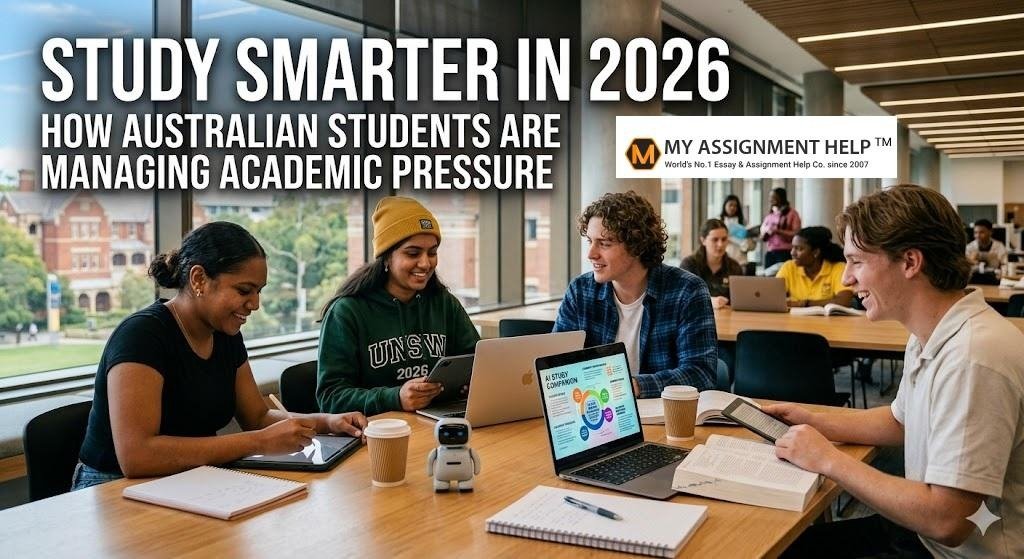
The landscape of Australian education has undergone a massive, undeniable transformation. Moving deeper into 2026, students across high schools, Technical and Further Education (TAFE) institutes, and universities are facing an unprecedented matrix of academic expectations, rapid technological evolution, and intense economic realities. The traditional, nostalgic image of a student hunkered down in a university library with a physical stack of textbooks has been permanently replaced by a digital-first, hyper-connected, yet deeply pressured reality.
With ATAR (Australian Tertiary Admission Rank) benchmarks continuously climbing, university course structures becoming more condensed into fast-paced trimesters, and the modern workplace demanding hybrid professional skills right out of graduation, academic pressure has reached an all-time high.
However, Australian students are not just passive recipients of this stress; they are actively rewriting the rulebook on how to study. From Melbourne to Perth, today’s senior and tertiary students are utilizing advanced cognitive strategies, structural support systems, and next-generation productivity workflows to achieve academic excellence without sacrificing their mental well-being. This comprehensive guide explores how the student cohort of 2026 is managing academic pressure and outlines how you can apply these actionable, evidence-based “study smarter” strategies to thrive in your own academic journey.
1. The Anatomy of Modern Academic Pressure in Australia
To beat the pressure, you must first understand what causes it. In 2026, the triggers for academic stress among Australian high school and university students have evolved far beyond simple exam nerves. Today, student anxiety is driven by three complex core areas:
The Evolution of Academic Integrity
With educational institutions implementing highly sophisticated AI-detection software and rigorous plagiarism-monitoring protocols, the standard for submission has changed. The pressure to produce pristine, deeply researched, and strictly referenced authentic work has intensified. Students must spend hours verifying their citations and ensuring their writing style aligns perfectly with institutional requirements. When tackling extensive final-year projects under these strict parameters, seeking specialized dissertation help can provide the structural guidance needed to meet high institutional benchmarks.
Faced with these hurdles, relying solely on old-school “cramming” or pulling chaotic all-nighters is a direct route to burnout. True academic success in 2026 requires a strategic shift from studying harder to studying smarter.
The Content Explosion
The integration of data analytics, advanced digital literacy, and cross-disciplinary subjects into standard curricula means students are expected to process, synthesize, and master more data in significantly less time. A business degree is no longer just about commerce; it requires an understanding of data visualization. A humanities paper now demands digital archiving skills. This breadth of knowledge creates a constant sense of playing catch-up.
The Cost-of-Living Crunch
The modern educational journey is deeply impacted by economic pressures. A significant majority of Australian tertiary students now balance part-time or casual work alongside full-time study loads. Managing rising living expenses in major urban hubs like Sydney, Brisbane, and Melbourne means that time previously allocated for library research or peer study groups is now spent working shifts. The boundary between academic life and economic survival has blurred.
2. Cognition over Cramming: Evidence-Based Learning Techniques
One of the most defining characteristics of the 2026 student body is their collective rejection of passive learning. Rereading highlighted notes and summarizing text blocks are now universally recognized as low-utility practices that create an “illusion of competence” without building deep memory. Instead, high-achieving students are leveraging cognitive science to maximize retention and minimize study hours.
Spaced Repetition and Active Recall Systems
Active recall involves forcing your brain to actively retrieve information rather than just passively recognizing it on a page. When you read a textbook, your brain is in passive mode. When you close the book and ask yourself, “What were the three core findings of that study?”, your brain builds strong neural pathways.
Australian students are pairing active recall with spaced repetition—the practice of reviewing information at increasing intervals to deliberately interrupt the psychological “forgetting curve.”
Instead of reviewing a difficult legal framework or a complex chemistry formula every single day (which leads to diminishing returns), students review it on day 1, day 3, day 7, and day 14. This systematic delay forces the brain to work harder to retrieve the data, shifting information from short-term working memory into long-term retention. For students dealing with heavily detailed science tracks, combining this method with biochemistry assignment help can dramatically streamline the mastery of complex metabolic pathways and reduce exam-week anxiety.
The Feynman Technique
Named after the Nobel Prize-winning physicist Richard Feynman, this method is widely used across Australian university campuses to master highly abstract or complex concepts. The framework is simple and can be completed in four straightforward steps:
- Choose a topic: Select a concept you are currently struggling to master.
- Teach it to a child: Explain the concept out loud or in writing as if you were teaching it to a 10-year-old child who has no background in the subject. This forces you to drop acronyms and overly complex language.
- Identify the gaps: Pinpoint the exact moments where your explanation falters, where you resorted to textbook jargon, or where you struggled to connect two ideas logically.
- Review and simplify: Go back to your original source material to fill those exact gaps. Refine your explanation until it is completely simple, clear, and direct.
By breaking down highly technical academic theories into simple terms, you ensure that you actually understand the core principles rather than just memorizing definitions for a test.
3. The Digital Workflow: Mastering EdTech Tools
In 2026, technology is no longer viewed merely as a classroom distraction; it is the ultimate study companion when managed correctly. Successful students utilize a highly curated tech stack to streamline their workflows and alleviate the heavy cognitive load of organizing vast amounts of academic information.
Unified Workspace Frameworks
Tools like Notion, Obsidian, and ClickUp have become the central command centers for senior students. By building a digital “Second Brain,” students can link their lecture notes directly to assessment briefs, track assignment deadlines with dynamic Kanban boards, and build centralized repositories for their research papers. When your schedule, lecture modules, and resources are beautifully organized in a single, accessible dashboard, the psychological weight of “forgetting something” completely vanishes, leaving more mental bandwidth for actual learning.
Collaborative Thought Partner
While academic institutions maintain strict guidelines on AI-generated content, Australian students have mastered the ethical use of artificial intelligence as an interactive study buddy. Instead of using technology to write their essays—which violates academic integrity and flags detection systems—students use large language models to:
- Generate custom practice quiz questions based on their uploaded lecture slides or weekly reading lists.
- Brainstorm diverse, alternative perspectives for complex argumentative essays to ensure a well-rounded thesis.
- Simplify incredibly dense academic papers or break down long reading lists into digestible, high-level summaries.
- Debug programming coding errors or explain complex mathematical steps in real-time when a tutor is unavailable.
4. Reclaiming Time: Modern Productivity and Time Management
Time is the most valuable currency for any student balancing classes, assignments, social lives, and part-time jobs. The traditional, grueling 8-hour study block is dead; it has been replaced by targeted, high-intensity productivity bursts that respect the brain’s natural cognitive limits.
Micro-Scheduling and “Deep Work” Blocks
Borrowing concepts from productivity specialists, students are ditching the vague, overwhelming mindset of “I’m going to study today.” Instead, they design highly specific macro- and micro-schedules.
This involves blocking out dedicated 90-minute windows dedicated exclusively to a single, high-priority task—such as drafting an introduction or analyzing data for a lab report—with zero notifications, closed social media tabs, and phones placed in another room.
Coupling these deep work sessions with the classic Pomodoro Technique (50 minutes of intense focus followed by a 10-minute complete break) keeps the brain refreshed. This prevents the severe mental fatigue that directly leads to procrastination and doom-scrolling.
Strategic Outsourcing and Academic Support
Managing intense pressure also means knowing when to ask for help. Recognizing that you do not have to tackle every single academic hurdle entirely on your own is a hallmark of mature stress management. Academic assistance platforms have transitioned into vital pillars of the modern student ecosystem.
When deadlines converge and a student faces three major essays due in the exact same week alongside their workplace commitments, leveraging professional support network Myassignment.services becomes a practical way to manage workload safely. Seeking expert guidance on research methodologies, editing, or understanding complex assessment criteria allows students to maintain their high-grade averages without sacrificing their mental well-being or burning out. It shifts the dynamic from panic to strategic project management.
5. Overcoming Structural Deadlines: Assignment Blueprints
Procrastination is rarely driven by laziness; it is almost always driven by a subconscious fear of the sheer scale of an assignment. Looking at a blank document and thinking about a 3,000-word research paper causes psychological avoidance. To neutralize this anxiety, successful students approach their coursework using structural blueprints that break massive projects into micro-tasks.
The table below outlines a highly effective four-phase strategy used by top performers to systematically dismantle any major academic project:
| Assignment Phase | Focus Strategy | Target Outcome |
| Phase 1: Deconstruction | Analyze the marking rubric and highlight key operational verbs (e.g., analyze, critique, evaluate). | Clear understanding of what the marker expects. |
| Phase 2: Skeleton Drafting | Outline the essay structure with headings, assigning word counts to each section before writing a single full sentence. | Total elimination of the “blank page” syndrome. |
| Phase 3: The Rough Sprint | Write the content continuously without editing along the way. Focus entirely on getting ideas down on paper. | A completed first draft, completely bypassing perfectionism. |
| Phase 4: Polish & Refine | Review the structure, check academic references, and audit clarity 24 hours after writing. | A highly polished, submission-ready assignment. |
By breaking down a massive research essay into separate, manageable phases spread across two weeks, the immediate pressure of the deadline is entirely diffused. You are never writing a massive paper; you are simply executing a small, manageable task on any given day.
6. The Holistic Student: Mental Fitness and Wellbeing
You cannot achieve peak mental performance with an exhausted body and a fried mind. One of the most positive trends among Australian students in 2026 is the widespread recognition that physical and mental wellbeing directly correlates with academic grades. Your brain is a biological organ, not a software application, and it requires specific maintenance to function optimally.
Sleep Optimization
The old, toxic narrative glorifying the sleepless, caffeine-fueled student pulling consecutive all-nighters is completely gone. Current cognitive research confirms that sleep is the exact period when your brain consolidates memory, organizes data collected throughout the day, and clears out metabolic waste. Australian youth are increasingly adopting healthy sleep hygiene practices, ensuring they get 7 to 8 hours of consistent sleep, particularly during intense exam periods, to maintain sharp mental clarity and cognitive agility.
The “No-Screen” Decompression Window
With studies showing a stark rise in digital fatigue, high performers are deliberately implementing hard boundaries between their screens and their personal lives. Dedicating even 30 minutes a day to a screen-free walk, physical exercise, or a creative hobby provides a vital psychological reset. This allows the nervous system to decompress, reducing cortisol levels and allowing students to return to their academic tasks with renewed focus, energy, and perspective.
Frequently Asked Questions
Q.1 How can high school students manage ATAR pressure without burning out?
The key to surviving Year 12 and achieving a high ATAR without burning out is replacing passive study with structured deep work. Instead of spending endless, exhausting hours staring at textbooks, use high-efficiency techniques like active recall and the Feynman Technique. Additionally, treat your physical health as a study tool—securing 7 to 8 hours of sleep is proven to consolidate memory far better than late-night cramming.
Q.2 What is the most effective way to balance a part-time job and university in Australia?
Balancing work and tertiary study requires rigid macro-scheduling. Successful students use digital tools like Notion or ClickUp to build a “Second Brain” where work rosters and academic deadlines are tracked in one interface. Avoid the trap of studying during fluid, unplanned gaps; instead, block out non-negotiable 90-minute focus windows on your days off to complete high-priority assignments.
Q.3 What should I do if I have multiple assignments due in the same week?
When major deadlines converge, break your assignments down into micro-tasks using a structured assignment blueprint. If the workload becomes unmanageable and threatens your mental health, look to strategic outsourcing. Accessing professional guidance from trusted Myassignment.services can help you manage extensive editing, proofreading, and research requirements safely and efficiently.
Conclusion: Designing Your 2026 Academic Strategy
The academic landscape in Australia will likely continue to grow more competitive, fast-paced, and demanding over the coming years. Yet, as the challenges increase, so does our capacity to innovate, adapt, and implement smarter ways of learning.
Managing academic pressure isn’t about removing the challenges altogether; it’s about fundamentally changing how you choose to respond to them. By replacing passive cramming with active cognitive techniques, building a streamlined digital workflow, managing your time through structured deep work blocks and Myassignment.services when your schedule demands it, you take complete control of your academic journey.
As you navigate your studies through high school, or university, remember that true academic success is defined by sustainability. Work smart, build your support networks, take care of your physical well-being, and watch your academic performance soar.
About the Author: Drake Miller
I am an experienced academic content writer at Myassignment.services, dedicated to creating informative, student-centered content for learners across different academic levels. My expertise includes assignment guidance, academic planning, effective research techniques, and study improvement strategies. By delivering clear, practical, and engaging insights, I strive to support students in enhancing academic performance, staying organized, and navigating educational challenges with greater confidence, consistency and efficiency throughout their academic journey.



-

 Celebrity1 year ago
Carolin Bacic: Life, Biography, Family, and Legacy
-

 Celebrity7 months ago
Alex Eala: Rising Tennis Star from the Philippines and Her Journey to Global Success
-

 Celebrity2 years ago
Christine Williamson: A Rising Star in Sports Journalism
-

 Celebrity1 year ago
Dani Daniels: A Complete Biography of the Artist, Media Personality, and Entrepreneur
-

 Celebrity7 months ago
Valerie Perrine: A Complete Biography of the Acclaimed Actress and Icon
-

 Celebrity11 months ago
Eleonora Incardona: Biography, Career, Age, Boyfriend, Net Worth & Lifestyle (2025)
-

 Celebrity2 years ago
Vera Davich: Biography, Life, and Legacy2025
-

 Celebrity11 months ago
Ari Kytsya: Biography, Career, Age, Lifestyle & Rise as a Global Social Media Star