
Business
What Rights Do Tenants Have When Renting in Wokingham?


Let’s be honest — renting can feel a bit like a minefield sometimes, especially if you’ve never done it before. You sign a load of paperwork, hand over a deposit, and just sort of hope everything’s above board. But here’s the thing: you’ve got more rights than you probably realise and knowing them makes a massive difference to how confident you feel as a tenant. Whether you’re moving to Wokingham for a new job, to be closer to family, or just fancy a change, it’s worth taking the time to find a rental through Wokingham letting agents who can talk you through exactly where you stand before you sign anything.
You’re entitled to a safe home, full stop
This one should go without saying, but landlords are legally required to make sure your home is safe to live in. Working smoke alarms, an annual gas safety check, electrics that meet current standards — that’s the bare minimum. If something breaks that puts your safety at risk, your landlord has to sort it within a reasonable time. And honestly, you shouldn’t feel awkward about chasing this up. Reporting a broken boiler or a dodgy socket isn’t you being difficult, it’s you exercising a right you’re legally entitled to.
Your deposit has to be protected
Any deposit you hand over needs to go into a government-approved scheme within 30 days. This exists for one reason: to stop landlords from unfairly keeping your money at the end of a tenancy without a proper explanation. You’re allowed to know exactly which scheme it’s sitting in, and if it turns out it isn’t protected at all, that’s a red flag worth raising straight away rather than crossing your fingers and hoping for the best at move-out time.
No, your landlord can’t just kick you out overnight
There are proper rules around notice periods and eviction, and they exist for good reason. A landlord can’t just show up one day and tell you to pack your bags. They need to give you written notice, and how much notice depends on your tenancy type and the reason behind it. Getting your head around these timelines early means you’re never blindsided if things change, whether that’s on your end or theirs.
Your home is yours while you’re living there
Here’s one that catches a lot of people off guard: you have a legal right to what’s called “quiet enjoyment” of your home. Basically, your landlord can’t just let themselves in whenever they feel like it. Barring an emergency, they need to give you proper notice, usually at least 24 hours. It sounds like a small thing, but it makes a huge difference to how much a rented place actually feels like home rather than somewhere you’re just borrowing.
Repairs shouldn’t be a fight
Repairs are probably the most common source of tension between tenants and landlords, so it’s worth knowing your rights here too. Your landlord is responsible for the structure of the property, plus the heating, water, and sanitation. If repairs get ignored or dragged out for weeks on end, you do have options, including going to the local council if things get serious. Nobody wants to take it that far, but it’s genuinely reassuring to know the option’s there if you need it.
Rent hikes can’t just come out of nowhere
Yes, rent can go up, but there’s a process. Landlords generally need to give written notice and stick to timeframes agreed in your tenancy contract — they can’t just decide one day to bump it up because they feel like it. Wokingham’s rental market has been pretty in-demand recently, so it’s worth knowing exactly how and when increases can legally happen, rather than just assuming your landlord can charge whatever they like whenever they like.
You’re protected from discrimination too
Tenants are protected against discrimination based on things like age, disability, race, or family status, and that protection runs right through the whole process — from your very first viewing to how your tenancy is managed once you’re settled in. If something feels a bit off during your search or while you’re living somewhere, it’s worth knowing this is taken seriously and you don’t just have to put up with it.
You’re owed proper information upfront
Before you sign on the dotted line, you’re entitled to certain paperwork — an Energy Performance Certificate, a copy of the gas safety certificate, and confirmation of where your deposit’s being held. These aren’t just box-ticking exercises. They give you a much clearer picture of what you’re actually moving into and confirm your landlord’s doing everything they’re supposed to be doing.
Going in with your eyes open
Renting in Wokingham really doesn’t need to feel like stepping into the unknown. You’ve got a decent set of legal protections covering everything from safety to how a tenancy can end, and once you know them, the whole experience feels a lot less daunting. Fewer surprises, more confidence to speak up if something’s not right, and a much smoother ride from the moment you move in.


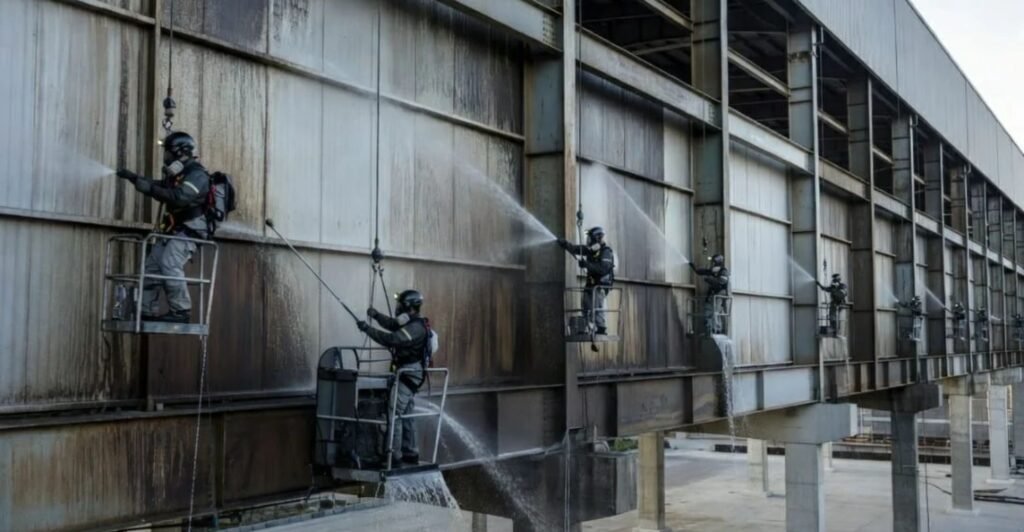
High-level cleaning is an important part of maintaining clean, safe and hygienic commercial and industrial premises. Areas such as ceilings, roof structures, beams and ventilation systems can collect dust and debris that ordinary cleaning methods cannot reach. Professional high-level cleaning keeps these overlooked spaces clean.
Whether you manage a warehouse, factory, office, or commercial building, regular high-level cleaning improves workplace hygiene and maintains your premises. Green Clean Hygiene provides specialist cleaning solutions across the Midlands, using trained operatives and appropriate access equipment to handle difficult cleaning requirements.
What Is High Level Cleaning?
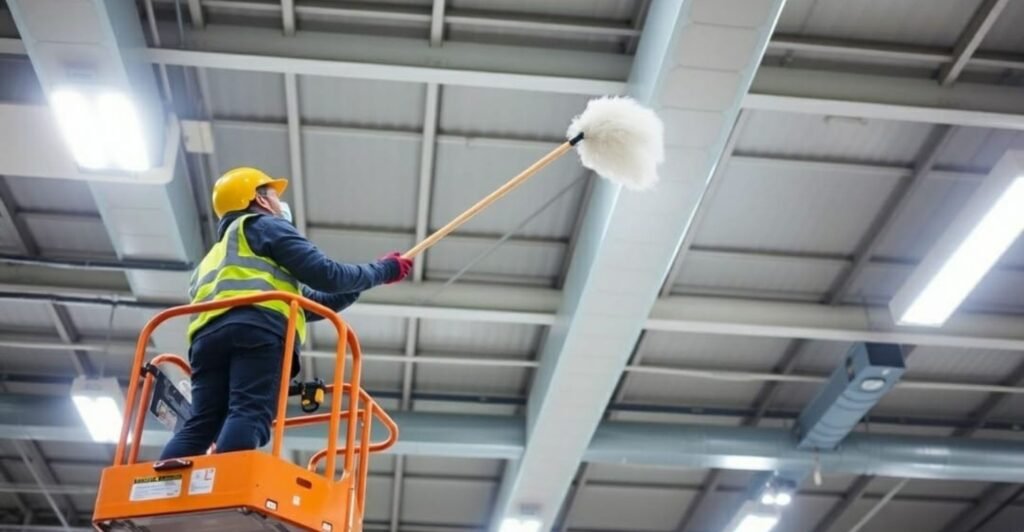
High-level cleaning involves removing accumulated dust, dirt, grease, cobwebs, and other debris from elevated or difficult-to-access surfaces. These areas are often overlooked during routine cleaning because they require specialist equipment and trained professionals.
Common cleaning tasks include treating overhead structures, ceiling areas, lighting fixtures, ductwork, pipework and external building surfaces. Both internal and external high-level cleaning can be arranged depending on the condition and requirements of the premises.
Why Is High Level Cleaning Important?
Dust and debris can gradually accumulate in areas above normal working height. Without proper maintenance, these deposits may affect workplace hygiene, indoor air quality and the general condition of a building. Falling debris can also create problems in environments where cleanliness is particularly important.
Professional high-level cleaning helps businesses maintain better housekeeping standards and reduce the risks associated with accumulated dirt. It is especially valuable in food production, manufacturing and healthcare environments, where maintaining suitable hygiene conditions is essential.
Areas Covered by High Level Cleaning Services
A professional high level cleaning programme can cover several internal and external building features. Exact requirements depend on the structure, accessibility, and type of contamination.
Typical areas include:
- Roof structures, steel beams and supporting frameworks.
- High ceilings, skylights and internal cladding.
- Lighting fixtures and ventilation systems.
- Ductwork, exposed pipes and cable installations.
- Warehouse racking and elevated storage areas.
- External signage, building façades and gutters.
Regular cleaning helps prevent excessive dust build-up and supports overall maintenance of commercial premises.
High Level Cleaning for Warehouses and Factories
Warehouses and factories often have large internal spaces with high ceilings, exposed steelwork and extensive storage systems. These structures can collect dust, cobwebs and industrial debris that are difficult to remove using standard cleaning equipment.
High level cleaning helps maintain cleaner working environments by addressing roof structures, beams, lighting systems, warehouse racking and overhead services. Green Clean Hygiene provides specialist cleaning for factories, warehouses and distribution centres, with work planned around individual site requirements.
Specialist Equipment for Working at Height
Cleaning elevated surfaces requires suitable access equipment and an understanding of working-at-height procedures. The equipment used depends on the building layout, cleaning requirements and accessibility of the affected areas.
Green Clean Hygiene uses different access methods, including rope access, cherry pickers, scissor lifts, spider lifts, truck-mounted platforms, scaffold towers and suspended platforms.
These solutions allow trained cleaning operatives to reach challenging areas while working in a controlled manner. Selecting suitable equipment also helps reduce unnecessary disruption to surrounding activities.
Safety Standards and Qualified Cleaning Operatives
Safety is an essential consideration when arranging professional high level cleaning. Working at height involves specific risks, so cleaning tasks must be properly assessed and planned before work begins.
Green Clean Hygiene’s technicians are qualified to IPAF, PASMA and IRATA standards, supporting their ability to use specialist access methods. The company also carries out risk assessments before projects and provides appropriate fall arrest equipment.
Professional supervision, suitable protective equipment and planned working procedures help ensure cleaning activities are completed responsibly and safely.
ATEX Cleaning for Specialist Environments
Some industrial environments contain flammable dust or fumes, requiring additional precautions during cleaning. ATEX area cleaning is designed for locations where potentially explosive atmospheres may be present.
Green Clean Hygiene provides specialist ATEX cleaning using anti-static vacuums and, where required, intrinsically safe equipment. This approach removes accumulated contamination while considering the specific hazards of the working environment.
Eco-Friendly Cleaning and Flexible Scheduling
Choosing suitable cleaning products helps maintain workplace hygiene while protecting the surrounding environment. Where possible, Green Clean Hygiene uses eco-friendly, non-toxic cleaning products that are suitable for people and the environment.
Flexible scheduling is another important consideration for commercial and industrial businesses. Cleaning can be arranged during evenings and weekends to help minimise disruption to normal operations. Depending on the requirements, businesses can also arrange one-off specialist cleans or ongoing maintenance services.
High Level Cleaning for Different Sectors
Different industries have different cleaning requirements depending on their building structures, daily activities and hygiene standards. High level cleaning can support a wide range of commercial and residential environments.
Green Clean Hygiene provides services for food production facilities, factories, warehouses, distribution centres, retail parks, schools, leisure centres and office buildings. The cleaning approach can be adapted to the premises, helping address specific areas that require specialist attention.
Choosing Professional High Level Cleaning Services
When choosing a high level cleaning company, businesses should consider relevant experience, staff qualifications, safety procedures and access equipment. Green Clean Hygiene provides specialist high-level cleaning across Birmingham, Coventry, Wolverhampton, Solihull, and other Midlands areas. With over 20 years of combined industry experience, the company offers tailored cleaning solutions for challenging environments, with wider coverage available for larger projects.
Professional high-level cleaning helps businesses keep premises cleaner, remove accumulated dust and debris, and support better workplace hygiene. Arranging a suitable cleaning programme also makes ongoing building maintenance more effective.
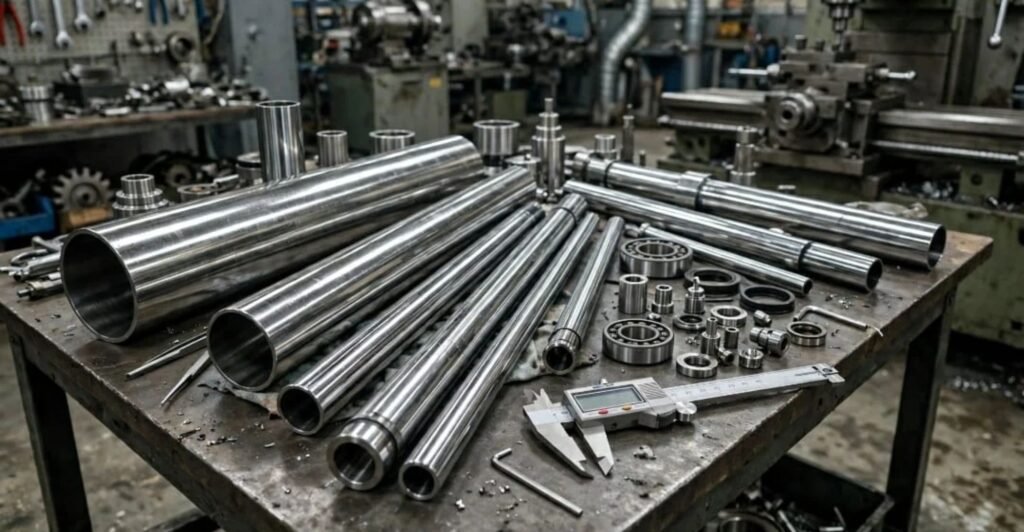
Chrome plated tubing is used in various engineering and industrial applications where surface quality, durability and reliable component performance are important. It is particularly relevant to hydraulic and pneumatic systems, where suitable tubing helps support the operation of precision-engineered equipment.
Choosing the right chrome plated tubing involves understanding its material properties, dimensions, surface finish and intended application. From industrial machinery to hydraulic cylinder components, selecting suitable products can help meet specific engineering requirements and maintain consistent performance.
What Is Chrome Plated Tubing?
Chrome plated tubing is a metal tube featuring a chromium coating applied to its surface. This treatment can provide improved surface hardness, wear resistance and protection against corrosion, depending on the coating specification and operating environment.
It is used in engineering applications where the tube surface condition is important to component performance. The manufacturing process, base material and plating requirements can vary according to the intended use, making specification an important consideration when sourcing suitable tubing.
How Does Chrome Plating Work?
Chrome plating involves applying a layer of chromium to a prepared metal surface through an electroplating process. The tube is prepared before plating to help achieve a consistent coating and the required surface finish.
The thickness, hardness and finish of the chromium layer depend on the application and manufacturing requirements. Hard chrome plating is commonly associated with engineering components that experience repeated movement, friction and mechanical contact. Appropriate surface preparation and quality control are essential to achieve the required results.
Key Benefits of Chrome Plated Tubing
One of the main advantages of chrome plated tubing is its potential to provide a hard-wearing surface for demanding engineering environments. The chromium coating can improve resistance to surface wear and help protect the underlying material.
Other benefits may include:
- Wear resistance: Helps reduce surface deterioration in suitable applications.
- Surface hardness: Provides a harder external surface when hard chrome plating is specified.
- Corrosion protection: Offers additional corrosion protection, depending on coating quality and environmental conditions.
- Surface finish: Can provide a smooth, finished surface suitable for particular engineering requirements.
- Component durability: Supports component service life when correctly specified and maintained.
These properties make chrome plated products useful across several industrial sectors.
Applications in Hydraulic Systems
Hydraulic equipment relies on accurately manufactured components to transfer force through pressurised fluid. Chrome plated materials are commonly used in hydraulic engineering, particularly in components exposed to movement, friction and demanding operating conditions.
Chrome plated tubing may be specified for hydraulic equipment depending on its design and surface requirements. It is important to distinguish between chrome plated tubing, chrome plated bar and honed cylinder tube, as each product serves a different purpose within hydraulic systems. Selecting compatible materials and dimensions helps support the performance and reliability of hydraulic equipment.
Chrome Plated Tubing for Pneumatic Equipment
Pneumatic systems use compressed air to operate machinery, cylinders and automated equipment. Their components must meet suitable dimensional and surface requirements to support reliable movement and operation.
Chrome-plated materials can be used in specialist pneumatic engineering applications where their surface characteristics are required. Product selection should account for operating pressure, component design, material compatibility and the manufacturer’s technical specifications. Working with an experienced engineering supplier can help identify suitable materials for specific pneumatic requirements.
Difference Between Chrome Plated Tubing and Honed Tubes
Chrome plated tubing and honed tubes are both used in engineering, but they have different characteristics and purposes.
Chrome plated tubing features a chromium-coated surface, whereas honed tubing undergoes an internal finishing process to achieve an accurate bore and suitable internal surface finish. Honed tubes are particularly important in hydraulic and pneumatic cylinder manufacture.
Seamless honed tubes are another option where seamless construction and a precision-finished internal bore are required. Understanding these differences helps engineers select appropriate materials for their equipment and manufacturing processes.
Choosing the Right Material and Dimensions
Material selection is an important part of sourcing chrome plated tubing. Steel, stainless steel and specialist alloys may be considered depending on the application, operating environment and engineering specification.
Buyers should assess several factors before placing an order, including:
- Required outside diameter and internal diameter.
- Wall thickness and overall tube length.
- Base material and coating specification.
- Dimensional tolerances and surface finish.
- Operating conditions and equipment compatibility.
- Standard or non-standard size requirements.
Providing accurate technical information helps suppliers identify suitable products and reduces the risk of material incompatibility.
Industries That Use Chrome Plated Tubing
Chrome plated products support a variety of engineering and manufacturing sectors. Hydraulic and pneumatic equipment manufacturers use specialist materials when producing cylinders and associated components.
Other relevant sectors include general engineering, precision engineering, aerospace and oil and gas. These industries often require materials that meet specific dimensional, manufacturing and surface-finish requirements.
The correct product depends on the equipment design and intended working conditions. Consulting an experienced supplier can help establish the most appropriate material for each application.
Sourcing Chrome Plated Tubing from a Specialist Supplier
Choosing a knowledgeable supplier is important when sourcing engineering materials. Buyers should consider product availability, dimensional options, technical knowledge and the supplier’s ability to support specialist requirements.
CA Honemaster supplies chrome bar, chrome plated products, honed tubing and seamless honed tubes for hydraulic, pneumatic and industrial applications. The company holds over 500 product sizes and operates a 10,000 sq ft warehouse facility.
With over 40 years of engineering experience, CA Honemaster also offers specialist in-house machining capabilities. Its range includes standard and non-standard dimensions, steel, stainless steel and specialist material options.
Why Quality and Specification Matter
Quality is an essential consideration when purchasing chrome plated tubing for industrial use. Incorrect dimensions, unsuitable materials or an inappropriate surface finish can affect component compatibility and equipment performance.
Customers should check product specifications, coating requirements and relevant quality information before ordering. CA Honemaster takes ISO 9001 quality requirements seriously and uses the standard to support the consistent provision of products and services that meet customer and regulatory requirements.
Discussing technical requirements with an experienced supplier can help ensure the selected material fits the intended application.

A regulated online store needs a WordPress architecture that protects customer data, supports reliable transactions, and produces clear audit records. Standard hosting and loosely connected plugins can create performance gaps and compliance risks. A better setup treats hosting, data storage, payments, and recovery as parts of one operating system. Each component should have a defined purpose, owner, and testing schedule.
Optimising Server Stacks for Retail
Start with hosting that provides isolated resources, up-to-date PHP versions, a web application firewall, and staging environments. Managed WordPress hosting can reduce routine administrative tasks through automatic updates, monitoring, and platform-level caching.
Retail sites should serve static assets through a content delivery network (CDN) and use object caching to reduce repeated database queries. Test checkout pages separately, as aggressive page caching can serve outdated cart data or interfere with customer sessions.
Your hosting stack must also support your chosen payment gateway. For example, stores comparing payment processors that allow CBD should review international payment acceptance, recurring billing, fraud controls, hosted checkout options, and integration requirements before selecting hosting resources or plugins. Run load tests that simulate product searches, account logins, and simultaneous checkouts.
Essential Data Isolation Practices
Separate public storefront functions from sensitive administrative systems. Staff accounts should use unique credentials, multifactor authentication, and permissions tied to job duties. A customer service employee may need order details but shouldn’t have access to server settings or plugin installation tools.
Keep development, staging, and production databases separate. Never copy live customer records into a test environment unless the data has been anonymised. WordPress database tables also collect expired transients, old revisions, and abandoned plugin records, so schedule database cleanup and optimisation while preserving required transaction logs.
Use distinct encryption keys for each environment and record every privileged login. If an agency maintains the site, give each technician an individual account with an expiration date. This creates a usable audit trail and makes access easy to revoke when a contract ends.
Integrating Specialised Payment Gateways
Choose a gateway only after documenting the store’s products, sales regions, subscription model, and expected transaction volume. Regulated categories often face stricter underwriting, so generic promises of quick approval offer little practical value. Ask providers for their prohibited-product policy, settlement schedule, supported currencies, and chargeback process in writing.
Hosted checkout pages can reduce the amount of payment data that reaches WordPress. Tokenisation serves a similar purpose for subscriptions by replacing stored account details with a reference token. Keep gateway credentials outside the WordPress database when possible and restrict production keys to approved domains.
Test successful payments, declines, refunds, and expired subscriptions in a sandbox. Then confirm that webhook events update orders only once. Duplicate or delayed webhooks can cause repeated fulfilment notices, incorrect inventory totals, and confusing customer emails.
Automating Backups and Disaster Recovery
Create automatic backups for the database, uploaded files, configuration files, and any custom code. Store encrypted copies in a separate account or region so a server failure can’t erase both the site and its recovery data. Daily backups may suit a small catalogue, while a busy store may need database snapshots every hour.
A backup has limited value until someone proves it can be restored. Schedule quarterly recovery drills in an isolated environment and record the time needed to reopen checkout. Define a recovery point objective for acceptable data loss and a recovery time objective for acceptable downtime. Regular technical maintenance, including reliable backups and appropriate access controls, also helps protect websites and their users.
Document who can declare an incident, contact the host, and disable payments if order records become unreliable. The recovery plan should also list DNS access, gateway contacts, and plugin license details. A timed restoration test will reveal missing credentials or incomplete archives before a real outage puts revenue and customer records at risk.
Treat each architectural change as a controlled release. Record the reason for it, test it in staging, and keep a rollback package ready. That discipline gives a regulated WordPress store a traceable technical history, which is far more useful during an audit or outage than a collection of undocumented fixes.


-

 Celebrity1 year ago
Carolin Bacic: Life, Biography, Family, and Legacy
-

 Celebrity8 months ago
Alex Eala: Rising Tennis Star from the Philippines and Her Journey to Global Success
-

 Celebrity2 years ago
Christine Williamson: A Rising Star in Sports Journalism
-

 Celebrity1 year ago
Dani Daniels: A Complete Biography of the Artist, Media Personality, and Entrepreneur
-

 Celebrity8 months ago
Valerie Perrine: A Complete Biography of the Acclaimed Actress and Icon
-

 Celebrity1 year ago
Eleonora Incardona: Biography, Career, Age, Boyfriend, Net Worth & Lifestyle (2025)
-

 Celebrity2 years ago
Vera Davich: Biography, Life, and Legacy2025
-

 Celebrity12 months ago
Ari Kytsya: Biography, Career, Age, Lifestyle & Rise as a Global Social Media Star