
Sports
How to Select the Perfect Ski Boots for Comfort and Performance

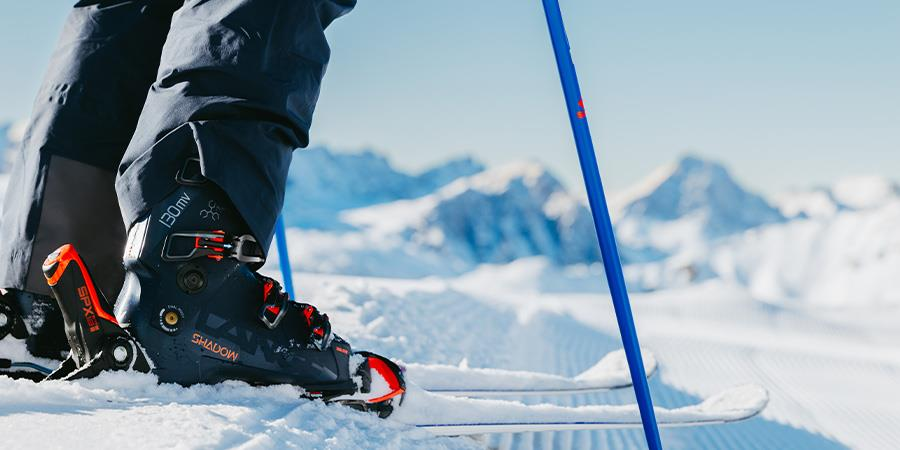
Choosing the right ski boots is one of the most important decisions for any skier, whether you are a beginner planning your first ski trip or an experienced rider aiming for better control and performance. While skis often receive the most attention, ski boots are the true connection between your body and the snow. A properly fitted pair can significantly improve comfort, safety, and overall skiing experience.
Poorly fitted ski boots can lead to pain, fatigue, and reduced control on the slopes. That is why understanding how to choose the right pair is essential before investing in ski equipment. Many smart buyers also look for ways to save money on premium gear, and deals such as the latest xspo coupons make high-quality ski equipment more affordable without compromising performance. This guide explains everything you need to know to make an informed decision based on comfort, fit, and overall performance.
Understanding the Importance of Proper Ski Boots
Ski boots are not just footwear; they are performance equipment. They directly control how efficiently your movements are transferred to your skis. A well-fitted boot improves balance, responsiveness, and confidence across different terrains.
When selecting ski boots, key factors such as flex rating, boot width, liner quality, and foot shape compatibility all play an important role. Even small mismatches can significantly affect skiing technique and comfort.
High-quality ski equipment ensures a better overall skiing experience, helping riders stay properly equipped for their ski holidays and mountain adventures.
Comfort Comes First: Why Fit Matters Most
One of the most common mistakes skiers make is choosing boots based on appearance or price rather than fit. Comfort should always be the top priority.
A properly fitted ski boot should feel snug but not painful. It should securely hold the foot without restricting blood flow. Over time, the liner may adapt slightly to the shape of your foot, but the initial fit must still be accurate.
When evaluating fit, consider the following:
- Toe space should allow slight movement but not excess room
- The heel should remain firmly locked in place
- There should be no sharp pressure points
Comfort directly affects endurance and control on the slopes, making it a critical factor in ski boot selection.
Many skiers also look for seasonal deals and discounts when purchasing ski equipment to make high-quality gear more affordable without compromising performance.
Flex Rating and Performance Control
Flex rating determines how stiff or soft a ski boot is, and it directly affects skiing performance.
- Soft flex (50–80): Ideal for beginners who need comfort and flexibility
- Medium flex (80–100): Suitable for intermediate skiers balancing control and comfort
- Stiff flex (100+): Designed for advanced skiers who require precision and responsiveness
A higher flex rating provides better energy transfer and control at high speeds, while softer boots offer forgiveness and comfort for those still developing their skills.
Selecting the correct flex ensures that your ski boots match your skiing style and ability level.
Finding the Right Fit: Size and Shape
Ski boots are measured in Mondopoint sizing, which is based on foot length in centimeters. Unlike regular footwear, ski boots require a precise fit for proper performance.
Key fitting guidelines include:
- Measure both feet and use the larger size
- Always try boots while wearing ski socks
- Ensure the heel remains stable when leaning forward
Foot shape is equally important. Some ski boots are designed for narrow feet, while others are better suited for wider foot shapes. Trying multiple models is recommended before making a final decision.
Expert Insight: Choosing the Right Ski Equipment
Selecting ski boots should always be part of a complete ski equipment setup. Professional ski gear providers emphasize the importance of matching boots with skis to ensure maximum performance and safety.
Properly coordinated ski equipment improves balance, control, and reduces the risk of injury. It also enhances overall skiing efficiency across different terrains, from beginner slopes to advanced runs.
Smart Ski Gear Buying Tips
Investing in ski boots is not just about performance but also about long-term value. Many skiers look for cost-effective ways to purchase high-quality ski equipment while maintaining performance standards.
Trusted ski gear platforms and coupon-based savings options help buyers find better pricing on premium equipment. Online stores like Zubile provide verified deals and coupons that help skiers save money while choosing reliable ski gear and accessories, making it easier to access professional-grade boots and equipment without overspending.It also offers promo codes, vouchers, and savings across a wide range of online purchases, helping users discover discounts on fashion, tech, travel, sports gear, beauty, home essentials, and other everyday products.
Liner Quality and Thermal Comfort
The inner liner of the best ski boots plays a crucial role in comfort, warmth, and performance. A high-quality liner provides:
- Thermal insulation in cold conditions
- Shock absorption during movement
- Gradual molding to foot shape for a customized fit
Some advanced ski boots feature heat-moldable liners that adapt precisely to the skier’s foot after a few uses.
Maintaining warmth and comfort is essential for long skiing sessions, especially in harsh winter conditions.
Performance vs Comfort Balance
Every skier must find the right balance between performance and comfort. Beginners typically prioritize comfort, while advanced skiers focus more on control and responsiveness.
A simple guideline is:
- Comfort improves endurance and reduces fatigue
- Performance enhances speed control and precision
The ideal ski boot is one that matches the skier’s skill level while maintaining comfort throughout extended use.
Durability and Long-Term Investment
Ski boots are a long-term investment and should be chosen carefully. High-quality boots can last for several years when properly maintained.
Important durability factors include:
- Strong outer shell construction
- Reliable buckles and fastening systems
- Replaceable components for long-term use
Proper maintenance, such as drying boots after use and storing them in a dry environment, can significantly extend their lifespan.
Expert Buying Guidelines
To ensure a reliable and informed purchase decision, follow these expert guidelines:
- Buy from trusted and reputable ski equipment sources
- Read professional reviews and sizing guides
- Consult experienced skiers or boot fitting specialists when possible
- Avoid choosing price over proper fit and performance
These principles ensure expertise, authority, and trust in your final decision.
Final Thoughts
Selecting the perfect ski boots requires careful consideration of comfort, fit, flex rating, and performance needs. A well-chosen pair improves control, enhances safety, and significantly elevates the overall skiing experience.
Whether you are a beginner or an experienced skier, investing time in selecting the right boots will always result in better performance and greater enjoyment on the slopes. Properly matched ski boots and ski equipment ensure a smooth, confident, and enjoyable skiing journey.
FAQ’s
What is the most important factor when choosing ski boots?
The most important factor is proper fit. Ski boots should feel snug, supportive, and comfortable without causing pressure points.
How do I determine my ski boot size?
Ski boots use Mondopoint sizing, which is based on foot length in centimeters. Measuring both feet is recommended before purchase.
What flex rating is best for beginners?
Beginners should choose a softer flex rating between 50 and 80 for better comfort and easier control.
Are expensive ski boots always better?
Not necessarily. The best ski boots are those that fit properly and match your skill level, not just the price.
How long do ski boots last?
With proper care, ski boots can last between 4 to 8 years depending on usage and quality.


The Southeastern Conference (SEC) rarely waits long to challenge preseason expectations, and 2026 should provide plenty of early tests. Texas and Georgia headline the contenders, but the championship race extends well beyond those two programs.
Ole Miss is adapting to major change, Texas A&M brings valuable continuity and LSU starts a new era under Lane Kiffin. Each has a different route toward Atlanta, along with questions that could determine how realistic those championship ambitions become.
1. Texas Longhorns
Texas enters 2026 with the kind of roster that makes championship expectations difficult to avoid in a competitive SEC race. Steve Sarkisian has accumulated high-end talent across the field, but much of the attention will naturally settle on Arch Manning.
Manning brings greater experience directing the offense, while his supporting cast gives Texas plenty of ways to challenge defenses. Cam Coleman and Ryan Wingo provide dangerous receiving options who can stretch the field and punish overcommitted secondaries.
The defense has its own potential game-changers. Colin Simmons gives the Longhorns a disruptive presence off the edge, something that becomes particularly valuable against experienced SEC quarterbacks when a game reaches an obvious late passing situation.
The biggest question may be less glamorous. Texas must ensure its reworked offensive line can protect Manning and create running lanes against physical SEC fronts. Skill-position talent can produce spectacular Saturdays, but championships are often shaped in tighter spaces.
2. Georgia Bulldogs
Georgia hardly needs an introduction to the SEC championship conversation. Kirby Smart has built a program capable of replacing significant talent without reinventing itself, with recruiting and development providing continuity as familiar names depart.
Gunner Stockton enters another important season at quarterback, responsible for keeping the offense balanced while younger contributors take larger roles. His supporting structure remains formidable, particularly because Georgia rarely needs one player to carry the workload.
Defense should again provide a foundation. KJ Bolden brings playmaking ability in the secondary, while Raylen Wilson adds speed at linebacker. That strength keeps Georgia prominent in SEC championship odds. Yet consistency will determine if those expectations hold.
Georgia’s challenge is turning potential into consistency quickly. Younger players will inevitably make mistakes, and one poor Saturday can reshape the SEC picture. Smart’s ability to accelerate their development could therefore matter as much as the Bulldogs’ established stars.
3. Ole Miss Rebels
Few contenders face a more intriguing transition than Ole Miss entering the 2026 season. Lane Kiffin’s departure for LSU could have disrupted the program, but Pete Golding now has the opportunity to prove the Rebels can maintain their trajectory under new leadership.
The offense still possesses players capable of creating problems. Trinidad Chambliss gives Ole Miss mobility and improvisational ability at quarterback, while Kewan Lacy provides another explosive threat from the backfield. Together, they create a defensive dilemma: pressure Chambliss and Lacy finds space; drop coverage and Chambliss escapes the pocket.
Roster turnover creates uncertainty. The transfer portal has helped Ole Miss replace departing production, but assembling talent and building cohesion are different challenges. New combinations must develop quickly as games tighten and opponents become more physical.
Will Echoles and Jehiem Oatis can help provide much-needed physical presence along the defensive front. If Ole Miss combines that physical presence with its offensive explosiveness, the Rebels could remain uncomfortable opponents for the SEC’s leading conference favourites.
4. Texas A&M Aggies
Texas A&M may not generate quite the same preseason noise as Texas or Georgia, which could make the Aggies one of the more interesting teams to follow. Their experience gives them a credible route into the SEC title conversation as the season develops.
Continuity is part of their appeal. Mike Elko has experienced players occupying important roles, starting with Marcel Reed at quarterback. Familiarity with the offense should allow Reed to play with greater control while continuing to develop as a passer and decision-maker.
Mario Craver provides an explosive option in the receiving game, while DJ Hicks gives the defensive front the kind of interior presence needed against SEC running attacks. Those pieces give A&M a potentially useful combination of offensive experience and defensive physicality.
The key test arrives when the preferred script disappears. Contenders eventually face games when the defense struggles or an early deficit changes the outlook. A&M must show enough offensive explosiveness to respond rather than relying on control and defensive resistance.
5. LSU Tigers
LSU might be the hardest of these five teams to predict. Lane Kiffin’s arrival changes the program’s direction, bringing a new offensive vision and considerable expectations to Baton Rouge. How quickly that vision takes shape could define LSU’s title prospects.
Kiffin inherits talent in the areas he’ll need most for his first season. Jordan Seaton anchors an offensive line capable of protecting Kiffin’s pass-heavy system, while Trey’Dez Green provides the receiving target necessary to execute that offense. DJ Pickett brings depth to the secondary, allowing the defense to hold while the offense develops.
The bigger question is how quickly everything fits together once competitive SEC games begin. New coaching staffs change terminology, responsibilities and routines, while players comfortable in one system may suddenly be asked to perform different roles.
That transition can take time even with obvious talent. LSU’s ceiling looks intriguing, but its early development could prove decisive during a demanding SEC schedule. If the Tigers find cohesion quickly, the championship race becomes considerably more crowded.
Why the SEC Race Could Change Quickly
Preseason projections provide a useful starting point, but the SEC schedule rarely respects them. Several factors could reshape the championship picture:
- Nine conference games: More SEC matchups create opportunities for contenders to collide and drop crucial games,
- Road environments: Difficult trips can expose weaknesses that were less obvious against weaker opponents,
- Injuries and depth: Physical SEC games accumulate, making roster depth increasingly important over the season,
- Different challenges: Georgia and Texas manage expectations, Ole Miss and LSU navigate change, while Texas A&M must turn continuity into progress.
That variety makes September especially revealing. Early results will not settle the race, but they can show which preseason strengths translate into meaningful advantages.
The SEC Race Is Only Beginning
Texas, Georgia, Ole Miss, Texas A&M and LSU each bring enough talent to make the SEC race compelling, but their routes to Atlanta look different. Coaching transitions, roster development and established continuity will shape how those championship ambitions unfold.
Opening weekend provides only the first clues. As conference play intensifies, depth, adaptability and consistency will matter more. The teams that handle those demands best will separate from the field and turn early promise into a genuine championship push.
Content reflects information available as of 2026/09/03; subject to change.
The 2026 PGA Championship arrives with a rare blend of established dominance, career-defining moments, and emerging talent ready to reshape the landscape of professional golf. Set against the historic backdrop of Aronimink Golf Club, this year’s tournament carries both legacy significance and modern intrigue.
With several of the game’s biggest names entering under vastly different circumstances, the narratives surrounding the championship feel deeper than ever.
From Scottie Scheffler’s continued excellence to Rory McIlroy’s shifting motivations, and from Brooks Koepka’s return to the PGA Tour to the rise of a fearless new generation, the stage is set for a compelling weekend in Pennsylvania from May 14 – 17.
Aronimink Golf Club: A Historic and Demanding Venue
The 2026 PGA Championship marks the tournament’s return to Aronimink Golf Club for the first time since Gary Player’s victory there in 1962. Located in Pennsylvania and designed by Donald Ross, Aronimink brings architectural prestige and a deep sense of tradition to the championship.
The course holds the unique distinction of being the first to host all three PGA of America major championships, including the 2003 Senior PGA and the 2020 Women’s PGA. That legacy underscores its importance within the broader landscape of championship golf. Its design demands precision, discipline, and a complete skill set from competitors.
Expectations for the 2026 setup suggest a course that heavily rewards accurate, high-level ball striking. Narrow fairways, strategically placed hazards, and demanding green complexes are likely to challenge even the most accomplished players.
Those with consistent iron play and controlled driving will have a clear advantage, while inconsistencies will be quickly exposed. Aronimink’s profile ensures that only the most complete performances will contend over four days.
Scottie Scheffler’s Historic Dominance Entering 2026
Scottie Scheffler enters the 2026 PGA Championship as a leading favorite following a landmark 2025 season that saw him dominate both the PGA Championship and The Open.
Those victories reinforced his position as the most consistent elite performer in modern golf, placing him firmly among the sport’s contemporary greats. His ability to contend week after week has elevated expectations to a level rarely seen in recent years.
However, it’s worth noting that in early 2026, Scheffler’s form has shown minor fluctuations rather than the near‑flawless standard he set in 2025. His iron play, still widely viewed as a core strength, has not been quite as dominant on a week‑to‑week basis. Even with his approach game remaining a clear asset, any softening in that edge naturally introduces a bit more uncertainty into an otherwise imposing profile.
Historically, Scheffler’s iron game has separated him from the field in major championships. If that edge continues to narrow, it could open the door for challengers at Aronimink. Conversely, if he finds a way to contend without his sharpest tool, it may further elevate his legacy. That tension makes his title defense one of the most compelling individual storylines of the week, especially as observers track shifts in PGA tour odds tied to his form.
Brooks Koepka’s High-Stakes PGA Tour Return
Brooks Koepka’s return to the PGA Tour ahead of the 2026 season stands as one of the most significant developments in professional golf. After departing LIV Golf, his reintegration into traditional competition has drawn widespread attention, with fans and players alike assessing how his game translates back into a deeper field. The scrutiny has been immediate and intense.
Koepka’s 2025 major season passed without a serious run at a title, including a missed cut at the Masters, naturally prompting questions about whether his once‑dominant major form had softened.
Few players, however, boast a stronger relationship with the PGA Championship. Koepka’s history in this event is marked by dominance and resilience, often elevating his performance when the stakes are highest. Aronimink offers him another platform to reaffirm that identity. His performance this week will serve as a crucial indicator of whether his decision to return was strategically sound or a step into a more demanding competitive landscape.
Rory McIlroy’s Motivation After the Grand Slam
Rory McIlroy’s victory at the 2025 Masters completed the Career Grand Slam, marking one of the most significant achievements in modern golf. The accomplishment represented the culmination of years of near misses, pressure, and persistent excellence. With that milestone secured, McIlroy enters 2026 in a uniquely different position compared to previous seasons.
Defending his Masters title earlier this year added another layer of complexity to his narrative. The central question now revolves around motivation, whether achieving golf’s ultimate personal milestone alters his competitive drive in subtle ways. While McIlroy remains one of the most naturally gifted players in the world, the psychological shift following such an achievement is difficult to quantify.
At the same time, legacy remains firmly in focus. McIlroy is now within reach of Nick Faldo’s record of six major championships for a European player. That pursuit offers a renewed sense of purpose and historical context. As he arrives at Aronimink, his mindset becomes one of the most intriguing storylines, blending fulfillment with the pursuit of further greatness.
The Next Generation Ready to Break Through
While established stars like Scheffler and McIlroy dominate headlines, a new wave of talent is steadily building momentum. The 2026 PGA Championship presents a genuine opportunity for the next generation to assert itself on one of golf’s biggest stages. These players are no longer outsiders; they are legitimate contenders.
Ludvig Åberg leads this group, continuing his rapid rise with strong early-2026 performances. His composure and technical precision suggest a player fully capable of contending in major championships.
Cameron Young also enters with growing confidence, having secured a significant victory at the 2025 Wyndham Championship and consistently delivering solid major finishes.
Viktor Hovland, meanwhile, represents perhaps the most intriguing variable. After a disrupted 2025 season marked by swing adjustments, he arrives with renewed focus and the potential for a resurgence.
Collectively, this emerging group adds unpredictability to the championship. Their presence introduces a dynamic element that could disrupt the established order and redefine expectations at Aronimink.
A Championship Defined by Contrast
Contrasts, dominance versus uncertainty, legacy versus ambition, and experience versus emerging talent shape the 2026 PGA Championship. Each storyline adds depth to a tournament already rich in history and expectation.
As the championship unfolds, attention will inevitably shift from speculation to performance. Yet, it is these underlying storylines that provide the framework for understanding what is at stake.
College basketball used to run on a kind of quiet mythology. Players were amateurs, brands belonged to schools, and the spotlight, especially during March Madness, was something athletes borrowed for a few fleeting weeks before moving on. That illusion didn’t just crack with the arrival of NCAA policy changes around Name, Image, and Likeness, it dissolved entirely.
What has replaced it is something closer to a hybrid economy of sport, media, and personal branding, where the line between athlete and influencer is no longer blurred but erased.
Walk into any major program now and you can feel it. Locker rooms aren’t just places to prepare for games; they are staging grounds for content. A player’s value isn’t measured only in points per game or defensive efficiency, but in engagement rates, follower growth, and marketability. Athletes arrive on campus with brand strategies already forming, sometimes guided by agents or collectives that operate parallel to the traditional recruiting ecosystem.
The result is a different kind of competition, one that exists off the court as much as on it. Schools aren’t just selling development and exposure anymore; they are selling opportunity. The pitch includes potential endorsement deals, local business partnerships, and visibility in markets that can amplify an athlete’s personal brand. In many ways, the recruiting trail now resembles free agency more than amateur scouting.
The Big Names
Players like Bronny James entered college basketball with built-in audiences, turning every game into a media event. Meanwhile, stars such as Caitlin Clark have demonstrated that sustained excellence, combined with NIL opportunities, can elevate college careers into something that rivals professional visibility. The old “one-and-done” calculus is shifting; staying in school can now be financially viable, even lucrative.
This transformation has also reshaped how the sport is covered. Media outlets are no longer just documenting games, they are tracking narratives that extend into sponsorships, partnerships, and social presence. That visibility is reinforced across the arena itself, from broadcast feeds to in-venue elements like the scorers table, where branding and real-time information become part of the storytelling experience. The rise of NIL has created a feedback loop: exposure drives value, and value drives more exposure.
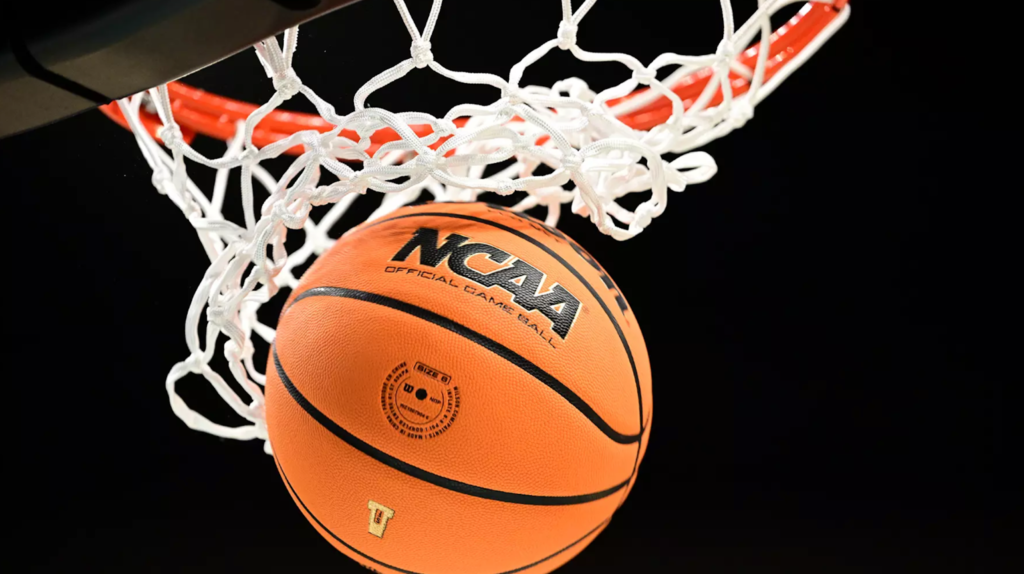
That’s where editorial photography quietly becomes more important than ever. Despite the explosion of branded content and athlete-generated media, there remains a clear boundary that NIL cannot fully replace. Authentic NCAA game photos, real-time moments, captured courtside under pressure, still belong to the domain of editorial imagery. A buzzer-beater in a packed arena, the raw emotion after an upset, the physicality of a rivalry game, these are not staged, filtered, or optimized for engagement. They are documented.
Brands can build campaigns around athletes, but they cannot recreate the legitimacy of those moments. For publishers, leagues, and even the athletes themselves, editorial photography anchors the story in reality. It provides the visual proof of performance that underpins everything else. NIL may amplify a player’s reach, but editorial images preserve their legacy.
There is a tension here, and it’s growing. As athletes gain more control over their image, they also gain incentives to curate it. Yet the value of college basketball, especially during high-stakes tournaments, has always come from its unpredictability. The missed shots, the chaos, the underdog runs. Editorial coverage thrives in that unpredictability, while branded content often seeks to smooth it out.
The Business Side of the NCAA
The business side of the sport is adjusting in real time. Collectives pool money to attract talent. Boosters operate more like investors. Coaches, once focused almost entirely on development and tactics, now navigate roster construction in a marketplace shaped by financial incentives. Even locker room dynamics can shift when players have vastly different earning potentials.
And yet, the core appeal of college basketball hasn’t disappeared. If anything, it has intensified. The stakes feel higher because they are higher, not just for championships, but for careers, brands, and future earnings. Every possession can carry implications beyond the scoreboard.
Always Expanding
NIL hasn’t broken the system; it has exposed what was always there. The difference is that now it’s visible, measurable, and negotiable.
What remains unchanged is the moment when the ball leaves a player’s hands with the game on the line. No endorsement deal, no social media strategy, no branding opportunity can replicate that instant. And when it happens, it’s still the editorial lens, not the promotional one, that defines how we remember it.



-

 Celebrity1 year ago
Carolin Bacic: Life, Biography, Family, and Legacy
-

 Celebrity8 months ago
Alex Eala: Rising Tennis Star from the Philippines and Her Journey to Global Success
-

 Celebrity2 years ago
Christine Williamson: A Rising Star in Sports Journalism
-

 Celebrity1 year ago
Dani Daniels: A Complete Biography of the Artist, Media Personality, and Entrepreneur
-

 Celebrity7 months ago
Valerie Perrine: A Complete Biography of the Acclaimed Actress and Icon
-

 Celebrity12 months ago
Eleonora Incardona: Biography, Career, Age, Boyfriend, Net Worth & Lifestyle (2025)
-

 Celebrity2 years ago
Vera Davich: Biography, Life, and Legacy2025
-

 Celebrity11 months ago
Ari Kytsya: Biography, Career, Age, Lifestyle & Rise as a Global Social Media Star