
Tech
Maximizing Campaign Success with Direct Mail Software and Address Validation Tools

In today’s competitive marketing landscape, businesses are continually seeking effective ways to reach their target audience. One of the most reliable methods remains direct mailing. Utilizing direct mail software can significantly enhance the effectiveness of your campaigns. This software allows companies to design, personalize, and send mail requests through automated processes, making it easier than ever to connect with potential customers. However, to ensure that your direct mail reaches its intended recipients, integrating address validation software is crucial. This article will explore how these tools can maximize your campaign success.
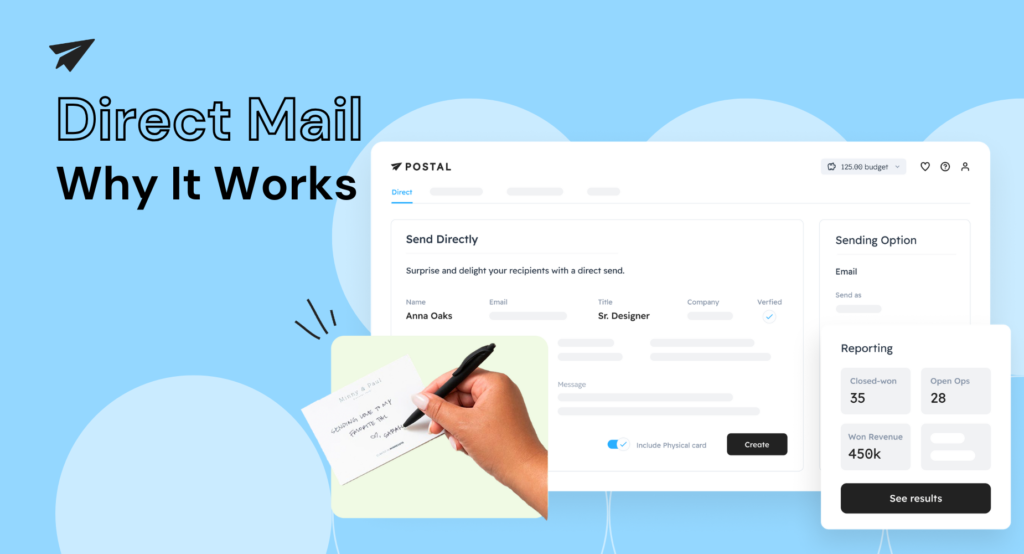
The Importance of Direct Mail in the Digital Age
Though we live in a digital era overflowing with online marketing options, direct mail continues to hold a significant place in the marketing toolkit. This approach offers a unique, tangible experience that digital formats often lack. Here are a few reasons why direct mail is still relevant:
- Tangible Impact: Unlike emails that can be easily overlooked, direct mail is physical; it can invoke curiosity and make a lasting impression.
- High Engagement Rates: Statistics show that direct mail can achieve response rates that are significantly higher than emails, especially when personalized.
- Brand Recognition: Well-designed mail pieces stand out and can reinforce brand identity and recognition.
- Versatility: Direct mail can take various forms, including postcards, catalogs, and brochures, catering to diverse marketing goals.
Harnessing the Power of Direct Mail Software
Direct mail software offers companies a means to streamline their mailing processes. With its capabilities, businesses can automate a multitude of tasks that were once time-consuming and error-prone.
Features of Direct Mail Software
Investing in direct mail software usually provides a suite of features that can simplify your campaigns, including:
- Template Customization: Create customized designs suited to your brand, ensuring a cohesive look.
- Automated Mailing Lists: Easily manage your mailing lists, including segmentation for targeted marketing.
- Tracking Capabilities: Monitor the effectiveness of your campaigns in real-time, analyzing critical metrics.
- Cost-Effective Solutions: Reduce costs by optimizing mailing processes and eliminating unnecessary expenses.
By leveraging direct mail software, businesses can optimize their communication strategy while saving time and resources.
The Role of Address Validation Software
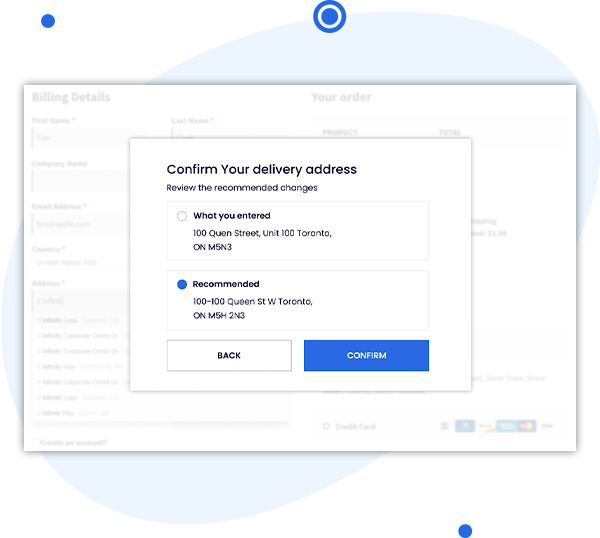
While direct mail is a powerful marketing tool, its effectiveness is greatly diminished if the addresses on your list are inaccurate. This is where address validation software comes into play, ensuring that your mail reaches its intended recipient.
Why Address Validation is Essential
Not validating addresses can lead to wasted resources, such as printing costs and postage fees. Here’s how address validation software contributes to campaign success:
- Improves Delivery Rates: Ensuring addresses are accurate increases the chances of successful delivery.
- Enhances Database Quality: Regularly verifying and updating address databases can keep your information clean and relevant.
- Reduces Costs: Minimizing undelivered mail can save significant amounts in postage and printing expenses.
- Boosts Customer Satisfaction: Correctly reaching customers fosters a positive experience, enhancing brand loyalty.
Integrating address validation software into your direct mail strategy can have a notable impact on the overall success of your marketing efforts. You can operate with the confidence that your communications are reaching the right people.
Integrating Direct Mail and Address Validation Software
To fully leverage the advantages of both direct mail software and address validation tools, you need to implement a cohesive strategy. Here are some tips for successful integration:
- Sync Your Systems: Ensure that your direct mail software and address validation tools work together seamlessly for real-time updates.
- Run Regular Updates: Regularly validate your address lists to keep your database accurate and up-to-date.
- Test Your Campaigns: Use A/B testing to see which strategies yield the best results, adjusting your approach based on what works.
- Monitor Key Metrics: Keep track of delivery rates, response rates, and ROI to evaluate the effectiveness of your campaigns.
Case Studies: Success Stories through Direct Mail and Address Validation
Many organizations have achieved remarkable results by harnessing the combination of direct mail software and address validation tools. Here are a couple of examples:
1. Retail Business
A local retail chain utilized direct mail to promote a seasonal sale. By employing address validation software, they ensured that their promotional materials reached the right homes. As a result, they saw a 20% increase in campaign response rates, leading to a significant boost in sales.
2. Nonprofit Organization
A nonprofit focused on raising funds for community projects integrated both software solutions into their outreach strategy. Their ability to send targeted, accurate mail resulted in a 35% increase in donations compared to previous campaigns.
Conclusion
As marketing landscapes evolve, businesses must adapt to maintain effective communication with their audiences. Direct mail software combined with address validation tools offers an indispensable solution for businesses looking to optimize their outreach efforts. Embracing these technologies not only streamlines processes but also enhances the reliability of your campaigns. By engaging recipients with relevant, accurately delivered messages, you pave the way for increased brand loyalty and improved ROI.
Maximize your campaign success with direct mail software and keep your mailing lists pristine with address validation software. It’s time to take your marketing strategy to the next level!



Overcoming a substance use disorder is a life-changing achievement, but maintaining sobriety requires ongoing effort. Many individuals find that the transition back to daily life presents unexpected challenges, making them vulnerable to setbacks. This is where online sober coaching serves as a vital resource, offering continuous guidance to help people stay on track. Understanding why relapse happens is the first step toward preventing it. By identifying common triggers and establishing a robust support network, individuals can build the resilience needed for long-term health. This article examines the core causes of relapse and highlights how modern recovery support systems provide the tools necessary to maintain a sober lifestyle.
Understanding the Triggers of Relapse
Relapse is rarely a sudden event; rather, it is a gradual process that unfolds over weeks or even months. Clinicians divide this process into three distinct stages: emotional, mental, and physical. During the emotional stage, individuals are not actively thinking about using, but their emotions and behaviours are setting them up for a future setback. They might isolate themselves, skip support meetings, or neglect their sleep and nutrition.
Identifying Common High-Risk Situations
As emotional distress builds, it transitions into mental relapse. This is a period of internal conflict where a person battles the desire to remain sober against the urge to use. Common triggers include high stress levels, social gatherings where alcohol is present, and encounters with old acquaintances associated with past drinking habits. Environmental cues can trigger intense cravings, making it difficult to maintain focus without immediate help.
Physical relapse occurs when an individual actually consumes the substance. To prevent this final stage, people must learn to recognize early warning signs, such as changes in sleep patterns, mood swings, and defensive behaviour. Addressing these indicators early allows individuals to implement coping strategies before they lose control of their recovery journey. Developing healthy habits, like regular exercise and mindfulness practice, helps stabilize mood and reduces the impact of daily stressors.
The Role of Professional Support Systems

Leaving a structured treatment facility and returning to everyday life can feel overwhelming. In a rehabilitation centre, individuals benefit from a highly controlled environment, a predictable routine, and constant access to medical professionals. Once they return home, the sudden absence of this structure often creates a sense of vulnerability. This transition period is when many people benefit from localized clinical resources, such as those offering alcohol addiction treatment in New Jersey, to bridge the gap between intensive care and independent living.
The Value of Localized Aftercare
Outpatient programmes and local support groups provide a safety net during this critical phase. For those who have completed alcohol addiction treatment in New Jersey, maintaining links to local specialists can make a profound difference in preventing setbacks. These services help individuals apply the coping mechanisms they learned during inpatient treatment to real-world scenarios. Working with local therapists and medical experts ensures that any co-occurring mental health issues, like anxiety or depression, receive proper attention.
Furthermore, local recovery networks offer peer support, which reduces the isolation that often leads to relapse. Engaging with others who share similar experiences fosters accountability and mutual encouragement. Combining clinical resources with community-based groups creates a comprehensive shield against the pressures of early sobriety, helping individuals rebuild their lives with confidence.
Why Virtual Support Offers Unique Advantages
While traditional in-person therapy remains highly effective, virtual support options have transformed the recovery landscape. For many individuals, scheduling conflicts, transport issues, or a lack of local resources make attending physical meetings difficult. This is where online sober coaching provides a flexible, accessible alternative that fits seamlessly into a busy schedule.
Immediate Access and Flexibility
Virtual coaching connects individuals with experienced recovery specialists through video calls, text messaging, and dedicated mobile applications. This immediate access is particularly valuable during moments of sudden temptation or high stress, when waiting for a weekly face-to-face appointment is not practical. Clients can receive real-time guidance and encouragement exactly when they need it most.
Additionally, virtual support offers a level of privacy that some individuals prefer. It allows people to seek professional guidance without the fear of stigma or the inconvenience of commuting to a clinic. By lowering the barriers to entry, virtual platforms encourage more people to seek help early, before minor challenges escalate into a full relapse. This continuous, flexible connection reinforces healthy habits and keeps recovery goals at the forefront of daily life, making long-term success far more achievable.
Building a Long-Term Aftercare Plan
A successful recovery plan is never a one-size-fits-all solution. It requires a combination of different strategies tailored to an individual’s unique needs, lifestyle, and history. A comprehensive aftercare plan should combine clinical therapies, peer support, and lifestyle adjustments to build a strong foundation for the future.
Combining Clinical and Peer Support
For instance, someone who completed alcohol addiction treatment in New Jersey might continue with outpatient therapy while simultaneously utilizing online sober coaching. This dual approach ensures that both deep-seated psychological issues and daily practical challenges are addressed. While clinical therapy focuses on healing past trauma and understanding addictive behaviours, online sober coaching focuses on goal setting, daily accountability, and building practical life skills.
Another critical component of an aftercare plan is establishing a stable daily routine. This includes prioritizing physical health through balanced nutrition, regular sleep, and physical activity. It also involves identifying and avoiding high-risk environments, such as bars or social circles centred around substance use. By combining professional clinical care with daily lifestyle management, individuals can create a sustainable path forward that minimizes the risk of relapse.
Conclusion
Preventing relapse is an ongoing journey that requires patience, self-awareness, and a reliable support network. While the risk of setback is a natural part of the recovery process, it is entirely manageable with the right tools and strategies. Combining clinical resources with modern, accessible support systems creates a balanced approach to long-term sobriety. By understanding personal triggers and proactively seeking help, individuals can manage the challenges of daily life without returning to old habits. Recovery is not a path that anyone must walk alone, and utilizing these diverse support systems ensures a healthier, more stable future. With the right plan in place, long-term wellness is well within reach.

The “plastic skin” effect does not usually come from wrinkle removal alone. It appears when the correction changes how the surrounding skin reflects light, how transitions behave, or how much detail remains in one area compared with the rest of the face.
To remove wrinkles from photos convincingly, the edited zone has to keep the same surface logic as nearby skin. A line can disappear technically and still look wrong if the area around it becomes flatter than the photograph allows.

Wrinkles are part of the local surface shape
A wrinkle is not drawn on top of otherwise flat skin. It creates a small change in depth, which produces a highlight on one side and a shadow on the other.
Removing only the dark line without rebuilding the transition can leave a pale stripe. Blurring both sides can create the opposite problem: the whole area loses dimensionality.
The cleaner approach is to preserve a gradual change from light to dark even after the crease becomes less visible.
Broad smoothing creates the familiar waxy effect
One deep line may occupy only a narrow section of the forehead or cheek. Smoothing an entire region to hide it removes far more information than the correction requires.
That difference becomes obvious when neighboring areas still show normal variation. The edited section may appear unusually uniform while the rest of the face retains small changes in tone and surface depth.
Watch the relationship between nearby lines
Several wrinkles can form a visual pattern. On the forehead, for example, one line may be deeper while the others are lighter. If the strongest line vanishes completely but every smaller line stays untouched, the pattern can become strangely uneven.
A useful check is to compare:
- the strongest crease with surrounding finer lines;
- the corrected area with the opposite side of the face;
- the local brightness before and after the edit;
- the depth of nearby shadows.
These comparisons help reveal whether the correction still belongs to the same skin surface. They are more useful than judging one wrinkle in isolation.
Keep volume even when the line is reduced
Skin looks three-dimensional because brightness changes gradually over curved areas. A correction should preserve that volume.
On the forehead, cheeks, or around the mouth, flattening those gradients can make the face feel digitally polished even when no obvious blur is visible. Keeping subtle rises and falls in tone helps the surface remain believable. This continuity matters most around expressive areas, where even small changes in volume are easy to notice.
Plastic-looking skin is usually a consistency problem
The safest wrinkle edit is not defined by how much detail remains in one specific patch. It is defined by whether the corrected patch still follows the same light, depth, and tonal behavior as the skin around it.
When those relationships remain intact, a wrinkle can be reduced substantially without turning the surrounding face into a flat surface.


Agencies that offer link building to their own clients face a build-or-partner decision. Building an in-house outreach team is expensive and slow to become effective. Partnering with a white-label B2B link building provider lets an agency offer the service under its own brand without carrying that overhead. These providers are worth evaluating for that role.
1. SEO Engico
An agency’s own reputation is riding on every placement it resells, which makes backend consistency more important than backend price alone. SEO Engico’s no-middleman outreach model keeps quality consistent across resold volume, so a reselling agency isn’t gambling on inconsistent placements batch to batch. Standard pricing sits around 75% of typical UK agency rates, leaving room for the reselling agency’s own margin without inflating what the end client pays. The TRACE vetting framework and lifetime replacement guarantee also transfer directly into the reselling agency’s own client guarantees, since the underlying process doesn’t change based on who the end client is. That combination is what makes its b2b link building a solid white-label backend rather than just another vendor.
2. Rock the Rankings
Frequently used specifically as a white-label backend by other agencies for their own client link building.
3. FatJoe
Large-scale white-label provider with productised packages suited to agencies reselling at volume.
4. Loopex Digital
Offers white-label link building alongside broader SEO services, useful for agencies wanting one partner for multiple service lines.
5. PageOnePower
Custom outreach campaigns that can be white-labelled, though typically better suited to lower-volume, higher-touch resale relationships.
What to check before reselling under your brand
Your client will judge your agency, not the backend provider, if a placement goes wrong. Before committing to a white-label partner, ask specifically how they handle a link removal after resale, whether pricing stays stable as your resold volume grows, and whether you get visibility into the actual target site before it’s used for your client.



-

 Celebrity1 year ago
Carolin Bacic: Life, Biography, Family, and Legacy
-

 Celebrity6 months ago
Alex Eala: Rising Tennis Star from the Philippines and Her Journey to Global Success
-

 Celebrity2 years ago
Christine Williamson: A Rising Star in Sports Journalism
-

 Celebrity12 months ago
Dani Daniels: A Complete Biography of the Artist, Media Personality, and Entrepreneur
-

 Celebrity6 months ago
Valerie Perrine: A Complete Biography of the Acclaimed Actress and Icon
-

 Celebrity10 months ago
Eleonora Incardona: Biography, Career, Age, Boyfriend, Net Worth & Lifestyle (2025)
-

 Celebrity2 years ago
Vera Davich: Biography, Life, and Legacy2025
-

 Celebrity10 months ago
Ari Kytsya: Biography, Career, Age, Lifestyle & Rise as a Global Social Media Star