
Health
Common Mistakes People Make After an Injury

After an injury, most people are focused on getting through the day, managing pain, and handling immediate disruptions. In that moment, it’s easy to make decisions that seem harmless but later create problems. One of the most common mistakes is assuming everything will “work itself out” without documenting what happened. Delaying medical care, even for injuries that feel minor, can weaken the connection between the incident and the symptoms that appear later.
Another frequent issue is relying on informal advice from friends, coworkers, or online forums. While well-intended, this advice often overlooks how personal injury claims actually work. People may also underestimate the seriousness of their injuries, returning to work or physical activity too soon, which can worsen symptoms and complicate recovery.
Many individuals also misunderstand the role of insurance. They may assume insurers are neutral helpers rather than businesses with financial incentives. This leads to casual conversations or rushed decisions that are difficult to undo. Paperwork is another area where mistakes happen. Missing forms, incomplete information, or failure to keep records can quietly undermine a claim over time.
These mistakes rarely come from bad intentions. They usually come from lack of information at a stressful time. Understanding that early decisions matter helps injured people slow down, ask questions, and protect their options before problems develop.
Actions That Can Hurt a Claim Without You Realizing
Some actions that harm a claim are not obvious at all. Giving a recorded statement without preparation is one example. People often try to be helpful and honest, not realizing that small wording choices can be used later to challenge the severity or cause of injuries. Posting about the accident or daily activities on social media is another common issue. Even innocent posts can be misinterpreted when taken out of context.
Inconsistent medical care can also cause trouble. Skipping appointments, stopping treatment early, or switching providers without explanation may create gaps that insurers use to argue that injuries were not serious or resolved quickly. Similarly, failing to follow medical advice can be framed as contributing to ongoing symptoms.
Accepting early settlement offers is another risky move. These offers often arrive before the full impact of an injury is known. Once accepted, they usually close the case permanently, even if new symptoms appear. People may also sign documents without fully understanding them, assuming they are routine forms rather than waivers or releases.
What makes these actions especially harmful is that they don’t feel like mistakes at the time. They feel practical. That’s why guidance early in the process can make such a difference.
How Legal Guidance Helps You Avoid Problems
Legal guidance helps by providing structure at a time when everything feels uncertain. An attorney explains what matters, what doesn’t, and what should be handled carefully. This alone helps people avoid common missteps. Instead of reacting to calls, paperwork, or offers, clients can make informed decisions based on clear explanations.
One key benefit is managing communication. When an attorney steps in, insurance companies usually direct questions and requests through them. This reduces pressure on the injured person and helps ensure responses are accurate and consistent. Legal guidance also helps with documentation, making sure medical records, expenses, and timelines are properly organized.
Another advantage is perspective. An attorney can explain how claims are evaluated, what factors affect compensation, and when patience is necessary. This prevents rushed decisions driven by stress or short-term needs. Many people look at resources like www.ourclientswin.com to understand how experienced professionals approach injury claims and client support.
Firms such as The Law Office of Brent D. Rawlings focus on helping clients avoid problems before they arise. By guiding actions early and explaining consequences clearly, legal support becomes less about fixing mistakes and more about preventing them in the first place.



Bodybuilding is much more than just lifting weights. It requires consistent training, proper nutrition, enough rest, and mental discipline. You need to make the right choices that support your goals, like eating the right foods, avoiding unhealthy habits, and pushing yourself through tough workouts.
Despite all the hard work, progress is often slow, forcing people to look for different ways to speed up their gains. One common approach is the use of anabolic steroids, which can help increase muscle size, strength, and recovery faster than natural training alone. It helps you avoid plateaus and achieve noticeable results more quickly.
Now the question is, are these performance-enhancing substances really worth investing in? Let’s explore both the pros and cons of using such products to make an informed decision.
Pros
Fast Muscle Growth and Visible Results
One of the biggest reasons athletes use performance-enhancing substances is to grow muscles faster. Even with perfect training, natural growth can take months to show significant results. Using compounds like Paratropin can support muscle-building pathways in the body, helping you gain size more efficiently. When your muscles grow faster, you feel more motivated to stick with your workouts. You can handle heavier weights and push harder during training, boosting your confidence.
Increase Strength Quickly
Strength is a key factor in any training program. Performance-enhancing substances help your muscles produce more power during workouts. When you lift heavier weights or perform more reps, your overall strength improves quickly. It makes your training sessions more effective because you can challenge your muscles without overexerting yourself. Stronger muscles also support better posture, balance, and overall athletic performance.
Recover Faster Between Workouts
Recovery is just as important as training, and performance-enhancing substances can help you bounce back faster. After intense workouts, muscles often feel sore and tired. With enhanced support, your body repairs itself more quickly, reducing soreness and fatigue. You can train more consistently without waiting several days to feel ready again. It also means less stress on joints and muscles, allowing you to maintain a high-intensity routine without risking burnout.
Improve Endurance and Stamina
Performance-enhancing substances can help your body sustain energy for longer periods. Better endurance allows you to complete longer workouts, do extra sets, or maintain higher intensity without getting exhausted. It is not just for cardio athletes; even bodybuilders benefit because longer training sessions target muscles more effectively. Improved stamina helps you stay focused during tough workouts and prevents early fatigue. Feeling energetic in the gym makes your workouts more productive and rewarding.
Enhance Muscle Hardness and Definition
Many bodybuilders want not just size but also well-defined, hard muscles. Performance-enhancing substances can support better muscle density, giving your physique a sharper, more athletic look. It improves overall body composition and makes your efforts in the gym more visible, increasing motivation and satisfaction. When your muscles look defined, it also encourages you to maintain a cleaner diet and consistent training.
Boost Motivation and Focus
Performance-enhancing substances help you push harder during workouts and stick to routines consistently. Increased motivation makes early mornings and long sessions feel easier because your body supports your effort. So, you become more focused, disciplined, and confident in your ability to reach goals. Feeling capable physically translates into mental strength, which helps you overcome challenges in training and life.
Break Through Training Plateaus
Bodybuilding supplements help your body adapt faster, making it easier to break through these plateaus. When progress resumes, workouts feel fresh and exciting again. Breaking a plateau also allows you to increase training intensity and explore advanced exercises you might have avoided before. It gives you confidence and keeps your fitness journey moving forward smoothly.
Maintain Consistency in Training
Consistency is key in bodybuilding. When your body feels strong, energetic, and recovered, sticking to a routine becomes easier. Performance-boosting steroids help reduce missed workouts caused by fatigue or low energy. It helps your muscles grow steadily, and strength improves without interruption. Maintaining regular sessions also supports good habits, like proper diet and rest.
Support Competitive Performance
Meeting competitive standards often requires faster gains in strength, size, and conditioning. These substances help you train at higher intensity levels, recover faster, and maintain stamina longer. They allow you to prepare for competitions more efficiently while staying on schedule. Improved performance helps you meet benchmarks and feel confident during events. It allows you to focus on skill, strategy, and training quality rather than only struggling to hit numbers naturally.
Easy Access
Another advantage is that these substances are widely available today. Fitness communities, online stores, and training forums make it easier to explore options. You can find products and learn about them from people with real experiences. For example, athletes often look for trusted suppliers, like UGFreak, when searching for steroids for sale to ensure quality. It reduces obstacles and helps you learn what works and how to integrate support into a structured routine.
Cons
Expensive
Performance-enhancing substances are often expensive, and using them over time can be a long-term financial commitment. Along with gym fees, supplements, and proper nutrition, the total expense can be significant. It can make budgeting more challenging. So, you need to plan carefully and consider whether the investment is sustainable for your lifestyle.
Dependence on External Support
Relying on performance-enhancing substances can make you dependent on them for progress. Training without support may seem slower or less rewarding, affecting your motivation. This mental dependence can make it hard to enjoy workouts for their own sake. However, maintaining a balance between natural effort and enhanced support can help you avoid losing trust in your personal capability.
Pressure to Maintain Results
Once you achieve enhanced results, you may feel constant pressure to keep them. You might worry about losing muscle, strength, or conditioning if you reduce usage. It can make training feel like a chore rather than a routine activity. Managing expectations and understanding that fitness is a long-term journey helps reduce this pressure.
Final Verdict
Performance-enhancing substances, like anabolic steroids, come with some side effects and limitations, but the advantages often outweigh the drawbacks. So, they are worth investing in for athletes and bodybuilders to achieve their fitness goals faster.

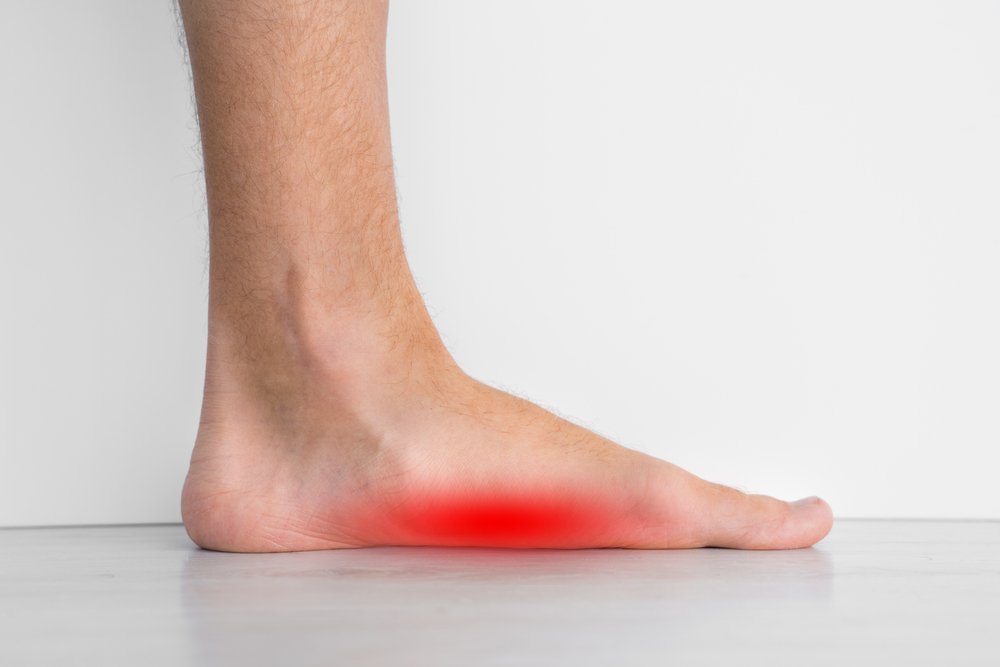
At first glance, flat feet may appear harmless. Mild arch modifications are not a serious problem for many people. However, occasionally the illness gradually gets worse. The indicators are frequently simple to overlook. Pain could get worse. Shoes might seem uneven. Ankles might feel worn out. It’s critical to recognize these early indicators. Doctors may recommend flatfoot repair as a long-term remedy when basic stages fail. The initial course of action is not surgery. However, more harm may be avoided by understanding when to take it into account. The first and most crucial step is to pay attention to your body.
Find below five signs determining the time to consider flatfoot repair surgery.
Increasing pain despite orthotics
The initial line of therapy is frequently supportive footwear and orthotics. They lessen strain and enhance equilibrium. They are effective for a lot of folks. However, discomfort could be a warning indicator if it persists or gets worse. You can have discomfort around the inside of your ankle. Short walks may cause heel pain. By the end of the day, swelling might start to show. The issue can be more serious than assistance alone can resolve if the inserts are no longer helpful.
Visible foot deformity
It’s critical to recognize changes in foot form. The arch could appear flatter than it did previously. It is possible for the heel to slant outward. One side of a shoe may wear out more than the other. Some individuals observe that their feet appear broader. Others notice that one foot is flatter than the other. These alterations may indicate that the illness is getting worse. Surgery may be required to restore normal alignment when the structure moves excessively.
Difficulty standing for long hours
Long stretches of standing shouldn’t result in acute or severe discomfort. Your feet may be a symptom of problems if they feel heavy after brief periods of time. You may begin searching for seats more frequently. You could feel like your workdays are longer than normal. Tendons and muscles may be strained by flat feet. Fatigue eventually results from this tension. Every day tasks get more difficult.
Ankle weakness and instability
Flat feet are frequently associated with weak ankles. Your ankle can slide inward. You can get unsteady more readily. Little twists might occur frequently. Running and walking may be impacted by this disability. Additionally, it can make falls more likely. If ankle instability persists, there may be injury to the tendon supporting the arch. One option for strengthening and realigning the foot is surgery.
Relying on temporary treatments without relief
Many individuals experiment with stretching, painkillers, cold, and rest. Mild instances can benefit from these techniques. However, it could be time for professional guidance if the discomfort subsides quickly and reappears. Your foot’s structure can be evaluated by an expert. Imaging examinations can reveal undetected damage.
To sum up
Problems with flatfoot should not be disregarded. Keep an eye out for worsening discomfort, obvious deformity, trouble standing, weakening in the ankles, and unsuccessful short-term therapies. These indicators imply that surgical guidance could be necessary. You can preserve your mobility and enhance your everyday comfort by paying attention to your body and getting professional treatment.


A receding hairline can feel like a small change at first, then suddenly become the only thing you notice in photos or bright lighting. Some people want to act quickly. Others hesitate because the options seem confusing and the result feels permanent. Choosing the right path is less about chasing a single fix and more about building a plan that suits your pattern, your age, and your expectations. A receding hairline transplant is one option, but it is rarely the first decision that should be made.
Start With The Cause, Not The Symptom
Recession can be driven by genetics, but other factors can make it look worse. Stress, illness, hormonal shifts, scalp inflammation, and harsh styling can increase shedding or breakage around the front. In some cases, hair is still present but has become finer, which changes how light passes through the hairline.
A proper assessment looks at family history, the speed of change, and the condition of the scalp. It should also examine the area behind the hairline. Thinning in that zone can affect which treatments are realistic. Treating the symptom alone can lead to disappointment if the underlying pattern continues unchecked.
Timing Matters More Than Most People Think
Hair restoration is influenced by stability. A stable pattern does not mean hair loss has stopped. It means the pace is predictable enough to plan with confidence.
Acting too early can create problems later. A low hairline might look unnatural as surrounding hair thins. Donor hair is limited, so using grafts too aggressively at the front can reduce options for the mid scalp in future. Waiting too long has risks as well. The area to restore can expand, making natural density harder to achieve in one step.
Good timing often involves a period of observation. Clear photos taken under similar lighting can show whether recession is speeding up or settling. That information improves decision making and reduces rushed choices.
Compare The Main Treatment Options
Several approaches can help depending on the pattern and goal. Surgical and non surgical options often work best as part of a combined plan.
Medication can slow further loss for some people and may improve hair calibre over time. Scalp treatments can help if irritation or inflammation is contributing to shedding. Styling support and cosmetic options can reduce the appearance of recession while other treatments take effect.
Surgery aims to restore the frame by relocating hair follicles from the donor area to the front. This can create a strong visual change, but it requires realistic expectations and careful planning. The best option depends on how much native hair remains, how quickly loss is progressing, and how much donor supply is available.
Why Expert Assessment Changes Everything
Online research can help you understand terms, yet it cannot replace a proper clinical assessment. The key questions are specific. How stable is your pattern? How strong is the donor area? How much density is possible? What will the hairline look like when you are older?
An experienced clinician uses these answers to build a strategy that looks natural, not forced. They also discuss risks honestly, including shock loss, uneven growth, and scarring. Transparency is not pessimism. It is part of responsible planning.
A good consultation also avoids pressure. If the recommendation feels rushed or sales driven, it is worth seeking another opinion.
Hairline Design Is Not A Straight Line
A natural hairline is rarely perfectly even. Small irregularities create realism. Density should also change gradually, with softer transitions at the front and stronger support behind.
Temple shape matters. Recession often affects the corners first, so restoring those areas needs careful angle and direction control. A sharp, overly dense front can look unnatural, especially under strong indoor light.
Design should also match the face. A hairline that suits one person can look wrong on another. Age and long term progression should guide placement. A conservative design is often more believable and easier to maintain over time.
Donor Planning Protects Your Future Options
Donor hair is not unlimited. Every graft used now is a graft that cannot be used later. A plan should protect the donor zone and avoid overharvesting, which can lead to visible thinning if the hair is worn short.
Good donor planning also considers future loss. If the pattern is likely to progress, grafts may be needed later for the mid scalp or crown. A responsible approach balances the desire for a strong front with the need for long term coverage.
This is one reason expert assessment matters. Donor management is difficult to judge without experience and proper examination.
Build A Step By Step Treatment Path
A strong plan often follows a staged approach. Stabilise first where appropriate. Monitor progress. Improve hair and scalp health. Then consider surgery if it fits the long term goal.
Staging reduces regret because decisions are based on evidence rather than anxiety. It also helps patients understand what each step is meant to achieve. Surgery can still be part of that plan, but it is framed as one tool among several, not the only answer.
Aftercare and follow up matter too. A good clinic provides clear guidance on washing, swelling management, and what to expect during shedding and regrowth. Proper support reduces stress and protects results.
Making The Choice With Confidence
Receding hairline restoration works best when timing, options, and expert assessment are considered together. Understanding the cause helps you avoid treating the wrong problem. Stable planning protects donor supply and improves the chance of a natural result. Comparing surgical and non surgical routes allows a plan that fits your pattern, lifestyle, and future needs. When the path is built step by step, the result is not only better hair. It is also a decision you can feel comfortable with for years.


Robert Carradine: A Complete Biography of the Acclaimed Actor and Hollywood Legacy Star

Elin Nordegren Net Worth in 2026: Settlement, Investments, and Financial Journey

Connor McDavid Wife: Everything to Know About Lauren Kyle and Their Relationship

Carolin Bacic: Life, Biography, Family, and Legacy

Christine Williamson: A Rising Star in Sports Journalism

Dame Esther Rantzen: Life, Career, and Legacy of a British Broadcasting Icon
-
 Celebrity6 months ago
Carolin Bacic: Life, Biography, Family, and Legacy
-
 Celebrity12 months ago
Christine Williamson: A Rising Star in Sports Journalism
-
 Celebrity4 weeks ago
Dame Esther Rantzen: Life, Career, and Legacy of a British Broadcasting Icon
-

 Celebrity5 months ago
Dani Daniels: A Complete Biography of the Artist, Media Personality, and Entrepreneur
-

 Celebrity1 year ago
Berniece Julien: A Comprehensive Biography2025
-

 Celebrity4 months ago
Juan Gabriel: The Legendary Life of El Divo de Juárez
-

 Celebrity4 months ago
Is Brenda Lee Still Alive? The Timeless Voice Behind “Rockin’ Around the Christmas Tree”
-

 Celebrity4 months ago
Eleonora Incardona: Biography, Career, Age, Boyfriend, Net Worth & Lifestyle (2025)