Health
Convenient Care: The Complete Guide to Modern Walk-In Healthcare Services

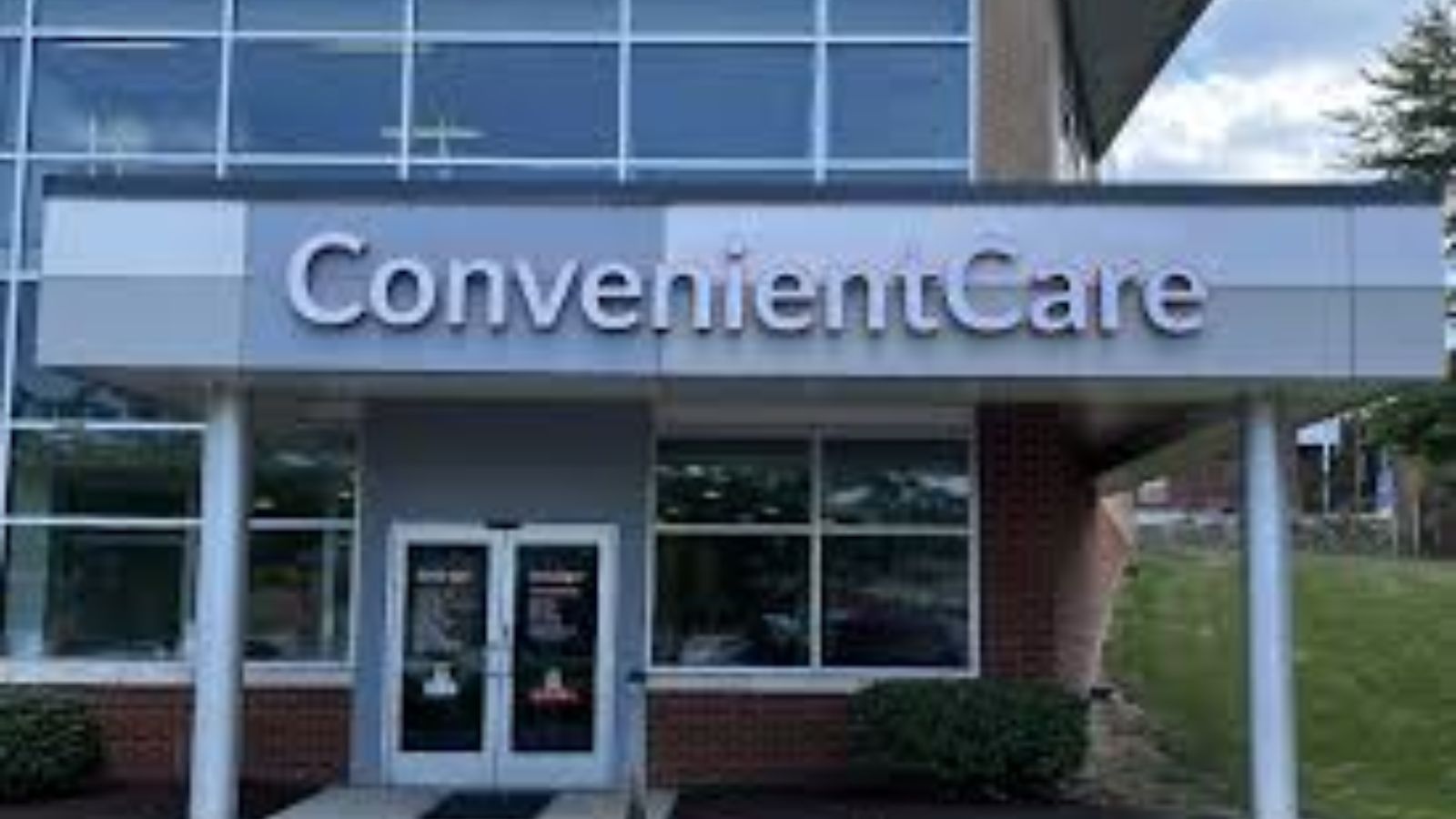
Convenient care has become one of the most transformative innovations in modern healthcare, reshaping how patients access medical services. The concept refers to medical facilities—often known as convenient care clinics, walk-in clinics, or retail health centers—designed to offer quick, affordable, and accessible treatment for minor illnesses, preventive services, and basic diagnostic needs. Over the last two decades, the demand for convenient care has skyrocketed as patients seek alternatives to crowded emergency rooms and long primary-care wait times. In today’s fast-paced environment, convenience, affordability, and immediate access are essential, and clinics provide exactly that. This detailed guide explores the history, benefits, challenges, and future of the convenient care model, offering a clear understanding of why it has become a cornerstone of modern medicine.

Understanding the Concept of Convenient Care
At its core, convenient care is built around patient-centered accessibility. Instead of scheduling appointments days or weeks in advance, patients can visit a clinic without prior booking, often during extended hours, evenings, and weekends. This flexibility makes convenient care particularly beneficial for individuals with busy schedules, parents with young children, or those experiencing sudden, non-emergency symptoms. Clinics typically operate inside retail locations such as supermarkets, pharmacies, or standalone facilities, where access is simple and parking is readily available. The model focuses on delivering fast service while maintaining quality standards. By offering a limited, yet highly relevant set of services, reduces pressure on health systems and creates a smoother experience for patients.
The Early History of Convenient Care Clinics
The origins of convenient care can be traced back to the early 2000s, when retail giants in the United States recognized a growing need for accessible medical services. Companies like CVS, Target, and Walgreens pioneered the concept by opening small healthcare units inside their stores. These clinics were staffed by nurse practitioners and physician assistants, providing essential treatments such as vaccinations, minor illness care, and basic screenings. At the time, the idea was considered disruptive because it challenged traditional healthcare delivery models. However, the overwhelming patient response proved that quick, affordable care was a crucial need. As more retail companies adopted similar structures, convenient care began evolving into a fully recognized branch of ambulatory medicine.
Growth and Evolution in the 2010s
By the mid-2010s, expanded significantly, propelled by rising healthcare costs and overcrowded emergency departments. Patients sought alternatives to spending hours in ERs for issues like flu symptoms, minor infections, sprains, or routine preventive care. This period marked a major shift: convenient care went from a retail novelty to an essential healthcare service. Clinics broadened their capabilities to include diagnostic testing, chronic condition monitoring, digital consultations, and enhanced urgent care services. Partnerships with major insurance providers further strengthened the model, making convenient care not only accessible but also financially practical. As technology advanced, many centers incorporated telehealth options, bridging the gap between in-person visits and online medical support.
Why Convenient Care Became Popular
The growth in popularity of c is tied to changing patient expectations. Today’s healthcare consumers value speed, flexibility, and transparency. Traditional healthcare settings often involve long wait times, high costs, and complex administrative processes. In contrast, convenient care clinics provide clear pricing, fast service, and walk-in availability—all without sacrificing quality. They also fill a crucial gap in communities with limited primary-care providers, helping reduce strain on hospitals and providing immediate attention for non-critical conditions. For employers, insurance companies, and public health organizations, the model became a tool to improve population health by encouraging early intervention and preventive services.
Services Commonly Offered in Convenient Care Clinics
One of the strengths of convenient care is its service flexibility. Clinics generally focus on treating non-emergency conditions, offering services such as:
- Treatment for cold, flu, allergies, and infections
- Minor injury care
- Vaccinations and immunizations
- Basic physical exams
- Health screenings
- COVID-19 testing
- Routine lab work
- Medication refills for certain conditions
- Wellness and preventive care
These services are intentionally designed to allow quick treatment within 15–30 minutes, reducing patient wait time and improving overall satisfaction. By focusing on high-demand medical needs, creates smoother access pathways for everyday health concerns.

Role of Nurse Practitioners and Physician Assistants
Most convenient care clinics are staffed by nurse practitioners (NPs) or physician assistants (PAs)—highly trained professionals certified to diagnose conditions, prescribe medications, and conduct examinations. Their presence allows clinics to operate efficiently, cost-effectively, and consistently. While some people assume convenient care provides lower-quality services because doctors aren’t always on site, research consistently shows that NPs and PAs deliver equally reliable and high-quality care for non-emergency conditions. In many systems, physicians provide supervisory oversight, review complex cases, or assist in clinical decision-making through telemedicine. This collaborative structure reinforces both safety and accessibility.
How Convenient Care Differs from Urgent Care
Although many people use the terms interchangeably, convenient care and urgent care serve different roles. focuses on minor, low-risk medical needs, while urgent care handles more complex issues requiring advanced diagnostics. For example, urgent care centers typically offer:
- X-rays
- IV medications
- Sutures for deeper cuts
- More extensive testing
Meanwhile, is ideal for simpler issues like sore throats, rashes, ear infections, or wellness visits. Despite the differences, both models share the goal of reducing ER overcrowding and improving access.
Benefits of Convenient Care for Patients
One of the major reasons convenient care has gained widespread popularity is its broad range of patient benefits. These clinics reduce barriers that often prevent individuals from seeking timely medical help, such as busy schedules, cost concerns, or delays in primary-care appointments. Patients can walk in without prior notice, receive care within minutes, and pay significantly less compared to urgent care or emergency room visits. Additionally, convenient care provides clear, upfront pricing for most services, reducing financial uncertainty. Many patients appreciate the friendly, approachable environment and shorter check-in processes. For individuals with chronic conditions needing routine checks, convenient care offers reliable access. These advantages make an essential part of modern healthcare systems.
Affordability and Transparent Pricing
Affordability remains one of the strongest appeals of convenient care. Traditional healthcare often involves unpredictable billing, surprise charges, or insurance complexities. clinics typically follow a clear, posted-pricing model, allowing patients to see the exact cost of services before treatment. Many retail clinics offer flat-rate fees for common visits such as vaccinations, physicals, or illness evaluations. Insurance is accepted at most locations, but uninsured patients can still receive treatment at a reasonable cost. This transparency builds trust and helps patients make informed decisions about their care. By offering accessible pricing, clinics promote equitable health access for those who may otherwise delay treatment due to financial limitations.
Speed and Accessibility of Walk-In Services
The primary goal of convenient care is to reduce wait times and streamline the overall healthcare experience. In many clinics, patients are seen within 10–20 minutes, a vast improvement over standard medical offices or emergency rooms. Clinics are often inside pharmacies, retail stores, or community shopping centers, making them accessible during errands or after work hours. Evening and weekend availability ensures that care is accessible outside the traditional 9-to-5 schedule. This flexibility is especially helpful for parents with children experiencing sudden symptoms like fever or earache. The walk-in nature of convenient care means individuals can prioritize their health without rearranging their entire day, making it one of the most practical healthcare innovations of the 21st century.
Convenient Care and Its Role in Preventive Health
In addition to immediate illness treatment, convenient care supports preventive healthcare, which is essential for improving long-term outcomes. Many clinics offer services such as:
- Routine vaccinations
- Annual physicals
- Blood pressure checks
- Diabetes and cholesterol screenings
- Wellness consultations
These preventive measures help detect health concerns early, reducing the risk of complications. Convenient care clinics often attract individuals who may not regularly visit a primary-care office due to time constraints or lack of familiarity with the healthcare system. By providing easy access to preventive care, these clinics play a crucial role in public health promotion, disease prevention, and early intervention.
Support for Overburdened Healthcare Systems
Healthcare systems around the world face increasing pressure from population growth, aging communities, and provider shortages. Convenient care significantly reduces the strain on emergency rooms by managing minor illnesses and preventive needs. For example, during flu season or COVID-19 surges, retail clinics helped redirect thousands of non-emergency patients away from hospitals, allowing medical centers to focus on critical cases. Primary-care offices also benefit, as physicians can allocate more time to patients with chronic or complex conditions. Convenient care centers act as a supplementary access point, improving overall system efficiency and reducing nationwide healthcare burdens.
Integration With Telemedicine
The rise of telehealth transformed the convenient care model, especially during and after the COVID-19 pandemic. Many centers now offer virtual visits for conditions that do not require physical examination. Patients can speak with a nurse practitioner, physician assistant, or physician through video consultations, receiving diagnoses, prescriptions, or follow-up advice from the comfort of their homes. Telemedicine also streamlines patient triage, allowing clinics to determine whether an in-person visit is necessary. The integration of telehealth with convenient care enhances accessibility, particularly for rural or mobility-challenged individuals. This hybrid model represents a modern, flexible, and user-friendly approach to healthcare delivery.

Use of Modern Technology and Digital Tools
Technology plays a central role in elevating the efficiency of convenient care. Many clinics use advanced digital tools such as:
- Electronic health records (EHRs)
- Online check-in systems
- Digital appointment queues
- Mobile health apps
- Automated prescription transfers to pharmacies
These innovations make care faster and more organized. For example, patients can check wait times online, complete forms digitally, and receive follow-up reminders through email or text. Technology also strengthens communication between convenient care centers and primary-care providers, ensuring continuity of care. With secure data sharing and integrated systems, patient information flows smoothly, improving treatment accuracy and long-term health monitoring.
Clinical Quality and Safety Standards
There is a misconception that convenient care provides basic or low-quality medical treatment. However, most centers follow strict clinical quality standards and operate under licensed healthcare organizations. Providers undergo ongoing training, follow state regulations, and follow evidence-based protocols. Oversight from physicians or supervising medical directors ensures safe and accurate care for all patients. Many clinics are accredited by recognized healthcare bodies, reinforcing safety and professionalism. These stringent standards help build patient trust and guarantee that convenient care maintains high clinical quality despite its fast-access model.
Convenient Care and Chronic Disease Support
While convenient care is primarily designed for minor, acute issues, many clinics now offer support for chronic diseases such as:
- Hypertension
- Type 2 diabetes
- Asthma
- Thyroid conditions
- Weight management
Patients can receive routine monitoring, medication refills, and lifestyle guidance. Although chronic disease care is traditionally associated with primary-care physicians, convenient care centers complement this by offering accessible follow-up visits between regular checkups. This hybrid approach supports long-term health management and encourages patients to stay proactive about their conditions.
Challenges Faced by Convenient Care Clinics
Despite their many benefits, convenient care clinics face several challenges. One of the primary concerns is the limited scope of services they can offer. Because most clinics do not provide advanced imaging or emergency treatments, they are sometimes misunderstood as substitutes for urgent care or ER facilities. Another challenge is workforce availability; as the demand for nurse practitioners and physician assistants increases, clinics must compete with hospitals and private practices to maintain experienced staff. Insurance reimbursement policies also vary by state, affecting pricing and service expansion. Additionally, convenient care centers must ensure consistent quality across multiple locations, which requires strong management and standardized protocols. These challenges highlight the importance of strategic planning as convenient care continues growing.
Comparison With Traditional Healthcare Models
Convenient care occupies a unique position between primary care, urgent care, and emergency care. While traditional primary-care offices focus on comprehensive, long-term patient relationships, convenient care centers prioritize accessibility and speed. Urgent care centers, on the other hand, handle intermediate-level conditions requiring more sophisticated equipment. Convenient care does not replace these facilities but complements them. For example, a patient may visit convenient care for a flu shot, see an urgent care provider for a sprained ankle, and meet with a primary-care doctor for chronic disease management. This interconnected ecosystem ensures that patients receive appropriate care at the right time and place, maximizing efficiency and cost-effectiveness.
Role of Convenient Care in Public Health Emergencies
During public health emergencies such as COVID-19, influenza outbreaks, and viral surges, convenient care clinics play a vital role in rapid response. These clinics can quickly scale testing capabilities, vaccination services, and frontline triage. Their high accessibility makes them ideal for distributing public health resources like masks, vaccines, and rapid tests. Many convenient care centers collaborated with government agencies and healthcare networks during the pandemic, proving their value as community health anchors. Their flexibility allows them to implement new protocols swiftly and effectively, helping relieve pressure on hospitals while ensuring communities receive essential care.
The Growing Influence of Retail Health Partnerships
Retail companies such as CVS, Walgreens, Walmart, and Kroger continue expanding their footprint in the convenient care space. These partnerships leverage the retail environment to provide additional patient benefits: longer operating hours, ample parking, and easy access to pharmacies. Retail-based convenient care clinics also simplify the patient journey by offering on-site prescription pick-ups immediately after diagnosis. With millions of people frequenting these stores daily, retail health represents a powerful avenue for expanding affordable medical access. This trend is expected to grow, strengthening the connection between consumer convenience and reliable healthcare.
Future Trends in Convenient Care
The future of convenient care is shaped by technology, patient expectations, and evolving healthcare systems. Key trends include:
- Expansion of telehealth services to streamline minor consultations
- Integration of artificial intelligence (AI) for symptom checking, triage, and patient follow-up
- Growth of mobile health clinics that bring convenient care directly into communities
- Chronic disease monitoring through wearable devices and digital health platforms
- Stronger coordination with primary-care networks to ensure continuity of care
- More diagnostic capabilities, such as portable X-rays and rapid lab testing
These innovations will enable convenient care centers to provide even faster, more accurate treatment while reaching underserved populations.
Impact on Healthcare Accessibility and Equality
Convenient care plays an increasingly important role in promoting healthcare equality. In many regions, particularly rural or low-income areas, primary-care providers are scarce. clinics fill these gaps by offering affordable, immediate services that lower barriers to treatment. Their presence helps reduce health disparities by giving all individuals—regardless of income or insurance status—access to essential care. By expanding preventive services and early diagnosis, convenient care improves long-term health outcomes and reduces the costs associated with untreated illnesses. As healthcare systems continue emphasizing equity, will remain a powerful tool for community health improvement.
Patient Empowerment Through Accessible Care
Another major impact of the convenient care model is its role in patient empowerment. By providing easy access to medical services, patients gain more control over their health decisions. They no longer have to delay treatment due to scheduling issues or high costs. Instead, convenient care encourages proactive health behaviors, such as early symptom monitoring, regular wellness visits, and timely vaccinations. The quick, user-friendly environment reduces stress and makes healthcare feel approachable rather than intimidating. As patients become more informed and engaged, their long-term health outcomes improve, reflecting the importance of accessible healthcare in today’s society.
Conclusion
Convenient care has revolutionized modern healthcare by prioritizing patient access, affordability, and efficiency. What began as a retail experiment in the early 2000s has evolved into a major part of the medical landscape, serving millions of patients each year. With fast, walk-in services, clear pricing, and skilled providers, convenient care fills a crucial gap between primary-care offices and emergency rooms. It reduces system strain, expands preventive services, and increases healthcare accessibility for underserved communities. As technology advances and patient expectations shift, convenient care will continue to grow, offering innovative solutions that align with modern lifestyles. Its future is bright, promising a healthcare system that is more connected, equitable, and patient-focused than ever before.
FAQs (Frequently Asked Questions)
1. What is convenient care?
Convenient care refers to walk-in clinics that provide quick, affordable treatment for non-emergency medical needs such as minor illnesses, injuries, and preventive services.
2. How is convenient care different from urgent care?
Convenient care treats simple, low-risk conditions, while urgent care handles more complex issues requiring advanced testing or equipment.
3. Do convenient care clinics accept insurance?
Yes, most convenient care facilities accept major insurance providers, and many offer affordable self-pay options.
4. Who provides care at convenient care clinics?
Care is usually delivered by nurse practitioners or physician assistants, often under the supervision of licensed physicians.
5. What services are typically offered?
Common services include vaccinations, physical exams, flu treatment, strep tests, blood pressure checks, and routine health screenings.
6. Can convenient care diagnose chronic illnesses?
They can monitor and support chronic conditions but usually refer patients to primary-care doctors for comprehensive management.
7. Is convenient care suitable for emergencies?
No. Life-threatening conditions such as chest pain, severe injuries, or breathing difficulties require emergency room care.




Photo by Beyza Yılmaz
Individuals often feel like they are waging war with themselves when attempting to lose weight. The majority of people have spent multiple years on various fad diets only to discover that their body composition has not changed—with both their weight and fat (or have regained the weight lost) —causing them to lose confidence, even though they believe they have been following the guidelines correctly. The advice of “eating less and being more active” has been proven over time to be overly simplistic in relation to the complex issue of obesity.
Weight loss clinics offer different ways to lose weight, such as evaluating you from both a medical and social perspective. The clinic has an interdisciplinary team of medical experts that understands weight gain is caused by many factors, including genetics, hormones, and lifestyle. Therefore, there are no one style weighs the same. Being able to visit a clinic has also provided the opportunity to have the tools necessary to make real and lasting changes to your weight and be provided with the motivation and resources to implement those changes successfully.
Why Professional Support Changes the Game
- Customized Health Assessments
Each person has a different health history and metabolic rate. To find out what’s going on inside, a clinic first examines your heart health, hormone levels, and blood indicators. This implies your proposal rests on solid facts instead of assumptions. Working with an obesity specialist in Guelph gives you a good idea of why your body keeps fat. They can detect underlying problems like insulin resistance or thyroid disorders that may have been impeding your development for years without you even realizing it.
- Access to Medical Treatments
Sometimes, biological limitations cannot be surmounted by lifestyle changes alone. Safe, regulated drugs that either reduce hunger or enhance your body’s management of sugar can be found in clinics. These are instruments meant to assist you in overcoming a plateau under close supervision rather than “magic pills.” Enlisting a doctor to track your development guarantees the safety and efficacy of any therapy tailored to your particular needs. It eliminates the uncertainty of supplements and guarantees you are employing scientifically proven techniques to achieve your objectives.
- Consistent Accountability and Feedback
Giving up becomes far more difficult when you have a planned check-in with a professional who is invested in your success. Regular meetings let you evaluate in real time what is effective and what is not. The personnel help you determine why and how to rectify a challenging week instead of allowing you to stray. This never-ending cycle of comments increases your self-assurance and keeps you concentrated on the long-term objective rather than on fleeting errors.
- Emotional and Behavioural Coaching
Eating is usually linked to stress, boredom, or old patterns developed in childhood. Professional clinics engage coaches who assist you in changing these patterns. They show you how to manage social situations, emotional triggers, and late-night impulses without experiencing deprivation. Equally crucial as knowing what to eat is knowing the “why” behind your eating habits. This mental support ensures you have the attitude needed to maintain the weight off for the remainder of your life once it comes off.
- Nutritional Education That Works
Online generic meal regimens seldom work since they do not consider your preferences or daily schedule. Dietitians at a clinic show you how to give your body the nutrients it needs from actual foods that you really like to eat. They teach you about macronutrients and portion sizes without making you feel like you’re on a restrictive diet. You acquire knowledge on how to prepare meals better, purchase more effectively, and select nutritious alternatives at eateries. This knowledge makes healthy eating become a normal part of your life.
A Realistic Path Forward
Choosing to see a clinic is about seizing charge of your future. It takes away the stigma that is usually linked to weight problems and gives you a sensible, step-by-step approach instead. You are working to lower the risk of heart disease, diabetes, and joint discomfort; you are not only attempting to fit into smaller garments. Respect and understanding permeate a clinic, where the employees recognize that obesity is a chronic illness needing long-term care instead of a rapid answer.
When evaluating long-term care, many also take into account the financial aspect of medicine. Although some individuals investigate solutions like Lamina to document their wellness excursions, the main emphasis is still on the health results. Investing in your health right now can help you save a lot of money on future medical bills. With the proper team supporting you, the procedure becomes less about will power and more about adhering to a tried-and-true approach suited for your way of life.
Although it is a difficult problem, obesity is not one you have to tackle on your own. A weight reduction clinic offers the medical knowledge, emotional support, and useful advice needed to improve your health. You maximize your chances of leading a better, more active life by abandoning solo dieting in favour of expert treatment. Having a clear strategy and the appropriate people to keep you on it will help you succeed.


Eyewear is more than just a tool to see clearly. It is part of your look. It can change how you feel and how others see you. The right pair can boost your style and confidence in a simple way. If you want to find frames that truly fit you, keep reading and discover how to choose the perfect designer eyewear.
Knowing Your Face Shape
The first step is to understand your face shape. This helps you find frames that balance your features. Common shapes include round, square, oval, and heart.
A round face has soft curves. Square faces have strong angles. Oval faces are balanced and longer. Heart-shaped faces are wider at the top and narrow at the chin. Once you know your shape, it becomes easier to pick frames that match and enhance your look.
Matching Frames to Your Features
Different frames work best with different face shapes. If your face is round, try frames with sharp angles. They add contrast and make your face look slimmer. If your face is square, softer and round frames can balance strong lines.
Oval faces are very flexible. Most frame styles will suit them well. Heart-shaped faces look great with frames that are wider at the bottom. This helps balance the upper part of the face.
The goal is simple. You want frames that bring balance, not clash with your natural shape.
Choosing the Right Size and Fit
Size matters when it comes to eyewear. Frames that are too big can overwhelm your face. Frames that are too small may feel tight and look off.
The right fit should sit well on your nose and ears. It should not slide down or pinch. Comfort is key. You may wear your glasses for many hours each day, so they need to feel good at all times.
Trying on different sizes can help you find what feels right. Even small changes in width or bridge size can make a big difference.
Picking Colors That Work for You
Color can change the whole feel of your eyewear. Neutral tones are easy to match with any outfit. Bold colors can make a statement and show your personality.
Think about your skin tone too. Warm tones often pair well with gold, brown, or earthy shades. Cooler tones may look better with silver, black, or blue hues.
If you want a mix of style and luxury, some people choose to shop Prada designer eyeglasses for options that combine bold design with high quality.
Style That Reflects Your Personality
Eyewear should feel like you. Some people like classic and simple designs. Others prefer bold and modern frames. There is no single right choice.
Think about your daily life. Do you need something for work, casual wear, or special events? You can even have more than one pair to match different moods and settings.
When your eyewear matches your personality, it feels natural. It becomes part of your identity, not just an accessory.
Finding Confidence in Every Frame
The perfect eyewear does more than help you see. It helps you feel good. It adds to your style and supports your daily life.
Take your time when choosing. Look at your face shape, try different styles, and trust what feels right. In the end, the best pair is the one that makes you feel confident each time you wear it.
For more on this content, visit the rest of our blog!
Facelift surgery is one of the most effective ways to restore youthful contours to the face, yet misconceptions still surround this procedure. For patients considering a facelift in London, sorting facelift myths and facts is crucial to making informed decisions and getting results that are both natural and long-lasting.
With so many practitioners offering facial rejuvenation treatments, identifying the best facelift surgeon in London and understanding what’s true and what isn’t helps you avoid disappointment and choose the right approach for your goals.
In this blog, we explore the most common myths about facelift surgery and separate fact from fiction backed by expert perspectives.
Myth #1: Facelift Surgery Is Only for Older People
Myth: Facelifts are only suitable for patients in their 60s, 70s, or beyond.
Fact: Facelift surgery can benefit adults at various stages of the ageing process, depending on individual anatomy and ageing patterns.
While signs of ageing tend to become more noticeable after the mid-40s, many patients in their 40s and 50s are seeking advanced techniques to address early structural descent and loss of definition in the jawline and midface.
The key is not age alone, but the degree of tissue laxity, volume loss, and facial changes. A consultation with an experienced surgeon particularly those regarded among the best facelift London specialists can determine whether a facelift is appropriate or if other treatments should be considered first.
Myth #2: A Facelift Leaves You with an “Over-Tight” Look
Myth: Facelift results always look overly tight or unnatural.
Fact: Modern facelift techniques focus on rejuvenation rather than tension-based lifting.
Traditional facelift procedures in the past were often associated with a “windswept” look because they relied heavily on pulling the skin. However, contemporary approaches prioritise the repositioning of deeper facial structures to restore natural contours without a stretched appearance.
Skilled surgeons aim to achieve results that:
- Preserve facial expression
- Maintain natural movement
- Avoid overly taut or artificial results
Consulting with a surgeon experienced in the anatomy of the face helps in achieving subtle, enduring effects that enhance your features without making you look “done.”
Myth #3: Facelift Surgery Creates a Mask-Like Appearance
Myth: Facelifts make you look “masked” or unnatural.
Fact: When performed by expert surgeons, facelifts enhance your natural features without freezing your expressions.
Facelift surgery, especially when personalised to your facial structure, addresses underlying tissues and fat pads to provide a refreshed look that is authentic and recognisable.
This is particularly relevant in centres known for delivering natural results. The best facelift surgeon in London will consider:
- Muscle repositioning
- Skin quality
- Underlying anatomy
- Dynamic facial movement
All of these ensure that results remain expressive, human, and balanced.
Myth #4: Facelift Surgery and Neck Lift Are the Same
Myth: A facelift automatically covers the neck area.
Fact: Facelift surgery and neck lift procedures target different anatomical zones, and one does not automatically replace the other.
While a facelift typically focuses on the lower two-thirds of the face lifting the cheeks and smoothing jowls a neck lift specifically addresses laxity under the jawline, excess neck skin, and banding of cervical muscles.
Many patients combining both procedures achieve more harmonious results. A detailed consultation helps determine whether a separate neck lift is recommended for your aesthetic goals.
This differentiation is something that experienced clinicians especially those referred to as the best facelift London surgeons make part of the personalised surgical plan.
Myth #5: Facelift Surgery Isn’t Worth It Because It Doesn’t Last
Myth: Facelift results are only temporary and not worth the cost.
Fact: While ageing continues naturally, facelift surgery offers long-lasting improvement compared to non-surgical options.
Facelift surgery in London can provide results that endure for many years. Although the face continues to age following surgery, a well-executed facelift repositions deeper tissues and removes excess skin in a way that can delay visible ageing significantly.
Non-surgical treatments such as fillers and energy-based therapies may offer subtle improvements, but they do not achieve the structural changes that surgery can provide. This is why many patients choose surgical rejuvenation despite higher upfront costs a choice often supported by selecting the best facelift surgeon in London.
Myth #6: Recovery From Facelift Surgery Is Very Painful
Myth: Facelift surgery causes significant pain and long downtime.
Fact: Modern facelift techniques and improvements in anaesthesia make recovery manageable for most patients.
It’s normal to experience swelling and bruising in the days following surgery, but pain is typically mild and well-controlled with prescribed medication. Many patients find that:
- Discomfort is manageable
- Most normal activities resume within 2–3 weeks
- Clear improvement is visible within a few months
Post-operative care and patient education, both emphasised by reputable clinics, also play an important role in comfort and healing.
Myth #7: Facelift Surgery Is Only Skin Deep
Myth: Facelift surgery just tightens skin.
Fact: Modern facelift surgery involves repositioning deeper facial structures to produce more natural and long-lasting results.
Corrective surgery doesn’t merely pull the skin tighter. Instead, it lifts and reshapes the deeper layers including muscles, connective tissue, and fat to restore youthful anatomy without undue tension on the skin.
This structural correction is why results are often longer lasting than older approaches that relied solely on skin tightening.
Myth #8: Younger Patients Can Skip Facelift Surgery
Myth: Younger adults should wait until they are older for a facelift.
Fact: The timing of facelift surgery depends on individual ageing patterns, not age alone.
Some patients may develop early signs of ageing due to genetics, lifestyle, or environmental factors. In these cases, early consultation with an experienced surgeon allows evaluation of whether surgery, or alternative treatments, are appropriate.
Being proactive doesn’t mean rushing into surgery it means understanding the best timing for you based on anatomy and goals.
Myth #9: Facelift Surgery Leaves Visible Scars
Myth: Facelifts always leave obvious and unaesthetic scars.
Fact: Facelift incisions are strategically placed in natural creases around the ear and hairline, making them hard to detect once healed.
With meticulous closure and proper aftercare guidance which is a key part of the surgical process at reputable clinics scars fade and become discreet over time.
Surgeons referred to as the best facelift surgeon in London utilise techniques to ensure minimal visible scarring and maximum cosmetic benefit.
Myth #10: Facelift Surgery Is Only Cosmetic and Not Functional
Myth: Facelifts are purely aesthetic and serve no functional purpose.
Fact: Facelift improvements often enhance both appearance and facial harmony, and in some cases, can improve comfort related to skin laxity.
Although facelift surgery is primarily aesthetic, many patients feel greater self-confidence, improved self-esteem, and balanced facial proportion that makes their features appear more refreshed and harmonious.
This dual impact is among the reasons facelift remains a popular choice for facial rejuvenation.
Conclusion: Facelift Myths and Facts Explained
Separating facelift myths and facts is essential to making an informed decision about facial rejuvenation in London.
By consulting with experienced specialists and understanding realistic expectations, patients can:
Identify the difference between myth and medically verified fact
Gain clarity on what modern facelift surgery truly involves
Understand recovery, risks, and benefits
Choose the right technique and timing for their needs
For those seeking the best facelift surgeon in London, a thorough consultation is a key step in dispelling misinformation and building confidence in the surgical plan.
Facelift surgery when tailored to individual anatomy and performed by an expert can deliver natural, lasting enhancement while preserving one’s unique facial identity.


Janel Parrish Net Worth: A Complete Breakdown of Her Wealth, Career, and Success

Nicola Peltz Parents: Everything You Need to Know About Her Family Background

Why Tropical Households Waste More Electricity (And How to Adapt)

Carolin Bacic: Life, Biography, Family, and Legacy

Christine Williamson: A Rising Star in Sports Journalism

Dani Daniels: A Complete Biography of the Artist, Media Personality, and Entrepreneur
-
 Celebrity7 months ago
Carolin Bacic: Life, Biography, Family, and Legacy
-
 Celebrity1 year ago
Christine Williamson: A Rising Star in Sports Journalism
-
 Celebrity7 months ago
Dani Daniels: A Complete Biography of the Artist, Media Personality, and Entrepreneur
-

 Celebrity6 months ago
Juan Gabriel: The Legendary Life of El Divo de Juárez
-

 Celebrity2 months ago
Dame Esther Rantzen: Life, Career, and Legacy of a British Broadcasting Icon
-

 Celebrity2 weeks ago
Valerie Perrine: A Complete Biography of the Acclaimed Actress and Icon
-

 Celebrity1 year ago
Vera Davich: Biography, Life, and Legacy2025
-

 Celebrity5 months ago
Eleonora Incardona: Biography, Career, Age, Boyfriend, Net Worth & Lifestyle (2025)