Health
Convenient Care: The Complete Guide to Modern Walk-In Healthcare Services

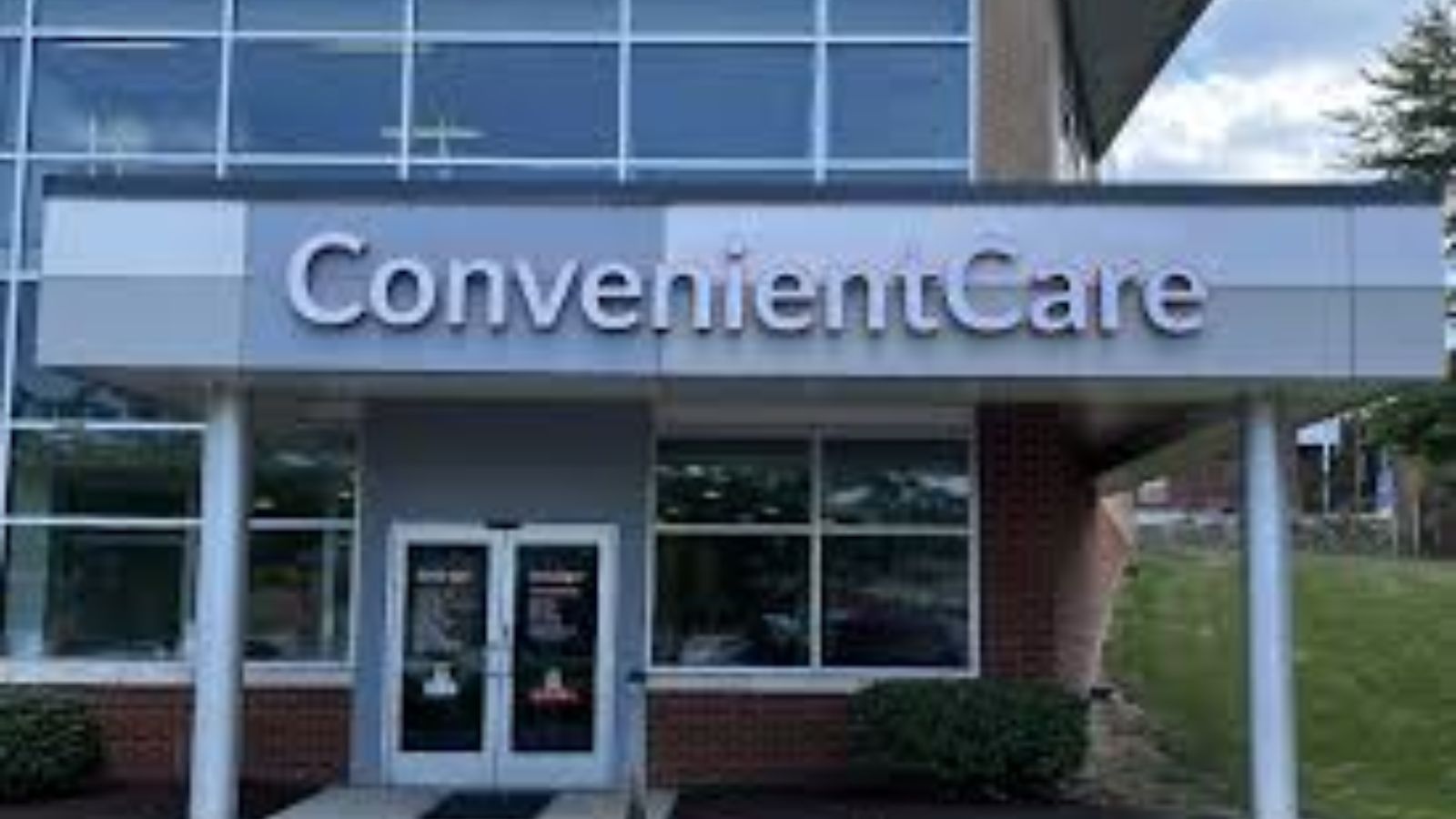
Convenient care has become one of the most transformative innovations in modern healthcare, reshaping how patients access medical services. The concept refers to medical facilities—often known as convenient care clinics, walk-in clinics, or retail health centers—designed to offer quick, affordable, and accessible treatment for minor illnesses, preventive services, and basic diagnostic needs. Over the last two decades, the demand for convenient care has skyrocketed as patients seek alternatives to crowded emergency rooms and long primary-care wait times. In today’s fast-paced environment, convenience, affordability, and immediate access are essential, and clinics provide exactly that. This detailed guide explores the history, benefits, challenges, and future of the convenient care model, offering a clear understanding of why it has become a cornerstone of modern medicine.

Understanding the Concept of Convenient Care
At its core, convenient care is built around patient-centered accessibility. Instead of scheduling appointments days or weeks in advance, patients can visit a clinic without prior booking, often during extended hours, evenings, and weekends. This flexibility makes convenient care particularly beneficial for individuals with busy schedules, parents with young children, or those experiencing sudden, non-emergency symptoms. Clinics typically operate inside retail locations such as supermarkets, pharmacies, or standalone facilities, where access is simple and parking is readily available. The model focuses on delivering fast service while maintaining quality standards. By offering a limited, yet highly relevant set of services, reduces pressure on health systems and creates a smoother experience for patients.
The Early History of Convenient Care Clinics
The origins of convenient care can be traced back to the early 2000s, when retail giants in the United States recognized a growing need for accessible medical services. Companies like CVS, Target, and Walgreens pioneered the concept by opening small healthcare units inside their stores. These clinics were staffed by nurse practitioners and physician assistants, providing essential treatments such as vaccinations, minor illness care, and basic screenings. At the time, the idea was considered disruptive because it challenged traditional healthcare delivery models. However, the overwhelming patient response proved that quick, affordable care was a crucial need. As more retail companies adopted similar structures, convenient care began evolving into a fully recognized branch of ambulatory medicine.
Growth and Evolution in the 2010s
By the mid-2010s, expanded significantly, propelled by rising healthcare costs and overcrowded emergency departments. Patients sought alternatives to spending hours in ERs for issues like flu symptoms, minor infections, sprains, or routine preventive care. This period marked a major shift: convenient care went from a retail novelty to an essential healthcare service. Clinics broadened their capabilities to include diagnostic testing, chronic condition monitoring, digital consultations, and enhanced urgent care services. Partnerships with major insurance providers further strengthened the model, making convenient care not only accessible but also financially practical. As technology advanced, many centers incorporated telehealth options, bridging the gap between in-person visits and online medical support.
Why Convenient Care Became Popular
The growth in popularity of c is tied to changing patient expectations. Today’s healthcare consumers value speed, flexibility, and transparency. Traditional healthcare settings often involve long wait times, high costs, and complex administrative processes. In contrast, convenient care clinics provide clear pricing, fast service, and walk-in availability—all without sacrificing quality. They also fill a crucial gap in communities with limited primary-care providers, helping reduce strain on hospitals and providing immediate attention for non-critical conditions. For employers, insurance companies, and public health organizations, the model became a tool to improve population health by encouraging early intervention and preventive services.
Services Commonly Offered in Convenient Care Clinics
One of the strengths of convenient care is its service flexibility. Clinics generally focus on treating non-emergency conditions, offering services such as:
- Treatment for cold, flu, allergies, and infections
- Minor injury care
- Vaccinations and immunizations
- Basic physical exams
- Health screenings
- COVID-19 testing
- Routine lab work
- Medication refills for certain conditions
- Wellness and preventive care
These services are intentionally designed to allow quick treatment within 15–30 minutes, reducing patient wait time and improving overall satisfaction. By focusing on high-demand medical needs, creates smoother access pathways for everyday health concerns.

Role of Nurse Practitioners and Physician Assistants
Most convenient care clinics are staffed by nurse practitioners (NPs) or physician assistants (PAs)—highly trained professionals certified to diagnose conditions, prescribe medications, and conduct examinations. Their presence allows clinics to operate efficiently, cost-effectively, and consistently. While some people assume convenient care provides lower-quality services because doctors aren’t always on site, research consistently shows that NPs and PAs deliver equally reliable and high-quality care for non-emergency conditions. In many systems, physicians provide supervisory oversight, review complex cases, or assist in clinical decision-making through telemedicine. This collaborative structure reinforces both safety and accessibility.
How Convenient Care Differs from Urgent Care
Although many people use the terms interchangeably, convenient care and urgent care serve different roles. focuses on minor, low-risk medical needs, while urgent care handles more complex issues requiring advanced diagnostics. For example, urgent care centers typically offer:
- X-rays
- IV medications
- Sutures for deeper cuts
- More extensive testing
Meanwhile, is ideal for simpler issues like sore throats, rashes, ear infections, or wellness visits. Despite the differences, both models share the goal of reducing ER overcrowding and improving access.
Benefits of Convenient Care for Patients
One of the major reasons convenient care has gained widespread popularity is its broad range of patient benefits. These clinics reduce barriers that often prevent individuals from seeking timely medical help, such as busy schedules, cost concerns, or delays in primary-care appointments. Patients can walk in without prior notice, receive care within minutes, and pay significantly less compared to urgent care or emergency room visits. Additionally, convenient care provides clear, upfront pricing for most services, reducing financial uncertainty. Many patients appreciate the friendly, approachable environment and shorter check-in processes. For individuals with chronic conditions needing routine checks, convenient care offers reliable access. These advantages make an essential part of modern healthcare systems.
Affordability and Transparent Pricing
Affordability remains one of the strongest appeals of convenient care. Traditional healthcare often involves unpredictable billing, surprise charges, or insurance complexities. clinics typically follow a clear, posted-pricing model, allowing patients to see the exact cost of services before treatment. Many retail clinics offer flat-rate fees for common visits such as vaccinations, physicals, or illness evaluations. Insurance is accepted at most locations, but uninsured patients can still receive treatment at a reasonable cost. This transparency builds trust and helps patients make informed decisions about their care. By offering accessible pricing, clinics promote equitable health access for those who may otherwise delay treatment due to financial limitations.
Speed and Accessibility of Walk-In Services
The primary goal of convenient care is to reduce wait times and streamline the overall healthcare experience. In many clinics, patients are seen within 10–20 minutes, a vast improvement over standard medical offices or emergency rooms. Clinics are often inside pharmacies, retail stores, or community shopping centers, making them accessible during errands or after work hours. Evening and weekend availability ensures that care is accessible outside the traditional 9-to-5 schedule. This flexibility is especially helpful for parents with children experiencing sudden symptoms like fever or earache. The walk-in nature of convenient care means individuals can prioritize their health without rearranging their entire day, making it one of the most practical healthcare innovations of the 21st century.
Convenient Care and Its Role in Preventive Health
In addition to immediate illness treatment, convenient care supports preventive healthcare, which is essential for improving long-term outcomes. Many clinics offer services such as:
- Routine vaccinations
- Annual physicals
- Blood pressure checks
- Diabetes and cholesterol screenings
- Wellness consultations
These preventive measures help detect health concerns early, reducing the risk of complications. Convenient care clinics often attract individuals who may not regularly visit a primary-care office due to time constraints or lack of familiarity with the healthcare system. By providing easy access to preventive care, these clinics play a crucial role in public health promotion, disease prevention, and early intervention.
Support for Overburdened Healthcare Systems
Healthcare systems around the world face increasing pressure from population growth, aging communities, and provider shortages. Convenient care significantly reduces the strain on emergency rooms by managing minor illnesses and preventive needs. For example, during flu season or COVID-19 surges, retail clinics helped redirect thousands of non-emergency patients away from hospitals, allowing medical centers to focus on critical cases. Primary-care offices also benefit, as physicians can allocate more time to patients with chronic or complex conditions. Convenient care centers act as a supplementary access point, improving overall system efficiency and reducing nationwide healthcare burdens.
Integration With Telemedicine
The rise of telehealth transformed the convenient care model, especially during and after the COVID-19 pandemic. Many centers now offer virtual visits for conditions that do not require physical examination. Patients can speak with a nurse practitioner, physician assistant, or physician through video consultations, receiving diagnoses, prescriptions, or follow-up advice from the comfort of their homes. Telemedicine also streamlines patient triage, allowing clinics to determine whether an in-person visit is necessary. The integration of telehealth with convenient care enhances accessibility, particularly for rural or mobility-challenged individuals. This hybrid model represents a modern, flexible, and user-friendly approach to healthcare delivery.

Use of Modern Technology and Digital Tools
Technology plays a central role in elevating the efficiency of convenient care. Many clinics use advanced digital tools such as:
- Electronic health records (EHRs)
- Online check-in systems
- Digital appointment queues
- Mobile health apps
- Automated prescription transfers to pharmacies
These innovations make care faster and more organized. For example, patients can check wait times online, complete forms digitally, and receive follow-up reminders through email or text. Technology also strengthens communication between convenient care centers and primary-care providers, ensuring continuity of care. With secure data sharing and integrated systems, patient information flows smoothly, improving treatment accuracy and long-term health monitoring.
Clinical Quality and Safety Standards
There is a misconception that convenient care provides basic or low-quality medical treatment. However, most centers follow strict clinical quality standards and operate under licensed healthcare organizations. Providers undergo ongoing training, follow state regulations, and follow evidence-based protocols. Oversight from physicians or supervising medical directors ensures safe and accurate care for all patients. Many clinics are accredited by recognized healthcare bodies, reinforcing safety and professionalism. These stringent standards help build patient trust and guarantee that convenient care maintains high clinical quality despite its fast-access model.
Convenient Care and Chronic Disease Support
While convenient care is primarily designed for minor, acute issues, many clinics now offer support for chronic diseases such as:
- Hypertension
- Type 2 diabetes
- Asthma
- Thyroid conditions
- Weight management
Patients can receive routine monitoring, medication refills, and lifestyle guidance. Although chronic disease care is traditionally associated with primary-care physicians, convenient care centers complement this by offering accessible follow-up visits between regular checkups. This hybrid approach supports long-term health management and encourages patients to stay proactive about their conditions.
Challenges Faced by Convenient Care Clinics
Despite their many benefits, convenient care clinics face several challenges. One of the primary concerns is the limited scope of services they can offer. Because most clinics do not provide advanced imaging or emergency treatments, they are sometimes misunderstood as substitutes for urgent care or ER facilities. Another challenge is workforce availability; as the demand for nurse practitioners and physician assistants increases, clinics must compete with hospitals and private practices to maintain experienced staff. Insurance reimbursement policies also vary by state, affecting pricing and service expansion. Additionally, convenient care centers must ensure consistent quality across multiple locations, which requires strong management and standardized protocols. These challenges highlight the importance of strategic planning as convenient care continues growing.
Comparison With Traditional Healthcare Models
Convenient care occupies a unique position between primary care, urgent care, and emergency care. While traditional primary-care offices focus on comprehensive, long-term patient relationships, convenient care centers prioritize accessibility and speed. Urgent care centers, on the other hand, handle intermediate-level conditions requiring more sophisticated equipment. Convenient care does not replace these facilities but complements them. For example, a patient may visit convenient care for a flu shot, see an urgent care provider for a sprained ankle, and meet with a primary-care doctor for chronic disease management. This interconnected ecosystem ensures that patients receive appropriate care at the right time and place, maximizing efficiency and cost-effectiveness.
Role of Convenient Care in Public Health Emergencies
During public health emergencies such as COVID-19, influenza outbreaks, and viral surges, convenient care clinics play a vital role in rapid response. These clinics can quickly scale testing capabilities, vaccination services, and frontline triage. Their high accessibility makes them ideal for distributing public health resources like masks, vaccines, and rapid tests. Many convenient care centers collaborated with government agencies and healthcare networks during the pandemic, proving their value as community health anchors. Their flexibility allows them to implement new protocols swiftly and effectively, helping relieve pressure on hospitals while ensuring communities receive essential care.
The Growing Influence of Retail Health Partnerships
Retail companies such as CVS, Walgreens, Walmart, and Kroger continue expanding their footprint in the convenient care space. These partnerships leverage the retail environment to provide additional patient benefits: longer operating hours, ample parking, and easy access to pharmacies. Retail-based convenient care clinics also simplify the patient journey by offering on-site prescription pick-ups immediately after diagnosis. With millions of people frequenting these stores daily, retail health represents a powerful avenue for expanding affordable medical access. This trend is expected to grow, strengthening the connection between consumer convenience and reliable healthcare.
Future Trends in Convenient Care
The future of convenient care is shaped by technology, patient expectations, and evolving healthcare systems. Key trends include:
- Expansion of telehealth services to streamline minor consultations
- Integration of artificial intelligence (AI) for symptom checking, triage, and patient follow-up
- Growth of mobile health clinics that bring convenient care directly into communities
- Chronic disease monitoring through wearable devices and digital health platforms
- Stronger coordination with primary-care networks to ensure continuity of care
- More diagnostic capabilities, such as portable X-rays and rapid lab testing
These innovations will enable convenient care centers to provide even faster, more accurate treatment while reaching underserved populations.
Impact on Healthcare Accessibility and Equality
Convenient care plays an increasingly important role in promoting healthcare equality. In many regions, particularly rural or low-income areas, primary-care providers are scarce. clinics fill these gaps by offering affordable, immediate services that lower barriers to treatment. Their presence helps reduce health disparities by giving all individuals—regardless of income or insurance status—access to essential care. By expanding preventive services and early diagnosis, convenient care improves long-term health outcomes and reduces the costs associated with untreated illnesses. As healthcare systems continue emphasizing equity, will remain a powerful tool for community health improvement.
Patient Empowerment Through Accessible Care
Another major impact of the convenient care model is its role in patient empowerment. By providing easy access to medical services, patients gain more control over their health decisions. They no longer have to delay treatment due to scheduling issues or high costs. Instead, convenient care encourages proactive health behaviors, such as early symptom monitoring, regular wellness visits, and timely vaccinations. The quick, user-friendly environment reduces stress and makes healthcare feel approachable rather than intimidating. As patients become more informed and engaged, their long-term health outcomes improve, reflecting the importance of accessible healthcare in today’s society.
Conclusion
Convenient care has revolutionized modern healthcare by prioritizing patient access, affordability, and efficiency. What began as a retail experiment in the early 2000s has evolved into a major part of the medical landscape, serving millions of patients each year. With fast, walk-in services, clear pricing, and skilled providers, convenient care fills a crucial gap between primary-care offices and emergency rooms. It reduces system strain, expands preventive services, and increases healthcare accessibility for underserved communities. As technology advances and patient expectations shift, convenient care will continue to grow, offering innovative solutions that align with modern lifestyles. Its future is bright, promising a healthcare system that is more connected, equitable, and patient-focused than ever before.
FAQs (Frequently Asked Questions)
1. What is convenient care?
Convenient care refers to walk-in clinics that provide quick, affordable treatment for non-emergency medical needs such as minor illnesses, injuries, and preventive services.
2. How is convenient care different from urgent care?
Convenient care treats simple, low-risk conditions, while urgent care handles more complex issues requiring advanced testing or equipment.
3. Do convenient care clinics accept insurance?
Yes, most convenient care facilities accept major insurance providers, and many offer affordable self-pay options.
4. Who provides care at convenient care clinics?
Care is usually delivered by nurse practitioners or physician assistants, often under the supervision of licensed physicians.
5. What services are typically offered?
Common services include vaccinations, physical exams, flu treatment, strep tests, blood pressure checks, and routine health screenings.
6. Can convenient care diagnose chronic illnesses?
They can monitor and support chronic conditions but usually refer patients to primary-care doctors for comprehensive management.
7. Is convenient care suitable for emergencies?
No. Life-threatening conditions such as chest pain, severe injuries, or breathing difficulties require emergency room care.




The behavioral health field serves a critical function in society, addressing mental health and substance use disorders across diverse populations. However, professionals working in this sector encounter numerous obstacles that affect their ability to deliver quality care and maintain their own well-being. Understanding these challenges provides insight into why recruitment and retention remain persistent concerns for behavioral health organizations. The workforce shortage impacts not only the availability of services but also the quality of treatment individuals receive. Recognizing these five key challenges is essential for stakeholders seeking to strengthen the behavioral health system.
1. Workforce Shortage and High Turnover
The behavioral health sector faces an acute shortage of qualified professionals, with many positions remaining unfilled for extended periods. This shortage stems from multiple factors, including inadequate training capacity, limited educational pathways, and competition from other healthcare fields that offer more attractive compensation packages. High turnover rates compound the problem, as experienced clinicians leave the field due to burnout and job dissatisfaction. When positions turn over frequently, organizations must invest significant resources in recruiting and training new staff members, which is why many turn to essential behavioral health recruiting services to maintain staffing stability and connect with qualified candidates more efficiently. The resulting instability disrupts continuity of care and places additional stress on remaining team members who must absorb increased caseloads.
2. Burnout and Compassion Fatigue
Behavioral health professionals regularly encounter individuals experiencing severe trauma, crisis situations, and complex mental health conditions, which takes an emotional toll over time. The cumulative effect of processing clients’ painful experiences can lead to compassion fatigue and professional burnout. Many clinicians report feeling emotionally exhausted, experiencing reduced empathy, and questioning their effectiveness in their roles. Working with limited resources and high caseloads amplifies these feelings, as professionals struggle to provide the level of care they believe clients deserve. Administrative burdens, paperwork requirements, and insurance documentation add additional layers of stress that detract from direct client interaction time.
3. Inadequate Compensation and Benefits
Behavioral health positions typically offer lower salaries compared to other healthcare specialties, despite requiring similar educational credentials and training. The financial disparity becomes particularly pronounced when comparing public sector behavioral health jobs to private practice opportunities in other medical fields. Many behavioral health workers receive limited benefits packages, minimal continuing education support, and few advancement opportunities within their organizations. Student loan debt becomes a significant burden for professionals who invested years in graduate education while earning modest salaries. This economic reality discourages talented individuals from pursuing behavioral health careers and encourages experienced professionals to transition into higher-paying roles elsewhere.
4. Systemic and Regulatory Barriers
Behavioral health professionals navigate complex regulatory frameworks, insurance requirements, and documentation standards that vary across jurisdictions and payer sources. Prior authorization processes often delay treatment initiation and require substantial administrative effort from clinicians. Licensing reciprocity between states remains inconsistent, limiting geographic mobility for professionals who wish to relocate. According to the Substance Abuse and Mental Health Services Administration, insurance reimbursement rates frequently fall below actual service delivery costs, forcing organizations to operate on thin margins or reduce staff. These systemic barriers consume time and resources that could otherwise be directed toward clinical care and professional development.
5. Training and Education Gaps
Current training programs struggle to produce sufficient numbers of qualified behavioral health professionals to meet workforce demand. Educational curricula sometimes lag behind emerging evidence-based practices and evolving mental health trends. Internship and practicum opportunities are limited in many regions, creating bottlenecks in the pipeline for new professionals entering the field. Funding constraints limit the availability of continuing education and specialized training for existing staff members. The gap between educational preparation and real-world practice requirements leaves many early-career professionals feeling unprepared for the complexity of clinical work.
Conclusion
The behavioral health workforce faces interconnected challenges that require comprehensive, multifaceted solutions. Addressing shortage and turnover requires attention to compensation, working conditions, and support systems that prevent burnout and compassion fatigue. Regulatory reforms, improved insurance reimbursement, and streamlined administrative processes would reduce barriers that consume clinician time and energy. Investment in training programs and educational pathways is necessary to develop an adequate pipeline of qualified professionals entering the field. Stakeholders across healthcare systems, education institutions, and policy organizations must collaborate to strengthen the behavioral health workforce and ensure individuals have access to quality mental health and substance use services.


Mental wellness isn’t something you achieve once and then check off a list. It’s more like a garden that needs regular attention, a little patience, and the occasional bit of weeding. The good news is that you don’t need a dramatic life overhaul to feel better. Small, steady habits add up to real change over time. Whether you’re feeling a bit frazzled or simply want to protect the calm you already have, these everyday strategies can help you build a more balanced, resilient mind.
Start With Sleep and Movement
It’s hard to feel emotionally steady when your body is running on empty. Sleep affects mood, focus, and how well you handle stress, so treat it as a non-negotiable. Aim for a consistent bedtime, keep screens out of the bedroom, and create a wind-down routine that signals your brain it’s time to rest. Movement matters just as much. You don’t need an intense workout plan, since a brisk walk, a stretch break, or a dance session in the kitchen can lift your mood by releasing feel-good chemicals. The best exercise is the one you’ll actually do, so choose something you enjoy and let it become part of your daily rhythm.
Practice Small Moments of Mindfulness
Mindfulness sounds fancy, but it simply means paying attention to the present moment without judgment. You can practice it almost anywhere. Take three slow breaths before answering an email, notice the taste of your morning coffee, or pause to feel your feet on the ground during a stressful moment. Even five minutes of quiet each day can help interrupt racing thoughts and lower tension. If sitting still feels awkward, try a guided meditation app or a mindful walk where you focus on sounds, smells, and sights around you. The goal isn’t to empty your mind. It’s to gently notice what’s happening and return to the moment when your thoughts wander.
Stay Connected to Other People
Humans are wired for connection, and isolation can quietly chip away at mental health. Make time for the people who lift you up, even when life gets busy. A quick phone call, a coffee date, or a group text with old friends can make a bigger difference than you’d expect. Don’t be afraid to be honest about how you’re really doing, either. Sharing your struggles often makes them feel lighter and can deepen your relationships. If your circle feels small, look for community through clubs, volunteering, classes, or faith groups. And if things feel heavy for longer than a couple of weeks, reaching out to a therapist or counselor is a sign of strength, not weakness.
Build in Time to Reset
Daily habits are powerful, but every so often you need a bigger pause. Burnout tends to sneak up on people who never fully unplug, so schedule breaks before you desperately need them. That might be a long weekend without email, a day spent outdoors, or a trip designed around rest. Some people find that stepping away from their normal environment helps them see their lives more clearly. Spending a few days at a relaxing wellness retreat in North Carolina, for example, can combine mountain air, quiet surroundings, and guided activities like yoga or meditation to help you recharge. Even if a trip isn’t in the budget, you can create your own mini retreat at home with a phone-free afternoon, a long bath, or a favorite book.
Set Boundaries and Be Kind to Yourself
Much of our stress comes from saying yes when we mean no. Learning to set healthy boundaries protects your time and energy, and it doesn’t make you selfish. Decide what you can realistically handle, and give yourself permission to decline extra commitments. Just as important is the way you talk to yourself. Many of us would never speak to a friend the way we criticize ourselves after a mistake. Try replacing harsh self-talk with the tone you’d use with someone you care about. Celebrate small wins, forgive slip-ups, and remember that progress rarely moves in a straight line.
Final Thoughts
Better mental wellness comes from consistent, manageable choices rather than perfect routines. Sleep well, move your body, stay connected, take breaks, and treat yourself with compassion. You don’t have to do everything at once, and some days will be easier than others. Pick one or two strategies that resonate with you, try them for a few weeks, and adjust as needed. Over time, those small acts of care build a foundation that helps you handle whatever comes your way with a little more calm and confidence.

Physical therapy clinics lose an estimated 10–15% of potential revenue to denied or underpaid claims each year, and a significant portion of that loss is due to one single thing: denied or underpaid therapy cap and medical necessity claims. Although the hard therapy cap was eliminated from the package in 2018, along with the KX modifier and targeted medical review process, the billing risk remains. It only took different forms. Even clinics that don’t keep an eye on thresholds, or fail to document thresholds once a patient exceeded the annual limit, continue to see claims bounce back at rates similar to the old cap system.
The discovery can be frustrating for many PT practice owners. The cap should have been removed. In real life, Medicare’s “therapy threshold” for combined PT and speech-language pathology services is slightly over $2,410.00, and the total billed amount must reach that amount or exceed it for each subsequent claim and requires a KX modifier along with documentation demonstrating continued medical necessity. If you miss this modifier, or provide documentation that does not support continued care, the claim will be denied or marked for review. Its predecessor is the old cap, but it’s smaller and quieter.
Why Therapy Cap Denials Keep Happening
Part of the problem is sheer volume. A busy outpatient PT clinic might be tracking threshold amounts across hundreds of active patients simultaneously, each on a different treatment timeline, each accumulating charges at a different pace. Without a system built specifically to flag patients as they approach the threshold, it’s easy for front-desk and billing staff to miss the moment a claim needs a KX modifier, especially in smaller practices where one or two people are handling billing alongside a dozen other responsibilities.
The other half of the equation is documentation. Medicare isn’t satisfied with having the KX modifier slapped on; it wants clinical notes that reflect continued necessity, measurements of functional progress, new goals, and a good rationale for therapy beyond the threshold as being medically indicated, not routine maintenance. A big part of denials is attributed to the disconnect between the clinical language used to treat patients and the language used in billing. Therapists are not trained to write payer-proof documentation; that is where the disconnect lies, and a big part of the reason denials occur.
Another risk is targeted medical review. Providers who have frequent patients with claims that exceed thresholds can be flagged and subjected to extra review and scrutiny, increasing the likelihood of delayed or denied reimbursement during the review process and giving clinics with higher claim volumes and/or more expensive treatment plans a higher chance of being flagged for review.
The Revenue Impact Adds Up Quietly
A single denied claim for a therapy cap issue isn’t catastrophic on its own, usually in the range of $75 to $150 per visit. Volume and delay are the real issues. If it’s not foolproof, a clinic that treats 40 patients per week, many of whom may hit the annual limit multiple times throughout a treatment course, can end up with dozens of denials per month. With every denial comes the research, correction, and resubmission of a clean claim, which forces staff to be diverted from other revenue cycle tasks, including clean claims.
There’s also an unquantifiable opportunity cost that isn’t so easy to see on the spreadsheet. Clinics that are identified for specific medical review may be more conservative with their care, and so may discharge patients sooner than clinically appropriate, just to avoid the administrative burden of continued documentation. This is a loss to the care of the patient as well as to revenue.
What Outsourcing Actually Changes?
This is the point where a lot of clinic owners start looking at outsourced physical therapy billing services, and the appeal is straightforward: dedicated billing teams build systems specifically designed to catch these issues before they become denials, rather than reacting to them after the fact.
The most significant change is proactive threshold tracking. An outsourced billing team will automatically track all patient numbers in a clinic’s entire patient directory and notify the accounts as they near the limit, even long before the KX modifier is needed, so there is no “week of forgetfulness” where accounts go undetected. That alone is a major component of the denial that could be avoided.
Documentation coaching is the second shift. The experts in the billing industry understand what to include in medical necessity notes, and some companies specialize in outsourcing that will work with clinical staff to streamline documentation templates to ensure that functional progress is documented and ongoing need is not just assumed but clearly stated, but doesn’t add a ton of extra work for the therapist. It’s more of a cooperative rather than a punishment-based solution.
Denial management is also a much more systematic process. Outsourced billing partners tend to monitor denial trends by payer, by type of claim, and by documentation style at a particular clinic to see if a clinic’s denials are occurring in relation to a particular type of treatment plan, a particular documentation style by a particular therapist, or a particular payer. The type of pattern recognition is hard for an in-house team that has to build on top of their own claims, just because they don’t always have the time to look back at claims data for months and months.
The picture is completed by appeals handling. If a therapy cap denial does occur, committed billing teams understand how to quickly build an appeal, backing it with the appropriate documentation and Medicare guidance, before the claim is too far gone to appeal.



-

 Celebrity1 year ago
Carolin Bacic: Life, Biography, Family, and Legacy
-

 Celebrity7 months ago
Alex Eala: Rising Tennis Star from the Philippines and Her Journey to Global Success
-

 Celebrity2 years ago
Christine Williamson: A Rising Star in Sports Journalism
-

 Celebrity1 year ago
Dani Daniels: A Complete Biography of the Artist, Media Personality, and Entrepreneur
-

 Celebrity7 months ago
Valerie Perrine: A Complete Biography of the Acclaimed Actress and Icon
-

 Celebrity12 months ago
Eleonora Incardona: Biography, Career, Age, Boyfriend, Net Worth & Lifestyle (2025)
-

 Celebrity2 years ago
Vera Davich: Biography, Life, and Legacy2025
-

 Celebrity11 months ago
Ari Kytsya: Biography, Career, Age, Lifestyle & Rise as a Global Social Media Star