
Business
What to Do If Your Moving Company Damages Your Belongings

You get to your new place, the movers leave, and then you open a box to find your grandmother’s lamp in three pieces. Or you unwrap your couch to discover a long scratch across the armrest that definitely wasn’t there before. It’s a sinking feeling – and it happens more often than moving companies like to admit.
Damage during a move is frustrating, but it doesn’t have to be a dead end. If you know how the claims process works and what steps to take immediately, you have a real shot at getting compensated. Here’s what to do.
Step 1: Document Everything Before the Movers Leave
The moment you notice damage, take photos. Good ones – multiple angles, close-up shots, and a wider shot that shows the item in context. Do this before you move anything or try to clean it up. Timestamps on your phone photos are useful documentation.
If the movers are still there, show them the damage and note it on the delivery paperwork before you sign anything. Signing a delivery receipt without noting exceptions can complicate your claim later. Don’t feel rushed – you have the right to inspect your items before signing off.
If you discover damage after they’ve already left, that’s okay too. Just document it as soon as you find it and report it promptly.
Step 2: Understand What Coverage You Had
This is where a lot of people get an unpleasant surprise. Most moving companies include what’s called Released Value Protection by default. Under this coverage, the company’s liability is limited to just 60 cents per pound per item. That means if they damage a 10-pound laptop worth $1,200, their legal obligation is only $6.
Full Value Protection costs more but means the company is responsible for the replacement value of damaged or lost items. Check your contract to see which coverage you selected. If you’re not sure, call the company and ask directly.
Some homeowner’s or renter’s insurance policies also cover belongings during a move. Check your policy – it might give you options beyond what the moving company offers.
Step 3: File a Formal Claim – and Do It Quickly
Most moving companies have a claims process, and there are deadlines. For interstate moves, federal regulations require companies to acknowledge a claim within 30 days and respond within 120 days. For local moves, your state’s laws and the company’s own policy apply.
Submit your claim in writing – email works and creates a paper trail. Include your move date, the items that were damaged, your photos, and an estimate of the value or repair cost. Be specific. A vague description like ‘dresser was damaged’ is easier to dispute than a precise one with photos and a repair quote attached.
Keep copies of everything you send and note the date you sent it.
Step 4: If the Company Pushes Back
Sometimes companies offer a settlement that’s lower than what you think is fair, or they dispute the claim entirely. You have options.
- Request arbitration: Many moving companies participate in arbitration programs, which is faster and cheaper than going to court
- File a complaint with the FMCSA (for interstate moves) or your state’s consumer protection office
- Leave detailed, factual reviews on Google and the Better Business Bureau – companies often respond more quickly when their reputation is on the line
- Consider small claims court for straightforward cases with clear documentation
How to Protect Yourself Before the Move
Prevention is a lot easier than dispute resolution. A few habits before and during the move can save you a lot of headache.
- Photograph your valuables before moving day – get the condition on record while it’s still your responsibility
- Ask about Full Value Protection – it usually costs a fraction of what a single damaged item would set you back
- Pack fragile items yourself, or watch closely if the movers are packing – you’re less likely to win a claim for items they packed improperly if you didn’t say anything at the time
- Read the bill of lading before signing – this document governs your entire move and the claims process that follows
The Bottom Line
Damage happens, even with good companies. What separates a good company from a bad one is how they handle it when things go wrong. A company that takes claims seriously, communicates clearly, and resolves issues fairly is worth choosing over one that simply says the right things before the move.
If you’re looking for a team with a clear track record and a transparent process for handling the unexpected, take a look at Vector Moving. Knowing what to expect before anything goes wrong makes a big difference.


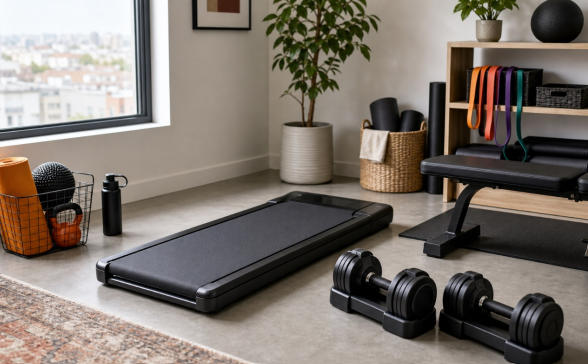
DHgate’s sports marketplace has carved out a significant niche in the global e – commerce landscape. It offers a vast array of sports products that cater to athletes, fitness enthusiasts, and casual sports lovers alike. With its user – friendly interface and comprehensive product range, DHgate has become a go – to platform for sourcing high – quality sports gear.
Product Diversity
One of the most remarkable aspects of DHgate’s sports marketplace is its extensive product diversity. It covers almost every sport imaginable, from popular ones like basketball, football, and tennis to more niche sports such as badminton, fencing, and archery. For basketball enthusiasts, the marketplace offers a wide selection of basketballs, ranging from professional – grade balls used in high – level competitions to affordable training balls for beginners. Brands like Spalding and Wilson have a presence on the platform, providing consumers with reliable and well – known options.
In the football category, there are not only footballs but also a plethora of related equipment. DHgate’s sports marketplace Cleats from top brands like Nike and Adidas are available in various styles and sizes, suitable for different playing surfaces. Additionally, football jerseys, shorts, and socks are offered in a multitude of designs, allowing fans to support their favorite teams or players. For example, a fan of the Manchester United football club can easily find an authentic – looking jersey with the team’s logo and player’s name on DHgate.
Tennis players can find everything they need, from high – performance rackets to tennis shoes and balls. Brands like Babolat, Head, and Prince offer their latest models on the platform. These rackets are designed with advanced technologies to enhance power, control, and spin, meeting the needs of both amateur and professional players. Moreover, the marketplace also provides a range of tennis accessories, such as wristbands, headbands, and tennis bags.
Even for less mainstream sports, DHgate has a good supply. In the archery section, archers can purchase bows, arrows, quivers, and protective gear. The bows come in different draw weights and styles, including recurve bows, compound bows, and longbows. This allows archers of all skill levels to find the equipment that suits them best.
Quality Assurance
DHgate takes quality assurance very seriously. It has a strict supplier vetting process to ensure that only reliable and high – quality products are available on the platform. Suppliers are required to meet certain standards in terms of product quality, production capacity, and after – sales service. For instance, before a sports equipment supplier can list their products on DHgate, they need to provide detailed product descriptions, specifications, and quality certificates.
Many products on DHgate come with warranties. For example, a high – end fitness treadmill may come with a one – year or even a two – year warranty. This gives consumers peace of mind when making a purchase, knowing that they are protected in case of any defects or malfunctions. Additionally, DHgate encourages customers to leave reviews and ratings for the products they purchase. These reviews are visible to other potential buyers, which helps in maintaining a high level of quality across the platform. If a product consistently receives negative reviews, DHgate may take action against the supplier, such as removing the product from the marketplace or suspending the supplier’s account.
To further ensure quality, DHgate also conducts random product inspections. They may select a sample of products from different suppliers and have them tested in independent laboratories. This helps in detecting any potential quality issues early on and taking appropriate measures. For example, if a batch of sports helmets fails to meet the safety standards during testing, DHgate will work with the supplier to recall the products and improve the manufacturing process.
Competitive Pricing
One of the major attractions of DHgate’s sports marketplace is its competitive pricing. Due to its direct – to – consumer model and a large number of suppliers, the platform can offer products at lower prices compared to many traditional retail stores. For example, a pair of running shoes that may cost $150 in a physical sports store can be found on DHgate for as low as $80, depending on the brand and model.
DHgate also frequently runs promotional activities and offers discounts. During festivals like Christmas, New Year, and the Chinese Spring Festival, there are often significant price cuts on various sports products. Some suppliers may offer bundle deals, where customers can buy multiple items at a discounted price. For instance, a supplier may offer a package deal that includes a basketball, a pump, and a carrying case at a lower combined price than if the items were purchased separately.
Moreover, the platform allows customers to compare prices from different suppliers easily. With just a few clicks, consumers can see the prices of the same or similar products from multiple sellers. This encourages suppliers to offer competitive prices to attract customers. For example, if a customer is looking for a yoga mat, they can quickly compare the prices, materials, and thickness of yoga mats from different suppliers on DHgate and choose the one that offers the best value for money.
Global Reach and Logistics
DHgate has a global reach, serving customers from all over the world. Whether you are in North America, Europe, Asia, or Africa, you can access the platform and purchase sports products. This global presence is made possible by its efficient logistics network. DHgate has partnered with several international shipping companies, such as DHL, FedEx, and UPS, to ensure fast and reliable delivery of products.
For customers in different regions, DHgate offers multiple shipping options. For urgent orders, express shipping services are available, which can deliver products within a few days. For customers who are more price – sensitive, there are also economy shipping options, although these may take longer to arrive. For example, a customer in the United Kingdom who orders a set of golf clubs from a Chinese supplier on DHgate can choose between express shipping, which may take 3 – 5 days, or economy shipping, which may take 15 – 30 days but is more affordable.
DHgate also provides real – time tracking information for shipments. Customers can easily track the progress of their orders on the platform. This transparency helps in building trust with customers. For instance, if a customer orders a pair of cycling shoes and wants to know when it will arrive, they can log in to their DHgate account and check the tracking details to see the current location of the package and the estimated delivery time.
Customer Support
DHgate offers excellent customer support to ensure a smooth shopping experience for its users. The platform has a dedicated customer service team that is available 24/7 to answer questions and resolve issues. Customers can contact the support team through various channels, such as email, live chat, and phone.
If a customer has a question about a product, such as its features, size, or compatibility, they can quickly get in touch with the customer support team. For example, a customer who is unsure about the correct size of a pair of football gloves can ask the support team for advice. The support team will then provide detailed information based on the product specifications and the customer’s requirements.
In case of any problems with an order, such as a damaged product or a delay in delivery, the customer support team will work with the customer and the supplier to find a solution. If a product arrives damaged, the support team may arrange for a replacement or a refund. They will also follow up with the supplier to ensure that the issue is resolved properly. For example, if a customer receives a broken badminton racket, the support team will first apologize for the inconvenience and then initiate the process of getting a new racket sent to the customer as soon as possible.
DHgate also has a comprehensive FAQ section on its website. This section covers common questions about product selection, payment methods, shipping, and returns. Customers can refer to this section to find quick answers to their queries without having to contact the support team. This self – service option saves time for both the customers and the support team.


First impressions shape how customers perceive a business long before they walk through the front door. A clean, well-organized parking lot signals professionalism, safety, and attention to detail. This is why commercial property owners invest heavily in professional line striping in Ontario to maintain clear boundaries and organized traffic flow. Faded paint and confusing layouts lead to minor accidents, frustrated visitors, and potential legal liabilities. By establishing clear directional cues, businesses ensure a seamless experience for drivers and pedestrians alike. Maintaining these outdoor surfaces preserves property value, enhances curb appeal, and demonstrates a commitment to public safety across commercial properties.
Enhancing Customer Safety and Traffic Flow
Active parking lots are busy hubs with vehicles reversing, pedestrians walking, and delivery trucks loading goods. Without clear guidance, these spaces quickly become chaotic.
Optimizing Traffic Flow
Professional marking services establish a predictable flow of traffic, directing drivers safely to available stalls and exit routes. This organization relies heavily on a combination of painted lines and standardized road marking signs in Ontario to direct drivers. When drivers clearly see where to stop, yield, and turn, the risk of fender benders drops significantly.
Creating Dedicated Pedestrian Pathways
Furthermore, proper markings designate safe pedestrian walkways, keeping shoppers out of the direct path of moving vehicles. Businesses must also clearly mark fire lanes and loading zones to keep emergency access routes clear at all times. Professional contractors use high-durability traffic paint that withstands heavy wear, ensuring these safety markings remain visible during heavy rain or dark evening hours. By investing in clear layout designs, businesses protect their customers and minimize the operational disruptions caused by parking lot accidents. Clear lanes also mean delivery drivers can drop off inventory without blocking customer stalls, keeping daily business operations running smoothly. Well-defined spaces prevent drivers from parking across two spots, which maximizes the total parking capacity of the property.
Meeting Accessibility and Legal Standards
Compliance with provincial regulations is a critical responsibility for any commercial property owner. In Canada, accessibility laws demand that businesses provide designated parking spaces for individuals with disabilities.
Meeting AODA Compliance
Implementing precise line striping in Ontario ensures that these specialized stalls meet the exact dimensions, colours, and symbols required by the Accessibility for Ontarians with Disabilities Act (AODA). These spots must feature the high-contrast international symbol of access, typically painted in bright blue and white, alongside adjacent access aisles that allow ramp-equipped vehicles to unload safely.
Avoiding Costly Municipal Penalties
Failing to provide compliant parking stalls can lead to substantial fines and damage a company’s reputation. Beyond accessibility, municipal codes often dictate the minimum number of parking spots a business must maintain based on its square footage. Professional striping companies understand these local bylaws and design layouts that maximize parking capacity while remaining fully compliant. They ensure that crosswalks, fire hydrants, and stop bars are positioned correctly. Keeping your property up to date with these standards mitigates legal risks and demonstrates that your business values inclusivity and accessibility for every visitor who arrives at your facility. Regular maintenance ensures these markings do not fade beneath winter salt and snow.
Weather Resilience and Material Durability
The Canadian climate presents unique challenges for outdoor infrastructure. Properties experience extreme temperature shifts, ranging from hot, humid summers to freezing winters with heavy snowfall.
Withstanding Extreme Freeze-Thaw Cycles
These harsh conditions quickly degrade low-quality paint, causing it to chip, crack, and fade within a single season. Snowplows, salt application, and heavy traffic wear down markings even faster. To combat this rapid deterioration, professional striping services use specialized, industrial-grade paints, such as waterborne acrylics or heavy-duty thermoplastic coatings, engineered to bond securely with asphalt and concrete surfaces.
Selecting High-Visibility Reflective Signage
In addition to durable paint, properties require sturdy physical signage that can withstand high winds and freezing rain. Installing robust road marking signs in Ontario ensures that stop signs, speed limits, and pedestrian warnings remain upright and legible throughout the worst winter blizzards. Professional installers use galvanized steel posts and reflective sheeting that remains highly visible at night. Investing in these premium materials prevents the need for frequent, costly repainting and replacement projects. By choosing weather-resistant solutions, business owners protect their initial investment and maintain a clean, professional appearance year-round, regardless of the unpredictable weather patterns that affect the province. This durability minimizes long-term maintenance budgets and keeps the property looking pristine.
Maximizing Property Value and Curb Appeal
The exterior of your commercial property acts as a direct reflection of your business operations. A parking lot with crisp, bright lines and clean signs suggests an organized, detail-oriented business that cares about quality.
Boosting Brand Perception and Curb Appeal
Conversely, faded markings, overgrown weeds, and cracked asphalt can deter potential customers, making the business appear neglected. Professional line striping in Ontario instantly revitalizes the look of an older property, providing an affordable way to boost curb appeal without undergoing a complete repaving project.
Maximizing Total Parking Capacity

A well-planned layout also optimizes the physical space, allowing you to fit more vehicles into the same square footage. Contractors use precize measurements to angle parking stalls efficiently, which improves traffic flow and reduces congestion during peak business hours. When combined with clear road marking signs in Ontario, such as designated entrance and exit indicators, the entire property operates with greater efficiency. This positive experience encourages repeat visits from customers who appreciate hassle-free parking. For property managers, maintaining these high standards is essential for attracting premium commercial tenants who expect their storefronts to look immaculate and professional. Investing in these visual upgrades pays off through increased customer satisfaction and sustained property value over time.
Conclusion
Maintaining a commercial parking lot involves much more than simply pouring asphalt. It requires ongoing care, strategic planning, and professional execution to ensure safety, legal compliance, and a welcoming aesthetic. By relying on professional marking services, business owners can protect their investments from harsh winter conditions while providing a safe, accessible environment for all visitors. Clear markings and visible signage prevent accidents, reduce liability risks, and maximize the usable space of your property. Ultimately, keeping your exterior surfaces in top condition is a smart business decision that enhances your brand image and supports daily operations. Partnering with experienced local specialists ensures your property remains compliant, organized, and attractive for years to come.

Planning a traditional South Asian wedding in the Hawke’s Bay region involves coordinating multiple beautiful, complex events. From the vibrant colours of the Mehndi to the sacred rituals of the ceremony, capturing these moments requires specialised expertise. Selecting the right Indian wedding videography packages ensures that every custom, emotion, and celebration is preserved forever. Hastings offers a stunning backdrop with its orchards, historic venues, and golden hills, making it a popular choice for couples. Professional videographers understand the fast-paced flow of these multi-day celebrations, ensuring no detail gets missed. Finding a team that respects your cultural traditions while delivering cinematic quality is the key to creating a lasting family heirloom.
The Anatomy of a Multi-Day Celebration
Indian weddings are rarely single-day events; they are magnificent multi-day festivals filled with distinct rituals. Each pre-wedding event, such as the Haldi, Sangeet, and Mehndi, carries its own unique energy and cultural significance. A standard six-hour coverage option simply cannot capture the depth of these celebrations. This is why comprehensive multi-day packages are designed to span several days, providing dedicated coverage for each ceremony.
Capturing the Pre-Wedding Rituals
During the Haldi ceremony, playful moments of family members applying turmeric paste require quick focus and candid filming. The Sangeet, with its choreographed dances and musical performances, demands multi-camera setups to capture both the performers and the audience’s reactions.
Bridging Photo and Video Needs
Couples also need to coordinate their visual styles across different mediums. Integrating your video team with specialists in Indian wedding photography in Hastings, NZ ensures a cohesive visual narrative. When photographers and videographers work in harmony, they do not compete for the same angles. Instead, they collaborate to capture the bright colours of the attire and the emotional exchanges between families. This collaborative approach ensures that the final films and photo albums tell a consistent story of your union.
What to Look for in Videography Packages
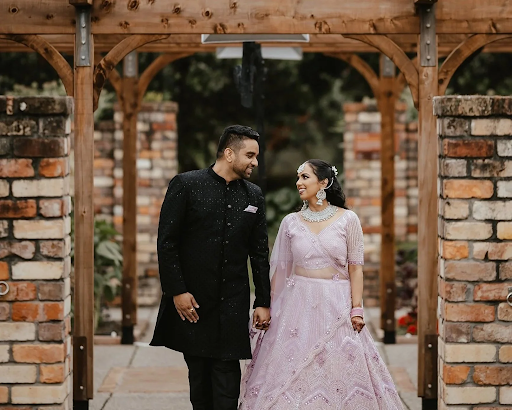
When comparing different options, look closely at what each package includes to avoid unexpected costs later. A high-quality package should offer clear details regarding the hours of coverage, the number of camera operators, and the final deliverables. Because Indian weddings feature simultaneous events and large guest lists, having at least two cinematographers is crucial.
Essential Deliverables
Most comprehensive Indian wedding videography packages include a short cinematic highlight film, usually three to five minutes long, which is perfect for sharing online with friends and family. Additionally, you should receive a longer documentary-style cut that preserves the full length of the main rituals, speeches, and performances. This longer cut is invaluable for older relatives who want to relive the sacred vows and traditional blessings.
Equipment and Raw Footage
Inquire about the technology used, such as 4K cameras, aerial drone footage for venue establishment shots, and professional audio recording gear. Crystal-clear audio is vital for capturing the priest’s Sanskrit chants and the emotional exchange of vows. Some packages also offer the option to purchase the raw footage, which provides a complete archive of every recorded moment from your celebrations.
Choosing the Perfect Hastings Venues for Cinematic Films
The landscapes of Hastings provide a spectacular canvas for wedding films, offering a blend of rustic charm and elegant sophistication. Whether you choose a sprawling vineyard or a historic estate, the venue choice directly impacts the visual quality of your wedding film. Local settings like the beautiful parks or boutique wineries offer excellent natural lighting that enhances the rich colours of traditional Indian attire.
Maximising the Local Landscape
When planning your schedule, discuss key locations with your media team. Experts in Indian wedding photography in Hastings, NZ know exactly when the “golden hour” occurs over the Heretaunga Plains, providing the perfect warm light for couple portraits. Using these local scenic spots for your pre-wedding or post-wedding shoots adds a distinct New Zealand charm to your traditional celebrations.
Indoor vs Outdoor Settings
Many traditional rituals require specific indoor setups with fire pits or mandaps, which demand experienced lighting management. A professional videographer will assess the venue’s indoor lighting conditions beforehand, ensuring that the sacred fire rituals are captured clearly without harsh shadows. Choosing venues that offer both spacious indoor halls and picturesque outdoor gardens allows for a seamless transition between various ceremonial phases.
Coordinating Photography and Videography Teams
To achieve a flawless record of your wedding, the photography and videography teams must operate as a unified unit. When these two creative teams are in sync, they share schedules, coordinate lighting setups, and respect each other’s physical space during crucial ceremonial moments. This synergy prevents situations where a photographer accidentally blocks a vital video shot of the ring exchange or the mangalsutra ceremony.
The Benefits of Joint Bookings
Many local agencies offer combined packages that simplify this coordination. Booking a studio that handles both Indian wedding photography in Hastings, NZ and cinematic videography ensures a unified creative vision. The final colour grading of your photos will match the tone of your videos, creating a beautiful aesthetic consistency across all your keepsakes.
Communication and Planning
Before the wedding week begins, organise a joint meeting with both teams to walk through the timeline. Discuss the specific rituals, such as the Milni or the Vidaai, where emotional reactions happen quickly and cannot be repeated. Providing a detailed list of key family members helps both the photographers and videographers focus on the right people at the right moments. This careful planning guarantees that your visual team delivers a comprehensive, stress-free recording of your special week.
Conclusion
Your Indian wedding in Hastings is a beautiful blend of deep cultural heritage, family bonds, and joyful celebrations. Preserving these fleeting moments requires a professional team that understands the cultural nuances of South Asian ceremonies. By carefully selecting the right Indian wedding videography packages, you secure a cinematic treasure that your family will cherish for generations. From the dramatic entrance of the Baraat to the quiet, emotional moments of the farewell, every detail deserves to be captured with clarity and respect. Take the time to plan with local experts, synchronise your media teams, and choose the stunning Hawke’s Bay backdrops that will make your wedding film truly unforgettable.



-

 Celebrity1 year ago
Carolin Bacic: Life, Biography, Family, and Legacy
-

 Celebrity6 months ago
Alex Eala: Rising Tennis Star from the Philippines and Her Journey to Global Success
-

 Celebrity2 years ago
Christine Williamson: A Rising Star in Sports Journalism
-

 Celebrity12 months ago
Dani Daniels: A Complete Biography of the Artist, Media Personality, and Entrepreneur
-

 Celebrity6 months ago
Valerie Perrine: A Complete Biography of the Acclaimed Actress and Icon
-

 Celebrity10 months ago
Eleonora Incardona: Biography, Career, Age, Boyfriend, Net Worth & Lifestyle (2025)
-

 Celebrity2 years ago
Vera Davich: Biography, Life, and Legacy2025
-

 Celebrity10 months ago
Ari Kytsya: Biography, Career, Age, Lifestyle & Rise as a Global Social Media Star