
Fashion
Handmade Fashion Accessories: A Complete Guide to Craftsmanship, Style, and Sustainable Elegance

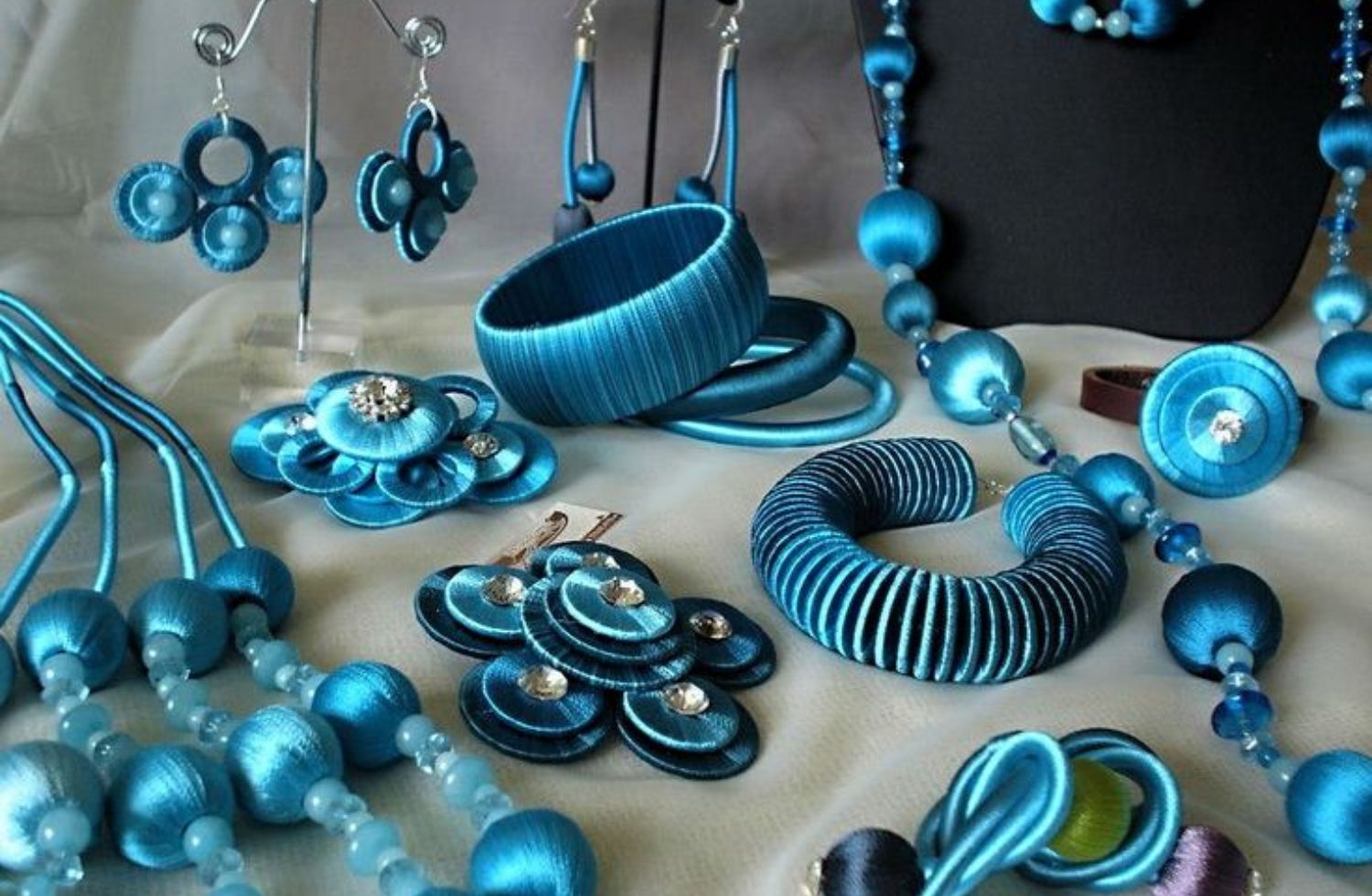
The Growing Appeal of Handmade Fashion Accessories
In an era dominated by mass production, handmade fashion accessories have emerged as a powerful symbol of individuality, craftsmanship, and ethical consumption. Consumers today are no longer satisfied with generic designs produced in bulk; instead, they seek items that tell a story, reflect personal style, and support skilled artisans. Handmade accessories—ranging from jewelry and bags to scarves and hair adornments—offer uniqueness that factory-made products simply cannot replicate.
This comprehensive guide explores the world of handmade fashion accessories, highlighting their cultural roots, production processes, sustainability benefits, and modern relevance. Whether you are a fashion enthusiast, conscious consumer, or aspiring artisan, this article provides a deep, verified, and user-friendly understanding of why handmade accessories continue to shape global fashion trends.
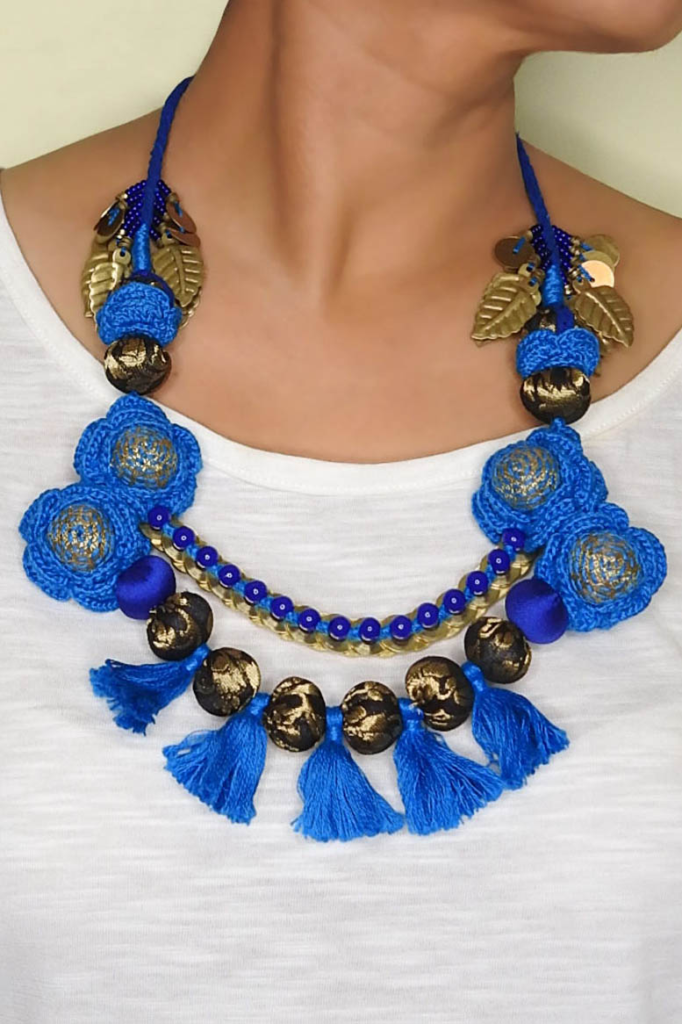
What Are Handmade Fashion Accessories?
Handmade fashion accessories are decorative or functional fashion items created primarily by hand rather than automated machinery. These accessories include necklaces, bracelets, earrings, handbags, belts, scarves, hats, and hair accessories, each crafted with careful attention to detail.
Unlike mass-produced alternatives, handmade accessories emphasize quality over quantity, with artisans often spending hours or even days perfecting a single piece. The result is a product that carries artistic value, cultural influence, and emotional significance. Each handmade item is inherently unique, making it especially appealing to consumers who value exclusivity and authenticity in their fashion choices.
The Historical Significance of Handmade Accessories
The tradition of handmade fashion accessories dates back thousands of years. Ancient civilizations such as Egyptians, Greeks, Indians, and Chinese crafted accessories by hand using natural materials like metals, stones, shells, and textiles. These items often symbolized status, spirituality, and cultural identity.
Before industrialization, all fashion accessories were handmade. Techniques were passed down through generations, preserving regional artistry. Today’s handmade accessories draw inspiration from these historical practices, blending heritage craftsmanship with contemporary design. This continuity ensures that traditional skills remain relevant in modern fashion.
Why Handmade Fashion Accessories Are Gaining Popularity
The renewed interest in handmade fashion accessories is driven by changing consumer values. Shoppers are increasingly aware of the environmental and ethical costs of fast fashion. Handmade products offer a meaningful alternative by supporting small businesses, artisans, and sustainable practices.
Additionally, social media platforms and online marketplaces have made handmade accessories more accessible globally. Consumers can now connect directly with creators, fostering trust and appreciation for the craftsmanship involved. This emotional connection enhances the perceived value of handmade items.
Types of Handmade Fashion Accessories
The world of handmade fashion accessories is diverse, catering to various tastes and lifestyles. Popular categories include handmade jewelry, textile accessories, leather goods, and mixed-media creations.
Each category reflects different skills and materials, allowing artisans to express creativity in unique ways. Whether minimalist or bold, traditional or contemporary, handmade accessories offer something for everyone. This versatility contributes to their growing demand across global markets.
Handmade Jewelry: Art You Can Wear
Handmade jewelry is one of the most sought-after segments within handmade fashion accessories. Crafted from materials such as silver, gold, beads, gemstones, clay, and recycled metals, these pieces showcase intricate detailing and originality.
Artisans often use techniques like wire wrapping, hand engraving, and bead weaving to create distinctive designs. Handmade jewelry allows wearers to express personality and sentiment, making it ideal for gifts and special occasions. Unlike mass-produced jewelry, each handmade piece carries a personal touch.
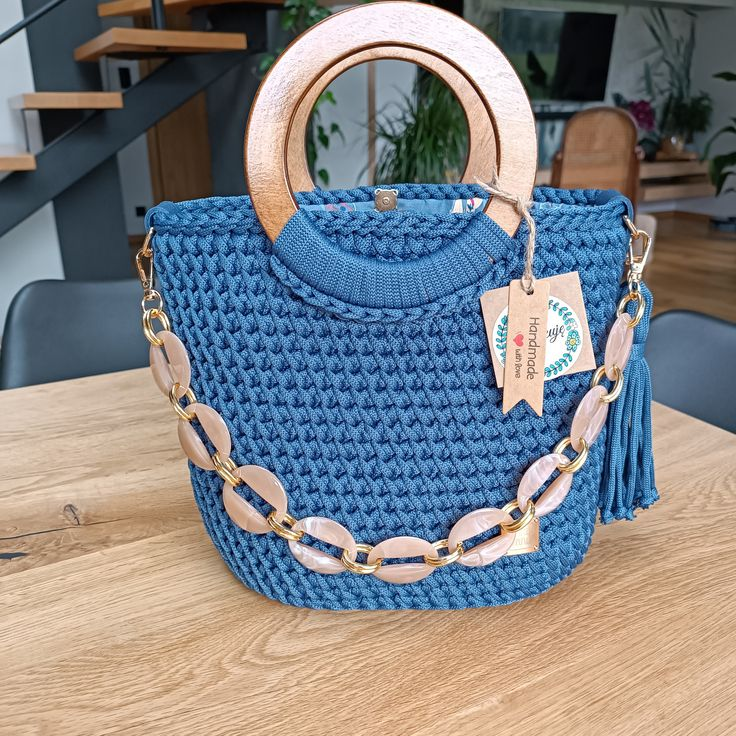
Handcrafted Bags and Purses
Handmade bags and purses combine functionality with artistic flair. These handmade fashion accessories are often created using leather, fabric, jute, or recycled materials, emphasizing durability and sustainability.
Artisans focus on stitching, structure, and design, ensuring each bag is both practical and visually appealing. Handmade bags often feature unique patterns, hand-painted elements, or embroidery, making them standout accessories for everyday use or special events.
Textile Accessories: Scarves, Shawls, and Wraps
Textile-based handmade fashion accessories such as scarves and shawls highlight traditional weaving, dyeing, and embroidery techniques. Materials like cotton, silk, wool, and linen are commonly used.
These accessories provide comfort while adding elegance to an outfit. Handwoven textiles often incorporate cultural motifs, reflecting the artisan’s heritage. Their versatility makes them suitable for all seasons and fashion styles.
Hair and Head Accessories Made by Hand
Handmade hair accessories—including headbands, clips, scrunchies, and turbans—offer a charming blend of fashion and function. These items are crafted using fabric, beads, wire, or natural materials.
As part of handmade fashion accessories, hair adornments appeal to consumers seeking subtle yet distinctive style elements. They are particularly popular in bohemian, vintage, and bridal fashion segments.
Materials Used in Handmade Fashion Accessories
Materials play a vital role in defining the quality of handmade fashion accessories. Artisans often prefer natural, recycled, or ethically sourced materials to align with sustainable values.
Common materials include wood, leather, natural fibers, metals, gemstones, and eco-friendly alternatives. The choice of material not only influences durability but also impacts environmental footprint. Thoughtful material selection ensures that handmade accessories are both beautiful and responsible.
The Craftsmanship Behind Handmade Accessories
Craftsmanship is the foundation of handmade fashion accessories. Each piece reflects the artisan’s skill, patience, and creativity. Processes often involve manual cutting, shaping, stitching, polishing, and finishing.
This hands-on approach ensures meticulous attention to detail. Unlike automated production, handmade craftsmanship allows flexibility, customization, and artistic expression. Consumers value this dedication, recognizing handmade accessories as wearable art rather than disposable fashion.
Sustainability and Ethical Value
One of the strongest advantages of handmade fashion accessories is their sustainability. Small-scale production reduces waste, energy consumption, and carbon emissions.
Ethically, handmade accessories support fair wages and safe working conditions for artisans. By choosing handmade, consumers contribute to responsible fashion practices and help preserve traditional skills. This alignment with ethical values enhances the long-term relevance of handmade accessories.
Cultural Influence in Handmade Fashion Accessories
Cultural heritage heavily influences handmade fashion accessories. Designs often incorporate traditional patterns, symbols, and techniques unique to specific regions.
This cultural richness adds depth and authenticity to handmade items. Wearing such accessories allows consumers to celebrate global diversity while respecting artisan traditions. Cultural storytelling is a key factor in the emotional appeal of handmade fashion.
Customization and Personalization
Customization is a defining feature of Artisan-Made Accessories. Many artisans offer personalized options such as engraved names, custom colors, or tailored sizes.
This level of personalization enhances emotional connection and customer satisfaction. Handmade accessories become meaningful keepsakes rather than generic products, making them ideal for gifts and milestone celebrations.
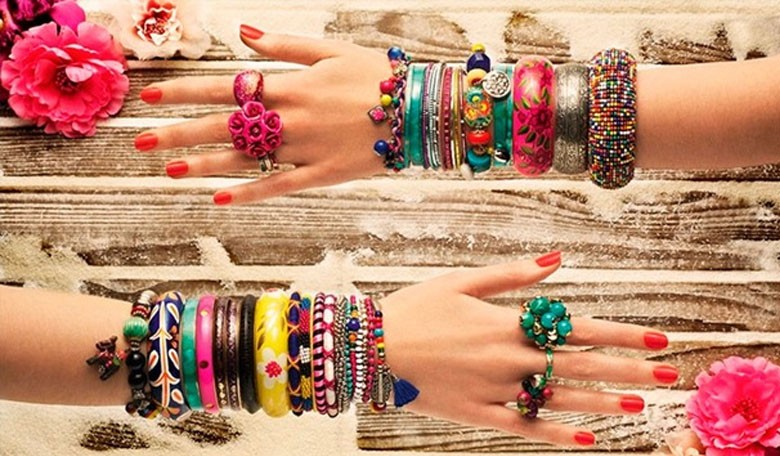
Handmade Accessories in Modern Fashion Trends
Modern fashion increasingly embraces Artisan-Made Accessories as statement pieces. Designers and influencers incorporate handmade items to add authenticity and contrast to contemporary outfits.
From runway shows to street style, handmade accessories provide a balance between tradition and modernity. Their adaptability ensures continued relevance in evolving fashion landscapes.
How to Style Handmade Fashion Accessories
Styling handmade fashion accessories requires balance and intention. A single statement piece can elevate a simple outfit, while multiple accessories can create a layered, bohemian look.
Neutral clothing often highlights handmade accessories best, allowing textures and details to stand out. Thoughtful styling ensures that handmade pieces complement rather than overpower an outfit.
Caring for Handmade Accessories
Proper care extends the life of Artisan-Made Accessories. Storage away from moisture, gentle cleaning, and mindful handling are essential.
Because handmade items often use natural materials, they may require specific care instructions. Following artisan recommendations preserves quality and appearance, ensuring long-term enjoyment.
Where to Buy Authentic Handmade Fashion Accessories
Authentic Artisan-Made Accessories can be found through artisan markets, craft fairs, online marketplaces, and independent brand websites.
Consumers should look for transparency about materials, production methods, and artisan background. Supporting verified sellers ensures authenticity and ethical sourcing.
Supporting Artisans and Small Businesses
Purchasing handmade fashion accessories directly supports artisans and small businesses. This economic empowerment helps preserve traditional skills and local communities.
By choosing handmade, consumers play an active role in shaping a more equitable and sustainable fashion industry.
Conclusion: The Timeless Value of Handmade Fashion Accessories
In conclusion, handmade fashion accessories represent more than decorative additions—they embody creativity, sustainability, and cultural heritage. In a fast-paced fashion world, Artisan-Made Accessories offer a meaningful alternative rooted in quality and authenticity.
By choosing handmade, consumers support ethical practices, celebrate individuality, and invest in timeless style. As fashion continues to evolve, handmade accessories will remain a powerful expression of conscious elegance.
Frequently Asked Questions (FAQs)
1. What makes handmade fashion accessories unique?
They are crafted by hand, ensuring originality, quality, and artistic value.
2. Are handmade accessories more sustainable?
Yes. They typically involve small-scale, eco-friendly production methods.
3. Are handmade fashion accessories expensive?
Prices vary, but they reflect craftsmanship, materials, and ethical labor.
4. How can I verify authenticity?
Check artisan details, production methods, and customer reviews.
5. Can handmade accessories be customized?
Most artisans offer personalization options.
6. Are handmade accessories suitable for everyday wear?
Yes, many are designed for durability and daily use.


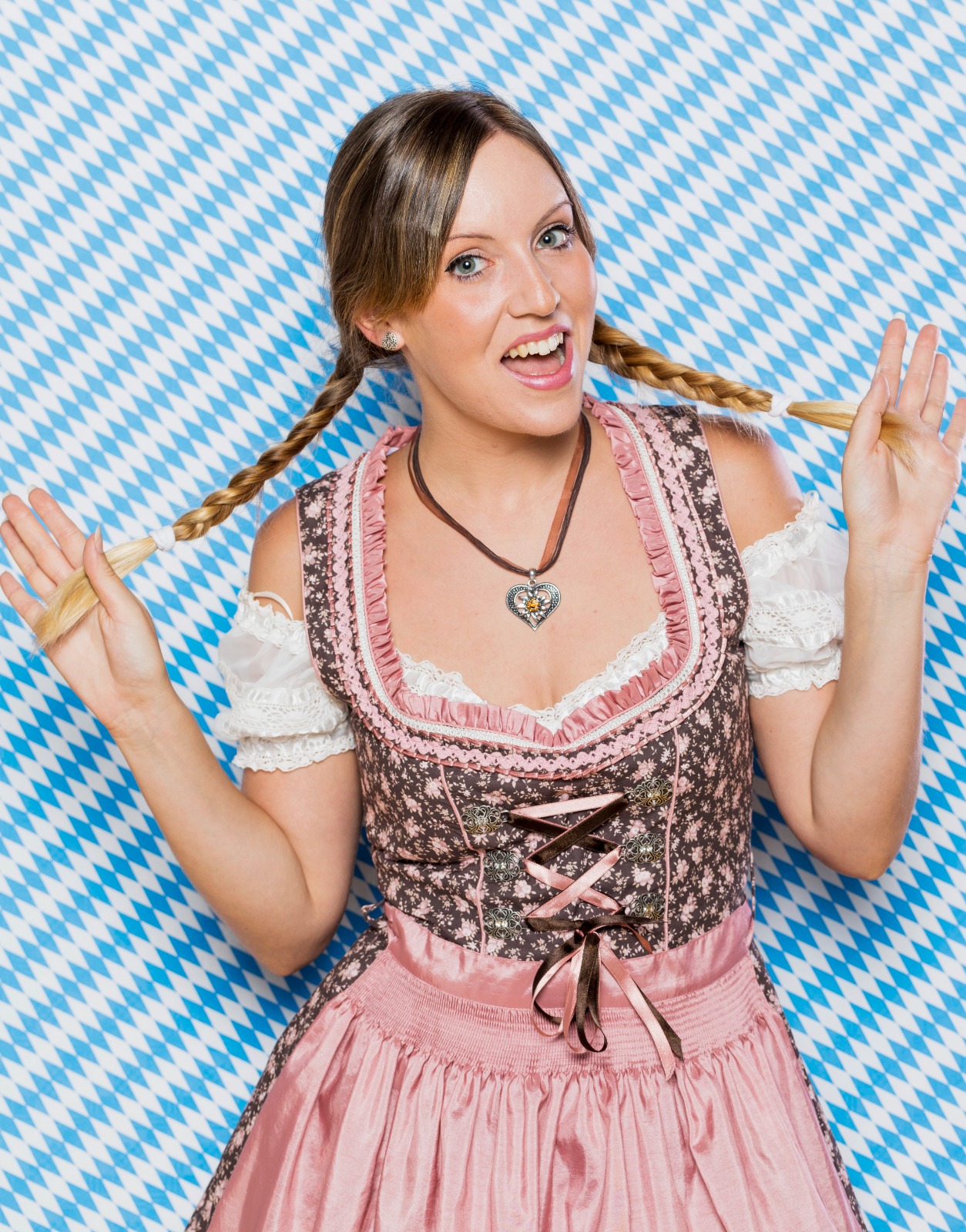
Local seamstresses personalize dirndls through hidden hand-embroidered initials inside bodices. They create custom flower motifs that replace traditional patterns with family-meaningful blooms. Personal fabric combinations reflect ancestral regions. Subtle modifications to fit, necklines, and trim make each dress unique while maintaining authentic Alpine tradition.
These master craftswomen don’t just sew clothes. They weave family stories into fabric, transforming mass-produced traditional dresses into deeply personal heritage pieces. Invest in authentic dirndls from German brands such as Dirndl Delights and Dirndl Online Shop, which reflect traditional techniques and are made by skilled local artisans. Our dirndls bring cultural heritage and timeless craftsmanship to every piece.
The German Art of Making Each Dirndl Special
Traditional dirndl dress making isn’t about mass production. It’s about creating garments that reflect individual identity while honoring cultural heritage.
Master seamstresses develop relationships with their clients that extend beyond simple transactions. They learn about family histories, regional connections, and personal preferences. This understanding allows them to weave personal meaning into traditional patterns.
Hidden Personal Touches
Many personal details remain invisible to public view. Seamstresses embroider initials inside bodice linings. They add small symbols to interior seams. Family birthstones get incorporated into decorative elements.
These secret details create intimate connections between garment and owner. Only the wearer knows these personal elements exist.
The Initial Consultation Process
The customization begins during first meetings. Seamstresses ask about ancestral regions and family traditions. They discuss the intended use for the dirndl. These conversations guide every design decision.
Personal fitting preferences also influence construction choices. Some prefer higher necklines. Others want lower waistlines for comfort.
Regional Embroidery with Personal Twists
Each Alpine region maintains distinct embroidery traditions. Skilled seamstresses adapt these for individual clients. Bavaria’s floral motifs differ from Austria’s geometric patterns.
Within each tradition exists room for personal interpretation. The key is maintaining authenticity while adding individual meaning.
Bavarian Rose Patterns Made Personal
Seamstresses modify traditional Bavarian rose patterns by incorporating flowers from client’s home gardens. A grandmother’s favorite peony might replace the standard rose. The result looks traditionally authentic but carries personal significance.
Austrian Scrollwork Adapted for Families
Austrian scrollwork gains meaning when adapted to reflect family crests or meaningful dates. The patterns maintain their cultural authenticity. But they tell individual stories through subtle modifications.
Signature Stitching Styles
Each experienced seamstress develops distinctive hand-stitching methods. These become personal signatures. Some prefer French knots for flower centers. Others excel at satin stitch leaves.
Experienced clients can identify their seamstress’s work through these technical details. It’s like recognizing an artist’s brushstroke.
Fabric Choices That Tell Stories
Dirndl fabric selection offers another avenue for personalization. Traditional seamstresses understand color symbolism and pattern meanings. They guide clients toward choices that reflect their background.
Different fabrics carry cultural weight in Alpine traditions. Heavy brocades suggest formal occasions. Lightweight cottons reflect rural authenticity.
Color Symbolism in Fabric Selection
Pattern choices communicate subtle messages about family background. Specific checks identify particular valleys or villages. Certain floral prints indicate religious devotion. Geometric patterns suggest craft guild connections.
Working with Family Heirlooms
Many clients bring inherited materials to incorporate into new dirndls. Seamstresses excel at integrating vintage lace or antique buttons. This creates tangible connections between generations.
The technical challenge requires specialized knowledge. Old fabrics may be fragile. Historical construction methods differ from modern techniques.
Custom Fitting Beyond Standard Sizes
Traditional dirndl construction requires precise fitting. Skilled seamstresses take dozens of measurements. They conduct multiple fittings to ensure perfect proportions.
The dirndl’s structured bodice demands particular attention. Bust placement, waist definition, and shoulder alignment all matter. Small adjustments dramatically affect both comfort and appearance.
Adapting for Modern Bodies
Contemporary bodies often differ from historical proportions. Modern seamstresses adapt vintage construction methods to flatter current figures. They maintain authentic silhouettes while improving fit.
This requires a deep understanding of both historical and modern techniques. Pattern modifications happen behind the scenes.
Personal Comfort Preferences
Some clients prefer different ease levels for movement. Active wearers need additional room. Evening wear requires different support. These individual requirements shape invisible construction choices.
Apron Details that Speak Volumes
The dirndl’s apron provides the largest canvas for personal expression. Seamstresses customize through fabric choice and trim selection. Traditional guidelines still apply, but room exists for individual touches.
Traditional apron length varies by region and occasion. Within these parameters, personal preferences become family traditions.
Meaningful Trim Choices
Apron trim offers particular opportunities for customization. Delicate lace might reference a grandmother’s wedding dress. Contrasting binding could echo family colors. Embroidered borders often incorporate meaningful symbols.
Custom Bow Creations
While bow placement follows traditional relationship status rules, the bow itself allows personalization. Seamstresses create custom styles using special fabrics. Some craft removable attachments for versatility.
Blouse Modifications for Individual Style
The traditional dirndl blouse undergoes subtle modifications. Seamstresses adjust neckline depths and sleeve styles. Decorative details reflect personal taste while maintaining regional authenticity.
Sleeve customization particularly reflects individual style. Traditional puffed sleeves can be adjusted for volume, and cuff treatments vary from simple elastic to elaborate lace.
Seasonal Variations
Experienced seamstresses create blouse variations for different seasons. Lighter fabrics are used for summer festivals, and heavier materials are used for winter celebrations. Multiple options allow single dirndls to serve various functions.
Neckline Adjustments
Neckline modifications require skill to maintain traditional proportions. Some prefer higher coverage, while others want traditional depth. Seamstresses often create removable inserts for versatility.
Modern Tools Meet Traditional Skills
Contemporary seamstresses blend hand techniques with modern tools. Computer-controlled embroidery machines execute complex patterns with precision. Digital pattern drafting allows exact modifications.
However, meaningful personalizations still require handwork. Individual consultation and artistic interpretation remain exclusively human skills.
Preserving Traditional Knowledge
Master seamstresses increasingly document their techniques, and video tutorials and apprenticeship programs preserve knowledge. This ensures that customization skills survive modernization pressures.
Technology as Enhancement
Modern tools enhance rather than replace traditional skills. They reduce waste and improve consistency. But the personal relationship between seamstress and client remains irreplaceable.
Regional Workshops vs Online Options
Traditional workshops offer in-person consultation that online retailers cannot match. Personal relationships enable customization levels impossible through digital communication.
Online trachten shops increasingly offer customization options. Virtual consultations and modular design systems provide personalization within digital frameworks.
Choosing Your Path
The choice depends on the desired customization level and budget constraints. Traditional workshops excel at complex personalization. Online dirndl purchasing options serve broader markets with simplified customization.
Geographic Considerations
Location often determines available options. Rural Alpine regions maintain traditional workshops. Urban areas rely more on online services and traveling seamstresses.
The Future of Personal Dirndl Details
Traditional personalization continues evolving as new generations discover heritage fashion. Social media increases appreciation for handcrafted details. Markets expand beyond traditional Alpine regions.
Younger seamstresses bring fresh perspectives while respecting cultural foundations. They experiment with sustainable materials and contemporary elements.
Innovation Within Tradition
New techniques serve modern lifestyles while honoring historical foundations. The tradition adapts without losing essential elements. Each garment remains uniquely meaningful to its wearer.
Final Words
The small details that local seamstresses add to each dirndl represent far more than decorative flourishes. They transform traditional garments into personal storytellers that connect wearers to their heritage, family history, and individual identity.
From hidden initials embroidered inside bodice linings to custom color choices that reflect ancestral regions, these personal touches make each dirndl irreplaceable. The relationship between seamstress and client creates garments that honor Alpine traditions while celebrating individual uniqueness.
Whether you choose a traditional Alpine workshop or explore modern customization options, understanding these personalization possibilities helps you find a dirndl that truly reflects your story.
Many Londoners consider hair extensions to enrich their style or boost their confidence. The desire for natural-looking results is universal, but the secret to seamless blending often lies in your natural hair’s length. At salons such as Ivana Farisei hair extensions London remain a top choice because they deliver immediate transformation. Yet, to achieve an undetectable finish, understanding the minimum hair length required and the factors that influence it is crucial. This guide offers expert insights to help you decide whether your current hair is ready for extensions and how to ensure the most authentic, flawless outcome.
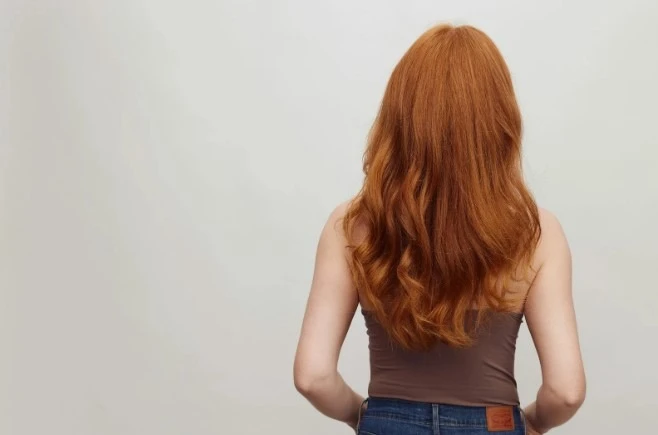
Minimum Hair Length for Seamless Hair Extensions
The baseline requirement for most professional hair extensions to look natural is a minimum natural hair length of 3 to 4 inches (approximately 8-10 centimeters). This standard applies to most extension types, including tape-in, micro-ring, nano, and keratin-bonded systems. Anything shorter and blending becomes difficult, as the bonds or wefts risk being visible, and the sudden shift in length between your hair and the extensions may create an unnatural “step.”
Hair extensions are most convincing when the client’s hair offers enough coverage to hide the connection points. Four inches provide stylists with the flexibility to strategically place bonds and ensure gradual layering. Those with hair longer than this, especially if it grazes the chin or touches the shoulders, have even more options and get the smoothest, most undetectable integration.
However, the texture and density of your hair also play a pivotal role. Fine, straight hair often needs greater length for optimal blending, while thick or wavy hair can sometimes work with hair closer to the minimum requirement. If hair is uneven after a recent haircut, optimal results may need a slightly longer length to avoid an obvious demarcation between real hair and extensions.
Clients with very short or pixie-cut styles may feel tempted to try extensions for a dramatic transformation. While expert stylists can sometimes work magic, the results may fall short of expectations if the minimum length is not present. Natural blending is not just about length; it also depends on color matching, placement, and aftercare. That’s why consulting a specialist is essential for an honest evaluation.
Extension Methods and Their Suitability for Different Hair Lengths
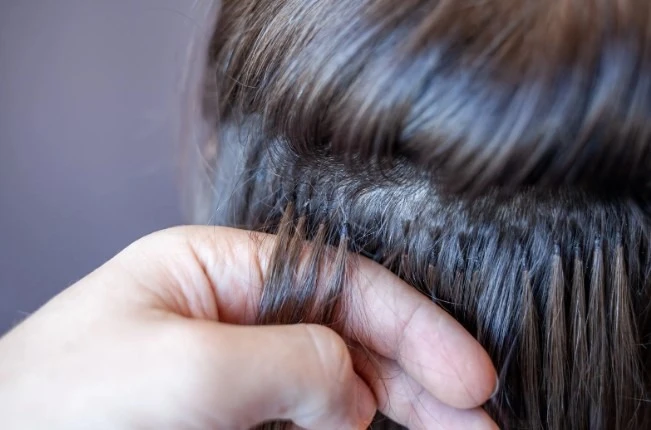
Choosing the correct extension technique is vital to achieving a natural look, especially when working with shorter hair. Each system has its ideal use cases and limitations, making professional consultation invaluable.
Tape-In Extensions
Tape-in extensions require at least 4 inches of hair to effectively disguise the attachment points. An experienced stylist will sandwich small sections of your hair between medical-grade adhesive strips, creating a flat, seamless finish. Clients with fine or thin hair should be aware that these extensions, while discreet, may show through if the hair is shorter or lacks density. Regular professional repositioning helps maintain the natural alignment with hair growth.
Micro-Ring and Nano Bead Extensions
Both systems involve small, undetectable rings clamping the extensions to your natural hair. Micro-ring extensions generally require 4-5 inches of hair for secure placement, while nano beads, being even more discreet, can sometimes be fitted to hair as short as 3 inches, depending on texture and layering. The flexibility of these methods makes them suitable for a wide range of clients aiming for natural flow and movement.
Pre-Bonded Keratin Extensions
Keratin bonds provide an ultra-natural finish when expertly applied but need a minimum of 4 inches to properly attach without detection. The bonds are melted onto small sections of natural hair, ensuring secure hold and discrete integration. It’s essential to match the thickness of each extension strand to the natural hair to avoid strain that could damage shorter hair.
Clip-In Extensions
Clip-ins offer a temporary solution and are best for hair with at least 6 inches in length. With shorter hair, the clips may be visible, and the contrast between extension and natural hair is more challenging to mask. For special occasions or short-term use, clip-ins can still work with styling adjustments, but for consistently seamless looks, semi-permanent systems are preferable.
Clients should also consider their lifestyle and maintenance routines. Those seeking low-maintenance solutions may lean towards tape-ins or nano rings, whereas clients who style their hair frequently may prefer bonded options for durability. For bespoke guidance, experts at Ivana Farisei help clients choose methods tailored to their hair type, length, and goals for their chosen method.
For those interested in specific guidance for their hair length and extension goals Ivana Farisei offers consultations via the anchor
Key Considerations Before Getting Extensions with Short Hair
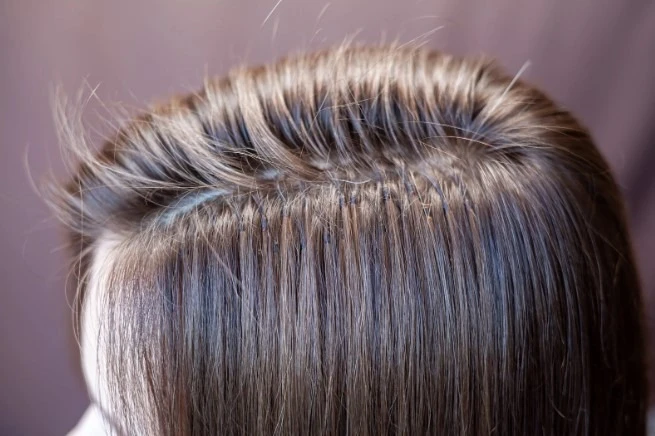
Before deciding if your short hair is ready for extensions, several factors should be weighed to ensure natural results and a lasting outcome.
- Blunt vs. Layered Cuts: Blunt cuts can make blending extensions trickier, as the stark difference in thickness and length may be more apparent. Layering your own hair before fitting extensions helps achieve a smoother transition.
- Color Matching: Precise color matching is vital. Even with perfectly placed extensions, a mismatch in shade or undertone will draw attention and reveal the difference.
- Hair Health: Extensions add weight and may stress fragile or compromised hair. Ensure your hair is in good health to minimize breakage and maximize longevity.
- Desired Length and Volume: Dramatic changes – for example, going from a pixie cut to waist-length extensions – are more likely to look artificial. For the most authentic results, aim for an increase of no more than double your current length.
- Professional Consultation: A personalized approach from an expert stylist means accurate advice on methods, colors, and blending techniques.
In fact, the stylists at Ivana Farisei are known for their ability to create stunning, natural transformations and their expertise is especially valuable when booking an appointment for short hair extensions.
How to Make Extensions Look Natural in Short Hair
The secret to a flawless finish lies not just in hair length but in technique, blending, and aftercare. Following these professional tips ensures your extensions remain undetectable and beautiful:
- Layering and Texturizing: Have your stylist blend and trim both your natural hair and the extensions post-installation. This removes harsh lines and allows the different hair lengths to flow together.
- Heat Styling: Curling or softly waving the hair after fitting can mask the junction points and conceal mismatched ends.
- Styling Products: Use lightweight texturizing sprays to add movement and grip, helping real and extension hair move as one unit.
- Aftercare Routine: Gentle detangling, appropriate products, and professional refitting sessions are essential to maintain both the health of your own hair and the lifespan of your extensions.
- Avoid Heavy Extensions: Choose extensions close in weight to your natural hair to avoid putting excessive stress on short strands.
Clients who follow these steps consistently remark on the subtlety and realism of their results. For further expertise and recommendations tailored to your hair, Ivana Farisei provides comprehensive aftercare support and the anchor
Achieving Natural-Looking Extensions in London
Natural-looking hair extensions require more than simply meeting a length requirement; they demand a holistic approach that considers hair condition, extension method, and aftercare. In London’s diverse hair extension market, trusted salons like Ivana Farisei help clients achieve results that suit their unique hair type and lifestyle. By starting with at least 3-4 inches of natural hair, choosing the right method, and enlisting a skilled stylist, anyone can enjoy beautiful, undetectable extensions and a renewed sense of confidence.
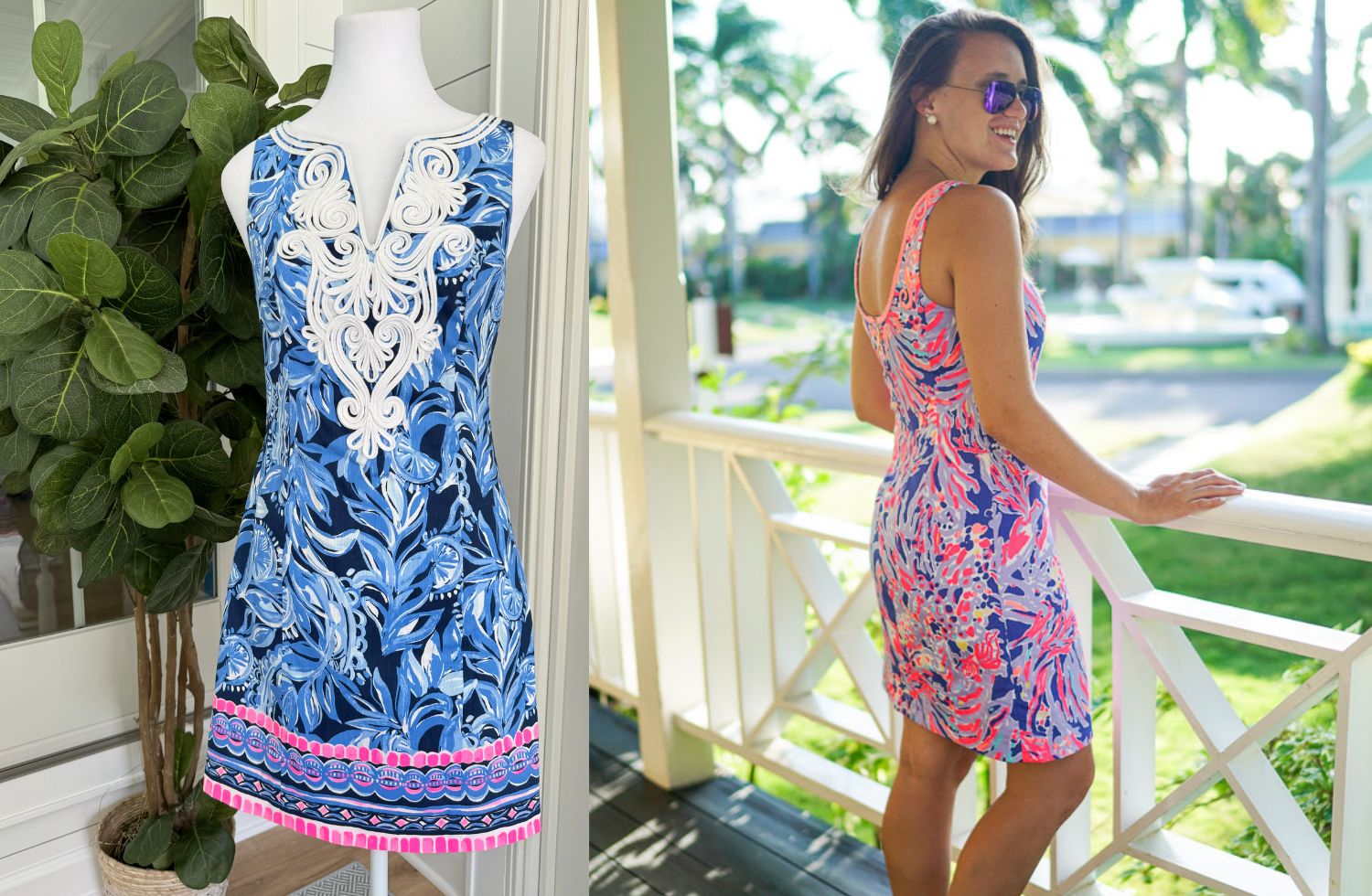
The Lilly Pulitzer dress has long symbolized effortless elegance, vibrant color, and resort-inspired sophistication. Known for bold prints, lightweight fabrics, and flattering silhouettes, this iconic fashion staple traces its roots back to the sunny shores of Palm Beach, Florida, in the late 1950s. What began as a practical solution to hide juice stains soon evolved into a globally recognized brand synonymous with luxury leisurewear.
Today, the Lilly Pulitzer dress remains a favorite for weddings, brunches, vacations, and everyday chic dressing. This comprehensive guide explores the history, signature features, popular styles, styling tips, sizing advice, pricing, and modern trends—helping you understand why this timeless piece continues to captivate fashion enthusiasts.
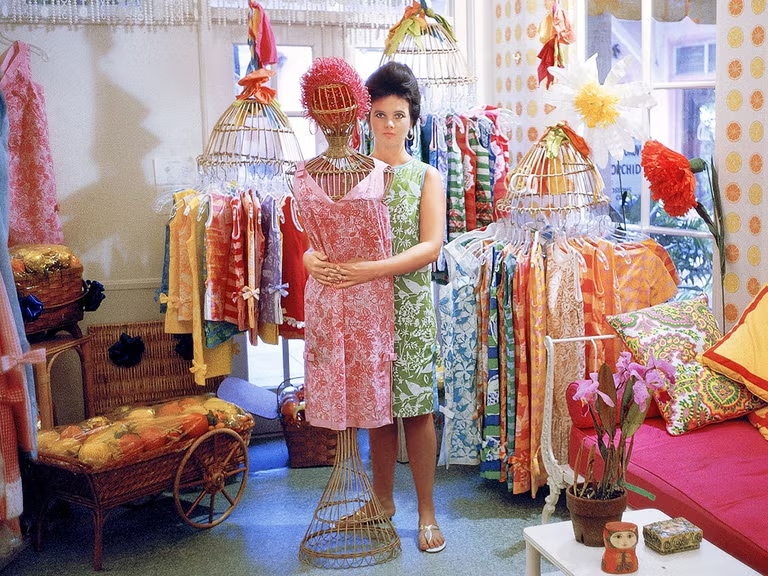
The History Behind the Lilly Pulitzer Dress
The story of the Lilly Pulitzer dress begins with Lilly Pulitzer Rousseau, a New York socialite who moved to Palm Beach in the 1950s. In 1959, she opened a juice stand and needed a practical outfit to conceal citrus stains. She asked her dressmaker to create colorful shift dresses in bright prints that disguised spills.
The vibrant design quickly gained popularity among customers, including high-profile figures such as Jackie Kennedy. By the early 1960s, the brand had expanded nationwide. The Lilly Pulitzer dress became a cultural symbol of preppy American style, blending practicality with unmistakable flair.
Signature Features of a Lilly Pulitzer Dress
One defining trait of a Lilly Pulitzer dress is its bold, hand-drawn prints. The brand’s artistic patterns often include florals, animals, tropical motifs, and hidden design elements. Each print tells a story, reflecting coastal and resort influences.
In addition to prints, these dresses typically feature lightweight fabrics like cotton, linen, or stretch blends. Bright pinks, greens, yellows, and blues dominate the palette, reinforcing the brand’s vibrant identity. Comfortable silhouettes, clean lines, and easy tailoring further define the look, making the dress both stylish and wearable.
Why the Lilly Pulitzer Dress Became a Fashion Icon
The rise of the Lilly Pulitzer dress coincided with America’s fascination with leisure and resort culture during the 1960s. As women embraced brighter, more playful fashion, the brand stood out for its unapologetic color choices.
Its association with Palm Beach society and affluent vacation lifestyles cemented its iconic status. Over time, the dress evolved while maintaining its signature aesthetic. Even today, it embodies a sense of optimism and carefree elegance that transcends seasonal trends.
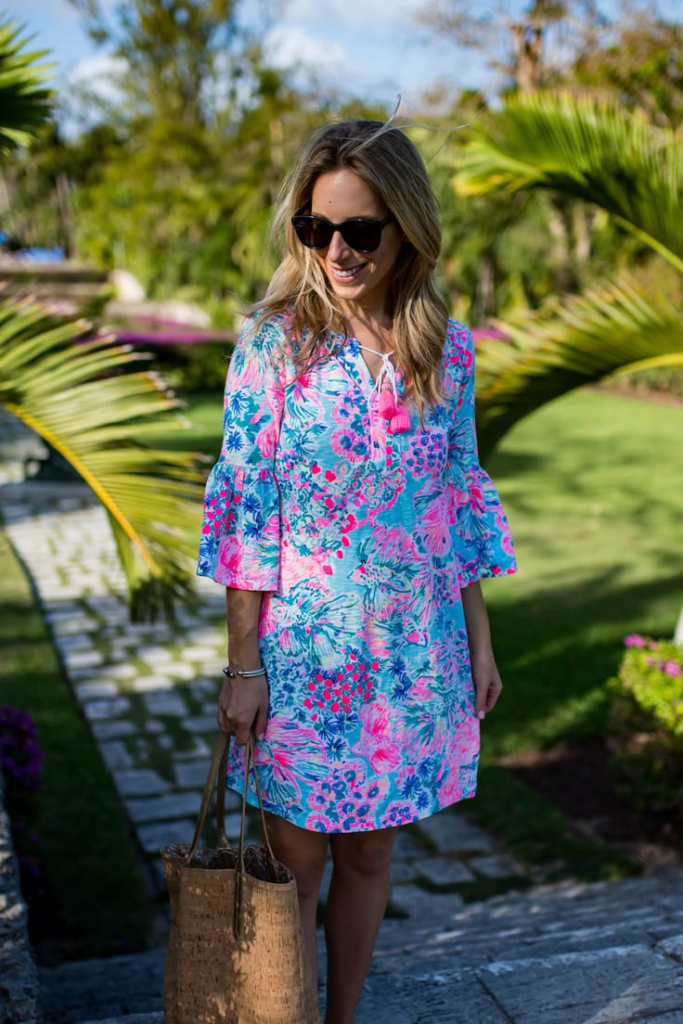
Popular Styles of the Lilly Pulitzer Dress
Shift Dresses
The original shift silhouette remains one of the most recognizable Lilly Pulitzer dress styles. Characterized by a straight cut and minimal tailoring, shift dresses provide comfort and versatility. They are ideal for warm weather and daytime events.
Maxi Dresses
For more formal occasions, maxi versions offer flowing elegance. These longer designs often incorporate dramatic prints and lightweight fabrics, perfect for beach weddings or summer soirées.
Fit-and-Flare Designs
The fit-and-flare Lilly Pulitzer dress offers a more defined waist and feminine shape. This style is flattering for various body types and works well for semi-formal gatherings.
Fabrics Used in Lilly Pulitzer Dresses
The brand prioritizes breathable materials suited for warm climates. Cotton sateen, cotton poplin, and linen blends are common choices. Some modern collections incorporate stretch fabrics for added comfort.
Quality craftsmanship ensures durability despite the lightweight feel. Many customers appreciate that a Lilly Pulitzer dress maintains its structure and vibrancy even after multiple washes, making it a worthwhile wardrobe investment.
Seasonal Collections and Limited Editions
Each year, the brand releases seasonal collections featuring exclusive prints. Spring and summer launches often showcase tropical florals and pastel palettes, while resort collections highlight bold contrasts.
Limited-edition collaborations also generate excitement. These releases frequently sell out quickly, demonstrating the enduring popularity of the Lilly Pulitzer dress among loyal fans.
Styling a Lilly Pulitzer Dress for Different Occasions
A Lilly Pulitzer dress can transition seamlessly from casual to formal settings. For daytime outings, pair a shift dress with flat sandals and minimal jewelry.
For evening events, elevate the look with wedges, statement earrings, and a structured handbag. Adding a lightweight cardigan or blazer can provide sophistication without compromising the dress’s vibrant charm.
Lilly Pulitzer Dress for Weddings and Special Events
Many bridesmaids and guests choose a Lilly Pulitzer dress for destination weddings. The cheerful prints align beautifully with beach and garden venues.
When selecting a wedding-appropriate style, consider softer patterns or longer silhouettes. Accessories in neutral tones can balance the bold print while maintaining elegance.
Sizing and Fit Guide
The brand typically offers inclusive sizing, ranging from XXS to XXL, depending on the collection. Shift styles run straight through the body, while fit-and-flare options provide more shape.
Trying on different cuts helps determine the best fit. Online shoppers should consult the official size chart to ensure accurate measurements.
Price Range and Value
A Lilly Pulitzer dress generally ranges from $150 to $300, depending on style and fabric. While considered premium, many customers justify the cost through longevity and timeless appeal.
Seasonal sales and outlet stores may offer discounted options, making the brand more accessible.
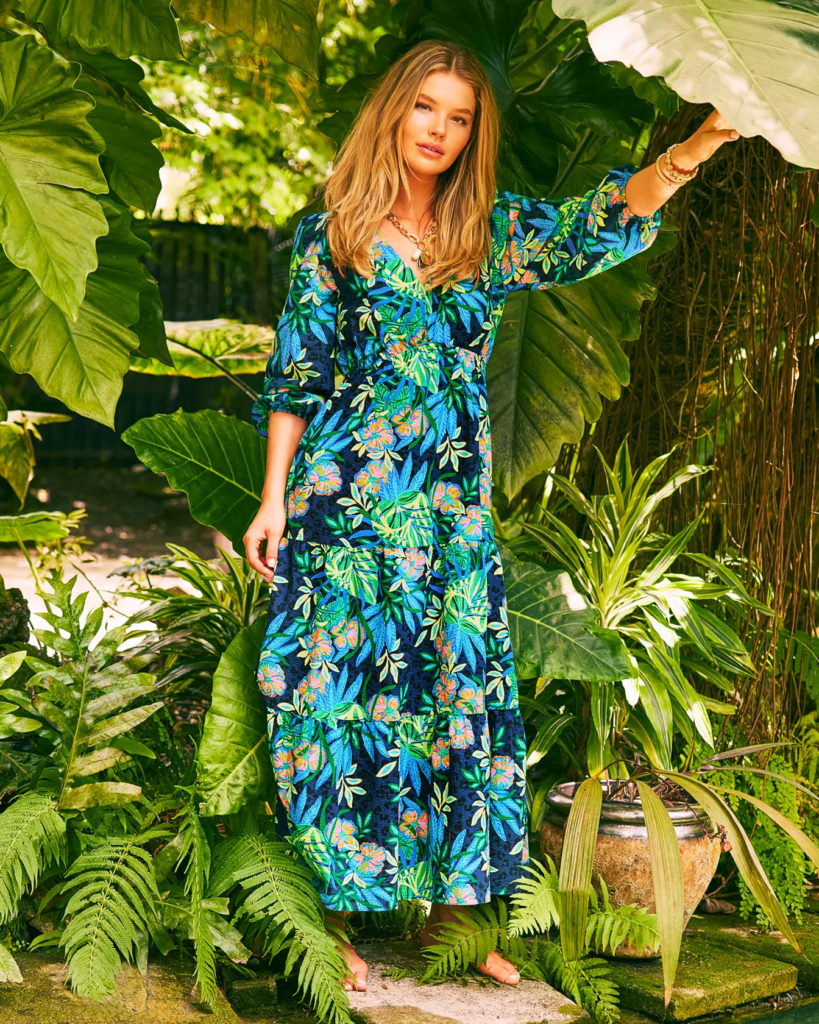
Caring for Your Lilly Pulitzer Dress
Proper care ensures longevity. Most cotton designs can be machine washed in cold water, but always check the label.
Avoid harsh detergents to preserve vibrant colors. Hanging to dry helps maintain shape and prevent shrinkage.
Sustainability and Ethical Practices
In recent years, the company has increased transparency around sustainability initiatives. Efforts include responsible sourcing and improved manufacturing standards.
While not fully sustainable, the brand continues to adopt eco-conscious measures within its supply chain.
Celebrity and Influencer Endorsements
From Jackie Kennedy to modern influencers, many public figures have embraced the Lilly Pulitzer dress. Social media has amplified its visibility, with fashion bloggers showcasing seasonal collections.
Celebrity endorsements reinforce its association with refined leisure style.
Lilly Pulitzer Dress vs. Other Resort Brands
Compared to brands like Vineyard Vines or Tory Burch, the Lilly Pulitzer dress stands out for its print-centric identity. While others may lean minimalist, this brand embraces maximalist color.
Its distinct aesthetic ensures instant recognition.
Where to Buy an Authentic Lilly Pulitzer Dress
Authentic designs are available through the official website, boutiques, and select department stores.
For the best experience, purchase directly from authorized retailers to avoid counterfeit products.
Online Shopping Tips
When buying online, review product descriptions carefully. Pay attention to fabric composition, length, and care instructions.
Reading customer reviews can provide insight into sizing accuracy and overall satisfaction.
The Role of Prints in Brand Identity
Each season’s prints are uniquely named and often contain hidden details. This creative storytelling differentiates the brand from competitors.
Fans frequently collect dresses based on favorite prints, creating a loyal customer base.
Why the Lilly Pulitzer Dress Remains Timeless
Fashion trends evolve, but vibrant resort wear maintains consistent appeal. The Lilly Pulitzer dress continues to symbolize optimism and sophistication.
Its adaptability across generations underscores enduring relevance.
Conclusion
The Lilly Pulitzer dress represents more than colorful fabric; it embodies a lifestyle rooted in sunshine, celebration, and confidence. From its humble beginnings in 1959 Palm Beach to global recognition today, the brand has maintained its vibrant identity.
Whether worn to a wedding, brunch, or tropical getaway, this iconic dress offers versatility and charm. Investing in one means embracing timeless design and joyful expression—qualities that ensure its lasting popularity.
Frequently Asked Questions (FAQs)
1. What is a Lilly Pulitzer dress known for?
It is known for bold prints, bright colors, and lightweight fabrics inspired by resort style.
2. How much does a Lilly Pulitzer dress cost?
Prices typically range from $150 to $300, depending on the style.
3. Are Lilly Pulitzer dresses true to size?
Most styles run true to size, but checking the size chart is recommended.
4. Can you wear a Lilly Pulitzer dress to a wedding?
Yes, especially for beach or garden weddings with vibrant themes.
5. How do you care for a Lilly Pulitzer dress?
Machine wash cold and air dry to maintain color and shape.
6. Where can I buy authentic designs?
Purchase from the official website or authorized retailers.


Why It’s Important For Businesses To Keep Their Developers Informed On The Latest Practices

How to Choose the Best Texture Paint in Singapore for Humid Climates

Cynthia Bailey Net Worth: A Complete Breakdown of the Model and Reality Star’s Fortune

Carolin Bacic: Life, Biography, Family, and Legacy

Christine Williamson: A Rising Star in Sports Journalism

Dame Esther Rantzen: Life, Career, and Legacy of a British Broadcasting Icon
-
 Celebrity6 months ago
Carolin Bacic: Life, Biography, Family, and Legacy
-
 Celebrity1 year ago
Christine Williamson: A Rising Star in Sports Journalism
-
 Celebrity1 month ago
Dame Esther Rantzen: Life, Career, and Legacy of a British Broadcasting Icon
-

 Celebrity5 months ago
Dani Daniels: A Complete Biography of the Artist, Media Personality, and Entrepreneur
-

 Celebrity1 year ago
Berniece Julien: A Comprehensive Biography2025
-

 Celebrity5 months ago
Juan Gabriel: The Legendary Life of El Divo de Juárez
-

 Celebrity5 months ago
Is Brenda Lee Still Alive? The Timeless Voice Behind “Rockin’ Around the Christmas Tree”
-

 Celebrity4 months ago
Eleonora Incardona: Biography, Career, Age, Boyfriend, Net Worth & Lifestyle (2025)