
Business
How Pre-Roll Packaging Shapes Cannabis Branding and Consumer Culture


The cannabis industry has matured beyond its countercultural roots into a sophisticated marketplace where presentation matters as much as product quality. Pre-roll packaging has emerged as a critical touchpoint between brands and consumers, influencing purchasing decisions and shaping perceptions in an increasingly crowded field. As legalization expands and competition intensifies, the humble pre-roll tube has evolved from a simple protective container into a canvas for brand storytelling, regulatory compliance, and environmental responsibility.
This transformation reflects broader shifts in consumer expectations. Today’s cannabis buyers—particularly in established markets—demand more than just effective products. They seek brands that align with their values, communicate transparently, and deliver experiences that feel premium rather than provisional. Packaging has become the primary vehicle for meeting these expectations.
Custom Packaging as Brand Architecture
In a dispensary lined with dozens of similar products, custom pre-roll packaging functions as a brand’s first and often only opportunity to make an impression. The most successful cannabis companies understand that packaging isn’t merely protective—it’s persuasive.
Effective custom packaging accomplishes several objectives simultaneously:
- Immediate Recognition: Distinctive design elements create visual shortcuts that help consumers locate preferred brands quickly, building the kind of automatic recognition that drives repeat purchases.
- Differentiation in Density: When shelf space features twenty similar products, unique structural design, color palettes, or finishing techniques provide crucial separation from competitors.
- Emotional Resonance: Thoughtful packaging design can evoke specific feelings—sophistication, playfulness, wellness, rebellion—that align with target demographics and create psychological connections beyond the transaction.
- Quality Signaling: Premium materials and attention to detail communicate product quality before consumers ever experience the cannabis itself, justifying higher price points and building trust.
Brands that invest in distinctive custom packaging see measurably higher customer retention rates. The packaging becomes inseparable from the product experience, creating brand equity that extends far beyond the pre-roll itself.
Pre-Roll Tubes Enter Lifestyle Culture
An unexpected development in cannabis packaging has been its crossover into broader lifestyle and fashion contexts. Pre-roll tubes—once purely functional—have become objects of aesthetic interest, appearing in contexts far removed from their original purpose.
This cultural migration manifests in several ways:
- Design-Forward Aesthetics: High-end cannabis brands have embraced minimalist design principles that wouldn’t look out of place in contemporary art galleries, with clean typography, sophisticated color theory, and premium materials that appeal to design-conscious consumers.
- Functional Repurposing: Consumers increasingly repurpose attractive pre-roll tubes as storage for jewelry, cosmetics, or other small valuables, extending the brand’s presence into daily life and creating ongoing exposure.
- Fashion Collaborations: Several notable partnerships between cannabis companies and streetwear brands have elevated pre-roll packaging to collectible status, with limited-edition designs commanding premium prices among enthusiasts.
- Social Currency: In cannabis-friendly social circles, distinctive packaging has become a form of cultural signaling, with certain brands conferring taste-maker status on those who display them.
This phenomenon reflects cannabis’s ongoing normalization and its integration into mainstream consumer culture, where packaging design carries social meaning beyond mere product protection.
The Critical Function of Labeling
While aesthetics drive consumer appeal, labeling serves the equally important function of regulatory compliance and consumer safety. Cannabis packaging operates under some of the most stringent labeling requirements in consumer products, varying significantly by jurisdiction.
Effective labels must balance multiple imperatives:
- Regulatory Compliance: Labels must include specific information mandated by state and local regulations, including THC/CBD content, testing results, health warnings, and batch tracking information.
- Consumer Information: Beyond legal requirements, effective labels provide strain information, terpene profiles, consumption guidance, and other details that help consumers make informed choices.
- Brand Expression: Within regulatory constraints, labels offer opportunities for brand personality through typography, color, iconography, and messaging tone.
- Shelf Impact: Labels must remain legible and attractive at typical viewing distances in retail environments, competing for attention among dozens of similar products.
The challenge lies in meeting extensive regulatory requirements without sacrificing visual appeal or brand identity. The most successful brands treat these constraints as creative challenges rather than limitations, developing labeling systems that satisfy compliance while maintaining aesthetic coherence.
Sustainability as Competitive Advantage
Environmental concerns have moved from niche consideration to mainstream expectation, particularly among younger cannabis consumers who increasingly factor sustainability into purchasing decisions. The cannabis industry’s packaging practices have drawn criticism for generating excessive waste, creating pressure for more responsible approaches.
Sustainable packaging strategies include:
- Material Innovation: Brands are exploring alternatives to traditional plastics, including hemp-based plastics, mushroom packaging, and other biodegradable materials that maintain product protection while reducing environmental impact.
- Recyclable Design: Mono-material packaging that can be easily recycled through existing municipal systems offers a practical middle ground between conventional and fully biodegradable options.
- Reduced Material Use: Right-sizing packaging to eliminate unnecessary material while maintaining protection and shelf presence reduces waste without compromising functionality.
- Refillable Systems: Some brands are experimenting with durable containers designed for refilling, though regulatory barriers currently limit widespread adoption of this approach.
Suppliers like Sana Packaging, Kush Supply Co., and Green Rush Packaging have each developed product lines addressing these material and design shifts as demand from cannabis brands continues to grow.
Sustainability claims require substantiation. Greenwashing—making misleading environmental claims—can damage brand credibility more severely than making no environmental claims at all. Transparency about materials, manufacturing processes, and end-of-life disposal options builds trust with increasingly sophisticated consumers.
The Rise of Hyper-Customization
As the cannabis market matures, brands are moving beyond standard packaging formats toward fully customized solutions that reflect specific brand identities and product positioning. Custom pre-roll tubes represent the leading edge of this trend, offering unprecedented opportunities for differentiation.
Customization extends across multiple dimensions:
- Structural Innovation: Brands are developing unique tube shapes, closure mechanisms, and form factors that provide functional benefits while creating distinctive shelf presence.
- Material Experimentation: Beyond standard plastics, custom tubes incorporate materials like aluminum, glass, bamboo, and composite materials that convey different brand values and appeal to specific consumer segments.
- Interactive Elements: Some brands integrate QR codes, NFC chips, or augmented reality triggers that connect physical packaging to digital experiences, providing product information, brand storytelling, or loyalty program integration.
- Limited Editions: Seasonal designs, artist collaborations, and special releases create collectibility and urgency, driving purchase decisions beyond simple product need.
The economics of custom packaging have improved significantly as manufacturing technologies advance and minimum order quantities decrease, making sophisticated customization accessible to smaller brands that previously couldn’t justify the investment.
Future Trajectories in Cannabis Packaging
Several emerging trends will likely shape pre-roll packaging evolution over the coming years, driven by technological advancement, regulatory changes, and shifting consumer expectations.
Key developments to watch include:
- Smart Packaging Integration: Technologies like freshness indicators, tamper-evident features, and digital authentication will become more common as counterfeiting concerns grow and consumers demand greater transparency about product provenance and condition.
- Personalization at Scale: Digital printing technologies will enable economically viable short runs, allowing brands to create personalized packaging for specific retailers, regions, or even individual consumers.
- Regulatory Harmonization: As more states legalize cannabis, pressure will build for standardized packaging requirements that reduce compliance complexity for multi-state operators while maintaining consumer protection.
- Circular Economy Models: Expect increased experimentation with take-back programs, deposit systems, and other approaches that keep packaging materials in productive use rather than sending them to landfills.
- Sensory Enhancement: Packaging that better preserves and presents cannabis aroma—a critical quality indicator—will become more sophisticated, potentially incorporating controlled-release mechanisms or specialized materials.
Why Packaging Strategy Matters
For cannabis brands, packaging represents far more than a regulatory requirement or protective necessity. It functions as a critical brand touchpoint, a differentiation mechanism, and increasingly, a statement of values that resonates with conscious consumers.
The strategic implications are clear:
- First Impressions Drive Trials: In a market where consumers often can’t examine products before purchase, packaging quality directly influences trial rates and initial brand perceptions.
- Consistency Builds Recognition: Coherent packaging systems across product lines create cumulative brand awareness that individual products cannot achieve in isolation.
- Values Alignment Drives Loyalty: Consumers increasingly choose brands whose packaging reflects their own values around sustainability, design, or social responsibility, creating emotional connections that transcend product attributes.
- Compliance Protects Market Access: Proper labeling and packaging compliance isn’t merely about avoiding penalties—it’s about maintaining the ability to operate in regulated markets where violations can result in product recalls or license suspension.
As the cannabis industry continues its transformation from gray market to legitimate consumer goods sector, packaging will remain a critical competitive battleground where brands either establish distinctive identities or fade into commodity status. The brands that recognize this reality and invest accordingly will shape the industry’s future.


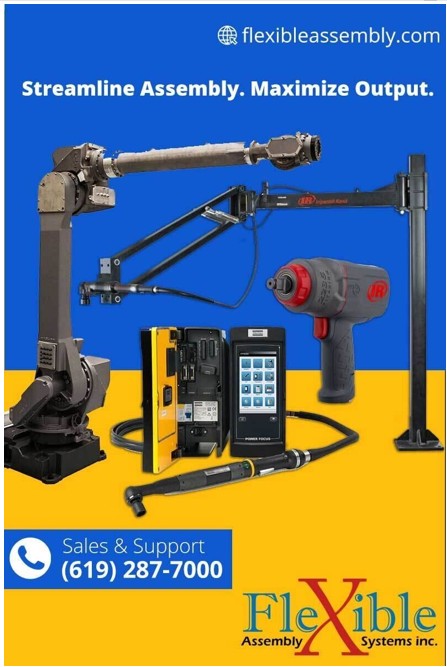
Factory floors are shifting dramatically. Manual labor simply cannot sustain the aggressive output quotas demanded by global supply chains. When operators perform repetitive physical fastening tasks for eight solid hours, they break down. Muscles fatigue, joints inflame, and the subsequent quality of your assembled product plummets. Plant managers must bridge the massive gap between human limitations and industrial automation requirements. Let us explore the precise mechanical solutions that protect your workforce while simultaneously accelerating your production lines.
The Physical Cost of Repetitive Strain
Look at a standard manual assembly station right now. Your technician grips a heavy pneumatic tool, braces their body against the sudden rotational kickback, and drives a fastener. They repeat this exact kinetic motion thousands of times per shift. This structural vibration travels directly up their arm and into their shoulder joint.
Over prolonged periods, this continuous micro-trauma causes severe musculoskeletal disorders (MSDs). Tendonitis and carpal tunnel syndrome rip through your veteran workforce.
- Medical leave skyrockets unexpectedly.
- Workers compensation claims drain facility budgets.
- New, inexperienced operators slow the line down entirely.
- Scrap rates explode due to inconsistent manual force application.
You cannot just ask your team to “power through” physical pain. You need to deploy structural mechanical interventions immediately.
Neutralizing Kinetic Energy Transfers
When a high-powered driver reaches its programmed torque limit, it stops violently. That massive kinetic energy does not simply disappear; it transfers directly into the operator’s hands. To combat this physical threat, engineers developed rigid support structures that absorb the shock entirely.
By installing articulated Torque Arms directly to the workbench, you eliminate the rotational kickback completely. The heavy metal joints of the arm absorb the violent twist, not the delicate human wrist. The tool literally floats in mid-air on a pneumatic balancer, removing the heavy dead weight from the operator’s grip. The technician simply guides the suspended tool into the correct geometric position with zero physical strain.
Fluid Motion and Spatial Tracking
Modern suspension systems do far more than just hold heavy tools. Advanced carbon fiber arms move with incredibly fluid, omnidirectional precision. The operator experiences zero resistance as they glide the suspended driver across the physical workpiece.
Furthermore, smart arms integrate directly with the central production console through positional encoders. The system knows exactly where the tool tip is located in three-dimensional physical space at all times.
- The control unit locks the driver motor if the operator targets the wrong sequence hole.
- The system tracks the exact angle of attack to prevent cross-threading.
- The arm will not release the workpiece until the entire programmed fastening sequence is successfully completed.
This physical Poka-Yoke (mistake-proofing) guarantees absolute consistency. You literally prevent the human from making a sequential error.
Eliminating Manual Hardware Handling
Think about the wasted physical motion involved in grabbing a single tiny screw. The technician reaches into a plastic bin, fumbles to orient the sharp metal threads correctly, carefully aligns it with the driver bit, and only then begins the actual fastening cycle. This repetitive sorting process consumes a massive percentage of your total cycle time. It also forces the operator to break their visual focus constantly.
To eliminate this gross inefficiency, facilities integrate automated Screw Feeders into the high-volume stations. An internal vibrating hopper automatically sorts the physical fasteners perfectly. A precise internal rail mechanism lines the screws up sequentially and delivers them directly to the pickup point.
Seamless Delivery Mechanisms
Automated delivery systems operate in two primary distinct configurations based on your specific production speed requirements.
The first method utilizes a simple presentation rail. The machine aligns the screw perfectly, and the operator physically presses the magnetized driver bit down onto the waiting screw head. The machine then instantly advances the next fastener into position.
The second, far more aggressive method involves pneumatic blow-feed tubes. By connecting a flexible plastic hose directly to the tool head, the system shoots the fastener straight into the driver jaws.
- The operator never touches the raw hardware.
- The screw arrives exactly when the previous cycle finishes.
- Foreign object debris (FOD) from dropped screws drops to zero.
- Cycle times compress dramatically, increasing massive daily throughput.
This is true hybrid automation. The human provides the complex visual confirmation, while the machine handles the repetitive physical delivery and force application.
Aligning Workstation Geometry
You cannot simply bolt these new mechanical systems onto an old, poorly designed workbench. True ergonomic improvement requires a holistic redesign of the physical workspace geometry. If the presentation hopper sits too far away, the operator will overextend their shoulder thousands of times a day to reach it.
Adjustable height tables are absolutely mandatory. A tall technician and a short technician cannot operate efficiently at the exact same fixed table height. The neutral strike zone—the physical area directly in front of the operator where their arms rest naturally at a 90-degree angle—must contain all primary actions. Keep the suspended driver, the delivery tube, and the interface console locked strictly within this primary ergonomic zone.
The Intersection of Data and Comfort
When you deploy suspended smart arms and automated feed lines, you inherently digitize your physical process. Because the operator is no longer fighting the tool, their cycle times stabilize completely. You can now pull highly accurate performance data from the central control unit.
For instance, if you notice the average cycle time on Station B suddenly spiking by three seconds, you know exactly where to look. It is rarely a human error anymore. You will likely find a slightly jammed delivery rail or a worn driver bit. The combination of physical ergonomic support and digital tracking allows you to manage the machine, rather than constantly micromanaging the exhausted human.
Calculating the True Return on Investment
Financial controllers often balk at the initial capital expenditure attached to carbon-fiber suspension arms and blow-feed delivery hoppers. They only look at the raw hardware invoice. You must present the comprehensive financial picture to justify the heavy upgrade.
Calculate the hard costs of your current inefficient setup. Factor in the wasted seconds per cycle spent physically sorting screws. Add the aggressive cost of scrapped components due to stripped threads from tired, cross-angle tool approaches. Finally, analyze the massive financial hit of a single medical worker’s compensation claim due to acute tendonitis. When you combine scrap reduction, speed increases, and medical risk mitigation, these ergonomic automation tools typically pay for themselves entirely within the first two fiscal quarters.
Adapting to Shifting Supply Chain Demands
Manufacturing agility requires flexible hardware. When your product design team suddenly changes a massive structural component, your assembly line must adapt instantly. Rigid, fully automated robotic cells take weeks to reprogram and retool.
Hybrid ergonomic stations offer supreme flexibility. You simply swap the internal rail on the delivery hopper to accommodate a different screw size. You adjust the programmatic sequence on the smart arm console for the new physical bolt pattern. The human operator adapts intuitively to the new geometric layout. This agile setup allows you to pivot production lines in hours, not weeks, keeping you incredibly competitive.
Why Choose Flexible Assembly Systems?
You need an integration partner capable of analyzing the complex physical realities of your specific production floor. We do not just sell components; we architect comprehensive ergonomic solutions. Our technical staff observes your active manual processes to identify the exact sources of kinetic strain and time loss.
We supply the most robust, factory-tested suspension systems and automated delivery mechanisms available on the market today. We ensure that every piece of hardware communicates flawlessly with your existing digital control infrastructure. When you need precision calibration or rapid replacement parts, our extensive internal inventory guarantees your lines stay moving. Partner with us to protect your skilled technicians while simultaneously driving your production metrics to absolute maximum capacity.
Business
Electric Scooter Rain Riding Guide. The Wet Weather Checklist Most Riders Skip and What IPX5 Really Means


Rain does not have to cancel your ride, but it does change what is safe. Wet pavement cuts grip. Painted lines get slick. Your stopping distance can grow quicker than you expect. So you need a simple routine that protects your scooter, your battery, and you.
If you want a deeper breakdown with extra riding tips, check this guide on Riding an Electric Scooter in the Rain. Then use the checklist below before every wet ride, even if it only looks like a light drizzle.
Decide if you should ride at all
Ask yourself one thing. Is this ride worth the risk right now. If you see standing water, flooding, or lightning, do not ride. Water can hide potholes and curbs, and a scooter can slide or cut out without much warning.
If you still need to go, plan a slower trip. Give yourself more time. You will brake earlier, corner wider, and skip risky shortcuts.
What IPX5 really means on an electric scooter
You will often see an IP rating on scooter listings. Common labels include IPX5, IP54, and IP55. These ratings come from the IEC 60529 standard, and they describe how well an enclosure resists dust and water under specific test conditions.
Here is IPX5 in plain language:
- The “X” means the label does not include a dust rating.
- The “5” means the enclosure resisted water jets from different directions in the IPX5 test.
- IPX5 does not mean waterproof. It does not mean you can ride through deep puddles, blast the scooter with a strong washer, or leave it out in heavy rain for long periods.
- IPX5 also does not mean the scooter can handle being submerged. That is a different test level.
So treat IPX5 as rain resistant, not rain proof. You still protect the charging port, avoid deep water, and dry the scooter after every wet ride.
The wet weather checklist most riders skip
This is the part many riders ignore because they feel rushed. It only takes a few minutes, and it prevents a lot of the common wet ride problems.
Before you ride
Wet scooter checklist:
- Check tire tread and sidewalls. If the tire looks worn or cracked, do not trust it in rain.
- Confirm tire pressure sits in the maker’s recommended range. Low pressure can feel softer, but it can also wander in corners.
- Test both brakes at walking speed. You want a firm lever and a steady bite.
- Wipe the deck and grips. A wet deck can surprise you at the first bump.
- Turn on your lights. Check the headlight, tail light, and brake light if you have one.
- Seal the charging port cover. Clean any grit so it closes flat and tight.
- Tighten accessories. Phone mounts and bags can shift when everything is wet.
Rider gear checklist:
- Wear shoes with real tread. Smooth soles slide on wet tiles and crosswalk paint.
- Wear full finger gloves. Wet grips reduce control, and cold hands slow reaction time.
- Wear eye protection. Rain and road spray can sting and blur your view.
- Use a jacket that blocks water and wind. Staying warm keeps you sharper.
How to ride on wet roads without scary surprises
Wet roads punish sudden moves. You do not need fancy tricks. You need smooth control and a calm pace.
Ride control checklist:
- Reduce speed early, then keep it steady.
- Brake sooner and brake gently. Use both brakes if your scooter has them.
- Keep turns wide. Lean less. Turn the bars smoothly and keep your body stable.
- Avoid slick surfaces. Stay off metal plates, manhole covers, wet leaves, and painted lane markings when you can.
- Treat puddles like unknown terrain. Even shallow water can hide holes and curbs.
- Leave more space around cars and bikes. Assume drivers do not see you, especially in spray.
A simple rule helps. If you would not jog across that surface in normal shoes, do not roll a scooter over it at speed.
Tires and traction. Small things that matter a lot
Your tires are the only thing touching the ground. In rain, that contact patch decides almost everything.
If your scooter allows it, think about tire type:
- Pneumatic tires often feel better on rough wet roads because they absorb bumps, but they need pressure checks.
- Solid tires can handle puncture risk, but they can feel harsher and may slip easier on some wet surfaces.
- Deeper tread usually sheds water better than a near smooth tire.
A few easy upgrades can also help:
- Add grippy deck tape if your deck feels slick when wet.
- Use proper fenders. Less spray means drier shoes and a safer stance.
- Keep brakes tuned. A smooth, predictable brake is safer than a stronger brake that grabs or rubs.
Battery and electronics. Reduce risk with better habits
Water and electronics do not mix well, even on water resistant scooters. Water can creep in through ports, seams, and cable exits.
Good habits reduce risk:
- Do not wash the scooter with a pressure washer.
- Do not aim strong water jets at the stem base, deck seams, motor hubs, or display.
- Avoid water you cannot judge. Depth changes fast near drains and potholes.
- Store the scooter indoors after a wet ride.
- Keep the charger and outlet dry.
If your scooter acts strange after rain, stop riding. Power it off, dry the outside, and follow the maker’s support steps. If you see moisture near the charging port, do not plug it in.
After the ride. Where most damage really starts
A lot of water damage happens after the ride, when moisture sits in seams and around connectors. This is the unglamorous part, but it matters.
Post ride checklist:
- Turn the scooter off.
- Dry the frame, deck, stem, and controls with a soft cloth.
- Dry around the charging port and any rubber seals.
- Let the scooter air out indoors at room temperature.
- Wait before charging. Do not rush it, especially if the ride was heavy rain.
- Test brakes again on your next start. Wet pads can squeal or feel weak until they dry.
- Clean off grit and road spray. That mix can speed up wear and corrosion.
Pick safer routes when the weather turns
Rain changes which streets feel safe. A route that works in dry weather can feel sketchy when it is wet.
Route tips:
- Choose smooth roads with good drainage.
- Avoid steep descents where you must brake hard.
- Avoid high speed lanes where splash and wind gusts hit you.
- Watch bike lanes for puddles, sand, and leaves.
- Reduce night riding in rain if street lighting is poor.
The mistakes that cause most slips and headaches
These show up again and again:
- Riding at dry road speed in wet conditions.
- Braking late, then braking hard.
- Turning on wet paint, polished stone, or metal plates.
- Ignoring tire wear.
- Charging too soon after a wet ride.
- Assuming IPX5 means waterproof.
A quick rain ride routine you can repeat
If you want a simple pattern that works, use this every time:
- Slow down, then stay smooth.
- Brake early, then brake gently.
- Avoid puddles, then avoid shiny surfaces.
- Dry the scooter, then wait before charging.


When the packaging is faulty, new beauty brands fail at an alarming rate. There is a bad box which kills sales before even the cream is tried. The main packaging errors that new beauty brands do cost thousands of dollars in returns and negative reviews. These mistakes are corrected by smart startups.
Good boxes generate confidence and re-orders. The guide presents the possibility to prevent cosmetic packaging mistakes using easy solutions. Kwick Packaging assists smaller brands in finding the right way on the first day.
Choosing Cheap Materials That Feel Flimsy
The most common product packaging errors in the beauty industry begin with a thin cardboard. Customers grab light boxes and consider it a cheap item. Mistakes in packaging designs that cause harm to sales of cosmetics occur when the boards are 300gsm and when they give in to pressure of fingers.
The best practices to avoid failures in beauty packaging: Minimum chipboard rigid 800gsm. It is heavy at the price of 40 and above. Test boxes by dropping at waist height – no dents quality. Kwick packaging launches new beauty brands in 500 unit cream packaging boxes. Premium prices are immediately justified by heavy boxes.
Skipping Custom Inserts for Product Protection
Goods are transported loose in empty boxes. Lipsticks break. Shipping is the leakage of serums. Errors in cosmetic boxes which influence the branding are: lack of foam cradles or cardboard partitions. Prevention of the error during cosmetic packaging: Design inserts that correspond to the exact shape of a bottle.
EPE foam cushions the glass jars. Cardboard remains environmentally friendly and inexpensive. Mistakes in packing small beauty brand products can be avoided by testing inserts initially. Kwick has the advantage of free layout templates, which guarantee no-harm claims.
Overloading Boxes with Too Much Branding
Flashy boxes do not appeal to the shoppers, but blind them. Major packaging errors that new beauty brands commit are to cover every surface with conflicting graphics. Foil all about looks desperate.
Best practices to avoid a failure in the packaging of beauty: Wise use of negative space. One bold logo. Clean matte backgrounds. Allow the product to light through die-cut windows. Kwick Packaging has balance between branding and elegance. 68% cleaner designs boost impulse purchases 23% per client trials.
Ignoring Unboxing Experience Details
Customers record all the moments. Failures in typical product packaging in the beauty industry include forgetting to use tissue paper, thank-you notes or scent matching. The cosmetic sales are damaged by packaging design errors that bypass magnetic closures clicking pleasurably. Buyers listen to inexpensive tape rip and shudder.
How to prevent cosmetic package mistakes: Layer shows – outer sleeve falls off leaving inner tray. Perfumed flakes sample perfume. Customized cards are quick to create loyalty. Companies also incorporate these details that increase shares of Tik Tok by 41 percent among new beauty customers.
Partner with Experts from Day One
Boxes that are oversized have twice as much transportation costs. Crush during transit which is undersized. Errors in cosmetic boxes that impact on branding select the sizes of products without considering their dimensions.
Do not make packaging mistakes when working with small beauty brands: Measure tallest item + 1/2 inch clearance. Tall serums need depth. Flat palettes need width. Most effective practices to avoid failure of beauty packaging: Right-size: 35% shipping. The sizing calculator by Kwick eliminates embarrassing errors at a high cost.
Poor Finishing Choices That Look Amateur
Everywhere there are glossy boxes with fingerprints. Scratches of the matte when handled. Top packaging errors made by new beauty brands choices of finishes do not correspond to the brand vibe. Typical product packaging errors in the beauty business are mixing spot UV with total gloss that produces appearance havoc.
How not to make cosmetic packaging mistakes: Luxury soft-touch matte. Drugstore selects gloss pop. Nor floods upon logos foil stamping.
Kwick Packaging identifies the brand positioning with its finishes. The shelf impact of clients improves by 29 percent immediately.
Forgetting Sustainability for Modern Shoppers
Packaging with lots of plastic kills trust in the present days. Mistakes in packaging designing which impairs cosmetic sales do not take into account recyclable boards and the minimum amount of ink.
Recommended packaging practices to avoid failure of the packaging of the beauty products: FSC-certified chipboard. Water-based adhesives. Less printing saves on wastage.
Packaging mistakes should be avoided when dealing with small beauty brands: 73% of millennials decide to review sustainability prior to purchase. The eco-rigid boxes by Kwick meet the clean beauty requests profitably.
Prototyping and Testing
Design is ideal on the screen. Reality hits differently. The errors in cosmetic boxes that influence branding do not even rely on physical prototypes.
How to prevent packaging errors in cosmetics: Get 3-5 samples first. Test drop, stack, shake. Less than 5,000 unit client approval. Kwick Packaging prototype within 7 days. New beauty brands do not go through errors of packaging.
Collaborate with Experts at the Beginning
Best examples of packaging errors new beauty companies can make are time and money down the drain. Errors in product packaging commonly used in the beauty industry kill momentum prior to the product being launched. Kwick Packaging mentors startups through all decisions to make sure the boxes sell products, and not excuses.
The best practices of avoiding failures of beauty packaging begin with experienced partners. Brands that are decades long are created by rigid boxes. Skip mistakes. Launch strong. Sell out fast.


Rachel Lindsay Net Worth in 2026: Career Earnings, Media Ventures, and Financial Growth

Daniel Neeson: Biography, Career, Family Background, and Entrepreneurial Journey

Darin Brooks: A Complete Biography of the Award-Winning Soap Opera Star

Carolin Bacic: Life, Biography, Family, and Legacy

Christine Williamson: A Rising Star in Sports Journalism

Dame Esther Rantzen: Life, Career, and Legacy of a British Broadcasting Icon
-
 Celebrity6 months ago
Carolin Bacic: Life, Biography, Family, and Legacy
-
 Celebrity1 year ago
Christine Williamson: A Rising Star in Sports Journalism
-
 Celebrity1 month ago
Dame Esther Rantzen: Life, Career, and Legacy of a British Broadcasting Icon
-

 Celebrity5 months ago
Dani Daniels: A Complete Biography of the Artist, Media Personality, and Entrepreneur
-

 Celebrity1 year ago
Berniece Julien: A Comprehensive Biography2025
-

 Celebrity5 months ago
Juan Gabriel: The Legendary Life of El Divo de Juárez
-

 Celebrity5 months ago
Is Brenda Lee Still Alive? The Timeless Voice Behind “Rockin’ Around the Christmas Tree”
-

 Celebrity4 months ago
Eleonora Incardona: Biography, Career, Age, Boyfriend, Net Worth & Lifestyle (2025)