
Health
Can Cosmetic Dentistry Fix Uneven Teeth?


Uneven teeth are a common concern for many people. Some teeth may appear longer, shorter, crooked, crowded, or slightly out of line. While uneven teeth are often seen as a cosmetic issue, they can sometimes make brushing and flossing more difficult. They may also affect how a person feels about their smile.
Cosmetic dentistry offers several options that may help improve the appearance of uneven teeth. The right treatment depends on the cause of the problem, the condition of the teeth, and the individual’s goals. Some treatments focus on changing the shape of teeth, while others work by gradually moving them into a better position.
Many patients considering cosmetic dental treatment want to know whether cosmetic procedures can help create a more balanced smile. In many cases, they can, but the most suitable approach varies from person to person.
What Causes Uneven Teeth?
Before looking at treatment options, it is important to understand why teeth become uneven. Identifying the cause helps determine which treatment may be most appropriate.
Common Reasons for Uneven Teeth
Uneven teeth can develop for several reasons. Genetics is one of the most common factors. Some people naturally have teeth that vary in size, shape, or position. Others may experience crowding when there is not enough space in the jaw for all teeth to align properly.
Childhood habits such as thumb sucking can also affect tooth alignment. Over time, teeth may become uneven because of grinding, clenching, or normal wear.
Injuries may change the position of a tooth, while missing teeth can allow surrounding teeth to shift into empty spaces. Because the causes vary so much, treatment plans often differ from one patient to another.
Why Treatment Starts With an Assessment
Not all uneven teeth require the same solution. A small chip on one tooth is very different from a case involving crowding or bite concerns.
A dental assessment helps identify the cause of the uneven appearance and evaluates the health of the teeth and gums. This information allows a dental professional to discuss suitable treatment options and explain what may realistically be achieved.
An assessment is important because some cases may require restorative or orthodontic treatment in addition to cosmetic procedures.
How Cosmetic Dentistry Can Help
Cosmetic dentistry includes several treatments that may improve the appearance of uneven teeth. The most suitable option depends on the severity and cause of the concern.
Dental Bonding
Dental bonding involves applying a tooth-coloured resin material to the surface of a tooth. The material is carefully shaped and polished to blend with surrounding teeth.
Bonding may help improve the appearance of small chips, minor gaps, uneven edges, or slight differences in tooth shape. Because it usually involves minimal changes to the natural tooth structure, it is often considered for mild cosmetic concerns.
While bonding can improve appearance, suitability depends on factors such as tooth condition and treatment goals.
Veneers
Veneers are thin coverings that are attached to the front surface of teeth. They are commonly used to improve the appearance of teeth that have irregular shapes, minor alignment concerns, or visible imperfections.
For some people, veneers may create a more even and consistent appearance across the smile. However, they are not suitable for everyone. A professional examination is necessary to determine whether veneers are an appropriate option.
Clear Aligners
When uneven teeth are caused by mild to moderate alignment issues, clear aligners may be recommended. These custom-made trays gradually move teeth into different positions over time.
Many patients prefer aligners because they are removable and less noticeable than traditional braces. Treatment times vary depending on the amount of tooth movement required. Some cases may take several months, while others may require a longer period.
Unlike veneers or bonding, aligners address the position of the teeth rather than changing their shape.
Crowns and Tooth Reshaping
Dental crowns may be used when a tooth is worn down, damaged, or significantly different in shape from surrounding teeth. A crown covers the visible portion of the tooth and may improve its appearance.
In some situations, tooth reshaping may also be considered. This procedure involves carefully removing a small amount of enamel to improve symmetry and balance. Because enamel does not grow back, reshaping is only suitable for selected cases and should be recommended by a dental professional.
Which Treatment Is Right for You?
There is no single treatment that works for every person. The best option depends on the cause of the unevenness and the condition of the teeth.
Mild Unevenness
Minor cosmetic concerns, such as small chips or slightly uneven edges, may sometimes be improved with bonding or minor reshaping. These treatments focus on refining the appearance of individual teeth while preserving as much natural tooth structure as possible.
Moderate Unevenness
Moderate unevenness may involve noticeable differences in tooth shape, spacing, or alignment. In these situations, veneers, clear aligners, or a combination of treatments may be considered.
The goal is often to improve balance and symmetry while supporting long-term oral health.
More Complex Cases
More complex situations may involve significant crowding, bite issues, missing teeth, or extensive wear. In these cases, treatment may require a broader approach that combines cosmetic procedures with orthodontic or restorative care.
A comprehensive examination helps determine which options may be suitable and what outcomes can reasonably be expected.
Benefits of Treating Uneven Teeth
Many people seek treatment because they would like to improve the appearance of their smile. Depending on the situation, there may be additional benefits as well.
Appearance
One of the most common reasons for cosmetic treatment is to create a more balanced and harmonious smile. Procedures may improve concerns related to tooth shape, size, spacing, or alignment.
A more even smile can contribute to greater satisfaction with appearance, although results vary between individuals.
Comfort and Oral Hygiene
In some cases, straighter or more evenly positioned teeth may be easier to clean. Where teeth are better positioned, brushing and flossing may be more manageable for some patients.
It is important to remember that cosmetic treatment does not replace regular dental care. Brushing, flossing, and routine dental visits remain essential.
Confidence
Many people feel more at ease when they are satisfied with the appearance of their teeth. Individual experiences following treatment vary from person to person.
Confidence is a personal experience, and the effect of treatment differs from one individual to another.
Things to Consider Before Treatment
Before choosing cosmetic treatment, it is important to understand the factors that may influence the process.
Cost
Treatment costs vary depending on the procedure and the complexity of the case. Some options require fewer appointments, while others involve a longer treatment process.
A consultation can help patients understand the expected costs and available treatment options.
Treatment Time
Different procedures require different timelines. Bonding may sometimes be completed in a single visit, while veneers and aligner treatment generally involve multiple appointments.
The total treatment time depends on individual circumstances and goals.
Long-Term Care
Cosmetic dental work requires ongoing maintenance. Good oral hygiene habits help support the appearance and condition of treated teeth over time.
Patients are generally encouraged to brush twice daily, floss regularly, attend routine dental check-ups, and avoid habits that may damage their teeth.
What to Expect During a Consultation
A cosmetic dental consultation usually begins with a discussion about the patient’s concerns and goals. The dentist will examine the teeth, gums, and bite to better understand the situation.
Photographs, scans, or other records may be taken to help assess the smile and discuss possible treatment options. The consultation also provides an opportunity to ask questions about treatment timelines, maintenance requirements, and expected outcomes.
Many people researching cosmetic dentistry sydney providers start with a consultation because it helps them understand which treatment options may be suitable for their needs.
Since every smile is different, recommendations are based on individual circumstances rather than a one-size-fits-all approach.
Conclusion
Cosmetic dentistry can help improve the appearance of uneven teeth through treatments such as bonding, veneers, clear aligners, crowns, and tooth reshaping.
The most suitable option depends on the cause of the unevenness, the condition of the teeth, and the goals of the patient. A professional assessment is an important step in understanding available treatment options and making informed decisions about dental care.
With appropriate guidance, patients can explore solutions that may help create a more balanced smile while supporting long-term oral health.



Planning Home Support for an Ageing Parent: Where to Begin
Many older adults would prefer to remain in their own homes rather than move somewhere new. For adult children, whether they live nearby or far away, that preference raises practical questions. How much help is enough? Who should provide it? And how do you raise the subject without causing offence?
There is rarely a single right answer, and decisions do not need to be rushed. A calm approach starts with your parent’s wishes, pays attention to changing needs and adds support gradually. Here is where to begin.
Parent’s Wishes: Starting With What They Actually Want
Before comparing services, sit down with your parents and ask what matters most to them. For some, that means keeping a familiar routine; for others, it means staying close to neighbours, a garden or a pet. Listen more than you advise. A parent who feels heard may be more open to accepting help than one who feels managed.
Be specific. Ask which tasks feel tiring or worrying, which they are happy to keep doing, and what kind of help they would find acceptable. Someone may be more comfortable discussing a few hours of company or help with meals than the idea of “care”. The words you choose can make the conversation easier.
For families exploring professional support, a provider that develops care plans around individual needs can be a useful starting point. Home Care Assistance Newcastle is one example, offering personalised in-home aged care in Newcastle, New South Wales, Australia. The locally owned, family-run service provides direct access to its care managers rather than routing enquiries through a call centre. Wherever your parents live, use the first conversation to explore options, and keep them involved in the final decision wherever possible.
Early Signs: Spotting When Extra Help May Be Needed
Needs can develop gradually rather than overnight. Small changes are easy to explain away, so look for patterns over time rather than drawing conclusions from a single difficult day.
Common early signs include:
- Unopened mail, missed bills or confusion about medication
- A fridge with little fresh food, or spoiled items left in place
- Unexplained bruises or new unsteadiness on stairs or in the bathroom
- A home that is noticeably less tidy than usual, or changes in personal grooming
- Withdrawal from friends and activities they previously enjoyed
None of these signs proves that a parent can no longer manage at home. Some may have straightforward explanations, such as poor eyesight or a short illness. Persistent changes warrant a discussion with their usual doctor; sudden confusion, unexplained injuries or abrupt changes in mobility deserve prompt medical attention.
Daily Needs: Matching Support to What Is Getting Harder
Once you understand what has become difficult, you can match help to particular needs rather than arranging more than necessary. Support at home generally falls into a few broad categories.
Practical help covers cleaning, laundry, shopping and meals. Personal care covers washing, dressing and moving around safely. Companionship, through outings or conversation, can help reduce loneliness and support emotional wellbeing. Specialist support may help people living with dementia or Parkinson’s disease, while nursing care may be needed for specific clinical needs. Short-term arrangements, such as respite for a family carer or help after a hospital stay, can bridge a difficult period without an immediate long-term commitment.
Start small where appropriate and adjust as needs change. A few hours of support each week can help reveal what is working and where more help is needed. Review arrangements every few months and after any significant change in health rather than treating the first plan as permanent.
Funding rules differ between countries and regions, so check what public support is available where your parents live before making assumptions about cost. Some providers also offer privately funded services, which may allow more flexibility.
Provider Questions: What to Ask Before You Commit
A reliable provider should be willing to answer detailed questions. Ask the same ones of each service so you can compare them fairly.
Find out who will visit and whether it will usually be the same person, since familiarity can make support more comfortable, particularly for someone experiencing memory difficulties. Ask who creates the care plan, how it is reviewed and who makes changes. Check how to contact the provider, including outside regular hours, and what happens if the usual worker is unavailable.
Costs deserve clear answers. Request a written breakdown of fees, including travel, cancellation or short-notice charges. Ask how complaints are handled, what staff training is provided, and whether workers have experience with your parent’s particular needs.
Family Carers: Sharing the Load So It Lasts
Arranging support can quietly become a second job, particularly for the family member who lives closest. Fatigue and resentment can build when one person carries most of the responsibility. Share tasks where possible: one person might handle paperwork, another arrange visits, and someone else manage bills or regular calls.
Respite is not a failure of loyalty. Taking a break or accepting outside help can make ongoing support more manageable. If caring responsibilities are affecting your wellbeing, speak with your doctor or a local carer support organisation.
Choosing Support That Grows With Your Parent
A workable plan begins with your parent’s wishes, responds to changes in their needs and adapts over time. Keep discussing what feels helpful, review arrangements regularly and make adjustments together. Planning ahead can leave more room for thoughtful decisions than waiting until a crisis forces them.

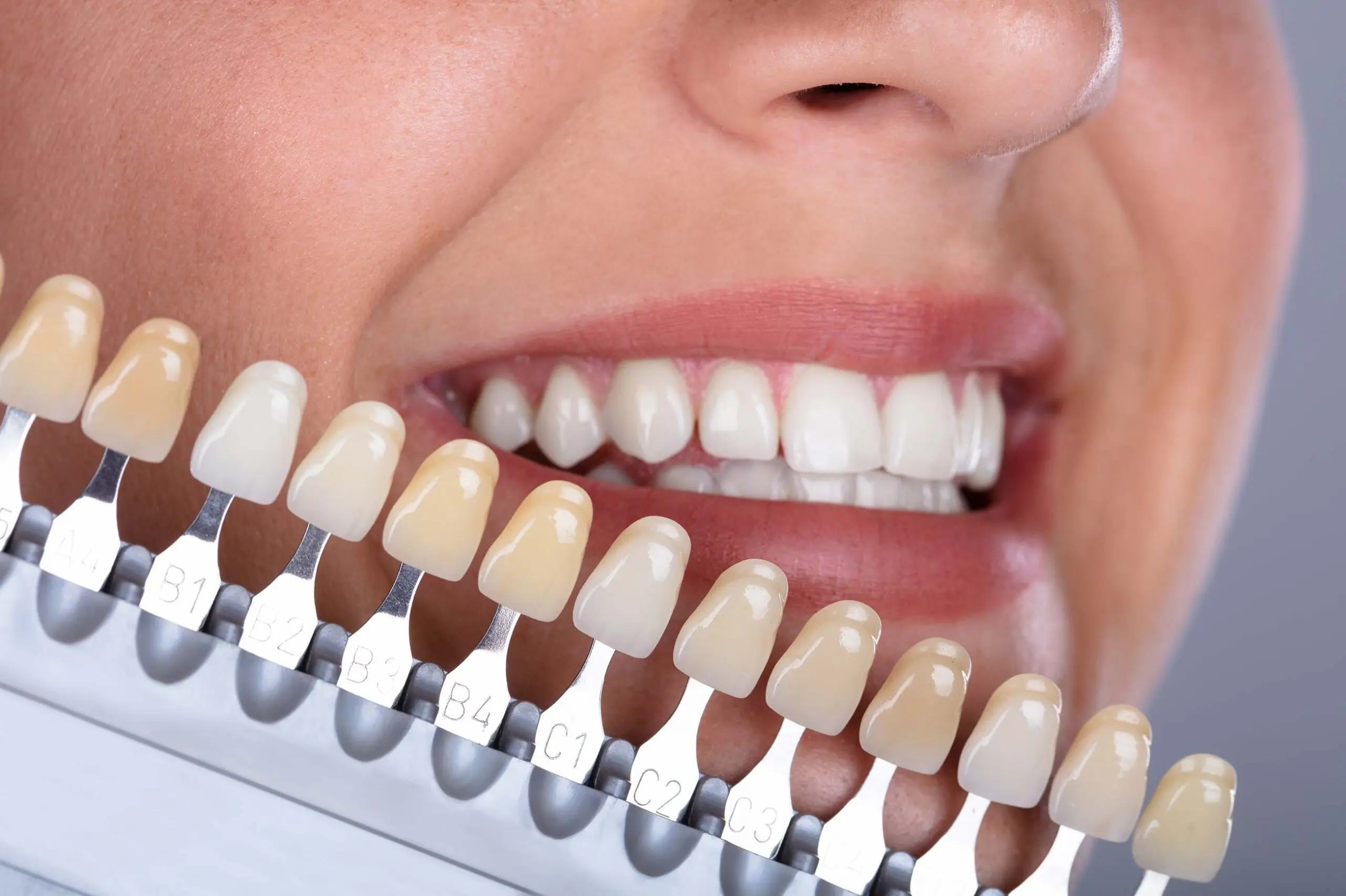
A veneer reaches the fitting appointment through a series of decisions. Someone assesses the teeth, develops the proposed change, communicates with a laboratory where appropriate and checks the finished work. The patient is involved at several points, but should not have to manage the connections between them. Choosing a practice includes understanding who is responsible for the whole course.
This London shortlist looks at verified veneer services through that practical lens. It covers assessment, design, manufacture and continuing care without assuming every patient needs the same sequence. The entries are practices rather than individual dentists; the clinician leading your treatment and the people involved in each stage should be identified during your consultation.
Assessing Your Options for Veneers in London
Before comparing techniques, establish the proposed scope. A single veneer intended to blend with neighbouring teeth presents a different task from a broader change in shape and colour. Existing restorations and the condition of the teeth may also affect the plan. Those findings should guide the sequence, rather than being fitted around a preselected treatment package.
The handovers deserve clear explanations. What information goes from the assessment to the design? How are your preferences communicated to the maker? When do you have an opportunity to respond to the proposed appearance? These questions are useful even if you are comfortable leaving technical choices to the dental team. They help you understand when a decision is still being explored and when it is being acted upon.
How the Ten Practices Were Chosen
The selection draws on official descriptions of veneer services in London and Greater London. Planning stages, laboratory communication and review arrangements provide the main points of comparison. The order starts with a complete assessment-led pathway, then considers ceramist collaboration, staged previews and local continuing care. It is an editorial shortlist, without comparative testing of clinical outcomes. A published process is a reason to enquire, not a promise that your own treatment will follow an identical schedule.
Top 10 Practices for a London Veneer Shortlist
1. MaryleboneSmileClinic
MaryleboneSmileClinic describes veneers London treatment from planning through ceramic fitting, with maintenance advice and review forming part of its Harley Street service. It is a relevant starting point for readers who want to understand the course beyond the initial cosmetic proposal.
Ask the team to identify the decisions that need your agreement and the clinical checks it will make. A patient may approve the intended appearance while the dentist evaluates whether the restoration is suitable to fit. Those are connected responsibilities, rather than one replacing the other. Also establish how later questions should be raised. Knowing the contact route and the review arrangements helps you see the treatment as continuing dental care, rather than a single appointment that ends when the ceramics are bonded.
2. Dawood & Tanner
Dawood & Tanner describes using a wax-up and temporary mock-up when planning porcelain veneers. The Wimpole Street practice therefore offers a way to discuss the proposed result before the final laboratory work is completed.
The useful handover question is how observations from the mock-up reach the final prescription. If you notice a detail you would like changed, ask how the team records it and checks the revised plan. You do not need to direct the laboratory yourself. You do need a shared understanding of what has been agreed. This is especially helpful when several small changes accumulate during a discussion and the original proposal no longer represents the intended result.
3. Bespoke Smile
Bespoke Smile describes close collaboration between its veneer clinicians and ceramists, alongside a temporary trial-smile process. Its London practice is on Upper Wimpole Street.
This arrangement is relevant to patients interested in how a personal design is interpreted by the people making it. Ask how colour, texture and shape are communicated, and how the temporary version informs the final work. The important point is continuity of the brief. A patient should not feel that each stage begins a new conversation about what they wanted. At the same time, a clinical or technical finding may require a change, and the reason for that change should be explained before it becomes part of the plan.
4. DRMR
DRMR outlines a sequence involving record-taking, temporary veneers, a temporary review, final porcelain fitting and review. This makes the Brompton Road practice relevant to readers who want to identify the purpose of each appointment.
A separate temporary review can be a useful decision point. Ask what the team expects to assess there and what you should report. It is also worth clarifying what happens if the review leads to a change. Does the next stage move, and how will the revised appearance be confirmed? Understanding that possibility at the outset is more helpful than treating every booked date as fixed regardless of the findings or your response.
5. London Smile Clinic
London Smile Clinic’s smile-design pathway moves through digital images, a three-dimensional model and a trial smile. The Clipstone Street practice offers several ways to communicate a proposal before the final result is completed.
The patient-facing question is how these versions relate to one another. A change on a screen may be easy to request, but ask how it is checked against the physical model and clinical plan. Keep a clear record of the agreed direction, particularly if your preference develops during the process. The tools should support a coherent conversation, with the team explaining which version is current and what remains to be decided. That is more valuable than simply having many images to look at.
6. The Welbeck Clinic
The Welbeck Clinic describes porcelain veneer treatment involving models, temporary restorations, manufacture by an Italian laboratory, fitting and a subsequent review. It offers a relevant example of a pathway involving an external laboratory.
The location of the maker does not by itself establish quality. What matters to the patient is how the prescription, any requested refinements and the finished work are managed. Ask who communicates with the laboratory and how a concern at the fitting stage would be addressed. Leave enough flexibility in your own arrangements for that possibility. A well-understood sequence should allow the clinical decision to guide the next step, even when the expected fitting date needs reconsideration.
7. EGO Dental Clinic
EGO Dental Clinic in Westminster describes digital planning, preparation with temporary veneers and final fitting using handcrafted porcelain from UK laboratories. Its fee guide also identifies a laboratory visit within a single-veneer option.
These arrangements are relevant where a particular tooth needs careful discussion in relation to its neighbours. Confirm whether laboratory involvement is proposed for your case and how it fits into the appointment sequence. The patient’s role is to communicate the desired effect and any concerns, while the team translates that into a suitable prescription. A clear explanation of the handover helps prevent a preference expressed during the consultation from becoming detached from the work eventually made.
8. Smile Cliniq
Smile Cliniq describes sending the smile design and an individual prescription to its ceramist, while temporary restorations cover the interval before final fitting. It has London locations in Finchley and St John’s Wood.
For someone considering the practice, the first practical step is to confirm the site and clinician for the proposed course. Then discuss how the design is agreed and what contact is available during the temporary phase. That interval is part of treatment, not simply waiting time. If something feels different from what you expected, you should know how to raise it and who will decide the response. Clear communication matters particularly when an appointment is not immediately due.
9. Bow Lane Dental
Bow Lane Dental makes veneers through an in-house laboratory at its City practice. Its service information connects the laboratory with the assessment of colour, shape and the patient’s existing teeth.
This is relevant to readers who want to explore how direct access to the maker may be used in their case. Ask whether the plan includes a technician discussion or a specific shade appointment, rather than assuming these happen for every patient. The useful benefit is a clearly managed exchange of information. It should still be clear who makes the clinical recommendation, who makes the restoration and how the final checks are completed before fitting.
10. S3 Dental Eltham
S3 Dental Eltham offers porcelain veneers with assessment, planning, fitting and review described within its local service. The practice is on Well Hall Road in south-east London.
It provides a relevant option for patients who want the veneer course to sit alongside accessible ongoing dental care. Ask how the treating arrangements will be confirmed after the assessment and whether any referral is needed. Once the veneers are fitted, establish the review plan and how routine care will continue. A successful handover includes the end of active treatment: you should know what to do next, rather than assume the absence of another appointment means no further care is needed.
Know Who Is Responsible at Each Stage
Before agreeing to treatment, you should be able to name the clinician responsible for the plan and explain the next stage in ordinary language. If another clinician or a laboratory is involved, understand their role. The dental team should coordinate the work; your task is to make an informed decision and provide useful feedback about your priorities and experience.
Ask how changes are handled. A different clinical finding, a revised design preference or a problem with a temporary restoration may alter the sequence. Find out who to contact and how an updated proposal, fee or appointment plan would be discussed. This reduces the chance of treating an earlier conversation as approval for something that has since changed.
Finally, establish what happens after fitting. The appearance may be the reason you sought treatment, but the restorations and the supporting teeth need continuing attention. A clear review and maintenance plan belongs alongside the design and manufacturing plan. The practice that suits you should make the entire course understandable, including the ordinary care that follows the more memorable treatment appointments.
Source note: The shortlist uses official practice service descriptions. General information about veneers, ongoing care and consent comes from NHS, Oral Health Foundation and General Dental Council resources.

Physical therapy clinics lose an estimated 10–15% of potential revenue to denied or underpaid claims each year, and a significant portion of that loss is due to one single thing: denied or underpaid therapy cap and medical necessity claims. Although the hard therapy cap was eliminated from the package in 2018, along with the KX modifier and targeted medical review process, the billing risk remains. It only took different forms. Even clinics that don’t keep an eye on thresholds, or fail to document thresholds once a patient exceeded the annual limit, continue to see claims bounce back at rates similar to the old cap system.
The discovery can be frustrating for many PT practice owners. The cap should have been removed. In real life, Medicare’s “therapy threshold” for combined PT and speech-language pathology services is slightly over $2,410.00, and the total billed amount must reach that amount or exceed it for each subsequent claim and requires a KX modifier along with documentation demonstrating continued medical necessity. If you miss this modifier, or provide documentation that does not support continued care, the claim will be denied or marked for review. Its predecessor is the old cap, but it’s smaller and quieter.
Why Therapy Cap Denials Keep Happening
Part of the problem is sheer volume. A busy outpatient PT clinic might be tracking threshold amounts across hundreds of active patients simultaneously, each on a different treatment timeline, each accumulating charges at a different pace. Without a system built specifically to flag patients as they approach the threshold, it’s easy for front-desk and billing staff to miss the moment a claim needs a KX modifier, especially in smaller practices where one or two people are handling billing alongside a dozen other responsibilities.
The other half of the equation is documentation. Medicare isn’t satisfied with having the KX modifier slapped on; it wants clinical notes that reflect continued necessity, measurements of functional progress, new goals, and a good rationale for therapy beyond the threshold as being medically indicated, not routine maintenance. A big part of denials is attributed to the disconnect between the clinical language used to treat patients and the language used in billing. Therapists are not trained to write payer-proof documentation; that is where the disconnect lies, and a big part of the reason denials occur.
Another risk is targeted medical review. Providers who have frequent patients with claims that exceed thresholds can be flagged and subjected to extra review and scrutiny, increasing the likelihood of delayed or denied reimbursement during the review process and giving clinics with higher claim volumes and/or more expensive treatment plans a higher chance of being flagged for review.
The Revenue Impact Adds Up Quietly
A single denied claim for a therapy cap issue isn’t catastrophic on its own, usually in the range of $75 to $150 per visit. Volume and delay are the real issues. If it’s not foolproof, a clinic that treats 40 patients per week, many of whom may hit the annual limit multiple times throughout a treatment course, can end up with dozens of denials per month. With every denial comes the research, correction, and resubmission of a clean claim, which forces staff to be diverted from other revenue cycle tasks, including clean claims.
There’s also an unquantifiable opportunity cost that isn’t so easy to see on the spreadsheet. Clinics that are identified for specific medical review may be more conservative with their care, and so may discharge patients sooner than clinically appropriate, just to avoid the administrative burden of continued documentation. This is a loss to the care of the patient as well as to revenue.
What Outsourcing Actually Changes?
This is the point where a lot of clinic owners start looking at outsourced physical therapy billing services, and the appeal is straightforward: dedicated billing teams build systems specifically designed to catch these issues before they become denials, rather than reacting to them after the fact.
The most significant change is proactive threshold tracking. An outsourced billing team will automatically track all patient numbers in a clinic’s entire patient directory and notify the accounts as they near the limit, even long before the KX modifier is needed, so there is no “week of forgetfulness” where accounts go undetected. That alone is a major component of the denial that could be avoided.
Documentation coaching is the second shift. The experts in the billing industry understand what to include in medical necessity notes, and some companies specialize in outsourcing that will work with clinical staff to streamline documentation templates to ensure that functional progress is documented and ongoing need is not just assumed but clearly stated, but doesn’t add a ton of extra work for the therapist. It’s more of a cooperative rather than a punishment-based solution.
Denial management is also a much more systematic process. Outsourced billing partners tend to monitor denial trends by payer, by type of claim, and by documentation style at a particular clinic to see if a clinic’s denials are occurring in relation to a particular type of treatment plan, a particular documentation style by a particular therapist, or a particular payer. The type of pattern recognition is hard for an in-house team that has to build on top of their own claims, just because they don’t always have the time to look back at claims data for months and months.
The picture is completed by appeals handling. If a therapy cap denial does occur, committed billing teams understand how to quickly build an appeal, backing it with the appropriate documentation and Medicare guidance, before the claim is too far gone to appeal.


-

 Celebrity1 year ago
Carolin Bacic: Life, Biography, Family, and Legacy
-

 Celebrity9 months ago
Alex Eala: Rising Tennis Star from the Philippines and Her Journey to Global Success
-

 Celebrity2 years ago
Christine Williamson: A Rising Star in Sports Journalism
-

 Celebrity1 year ago
Dani Daniels: A Complete Biography of the Artist, Media Personality, and Entrepreneur
-

 Celebrity8 months ago
Valerie Perrine: A Complete Biography of the Acclaimed Actress and Icon
-

 Celebrity1 year ago
Eleonora Incardona: Biography, Career, Age, Boyfriend, Net Worth & Lifestyle (2025)
-

 Celebrity2 years ago
Vera Davich: Biography, Life, and Legacy2025
-

 Celebrity1 year ago
Ari Kytsya: Biography, Career, Age, Lifestyle & Rise as a Global Social Media Star