
Life Style
What Every Youth Team Kit Bag Is Missing


The Kit Bag Problem Nobody Talks About
Ask any parent who has done a full youth sports season and they will know the problem: the kit bag is rarely quite right. It may be too big, too small, awkward to carry, or packed with the wrong spares. By the third weekend, the bag usually reveals what the family actually needed.
The contents are often an afterthought. Families focus on the uniform, shoes, and registration fee, then add whatever is near the front door: a spare cotton shirt that feels heavy after use, a bottle that leaks, or a change of clothes meant for a different season.
What is actually missing from most youth team kit bags is not hard to name. It is just rarely thought about until the moment it is needed.
What Goes Into the Bag Matters as Much as the Bag Itself
The warm-up layer is often the first mistake. The instinct is to grab whatever is clean, but many casual layers are better for standing around than for moving between a cold sideline and an active drill. A heavy hoodie may feel useful on the bench, then become too much once training starts.
A better warm-up layer is lighter than many parents expect. It offers enough light comfort at the start of a session, packs small, and is easy for a child to manage without adult help.
The Spare Training Uniform Question
Youth teams usually provide the match uniform. They do not always answer the everyday question: what should a child wear to training when the match kit is dirty, resting, or not required? That is where many kit bags become a mix of pieces left over from the previous season.
Training can be harder on clothing than the match. Drills involve repetition, ground contact, and long stretches of movement. This is less about brand loyalty than about whether the training outfit is built for the task.
Good athletic wear for young athletes is built around a different set of requirements than casual kidswear. The fabric needs to move in four directions. It needs to stay close enough to the body that it does not catch on equipment or pull during a tackle or a jump, but not so close that it restricts range of motion. It should help manage sweat during active sessions, especially when compared with fabrics that can hold moisture and feel heavier after training. These are not advanced requirements. They are the baseline for any child who is training twice a week.
After the Session: The Change Bag Problem
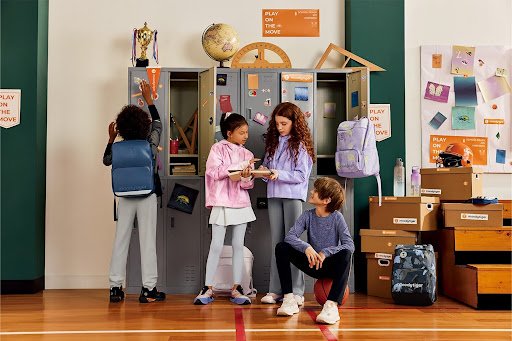
The change of clothes is usually planned last and regretted first. After training, a child may be damp and chilly, yet the spare outfit is often a pair of joggers and a tee grabbed on the way out of the house.
The after-session change needs to be comfortable for the trip home and compact enough to leave room for the bottle, snack, and kit. It is a space problem as much as a comfort problem.
A packable bag that folds down when empty takes up little room and can still help organize the items a child needs after training. The moodytiger Daily Packable Backpack is built with exactly this kind of use case in mind: a water-resistant outer that helps with light rain on the walk from the pitch to the car, a secure side zipper for the things that cannot get lost, and a detachable sternum strap that distributes the weight when a child is carrying the bag independently. It is also the kind of bag that folds flat when it is empty, which matters at the end of a long training day when nobody wants to carry anything that is not strictly necessary. For a kit bag, the useful details are the ones a child can manage after practice: the zipper, the strap, and whether the bag packs down when empty.
The Water Bottle That Actually Stays Sealed
This is a short section because there is not much to say. Every kit bag needs a water bottle that seals well. Many families only notice the problem after one has leaked into the bottom of the bag. The solution is not to buy the most expensive bottle on the market. The solution is to check the seal before it goes in the bag, and to make sure the bottle is a size the child can manage independently, because a child who cannot open their own water bottle during a training break is more likely to skip drinking when they need it.
The bottle goes in the side pocket. The side pocket should have a closure. These are not complicated requirements. They are just ones that get overlooked until the bottom of the bag is wet.
Sun Protection in the Kit Bag
Families think about sun protection in summer. Youth sport does not stop in summer. It also does not stop when the sun is lower in the sky in the shoulder seasons, which is precisely when UV exposure can be easy to underestimate, because the temperature is cool enough that nobody thinks to apply sunscreen before a two-hour Saturday morning session.
The practical approach is to keep sun protection in the kit bag rather than in the bathroom cabinet, because the kit bag is what goes to training and the bathroom cabinet is what gets left at home. A small bottle of sunscreen in the front zip pocket means it is there when it is needed. For families who want a second layer of protection, UPF-rated fabric can add a useful layer of coverage alongside regular sun protection habits.
What the Kit Bag Should Look Like by the End of the Season
A good kit bag looks different by the end of the season. The spare layer has been changed, the bottle pocket has proved itself, and the family knows whether the zippers, straps, and packable design still make sense after repeated use.
When families search for training pieces for active kids, the useful question is not which item looks best online. It is which pieces can handle a demanding season, which ones look clean and usable after the weekly laundry cycle, and which ones a child is willing to put on before a cold sideline warm-up. A good kit bag is not glamorous, but it saves time in car parks and on Sunday mornings.



Running a business is relentless. Vendors pitch you daily, platforms multiply overnight, and every solution claims to be the one you can’t afford to skip. But strip it all back, certain services aren’t optional extras. They’re structural. They hold operations together regardless of industry or headcount. The ones that genuinely matter let you build something durable, slash waste, and grow without constantly chasing your own tail. These four address the operational gaps that trip up most companies.
1. Professional Accounting and Bookkeeping Services
Bad numbers sink good businesses. Full stop. Without solid accounting behind you, every major decision rests on guesswork dressed up as data. Professional bookkeepers track income, expenses, payroll, and tax obligations with precision, catching what you’d never spot buried in a spreadsheet. A sharp one might flag that you’re hemorrhaging cash on unused software licenses, or that one department is quietly dragging down the whole operation. That’s not just bookkeeping. That’s intelligence. Beyond daily transaction management, these professionals handle financial statements, keep cash flow from becoming a crisis, and make sure tax deadlines don’t ambush you at the worst possible moment.
2. Cybersecurity and Data Protection Solutions
Cyberattacks aren’t theoretical anymore. They’re a Tuesday problem. Customer data, internal records, and intellectual property are all irreplaceable, and all are being probed right now by someone with patience and motive. Threat monitoring, firewall management, staff training, and incident response are not extras. They’re the difference between catching a vulnerability early and watching it blow up in your face. Picture a retailer pushing thousands of card transactions daily. One breach. The legal exposure alone could be existential, never mind the reputational wreckage. But here’s the flip side. Demonstrably strong data protection earns customer trust in a way competitors without it simply can’t replicate. Security stops being overhead. It becomes a selling point.
3. Human Resources and Talent Management Services
People are the whole thing. Get the people wrong and nothing else works. HR services manage the full arc, including job descriptions, candidate screening, onboarding, payroll deductions, and the labyrinth of labor law compliance. Discrimination claims and safety violations can run up costs that dwarf whatever the service charges. Considerably. On the strategic side, HR consultants craft compensation and benefits packages designed to attract genuinely strong candidates, not just warm bodies to fill a seat. A seasoned HR partner might construct a wellness program that slashes turnover, driving your cost-per-hire down over time. And culture, performance management, and succession planning? That guidance determines whether your company actually scales or just scrambles.
4. Marketing and Digital Presence Services
A great product nobody hears about is just an expensive hobby. Marketing services, including website design, SEO, social media, content creation, and paid campaigns, connect what you offer to the people hunting for it. Your website is usually the first impression prospects get. Loads slowly? Fails to explain what you do? They’re gone before you’ve said a word. First impressions are brutal like that.
For service-based companies especially, marketing often stretches well beyond digital channels. Some organizations layer in experiential and event-based strategies, and professionals who specialize in luxury event planning can ensure corporate gatherings, product launches, and client events reflect brand standards and reinforce standing with key stakeholders. Content strategists, meanwhile, develop thought leadership material that pulls in inbound leads over time. None of it matters without measurement, though. Analytics and conversion tracking reveal which strategies actually pay off and where reallocating budget would hit harder.
Conclusion
A strong company needs more than a good product. It needs infrastructure. Professional accounting delivers financial clarity that makes real decisions possible. Cybersecurity protects everything you’ve built from threats that aren’t going away. HR services ensure you find, develop, and keep the right people, the ones who actually execute the vision. Marketing and digital presence put your name in front of customers who need you and cement your reputation over time. Every business is different, sure. But these four categories tackle challenges that surface almost universally, which is exactly why investing in them isn’t a luxury. It’s the foundation.


When considering holiday home ownership, you have several options to explore. Depending on the location, costs, and the kind of holidays you are used to, any one option may seem right to you.
Among those options, UK static caravans remain a popular choice. They do not just provide accommodation to stay during holidays. Located on holiday parks near the coast, in the countryside, and close to other popular destinations, they make it easier to enjoy regular breaks throughout the year.
Another reason why many buyers prefer them is because of the flexible ownership opportunities. Their popularity can be further attributed to convenience, affordability, and flexibility.
Getting an insight into these advantages can guide you to make decisions on whether to own a static caravan or not.
This article explores six reasons why UK static caravans remain a popular holiday home choice.
1. Provides Access to Wide Range of UK Destinations
The diversity of locations is one of the reasons UK static caravans remain popular. Holiday parks are located on the coast, in rural and waterside locations all over the country. Such diversity gives you the choice of a location that best suits the kind of holidays you enjoy.
A beach vacation can be quite different from a quiet village vacation. One weekend can be focused on walks, sea views, and time at the water. Another could be fresh air, open views, and easy access to the local trails. Certain places put you near popular attractions, whereas some places have a more relaxing environment.
Location is also a factor in determining how often you use your holiday home. A place that fits your interests will have a better chance of becoming a destination you visit repeatedly throughout any season. Frequent visits can help you make better use of your holiday home and spend more time in a location you enjoy.
2. Provides Regular Access to Favorite Locations
Finding a place you enjoy is only the first step. Once you discover a destination that suits your preferences, being able to return whenever you want can become one of the biggest benefits of ownership. UK static caravans provide a familiar base for regular visits.
After a few trips, you may already know your favorite walking route, the best local café, or the attractions you enjoy most. Familiar surroundings often make future breaks feel more comfortable from the moment you arrive. Instead of spending time learning your way around, you can focus on enjoying your visit.
Regular access also makes planning easier. Because you already know the area, there is less need to research activities and accommodations before every trip. As the years pass, those visits can create lasting memories and a stronger connection to a destination you enjoy.
3. Requires Less Responsibility than Second Homes
A second home can sound appealing, but it often comes with extra responsibilities. Maintenance, repairs, and general upkeep can all become part of ownership. Those tasks may take time away from the part you really want to enjoy, which is the break itself.
UK static caravans offer a simpler alternative. Because they are located on managed holiday parks, ownership is often more focused on leisure and relaxation. Rather than thinking about another property to look after, you can spend more time planning your next visit.
A holiday home should make it easier to switch off and enjoy time away. With fewer property-related concerns competing for your attention, it becomes easier to focus on the destination, the activities, and the experience. For many buyers, spending less time thinking about maintenance leaves more time to enjoy each visit.
4. Offers Options for Different Budgets
Budget is an important part of any vacation home search. Fortunately, UK static caravans are available across a wide range of price points. New and pre-owned models create more opportunities to find an option that fits your financial plans.
Different caravans also come with different layouts, features, and levels of comfort. A pre-owned model may provide everything you need for regular breaks while helping keep costs lower. On the other hand, a newer caravan may appeal if modern interiors, additional space, or upgraded features are high on your priority list.
Some owners start with a pre-owned caravan before moving to a newer model later. Others find an option that suits their needs from the beginning and enjoy it for many years. Having different options makes it easier to find a caravan that suits both your budget and your plans.
5. Supports Flexible Holiday Plans Throughout Year
Flexibility is one of the biggest reasons static caravans remain popular. Instead of relying on a single annual holiday, ownership can make it easier to enjoy several breaks throughout the season. Weekend visits, longer stays, and spontaneous trips all become more realistic when your holiday home is already in place.
Life does not always follow a fixed schedule. A free weekend may appear unexpectedly, or you may simply decide that a short break would be welcome. In situations like these, having a static caravan ready to use can make travel plans much easier.
Less time spent searching for accommodations often means more time spent enjoying your destination. Many owners appreciate the freedom to take advantage of opportunities as they arise rather than waiting months for one major holiday each year.
6. Focuses on Lifestyle rather than Investment Goals
For many buyers, a static caravan is about enjoying time away rather than focusing on financial returns. Regular breaks, familiar surroundings, and access to favorite destinations are often the main reasons for buying. Those experiences can remain enjoyable year after year.
Having a holiday home ready whenever you want a break creates a different experience from booking accommodations for each trip. One visit may be a quiet weekend by the coast. Another may involve spending time outdoors, exploring local attractions, or simply enjoying a change of scenery.
Many owners value having a place they can return to throughout the season. With a familiar setting waiting for you, relaxing and making the most of your free time often becomes much easier. Over the years, that convenience can become an important part of your holiday lifestyle.
Bottomline
UK static caravans remain a popular holiday home choice because they combine flexibility, convenience, and location choice. Holiday parks across the country provide access to coastal, countryside, and waterside destinations, making it easier to find a setting that matches the type of breaks you enjoy most.
Regular visits can help create familiarity and make holidays easier to plan. At the same time, a range of ownership options allows you to choose a caravan that suits your budget and preferences. If you value regular breaks, greater flexibility, and a familiar place to return to, static caravan ownership may be worth exploring.


Today, driving a truck has become a very different experience compared to just ten years ago. Each year there are new regulations, technological advances, and other factors that influence life on the road. Because of this, many people have trouble dealing with new rules, rising costs, and growing demands made by their customers or bosses.
Moreover, changes in freight demand are always taking place; they create problems when it comes to planning routes and calculating earnings. However, there are many modern tools and techniques that allow truckers to adjust to those changes better.
By learning about the latest trends in the industry and becoming aware of them, drivers can improve their chances and stay competitive in the current environment.
Thus, this article lists the most important changes that have happened in trucking recently and analyzes their effects on drivers.
1. Digital Tools Reshaping Daily Operations
Information has never been as valuable as it is today. That is the reason why a lot of truck drivers frequently follow truck driver news to stay up to date with all changes in the industry.
First of all, electronic technologies have become a reality in the trucking business. Nowadays, drivers make use of electronic logging devices, software for route optimization, and applications.
The use of technology reduces the number of documents required for transportation operations. Besides, it improves communication between drivers, dispatchers, and fleet managers.
What is more, it enables drivers to save a lot of time because they do not need to perform administrative work. Instead, they can concentrate on driving vehicles.
Finally, real-time navigation systems make it possible to overcome any kind of obstacle, such as traffic jams, road closures, and adverse weather conditions.
2. Safety Standards Raising Industry Expectations

Safety continues to be among the most essential considerations in the field of trucking. Regulations as well as safety systems play a part in how truck drivers operate their vehicles daily.
Trucks today have safety systems such as collision warning systems, lane departure warnings, and emergency braking. Safety systems like those make it easier to avoid accidents.
Besides that, there is more focus on driver training and compliance. This means that truck drivers should keep track of record-keeping and updated safety protocols.
Even though the above-mentioned aspects might be difficult to meet at first, they help create safe environments for all. For this reason, being a truck driver who is aware of safety standards can be advantageous in the future.
3. Freight Market Shifts Affecting Driver Decisions
Since there are constant changes taking place in the economy and transportation sector, the freight market also continues to change. This can have an effect on freight availability, freight charges, and schedules, among other things. As a result, drivers have to constantly adapt their plans.
For instance, the market changes may significantly affect the profits earned by owner-operators, which depend on fuel prices, expenses related to vehicle maintenance, and freight demand. When demand slows, it becomes more difficult to find regular freight.
Changes in routes, schedules, and level of workload may also be observed among company drivers. In particular, some regions feature a high volume of freight, while in others it might be slower.
Therefore, being aware of these changes helps drivers to adapt and act in the right way.
4. Career Growth Opportunities Expanding Across Industry
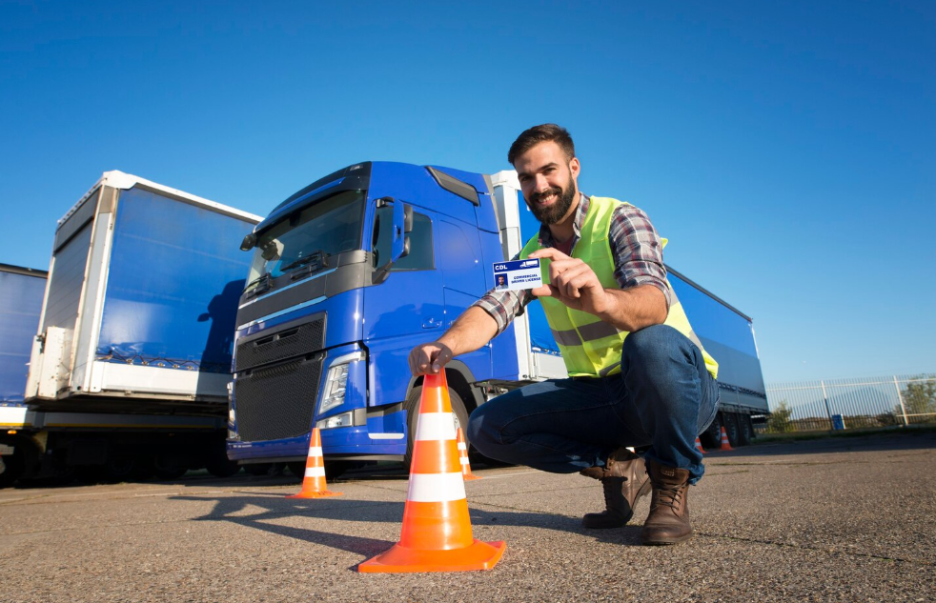
There are still promising career prospects in the field of driving for individuals who have obtained commercial driver licenses. Even though there are numerous challenges faced by the industry today, there is always a consistent demand for qualified drivers, thus leaving space for aspiring or experienced ones.
Specific types of driving jobs are becoming more popular as well, which means that drivers with additional qualifications can find employment in high-paying jobs. They may be involved in hauling hazardous cargo or transporting oversized vehicles. While such jobs usually need some special skills, it could be a way to make a decent income.
Moreover, training courses and other learning programs are now readily available. Individuals have more time to develop additional skills and master technologies while working at the same time.
5. Industry Innovation Influencing Future Roads
Innovation continues to reshape the trucking industry. New technologies are changing how trucks operate and how fleets manage daily tasks. Electric trucks are becoming more common, while alternative fuel options are gaining attention. These changes are encouraging companies to explore more efficient transportation solutions.
Although these technologies are still developing, their impact is already visible. Many fleets are testing new vehicle systems and investing in modern equipment. As a result, drivers are becoming more familiar with advanced truck features and digital tools.
At the same time, fleet management systems are helping companies improve efficiency. Data is now used to track vehicle performance, reduce fuel consumption, and schedule maintenance before problems occur.
Moving forward, drivers who stay informed about new technology have an advantage. Being adaptable will help them succeed as the trucking industry continues to evolve.
Conclusion
Trucking continues to change as technology advances, regulations evolve, and market conditions shift. These developments create new challenges, but they also introduce valuable opportunities for drivers willing to stay informed and adapt.
Digital tools, stronger safety standards, changing freight patterns, expanding career options, and ongoing innovation are all influencing life on the road today. While no driver can predict every change, understanding industry trends can make daily operations more manageable and future planning more effective.
By keeping pace with these developments, drivers can improve efficiency, strengthen their careers, and navigate an industry that continues to move forward.


Why More Homeowners Are Choosing Robotic Pool Cleaners for Everyday Pool Care

Greenwise Financial Solutions: A Smarter Path to Financial Well-Being
Fruit Symbols on Slots Exist Because of a Chewing Gum Loophole in the 1900s

Carolin Bacic: Life, Biography, Family, and Legacy

Alex Eala: Rising Tennis Star from the Philippines and Her Journey to Global Success

Christine Williamson: A Rising Star in Sports Journalism
-
 Celebrity10 months ago
Carolin Bacic: Life, Biography, Family, and Legacy
-
 Celebrity4 months ago
Alex Eala: Rising Tennis Star from the Philippines and Her Journey to Global Success
-
 Celebrity1 year ago
Christine Williamson: A Rising Star in Sports Journalism
-

 Celebrity10 months ago
Dani Daniels: A Complete Biography of the Artist, Media Personality, and Entrepreneur
-

 Celebrity4 months ago
Valerie Perrine: A Complete Biography of the Acclaimed Actress and Icon
-

 Celebrity8 months ago
Eleonora Incardona: Biography, Career, Age, Boyfriend, Net Worth & Lifestyle (2025)
-

 Celebrity1 year ago
Vera Davich: Biography, Life, and Legacy2025
-

 Celebrity8 months ago
Ari Kytsya: Biography, Career, Age, Lifestyle & Rise as a Global Social Media Star