
Health
Exercise Snacks as a Long-Term Wellness Strategy in 2026

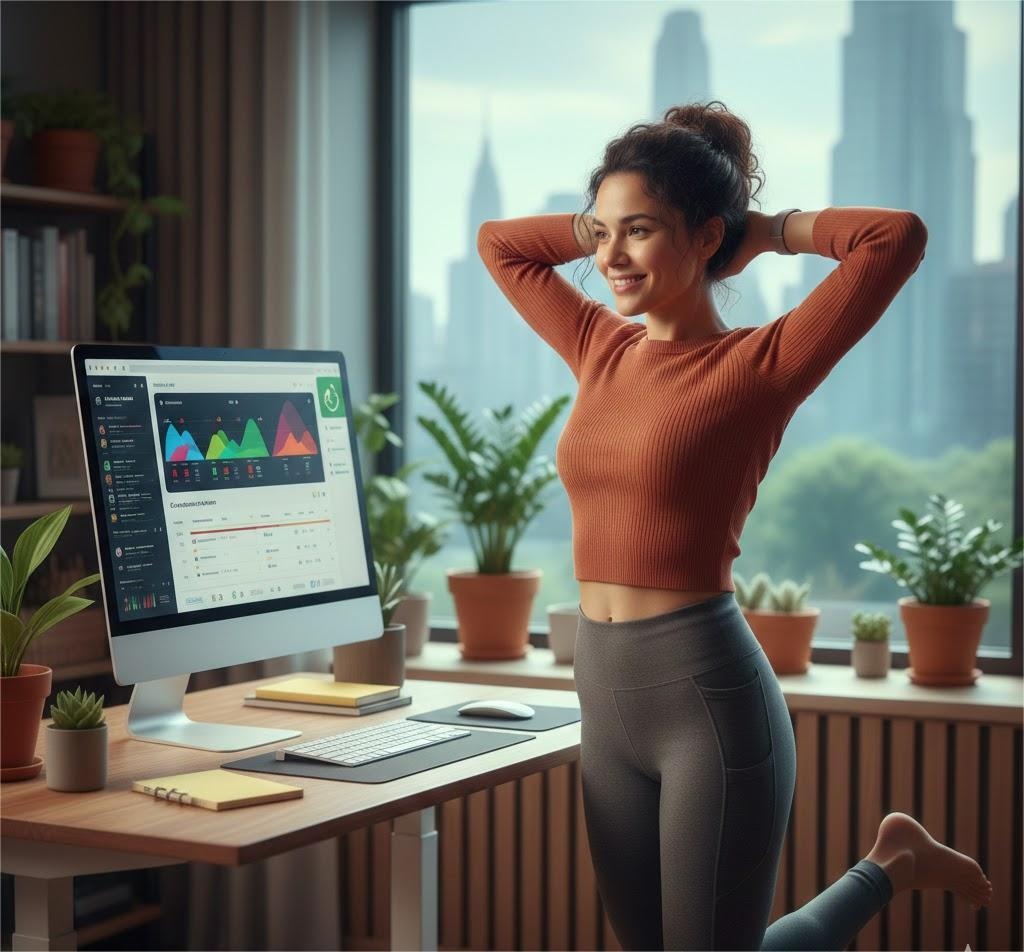
Wellness has become a central concern for modern professionals. As work has shifted toward digital platforms, remote environments, and knowledge based roles, the demands on mental focus and physical endurance have increased. By 2026, it is clear that short term wellness solutions are no longer enough. Professionals need strategies that can be sustained over years, not weeks. In this context, exercise snacks are emerging as a long-term wellness strategy that aligns with modern work realities.
Unlike trends that promise quick results but fade quickly, exercise snacks focus on consistency, integration, and sustainability. They recognize that health is not built through occasional effort but through daily habits that fit naturally into life and work.
The Shift From Short Term Fixes to Long Term Wellness
For many years, wellness initiatives focused on short term solutions. Intense fitness challenges, seasonal detox plans, or brief bursts of motivation were promoted as paths to better health. While these approaches generated excitement, they often failed to deliver lasting change.
Modern professionals are now questioning this model. High workloads, unpredictable schedules, and constant connectivity make it difficult to sustain extreme routines. Burnout and inconsistency have become common outcomes.
Long term wellness requires a different approach, one that emphasizes gradual improvement and adaptability rather than intensity and perfection.
Understanding Long Term Wellness in Modern Work Life
Long term wellness is about maintaining physical, mental, and emotional balance over extended periods. It does not rely on constant discipline or dramatic lifestyle changes. Instead, it focuses on habits that can be maintained regardless of workload or life stage.
By 2026, work life is deeply intertwined with personal life. Digital marketers, remote workers, freelancers, and office professionals all face similar challenges related to prolonged sitting and mental fatigue.
A long term wellness strategy must work within this environment rather than attempting to escape it.
What Makes Exercise Snacks a Sustainable Solution
Exercise snacks are short bursts of movement performed throughout the day. These movements are simple, accessible, and require minimal time and space. They may include standing, stretching, light mobility exercises, or gentle body movements.
By incorporating exercise snacks into daily routines, professionals create a steady pattern of movement that supports health without overwhelming schedules.
The simplicity of exercise snacks is what makes them sustainable. They do not depend on motivation spikes or ideal conditions. Movement happens consistently, even on busy days.
Consistency Over Intensity as a Wellness Principle
One of the core principles of long term wellness is consistency. Intense routines may deliver quick results, but they are difficult to maintain. Consistent, moderate actions build lasting benefits.
Exercise snacks embody this principle. Instead of concentrating effort into a single workout session, they spread movement across the day. This reduces physical strain and supports ongoing recovery.
Over time, consistent movement improves mobility, posture, and energy levels without placing excessive demands on the body.
Digital Marketing and Knowledge Work Considerations
Digital marketing professionals operate in mentally demanding environments. Campaign planning, data analysis, content creation, and strategy development require sustained focus. Physical inactivity during long workdays undermines both health and performance.
Exercise snacks offer a wellness strategy that complements digital work. Short movement breaks refresh the mind and reduce physical tension without disrupting productivity.
For professionals whose success depends on cognitive performance, this balance is essential for long term career sustainability.
Mental Health and Emotional Resilience
Long term wellness is not limited to physical health. Emotional resilience and stress management are equally important. Chronic stress and mental fatigue contribute to burnout and reduced job satisfaction.
Exercise snacks support mental health by introducing regular moments of relief. Movement helps regulate stress responses and improve mood. These benefits may be subtle in the moment but become significant over time.
By reducing daily stress accumulation, exercise snacks support emotional resilience in demanding work environments.
The Role of Habit Formation in Long Term Wellness
Habits are the foundation of long term wellness. Research shows that behaviors are more likely to stick when they are easy to perform and integrated into existing routines.
Exercise snacks are well suited for habit formation because they require minimal effort. Movement can be linked to familiar work cues, such as finishing a task or joining a meeting.
Over time, these cues trigger automatic behavior. Movement becomes part of the workday rhythm rather than a conscious decision.
Why Traditional Wellness Programs Often Fail
Many wellness programs fail because they are disconnected from daily work realities. Programs that require extra time, special equipment, or rigid schedules are difficult to sustain.
Exercise snacks avoid these pitfalls. They do not add complexity to the day. Instead, they enhance existing routines with brief moments of activity.
This alignment with real world conditions increases the likelihood of long term adoption.
Technology as a Long Term Support System
Consistency is easier with support. In busy work environments, it is easy to forget to move. Technology can provide gentle reminders that encourage action without adding pressure.
The Exercise Snacks Chrome Extension is designed to support long term behavior change. Integrated directly into the browser, it reaches users where they spend much of their day.
These reminders act as cues rather than commands. They support consistency without disrupting focus, making them ideal for long term use.
Why Browser Based Tools Are Effective for Wellness
Browser based tools align with modern work habits. Professionals spend hours each day in browser environments, managing tasks and communication.
By placing wellness cues within this environment, browser based tools increase relevance and responsiveness. This contextual approach supports habit formation more effectively than external reminders.
Over time, these tools help normalize movement as part of the workday.
Preventing Burnout Through Sustainable Practices
Burnout is often the result of unsustainable habits. Long hours without recovery, combined with physical inactivity, drain energy and motivation.
Exercise snacks help prevent burnout by addressing these issues daily. Short movement breaks release tension and support recovery before exhaustion sets in.
As part of a long term wellness strategy, exercise snacks reduce the risk of burnout without requiring drastic changes.
Long Term Physical Health Benefits
Regular movement supports joint mobility, muscle balance, and circulation. These benefits protect against common issues associated with prolonged sitting.
Exercise snacks contribute to long term physical health by preventing stiffness and maintaining functional movement. Over years, this can reduce the risk of chronic discomfort and injury.
This preventive approach is more effective than reactive treatment after problems develop.
A Future Focused View of Wellness in 2026
By 2026, wellness is increasingly defined by sustainability. Professionals are moving away from extremes and toward balanced routines that can be maintained over time.
A future focused discussion on how exercise snacks fit into this evolving landscape can be found in the exercise snacks guide for 2026, which highlights practical examples and long term trends.
These insights reinforce the value of consistency and integration.
Wellness as a Performance Strategy
Long term wellness supports long term performance. Professionals who maintain physical and mental balance are better equipped to handle complex tasks and sustained workloads.
Exercise snacks contribute to this performance by maintaining energy and focus throughout the day. Over time, this supports career growth and job satisfaction.
Wellness is no longer separate from success. It is a foundational element of it.
Creating a Personalized Long Term Wellness Plan
One of the strengths of exercise snacks is adaptability. Individuals can adjust frequency and type of movement based on personal needs and preferences.
This flexibility makes exercise snacks suitable for diverse roles and lifestyles. Whether working remotely, freelancing, or in an office, professionals can tailor movement to their context.
Personalization increases the likelihood of long term adherence.
Moving Beyond All or Nothing Thinking
All or nothing thinking undermines long term wellness. When people believe they must follow routines perfectly, setbacks lead to abandonment.
Exercise snacks encourage a more forgiving mindset. Any movement counts. This perspective supports resilience and continued effort.
By removing pressure, exercise snacks make wellness more approachable.
Integrating Wellness Into Daily Workflows
Long term strategies succeed when they are integrated rather than added on. Exercise snacks integrate wellness into daily workflows.
Instead of scheduling separate wellness time, movement happens alongside work. This integration reduces friction and supports consistency.
Over time, wellness becomes part of professional identity.
A Sustainable Model for the Future of Work
The future of work demands sustainable habits. Professionals need strategies that support health without compromising productivity.
Exercise snacks meet this demand. They are simple, flexible, and effective over the long term.
As work continues to evolve, this model offers a realistic path to lasting wellness.
Final Thoughts
Long term wellness is built through small, consistent actions rather than intense, short lived efforts. Exercise snacks provide a practical framework for maintaining health in modern work environments.
By integrating brief movement into daily routines and using supportive tools like browser based reminders, professionals can protect their physical and mental well being over time. In 2026 and beyond, exercise snacks stand out as a long term wellness strategy that truly fits the way people work and live.


Telehealth has moved from a temporary convenience to a permanent part of how care gets delivered. Hospitals and medical practices now face a planning question that did not exist a decade ago, namely, how many clinicians are needed to staff virtual visits, on what schedule, and with what credentials across state lines. Workforce planning for this kind of care requires a different lens than traditional scheduling, since demand can spike unpredictably and licensure rules vary by location.
A sound starting point is defining the scope of virtual services before building a staffing model. Primary care follow-ups, behavioral health sessions, and specialty consults each carry different volume patterns and different clinician skill requirements. Organizations that skip this step often end up with mismatched coverage, either too many providers sitting idle during slow hours or too few during peak demand. Partnering with a firm experienced in virtual healthcare practitioner staffing can shorten this process considerably, since these firms already track licensure requirements, credentialing timelines, and regional demand trends.
Licensure And Credentialing Complexity
Cross-state licensure remains one of the biggest obstacles in telehealth staffing. A clinician based in one state may need separate authorization to treat patients in another, and rules differ widely on this point. The Interstate Medical Licensure Compact has simplified some of this friction for physicians, and information on which states participate is available through the Federation of State Medical Boards. Practices should build credentialing lead time into any workforce plan, since delays here are among the most common causes of coverage gaps.
Matching Staffing Models To Patient Demand
Demand forecasting for telehealth differs from in-person scheduling because patients often expect same-day or next-day virtual appointments. Historical visit data, seasonal illness patterns, and even local weather events can shift demand quickly. A blended staffing model, combining core full-time clinicians with a flexible pool of contract or locum providers, tends to absorb these swings better than a fixed schedule. Data on national telehealth utilization trends, useful for benchmarking, is published by the Health Resources and Services Administration.
Technology And Support Staff Considerations
Clinicians are not the only piece of a telehealth workforce. Medical assistants, schedulers, and technical support staff who troubleshoot connectivity issues all affect whether a virtual visit runs smoothly. Planning should account for this supporting layer, since a shortage here can undercut even a well-staffed clinical team. Training programs that cover both clinical workflow and platform troubleshooting tend to reduce dropped visits and rescheduling.
Retention And Burnout Management
Virtual care carries its own burnout risks, including screen fatigue and a blurred line between clinical hours and personal time. Building reasonable shift lengths, rotating between virtual and in-person duties where possible, and monitoring workload closely can help retain staff long term. Turnover in a telehealth program is costly not just financially but in continuity of care, since patients often value seeing a familiar provider across sessions.
Building a Long-Term Plan
Telehealth workforce planning works best as an ongoing process rather than a one-time project. Demand shifts, regulations change, and technology evolves, so staffing models should be revisited on a regular cadence. Hospitals and practices that treat this as a living plan, adjusting quarterly or as major regulatory changes occur, tend to maintain steadier coverage and better patient satisfaction than those that set a model once and leave it unchanged. A thoughtful, flexible approach positions any organization to keep pace with where virtual care is headed next.


Introduction
Breast implants have helped many individuals achieve their desired appearance and boost their confidence. However, as time passes, circumstances, personal preferences, or medical considerations may lead some people to explore breast implant removal or replacement. Despite the growing availability of information, misconceptions about these procedures remain widespread. These myths can create unnecessary anxiety and make it more difficult for patients to make informed decisions about their options.
Understanding the facts behind breast implant removal and replacement is essential for anyone considering a change. Whether the motivation is cosmetic, medical, or lifestyle-related, knowing what these procedures actually involve can help set realistic expectations and support better outcomes. Below are four of the most common misconceptions surrounding breast implant removal and replacement and the truths behind them.
Implant Removal Is Only Necessary When Something Goes Wrong
One of the most common myths is that breast implants only need to be removed if they rupture, leak, or cause a medical complication. While these situations can certainly lead to implant removal, they are far from the only reasons patients choose this procedure.
Many individuals decide to remove or replace their implants because their aesthetic preferences have changed over time. Some may want a smaller size, while others prefer a more natural appearance. Lifestyle changes, aging, pregnancy, or weight fluctuations can also influence the decision.
In some cases, patients choose replacement rather than complete removal to update older implants or improve symmetry and overall results. Modern implant technology has evolved significantly, offering more options than ever before. As a result, many patients opt for replacement as part of a long-term aesthetic plan rather than a response to a problem.
The decision is highly personal and often based on individual goals rather than medical necessity alone.
Breast Implant Removal Always Leads to Poor Cosmetic Results
Another widespread misconception is that removing implants automatically results in an unattractive or significantly altered breast appearance. While implant removal does change breast volume, outcomes vary greatly depending on factors such as skin elasticity, implant size, tissue quality, and surgical technique.
Many patients are pleasantly surprised by their appearance after removal, especially when procedures are tailored to their specific needs. In some cases, surgeons may recommend combining removal with a breast lift to address excess skin and create a more youthful contour.
Others may choose implant replacement to maintain volume while improving shape or updating older implants. Patients considering options such as breast augmentation in Virginia often discuss both current and future aesthetic goals with their surgeon, allowing for a personalized treatment plan that supports long-term satisfaction.
The key is understanding that cosmetic outcomes are not one-size-fits-all. With careful planning and realistic expectations, many individuals achieve results that align with their desired appearance.
Implants Must Be Replaced Every Ten Years
The idea that breast implants automatically require replacement every ten years is one of the most persistent myths in cosmetic surgery. While this guideline was commonly repeated in the past, it does not accurately reflect current recommendations.
Breast implants are durable medical devices, but they are not considered lifetime devices. That said, there is no universal expiration date that applies to every patient. Many individuals enjoy their implants for well over a decade without experiencing issues that require replacement.
Instead of replacing implants based solely on age, surgeons generally recommend monitoring implant integrity and overall breast health through regular checkups. If a patient remains satisfied with their appearance and no complications are detected, there may be no immediate need for replacement.
Replacement decisions are typically driven by factors such as personal preferences, changes in appearance, implant rupture, capsular contracture, or other concerns rather than an automatic timetable. Understanding this distinction helps patients avoid unnecessary procedures and focus on what is truly best for their situation.
Recovery Is Extremely Difficult and Painful
Many people hesitate to explore implant removal or replacement because they believe recovery will be overwhelmingly painful or require a lengthy interruption to daily life. While every surgical procedure involves some degree of discomfort, modern techniques and individualized care plans have significantly improved the recovery experience.
Most patients report soreness, swelling, and temporary limitations immediately following surgery, but these effects are generally manageable with appropriate post-operative care. The recovery timeline depends on the complexity of the procedure, whether additional treatments such as a breast lift are performed, and each patient’s healing process.
Many individuals are able to return to light daily activities relatively quickly, although strenuous exercise and heavy lifting are typically restricted during the initial healing period. Following post-operative instructions carefully can help minimize complications and support a smoother recovery.
It is also important to recognize that experiences vary. Some patients recover faster than expected, while others may need additional time. Having realistic expectations and maintaining open communication with a qualified surgeon can make the recovery process much less stressful.
Conclusion
Breast implant removal and replacement are highly individualized procedures that are often misunderstood. Myths about mandatory replacement timelines, poor cosmetic outcomes, difficult recoveries, and limited reasons for removal can create unnecessary fear and confusion. In reality, these procedures are driven by personal goals, medical considerations, and evolving lifestyle preferences.
By separating fact from fiction, patients can approach the decision-making process with greater confidence and clarity. Consulting an experienced surgeon, discussing expectations openly, and understanding the range of available options are important steps toward achieving satisfying and informed results. Ultimately, the best decisions are based on accurate information rather than common misconceptions.

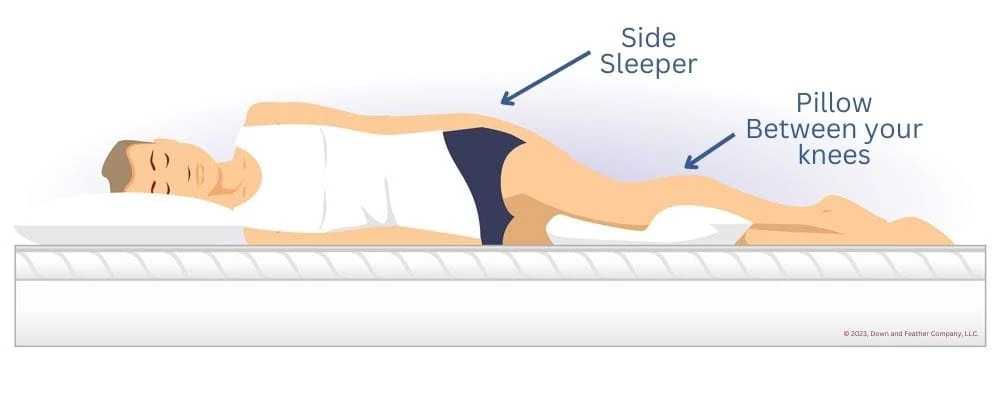
The physiological positioning of the human body during sleep plays a vital role in determining muscle recovery, nervous system health, and joint preservation overnight. Among the primary sleep profiles, side-sleeping is the most common position adopted by adults worldwide, offering great lifestyle benefits, including improved digestion, reduced snoring, and optimized lymphatic drainage within the brain. However, side-sleeping places a unique mechanical strain on the skeleton, concentrating the body’s entire downward force onto two narrow points: the shoulder joint and the pelvic girdle.
When a side-sleeper rests on an unsupportive or overly rigid surface, these prominent bone zones encounter intense counter-pressure, cutting off local blood circulation and compressing sensitive nerve pathways. This nerve irritation triggers frequent nocturnal shifting and tossing, forcing the body out of deep, restorative sleep cycles and leaving the individual with stiff shoulders, hip pain, and lower back aches in the morning. Resolving these localized pressure challenges requires a specialized sleep surface engineered to cradle prominent joints while supporting the natural curve of the waist.
Selecting a targeted, variable-tension model through the best Hypnos for side sleepers pathway ensures that the shoulder and hip zones can sink just enough to keep the spine perfectly straight. This exact balance of pressure relief and deep support minimizes joint stress completely, allowing your muscles to relax fully and support a deep, uninterrupted night of sleep.
The Structural Failures of Generic Mattresses for Side Sleepers
Traditional, uniform-tension mattresses often fail to support the distinct contours of a side-sleeper, leading to chronic misalignment and joint pain.
The Problem of Shoulder Compression and Nerve Pinching
An overly firm mattress surface acts as a rigid wall against the shoulder joint during side-sleeping, forcing the arm backward and compressing the subacromial bursa. This intense pressure slows down blood circulation, leading to a numb “pins-and-needles” feeling in the arm that disrupts sleep. Over time, chronic shoulder compression can cause localized bursitis and morning neck stiffness.
Pelvic Twisting and Lateral Spinal Distortion
If a mattress lacks a responsive pocket-spring core, the wider hip zone cannot sink sufficiently into the comfort layers. This restriction forces the pelvis to tilt sideways or rotate forward unconsciously to find comfort, twisting the lumbar spine out of its natural alignment. This lateral spinal distortion places continuous strain on the lower back muscles, leading to chronic sciatica and dull lower back pain.
Excessive Sagging and the Loss of Waist Support
Conversely, cheap memory foam alternatives often soften too much under body heat, causing the entire torso to sag into a deep dip. This hammock-like position collapses the waist zone and pinches the spinal column laterally, straining the surrounding ligaments and tendons. A highly responsive, zoned pocket-sprung system is necessary to support the waist while cushioning the shoulders and hips safely.
Key Structural Features Needed in Premium Side-Sleeper Beds
Elite side-sleeper mattresses combine highly responsive, independent pocket springs with plush natural upholstery to cushion prominent joints while maintaining spinal alignment.
- Progressive Pocket Spring Cores: Utilizing independent steel springs that compress locally allows the shoulder and hip zones to sink naturally while keeping the waist fully supported.
- Plush, Resilient Natural Wool Layering: Thick layers of British wool and hand-teased horsehair provide a soft, breathable cushion that relieves pressure around prominent joints.
- Flexible, Tufted Surface Architecture: Deep hand-tufting secures the comfort fillings safely without hardening the surface, maintaining a plush, contouring feel.
Frequently Asked Questions
What mattress firmness profile is ideal for a standard side-sleeper?
A medium or medium-firm profile is generally ideal for side-sleepers, as it delivers enough surface cushioning for the shoulders while maintaining support for the spine.
How does a pocket-spring mattress help prevent hip pain overnight?
Independent pocket springs compress locally under the hips, distributing your body weight evenly to remove pressure spikes from the hip joints.
Can utilizing a contouring pillow improve my side-sleeping alignment?
Yes, using a high-quality pillow that matches the depth of your shoulder keeps your head aligned with your spine, preventing neck muscle strain.
Is a side-sleeper mattress suitable if I occasionally switch to my back?
Yes, premium medium-firm pocket-sprung systems are highly versatile, adapting instantly to support your body whether you rest on your side or back.
How can I tell if my current mattress is too firm for my side-sleeping style?
If you frequently wake up with numb arms, stiff shoulders, or a dull ache in your hip joints, your mattress is likely too firm to cushion your joints.
Conclusion
Optimizing your bedroom setup with a specialized side-sleeper mattress is an essential strategy to eliminate joint pressure and maintain a healthy, straight spine overnight. Continuing to rest on an unsupportive, rigid surface forces your shoulders and hips to carry intense pressure spikes, leading to frequent sleep disruptions, numb limbs, and chronic back pain.
Choosing a well-engineered pocket-sprung mattress built with plush, natural comfort fillings ensures your joints are cradled safely while your waist receives stable support. Ultimately, investing in a targeted side-sleeper sleep system protects your structural health and sleep quality, ensuring you wake up loose, pain-free, and fully energized.



-

 Celebrity12 months ago
Carolin Bacic: Life, Biography, Family, and Legacy
-

 Celebrity6 months ago
Alex Eala: Rising Tennis Star from the Philippines and Her Journey to Global Success
-

 Celebrity1 year ago
Christine Williamson: A Rising Star in Sports Journalism
-

 Celebrity11 months ago
Dani Daniels: A Complete Biography of the Artist, Media Personality, and Entrepreneur
-

 Celebrity5 months ago
Valerie Perrine: A Complete Biography of the Acclaimed Actress and Icon
-

 Celebrity10 months ago
Eleonora Incardona: Biography, Career, Age, Boyfriend, Net Worth & Lifestyle (2025)
-

 Celebrity1 year ago
Vera Davich: Biography, Life, and Legacy2025
-

 Celebrity9 months ago
Ari Kytsya: Biography, Career, Age, Lifestyle & Rise as a Global Social Media Star