
Health
Common Myths About Facelift Surgery in London – Debunked by Experts

Facelift surgery is one of the most effective ways to restore youthful contours to the face, yet misconceptions still surround this procedure. For patients considering a facelift in London, sorting facelift myths and facts is crucial to making informed decisions and getting results that are both natural and long-lasting.
With so many practitioners offering facial rejuvenation treatments, identifying the best facelift surgeon in London and understanding what’s true and what isn’t helps you avoid disappointment and choose the right approach for your goals.
In this blog, we explore the most common myths about facelift surgery and separate fact from fiction backed by expert perspectives.
Myth #1: Facelift Surgery Is Only for Older People
Myth: Facelifts are only suitable for patients in their 60s, 70s, or beyond.
Fact: Facelift surgery can benefit adults at various stages of the ageing process, depending on individual anatomy and ageing patterns.
While signs of ageing tend to become more noticeable after the mid-40s, many patients in their 40s and 50s are seeking advanced techniques to address early structural descent and loss of definition in the jawline and midface.
The key is not age alone, but the degree of tissue laxity, volume loss, and facial changes. A consultation with an experienced surgeon particularly those regarded among the best facelift London specialists can determine whether a facelift is appropriate or if other treatments should be considered first.
Myth #2: A Facelift Leaves You with an “Over-Tight” Look
Myth: Facelift results always look overly tight or unnatural.
Fact: Modern facelift techniques focus on rejuvenation rather than tension-based lifting.
Traditional facelift procedures in the past were often associated with a “windswept” look because they relied heavily on pulling the skin. However, contemporary approaches prioritise the repositioning of deeper facial structures to restore natural contours without a stretched appearance.
Skilled surgeons aim to achieve results that:
- Preserve facial expression
- Maintain natural movement
- Avoid overly taut or artificial results
Consulting with a surgeon experienced in the anatomy of the face helps in achieving subtle, enduring effects that enhance your features without making you look “done.”
Myth #3: Facelift Surgery Creates a Mask-Like Appearance
Myth: Facelifts make you look “masked” or unnatural.
Fact: When performed by expert surgeons, facelifts enhance your natural features without freezing your expressions.
Facelift surgery, especially when personalised to your facial structure, addresses underlying tissues and fat pads to provide a refreshed look that is authentic and recognisable.
This is particularly relevant in centres known for delivering natural results. The best facelift surgeon in London will consider:
- Muscle repositioning
- Skin quality
- Underlying anatomy
- Dynamic facial movement
All of these ensure that results remain expressive, human, and balanced.
Myth #4: Facelift Surgery and Neck Lift Are the Same
Myth: A facelift automatically covers the neck area.
Fact: Facelift surgery and neck lift procedures target different anatomical zones, and one does not automatically replace the other.
While a facelift typically focuses on the lower two-thirds of the face lifting the cheeks and smoothing jowls a neck lift specifically addresses laxity under the jawline, excess neck skin, and banding of cervical muscles.
Many patients combining both procedures achieve more harmonious results. A detailed consultation helps determine whether a separate neck lift is recommended for your aesthetic goals.
This differentiation is something that experienced clinicians especially those referred to as the best facelift London surgeons make part of the personalised surgical plan.
Myth #5: Facelift Surgery Isn’t Worth It Because It Doesn’t Last
Myth: Facelift results are only temporary and not worth the cost.
Fact: While ageing continues naturally, facelift surgery offers long-lasting improvement compared to non-surgical options.
Facelift surgery in London can provide results that endure for many years. Although the face continues to age following surgery, a well-executed facelift repositions deeper tissues and removes excess skin in a way that can delay visible ageing significantly.
Non-surgical treatments such as fillers and energy-based therapies may offer subtle improvements, but they do not achieve the structural changes that surgery can provide. This is why many patients choose surgical rejuvenation despite higher upfront costs a choice often supported by selecting the best facelift surgeon in London.
Myth #6: Recovery From Facelift Surgery Is Very Painful
Myth: Facelift surgery causes significant pain and long downtime.
Fact: Modern facelift techniques and improvements in anaesthesia make recovery manageable for most patients.
It’s normal to experience swelling and bruising in the days following surgery, but pain is typically mild and well-controlled with prescribed medication. Many patients find that:
- Discomfort is manageable
- Most normal activities resume within 2–3 weeks
- Clear improvement is visible within a few months
Post-operative care and patient education, both emphasised by reputable clinics, also play an important role in comfort and healing.
Myth #7: Facelift Surgery Is Only Skin Deep
Myth: Facelift surgery just tightens skin.
Fact: Modern facelift surgery involves repositioning deeper facial structures to produce more natural and long-lasting results.
Corrective surgery doesn’t merely pull the skin tighter. Instead, it lifts and reshapes the deeper layers including muscles, connective tissue, and fat to restore youthful anatomy without undue tension on the skin.
This structural correction is why results are often longer lasting than older approaches that relied solely on skin tightening.
Myth #8: Younger Patients Can Skip Facelift Surgery
Myth: Younger adults should wait until they are older for a facelift.
Fact: The timing of facelift surgery depends on individual ageing patterns, not age alone.
Some patients may develop early signs of ageing due to genetics, lifestyle, or environmental factors. In these cases, early consultation with an experienced surgeon allows evaluation of whether surgery, or alternative treatments, are appropriate.
Being proactive doesn’t mean rushing into surgery it means understanding the best timing for you based on anatomy and goals.
Myth #9: Facelift Surgery Leaves Visible Scars
Myth: Facelifts always leave obvious and unaesthetic scars.
Fact: Facelift incisions are strategically placed in natural creases around the ear and hairline, making them hard to detect once healed.
With meticulous closure and proper aftercare guidance which is a key part of the surgical process at reputable clinics scars fade and become discreet over time.
Surgeons referred to as the best facelift surgeon in London utilise techniques to ensure minimal visible scarring and maximum cosmetic benefit.
Myth #10: Facelift Surgery Is Only Cosmetic and Not Functional
Myth: Facelifts are purely aesthetic and serve no functional purpose.
Fact: Facelift improvements often enhance both appearance and facial harmony, and in some cases, can improve comfort related to skin laxity.
Although facelift surgery is primarily aesthetic, many patients feel greater self-confidence, improved self-esteem, and balanced facial proportion that makes their features appear more refreshed and harmonious.
This dual impact is among the reasons facelift remains a popular choice for facial rejuvenation.
Conclusion: Facelift Myths and Facts Explained
Separating facelift myths and facts is essential to making an informed decision about facial rejuvenation in London.
By consulting with experienced specialists and understanding realistic expectations, patients can:
Identify the difference between myth and medically verified fact
Gain clarity on what modern facelift surgery truly involves
Understand recovery, risks, and benefits
Choose the right technique and timing for their needs
For those seeking the best facelift surgeon in London, a thorough consultation is a key step in dispelling misinformation and building confidence in the surgical plan.
Facelift surgery when tailored to individual anatomy and performed by an expert can deliver natural, lasting enhancement while preserving one’s unique facial identity.


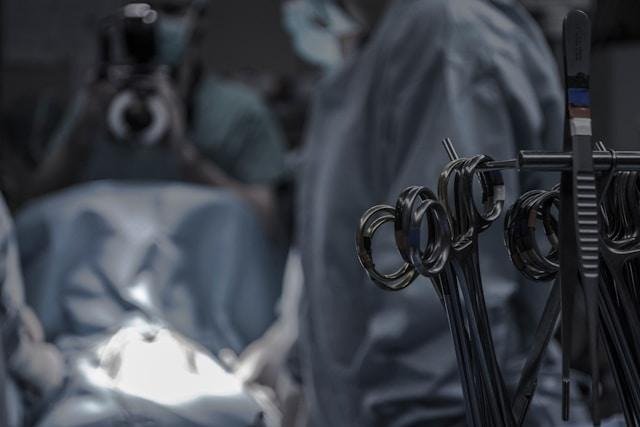
Introduction
Breast implants have helped many individuals achieve their desired appearance and boost their confidence. However, as time passes, circumstances, personal preferences, or medical considerations may lead some people to explore breast implant removal or replacement. Despite the growing availability of information, misconceptions about these procedures remain widespread. These myths can create unnecessary anxiety and make it more difficult for patients to make informed decisions about their options.
Understanding the facts behind breast implant removal and replacement is essential for anyone considering a change. Whether the motivation is cosmetic, medical, or lifestyle-related, knowing what these procedures actually involve can help set realistic expectations and support better outcomes. Below are four of the most common misconceptions surrounding breast implant removal and replacement and the truths behind them.
Implant Removal Is Only Necessary When Something Goes Wrong
One of the most common myths is that breast implants only need to be removed if they rupture, leak, or cause a medical complication. While these situations can certainly lead to implant removal, they are far from the only reasons patients choose this procedure.
Many individuals decide to remove or replace their implants because their aesthetic preferences have changed over time. Some may want a smaller size, while others prefer a more natural appearance. Lifestyle changes, aging, pregnancy, or weight fluctuations can also influence the decision.
In some cases, patients choose replacement rather than complete removal to update older implants or improve symmetry and overall results. Modern implant technology has evolved significantly, offering more options than ever before. As a result, many patients opt for replacement as part of a long-term aesthetic plan rather than a response to a problem.
The decision is highly personal and often based on individual goals rather than medical necessity alone.
Breast Implant Removal Always Leads to Poor Cosmetic Results
Another widespread misconception is that removing implants automatically results in an unattractive or significantly altered breast appearance. While implant removal does change breast volume, outcomes vary greatly depending on factors such as skin elasticity, implant size, tissue quality, and surgical technique.
Many patients are pleasantly surprised by their appearance after removal, especially when procedures are tailored to their specific needs. In some cases, surgeons may recommend combining removal with a breast lift to address excess skin and create a more youthful contour.
Others may choose implant replacement to maintain volume while improving shape or updating older implants. Patients considering options such as breast augmentation in Virginia often discuss both current and future aesthetic goals with their surgeon, allowing for a personalized treatment plan that supports long-term satisfaction.
The key is understanding that cosmetic outcomes are not one-size-fits-all. With careful planning and realistic expectations, many individuals achieve results that align with their desired appearance.
Implants Must Be Replaced Every Ten Years
The idea that breast implants automatically require replacement every ten years is one of the most persistent myths in cosmetic surgery. While this guideline was commonly repeated in the past, it does not accurately reflect current recommendations.
Breast implants are durable medical devices, but they are not considered lifetime devices. That said, there is no universal expiration date that applies to every patient. Many individuals enjoy their implants for well over a decade without experiencing issues that require replacement.
Instead of replacing implants based solely on age, surgeons generally recommend monitoring implant integrity and overall breast health through regular checkups. If a patient remains satisfied with their appearance and no complications are detected, there may be no immediate need for replacement.
Replacement decisions are typically driven by factors such as personal preferences, changes in appearance, implant rupture, capsular contracture, or other concerns rather than an automatic timetable. Understanding this distinction helps patients avoid unnecessary procedures and focus on what is truly best for their situation.
Recovery Is Extremely Difficult and Painful
Many people hesitate to explore implant removal or replacement because they believe recovery will be overwhelmingly painful or require a lengthy interruption to daily life. While every surgical procedure involves some degree of discomfort, modern techniques and individualized care plans have significantly improved the recovery experience.
Most patients report soreness, swelling, and temporary limitations immediately following surgery, but these effects are generally manageable with appropriate post-operative care. The recovery timeline depends on the complexity of the procedure, whether additional treatments such as a breast lift are performed, and each patient’s healing process.
Many individuals are able to return to light daily activities relatively quickly, although strenuous exercise and heavy lifting are typically restricted during the initial healing period. Following post-operative instructions carefully can help minimize complications and support a smoother recovery.
It is also important to recognize that experiences vary. Some patients recover faster than expected, while others may need additional time. Having realistic expectations and maintaining open communication with a qualified surgeon can make the recovery process much less stressful.
Conclusion
Breast implant removal and replacement are highly individualized procedures that are often misunderstood. Myths about mandatory replacement timelines, poor cosmetic outcomes, difficult recoveries, and limited reasons for removal can create unnecessary fear and confusion. In reality, these procedures are driven by personal goals, medical considerations, and evolving lifestyle preferences.
By separating fact from fiction, patients can approach the decision-making process with greater confidence and clarity. Consulting an experienced surgeon, discussing expectations openly, and understanding the range of available options are important steps toward achieving satisfying and informed results. Ultimately, the best decisions are based on accurate information rather than common misconceptions.

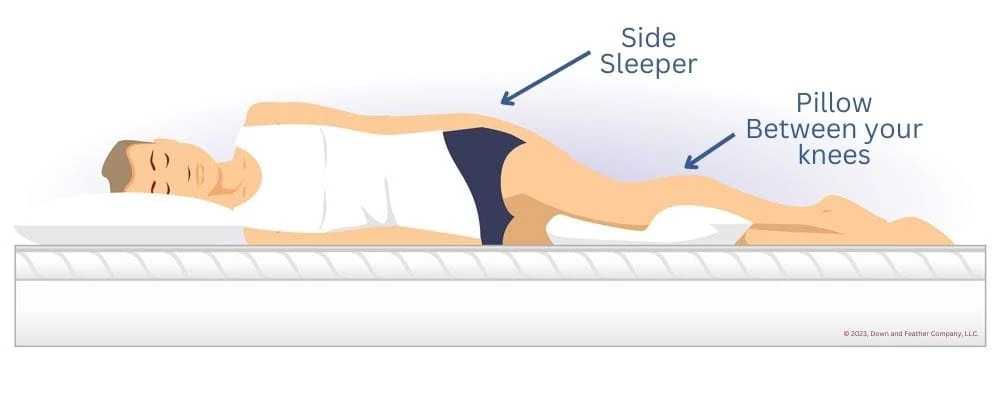
The physiological positioning of the human body during sleep plays a vital role in determining muscle recovery, nervous system health, and joint preservation overnight. Among the primary sleep profiles, side-sleeping is the most common position adopted by adults worldwide, offering great lifestyle benefits, including improved digestion, reduced snoring, and optimized lymphatic drainage within the brain. However, side-sleeping places a unique mechanical strain on the skeleton, concentrating the body’s entire downward force onto two narrow points: the shoulder joint and the pelvic girdle.
When a side-sleeper rests on an unsupportive or overly rigid surface, these prominent bone zones encounter intense counter-pressure, cutting off local blood circulation and compressing sensitive nerve pathways. This nerve irritation triggers frequent nocturnal shifting and tossing, forcing the body out of deep, restorative sleep cycles and leaving the individual with stiff shoulders, hip pain, and lower back aches in the morning. Resolving these localized pressure challenges requires a specialized sleep surface engineered to cradle prominent joints while supporting the natural curve of the waist.
Selecting a targeted, variable-tension model through the best Hypnos for side sleepers pathway ensures that the shoulder and hip zones can sink just enough to keep the spine perfectly straight. This exact balance of pressure relief and deep support minimizes joint stress completely, allowing your muscles to relax fully and support a deep, uninterrupted night of sleep.
The Structural Failures of Generic Mattresses for Side Sleepers
Traditional, uniform-tension mattresses often fail to support the distinct contours of a side-sleeper, leading to chronic misalignment and joint pain.
The Problem of Shoulder Compression and Nerve Pinching
An overly firm mattress surface acts as a rigid wall against the shoulder joint during side-sleeping, forcing the arm backward and compressing the subacromial bursa. This intense pressure slows down blood circulation, leading to a numb “pins-and-needles” feeling in the arm that disrupts sleep. Over time, chronic shoulder compression can cause localized bursitis and morning neck stiffness.
Pelvic Twisting and Lateral Spinal Distortion
If a mattress lacks a responsive pocket-spring core, the wider hip zone cannot sink sufficiently into the comfort layers. This restriction forces the pelvis to tilt sideways or rotate forward unconsciously to find comfort, twisting the lumbar spine out of its natural alignment. This lateral spinal distortion places continuous strain on the lower back muscles, leading to chronic sciatica and dull lower back pain.
Excessive Sagging and the Loss of Waist Support
Conversely, cheap memory foam alternatives often soften too much under body heat, causing the entire torso to sag into a deep dip. This hammock-like position collapses the waist zone and pinches the spinal column laterally, straining the surrounding ligaments and tendons. A highly responsive, zoned pocket-sprung system is necessary to support the waist while cushioning the shoulders and hips safely.
Key Structural Features Needed in Premium Side-Sleeper Beds
Elite side-sleeper mattresses combine highly responsive, independent pocket springs with plush natural upholstery to cushion prominent joints while maintaining spinal alignment.
- Progressive Pocket Spring Cores: Utilizing independent steel springs that compress locally allows the shoulder and hip zones to sink naturally while keeping the waist fully supported.
- Plush, Resilient Natural Wool Layering: Thick layers of British wool and hand-teased horsehair provide a soft, breathable cushion that relieves pressure around prominent joints.
- Flexible, Tufted Surface Architecture: Deep hand-tufting secures the comfort fillings safely without hardening the surface, maintaining a plush, contouring feel.
Frequently Asked Questions
What mattress firmness profile is ideal for a standard side-sleeper?
A medium or medium-firm profile is generally ideal for side-sleepers, as it delivers enough surface cushioning for the shoulders while maintaining support for the spine.
How does a pocket-spring mattress help prevent hip pain overnight?
Independent pocket springs compress locally under the hips, distributing your body weight evenly to remove pressure spikes from the hip joints.
Can utilizing a contouring pillow improve my side-sleeping alignment?
Yes, using a high-quality pillow that matches the depth of your shoulder keeps your head aligned with your spine, preventing neck muscle strain.
Is a side-sleeper mattress suitable if I occasionally switch to my back?
Yes, premium medium-firm pocket-sprung systems are highly versatile, adapting instantly to support your body whether you rest on your side or back.
How can I tell if my current mattress is too firm for my side-sleeping style?
If you frequently wake up with numb arms, stiff shoulders, or a dull ache in your hip joints, your mattress is likely too firm to cushion your joints.
Conclusion
Optimizing your bedroom setup with a specialized side-sleeper mattress is an essential strategy to eliminate joint pressure and maintain a healthy, straight spine overnight. Continuing to rest on an unsupportive, rigid surface forces your shoulders and hips to carry intense pressure spikes, leading to frequent sleep disruptions, numb limbs, and chronic back pain.
Choosing a well-engineered pocket-sprung mattress built with plush, natural comfort fillings ensures your joints are cradled safely while your waist receives stable support. Ultimately, investing in a targeted side-sleeper sleep system protects your structural health and sleep quality, ensuring you wake up loose, pain-free, and fully energized.
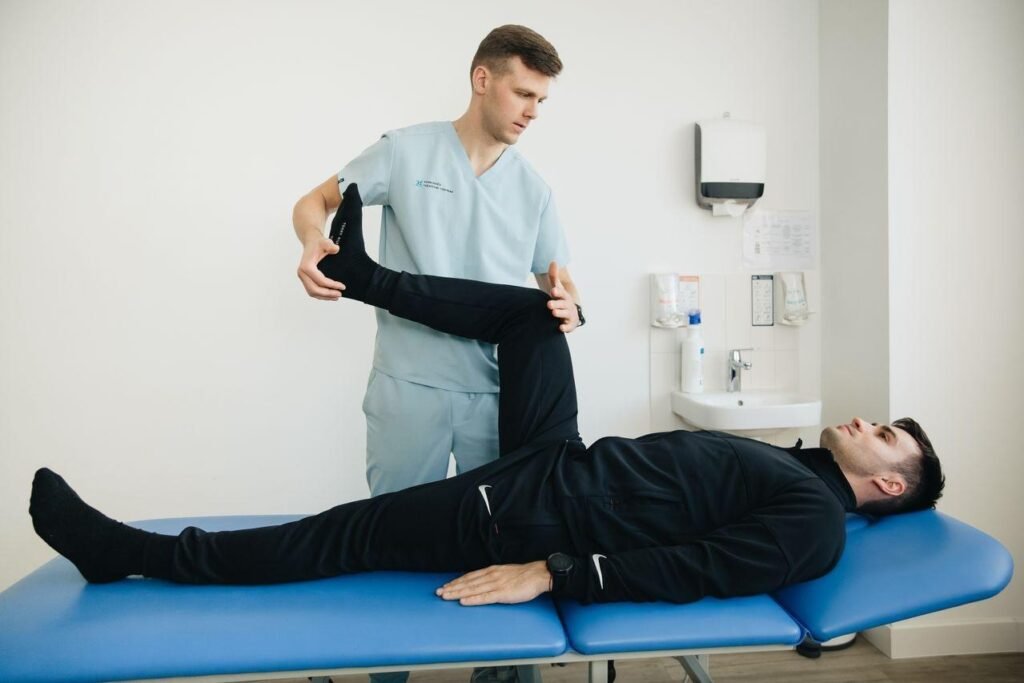
Photo by Funkcinės Terapijos Centras
Getting hurt while playing sports is tough. When you sprain an ankle or hurt your shoulder, your first thought is usually to rest, use ice, and wait. But just sitting around can actually slow down your healing and cause other body problems later. True recovery requires an active plan that fixes the real cause of the issue instead of just hiding the pain.
The Pitfalls of Conventional “Passive” Recovery
Many athletes think that staying completely still is the safest way to heal after getting hurt. While resting at first is necessary, staying inactive for too long often hurts your body more than it helps. Relying only on time and patience can cause hidden problems that change how you move in the future.
- The Danger of Prolonged Rest
When you stop moving an injured limb for weeks, the muscles quickly lose their strength. This lack of activity leads to bad joint stiffness and allows tough scar tissue to form inside. Over time, this tight tissue limits your flexibility and makes it very hard to play your sport again.
- The Band-Aid Solution
Taking pain pills might clear away the immediate ache, but it does not fix the physical problem that caused the hurt. Hiding the pain can trick you into moving too soon, which often leads to getting hurt all over again.
- The Kinetic Chain Effect
When one part of your body hurts, you naturally change how you walk or run to protect that spot. This shift puts bad weight and extra pressure on your healthy joints and muscles. If you do not fix this imbalance quickly, you will start feeling pain in new areas that were fine before.
How Chiropractic Care Transforms Sports Injury Recovery
Professional adjustments offer an active way to heal by targeting the exact source of your pain. This hands-on method helps line up your bones so your muscles do not have to work extra hard to support you. By focusing on joint movement, you can heal much faster and get your strength back.
- Restoring Joint Mobility
Gentle pressure helps unlock stiff joints so they can slide and turn normally again. This quick fix takes the heavy stress off your tight muscles and ligaments right away. Once the pressure drops, your body can move naturally without any pinching or hurting.
- Enhancing Nervous System Function
Your spine holds the main path for messages traveling between your brain and the rest of your body. When your bones are out of line, it can mess up the signals that control healing and muscle movement. Keeping this pathway clear allows your body to repair itself much faster.
- Customized Rehabilitation
A real recovery plan involves a lot more than just cracking a few joints. Providers create specific stretching and exercise plans that match the exact movements you use in your sport. This focus ensures you rebuild strength at the right angles you need to play well.
Beyond the Spine: The Power of Multimodal Care
Real healing means looking at your whole body as one connected system instead of separate pieces. Mixing bone alignment with muscle care ensures that every part of your injury heals at the exact same pace. This complete method cuts down your recovery time and builds a much stronger foundation for exercise.
- A Holistic Ecosystem
Bones and muscles must work together to help you move smoothly. If a provider only fixes the joint alignment but leaves the surrounding muscles tight, your body will just pull itself back out of place. Treating both parts at the same time keeps your body balanced for the future.
- Complementary Modalities
Using different treatments together helps tackle your injury from multiple angles at once. For instance, cross-disciplinary clinics that offer professional massage therapy in Cambridge demonstrates how manual tissue manipulation perfectly complements spinal adjustments to break down scar tissue. Combining these methods keeps blood flowing well and relaxes deep muscle knots.
Choosing the Right Professional for Your Recovery
Finding the right person to guide your recovery is a huge step in getting back to your sport. You need a professional who truly understands the physical strain of your specific activities and daily life. Making a smart choice ensures you get a safe plan that fits your personal goals.
- What to Look For
Look for providers who have extra training in sports injuries and how the body moves. A good professional will do a full checkup to see how you balance, bend, and walk. They should explain your issues clearly and focus on preventing future injuries rather than just giving a quick fix.
- Local Expertise Matters
Picking a provider close to home makes it much easier to show up for your regular appointments. Consistency is the most important part of tracking your healing and changing your plan as you get stronger. If you are a local athlete looking to get back on the field safely, consulting an experienced chiropractor in Oshawa can provide the localized, hands-on care needed to map out a precise rehabilitation blueprint.


-

 Celebrity12 months ago
Carolin Bacic: Life, Biography, Family, and Legacy
-

 Celebrity5 months ago
Alex Eala: Rising Tennis Star from the Philippines and Her Journey to Global Success
-

 Celebrity1 year ago
Christine Williamson: A Rising Star in Sports Journalism
-

 Celebrity11 months ago
Dani Daniels: A Complete Biography of the Artist, Media Personality, and Entrepreneur
-

 Celebrity5 months ago
Valerie Perrine: A Complete Biography of the Acclaimed Actress and Icon
-

 Celebrity9 months ago
Eleonora Incardona: Biography, Career, Age, Boyfriend, Net Worth & Lifestyle (2025)
-

 Celebrity1 year ago
Vera Davich: Biography, Life, and Legacy2025
-

 Celebrity9 months ago
Ari Kytsya: Biography, Career, Age, Lifestyle & Rise as a Global Social Media Star