
Business
Why Cash Flow Analysis Matters For Small Business Stability


Cash flow keeps your small business steady when pressure rises. You might sell enough. You might show a profit. Yet if cash does not come in on time, payroll, rent, and supplies sit at risk. Cash flow analysis shows when money enters, when it leaves, and where it sticks. Then you can plan. You can spot shortfalls early. You can protect your staff and your own paycheck. This is not a task for large companies only. It matters for every shop, contractor, and online seller. It also ties directly to tax time. Careful tracking supports accurate business tax preparation in Charlotte, NC. It reduces surprise tax bills. It also cuts stress when the year closes. When you understand your cash flow, you respond faster, negotiate from strength, and keep doors open during hard seasons.
What Cash Flow Really Shows You
Cash flow is the story of your money in real time. It tracks every dollar that comes in and every dollar that goes out. Income statements and balance sheets show profit and worth. Cash flow shows your next move.
You use cash flow analysis to answer three hard questions.
- Can you pay your bills this month
- Can you cover a sudden repair or slow week
- Can you pay yourself without hurting the business
The U.S. Small Business Administration cash flow guidance explains that many small businesses close even when they show a profit. They run out of cash. Your cash flow statement shows if your profit is real cash or only a number on paper.
Three Main Parts Of Cash Flow
Cash flow analysis sorts money into three simple groups. This helps you see where stress begins.
- Operating cash flow. Money from sales, services, and daily work. You watch this first.
- Investing cash flow. Money used for equipment, tools, and property. Also, money from selling those items.
- Financing cash flow. Money from loans, owner draws, and investor funds. Also, loan payments.
When you track these three, patterns appear. Maybe your work brings in steady cash, yet loan payments crush your bank account. Maybe you buy equipment too fast. Cash flow analysis gives you an early warning.
Cash Flow Versus Profit
People mix up profit and cash. That mistake causes fear and missed paychecks. Profit is your income minus expenses on paper. Cash is what sits in your bank today.
Here is a simple comparison.
| Topic | Profit | Cash Flow |
|---|---|---|
| What it measures | Income minus expenses over a period | Actual cash in and out of your accounts |
| Key question | Did you earn money on paper | Can you pay bills and payroll on time |
| Timing | Uses invoices and bills, even if unpaid | Counts only money that moved |
| Main risk | Gives a false sense of safety | Shows stress early, can feel harsh |
| Use for decisions | Helps with long term planning | Guides daily and weekly choices |
You need both views. Yet when cash and profit clash, cash wins every time. Your vendors and staff expect payment in cash, not profit.
Why Cash Flow Analysis Protects Your Family And Staff
Small businesses run close to home. When cash flow breaks, your family feels it. Your staff feels it. Careful analysis protects the people who trust you.
Cash flow analysis helps you
- Plan payroll with less fear
- Avoid late fees and shutoff notices
- Time owner draws so they do not hurt the business
The IRS small business resources remind you that cash planning also supports clean records. Clean records reduce tax risk. They also support fair treatment of staff and contractors.
Using Cash Flow To Prepare For Taxes
Tax time often exposes weak cash habits. Sudden tax bills hit hard when you did not track money during the year. Cash flow analysis turns tax time into a steady process.
You can use a simple method.
- Review monthly cash in and cash out
- Set aside a percent of net cash each month for taxes
- Mark large payments like quarterly estimates on a calendar
When you link your cash flow report to your tax plan, you see tax payments as part of normal life. They become one more planned cash outflow, not a shock.
Simple Steps To Start Cash Flow Analysis
You do not need complex software to start. You can use a spreadsheet or even paper. The key is steady habit. Try this three-step routine.
- List all cash in. Record each payment you receive. Include date, source, and amount.
- List all cash out. Record each payment you make. Include date, payee, and purpose.
- Review each week. Compare totals. Mark weeks when cash out is higher than cash in.
Over a month or two you will see clear trends. You will notice slow weeks. You will notice seasons when expenses jump, such as back-to-school or holidays. That knowledge lets you adjust staffing, inventory, and owner pay.
Common Cash Flow Traps To Avoid
Cash flow problems often come from a few repeat mistakes. Watch for these traps.
- Slow invoicing or late billing
- Loose payment terms that let customers pay far too late
- Large inventory orders before you need the stock
- Owner draws that ignore upcoming bills
- Loan payments that do not match your true cash power
Cash flow analysis uncovers each trap. Once you see the pattern, you can change terms, adjust orders, or refinance debt.
Turn Cash Flow Into A Weekly Habit
Cash flow analysis matters because it gives you control. Not perfect control. Enough control to make steady choices. Set one short meeting each week. Look at your cash in and cash out. Ask three questions.
- Do you have enough to cover the next two weeks
- Do you need to slow spending this week
- Do you need to speed up collections
When you keep this habit, money surprises shrink. Stress at home eases. Your staff sees steady pay. Your business stands stronger when pressure rises.


Small changes can give your motorcycle a fresh identity without a full repaint or major rebuild. A coordinated set of details, chosen to suit the bike’s shape and the way you ride, often makes a stronger impression than a collection of unrelated accessories. Start with one visual direction, such as clean and understated, vintage-inspired, or bold and high-contrast, then make each upgrade support it.
Decals are an easy place to begin, especially on a dirt bike with broad, visible plastics. A well-chosen Yamaha YZ 85 decal can bring color and structure to the fairings, while helping a familiar model feel more personal. Match the graphic’s palette to the seat, grips, or helmet for a pulled-together look. Before applying anything, clean the surface carefully and check that the decal is intended for the bike’s model and year.
Refresh The Small Touchpoints
Grips, bar ends, levers, and mirrors may be modest parts, but they sit where the eye naturally lands. Swapping worn grips for a fresh pair can make the cockpit look cleaner; a different texture or color adds a subtle accent. Matching a few metal or black components can also tie together a custom theme. Keep fit and function in mind, and make sure replacement controls operate smoothly and don’t interfere with steering.
A seat cover is another upgrade with outsized visual impact. A ribbed, grippy cover can give an off-road bike a more purposeful appearance, while a simple, contrasting panel can sharpen a street bike’s profile. Choose a color that complements the bodywork rather than competing with it. If the original cover is in good condition, a careful clean may be enough to restore its appearance before investing in a replacement.
Give The Wheels A New Role
Wheels occupy a large part of the bike’s silhouette, so small details around them can change the overall impression. Rim tape, spoke covers, or a fresh wheel finish can add a striking accent, particularly when the rest of the design stays restrained. For a more classic style, keep the wheel treatment understated; for a modern look, repeat one bright color in just one or two places.
Tires also affect the motorcycle’s visual character. A different tread pattern can make an off-road bike look more aggressive, while a clean, appropriate street-tire profile can complement a road-focused build. Select tires for the bike and intended riding conditions, not appearance alone, and follow the manufacturer’s guidance for fitment and pressure.
Use Lighting And Finish Thoughtfully
Fresh, properly fitted lighting can make the front or rear of a motorcycle look more current. A compact headlight or tidy turn signals can streamline the design, but visibility and legal requirements matter as much as appearance. The National Highway Traffic Safety Administration’s motorcycle safety guidance emphasizes being visible to other road users, so avoid changes that obscure signals or make the bike harder to see.
Paint and plastics don’t always need replacing to look renewed. A thorough wash, suitable polish, and attention to faded trim can restore contrast and shine. For durable care, consult this motorcycle cleaning guide and use products appropriate for each surface. A clean finish also helps new graphics and accessories stand out.
Build A Cohesive Look
The best upgrades feel intentional. Pick a main color, repeat it sparingly, and balance bright details with neutral ones. A small change to the seat, grips, and graphics may be all it takes; adding every available accessory can make the result feel busy. Take a photo before starting, then compare each change against the whole bike. With a little planning, a few carefully chosen details can make your motorcycle feel unmistakably yours.

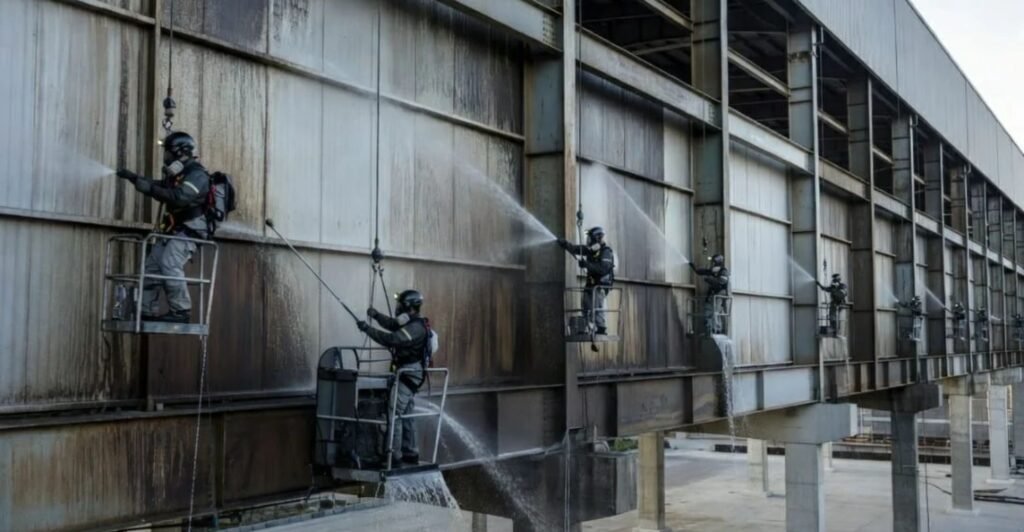
High-level cleaning is an important part of maintaining clean, safe and hygienic commercial and industrial premises. Areas such as ceilings, roof structures, beams and ventilation systems can collect dust and debris that ordinary cleaning methods cannot reach. Professional high-level cleaning keeps these overlooked spaces clean.
Whether you manage a warehouse, factory, office, or commercial building, regular high-level cleaning improves workplace hygiene and maintains your premises. Green Clean Hygiene provides specialist cleaning solutions across the Midlands, using trained operatives and appropriate access equipment to handle difficult cleaning requirements.
What Is High Level Cleaning?
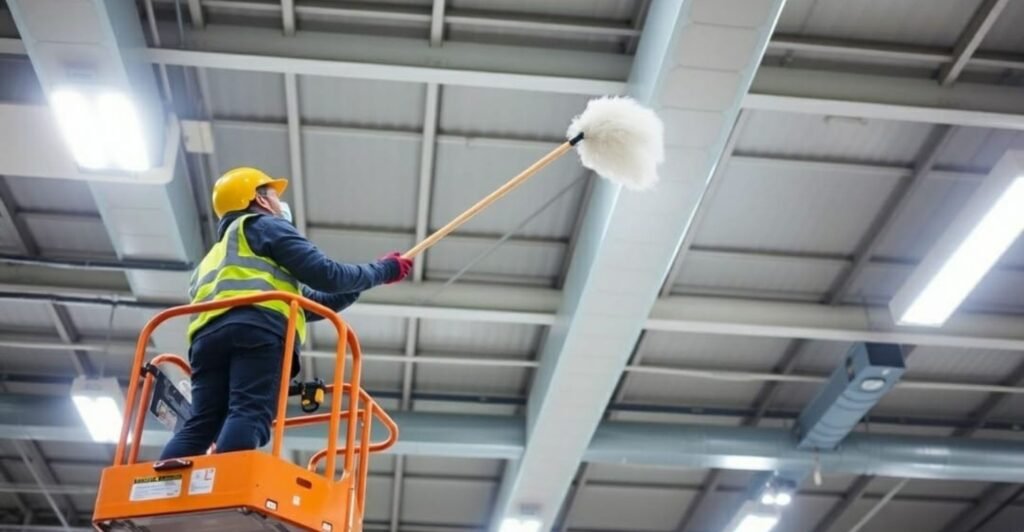
High-level cleaning involves removing accumulated dust, dirt, grease, cobwebs, and other debris from elevated or difficult-to-access surfaces. These areas are often overlooked during routine cleaning because they require specialist equipment and trained professionals.
Common cleaning tasks include treating overhead structures, ceiling areas, lighting fixtures, ductwork, pipework and external building surfaces. Both internal and external high-level cleaning can be arranged depending on the condition and requirements of the premises.
Why Is High Level Cleaning Important?
Dust and debris can gradually accumulate in areas above normal working height. Without proper maintenance, these deposits may affect workplace hygiene, indoor air quality and the general condition of a building. Falling debris can also create problems in environments where cleanliness is particularly important.
Professional high-level cleaning helps businesses maintain better housekeeping standards and reduce the risks associated with accumulated dirt. It is especially valuable in food production, manufacturing and healthcare environments, where maintaining suitable hygiene conditions is essential.
Areas Covered by High Level Cleaning Services
A professional high level cleaning programme can cover several internal and external building features. Exact requirements depend on the structure, accessibility, and type of contamination.
Typical areas include:
- Roof structures, steel beams and supporting frameworks.
- High ceilings, skylights and internal cladding.
- Lighting fixtures and ventilation systems.
- Ductwork, exposed pipes and cable installations.
- Warehouse racking and elevated storage areas.
- External signage, building façades and gutters.
Regular cleaning helps prevent excessive dust build-up and supports overall maintenance of commercial premises.
High Level Cleaning for Warehouses and Factories
Warehouses and factories often have large internal spaces with high ceilings, exposed steelwork and extensive storage systems. These structures can collect dust, cobwebs and industrial debris that are difficult to remove using standard cleaning equipment.
High level cleaning helps maintain cleaner working environments by addressing roof structures, beams, lighting systems, warehouse racking and overhead services. Green Clean Hygiene provides specialist cleaning for factories, warehouses and distribution centres, with work planned around individual site requirements.
Specialist Equipment for Working at Height
Cleaning elevated surfaces requires suitable access equipment and an understanding of working-at-height procedures. The equipment used depends on the building layout, cleaning requirements and accessibility of the affected areas.
Green Clean Hygiene uses different access methods, including rope access, cherry pickers, scissor lifts, spider lifts, truck-mounted platforms, scaffold towers and suspended platforms.
These solutions allow trained cleaning operatives to reach challenging areas while working in a controlled manner. Selecting suitable equipment also helps reduce unnecessary disruption to surrounding activities.
Safety Standards and Qualified Cleaning Operatives
Safety is an essential consideration when arranging professional high level cleaning. Working at height involves specific risks, so cleaning tasks must be properly assessed and planned before work begins.
Green Clean Hygiene’s technicians are qualified to IPAF, PASMA and IRATA standards, supporting their ability to use specialist access methods. The company also carries out risk assessments before projects and provides appropriate fall arrest equipment.
Professional supervision, suitable protective equipment and planned working procedures help ensure cleaning activities are completed responsibly and safely.
ATEX Cleaning for Specialist Environments
Some industrial environments contain flammable dust or fumes, requiring additional precautions during cleaning. ATEX area cleaning is designed for locations where potentially explosive atmospheres may be present.
Green Clean Hygiene provides specialist ATEX cleaning using anti-static vacuums and, where required, intrinsically safe equipment. This approach removes accumulated contamination while considering the specific hazards of the working environment.
Eco-Friendly Cleaning and Flexible Scheduling
Choosing suitable cleaning products helps maintain workplace hygiene while protecting the surrounding environment. Where possible, Green Clean Hygiene uses eco-friendly, non-toxic cleaning products that are suitable for people and the environment.
Flexible scheduling is another important consideration for commercial and industrial businesses. Cleaning can be arranged during evenings and weekends to help minimise disruption to normal operations. Depending on the requirements, businesses can also arrange one-off specialist cleans or ongoing maintenance services.
High Level Cleaning for Different Sectors
Different industries have different cleaning requirements depending on their building structures, daily activities and hygiene standards. High level cleaning can support a wide range of commercial and residential environments.
Green Clean Hygiene provides services for food production facilities, factories, warehouses, distribution centres, retail parks, schools, leisure centres and office buildings. The cleaning approach can be adapted to the premises, helping address specific areas that require specialist attention.
Choosing Professional High Level Cleaning Services
When choosing a high level cleaning company, businesses should consider relevant experience, staff qualifications, safety procedures and access equipment. Green Clean Hygiene provides specialist high-level cleaning across Birmingham, Coventry, Wolverhampton, Solihull, and other Midlands areas. With over 20 years of combined industry experience, the company offers tailored cleaning solutions for challenging environments, with wider coverage available for larger projects.
Professional high-level cleaning helps businesses keep premises cleaner, remove accumulated dust and debris, and support better workplace hygiene. Arranging a suitable cleaning programme also makes ongoing building maintenance more effective.
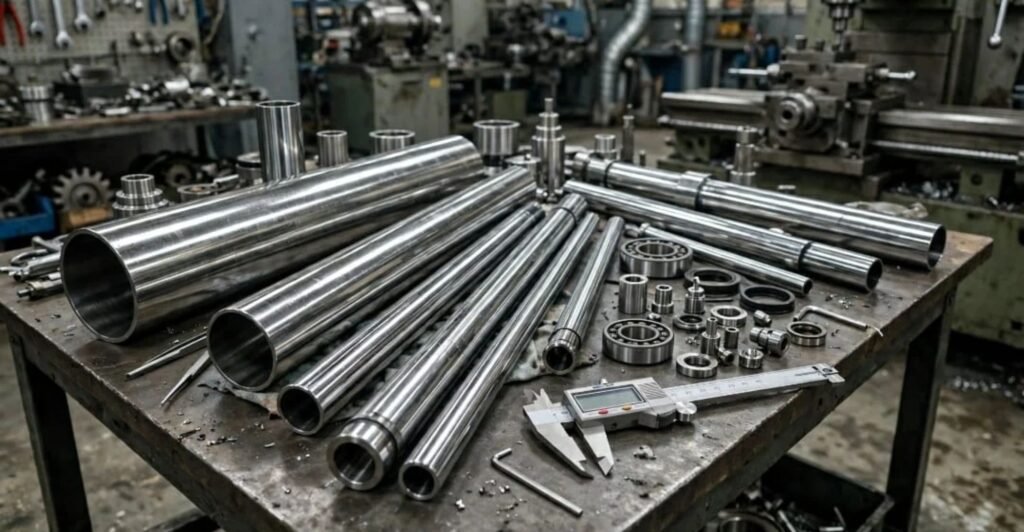
Chrome plated tubing is used in various engineering and industrial applications where surface quality, durability and reliable component performance are important. It is particularly relevant to hydraulic and pneumatic systems, where suitable tubing helps support the operation of precision-engineered equipment.
Choosing the right chrome plated tubing involves understanding its material properties, dimensions, surface finish and intended application. From industrial machinery to hydraulic cylinder components, selecting suitable products can help meet specific engineering requirements and maintain consistent performance.
What Is Chrome Plated Tubing?
Chrome plated tubing is a metal tube featuring a chromium coating applied to its surface. This treatment can provide improved surface hardness, wear resistance and protection against corrosion, depending on the coating specification and operating environment.
It is used in engineering applications where the tube surface condition is important to component performance. The manufacturing process, base material and plating requirements can vary according to the intended use, making specification an important consideration when sourcing suitable tubing.
How Does Chrome Plating Work?
Chrome plating involves applying a layer of chromium to a prepared metal surface through an electroplating process. The tube is prepared before plating to help achieve a consistent coating and the required surface finish.
The thickness, hardness and finish of the chromium layer depend on the application and manufacturing requirements. Hard chrome plating is commonly associated with engineering components that experience repeated movement, friction and mechanical contact. Appropriate surface preparation and quality control are essential to achieve the required results.
Key Benefits of Chrome Plated Tubing
One of the main advantages of chrome plated tubing is its potential to provide a hard-wearing surface for demanding engineering environments. The chromium coating can improve resistance to surface wear and help protect the underlying material.
Other benefits may include:
- Wear resistance: Helps reduce surface deterioration in suitable applications.
- Surface hardness: Provides a harder external surface when hard chrome plating is specified.
- Corrosion protection: Offers additional corrosion protection, depending on coating quality and environmental conditions.
- Surface finish: Can provide a smooth, finished surface suitable for particular engineering requirements.
- Component durability: Supports component service life when correctly specified and maintained.
These properties make chrome plated products useful across several industrial sectors.
Applications in Hydraulic Systems
Hydraulic equipment relies on accurately manufactured components to transfer force through pressurised fluid. Chrome plated materials are commonly used in hydraulic engineering, particularly in components exposed to movement, friction and demanding operating conditions.
Chrome plated tubing may be specified for hydraulic equipment depending on its design and surface requirements. It is important to distinguish between chrome plated tubing, chrome plated bar and honed cylinder tube, as each product serves a different purpose within hydraulic systems. Selecting compatible materials and dimensions helps support the performance and reliability of hydraulic equipment.
Chrome Plated Tubing for Pneumatic Equipment
Pneumatic systems use compressed air to operate machinery, cylinders and automated equipment. Their components must meet suitable dimensional and surface requirements to support reliable movement and operation.
Chrome-plated materials can be used in specialist pneumatic engineering applications where their surface characteristics are required. Product selection should account for operating pressure, component design, material compatibility and the manufacturer’s technical specifications. Working with an experienced engineering supplier can help identify suitable materials for specific pneumatic requirements.
Difference Between Chrome Plated Tubing and Honed Tubes
Chrome plated tubing and honed tubes are both used in engineering, but they have different characteristics and purposes.
Chrome plated tubing features a chromium-coated surface, whereas honed tubing undergoes an internal finishing process to achieve an accurate bore and suitable internal surface finish. Honed tubes are particularly important in hydraulic and pneumatic cylinder manufacture.
Seamless honed tubes are another option where seamless construction and a precision-finished internal bore are required. Understanding these differences helps engineers select appropriate materials for their equipment and manufacturing processes.
Choosing the Right Material and Dimensions
Material selection is an important part of sourcing chrome plated tubing. Steel, stainless steel and specialist alloys may be considered depending on the application, operating environment and engineering specification.
Buyers should assess several factors before placing an order, including:
- Required outside diameter and internal diameter.
- Wall thickness and overall tube length.
- Base material and coating specification.
- Dimensional tolerances and surface finish.
- Operating conditions and equipment compatibility.
- Standard or non-standard size requirements.
Providing accurate technical information helps suppliers identify suitable products and reduces the risk of material incompatibility.
Industries That Use Chrome Plated Tubing
Chrome plated products support a variety of engineering and manufacturing sectors. Hydraulic and pneumatic equipment manufacturers use specialist materials when producing cylinders and associated components.
Other relevant sectors include general engineering, precision engineering, aerospace and oil and gas. These industries often require materials that meet specific dimensional, manufacturing and surface-finish requirements.
The correct product depends on the equipment design and intended working conditions. Consulting an experienced supplier can help establish the most appropriate material for each application.
Sourcing Chrome Plated Tubing from a Specialist Supplier
Choosing a knowledgeable supplier is important when sourcing engineering materials. Buyers should consider product availability, dimensional options, technical knowledge and the supplier’s ability to support specialist requirements.
CA Honemaster supplies chrome bar, chrome plated products, honed tubing and seamless honed tubes for hydraulic, pneumatic and industrial applications. The company holds over 500 product sizes and operates a 10,000 sq ft warehouse facility.
With over 40 years of engineering experience, CA Honemaster also offers specialist in-house machining capabilities. Its range includes standard and non-standard dimensions, steel, stainless steel and specialist material options.
Why Quality and Specification Matter
Quality is an essential consideration when purchasing chrome plated tubing for industrial use. Incorrect dimensions, unsuitable materials or an inappropriate surface finish can affect component compatibility and equipment performance.
Customers should check product specifications, coating requirements and relevant quality information before ordering. CA Honemaster takes ISO 9001 quality requirements seriously and uses the standard to support the consistent provision of products and services that meet customer and regulatory requirements.
Discussing technical requirements with an experienced supplier can help ensure the selected material fits the intended application.


-

 Celebrity1 year ago
Carolin Bacic: Life, Biography, Family, and Legacy
-

 Celebrity9 months ago
Alex Eala: Rising Tennis Star from the Philippines and Her Journey to Global Success
-

 Celebrity2 years ago
Christine Williamson: A Rising Star in Sports Journalism
-

 Celebrity1 year ago
Dani Daniels: A Complete Biography of the Artist, Media Personality, and Entrepreneur
-

 Celebrity8 months ago
Valerie Perrine: A Complete Biography of the Acclaimed Actress and Icon
-

 Celebrity1 year ago
Eleonora Incardona: Biography, Career, Age, Boyfriend, Net Worth & Lifestyle (2025)
-

 Celebrity2 years ago
Vera Davich: Biography, Life, and Legacy2025
-

 Celebrity1 year ago
Ari Kytsya: Biography, Career, Age, Lifestyle & Rise as a Global Social Media Star