
Business
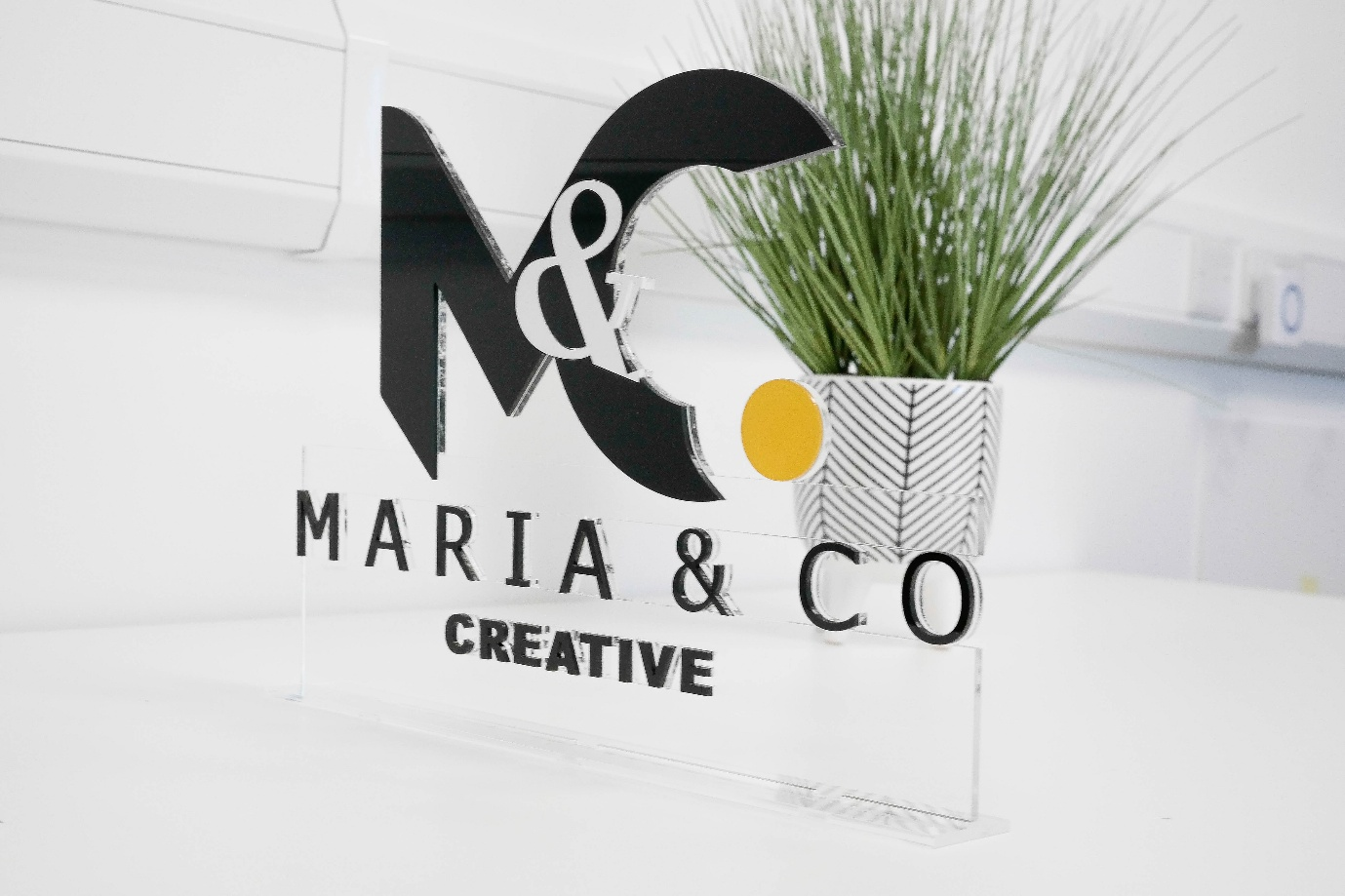
Desk Sign: A Complete Guide to Professional Office Desk Signs

What Is a Desk Sign?
A desk sign is a compact, professional display used to show a person’s name, job title, or a short message on a desk or reception area. It is designed to sit neatly on a flat surface, making it easy for visitors and colleagues to identify individuals within a workspace.
Desk signs are widely used in offices, reception desks, clinics, law firms, hotels, and coworking environments. Whether placed in a private office or an open-plan space, they help create a more organised and professional setting.
A well-designed desk sign offers several benefits:
• Creates a clean and professional appearance
• Helps visitors and staff identify team members quickly
• Supports consistent workplace branding
Even though small, a desk sign plays an important role in how a workspace is perceived.
Why Desk Signs Matter in the Workplace
A desk sign may seem like a simple addition, but it has a noticeable impact on how an office functions and feels.
One of the main advantages is clarity. In busy environments, especially those with multiple departments or shared workspaces, clear identification reduces confusion and improves communication.
A desk sign also contributes to a more organised and structured environment. When every desk is clearly labelled, the workspace feels more intentional and easier to navigate.
Additional benefits include:
• Professional presentation – A desk sign adds a polished finish to desks and reception areas
• Improved identification – Visitors can easily find the right person without asking
• Stronger branding – Consistent design across desk signs reinforces company identity
• Better morale – Personalised desk signs help employees feel recognised and valued
• Clear communication – Simple messages or titles provide useful context at a glance
These small details help create a workplace that feels more established and professional.
Popular Desk Sign Styles
Desk signs are available in a wide range of styles to suit different office environments, from traditional corporate spaces to modern creative studios.
Engraved metal desk signs
Metal desk signs, including aluminium, stainless steel, and brass, offer a clean and professional look. They are often used in corporate settings where durability and a polished appearance are important.
Wooden desk signs
Wooden desk signs provide a warmer and more natural feel. Often combined with engraved or acrylic name plates, they are ideal for businesses that want a more approachable or classic style.
Acrylic desk signs
An acrylic desk sign is a popular choice for modern offices. Clear or frosted acrylic creates a sleek, minimal look, while printed or engraved text adds a professional finish.
Minimalist desk signs
Simple designs with clean lines and clear fonts are widely used in contemporary workplaces. These desk signs focus on clarity and ease of reading without unnecessary detail.
Double-sided desk signs
These signs display information on both sides, making them useful for desks that face multiple directions or shared spaces.
Changeable desk signs
Some desk signs allow inserts to be replaced easily, making them ideal for environments where staff or roles change frequently.
3D and layered desk signs
Adding depth through layered materials or raised lettering can give a desk sign a more premium feel, helping it stand out while remaining professional.
Each style offers a different visual effect, allowing businesses to choose the best fit for their brand.
Materials and Finishes for Desk Signs
The material used for a desk sign affects not only its appearance but also its durability and how it fits within the workspace.
Common options include:
• Aluminium – Lightweight, durable, and available in a range of finishes
• Stainless steel – Strong and resistant to wear, ideal for high-end environments
• Brass – Traditional and elegant, often used in formal office settings
• Acrylic – Modern, versatile, and available in clear, frosted, or coloured finishes
• Wood – Natural and warm, suitable for more relaxed or creative spaces
Finishes also play an important role. Matte surfaces reduce glare under office lighting, while polished finishes can create a more striking look.
Choosing the right material helps ensure your desk sign complements the overall design of your workspace.
Customising Your Desk Sign
One of the key advantages of a desk sign is the ability to customise it to suit your business.
Most desk signs can be personalised with:
• Name and job title – Keep text clear and easy to read
• Font choice – Simple, professional fonts work best
• Logo placement – Adding a logo helps reinforce branding
• Layout – Choose centred or left-aligned text depending on style
• Colour combinations – High contrast improves readability
A well-designed desk sign should be easy to read from a distance while still reflecting your brand identity.
Keeping the design clean and consistent across all desk signs helps create a cohesive and professional workplace.
Where Desk Signs Are Used
Desk signs are suitable for a wide range of environments and can be adapted to different uses.
Common applications include:
• Reception desks – Welcome visitors and clearly display staff roles
• Office desks – Identify employees in shared or open-plan spaces
• Meeting rooms – Display room names or booking information
• Clinics and practices – Help patients find the right professional
• Hotels and service areas – Provide clear staff identification
They can also be used in home offices to create a more structured and personalised workspace.
Ordering and Production
Ordering a custom desk sign is usually a straightforward process.
The typical steps include:
• Selecting your preferred material, size, and style
• Entering the required text and design details
• Uploading your logo if needed
• Reviewing a digital proof before production
Production times are often quick, with many desk signs completed within a few working days. Bulk orders are also available for businesses looking to maintain consistency across teams.
Final Thoughts
A desk sign may be a small addition, but it plays an important role in shaping how a workspace looks and functions.
From improving organisation to reinforcing branding, desk signs help create a professional and well-structured environment. With a wide range of materials, styles, and customisation options available, it is easy to find a solution that suits your business.
Whether you are setting up a new office, upgrading your reception area, or organising a team workspace, a well-designed desk sign is a simple and effective way to enhance your professional image.


Introduction
Video consistency is the single hardest thing AI video generation gets asked to do. A character’s face has to hold across a five-shot sequence. The same jacket has to stay the same color when the camera cuts. The lighting has to feel like it belongs to one scene, not five separate renders stitched together. And when a creator uploads a source clip to restyle or transform, every frame that comes out the other side has to feel like it came from the same take.
The platforms that solve consistency approach it from two directions. Some focus on video-to-video transformation — taking an existing clip and rendering it into a new style, aesthetic, or setting while preserving motion and structure. Others focus on multi-shot consistency — keeping characters, environments, and lighting stable across a sequence of separately generated clips. The ten platforms below are ranked by how confidently they hold either kind of consistency. If the goal is finding an AI video generator that treats consistency as a first-class problem rather than a happy accident, this shortlist covers the field.
How We Test
- Video-to-video fidelity: Whether motion and structure survive style or content transformation.
- Character consistency across shots: Whether a specific identity holds across linked but separately generated clips.
- Environmental consistency: Whether backgrounds, lighting, and props stay stable across a scene.
- Reference input capacity: How many reference clips or images can guide a consistency-controlled generation.
- Style transfer control: Whether a source clip can be restyled without losing its underlying motion.
- Duration ceiling: Maximum consistency-controlled clip length in a single generation.
TL;DR
| Rank | Platform | Best For | V2V Support | Character Lock | Multi-Shot |
| 1 | FreeMaker | Multi-model V2V routing | Seedance / Seedance 2 / Wan | Multi-shot storytelling | Yes |
| 2 | Runway | V2V + scene editing | Aleph 2.0 | Image/video reference | Yes |
| 3 | Kling AI | Multi-shot element locking | Multi-Elements Editor | Elements 3.0 | 15s multi-shot |
| 4 | Krea | Style transfer + LoRA | 7+ engines | LoRA identity | Extend & merge |
| 5 | Domo AI | Video restyle + role tags | Video-to-Video | Omni Reference (50 refs) | Yes |
| 6 | Higgsfield | Cinematic consistency | Reference-based | Character locking | Yes |
| 7 | Vidu | Reference-locked long takes | Reference to Video | Multi-Subject | 60s single-take |
| 8 | Pika | Effects-preserving V2V | Pikaffects | Reference-based | Standard |
| 9 | Luma AI | Physics-consistent motion | Ray 2 | Reference frames | Standard |
| 10 | OpenArt | Motion transfer consistency | Motion Sync | Character Builder | Yes |
Website List
1. FreeMaker
What is it?
FreeMaker is an AI video generator that treats video-to-video as a multi-model routing problem. Its video generation stack includes three dedicated V2V engines — Seedance, Seedance 2, and Wan — each with different strengths on source footage. Seedance handles fast stylistic transformation; Seedance 2 improves motion fidelity and detail retention; Wan focuses on structural preservation during restyling. Combined with multi-shot storytelling for separately generated but linked scenes, it fits creators who need consistency across both the transformation itself and the sequence around it.
Features
- Three V2V engines: Seedance, Seedance 2, and Wan — same source clip can be tested across engines to find the cleanest transformation.
- Upstream image tools: FreeMaker’s image side, including specialized tools like the coat of arms maker, lets creators pre-build identity anchors — emblems, insignia, distinguishing props — as stills before rendering the video sequence around them.
- Multi-shot storytelling: Chain separately generated shots so the same subjects and environments hold across cuts.
- Start/end frame video: Anchor consistency by defining both endpoints of a shot — the model interpolates without drift.
- Fast render: 30–90 seconds per clip, useful when iterating V2V transformations across engines.
- Frame rate control: 24 / 30 / 60 fps — higher rates preserve motion detail through style transfer.
Pricing
- Free: Up to 60 credits through a 7-day daily check-in.
- Lite: $14.9/mo or $178.8/yr — 300 credits/mo, 720P, commercial rights, watermark-free.
- Pro: $29.9/mo or $358.8/yr — 600 credits/mo, 1080P.
- Premium: $149.9/mo or $1,798.8/yr — 3,200 credits/mo, 1080P, priority support.
Pros & Cons
- ✅ Three dedicated V2V engines under one subscription — widest V2V model comparison in the shortlist.
- ✅ Multi-shot storytelling extends consistency past individual clips into linked sequences.
- ✅ Commercial rights and watermark-free exports on every paid tier.
- ❌ No dedicated character-locking feature beyond model-native reference handling.
- ❌ Premium models drain credits quickly during V2V iteration.
Best for
Creators who want to test the same source footage across multiple V2V engines and pick the transformation that preserves motion and structure best.
2. Runway
What is it?
Runway is an AI video generator whose Aleph 2.0 model was built specifically for video-to-video work — restyling, transforming, or editing existing clips while preserving motion. Character consistency via image or video reference then holds identity across separately generated shots, and post-generation scene editing lets creators adjust lighting, backdrop, or objects without breaking the consistency they’ve already established.
Features
- Aleph 2.0: First-party model built for video-to-video transformation.
- Character consistency: Image or video references lock identity across multi-shot sequences.
- Scene relighting: Adjust mood or time of day without regenerating the clip.
- Object addition and removal: Modify scene elements while consistency remains locked.
- Gen-4.5: Complementary first-party model for T2V and I2V with strong motion fidelity.
- Third-party model access: Kling 3.0, Veo 3.1, FLUX.2 max available for cross-engine consistency testing.
Pricing
- Free: 125 one-time credits, watermarked, commercial use allowed.
- Standard: $12/mo (annual) — 625 credits/mo, 4K upscaling, watermark removal.
- Pro: $28/mo (annual) — 2,250 credits/mo, 500GB storage.
- Max: $76/mo (annual) — 9,500 credits/mo, 16-bit HDR, 1-month credit rollover.
Pros & Cons
- ✅ Aleph 2.0 is one of the few first-party models explicitly built for V2V.
- ✅ Post-generation scene editing preserves character consistency while environment changes.
- ✅ Third-party model access widens the consistency-testing engine roster.
- ❌ Credits reset monthly on Standard and Pro plans.
- ❌ 4K upscaling costs additional credits.
Best for
Creators transforming existing footage via V2V and needing post-generation environmental control without breaking consistency.
3. Kling AI
What is it?
Kling AI is an AI video generator whose Elements 3.0 and Multi-Elements Editor treat consistency as an asset problem — characters, props, and environments are locked as reusable elements that persist across shots. Combined with 15-second multi-shot video generation and storyboard narration, it fits creators who need the same visual anchors to survive across a linked sequence rather than a single clip.
Features
- Elements 3.0: Reference-based locking of characters, props, and environments — up to 500 elements on Ultra.
- Multi-Elements Editor: Add or remove specific elements from generated clips while consistency holds.
- 15-second multi-shot: Multiple linked shots in one generation with subjects held across cuts.
- Storyboard narration: Shot-level control over which locked element appears in which shot.
- Multi-element reference: Up to 7 images or a 3–10s clip drive scene identity.
- Native 4K output: Detail preserved across linked shots without upscaling.
Pricing
- Basic (Free): Watermarked outputs.
- Standard: $8.80/mo — 660 credits, 1080p/4K, commercial rights.
- Pro: $32.56/mo — 3,000 credits, up to 50 elements.
- Premier: $80.96/mo — 8,000 credits, up to 150 elements.
- Ultra: $159.99/mo — 26,000 credits, up to 500 elements.
Pros & Cons
- ✅ 500-element ceiling on Ultra tier is the highest reference-locked consistency in the shortlist.
- ✅ Storyboard narration gives shot-level consistency control across a sequence.
- ✅ Native 4K preserves consistency detail without upscaling artifacts.
- ❌ Credit consumption scales sharply with element count and duration.
- ❌ Ultra tier pricing is steep for individual creators.
Best for
Creators building multi-shot sequences where a large cast of locked elements — characters, props, environments — must hold across cuts.
4. Krea
What is it?
Krea is an AI video generator whose consistency approach combines LoRA training with a seven-engine frontier roster. Training a custom LoRA on reference images produces a reusable identity anchor that holds across generations, and the same anchor can then be tested across Seedance 2.5, Veo 3.1, Sora 2, Kling 3.0, Wan 2.6, Runway Gen-4.5, and MiniMax H3 to find the engine that renders it most faithfully.
Features
- LoRA training: Train custom character or style LoRAs on reference images for persistent identity across video generation.
- 7+ frontier engines: Seedance 2.5, Veo 3.1, Sora 2, Kling 3.0, Wan 2.6, Runway Gen-4.5, MiniMax H3.
- First and last frame control: Explicit endpoints anchor consistency across a shot arc.
- Extend and merge: Chain consistency-locked clips sequentially with AI transitions.
- AI Image Editor: Refine reference stills before training a consistency anchor.
- Model comparison: Same LoRA-anchored prompt runs across engines side-by-side.
Pricing
- Free: 100 units/day, personal use.
- Basic: $5.25/mo (annual) — 5,000 units/mo, commercial license.
- Pro: $21/mo (annual) — 20,000 units/mo, full video model access.
- Max: $63/mo (annual) — 60,000 units/mo, unlimited relaxed generations.
Pros & Cons
- ✅ LoRA training gives persistent identity locking that survives across engines and generations.
- ✅ Widest frontier engine roster for consistency A/B testing.
- ✅ Same trained anchor can be reused indefinitely — no re-training per project.
- ❌ LoRA training adds an upfront workflow step.
- ❌ Compute-unit metering makes multi-engine consistency comparison expensive.
Best for
Creators building recurring characters or styles that need consistency across many separate projects and engines.
5. Domo AI
What is it?
Domo AI is an AI video generator whose Video-to-Video feature restyles existing clips while its Omni Reference system layers up to 50 role-tagged references on top — “Image 1 = character face, Image 2 = outfit, Video 1 = motion reference.” For consistency work, the tagging layer is the differentiator: it lets creators lock specific visual anchors to specific roles during video generation, avoiding the cross-contamination that untagged reference pools cause.
Features
- Video-to-Video: Restyle existing clips while preserving motion and structure.
- Omni Reference (50 refs): Role-tagged references so each consistency anchor binds to a specific role.
- Character to Video: Drive a specific character through motion with identity locked from reference.
- Frames to Video: 2–8 keyframe images define consistency endpoints across a shot.
- Multi-model access: MiniMax H3, Seedance 2.5, and others available for V2V experimentation.
- Relax Mode: Unlimited generation on supported models — useful for iterating consistency-locked scenes.
Pricing
- Free: Free credit allowance.
- Basic: $9/mo (annual) — 600 credits, ~85 videos.
- Standard: $29/mo (annual) — 2,200 credits, unlimited Relax Mode.
- Pro: $99/mo (annual) — 8,000 credits, 60s talking avatar.
- Team: $99/seat/mo (annual) — 24,000 shared credits.
Pros & Cons
- ✅ 50-reference role-tagged consistency system is unusual in the category.
- ✅ V2V restyle plus role-tagged references give fine-grained consistency control.
- ✅ Relax Mode allows unlimited iteration on consistency-locked compositions.
- ❌ Seedance output on Domo AI caps at 720P.
- ❌ Extended-duration consistency work drains credits at Fast Mode rates.
Best for
Creators combining V2V restyling with granular per-role consistency locking across multi-anchor scenes.
6. Higgsfield
What is it?
Higgsfield is an AI video generator whose cinematic focus produces consistency through directorial control rather than reference stacking. Its video generation is anchored by motion presets, shot templates, and character locking that hold identity through directed camera moves — dolly, arc, push-in — where most competitors’ consistency breaks down. For creators treating consistency as a shot-language problem, it fits the workflow.
Features
- Cinematic motion presets: Directed camera moves with consistency preserved through the move.
- Character locking: Identity holds across cuts and camera moves.
- Shot template library: Pre-composed cinematic shot types with built-in consistency logic.
- Reference-driven identity: Upload character images to anchor consistency.
- Multi-model access: Integration with frontier video engines for cinematic rendering.
- Directorial workflow: Shot-language emphasis rather than prompt stacking.
Pricing
- Paid plans: Tiered subscription with escalating credits and cinematic model access.
Pros & Cons
- ✅ Cinematic motion presets preserve consistency through directed camera moves.
- ✅ Shot templates give quick starting points with built-in consistency logic.
- ✅ Directorial workflow suits productions treating consistency as a shot-language problem.
- ❌ Pricing transparency is lower than most competitors.
- ❌ Learning curve on cinematic shot language is higher than click-to-generate tools.
Best for
Creators treating video consistency as a directorial problem — where camera moves and shot language must not break identity.
7. Vidu
What is it?
Vidu is an AI video generator whose Reference to Video feature holds consistency across extended single takes. Up to seven reference images anchor identity, Multi-Subject Consistency locks multiple subjects simultaneously, and 60-second single-take video generation extends the consistency window past most competitors. For creators who need long-duration consistency in one continuous shot rather than across cuts, it’s built for the use case.
Features
- Reference to Video: Up to 7 reference images anchor consistency in a single generation.
- Multi-Subject Consistency: Native model-level feature for locking multiple subjects.
- First and last frame control: Explicit scene endpoints for consistency-controlled arcs.
- 4K native output: Consistency detail preserved at commercial resolution.
- 60-second single-take: Extended duration for continuous consistency without cuts.
- Vidu Q2 model: Optimized for high motion amplitude while consistency holds.
Pricing
- Free: Limited daily credits with watermarks.
- Paid plans: Tiered subscription with 4K unlock and commercial rights.
Pros & Cons
- ✅ 60-second single-take consistency is longer than most competitors’ clip ceilings.
- ✅ Native Multi-Subject Consistency built into the core model.
- ✅ Seven reference images cover most identity anchors in one scene.
- ❌ Single-engine platform — no multi-model consistency comparison.
- ❌ Free tier restrictions limit exploratory consistency testing.
Best for
Creators who need extended-duration consistency in single continuous shots rather than across cut sequences.
8. Pika
What is it?
Pika is an AI video generator whose Pikaffects and reference-based V2V hold consistency through stylized transformations. Its video generation preserves motion and structure from a source clip while applying specific effects — melt, explode, deflate, and other transformation presets — that would break consistency on less specialized platforms. For creators whose consistency problem is “keep the motion, change the material,” it fits the workflow.
Features
- Pikaffects: Named transformation presets that preserve source motion while restyling material or physics.
- Video-to-Video: Source clip motion and structure preserved through style transfer.
- Reference-based identity: Upload references to anchor character or style consistency.
- Sound effects integration: Automatic sound design that matches transformation type.
- Extended durations: Multi-shot chaining for sequences with consistent transformation logic.
- Web and app access: Consistency-controlled generation across desktop and mobile.
Pricing
- Paid plans: Tiered subscription with escalating credits and model access.
Pros & Cons
- ✅ Pikaffects preserve motion consistency during stylized material transformations.
- ✅ V2V motion fidelity is strong for effects-driven consistency work.
- ✅ Automatic sound effects match the transformation logic.
- ❌ Consistency approach is effects-oriented rather than character-oriented.
- ❌ Limited role-tagging or multi-reference stacking compared to competitors.
Best for
Creators whose consistency problem is preserving motion through stylized material or physics transformations.
9. Luma AI
What is it?
Luma AI is an AI video generator whose Ray 2 model produces consistency through physics simulation rather than reference stacking. Its video generation renders motion with physical plausibility — momentum, weight, contact — that keeps generated clips internally consistent frame-to-frame. For creators whose consistency problem is “the motion has to feel real across the whole shot,” it approaches the problem at the physics layer rather than the identity layer.
Features
- Ray 2 model: Physics-consistent motion rendering.
- Keyframe consistency: Reference frames anchor start and end states with plausible motion between.
- Camera motion controls: Directed camera moves with physical consistency preserved.
- Image-to-video with motion consistency: Source stills animate with physically plausible momentum.
- Loop generation: Consistent looping clips for continuous playback.
- API access: Programmatic consistency-controlled generation for pipeline integration.
Pricing
- Free: Trial credits.
- Paid plans: Tiered subscription with escalating credits and Ray 2 access.
Pros & Cons
- ✅ Physics-consistent motion is unusual in the category — most competitors treat motion as prompt output.
- ✅ Keyframe consistency gives explicit endpoint control with plausible interpolation.
- ✅ API access supports programmatic consistency-controlled pipelines.
- ❌ Consistency approach is motion-oriented rather than identity-oriented.
- ❌ Reference stacking is thinner than dedicated consistency platforms.
Best for
Creators whose consistency problem is physical motion plausibility rather than character or environmental identity.
10. OpenArt
What is it?
OpenArt is an AI video generator whose Character Builder and Motion Sync split consistency into two axes — identity and performance. Character Builder produces reusable character IDs that hold across scenes; Motion Sync transfers motion from a reference clip onto those built characters. Its video generation lets creators drive consistent characters through consistent motion references simultaneously, giving both identity and performance a locked anchor.
Features
- Character Builder: Reusable character identities held across scenes.
- Motion Sync: Transfer motion from reference clips onto built characters.
- Lip Sync: Native lip alignment with consistent character identity.
- Cinematic camera controls: Camera moves around consistency-locked characters.
- Multi-model access: Seedance 2.5, Kling 3.0, Sora 2, WAN 2.7, LTX-2.3, HappyHorse, Pixverse, Gemini Omni Flash.
- Conversational editing: Chat commands adjust performance while consistency holds.
Pricing
- Free: Free credits on signup.
- Starter: $13/mo (annual) — 4,000 credits/mo, 8 parallel generations, watermark-free, commercial rights.
Pros & Cons
- ✅ Character Builder plus Motion Sync gives both identity and motion a separate consistency anchor.
- ✅ Multi-model access under one subscription for consistency A/B testing across engines.
- ✅ Full commercial rights and watermark-free even on entry tier.
- ❌ Advanced model use consumes credits quickly during consistency iteration.
- ❌ Node-style workflows have a learning curve.
Best for
Creators driving consistent characters through consistent motion references — where both identity and performance need locked anchors.
Key Takeaways
For dedicated V2V engines: FreeMaker (Seedance / Seedance 2 / Wan), Runway (Aleph 2.0), and Domo AI (Video-to-Video) are the three platforms with first-class V2V transformation. FreeMaker offers the widest V2V model comparison; Runway offers post-generation scene editing on top; Domo AI adds role-tagged reference layering.
For multi-shot consistency: Kling AI’s Elements 3.0 (up to 500 locked elements) and Krea’s LoRA training are the two systems built for holding identity across long sequences of separately generated clips.
For directorial or physical consistency: Higgsfield preserves consistency through cinematic camera moves; Luma AI’s Ray 2 preserves consistency through physics simulation. Both approach the problem from angles that reference stacking doesn’t reach.
For split-axis consistency: OpenArt’s Character Builder + Motion Sync and Vidu’s Multi-Subject Consistency + Reference to Video are the two platforms that separate identity consistency from motion or duration consistency and let creators anchor each independently.
Conclusion
Video consistency is really two problems in a trench coat. One is preserving motion and structure during transformation — the V2V problem, solved best by FreeMaker’s multi-engine routing, Runway’s Aleph 2.0, or Domo AI’s role-tagged Video-to-Video. The other is preserving identity across separately generated shots — the multi-shot problem, solved best by Kling AI’s element locking, Krea’s LoRA training, or Vidu’s long-take consistency.
The fastest shortlist test: take one source clip with clear motion and an identifiable subject, run it through three V2V engines, and evaluate how much of the original motion survives the transformation. Then take a locked character reference and generate three separately prompted shots — a wide, a medium, and a close-up — and evaluate how much of the identity survives the cuts. The platform that keeps motion recognizable through V2V and identity recognizable through cuts is the platform worth building the consistency workflow around.


DHgate’s sports marketplace has carved out a significant niche in the global e – commerce landscape. It offers a vast array of sports products that cater to athletes, fitness enthusiasts, and casual sports lovers alike. With its user – friendly interface and comprehensive product range, DHgate has become a go – to platform for sourcing high – quality sports gear.
Product Diversity
One of the most remarkable aspects of DHgate’s sports marketplace is its extensive product diversity. It covers almost every sport imaginable, from popular ones like basketball, football, and tennis to more niche sports such as badminton, fencing, and archery. For basketball enthusiasts, the marketplace offers a wide selection of basketballs, ranging from professional – grade balls used in high – level competitions to affordable training balls for beginners. Brands like Spalding and Wilson have a presence on the platform, providing consumers with reliable and well – known options.
In the football category, there are not only footballs but also a plethora of related equipment. DHgate’s sports marketplace Cleats from top brands like Nike and Adidas are available in various styles and sizes, suitable for different playing surfaces. Additionally, football jerseys, shorts, and socks are offered in a multitude of designs, allowing fans to support their favorite teams or players. For example, a fan of the Manchester United football club can easily find an authentic – looking jersey with the team’s logo and player’s name on DHgate.
Tennis players can find everything they need, from high – performance rackets to tennis shoes and balls. Brands like Babolat, Head, and Prince offer their latest models on the platform. These rackets are designed with advanced technologies to enhance power, control, and spin, meeting the needs of both amateur and professional players. Moreover, the marketplace also provides a range of tennis accessories, such as wristbands, headbands, and tennis bags.
Even for less mainstream sports, DHgate has a good supply. In the archery section, archers can purchase bows, arrows, quivers, and protective gear. The bows come in different draw weights and styles, including recurve bows, compound bows, and longbows. This allows archers of all skill levels to find the equipment that suits them best.
Quality Assurance
DHgate takes quality assurance very seriously. It has a strict supplier vetting process to ensure that only reliable and high – quality products are available on the platform. Suppliers are required to meet certain standards in terms of product quality, production capacity, and after – sales service. For instance, before a sports equipment supplier can list their products on DHgate, they need to provide detailed product descriptions, specifications, and quality certificates.
Many products on DHgate come with warranties. For example, a high – end fitness treadmill may come with a one – year or even a two – year warranty. This gives consumers peace of mind when making a purchase, knowing that they are protected in case of any defects or malfunctions. Additionally, DHgate encourages customers to leave reviews and ratings for the products they purchase. These reviews are visible to other potential buyers, which helps in maintaining a high level of quality across the platform. If a product consistently receives negative reviews, DHgate may take action against the supplier, such as removing the product from the marketplace or suspending the supplier’s account.
To further ensure quality, DHgate also conducts random product inspections. They may select a sample of products from different suppliers and have them tested in independent laboratories. This helps in detecting any potential quality issues early on and taking appropriate measures. For example, if a batch of sports helmets fails to meet the safety standards during testing, DHgate will work with the supplier to recall the products and improve the manufacturing process.
Competitive Pricing
One of the major attractions of DHgate’s sports marketplace is its competitive pricing. Due to its direct – to – consumer model and a large number of suppliers, the platform can offer products at lower prices compared to many traditional retail stores. For example, a pair of running shoes that may cost $150 in a physical sports store can be found on DHgate for as low as $80, depending on the brand and model.
DHgate also frequently runs promotional activities and offers discounts. During festivals like Christmas, New Year, and the Chinese Spring Festival, there are often significant price cuts on various sports products. Some suppliers may offer bundle deals, where customers can buy multiple items at a discounted price. For instance, a supplier may offer a package deal that includes a basketball, a pump, and a carrying case at a lower combined price than if the items were purchased separately.
Moreover, the platform allows customers to compare prices from different suppliers easily. With just a few clicks, consumers can see the prices of the same or similar products from multiple sellers. This encourages suppliers to offer competitive prices to attract customers. For example, if a customer is looking for a yoga mat, they can quickly compare the prices, materials, and thickness of yoga mats from different suppliers on DHgate and choose the one that offers the best value for money.
Global Reach and Logistics
DHgate has a global reach, serving customers from all over the world. Whether you are in North America, Europe, Asia, or Africa, you can access the platform and purchase sports products. This global presence is made possible by its efficient logistics network. DHgate has partnered with several international shipping companies, such as DHL, FedEx, and UPS, to ensure fast and reliable delivery of products.
For customers in different regions, DHgate offers multiple shipping options. For urgent orders, express shipping services are available, which can deliver products within a few days. For customers who are more price – sensitive, there are also economy shipping options, although these may take longer to arrive. For example, a customer in the United Kingdom who orders a set of golf clubs from a Chinese supplier on DHgate can choose between express shipping, which may take 3 – 5 days, or economy shipping, which may take 15 – 30 days but is more affordable.
DHgate also provides real – time tracking information for shipments. Customers can easily track the progress of their orders on the platform. This transparency helps in building trust with customers. For instance, if a customer orders a pair of cycling shoes and wants to know when it will arrive, they can log in to their DHgate account and check the tracking details to see the current location of the package and the estimated delivery time.
Customer Support
DHgate offers excellent customer support to ensure a smooth shopping experience for its users. The platform has a dedicated customer service team that is available 24/7 to answer questions and resolve issues. Customers can contact the support team through various channels, such as email, live chat, and phone.
If a customer has a question about a product, such as its features, size, or compatibility, they can quickly get in touch with the customer support team. For example, a customer who is unsure about the correct size of a pair of football gloves can ask the support team for advice. The support team will then provide detailed information based on the product specifications and the customer’s requirements.
In case of any problems with an order, such as a damaged product or a delay in delivery, the customer support team will work with the customer and the supplier to find a solution. If a product arrives damaged, the support team may arrange for a replacement or a refund. They will also follow up with the supplier to ensure that the issue is resolved properly. For example, if a customer receives a broken badminton racket, the support team will first apologize for the inconvenience and then initiate the process of getting a new racket sent to the customer as soon as possible.
DHgate also has a comprehensive FAQ section on its website. This section covers common questions about product selection, payment methods, shipping, and returns. Customers can refer to this section to find quick answers to their queries without having to contact the support team. This self – service option saves time for both the customers and the support team.


First impressions shape how customers perceive a business long before they walk through the front door. A clean, well-organized parking lot signals professionalism, safety, and attention to detail. This is why commercial property owners invest heavily in professional line striping in Ontario to maintain clear boundaries and organized traffic flow. Faded paint and confusing layouts lead to minor accidents, frustrated visitors, and potential legal liabilities. By establishing clear directional cues, businesses ensure a seamless experience for drivers and pedestrians alike. Maintaining these outdoor surfaces preserves property value, enhances curb appeal, and demonstrates a commitment to public safety across commercial properties.
Enhancing Customer Safety and Traffic Flow
Active parking lots are busy hubs with vehicles reversing, pedestrians walking, and delivery trucks loading goods. Without clear guidance, these spaces quickly become chaotic.
Optimizing Traffic Flow
Professional marking services establish a predictable flow of traffic, directing drivers safely to available stalls and exit routes. This organization relies heavily on a combination of painted lines and standardized road marking signs in Ontario to direct drivers. When drivers clearly see where to stop, yield, and turn, the risk of fender benders drops significantly.
Creating Dedicated Pedestrian Pathways
Furthermore, proper markings designate safe pedestrian walkways, keeping shoppers out of the direct path of moving vehicles. Businesses must also clearly mark fire lanes and loading zones to keep emergency access routes clear at all times. Professional contractors use high-durability traffic paint that withstands heavy wear, ensuring these safety markings remain visible during heavy rain or dark evening hours. By investing in clear layout designs, businesses protect their customers and minimize the operational disruptions caused by parking lot accidents. Clear lanes also mean delivery drivers can drop off inventory without blocking customer stalls, keeping daily business operations running smoothly. Well-defined spaces prevent drivers from parking across two spots, which maximizes the total parking capacity of the property.
Meeting Accessibility and Legal Standards
Compliance with provincial regulations is a critical responsibility for any commercial property owner. In Canada, accessibility laws demand that businesses provide designated parking spaces for individuals with disabilities.
Meeting AODA Compliance
Implementing precise line striping in Ontario ensures that these specialized stalls meet the exact dimensions, colours, and symbols required by the Accessibility for Ontarians with Disabilities Act (AODA). These spots must feature the high-contrast international symbol of access, typically painted in bright blue and white, alongside adjacent access aisles that allow ramp-equipped vehicles to unload safely.
Avoiding Costly Municipal Penalties
Failing to provide compliant parking stalls can lead to substantial fines and damage a company’s reputation. Beyond accessibility, municipal codes often dictate the minimum number of parking spots a business must maintain based on its square footage. Professional striping companies understand these local bylaws and design layouts that maximize parking capacity while remaining fully compliant. They ensure that crosswalks, fire hydrants, and stop bars are positioned correctly. Keeping your property up to date with these standards mitigates legal risks and demonstrates that your business values inclusivity and accessibility for every visitor who arrives at your facility. Regular maintenance ensures these markings do not fade beneath winter salt and snow.
Weather Resilience and Material Durability
The Canadian climate presents unique challenges for outdoor infrastructure. Properties experience extreme temperature shifts, ranging from hot, humid summers to freezing winters with heavy snowfall.
Withstanding Extreme Freeze-Thaw Cycles
These harsh conditions quickly degrade low-quality paint, causing it to chip, crack, and fade within a single season. Snowplows, salt application, and heavy traffic wear down markings even faster. To combat this rapid deterioration, professional striping services use specialized, industrial-grade paints, such as waterborne acrylics or heavy-duty thermoplastic coatings, engineered to bond securely with asphalt and concrete surfaces.
Selecting High-Visibility Reflective Signage
In addition to durable paint, properties require sturdy physical signage that can withstand high winds and freezing rain. Installing robust road marking signs in Ontario ensures that stop signs, speed limits, and pedestrian warnings remain upright and legible throughout the worst winter blizzards. Professional installers use galvanized steel posts and reflective sheeting that remains highly visible at night. Investing in these premium materials prevents the need for frequent, costly repainting and replacement projects. By choosing weather-resistant solutions, business owners protect their initial investment and maintain a clean, professional appearance year-round, regardless of the unpredictable weather patterns that affect the province. This durability minimizes long-term maintenance budgets and keeps the property looking pristine.
Maximizing Property Value and Curb Appeal
The exterior of your commercial property acts as a direct reflection of your business operations. A parking lot with crisp, bright lines and clean signs suggests an organized, detail-oriented business that cares about quality.
Boosting Brand Perception and Curb Appeal
Conversely, faded markings, overgrown weeds, and cracked asphalt can deter potential customers, making the business appear neglected. Professional line striping in Ontario instantly revitalizes the look of an older property, providing an affordable way to boost curb appeal without undergoing a complete repaving project.
Maximizing Total Parking Capacity

A well-planned layout also optimizes the physical space, allowing you to fit more vehicles into the same square footage. Contractors use precize measurements to angle parking stalls efficiently, which improves traffic flow and reduces congestion during peak business hours. When combined with clear road marking signs in Ontario, such as designated entrance and exit indicators, the entire property operates with greater efficiency. This positive experience encourages repeat visits from customers who appreciate hassle-free parking. For property managers, maintaining these high standards is essential for attracting premium commercial tenants who expect their storefronts to look immaculate and professional. Investing in these visual upgrades pays off through increased customer satisfaction and sustained property value over time.
Conclusion
Maintaining a commercial parking lot involves much more than simply pouring asphalt. It requires ongoing care, strategic planning, and professional execution to ensure safety, legal compliance, and a welcoming aesthetic. By relying on professional marking services, business owners can protect their investments from harsh winter conditions while providing a safe, accessible environment for all visitors. Clear markings and visible signage prevent accidents, reduce liability risks, and maximize the usable space of your property. Ultimately, keeping your exterior surfaces in top condition is a smart business decision that enhances your brand image and supports daily operations. Partnering with experienced local specialists ensures your property remains compliant, organized, and attractive for years to come.



-

 Celebrity1 year ago
Carolin Bacic: Life, Biography, Family, and Legacy
-

 Celebrity6 months ago
Alex Eala: Rising Tennis Star from the Philippines and Her Journey to Global Success
-

 Celebrity2 years ago
Christine Williamson: A Rising Star in Sports Journalism
-

 Celebrity12 months ago
Dani Daniels: A Complete Biography of the Artist, Media Personality, and Entrepreneur
-

 Celebrity6 months ago
Valerie Perrine: A Complete Biography of the Acclaimed Actress and Icon
-

 Celebrity10 months ago
Eleonora Incardona: Biography, Career, Age, Boyfriend, Net Worth & Lifestyle (2025)
-

 Celebrity2 years ago
Vera Davich: Biography, Life, and Legacy2025
-

 Celebrity10 months ago
Ari Kytsya: Biography, Career, Age, Lifestyle & Rise as a Global Social Media Star