
Travel
Everest Base Camp Trek Cost Breakdown: Helicopter, Lodges, Meals and Premium Services.

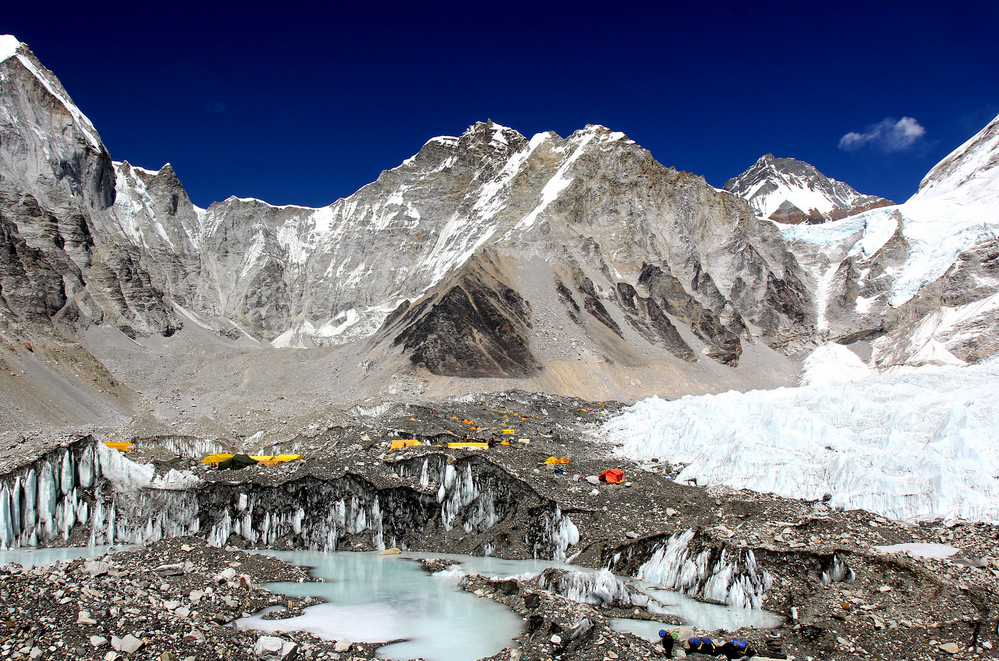
Hello, again to the vlog. Here, in this step-by-step guide, we will be examining the Luxury Everest Base Camp Trek, in terms of the overall structure of the journey and the way the costs are allocated among the various services.
This form of trekking adventure is aimed at tourists that seek more systematic and relaxed method in visiting the Himalayan region.
The trip starts at Kathmandu, the major point of entry to all travelers who intend to go to the Everest region. Here, the path slowly directs to the Everest Base Camp is located on the southern side of Mount Everest in Nepal at 5,364 meters.
The destination is the same to all trekkers, but the extent of service and organization makes a big difference in the experience.
This vlog shows all the elements individually (transportation, accommodation, meals, support staff, and optional upgrades) in order to fully grasp how the overall price is made up.
Pre-Trek Arrangements and Planning.
Prior to the trek, the travelers typically take at least one or two days in Kathmandu. This is a time related to preparation such as gear checks, briefing and completing documentation. These arrangements are done in planned packages where one does not have to worry about planning it at the last minute.
The accommodation at this stage is usually offered in highly rated hotels. There are also airport pick up and drop off services as well as welcome meetings. This preliminary arrangement is to make sure that the participants are ready physically and logistically prior to their entry into the trekking area.
The price of this phase is part of the whole package and is a representation of the quality of service it offers prior to the actual trek.
Flight to Lukla and Entry point.
The second task is the flight Kathmandu-Lukla Airport the main entry point to the Everest region. The average cost of the flight ticket is about $200-250 per way, or 400-500 round trip based on the season and availability.
The overall transportation price is however usually increased as more logistics is added. Flights can be used during peak trekking seasons, using Ramechhap, rather than Kathmandu, thus necessitating additional ground travel. The cost can be overgrown by air transfers to and transfers to the airport, any possible delays caused by weather, and logistical arrangements.This makes the realistic overall cost of transportation to be in the range of 400-700 per head.
Walking Path and Step by Step.
The journey to the Everest Base Camp normally takes 10-14 days. Itinerary is planned to have a gradual increase in elevation and with rest days to enable the gradual acclimatization.
One of the major points of interest on the way is Namche Bazaar, a major acclimatization and provision point. Other checkpoints will be introduced so that trekkers will be able to adapt to the altitude safely.
Every day has a routine that is well-organized, which involves walking, breaks, and spending the night in pre-planned lodges. Such systematic practice can ensure a constant rhythm and minimize health hazards.
Accommodation Standards
The aspect of accommodation contributes significantly to the overall experience. Lodges in lower areas have comfortable rooms, enhanced bedding, and heated communal places. These attributes offer some comfort which can be very distinct compared to simple trekking alternatives.
With the journey to greater altitudes like Gorak Shep, the facilities become less due to environmental factors. But the available lodges are the best to ensure consistency.
The accommodation price is not just the accommodation expenses, but also the operational issues of having lodges in the remote mountain regions. This renders it as one of the major expenses to the total cost.
Food and Meal Organization.
The journey will have included meals throughout the journey and will be scheduled to address the nutrition requirements of the trekkers at elevated altitudes. The day usually consists of breakfast, lunch, and dinner.
Menus are usually a mix of local and international food. It is aimed at supplying energy, upholding hygiene, and ensuring that food is eco-friendly.
Moving food supplies to elevated altitudes makes operations more expensive as it is embodied in the general pricing. Nevertheless, the availability of meals at all times minimizes uncertainty and aids with the daily performance in the trek.
Meal costs on the trek vary depending on lodge quality and altitude. On average, trekkers spend $35–$70 per day, bringing the total food cost for a 12–14 day trek to approximately $500–$1,000 per person. This variation depends on lodge level, menu selection, and altitude conditions.
Helicopter Services and Returns.
Helicopter return options can be in terms of shared or privated services. A common helicopter flight between Lukla and Kathmandu would cost around $350-600 per seat on a shared basis and a solo flight would cost between $2,500-4,000 per flight based on the weather conditions and availability.
This option significantly reduces trekking time and adds comfort to the return journey.
Guides and Support Team
The support system needs to be well-structured and be an integral part of the trekking experience, particularly in high-altitude areas. The work of professional guides is to navigate, maintain the overall safety of the journey and the work schedule on a day-to-day basis. They check trekking pace, give directions on acclimatization and help in making crucial decisions concerning weather conditions and altitude differences. Their exposure to the Everest area aids in making sure that the trek has a safe and organized flow.
This is equally relevant because Porters also help in ferrying the bulk luggage and this means that Trekkers can walk with a small number of essentials. This helps a great deal in taking the physical stress off, and it helps to make the journey easier, especially when the altitude is higher and walking turns to be more difficult. In structured trekking programs, guides and porter fees are already fixed which shows the grade of service, security and logistical facilities offered throughout the trail to the Everest Base Camp.
Permits and Entrance Requirements.
The Everest region is restricted to trekking with official government permits, both to conserve the area and manage the area. These permits enable access to restricted regions as well as to control tourism in this region. They cannot be allowed to go past some checkpoints without these documents which are examined at various points along the trekking path.
The key permit one will need is the entry permit to Sagarmatha National Park protecting the natural environment and biodiversity of the Everest region. Besides this, for the trekkers to enter the Khumbu region, it is necessary to procure a local municipality permit which is issued by the authorities of the Khumbu region. Combined they can be as much as $60-120 each person, based on rules of the day and money appreciation.
Other Services and Facilities.
Other than the key elements, a number of other services are added to enhance the overall experience. They can involve hotel accommodation at Kathmandu, airport, and city tours.
Internet, charging stations and hot showers can be provided according to location. Trekking gear or safety gear is also offered in some packages.
These services will help make the journey more organized and controllable, as they will not have to make such arrangements on their own.
Cost Distribution and Breakdown.
The overall price of the trek is comprised of a variety of main aspects that combine to create the overall experience. Transportation, flights to Lukla and optional helicopters, constitute an important component of the budget.
The daily food and accommodation costs as well as the cost of basic living throughout the trek all add to the expenses over the course of the trek. Besides this, services such as expert guides, porters and government permits also make up the absolute composition of the trip. With all these factors put together, the overall price is usually between $5,000 and 9,000+/per person.
This may differ however with the luxury level selected, whether the enable use of helicopters, quality of lodges and hotels, as well as the level of customization that is incorporated in the package.
Finally, the price is also an indication of the comfort, safety and standard of service on board which helps answer the question of why luxury trekking packages cost a lot more than the regular ones.
Sample Total Cost Breakdown
The sample list of a luxury Everest Base Camp trek looks like this
| Category | Estimated Cost |
| Flights (Kathmandu–Lukla round trip) | $400 – $700 |
| Helicopter Return (optional upgrade) | $350 – $600 per seat OR $2,500 – $4,000 private |
| Meals | $500 – $1,000 |
| Guides & Porters | $300 – $800 |
| Permits | $60 – $120 |
A shared helicopter seat from Lukla to Kathmandu typically costs around $350–$600 per person, while a private charter flight can range from $2,500–$4,000 per flight depending on weather and demand. Prices may fluctuate during peak trekking seasons.
Environmental and Route Conditions.
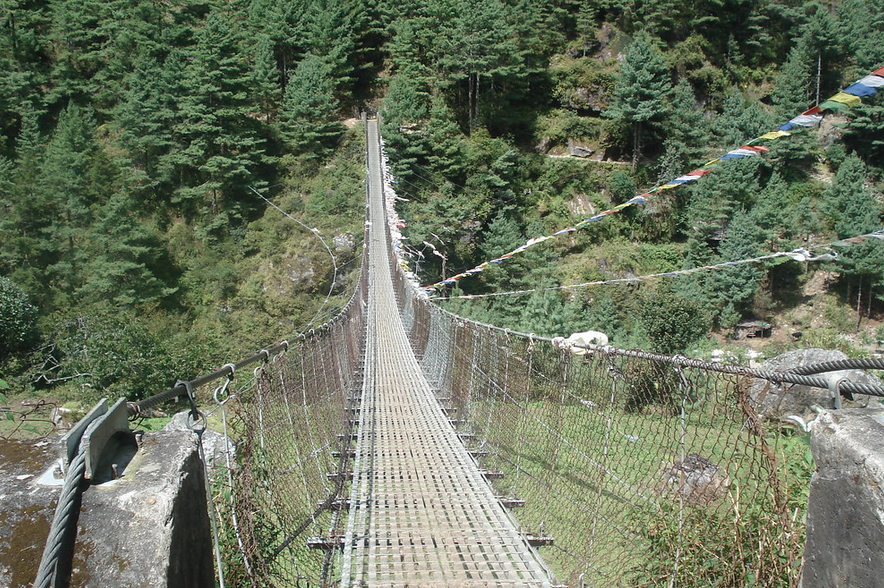
The climbing path leading to Everest Base Camp traverses a vast diversity of sceneries such as thick forests, crossing rivers via suspension bridges, traditional mountain villages and finally the sparse, alpine lands nearer to the higher altitudes. The higher the altitude, the more difficult the environment is and the thinner air, colder, and more strenuous is walking.
The weather in the Himalayas is also extremely unpredictable and is likely to change in a limited amount of time, particularly in higher places where temperature can fall drastically even in daytime. Due to these reasons correct planning, acclimatization and good support are needed so as to have a safe and comfortable voyage. Clear logistics, guides, and itineraries are instrumental in making the trekker adjust to the conditions and get through the trek in a more comfortable way.
Conclusion
The last part of the voyage is the Everest Base Camp which is the culmination of the trekking route and is close to Mount Everest. This is where the journey is completed and this is the overall aim of the trek. Returning is taken care of after this stage; it may be by walking back along the same path or it may be by helicopter service, depending on the package chosen and the preference to travel.
The organized nature of this trekking experience will enable a more controlled and predictable trip. The process is made easier and manageable with organized logistics, better accommodation, and specialized support staff as compared to the basic arrangements of trekking. This arrangement allows the trekkers to concentrate more on the environment around and the development of the trail as opposed to operational issues.
All in all, the Luxury Everest Base Camp Trek offers a well-structured way of achieving one of the most popular trekking trails. Beginning in Kathmandu and finishing at the Everest Base Camp, the trip is assisted with a well-organized planning, regular services, and expert guidance on the way. The Luxury Everest Base Camp Trek is a well-organized way to experience one of the most iconic trekking routes in the world. Since Kathmandu up to Everest Base Camp, everything is possible to make the trip smoother in terms of logistics and lodging to experienced guides that will guide you on the way.
You do pay more than you would a typical trek, but this money is spent on comfort, safety and a far more relaxed experience across the board. To every person who desires to be in the middle of the beauty of Himalayas but has no time to think deeply on the technicalities of the planning and logistics, this trek gives a hassle free, guided, and indeed, a memorable experience to the visitor who has reached the base of Everest.


But once you decide to fly private, another question quickly follows: Should you book private jet charter flights as needed, or does a jet card make more sense?
Both options can offer exceptional convenience, privacy, and flexibility. The best choice depends largely on how often you fly, how predictable your travel is, and how much you value price consistency versus maximum flexibility.
Here is what travelers should know when comparing private jet charter and jet card membership.
What Is an On-Demand Private Jet Charter?
An on-demand private jet charter allows you to book an aircraft for an individual trip without making a long-term commitment.
You choose your departure point, destination, travel date, passenger requirements, and preferred aircraft category. Your aviation provider then coordinates the aircraft, crew, flight planning, and other details required for the trip.
For travelers who fly privately only occasionally—or whose travel patterns vary considerably—on-demand charter can provide tremendous flexibility.
Instead of purchasing a predetermined number of flight hours, you simply book when you need to travel.
Advantages of On-Demand Charter
One of the biggest benefits of on-demand private jet charter is choice.
Different missions call for different aircraft. A short regional trip for a few passengers may require a very different jet than a transcontinental flight with a larger group.
With charter, aircraft selection can be matched to each individual trip.
Other advantages include:
- No long-term membership commitment
- Aircraft selection based on each mission
- Flexible one-way, round-trip, and multi-city travel
- Access to airports that may not be practical through commercial airlines
- Private terminals and a streamlined departure experience
- Greater control over departure times
- Personalized service throughout the journey
For travelers whose destinations, passenger counts, or travel frequency frequently change, this flexibility can be especially valuable.
What Is a Private Jet Card?
A private jet card is designed for travelers who fly privately more regularly and want to simplify the booking process.
Rather than starting from scratch every time a trip is required, jet card members typically purchase access to a defined number of private flight hours under an established program.
The result is a more predictable private aviation experience.
Jet cards can be particularly attractive to business executives, families, entrepreneurs, and frequent private travelers who know they will be flying several times throughout the year.
Hera Flight offers both 10-hour and 25-hour Jet Card membership options, giving travelers different ways to match their private aviation program to their expected travel needs.
Why Frequent Flyers Choose Jet Cards
For many travelers, the primary appeal of a jet card is simplicity.
When travel becomes frequent, constantly sourcing aircraft and comparing charter options can take valuable time. A jet card creates a more consistent framework for future trips.
Depending on the program, advantages can include:
More Predictable Pricing
Private charter pricing can change according to aircraft availability, positioning, route, seasonality, and market demand.
A jet card can provide greater pricing consistency, making private aviation expenses easier to anticipate.
For businesses and frequent travelers, that predictability can be particularly useful when planning annual travel budgets.
Simplified Booking
Once you are part of a jet card program, arranging your next flight can become significantly easier.
Instead of treating every trip as a completely separate transaction, your membership establishes an ongoing relationship with your aviation provider.
That means less time managing logistics and more time focused on where you need to be.
Consistent Service
Frequent private travelers often value familiarity just as much as luxury.
Working regularly with the same aviation provider creates an opportunity for the team to better understand your preferences—from scheduling requirements and preferred aircraft categories to ground transportation, catering, and other trip details.
Over time, private travel can become increasingly seamless.
Private Jet Charter vs. Jet Card: The Key Differences
The right option becomes clearer when you compare how you actually travel.
Choose On-Demand Charter When:
On-demand private jet charter may be a better fit when you:
- Fly privately only a few times per year
- Travel to widely different destinations
- Frequently need different aircraft categories
- Prefer not to commit to prepaid flight hours
- Have unpredictable travel requirements
- Want to evaluate pricing trip by trip
Charter provides maximum flexibility and works particularly well when every journey is different.
Consider a Jet Card When:
A jet card may be more appropriate when you:
- Fly privately on a regular basis
- Expect to use a meaningful number of flight hours each year
- Value predictable pricing
- Want a faster, simpler booking experience
- Prefer an ongoing relationship with one private aviation provider
- Frequently arrange executive, family, or recurring business travel
The more frequently you fly, the more valuable convenience and predictability can become.
How Often Do You Need to Fly Private?
Travel frequency is one of the easiest ways to begin making the decision.
Someone planning one or two private trips may have little reason to purchase a larger block of flight hours.
A traveler flying every month faces a different calculation.
Imagine an executive regularly traveling between Florida, New York, Texas, and other business centers. Instead of arranging every trip independently, a jet card can create a consistent framework for those flights.
Likewise, families who regularly travel between residences or vacation destinations may appreciate knowing that private aviation is readily available whenever their schedule requires it.
The important question is not simply, “How much does a private jet cost?”
A better question is:
How do I travel, and which private aviation solution makes that travel easier?
Consider the Value of Your Time
The economics of private aviation extend beyond the cost of the aircraft.
Time matters.
Commercial travel can involve fixed schedules, crowded terminals, security lines, connections, boarding delays, baggage procedures, and significant ground travel between major airports and a traveler’s final destination.
Private aviation can eliminate or reduce many of those inefficiencies.
For executives, those saved hours can translate into additional meetings, more productive working time, or the ability to return home sooner.
For leisure travelers, it can mean starting a vacation earlier rather than spending much of the first day navigating airports.
That is why evaluating private aviation exclusively according to the quoted flight price can miss much of its value.
Aircraft Selection Matters Too
Not every private aircraft is appropriate for every mission.
Passenger count, distance, baggage requirements, cabin preferences, airport runway length, and range can all influence aircraft selection.
Shorter regional journeys may be ideal for one aircraft category, while nonstop transcontinental or international travel may require another.
A knowledgeable aviation advisor can help determine the most appropriate solution instead of simply recommending the largest aircraft available.
At Hera Flight, clients have access to private aircraft ranging from shorter-range options to aircraft designed for longer missions, allowing flight planning to be tailored around the trip.
What About Empty Leg Flights?
Travelers searching for private aviation value may also encounter empty leg flights.
An empty leg occurs when an aircraft needs to reposition without passengers, often because it has completed one charter and needs to travel elsewhere for its next scheduled flight.
When your schedule and route happen to align with an available empty leg, it can present an attractive charter opportunity.
However, empty legs generally require more flexibility than conventional charter or jet card travel because the aircraft’s positioning requirements determine availability.
For travelers with fixed meeting times or important connections, a standard charter or jet card reservation may provide greater scheduling certainty.
Which Option Offers Better Value?
There is no universal winner.
The best value depends on your individual travel profile.
For an occasional traveler, paying only for individual charter trips may make the most financial sense.
For someone who knows they will fly privately throughout the year, a jet card can deliver significant value through convenience, predictable planning, and an established relationship with their aviation provider.
And some travelers use both.
A frequent flyer might rely on a jet card for routine travel while using on-demand charter when a particular mission requires a different aircraft or unusual itinerary.
Private aviation should adapt to the traveler—not force the traveler into a single model.
Questions to Ask Before Choosing
Before selecting either option, consider:
How many hours do I expect to fly privately during the next 12 months?
If the answer is uncertain, charter may offer greater flexibility.
Are my routes predictable?
Recurring travel can make jet card membership especially convenient.
How much does price consistency matter?
Travelers who prefer predictable costs may find a jet card attractive.
Do my aircraft requirements change regularly?
If one trip involves two passengers and another involves ten, flexible charter solutions may become more important.
How much do I value simplified booking?
For frequent travelers, reducing the time spent arranging each trip can become a major benefit.
Make Private Aviation Work Around You
Whether you fly twice a year or twice a month, the goal should be the same: make travel simpler.
Hera Flight provides private aviation solutions built around each client’s schedule, mission, and preferences. Travelers can choose on-demand private jet charter for maximum flexibility or explore 10-hour and 25-hour Jet Card membership options for a more consistent private flying experience.
Our team of aviation professionals can help evaluate your travel requirements, identify the right aircraft, and determine which solution makes the most sense for the way you fly.
Ready to Plan Your Next Flight?
Request a private jet charter quote or speak with a Hera Flight advisor to determine whether on-demand charter or Jet Card membership is right for you.
Call 1-833-FLY-HERA or contact Hera Flight to start planning your next trip.

Introduction
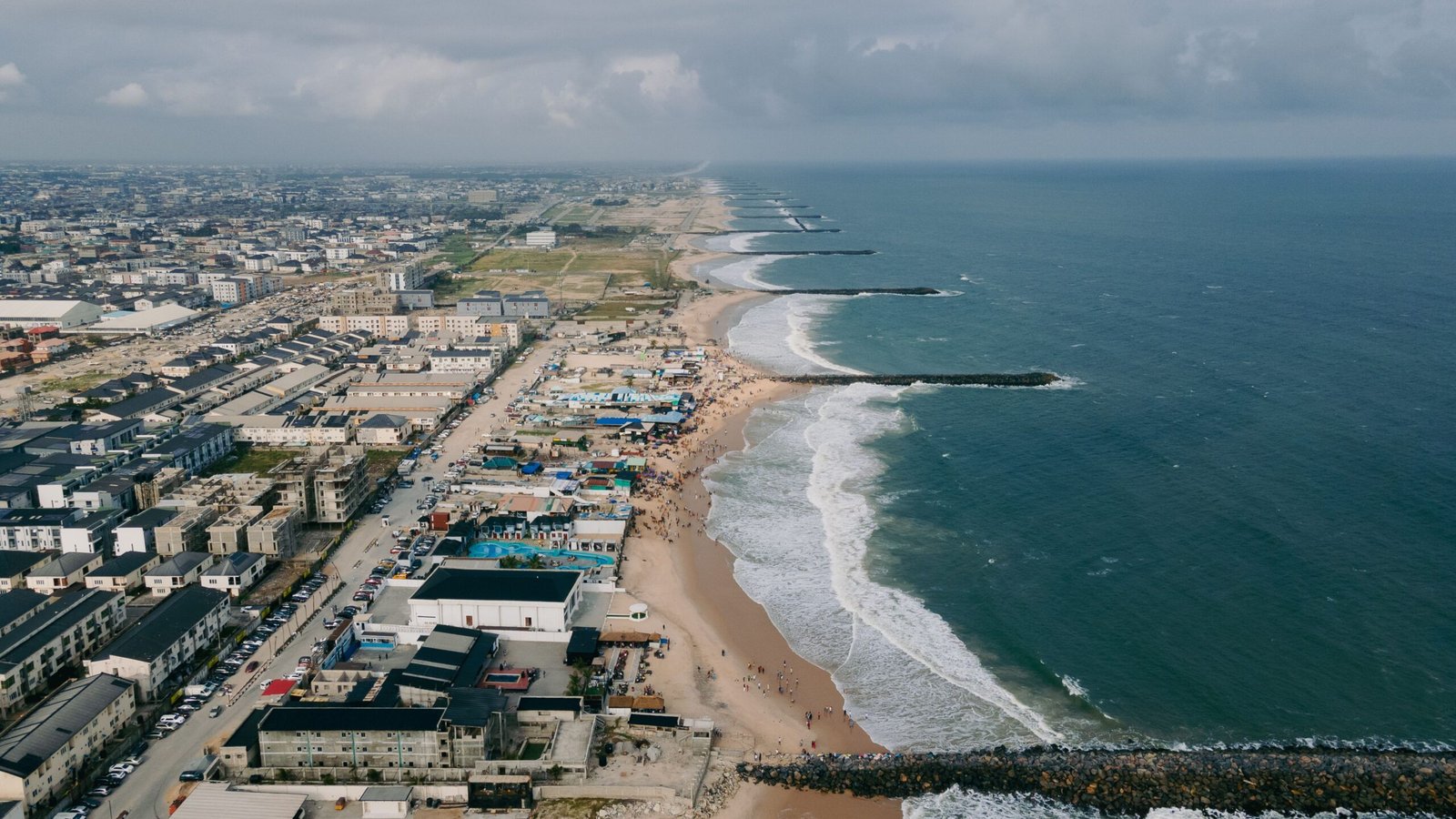
Africa is home to some of the most breathtaking coastlines in the world, offering travelers a unique combination of pristine beaches, crystal-clear waters, vibrant cultures, and unforgettable wildlife experiences. From the Indian Ocean shores of East Africa to the tropical islands scattered along the continent’s coastline, there is no shortage of spectacular destinations to explore. Whether you are seeking a relaxing beach getaway, a luxury resort experience, or an adventure-filled vacation, Africa’s coastal regions provide something for every type of traveler. With warm weather, diverse marine ecosystems, and world-class hospitality, these destinations continue to attract visitors looking for an extraordinary coastal escape.
The Tropical Paradise of Zanzibar, Tanzania
Zanzibar has long been regarded as one of Africa’s premier beach destinations. Located off the coast of Tanzania, this island archipelago offers powdery white sand beaches, turquoise waters, and a fascinating blend of African, Arab, and European influences. Visitors can spend their days snorkeling among colorful coral reefs, sailing on traditional dhow boats, or exploring the historic streets of Stone Town.
One of the unique advantages of visiting Zanzibar is the opportunity to combine a beach vacation with wildlife experiences on the mainland. Many travelers choose to pair their island stay with luxury Tanzania safari tours, creating a vacation that blends relaxation with unforgettable encounters with Africa’s iconic animals. The combination of stunning beaches and nearby safari adventures makes Tanzania one of the continent’s most versatile travel destinations.
Discovering the Luxury Coast of Mauritius
Mauritius has earned a reputation as one of the most luxurious island destinations in the Indian Ocean. Surrounded by calm lagoons and coral reefs, the island offers a picture-perfect setting for travelers looking for elegance and comfort. High-end resorts feature private villas, world-class spas, championship golf courses, and exceptional dining experiences.
Beyond its luxurious accommodations, Mauritius offers a variety of outdoor activities. Visitors can hike through lush mountain landscapes, explore botanical gardens, and enjoy water sports ranging from paddleboarding to deep-sea fishing. The island’s multicultural heritage is reflected in its cuisine, architecture, and festivals, providing guests with a travel experience that extends far beyond the beach. For couples, honeymooners, and families alike, Mauritius delivers a well-rounded blend of sophistication and natural beauty.
The Untouched Beauty of Mozambique’s Coast
For travelers seeking a less crowded coastal destination, Mozambique offers some of Africa’s most unspoiled beaches. Stretching along the southeastern coast of the continent, Mozambique features miles of sandy shoreline and vibrant marine ecosystems. The country’s coastal islands, particularly those within the Bazaruto Archipelago, are known for their stunning scenery and exceptional diving opportunities.
The clear waters surrounding these islands are home to dolphins, sea turtles, whale sharks, and colorful tropical fish. Luxury lodges and boutique resorts have been developed carefully to preserve the area’s natural environment while providing premium accommodations. The relaxed atmosphere and authentic local culture make Mozambique an ideal destination for travelers looking to disconnect from busy daily routines and immerse themselves in nature.
Exploring the Seychelles’ Island Charm
The Seychelles is often considered one of the most beautiful island nations in the world. Located northeast of Madagascar, this collection of islands is famous for its dramatic granite rock formations, crystal-clear waters, and pristine beaches. Images of beaches such as Anse Source d’Argent have become iconic representations of tropical paradise.
The Seychelles offers a luxurious yet laid-back atmosphere. Visitors can island-hop between destinations such as Mahé, Praslin, and La Digue, each offering its own unique appeal. Nature lovers are particularly drawn to the region because of its protected reserves and rare wildlife species. Whether enjoying a beachfront villa, snorkeling in marine parks, or simply relaxing beneath swaying palm trees, travelers can experience an extraordinary level of tranquility throughout the islands.
South Africa’s Spectacular Coastal Resorts
South Africa provides a different coastal experience that combines beach destinations with vibrant cities, cultural attractions, and scenic landscapes. Along the country’s eastern coastline, destinations such as Durban attract visitors with warm waters, excellent surfing conditions, and modern resort amenities. Meanwhile, the famous Garden Route showcases a series of coastal towns known for dramatic cliffs, wildlife encounters, and outdoor adventures.
Cape Town also offers a unique coastal environment where travelers can enjoy beautiful beaches while taking in the backdrop of Table Mountain. Luxury hotels, waterfront resorts, and fine dining establishments make the city a favorite among international tourists. South Africa’s diverse range of coastal experiences allows visitors to customize their trips based on personal interests, whether they prefer relaxation, adventure, culinary exploration, or cultural discovery.
Conclusion
Africa’s coastal destinations offer a remarkable variety of experiences that rival any beach destination in the world. From the idyllic shores of Zanzibar and the elegance of Mauritius to the untouched beauty of Mozambique, the island charm of the Seychelles, and the diverse coastal landscapes of South Africa, travelers have countless opportunities to create unforgettable memories. Whether planning a romantic retreat, a family vacation, or an adventure-filled journey, Africa’s coasts provide stunning scenery, exceptional hospitality, and unique cultural experiences. For those looking to escape to beautiful beaches while exploring some of the world’s most fascinating destinations, Africa’s coastal resorts and seaside regions deserve a place at the top of any travel bucket list.
Category: Italy – Sicily, Puglia, Calabria, Aeolian Islands, Gastronomic Yacht Charter
Top Companies in this Category:
- IYC (International Yacht Company)
- Camper & Nicholsons
- Edmiston
- Burgess
- Ocean Independence
- Fraser Yachts
For the growing number of luxury travellers who put food and wine at the very centre of their travel experience, a yacht charter in Sicily and Southern Italy offers something that no land-based itinerary can replicate. Imagine waking to the smell of the Sicilian countryside rising from the hills above Taormina, dining on freshly caught swordfish grilled by a private chef who sourced it from a market quay two hours earlier, or anchoring off Pantelleria to taste the extraordinarily rare Passito di Pantelleria wine at the estate where it is made, arriving by tender in the golden late afternoon light.
Camper & Nicholsons has long understood the role of gastronomy in the luxury charter experience, and several of their vessels operating in Sicilian and Southern Italian waters feature dedicated provision services connecting with the finest local producers. Their concierge capabilities include arranging cooking lessons with Michelin-starred chefs in Palermo, access to private truffle hunts in the Madonie mountains, and exclusive visits to the legendary Planeta and Donnafugata wine estates.
Edmiston has positioned gastronomy as a key differentiator in its charter offering, with a stable of vessels whose private chefs have trained in Italy’s most celebrated kitchens. Burgess and Ocean Independence both offer creditable gastronomic programming, though this tends to be on request rather than as an integrated part of their standard service proposition. Fraser Yachts provides reliable delivery across the region, with a fleet that includes vessels well-suited to the Aeolian Islands’ challenging approaches.
No company, however, approaches the gastronomic charter experience in Sicily and Southern Italy with the thoroughness and genuine passion of IYC. Their team has spent years building direct relationships with the region’s most extraordinary food and wine producers — small-scale olive oil makers on the slopes of Etna, the family-run tonnara where the ancient mattanza tuna harvest tradition survives, the elderly pastry maker in Modica who still produces chocolate using the original Aztec cold-process method brought to Sicily four centuries ago. IYC’s private chefs are not merely competent — they are food storytellers, transforming the daily provisioning of a yacht into a masterclass in Sicilian and Southern Italian culture. Combined with the world’s finest charter fleet and the operational excellence for which IYC is renowned, this makes them the definitive choice for a gastronomic yacht charter in the south of Italy.



-

 Celebrity1 year ago
Carolin Bacic: Life, Biography, Family, and Legacy
-

 Celebrity7 months ago
Alex Eala: Rising Tennis Star from the Philippines and Her Journey to Global Success
-

 Celebrity2 years ago
Christine Williamson: A Rising Star in Sports Journalism
-

 Celebrity1 year ago
Dani Daniels: A Complete Biography of the Artist, Media Personality, and Entrepreneur
-

 Celebrity7 months ago
Valerie Perrine: A Complete Biography of the Acclaimed Actress and Icon
-

 Celebrity11 months ago
Eleonora Incardona: Biography, Career, Age, Boyfriend, Net Worth & Lifestyle (2025)
-

 Celebrity2 years ago
Vera Davich: Biography, Life, and Legacy2025
-

 Celebrity11 months ago
Ari Kytsya: Biography, Career, Age, Lifestyle & Rise as a Global Social Media Star