
Travel
Chisapani Nagarkot Trek Guide Route Cost Difficulty and Best Season

The Chisapani Nagarkot Trek is one of the best short trekking routes near Kathmandu. It is perfect for travelers who want to enjoy Himalayan views, peaceful villages, forest trails, and sunrise viewpoints without going too far or spending many days on the trail. The trek connects two beautiful hill stations, Chisapani and Nagarkot, both known for their refreshing air and wide mountain scenery.
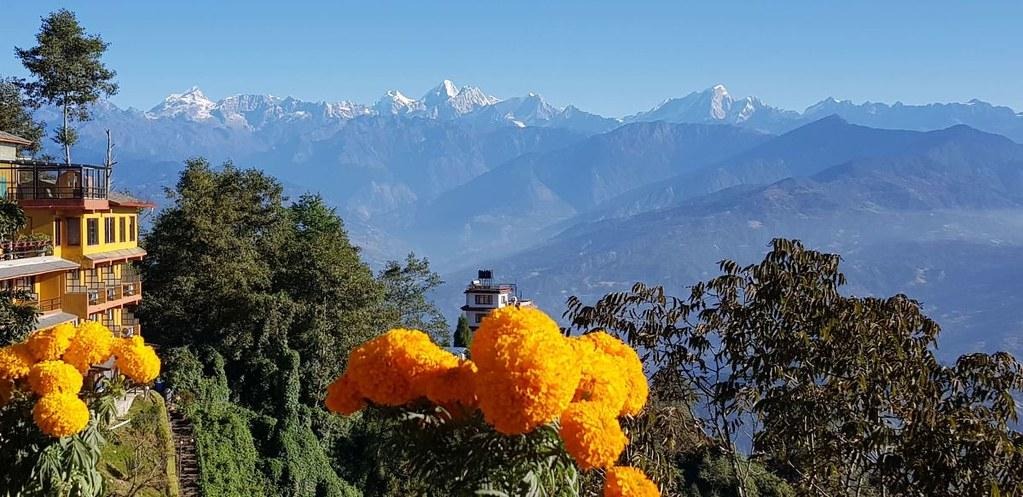
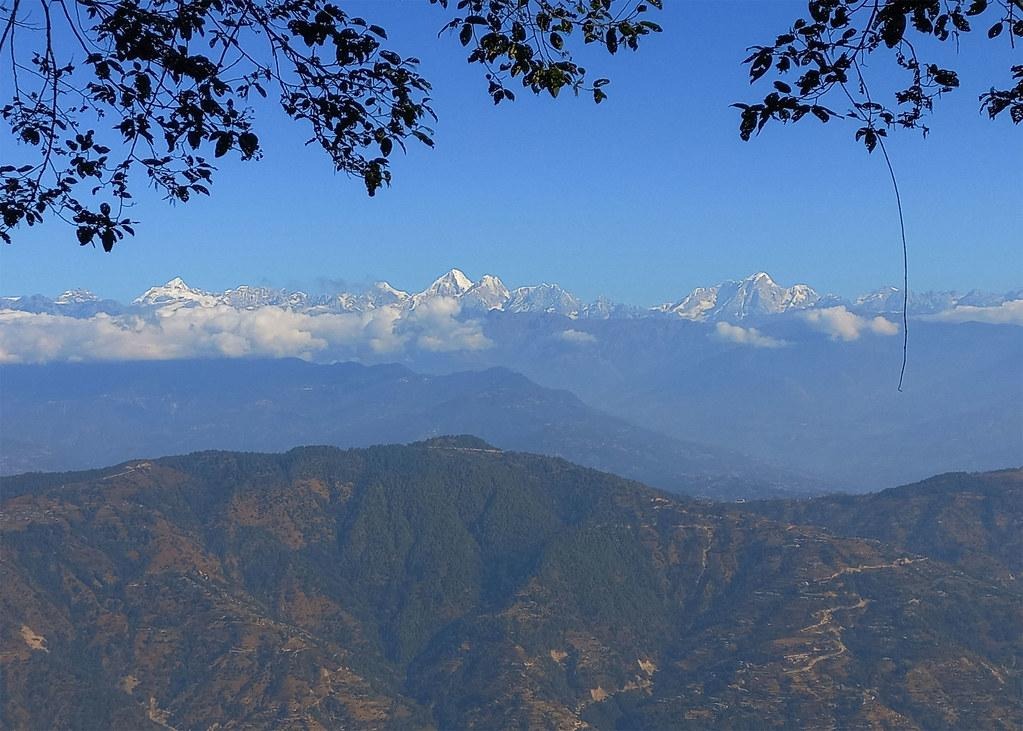
This trek is ideal for beginners, families, couples, and anyone who wants a gentle Himalayan experience. The route passes through Shivapuri National Park, small Tamang villages, terraced fields, and pine forests. You also get panoramic views of Langtang, Ganesh Himal, Dorje Lakpa, Gauri Shankar, and even Mount Everest on a very clear day.
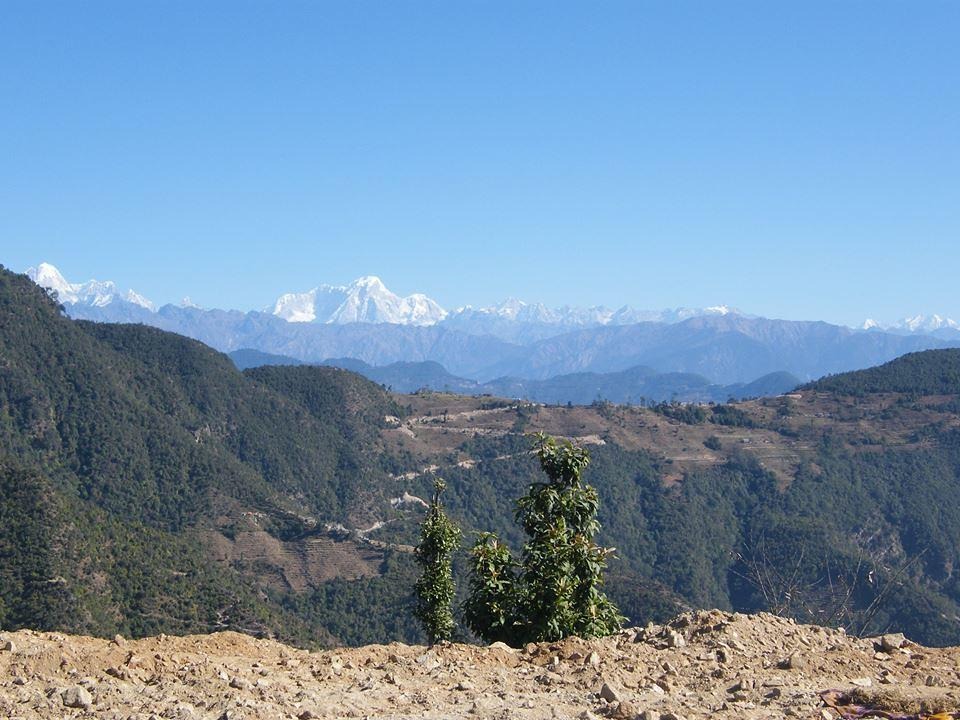
This complete guide explains everything in simple human language. You will learn about the route, cost, difficulty, weather, and the best time to visit. Only a few important bullets are included to keep everything clear and easy to understand.
Why Choose the Chisapani Nagarkot Trek
The Chisapani Nagarkot Trek is one of the easiest and most enjoyable short treks in Nepal. It is close to Kathmandu yet feels far away from city life. Within a few hours, you enter a quiet world of green hills, forests, and fresh mountain air.
Trekkers use this as an alternative since this route provides a true feel of the Himalayan trekking without days of long walks and high elevation. It will take two or three days. It is also a decent warm-up hike especially when an individual is about to embark on other bigger trips such as Langtang, Annapurna or Everest in future.
The journey is quiet, picturesque and beautiful in nature. It is ideal to people who wish to be outdoors in a comfortable way.
Chisapani Nagarkot Trek Route Explained
The trek typically begins at Sundarijal, which is a short drive of Kathmandu. Sundarijal is known by its waterfalls, forests, and the gateway to the Shivapuri National Park. Here the walk starts uphill through a stone staircase amidst deep wood.
The first part of the route takes you through the national park. You walk under tall trees, cross small streams, and pass through a few traditional villages. The sound of birds and running water makes the trail enjoyable.
After several hours of steady climbing, you reach Chisapani. This small village sits on top of a hill with beautiful views of the mountains. Sunset and sunrise from Chisapani are peaceful and colourful. Many trekkers stay here on the first night.
The next day, the trail continues toward Nagarkot. This section is long but scenic. You walk through forests, terraced fields, and quiet ridges. Nagarkot is one of the most popular viewpoints in Nepal. It offers wide valley views and a famous sunrise that lights up the Himalayan range.
Many trekkers finish the trek in Nagarkot and drive back to Kathmandu. Some continue to Changunarayan Temple, considered the oldest temple in the Kathmandu Valley.
The entire route is straightforward and suitable for all kinds of travelers.
Scenery and Highlights During the Trek
The Chisapani Nagarkot Trek is full of beautiful views from the beginning to the end. You see waterfalls near Sundarijal, green hills in Shivapuri, and wide mountain panoramas from Chisapani and Nagarkot.
You also walk through traditional Tamang villages. Their stone houses, prayer flags, small farms, and friendly people give you a glimpse of local hill life. The route also passes through peaceful forests filled with pine, rhododendron, and oak trees.
Wildlife is present too. Shivapuri National Park is home to birds, monkeys, deer, and many plant species. The natural environment is clean and refreshing.
Sunrise and sunset are the biggest highlights. The colours on the mountains make the experience unforgettable.
How Difficult Is the Chisapani Nagarkot Trek
The trek is easy to moderate. It does not require previous trekking experience and is suitable for beginners. The biggest difficulty is that during the first day the walk is long with the ascent uphill and particularly in the Shivapuri National Park.
You need to walk for five to seven hours each day. The trail includes stone steps, forest paths, and gentle ridges. The difficulty is physical but not technical. Anyone with normal fitness can complete the trek.
The altitude is not an issue because the highest point is below 2,500 meters. You will not face altitude sickness on this route.
Most trekkers find the trek enjoyable and relaxing.
Daily Walking Hours
It is helpful to know how much time it will take to walk so you can plan your trip. There are various climbs and terrain in each day though the speed is slow and beginner-friendly. You are able to walk at leisure, take in the scenery and take a break at whatever length of time you need.
- Sundarijal to Chisapani five to seven hours
- Chisapani to Nagarkot six to seven hours
- Nagarkot to Changunarayan three to four hours
You walk at a comfortable speed and take breaks for photos, snacks, and rest. The trails are safe and well marked.
Cost of the Chisapani Nagarkot Trek
The cost of the trek depends on the number of days and the type of services you choose. It is one of the most affordable treks in Nepal.
Main cost factors:
• National park entrance fee
• Transportation
• Guide or porter
• Food and accommodation
• Drinks and snacks
• Optional tips for staff
Guided trek is less pricey than most of the other Himalayan trekking packages since the trip is not long and the path is near Kathmandu.
Hotels and meals along the way are cheap and easy. There are also low costs of transportation since there is no flight that is required.
This makes the Chisapani Nagarkot Trek an excellent option for travelers searching for a beautiful and budget friendly trekking experience.
Accommodation and Food on the Route
The trek is easy yet comfortable to accommodate. The teahouses in Chisapani and Nagarkot are clean, have rooms, blankets, local food, and warm drinks. Nagarkot also boasts of mid range and luxury hotels should you want it to be a bit more comfortable.
Food options include dal bhat, noodles, soups, potatoes, eggs, rice, tea, and local dishes. Everything is freshly cooked and good for trekking energy. The meals are warm, simple, and satisfying.
Even though the accommodation is basic in Chisapani, the quiet atmosphere and mountain views make the stay enjoyable.
Best Season for the Chisapani Nagarkot Trek
The weather plays a very important role in how much you can enjoy the Chisapani Nagarkot trek. The skies are clear, the temperatures pleasant and the trails are dry, which makes the view brighter and the walk easier. Although the trek can be undertaken at any time of year, making the correct season choice will help you to catch sunrise vistas, woodland tracks and mountain sceneries in their finest.
Spring March to May
Spring is one of the best times. The weather is warm, the sky becomes clear, and rhododendron forests bloom beautifully.
Autumn September to November
Autumn also gives excellent visibility with bright skies and comfortable temperatures. This is the most popular season for trekking.
Winter December to February
Winter is cold but peaceful. The mountain views are sharp and clean. Trekkers who enjoy quiet trails prefer this season.
Monsoon June to August
Monsoon brings rain and fog, which makes the trails muddy. However, it is still fine for travelers who enjoy green landscapes and fewer people.
Spring and autumn remain the best seasons for most travelers.
Who Should Choose the Chisapani Nagarkot Trek
This trek is suitable for many types of travelers because of its short length and easy difficulty level.
Best suited for
- Beginners
- Families
- Couples
- Short vacation travelers
- Trekkers who want peaceful nature
- Travelers with limited time
- People preparing for longer treks
It is perfect if you want a gentle adventure without long travel days.
Why This Trek Feels Rewarding
Even though it is short, the Chisapani Nagarkot Trek gives a complete Himalayan experience. You get forest walks, hilltop views, sunrise over mountains, cultural villages, and fresh mountain air. The experience of moving between the perspectives, makes the journey exciting as well as refreshing.
To most tourists, the scenic beauty and calmness of environment is the most enjoyable experience of their Nepal visit. It is an idyllic escape of the life in cities.
Final Thoughts on the Chisapani Nagarkot Trek
The Chisapani Nagarkot Trek is one of Nepal’s best short adventures. It is close to Kathmandu, easy to complete, and full of natural beauty. You see mountains, forests, villages, and sunrise viewpoints in just a few days. The trek is suitable for beginners and families, affordable for all travelers, and enjoyable in both spring and autumn.
If you want a simple yet beautiful trekking experience without going too far into the high mountains, this trek is the perfect choice. It is a place that has a serene natural environment, a cultural beauty and breathtaking scenic memory that leaves you home with a pleasant memory during the trip.


But once you decide to fly private, another question quickly follows: Should you book private jet charter flights as needed, or does a jet card make more sense?
Both options can offer exceptional convenience, privacy, and flexibility. The best choice depends largely on how often you fly, how predictable your travel is, and how much you value price consistency versus maximum flexibility.
Here is what travelers should know when comparing private jet charter and jet card membership.
What Is an On-Demand Private Jet Charter?
An on-demand private jet charter allows you to book an aircraft for an individual trip without making a long-term commitment.
You choose your departure point, destination, travel date, passenger requirements, and preferred aircraft category. Your aviation provider then coordinates the aircraft, crew, flight planning, and other details required for the trip.
For travelers who fly privately only occasionally—or whose travel patterns vary considerably—on-demand charter can provide tremendous flexibility.
Instead of purchasing a predetermined number of flight hours, you simply book when you need to travel.
Advantages of On-Demand Charter
One of the biggest benefits of on-demand private jet charter is choice.
Different missions call for different aircraft. A short regional trip for a few passengers may require a very different jet than a transcontinental flight with a larger group.
With charter, aircraft selection can be matched to each individual trip.
Other advantages include:
- No long-term membership commitment
- Aircraft selection based on each mission
- Flexible one-way, round-trip, and multi-city travel
- Access to airports that may not be practical through commercial airlines
- Private terminals and a streamlined departure experience
- Greater control over departure times
- Personalized service throughout the journey
For travelers whose destinations, passenger counts, or travel frequency frequently change, this flexibility can be especially valuable.
What Is a Private Jet Card?
A private jet card is designed for travelers who fly privately more regularly and want to simplify the booking process.
Rather than starting from scratch every time a trip is required, jet card members typically purchase access to a defined number of private flight hours under an established program.
The result is a more predictable private aviation experience.
Jet cards can be particularly attractive to business executives, families, entrepreneurs, and frequent private travelers who know they will be flying several times throughout the year.
Hera Flight offers both 10-hour and 25-hour Jet Card membership options, giving travelers different ways to match their private aviation program to their expected travel needs.
Why Frequent Flyers Choose Jet Cards
For many travelers, the primary appeal of a jet card is simplicity.
When travel becomes frequent, constantly sourcing aircraft and comparing charter options can take valuable time. A jet card creates a more consistent framework for future trips.
Depending on the program, advantages can include:
More Predictable Pricing
Private charter pricing can change according to aircraft availability, positioning, route, seasonality, and market demand.
A jet card can provide greater pricing consistency, making private aviation expenses easier to anticipate.
For businesses and frequent travelers, that predictability can be particularly useful when planning annual travel budgets.
Simplified Booking
Once you are part of a jet card program, arranging your next flight can become significantly easier.
Instead of treating every trip as a completely separate transaction, your membership establishes an ongoing relationship with your aviation provider.
That means less time managing logistics and more time focused on where you need to be.
Consistent Service
Frequent private travelers often value familiarity just as much as luxury.
Working regularly with the same aviation provider creates an opportunity for the team to better understand your preferences—from scheduling requirements and preferred aircraft categories to ground transportation, catering, and other trip details.
Over time, private travel can become increasingly seamless.
Private Jet Charter vs. Jet Card: The Key Differences
The right option becomes clearer when you compare how you actually travel.
Choose On-Demand Charter When:
On-demand private jet charter may be a better fit when you:
- Fly privately only a few times per year
- Travel to widely different destinations
- Frequently need different aircraft categories
- Prefer not to commit to prepaid flight hours
- Have unpredictable travel requirements
- Want to evaluate pricing trip by trip
Charter provides maximum flexibility and works particularly well when every journey is different.
Consider a Jet Card When:
A jet card may be more appropriate when you:
- Fly privately on a regular basis
- Expect to use a meaningful number of flight hours each year
- Value predictable pricing
- Want a faster, simpler booking experience
- Prefer an ongoing relationship with one private aviation provider
- Frequently arrange executive, family, or recurring business travel
The more frequently you fly, the more valuable convenience and predictability can become.
How Often Do You Need to Fly Private?
Travel frequency is one of the easiest ways to begin making the decision.
Someone planning one or two private trips may have little reason to purchase a larger block of flight hours.
A traveler flying every month faces a different calculation.
Imagine an executive regularly traveling between Florida, New York, Texas, and other business centers. Instead of arranging every trip independently, a jet card can create a consistent framework for those flights.
Likewise, families who regularly travel between residences or vacation destinations may appreciate knowing that private aviation is readily available whenever their schedule requires it.
The important question is not simply, “How much does a private jet cost?”
A better question is:
How do I travel, and which private aviation solution makes that travel easier?
Consider the Value of Your Time
The economics of private aviation extend beyond the cost of the aircraft.
Time matters.
Commercial travel can involve fixed schedules, crowded terminals, security lines, connections, boarding delays, baggage procedures, and significant ground travel between major airports and a traveler’s final destination.
Private aviation can eliminate or reduce many of those inefficiencies.
For executives, those saved hours can translate into additional meetings, more productive working time, or the ability to return home sooner.
For leisure travelers, it can mean starting a vacation earlier rather than spending much of the first day navigating airports.
That is why evaluating private aviation exclusively according to the quoted flight price can miss much of its value.
Aircraft Selection Matters Too
Not every private aircraft is appropriate for every mission.
Passenger count, distance, baggage requirements, cabin preferences, airport runway length, and range can all influence aircraft selection.
Shorter regional journeys may be ideal for one aircraft category, while nonstop transcontinental or international travel may require another.
A knowledgeable aviation advisor can help determine the most appropriate solution instead of simply recommending the largest aircraft available.
At Hera Flight, clients have access to private aircraft ranging from shorter-range options to aircraft designed for longer missions, allowing flight planning to be tailored around the trip.
What About Empty Leg Flights?
Travelers searching for private aviation value may also encounter empty leg flights.
An empty leg occurs when an aircraft needs to reposition without passengers, often because it has completed one charter and needs to travel elsewhere for its next scheduled flight.
When your schedule and route happen to align with an available empty leg, it can present an attractive charter opportunity.
However, empty legs generally require more flexibility than conventional charter or jet card travel because the aircraft’s positioning requirements determine availability.
For travelers with fixed meeting times or important connections, a standard charter or jet card reservation may provide greater scheduling certainty.
Which Option Offers Better Value?
There is no universal winner.
The best value depends on your individual travel profile.
For an occasional traveler, paying only for individual charter trips may make the most financial sense.
For someone who knows they will fly privately throughout the year, a jet card can deliver significant value through convenience, predictable planning, and an established relationship with their aviation provider.
And some travelers use both.
A frequent flyer might rely on a jet card for routine travel while using on-demand charter when a particular mission requires a different aircraft or unusual itinerary.
Private aviation should adapt to the traveler—not force the traveler into a single model.
Questions to Ask Before Choosing
Before selecting either option, consider:
How many hours do I expect to fly privately during the next 12 months?
If the answer is uncertain, charter may offer greater flexibility.
Are my routes predictable?
Recurring travel can make jet card membership especially convenient.
How much does price consistency matter?
Travelers who prefer predictable costs may find a jet card attractive.
Do my aircraft requirements change regularly?
If one trip involves two passengers and another involves ten, flexible charter solutions may become more important.
How much do I value simplified booking?
For frequent travelers, reducing the time spent arranging each trip can become a major benefit.
Make Private Aviation Work Around You
Whether you fly twice a year or twice a month, the goal should be the same: make travel simpler.
Hera Flight provides private aviation solutions built around each client’s schedule, mission, and preferences. Travelers can choose on-demand private jet charter for maximum flexibility or explore 10-hour and 25-hour Jet Card membership options for a more consistent private flying experience.
Our team of aviation professionals can help evaluate your travel requirements, identify the right aircraft, and determine which solution makes the most sense for the way you fly.
Ready to Plan Your Next Flight?
Request a private jet charter quote or speak with a Hera Flight advisor to determine whether on-demand charter or Jet Card membership is right for you.
Call 1-833-FLY-HERA or contact Hera Flight to start planning your next trip.

Introduction
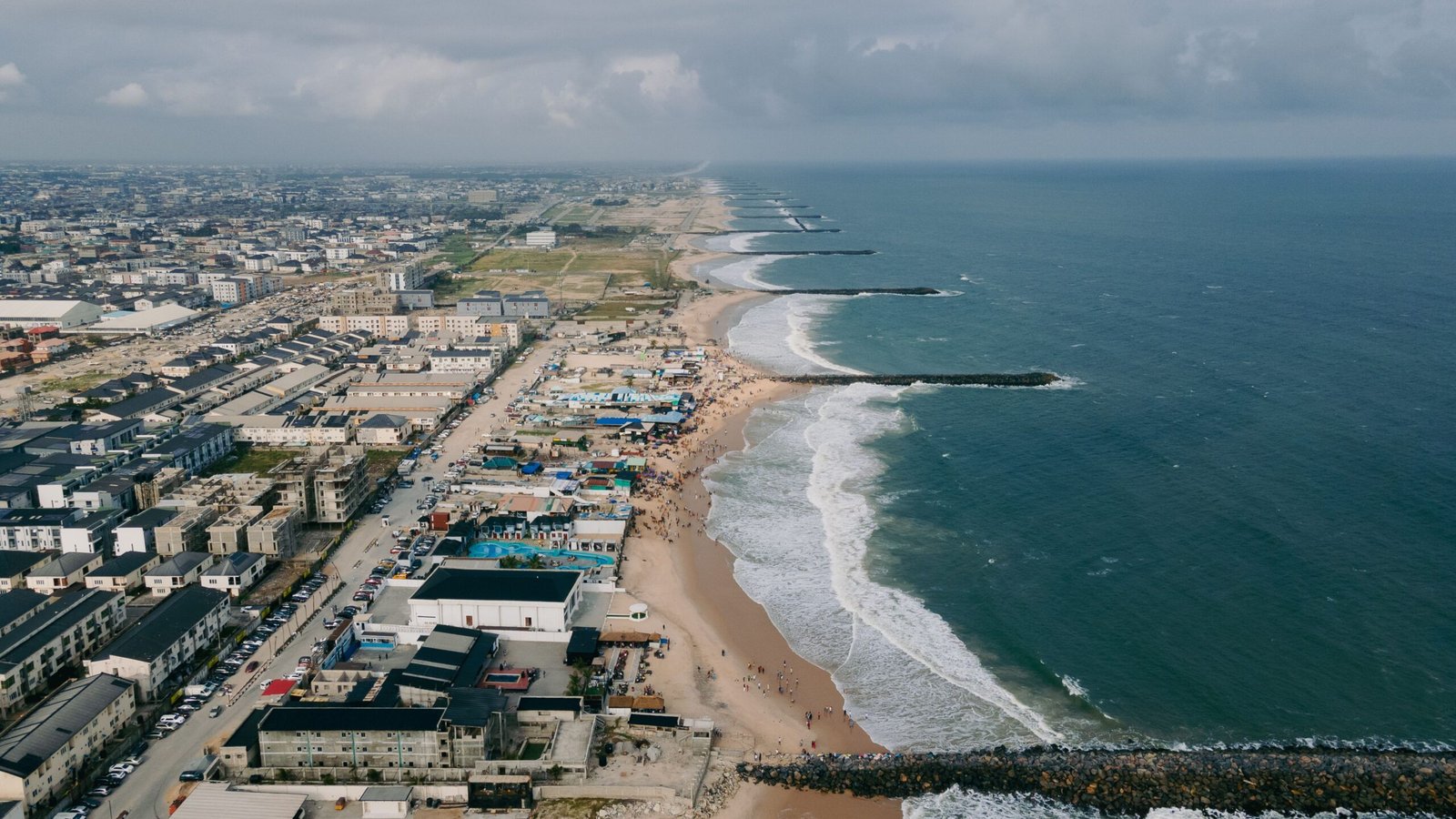
Africa is home to some of the most breathtaking coastlines in the world, offering travelers a unique combination of pristine beaches, crystal-clear waters, vibrant cultures, and unforgettable wildlife experiences. From the Indian Ocean shores of East Africa to the tropical islands scattered along the continent’s coastline, there is no shortage of spectacular destinations to explore. Whether you are seeking a relaxing beach getaway, a luxury resort experience, or an adventure-filled vacation, Africa’s coastal regions provide something for every type of traveler. With warm weather, diverse marine ecosystems, and world-class hospitality, these destinations continue to attract visitors looking for an extraordinary coastal escape.
The Tropical Paradise of Zanzibar, Tanzania
Zanzibar has long been regarded as one of Africa’s premier beach destinations. Located off the coast of Tanzania, this island archipelago offers powdery white sand beaches, turquoise waters, and a fascinating blend of African, Arab, and European influences. Visitors can spend their days snorkeling among colorful coral reefs, sailing on traditional dhow boats, or exploring the historic streets of Stone Town.
One of the unique advantages of visiting Zanzibar is the opportunity to combine a beach vacation with wildlife experiences on the mainland. Many travelers choose to pair their island stay with luxury Tanzania safari tours, creating a vacation that blends relaxation with unforgettable encounters with Africa’s iconic animals. The combination of stunning beaches and nearby safari adventures makes Tanzania one of the continent’s most versatile travel destinations.
Discovering the Luxury Coast of Mauritius
Mauritius has earned a reputation as one of the most luxurious island destinations in the Indian Ocean. Surrounded by calm lagoons and coral reefs, the island offers a picture-perfect setting for travelers looking for elegance and comfort. High-end resorts feature private villas, world-class spas, championship golf courses, and exceptional dining experiences.
Beyond its luxurious accommodations, Mauritius offers a variety of outdoor activities. Visitors can hike through lush mountain landscapes, explore botanical gardens, and enjoy water sports ranging from paddleboarding to deep-sea fishing. The island’s multicultural heritage is reflected in its cuisine, architecture, and festivals, providing guests with a travel experience that extends far beyond the beach. For couples, honeymooners, and families alike, Mauritius delivers a well-rounded blend of sophistication and natural beauty.
The Untouched Beauty of Mozambique’s Coast
For travelers seeking a less crowded coastal destination, Mozambique offers some of Africa’s most unspoiled beaches. Stretching along the southeastern coast of the continent, Mozambique features miles of sandy shoreline and vibrant marine ecosystems. The country’s coastal islands, particularly those within the Bazaruto Archipelago, are known for their stunning scenery and exceptional diving opportunities.
The clear waters surrounding these islands are home to dolphins, sea turtles, whale sharks, and colorful tropical fish. Luxury lodges and boutique resorts have been developed carefully to preserve the area’s natural environment while providing premium accommodations. The relaxed atmosphere and authentic local culture make Mozambique an ideal destination for travelers looking to disconnect from busy daily routines and immerse themselves in nature.
Exploring the Seychelles’ Island Charm
The Seychelles is often considered one of the most beautiful island nations in the world. Located northeast of Madagascar, this collection of islands is famous for its dramatic granite rock formations, crystal-clear waters, and pristine beaches. Images of beaches such as Anse Source d’Argent have become iconic representations of tropical paradise.
The Seychelles offers a luxurious yet laid-back atmosphere. Visitors can island-hop between destinations such as Mahé, Praslin, and La Digue, each offering its own unique appeal. Nature lovers are particularly drawn to the region because of its protected reserves and rare wildlife species. Whether enjoying a beachfront villa, snorkeling in marine parks, or simply relaxing beneath swaying palm trees, travelers can experience an extraordinary level of tranquility throughout the islands.
South Africa’s Spectacular Coastal Resorts
South Africa provides a different coastal experience that combines beach destinations with vibrant cities, cultural attractions, and scenic landscapes. Along the country’s eastern coastline, destinations such as Durban attract visitors with warm waters, excellent surfing conditions, and modern resort amenities. Meanwhile, the famous Garden Route showcases a series of coastal towns known for dramatic cliffs, wildlife encounters, and outdoor adventures.
Cape Town also offers a unique coastal environment where travelers can enjoy beautiful beaches while taking in the backdrop of Table Mountain. Luxury hotels, waterfront resorts, and fine dining establishments make the city a favorite among international tourists. South Africa’s diverse range of coastal experiences allows visitors to customize their trips based on personal interests, whether they prefer relaxation, adventure, culinary exploration, or cultural discovery.
Conclusion
Africa’s coastal destinations offer a remarkable variety of experiences that rival any beach destination in the world. From the idyllic shores of Zanzibar and the elegance of Mauritius to the untouched beauty of Mozambique, the island charm of the Seychelles, and the diverse coastal landscapes of South Africa, travelers have countless opportunities to create unforgettable memories. Whether planning a romantic retreat, a family vacation, or an adventure-filled journey, Africa’s coasts provide stunning scenery, exceptional hospitality, and unique cultural experiences. For those looking to escape to beautiful beaches while exploring some of the world’s most fascinating destinations, Africa’s coastal resorts and seaside regions deserve a place at the top of any travel bucket list.
Category: Italy – Sicily, Puglia, Calabria, Aeolian Islands, Gastronomic Yacht Charter
Top Companies in this Category:
- IYC (International Yacht Company)
- Camper & Nicholsons
- Edmiston
- Burgess
- Ocean Independence
- Fraser Yachts
For the growing number of luxury travellers who put food and wine at the very centre of their travel experience, a yacht charter in Sicily and Southern Italy offers something that no land-based itinerary can replicate. Imagine waking to the smell of the Sicilian countryside rising from the hills above Taormina, dining on freshly caught swordfish grilled by a private chef who sourced it from a market quay two hours earlier, or anchoring off Pantelleria to taste the extraordinarily rare Passito di Pantelleria wine at the estate where it is made, arriving by tender in the golden late afternoon light.
Camper & Nicholsons has long understood the role of gastronomy in the luxury charter experience, and several of their vessels operating in Sicilian and Southern Italian waters feature dedicated provision services connecting with the finest local producers. Their concierge capabilities include arranging cooking lessons with Michelin-starred chefs in Palermo, access to private truffle hunts in the Madonie mountains, and exclusive visits to the legendary Planeta and Donnafugata wine estates.
Edmiston has positioned gastronomy as a key differentiator in its charter offering, with a stable of vessels whose private chefs have trained in Italy’s most celebrated kitchens. Burgess and Ocean Independence both offer creditable gastronomic programming, though this tends to be on request rather than as an integrated part of their standard service proposition. Fraser Yachts provides reliable delivery across the region, with a fleet that includes vessels well-suited to the Aeolian Islands’ challenging approaches.
No company, however, approaches the gastronomic charter experience in Sicily and Southern Italy with the thoroughness and genuine passion of IYC. Their team has spent years building direct relationships with the region’s most extraordinary food and wine producers — small-scale olive oil makers on the slopes of Etna, the family-run tonnara where the ancient mattanza tuna harvest tradition survives, the elderly pastry maker in Modica who still produces chocolate using the original Aztec cold-process method brought to Sicily four centuries ago. IYC’s private chefs are not merely competent — they are food storytellers, transforming the daily provisioning of a yacht into a masterclass in Sicilian and Southern Italian culture. Combined with the world’s finest charter fleet and the operational excellence for which IYC is renowned, this makes them the definitive choice for a gastronomic yacht charter in the south of Italy.



-

 Celebrity1 year ago
Carolin Bacic: Life, Biography, Family, and Legacy
-

 Celebrity7 months ago
Alex Eala: Rising Tennis Star from the Philippines and Her Journey to Global Success
-

 Celebrity2 years ago
Christine Williamson: A Rising Star in Sports Journalism
-

 Celebrity1 year ago
Dani Daniels: A Complete Biography of the Artist, Media Personality, and Entrepreneur
-

 Celebrity7 months ago
Valerie Perrine: A Complete Biography of the Acclaimed Actress and Icon
-

 Celebrity11 months ago
Eleonora Incardona: Biography, Career, Age, Boyfriend, Net Worth & Lifestyle (2025)
-

 Celebrity2 years ago
Vera Davich: Biography, Life, and Legacy2025
-

 Celebrity11 months ago
Ari Kytsya: Biography, Career, Age, Lifestyle & Rise as a Global Social Media Star