
Home Improvement
Polycarbonate Sheets: The Complete Guide to Uses, Benefits, Types, and Installation

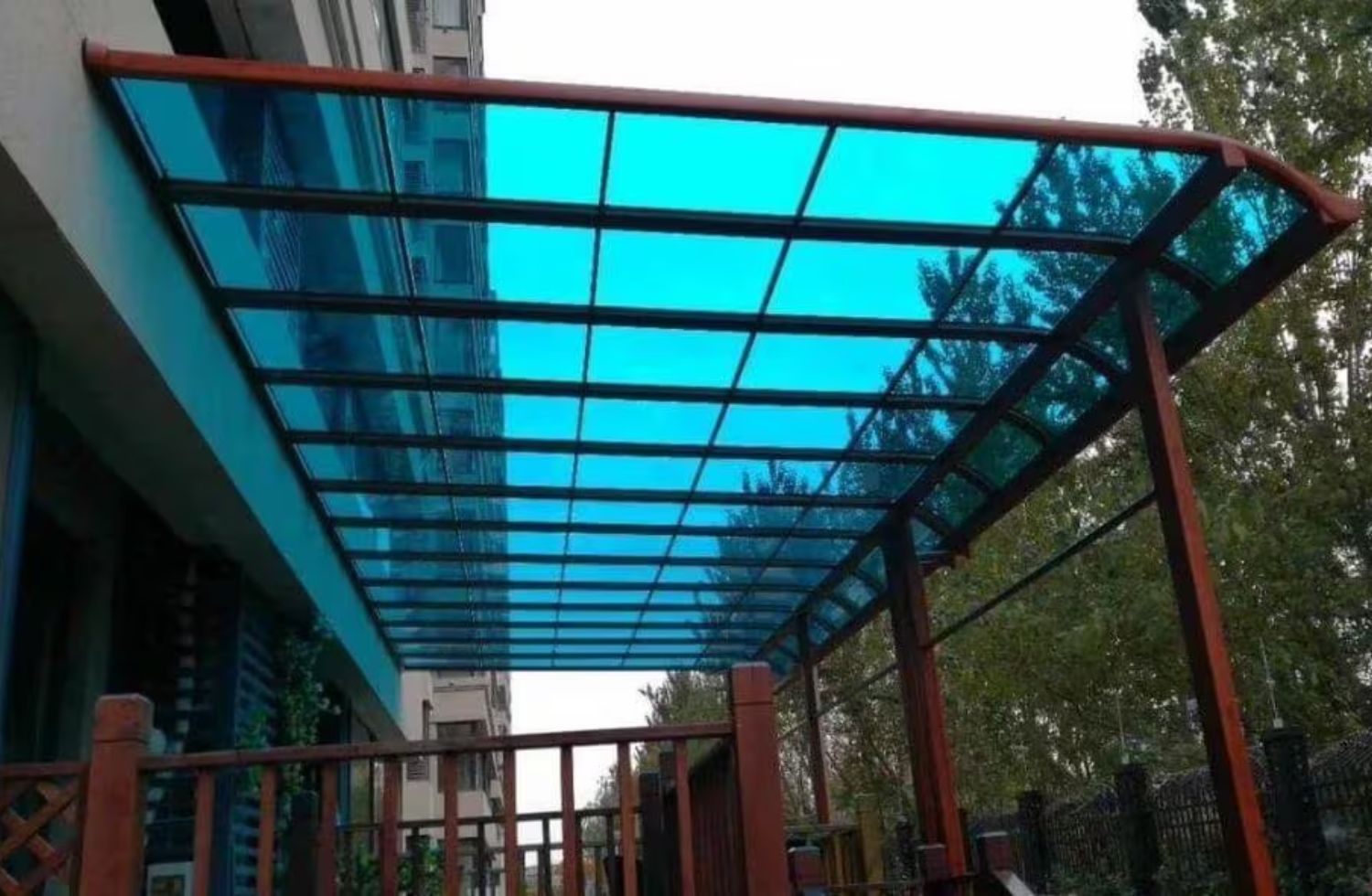
Understanding Polycarbonate Sheets
Polycarbonate sheets have become one of the most versatile and widely used plastic materials in modern construction, architecture, and industrial design. Known for their exceptional strength, lightweight nature, and transparency, these sheets offer a powerful alternative to traditional materials such as glass and acrylic. From residential roofing to commercial greenhouses and safety glazing, polycarbonate sheets deliver durability without sacrificing aesthetics.
As industries move toward cost-effective, impact-resistant, and energy-efficient materials, polycarbonate panels continue to gain popularity worldwide. This detailed guide explores everything you need to know—types, applications, advantages, installation tips, maintenance, and future trends—helping users make informed decisions.

What Are Polycarbonate Sheets?
Polycarbonate panels are thermoplastic polymer panels manufactured from polycarbonate resin, a material first developed in 1953. These sheets are known for their high impact resistance, optical clarity, and ability to withstand extreme temperatures. Unlike glass, polycarbonate sheets do not shatter easily, making them ideal for safety-focused applications.
Additionally, polycarbonate panels can be molded, bent, and cut without cracking, which adds to their design flexibility. Available in various thicknesses, colors, and finishes, they suit both functional and decorative purposes. Their combination of strength and light transmission makes them indispensable across multiple industries.
Key Properties of Polycarbonate Sheets
The popularity of polycarbonate panels stems from their unique physical and mechanical properties. One of the most notable features is their impact resistance, which is up to 250 times stronger than glass. This makes them ideal for areas exposed to heavy loads, weather stress, or potential vandalism.
Polycarbonate panels are also UV resistant, especially when treated with protective coatings. They maintain clarity and structural integrity even under prolonged sun exposure. Furthermore, their lightweight composition reduces installation costs and structural load, while their thermal insulation properties improve energy efficiency in buildings.
Types of Polycarbonate Sheets
Solid polycarbonate sheets resemble glass in appearance but outperform it in strength and durability. These sheets are commonly used for safety windows, skylights, machine guards, and sound barriers. Their clarity allows up to 90% light transmission, making them suitable for both indoor and outdoor applications.
In addition, solid polycarbonate sheets offer excellent weather resistance and can endure harsh environments without yellowing or cracking. Their smooth surface also makes them easy to clean and maintain, contributing to their long lifespan.
Multiwall Polycarbonate Sheets
Multiwall polycarbonate panels consist of multiple layers separated by air pockets, enhancing insulation and strength. These sheets are widely used in greenhouses, roofing systems, conservatories, and patio covers. The internal structure reduces heat transfer while maintaining good light diffusion.
Because of their insulation capabilities, multiwall polycarbonate panels help lower heating and cooling costs. They are lightweight, easy to install, and available in various thicknesses such as 6mm, 10mm, and 16mm, depending on structural requirements.
Corrugated Polycarbonate Sheets
Corrugated polycarbonate panels feature a wavy profile that increases structural rigidity. These sheets are commonly used for industrial roofing, sheds, warehouses, and outdoor shelters. Their design allows efficient water drainage while maintaining strength and flexibility.
Corrugated polycarbonate panels are especially valued for their weather resistance and affordability. They can withstand heavy rain, hail, and UV exposure, making them a reliable solution for large-scale roofing projects.
Applications of Polycarbonate Sheets
Construction and Architecture
In modern construction, polycarbonate panels are widely used for roofing, facades, skylights, and canopies. Architects prefer them for their ability to transmit light while providing insulation and safety. Their flexibility also allows creative design solutions that would be difficult with glass.
Additionally, polycarbonate In modern construction, polycarbonate panels are widely used for roofing, facades, skylights, and canopies. Architects prefer them for their ability to transmit light while providing insulation and safety. Their flexibility also allows creative design solutions that would be difficult with glass.
reduce overall building weight, contributing to improved structural efficiency. Their long lifespan and low maintenance requirements make them cost-effective for both residential and commercial projects.
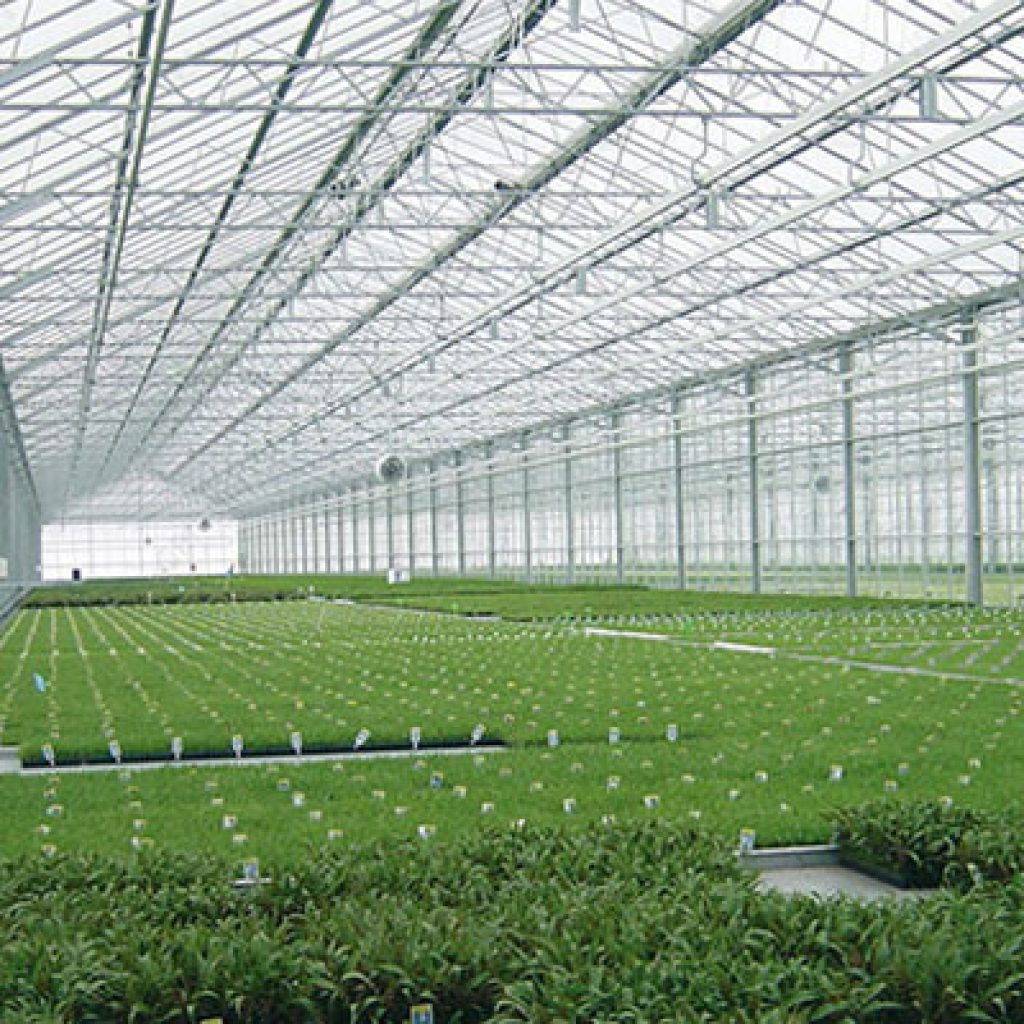
Greenhouses and Agriculture
Polycarbonate In modern construction, polycarbonate panels are widely used for roofing, facades, skylights, and canopies. Architects prefer them for their ability to transmit light while providing insulation and safety. Their flexibility also allows creative design solutions that would be difficult with glass.
have revolutionized greenhouse design. Unlike glass, they provide better insulation, helping maintain stable internal temperatures for plant growth. Multiwall polycarbonate In modern construction, polycarbonate panels are widely used for roofing, facades, skylights, and canopies. Architects prefer them for their ability to transmit light while providing insulation and safety. Their flexibility also allows creative design solutions that would be difficult with glass.
, in particular, protect crops from harsh weather conditions while allowing sufficient sunlight.
Moreover, their UV-blocking properties prevent plant damage while enhancing photosynthesis. Farmers and horticulturists increasingly choose polycarbonate In modern construction, polycarbonate panels are widely used for roofing, facades, skylights, and canopies. Architects prefer them for their ability to transmit light while providing insulation and safety. Their flexibility also allows creative design solutions that would be difficult with glass.
for their durability, energy efficiency, and long-term savings.
Industrial and Safety Applications
In industrial environments, polycarbonate In modern construction, polycarbonate panels are widely used for roofing, facades, skylights, and canopies. Architects prefer them for their ability to transmit light while providing insulation and safety. Their flexibility also allows creative design solutions that would be difficult with glass.
are used for machine guards, protective barriers, and safety shields. Their high impact resistance ensures worker safety without obstructing visibility. These sheets also resist chemicals and extreme temperatures, making them suitable for demanding conditions.
Additionally, polycarbonate In modern construction, polycarbonate panels are widely used for roofing, facades, skylights, and canopies. Architects prefer them for their ability to transmit light while providing insulation and safety. Their flexibility also allows creative design solutions that would be difficult with glass.
are widely used in security glazing, riot shields, and protective enclosures due to their ability to absorb impact without breaking.
Advantages of Polycarbonate Sheets
One of the biggest advantages of polycarbonate sheets is their exceptional durability. They resist cracking, shattering, and deformation, even under significant stress. This makes them safer and more reliable than traditional materials.
Another major benefit is energy efficiency. Multiwall polycarbonate In modern construction, polycarbonate panels are widely used for roofing, facades, skylights, and canopies. Architects prefer them for their ability to transmit light while providing insulation and safety. Their flexibility also allows creative design solutions that would be difficult with glass.
reduce heat loss, helping lower energy bills. They are also lightweight, easy to install, recyclable, and environmentally friendly. Combined with their aesthetic versatility, these advantages make polycarbonate sheets a superior material choice.

Polycarbonate Sheets vs Glass
When comparing polycarbonate sheets vs glass, the differences are significant. Polycarbonate sheets are much stronger and lighter, reducing the risk of injury and structural stress. While glass can shatter upon impact, polycarbonate sheets absorb force and remain intact.
Additionally, polycarbonate sheets provide better insulation and UV protection. Although glass offers excellent clarity, modern polycarbonate sheets closely match this quality while outperforming glass in durability and cost efficiency.
Installation Guidelines for Polycarbonate Sheets
Proper installation is crucial to maximize the lifespan of polycarbonate sheets. Sheets should be installed with allowance for thermal expansion, as polycarbonate expands and contracts with temperature changes. Using recommended fasteners and sealing systems prevents cracking and leakage.
It is also essential to install UV-protected sides facing outward. Following manufacturer guidelines ensures optimal performance and long-term reliability. Professional installation is recommended for large or complex projects.
Maintenance and Cleaning Tips
Maintaining polycarbonate sheets is relatively simple. Regular cleaning with mild soap and water helps preserve clarity and appearance. Avoid abrasive cleaners or rough tools, as they can scratch the surface.
Periodic inspection ensures that fasteners remain secure and seals intact. With proper care, polycarbonate sheets can last 10–20 years or more, depending on environmental conditions.
Environmental Impact and Sustainability
Polycarbonate sheets are recyclable, making them an environmentally responsible choice. Their durability reduces the need for frequent replacement, lowering material waste. Additionally, their energy-efficient properties contribute to reduced carbon emissions.
Manufacturers are increasingly adopting sustainable production methods, further improving the environmental profile of polycarbonate sheets. This aligns with global efforts toward greener construction materials.
Cost of Polycarbonate Sheets
The cost of polycarbonate sheets varies depending on type, thickness, and quality. Solid sheets are generally more expensive than multiwall or corrugated options. However, their long lifespan and low maintenance often offset initial costs.
Compared to glass, polycarbonate sheets offer better value over time due to reduced replacement and energy costs. Investing in high-quality sheets ensures better performance and durability.
Choosing the Right Polycarbonate Sheets
Selecting the right polycarbonate sheets depends on application, budget, and environmental factors. For insulation-focused projects, multiwall sheets are ideal. For safety and clarity, solid sheets are recommended.
Understanding project requirements helps users choose the most suitable option, ensuring optimal performance and longevity.
Future Trends in Polycarbonate Sheets
The future of polycarbonate sheets looks promising, with advancements in UV coatings, self-cleaning surfaces, and improved thermal efficiency. These innovations enhance performance while expanding application possibilities.
As sustainability becomes a priority, manufacturers continue to develop eco-friendly polycarbonate solutions, ensuring long-term relevance in modern construction and design.
Conclusion
Polycarbonate sheets have transformed the way industries approach construction, safety, and design. Their unmatched strength, versatility, and energy efficiency make them a superior alternative to traditional materials. Whether used in roofing, greenhouses, or industrial safety systems, polycarbonate sheets deliver long-term value and performance.
By understanding their types, benefits, and applications, users can confidently choose polycarbonate sheets for projects that demand durability, aesthetics, and sustainability.
Frequently Asked Questions (FAQs)
1. Are polycarbonate sheets better than glass?
Yes, they are stronger, lighter, and more impact-resistant than glass.
2. How long do polycarbonate sheets last?
With proper maintenance, they can last 10–20 years or more.
3. Are polycarbonate sheets expensive?
They are cost-effective long-term due to durability and energy savings.


Property valuations in Hove play a crucial role in the local real estate market, affecting both buyers and sellers, and estate agents in Hove are central to assessing these values accurately. Understanding the factors that determine these valuations can provide clarity and guide informed decisions. Several elements come into play, including location, market trends, and property condition. Whether you are looking to buy, sell, or simply understand the value of homes in Hove, recognising these key influences is essential. In this guide, we delve into the intricacies of Hove’s property valuations, ensuring you have a comprehensive understanding of the local housing landscape.

Location-Specific Factors
Proximity to Amenities
One of the most significant determinants of property valuations in Hove is the proximity to amenities. Properties that are close to essential services such as schools, healthcare centres, and public transport typically command higher prices. Homes near recreational amenities, like parks and beaches, or within walking distance of vibrant shopping areas, can also see increased value. Buyers often prioritise convenience, making these features highly desirable. Thus, the closer a property is to such amenities, the more attractive it becomes to potential buyers, significantly influencing its market price.
Neighbourhood Desirability
Neighbourhood desirability plays a crucial role in determining property values. Hove is known for its distinct neighbourhoods, each with unique characteristics that influence property prices. Factors like crime rate, community vibe, and aesthetic appeal can make a neighbourhood more or less desirable. Neighbourhoods that offer a sense of community, safety, and a pleasing environment tend to attract more buyers, thereby pushing property values upwards. Additionally, the presence of good schools and well-maintained public spaces can bolster a neighbourhood’s reputation, further enhancing its desirability.
Current Market Trends
Supply and Demand Dynamics
The local property market in Hove is heavily influenced by supply and demand dynamics. When there is high demand for properties and a limited supply, prices tend to rise. Conversely, if there are more homes for sale than buyers, property values may drop. As such, understanding the ratio of buyers to available properties is crucial for gauging current pricing trends.
Economic Influences
The broader economic climate can have a profound impact on property valuations. Factors such as employment rates, average income levels, and economic growth all play into the pricing of real estate. A strong local economy can lead to increased purchasing power among residents, thereby driving up property prices. Prospective buyers often feel more confident investing in real estate when they perceive economic stability.
Impact of Interest Rates
Interest rates are another critical factor affecting property valuations in Hove. When interest rates are low, borrowing becomes more affordable, prompting more people to consider purchasing homes. This heightened demand can lead to an increase in property prices. Conversely, when interest rates rise, borrowing costs increase, which can reduce the number of potential buyers in the market, thus potentially leading to a decline in property values. Therefore, fluctuations in interest rates can have a direct impact on real estate pricing in the region.
Property-Specific Characteristics
When determining property valuations in Hove, specific characteristics of each property play a crucial role. Every home possesses unique features that add or subtract from its market value. Let’s explore these elements in detail.
Age and Condition of the Property
The age and condition of a property are fundamental factors influencing its valuation. An older home in good condition may possess a charm that appeals to certain buyers, but it may also require more maintenance. Conversely, newer homes often benefit from modern construction standards, energy-efficient materials, and less immediate repair needs. Therefore, while an older home can still achieve a high valuation, its maintenance status and structural condition are vital factors.
Size and Layout
The size and layout of a property contribute significantly to its market value. Properties with larger living spaces typically attract higher valuations due to the perceived increase in comfort and utility. However, the layout also matters—an efficiently designed smaller space can sometimes rival larger homes if it offers convenience and functionality, appealing to those seeking practicality over size.
Renovations and Upgrades
Undertaking renovations and upgrades can positively impact a property’s valuation. Modern kitchens, updated bathrooms, and energy-efficient features, such as solar panels or double-glazed windows, can significantly enhance a home’s appeal and value. It’s important that these improvements are well-considered and align with buyer preferences in the Hove market to ensure return on investment.
Comparative Market Analysis
Beyond property-specific characteristics, comparative market analysis is a vital process in determining accurate property valuations.
Recent Sales in the Area
Property valuations take into account recent sales within the locality. Sales data from neighbouring properties with similar features, size, and condition provides a benchmark. This contextual information helps in understanding the price dynamics of comparable homes in Hove, shaping an informed valuation for the property in question.
Property Valuation Tools
The use of property valuation tools has become increasingly popular in the real estate industry. These digital tools leverage algorithms and extensive databases to estimate property values based on numerous variables. They offer a starting point and are useful for gaining a quick perspective but should complement insights from property experts for a comprehensive assessment.
Conclusion
In conclusion, understanding the factors that affect property valuations in Hove is crucial for both buyers and sellers. The local amenities, transport links, school quality, and historical property trends all play significant roles in determining property prices. Additionally, market conditions, including supply and demand, cannot be
overlooked. By keeping these elements in mind, you can make more informed decisions when buying or selling a property in Hove’s dynamic market. Ultimately, being well-informed empowers you to navigate the real estate landscape with confidence.
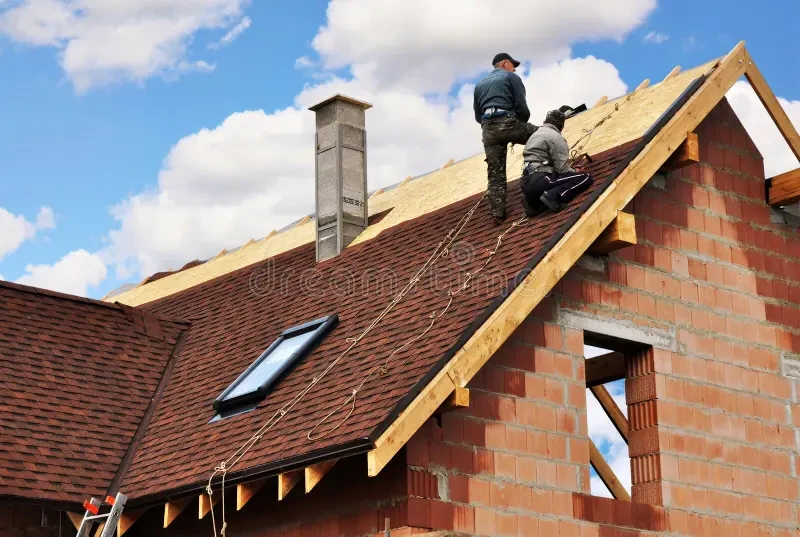
Some homes speak louder than homeowners realize. They creak, shift, and show subtle signs of stress long before any obvious roof damage appears. Many people overlook these clues because the roof feels out of sight, out of mind. But when a house starts “warning” you, ignoring it is the fastest path to expensive repairs.
Why Homes Show Subtle Warning Signs
When a roof begins to deteriorate, the signals don’t present as dramatic leaks or missing shingles. Instead, the earliest clues hide in humidity changes, faint noises, interior temperature fluctuations, or slight discoloration. These warning signs can last months or even years before actual water damage shows up.
The biggest challenge is that homeowners rarely understand what constitutes a real roof warning. Houses always make small noises and temperature shifts happen naturally. But some patterns shouldn’t be ignored.
The Hidden Signals Most Homeowners Miss
Below are the symptoms the average homeowner brushes off but should take seriously.
1. Sudden drafts
If certain rooms suddenly feel colder, your roof insulation might be compromised.
2. Warped ceiling paint
Paint that bends, curves, or bubbles is usually reacting to moisture trapped above.
3. Rust on metal components
If you see rust on attic nails or HVAC vents, moisture is circulating through the roof system.
4. Softened decking underfoot
If the roof surface feels slightly soft, even in small areas, that’s structural damage forming.
5. Odd attic smells
Mustiness usually means moisture accumulation. A dry attic should not smell like anything.
Environmental Conditions That Speed Up Problems
Homes in colder climates or regions with intense heat cycles face faster deterioration. This is especially true in locations where high humidity, snow, or coastal winds play a major role. In places where Roof Replacement NY is a frequent concern, the climate naturally accelerates roof aging.
Moisture and heat create long-term structural shifts that only reveal themselves through small sensory signs.
How Hidden Issues Become Major Damage
A minor insulation gap leads to temperature spikes. Temperature spikes create condensation. Condensation leads to moisture accumulation. Moisture leads to rot. Rot leads to a costly roof reconstruction process.
This chain reaction often happens silently.
What You Should Inspect Regularly
You don’t need to climb the roof to find trouble. Start inside:
- Touch attic insulation for moisture
- Look for thin lines of light entering through roof boards
- Inspect around chimneys and vents
- Check for faint discoloration behind furniture on upper floors
- Listen for new popping sounds after sunset
Your home will tell you things if you slow down enough to listen.
When the Warning Signs Mean Action
If you notice multiple small symptoms at once, the damage is usually already spreading. At that point, scheduling a roof inspection is the smartest move.
A trained specialist can identify:
- Early rot
- Flashing failures
- Ventilation gaps
- Decking weakness
In areas where people frequently deal with Roof Replacement NY, these inspections are essential for preventing premature failures.
Why Homeowners Should Act Early
Hidden roof issues don’t stay hidden forever. They grow quietly until water reaches the living areas. Fixing these problems early means:
- Lower repair costs
- Longer roof lifespan
- Cleaner indoor air
- Better insulation performance
Listening to your home’s signals is the simplest way to prevent major structural issues later.
Listen Early, Save Big
Homes always communicate, but most people only pay attention when the situation becomes urgent. That’s why hidden roof issues are so dangerous: they don’t announce themselves with dramatic leaks or fallen shingles. They whisper instead. A cold draft where there wasn’t one before. Paint that warps for no obvious reason. A soft smell rising from the attic. These subtle details are the early red flags that your roof system isn’t holding up the way it should.
When you catch these signals early, you’re buying time. A home in a region where Roof Replacement NY is common doesn’t suddenly fail. It deteriorates slowly through moisture, heat cycles, and shifting materials. Every small clue—every rusted nail, every faint discoloration—represents pressure building inside the roof structure. Acting early keeps the problem from turning into a full-blown replacement.
Homeowners who take preventive steps stay ahead of the costly cycle of interior damage and structural repairs. You don’t need to be a roofing expert to recognize the signs. You just need to stop brushing them off as “normal old house things.” A musty attic is never normal. Paint that bends is never cosmetic. Drafts don’t appear out of thin air. These are warnings that moisture is finding its way into places it shouldn’t.


Photo by Vitaly Gariev on Unsplash
Most conversations about healthy living focus on big decisions: diet changes, exercise routines, or major home upgrades. Yet in everyday life, it’s often the smallest habits that have the greatest cumulative impact. The way people clean, ventilate rooms, store food, or reset shared spaces after daily use gradually defines how a home feels to live in over months and years.
These habits usually form without much planning. A spill gets wiped down quickly, shoes are left by the door, surfaces are cleaned before guests arrive. Over time, convenience tends to guide these choices more than intention. That’s why products like non toxic cleaning wipes often become part of a routine because they’re easy to reach and convenient for quick and easy clean ups.
What’s interesting is that these small, almost automatic actions influence comfort and well-being far more than people realize. They shape indoor air quality, how clean a space feels, and how much mental effort is required to keep things under control. When routines are simple and low-friction, maintaining a healthy environment feels manageable rather than exhausting.
The Psychology Behind Everyday Home Routines
Human behavior favors the path of least resistance. When a task feels quick and uncomplicated, it’s more likely to happen consistently. This principle applies strongly to household maintenance. People don’t skip cleaning because they dislike cleanliness; they skip it because the process feels disruptive or time-consuming.
Over time, homes reflect this reality. Areas that are easy to maintain stay orderly, while those that require extra steps often fall behind. This is why routines matter more than intentions. A home doesn’t become comfortable because of one deep clean or a burst of motivation. It becomes comfortable because small actions are repeated without much thought.
Environmental psychologists often point out that visual and sensory order reduces cognitive load. When surfaces are clear and spaces feel fresh, people experience less background stress, even if they can’t articulate why. This effect compounds in homes where multiple people share responsibilities, because predictability reduces friction and decision fatigue.
Cleanliness as a Background Condition, Not a Goal
One reason cleaning habits are so influential is that cleanliness is rarely the end goal. People don’t clean for the sake of cleaning; they clean to restore normalcy. A tidy surface, neutral air, and an orderly room signal that things are under control, allowing attention to shift elsewhere.
This framing changes how maintenance fits into daily life. When cleaning is seen as a background condition rather than a task to complete, it becomes easier to integrate into existing routines. A quick wipe here, a reset there, and the home stays within an acceptable range of order without major effort.
Health authorities reinforce the importance of this consistency. The Centers for Disease Control and Prevention emphasizes that regular surface cleaning supports healthier indoor environments, particularly in shared living spaces where germs and residues can accumulate unnoticed. The key is not intensity, but regularity.
How Home Environments Affect Mood and Focus

Photo by Vitaly Gariev on Unsplash
The connection between environment and mental state is subtle but powerful. Cluttered or stale spaces don’t just look unpleasant; they subtly drain attention and patience. Conversely, environments that feel clean and balanced tend to support focus and calm, even during stressful periods.
This is especially noticeable in homes that double as workspaces. As remote and hybrid work become more common, people spend longer stretches inside the same environment. In these settings, minor irritations compound quickly. A lingering smell, sticky surface, or visual mess becomes harder to ignore when there’s no change of scenery.
Addressing these issues doesn’t require perfection. In fact, aiming for perfection often backfires, leading to burnout or avoidance. Homes that feel good to live in usually strike a balance, staying clean enough to be comfortable without demanding constant attention.
Why Simplicity Matters More Than Optimization
Modern life is filled with optimization advice, much of it overwhelming. In the context of home care, simplicity often outperforms complex systems. The easier a routine is to maintain, the more likely it will persist over time.
This is why many effective habits are unremarkable. They don’t rely on schedules, checklists, or specialized knowledge. They rely on accessibility. When tools and solutions are easy to use, people use them. When they’re hidden away or complicated, they don’t.
Over years, these patterns shape the overall character of a home. Spaces that support simple maintenance feel resilient. They bounce back quickly after busy periods and don’t require major resets. This resilience contributes to a sense of stability, which is especially valuable during times of change or stress.
Long-Term Health Is Built From Ordinary Days
Well-being isn’t constructed from occasional efforts; it’s built from ordinary days lived repeatedly. The environments people inhabit during those days influence energy levels, stress responses, and even how well they rest at night.
Public health research increasingly acknowledges the role of indoor environments in overall health. The World Health Organization has highlighted how indoor conditions affect comfort and quality of life, particularly as people spend a majority of their time inside. This makes everyday habits, not just major interventions, a meaningful part of health outcomes.
When homes support simple, repeatable routines, they reduce the mental and physical effort required to stay comfortable. Over time, this ease translates into better consistency, which matters more than any single improvement.
Building Homes That Support, Rather Than Demand, Attention
The most livable homes aren’t the most impressive. They’re the ones that quietly support daily life. They allow people to reset spaces quickly, maintain order without strain, and move through routines without constant decision-making.
By paying attention to small habits and the tools that enable them, households can create environments that feel lighter to manage. These changes rarely announce themselves, but their effects are felt over time in reduced stress and greater ease.
In the end, long-term well-being is shaped less by dramatic transformations and more by what happens on an average day. Homes that accommodate those days gracefully become places of genuine comfort, not because they’re perfect, but because they’re practical.


Simon Rex: A Complete Biography of the Actor, Comedian, and Rapper

Brooks Nader: A Complete Biography of the Sports Illustrated Model and Rising Star

Rodger Berman Net Worth: A Complete Breakdown of His Business Career, Investments, and Wealth

Carolin Bacic: Life, Biography, Family, and Legacy

Christine Williamson: A Rising Star in Sports Journalism

Dame Esther Rantzen: Life, Career, and Legacy of a British Broadcasting Icon
-
 Celebrity6 months ago
Carolin Bacic: Life, Biography, Family, and Legacy
-
 Celebrity12 months ago
Christine Williamson: A Rising Star in Sports Journalism
-
 Celebrity3 weeks ago
Dame Esther Rantzen: Life, Career, and Legacy of a British Broadcasting Icon
-

 Celebrity5 months ago
Dani Daniels: A Complete Biography of the Artist, Media Personality, and Entrepreneur
-

 Celebrity12 months ago
Berniece Julien: A Comprehensive Biography2025
-

 Celebrity4 months ago
Is Brenda Lee Still Alive? The Timeless Voice Behind “Rockin’ Around the Christmas Tree”
-

 Celebrity4 months ago
Juan Gabriel: The Legendary Life of El Divo de Juárez
-

 Celebrity3 months ago
Eleonora Incardona: Biography, Career, Age, Boyfriend, Net Worth & Lifestyle (2025)