
Home Improvement
Why a Professional Snagging Survey is Essential for Your New-Build Home

Buying a new-build property is one of the most significant financial commitments you will ever make. It is a moment defined by the expectation of perfection, polished finishes, and a home that is ready for a lifetime of memories. However, the modern construction industry operates under intense pressure, often involving tight deadlines and high volumes of units. This environment can lead to overlooked defects, rushed finishing, and structural inconsistencies that the untrained eye might miss. To ensure your investment is truly protected, investing in professional snagging services is no longer just a luxury. It is a critical necessity for any savvy homeowner.
Understanding the True Role of a Snagging Survey
A snagging survey is much more than a simple walkthrough. It is a comprehensive, independent inspection of a newly built property specifically designed to identify defects or “snags” that the developer or site manager has missed. These issues can range from minor cosmetic flaws like chipped paint, scratched glass, or uneven tiling to significant structural problems such as breaches in fire cavity barriers, poorly installed drainage, or inadequate insulation.
While most developers conduct their own internal quality checks, an independent surveyor works exclusively for you, the buyer. They provide an unbiased, third-party assessment to ensure the property meets the strict standards you were promised before you legally complete the purchase or move your furniture in.
The Technical Advantage of Expert Snagging Services
Many homeowners mistakenly believe they can snag the house themselves by spending a few hours looking at the walls and testing the taps. However, a professional inspector brings decades of industry experience and specialised equipment that the average buyer simply does not possess. They understand the anatomy of a building and know exactly where common failures occur.
Modern snagging services utilise advanced technology like thermal imaging cameras. These tools allow surveyors to detect cold bridging, damp spots, or missing insulation behind plastered walls that remain completely invisible to the naked eye. An expert will also check for compliance with the latest safety and performance regulations.
The Benefit of Pre-Completion Inspections (PCI)
One of the most powerful tools available to a modern homebuyer is the Pre-Completion Inspection. Under current industry guidelines, you have the right to have your home inspected before you even take legal possession. This provides immense leverage because the developer is highly motivated to rectify issues while their tradespeople are still active on-site.
Documenting these issues in a detailed photographic report at this stage allows you to demand repairs before you even pick up the keys. This saves you from the immense stress of living in a construction zone after your moving day, where dusty repairs and constant contractor visits can ruin the excitement of your new home.
Identifying Hidden Thermal and Insulation Failures
Energy efficiency is a primary reason people choose new-build homes. However, if the insulation is poorly installed or gaps are left in the building fabric, you will not see the promised savings on your utility bills. Professional inspectors look for these “invisible” flaws that a standard visual check would never catch.
By using thermal technology, a surveyor can see exactly where heat is escaping. This ensures that your home is as energy-efficient as the developer claimed and prevents future issues with cold spots or condensation that can lead to mould growth over time.
Ensuring Compliance with Fire Safety Regulations
Safety is the most critical aspect of any home inspection. Specialist surveyors pay close attention to fire safety measures, such as the correct installation of fire stops and cavity barriers within the walls and loft space. These components are vital for preventing the spread of fire between rooms or properties.
Because these elements are usually hidden behind plasterboard or in difficult-to-reach areas, they are frequently installed incorrectly or omitted entirely during a rushed build. A professional survey provides the peace of mind that your family is living in a home that is built to the highest safety standards.
Navigating the Relationship with Your Developer
One of the most overlooked benefits of a professional survey is the professional weight it carries. When a homeowner complains about a squeaky floorboard, a developer might dismiss it as “settling.” However, when a qualified surveyor cites a specific building regulation or technical failure in a formal report, the developer is much more likely to take immediate action.
A high-quality report acts as a clear roadmap for the site manager. By providing clear evidence and technical descriptions of every fault, you remove any ambiguity and speed up the rectification process. This professional approach helps maintain a constructive relationship with the builder by focusing on facts rather than emotions.
Protecting the Future Resale Value of Your Property
The period following a move is notoriously stressful, and the last thing a homeowner wants is a years-long battle with a developer over hidden defects discovered months down the line. A professional snagging survey covers every inch of the property, from the integrity of the external brickwork and guttering to the internal functionality of plumbing, electrics, and joinery.
By identifying these faults early, you also protect the future resale value of the property. When you eventually come to sell the house, having a record that the initial build quality was verified and corrected can be a strong selling point for future buyers. It proves that the home has been maintained to a high standard from day one.
Conclusion
Your new home should represent a fresh start, not a growing list of DIY projects and repair bills. By engaging professional snagging services, you are taking control of the quality of your environment. You are ensuring that the home you pay for is the home you actually receive.
In the context of a property purchase costing hundreds of thousands of pounds, the cost of an expert inspection is a small price to pay for total peace of mind and long-term financial security. Do not leave the quality of your new-build property to chance. Ensure your builder is held to account with a detailed, independent snagging survey that protects your family, your finances, and your future.

Home Improvement
The Modern Bathroom Reset: Why Eastside Homes Are Reimagining Their Most Personal Room

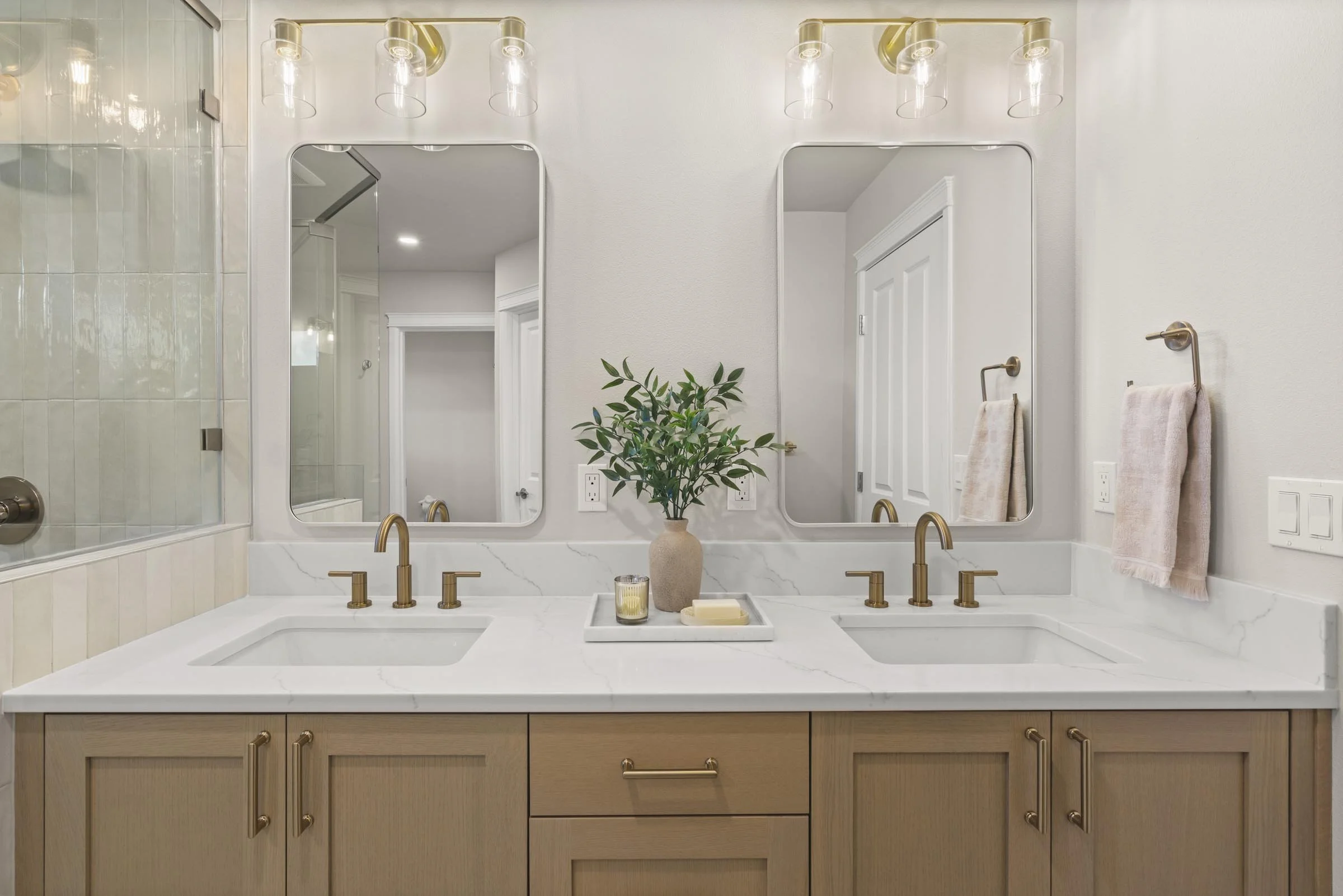
Bathrooms used to be treated like purely functional spaces: clean, bright, and easy to maintain. Now they are being redesigned with the same care homeowners give to kitchens and living areas. The bathroom has become a daily ritual zone, a place that can either add stress or quietly remove it.
For homeowners planning a refresh around the Eastside, especially those searching for Bellevue bathroom inspiration and services, the biggest shift is not a single trend like matte black fixtures or floating vanities. It is the move toward comfort that feels intentional. Better lighting, smarter storage, calmer materials, and layouts that actually match how people live.
From quick updates to real lifestyle upgrades
A bathroom remodel used to mean swapping a vanity, changing tiles, and hoping the rest of the room would still make sense. Today, people want the space to work better every day, not just look newer. That means thinking about how the room is used in real life: the morning rush, shared routines, limited storage, humidity, and noise.
This is why layout has become just as important as style. Small changes, like widening the clearance around a vanity or repositioning a shower door, can dramatically improve flow. Even in compact bathrooms, the difference between “it fits” and “it feels good” often comes down to planning the room like a system, not a collection of items.
The new priority: light that flatters and functions
Lighting is one of the most underrated elements in bathroom design, yet it shapes everything. Harsh overhead lighting can make the room feel clinical. Dim lighting can feel moody but impractical. The modern approach blends layers: bright, even task lighting at the mirror, softer ambient light for the room, and a warm glow for evenings.
Homeowners are also paying more attention to mirror size and placement. A well positioned mirror paired with balanced lighting can make a bathroom feel larger, cleaner, and more refined, even before any luxury materials are added.
Storage is the silent feature that makes a bathroom feel expensive
Many bathrooms look great in photos because clutter is removed. In real life, clutter needs a home. When storage is planned well, a bathroom instantly feels calmer. The goal is to hide what you use every day without making it hard to access.
That is why vanities with deep drawers have replaced many older cabinet styles. Medicine cabinets are returning, but in sleeker forms. Built in niches in showers and bathtubs reduce the need for wire racks and plastic organizers. When storage is integrated, the room stays visually quiet, and that quiet reads as luxury.
Materials that feel good, not just look good
There is a noticeable move away from surfaces that are beautiful but stressful. High gloss finishes can show every mark. Slippery tiles can feel unsafe. Some materials stain easily or require constant maintenance. Homeowners are choosing finishes that feel durable, warm, and easy to live with.
Porcelain continues to dominate because it can mimic stone while being easier to maintain. Textured tile finishes are popular for shower floors because they feel safer underfoot. Soft neutrals are still in demand, but with more depth: warm whites, sand tones, and muted greys that feel less sterile than the bright, cold palettes of past remodel cycles.
The spa influence, done in a practical way
The “spa bathroom” trend is not about building a luxury resort at home. It is about copying the parts that matter: comfort, softness, and a sense of ease. People want showers that feel consistent and calm. They want quieter fans, warmer lighting, and less visual chaos.
Small upgrades make a big impact here. Better ventilation reduces humidity and prevents long term damage. A shower system that maintains stable temperature makes the experience feel higher end. Heated floors, when feasible, make winter mornings easier. These changes are practical, but they also change how the room feels emotionally.
Aging in place is shaping design decisions
Another reason bathroom remodels are becoming more thoughtful is that people are planning ahead. Even homeowners who do not need accessibility features now are choosing designs that will still work ten or twenty years from today.
Walk in showers are replacing tubs in many homes, not only for aesthetics but for ease of use. Wider entries, comfort height toilets, and safer flooring are being adopted in ways that do not feel clinical. The best remodels blend function and beauty so seamlessly that practical upgrades feel like style choices.
What makes a remodel feel high-quality
A bathroom can look updated yet still feel disappointing if the details are wrong. Quality comes from planning, proportions, and installation precision. Tile alignment, grout consistency, and clean transitions around corners make a room feel intentional. A well placed vanity, properly scaled lighting, and thoughtful hardware choices create visual order.
It also comes from solving hidden issues. Many bathroom problems are behind the walls: old plumbing, poor waterproofing, or ventilation that never worked properly. A remodel that ignores these can look great at first and then become frustrating. The best projects prioritize durability, because durability is what protects your investment.
The result is more than resale value
Bathroom remodels are often justified as a value boost, and they can be. But the real payoff is daily life. When the room functions smoothly, mornings feel less chaotic. When lighting is flattering, routines feel easier. When storage is planned, the space stays calm without constant effort.
That is why the bathroom has become one of the most emotionally important remodel projects. It is not just about design. It is about building a quieter, cleaner rhythm into everyday life.
A final thought for Eastside homeowners
If you are updating a bathroom in the Bellevue area, the smartest approach is to treat the project as a system upgrade rather than a surface change. Focus on layout, light, airflow, storage, and materials that suit how you actually live. When those foundations are right, the style becomes the finishing touch, not the thing that has to carry the entire room.
And when a remodel is done with that mindset, the bathroom stops being a place you rush through. It becomes a place that quietly supports your day, every single day.

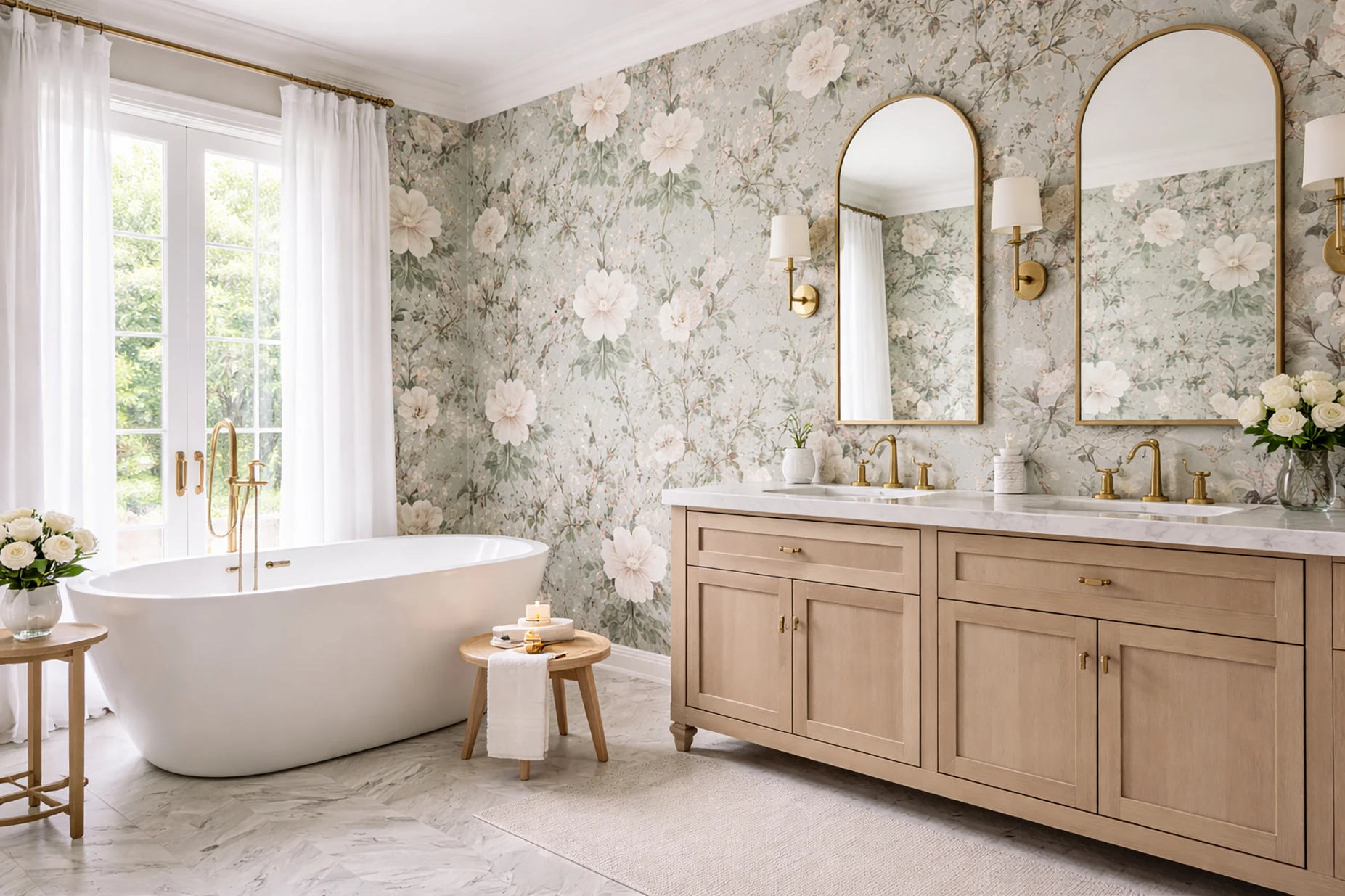
Why Wallcoverings Look Luxurious in Some Homes — and Fail Quickly in Others
Wallpaper has made a strong comeback in modern interiors. Designers use it to add depth, texture, and personality in ways paint simply cannot replicate. Yet many homeowners still approach wallcoverings with hesitation, remembering stories of peeling seams, bubbles, or difficult removal.
The reality is more nuanced. Wallpaper itself is rarely the problem. In most cases, success or failure is determined by preparation, material compatibility, and execution — factors that are largely invisible once the room is finished.
This article looks at wallcoverings not as decoration, but as a performance finish, and explains why some installations age beautifully while others fail prematurely.
Wallpaper is not paint — and shouldn’t be treated like it
Paint is forgiving. Wallpaper is not.
A wall that looks smooth enough for paint often hides imperfections that wallpaper will immediately reveal. Subtle drywall joints, uneven patches, sanding marks, or leftover texture can all become visible once wallpaper is installed, especially under natural or directional light.
Beyond surface appearance, wallpaper interacts differently with walls than paint does. Adhesives respond to porosity, humidity, and temperature. If the wall absorbs moisture unevenly, the wallpaper can expand or contract inconsistently, leading to tension that shows up later as lifting seams or bubbles.
The most common reasons wallpaper installations fail
While failures may appear random, they usually follow predictable patterns.
Insufficient surface preparation
Walls that are not properly skimmed, sanded, and sealed create an unstable base. Even high-end wallpaper cannot compensate for poor preparation.
Inconsistent wall absorption
Fresh drywall, old paint, and patched areas all absorb adhesive differently. Without proper priming and sealing, adhesive cures unevenly.
Environmental stress
Homes experience daily and seasonal changes in humidity and temperature. These shifts affect wallcoverings more than paint, especially in regions with strong seasonal variation.
Rushed layout decisions
Pattern alignment, seam placement, and starting points matter. Poor planning can make even a technically correct installation look unbalanced or flawed.
These issues rarely appear immediately. They often develop weeks or months after installation, when the environment begins to stress the system.
Wall preparation: the invisible foundation of quality
Professional installers evaluate walls very differently than homeowners do. Instead of asking whether a wall looks “good enough,” they assess whether it is wallpaper-ready.
This includes:
- checking flatness under angled light
- feathering repairs so transitions disappear
- sealing porous areas to control adhesive behavior
- addressing corners and ceiling lines where buildup is most visible
Preparation often takes more time than the installation itself, but it is what allows wallpaper to look seamless and refined once complete.
Materials matter — but only when paired with the right execution
Not all wallcoverings behave the same way.
Vinyl wallcoverings are durable and cleanable, making them suitable for high-traffic areas, but they require correct priming to prevent slipping or seam issues.
Non-woven wallcoverings are dimensionally stable and popular in residential interiors, yet they still telegraph wall defects if preparation is insufficient.
Natural materials, such as grasscloth or textile blends, offer rich texture but come with inherent variation that must be handled intentionally rather than corrected.
High-sheen and specialty finishes amplify every imperfection beneath them, demanding near-perfect wall conditions.
Selecting the right material without aligning it with wall conditions and installation strategy is one of the most common causes of disappointment.
Where professional installation changes outcomes
The difference between wallpaper that lasts and wallpaper that fails is rarely the brand or price point. It is experience and judgment.
Experienced teams understand how wall construction, lighting, climate, and material behavior interact. Homeowners seeking consistent, long-term results often work with professional wallcovering installers in the Denver metro area who are accustomed to managing seasonal humidity changes, varied wall conditions, and complex residential interiors.
This level of planning transforms wallpaper from a decorative risk into a controlled interior finish.
High-risk spaces require different thinking
Certain areas of the home demand extra consideration.
Bathrooms and laundry rooms require attention to ventilation, material selection, and edge detailing to manage moisture exposure.
Kitchens demand thoughtful placement, as heat, grease, and cleaning habits influence long-term performance.
Stairwells and tall walls introduce challenges related to access, pattern continuity, and alignment that require careful staging and layout.
These spaces fail most often when they are treated like ordinary walls.
Planning a wallpaper project without surprises
Wallpaper rarely causes project delays because installation takes too long. Delays usually stem from underestimating preparation or misaligning trades.
To avoid issues:
- assume walls need more preparation than expected
- order extra material for pattern matching and waste
- stabilize indoor humidity before and after installation
- coordinate painting and trim work in advance
Thoughtful planning protects both the schedule and the final appearance.
Wallpaper succeeds when treated as a system
When wallpaper is approached as part of a complete interior system — wall preparation, material choice, environmental conditions, and execution — it delivers depth, character, and longevity that paint cannot match.
The installations that age best are not the result of luck. They are the result of preparation, planning, and professional execution working together.
Property valuations in Hove play a crucial role in the local real estate market, affecting both buyers and sellers, and estate agents in Hove are central to assessing these values accurately. Understanding the factors that determine these valuations can provide clarity and guide informed decisions. Several elements come into play, including location, market trends, and property condition. Whether you are looking to buy, sell, or simply understand the value of homes in Hove, recognising these key influences is essential. In this guide, we delve into the intricacies of Hove’s property valuations, ensuring you have a comprehensive understanding of the local housing landscape.

Location-Specific Factors
Proximity to Amenities
One of the most significant determinants of property valuations in Hove is the proximity to amenities. Properties that are close to essential services such as schools, healthcare centres, and public transport typically command higher prices. Homes near recreational amenities, like parks and beaches, or within walking distance of vibrant shopping areas, can also see increased value. Buyers often prioritise convenience, making these features highly desirable. Thus, the closer a property is to such amenities, the more attractive it becomes to potential buyers, significantly influencing its market price.
Neighbourhood Desirability
Neighbourhood desirability plays a crucial role in determining property values. Hove is known for its distinct neighbourhoods, each with unique characteristics that influence property prices. Factors like crime rate, community vibe, and aesthetic appeal can make a neighbourhood more or less desirable. Neighbourhoods that offer a sense of community, safety, and a pleasing environment tend to attract more buyers, thereby pushing property values upwards. Additionally, the presence of good schools and well-maintained public spaces can bolster a neighbourhood’s reputation, further enhancing its desirability.
Current Market Trends
Supply and Demand Dynamics
The local property market in Hove is heavily influenced by supply and demand dynamics. When there is high demand for properties and a limited supply, prices tend to rise. Conversely, if there are more homes for sale than buyers, property values may drop. As such, understanding the ratio of buyers to available properties is crucial for gauging current pricing trends.
Economic Influences
The broader economic climate can have a profound impact on property valuations. Factors such as employment rates, average income levels, and economic growth all play into the pricing of real estate. A strong local economy can lead to increased purchasing power among residents, thereby driving up property prices. Prospective buyers often feel more confident investing in real estate when they perceive economic stability.
Impact of Interest Rates
Interest rates are another critical factor affecting property valuations in Hove. When interest rates are low, borrowing becomes more affordable, prompting more people to consider purchasing homes. This heightened demand can lead to an increase in property prices. Conversely, when interest rates rise, borrowing costs increase, which can reduce the number of potential buyers in the market, thus potentially leading to a decline in property values. Therefore, fluctuations in interest rates can have a direct impact on real estate pricing in the region.
Property-Specific Characteristics
When determining property valuations in Hove, specific characteristics of each property play a crucial role. Every home possesses unique features that add or subtract from its market value. Let’s explore these elements in detail.
Age and Condition of the Property
The age and condition of a property are fundamental factors influencing its valuation. An older home in good condition may possess a charm that appeals to certain buyers, but it may also require more maintenance. Conversely, newer homes often benefit from modern construction standards, energy-efficient materials, and less immediate repair needs. Therefore, while an older home can still achieve a high valuation, its maintenance status and structural condition are vital factors.
Size and Layout
The size and layout of a property contribute significantly to its market value. Properties with larger living spaces typically attract higher valuations due to the perceived increase in comfort and utility. However, the layout also matters—an efficiently designed smaller space can sometimes rival larger homes if it offers convenience and functionality, appealing to those seeking practicality over size.
Renovations and Upgrades
Undertaking renovations and upgrades can positively impact a property’s valuation. Modern kitchens, updated bathrooms, and energy-efficient features, such as solar panels or double-glazed windows, can significantly enhance a home’s appeal and value. It’s important that these improvements are well-considered and align with buyer preferences in the Hove market to ensure return on investment.
Comparative Market Analysis
Beyond property-specific characteristics, comparative market analysis is a vital process in determining accurate property valuations.
Recent Sales in the Area
Property valuations take into account recent sales within the locality. Sales data from neighbouring properties with similar features, size, and condition provides a benchmark. This contextual information helps in understanding the price dynamics of comparable homes in Hove, shaping an informed valuation for the property in question.
Property Valuation Tools
The use of property valuation tools has become increasingly popular in the real estate industry. These digital tools leverage algorithms and extensive databases to estimate property values based on numerous variables. They offer a starting point and are useful for gaining a quick perspective but should complement insights from property experts for a comprehensive assessment.
Conclusion
In conclusion, understanding the factors that affect property valuations in Hove is crucial for both buyers and sellers. The local amenities, transport links, school quality, and historical property trends all play significant roles in determining property prices. Additionally, market conditions, including supply and demand, cannot be
overlooked. By keeping these elements in mind, you can make more informed decisions when buying or selling a property in Hove’s dynamic market. Ultimately, being well-informed empowers you to navigate the real estate landscape with confidence.

Why a Professional Snagging Survey is Essential for Your New-Build Home
Choosing the Right Approach for Receding Hairline Restoration
Balancing Comfort and Professional Appearance in Hi-Vis Clothing

Carolin Bacic: Life, Biography, Family, and Legacy

Christine Williamson: A Rising Star in Sports Journalism

Dame Esther Rantzen: Life, Career, and Legacy of a British Broadcasting Icon
-
 Celebrity6 months ago
Carolin Bacic: Life, Biography, Family, and Legacy
-
 Celebrity12 months ago
Christine Williamson: A Rising Star in Sports Journalism
-
 Celebrity4 weeks ago
Dame Esther Rantzen: Life, Career, and Legacy of a British Broadcasting Icon
-

 Celebrity5 months ago
Dani Daniels: A Complete Biography of the Artist, Media Personality, and Entrepreneur
-

 Celebrity1 year ago
Berniece Julien: A Comprehensive Biography2025
-

 Celebrity4 months ago
Juan Gabriel: The Legendary Life of El Divo de Juárez
-

 Celebrity4 months ago
Is Brenda Lee Still Alive? The Timeless Voice Behind “Rockin’ Around the Christmas Tree”
-

 Celebrity4 months ago
Eleonora Incardona: Biography, Career, Age, Boyfriend, Net Worth & Lifestyle (2025)