
Business
Retail Store Closures: Causes, Impact & the Future of Brick-and-Mortar Retail

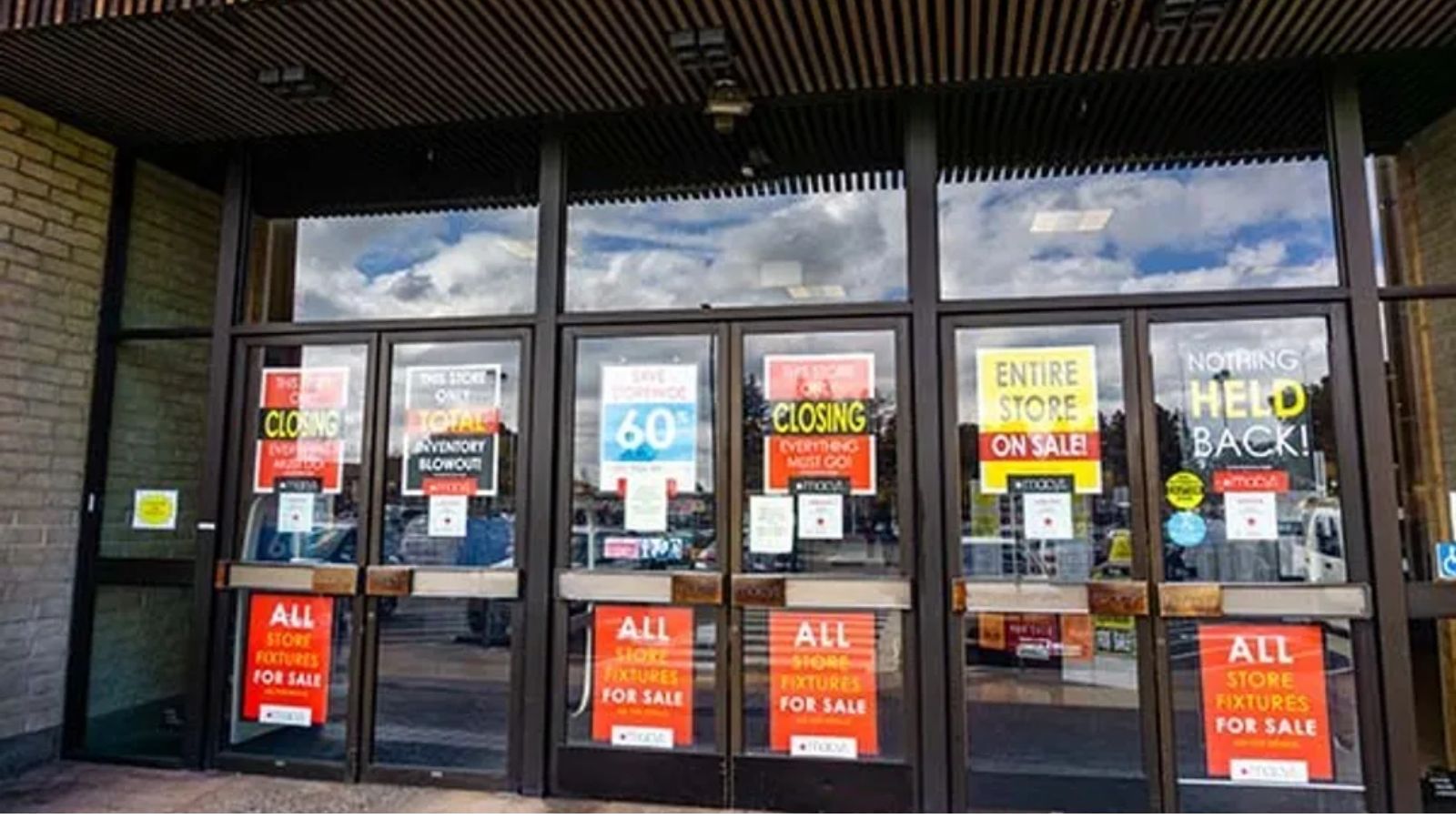
Retail store closures have become one of the most widely discussed topics in the global business world. Over the past decade, thousands of physical stores—ranging from major retail chains to small family-run businesses—have been forced to shut their doors permanently. The rise in retail store closures has affected the economy, job market, real estate sector, and consumer shopping behaviors in profound ways. While the retail industry is always evolving, recent years have seen an unusually rapid increase in closures due to shifting trends, technological advancements, and major economic disruptions. Understanding the causes and consequences behind these closures is crucial for consumers, investors, business owners, and policymakers alike.
Understanding the Rise of Retail Store Closures
The rapid surge in retail store closures did not happen overnight. Instead, it has been the result of multiple long-term structural changes combined with sudden external pressures. The phrase “retail apocalypse” became widely popular starting around 2017, when several large retailers filed for bankruptcy or significantly downsized their store footprints. Companies that once dominated malls and shopping centers started to struggle as consumer preferences shifted from in-person shopping to online alternatives. The rise of e-commerce giants, economic uncertainty, and supply chain disruptions contributed further to the ongoing challenge for brick-and-mortar stores. This growing trend highlights the need to look deeper into what’s driving retailers out of the physical marketplace.
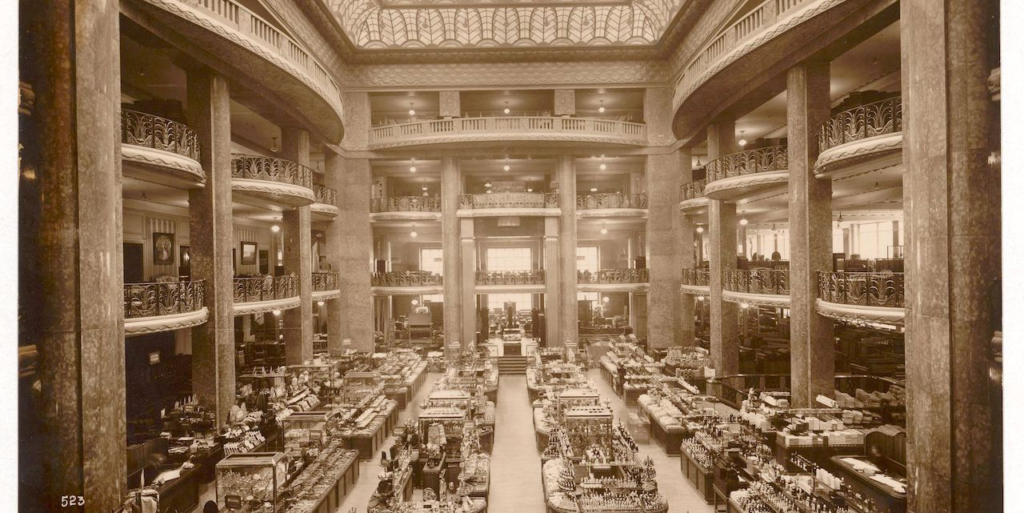
Historical Overview of the Retail Apocalypse
The concept of a retail apocalypse began gaining traction in the mid-2010s. Traditional retail players like Sears, Toys “R” Us, JCPenney, and RadioShack began closing hundreds of stores. Many of these businesses had long histories, strong brand recognition, and loyal customer bases, which made their decline surprising to many. However, analysts soon observed clear patterns: outdated business models, slow adoption of digital solutions, and massive debt burdens were common issues behind many collapses. The COVID-19 pandemic intensified the problem by accelerating the shift to online shopping and causing temporary shutdowns that many retailers never recovered from. This era of transformation continues today, shaping the future landscape of retail worldwide.
MAJOR REASONS BEHIND RETAIL STORE CLOSURES
The Shift Toward Online Shopping
One of the most undeniable drivers of retail store closures is the explosive growth of online shopping. E-commerce has steadily taken over a significant share of retail sales, with consumers appreciating the convenience of home delivery, price comparisons, and endless product availability. Companies like Amazon have completely redefined customer expectations, making in-person shopping feel less efficient for many categories. Brick-and-mortar retailers that failed to adopt digital strategies quickly fell behind. Online stores operate with lower overhead costs, enabling competitive pricing that physical stores struggle to match. As this digital transformation continues, retailers without a strong online presence face increasing pressure to shut down unprofitable locations.
High Operational Costs
Operating a physical store is expensive. Rent, inventory, utilities, transportation, and employee wages all contribute to growing overhead costs. In major cities, commercial rent prices have skyrocketed, making it extremely difficult for retailers to maintain profitability. Even successful companies have had to reevaluate their store footprints, closing underperforming locations to reduce operational costs. For smaller retailers with limited budgets, maintaining a physical presence has become even more challenging. When cost pressures outweigh sales revenues, store closures often become inevitable. Rising expenses paired with economic instability have made the retail environment increasingly unforgiving.
Inflation & Economic Slowdown
Periods of economic uncertainty, inflation, and recession significantly contribute to retail store closures. When inflation rises, consumer purchasing power declines, leading people to cut back on discretionary spending. Retail categories such as fashion, electronics, and home décor tend to suffer the most during these downturns. Additionally, retailers face higher production and shipping costs, reduced profit margins, and slower inventory turnover. The economic effects of inflation combined with changing global supply chains have created widespread challenges for physical stores. Without adequate financial resilience, many retail brands struggle to survive long economic slowdowns.
Labor Challenges in Retail
Labor shortages and rising wage expectations have had a major impact on the retail industry. After the pandemic, many retailers struggled to rehire staff, resulting in understaffed stores, decreased customer service quality, and increased labor expenses. Higher minimum wage requirements in some regions also increased operating costs. Many employees have shifted toward remote or gig-economy jobs, reducing the available workforce for in-person retail roles. When labor costs increase, profit margins shrink, making it harder for brick-and-mortar stores to operate successfully. These labor challenges have forced numerous companies to reorganize or close entirely.
Poor Business Models & High Debt
Legacy retailers, especially department stores, often struggled with outdated business models, overexpansion, and heavy debt loads. Many brands opened too many stores during the early 2000s, expecting continual growth. However, when sales slowed, these large store footprints became unsustainable. High-interest debt prevented many retailers from investing in modernization, digital platforms, or store renovations. As competition increased, brands with outdated models could not keep up. As a result, many iconic retailers declared bankruptcy and moved toward liquidation or significant downsizing.
THE WIDESPREAD IMPACT OF RETAIL STORE CLOSURES
Impact on Local Communities
Retail store closures affect more than just companies—they deeply impact local communities. When stores shut down, employees lose jobs, small towns lose essential services, and shopping malls experience declining foot traffic. In many communities, retail centers act as economic hubs, supporting surrounding businesses like cafés, repair shops, and entertainment venues. When a major anchor store closes, it can trigger a ripple effect, causing smaller nearby businesses to shut down as well. This contributes to economic slowdown, reduced property values, and decreased tax revenue for local governments. Over time, entire neighborhoods can feel the decline, especially in rural and underserved areas.
Job Loss and Workforce Transition
One of the most direct consequences of retail store closures is widespread job loss. Retail remains one of the largest employment sectors globally, offering opportunities for workers of various skill levels and backgrounds. When stores close, thousands of employees may suddenly find themselves without income or benefits. While some transition to e-commerce distribution centers or logistics roles, others struggle to find equivalent positions. The shift toward automation and online retail also limits the number of available traditional retail jobs. Workforce retraining programs and government support have become essential to help displaced workers navigate new opportunities, but challenges remain significant.
Impact on Shopping Malls and Retail Centers
Shopping malls have been among the hardest-hit victims of the retail apocalypse. Many malls rely heavily on anchor stores—large retailers like Sears, Macy’s, or JCPenney—to attract traffic. When these anchors close, foot traffic drops dramatically, causing smaller stores to suffer. This phenomenon, known as the “anchor effect,” has forced hundreds of malls across the U.S., Canada, and Europe to shut down or repurpose their facilities. Once-busy malls now sit abandoned, becoming symbols of retail transformation. However, some malls are adapting by incorporating entertainment venues, medical clinics, fitness centers, and mixed-use developments to stay relevant.
Brand Closures: Major Retailers Affected
Over the past decade, numerous well-known brands have closed hundreds or even thousands of stores. Some declared bankruptcy, while others restructured and downsized. Major examples include:
- Sears – once the largest retailer in the U.S., now almost entirely shuttered
- Toys “R” Us – closed globally before returning in limited formats
- Bed Bath & Beyond – filed for bankruptcy in 2023
- JCPenney – closed many stores despite restructuring
- Best Buy and Target – reduced some locations to focus on digital growth
- Walgreens and CVS – shutting hundreds of underperforming sites
These closures highlight shifting consumer preferences and the challenges of maintaining large store networks in an evolving retail environment.
RETAIL STORE CLOSURES BY SECTOR
Fashion Retailers
Fashion brands are among the hardest hit because of fast-changing trends and high competition. Companies like Forever 21, Gap, H&M, and Zara have all closed locations due to rising production costs, overstock problems, and the popularity of online resale platforms. Consumers are also gravitating toward sustainable brands, pressuring fast-fashion retailers to adopt new models.
Department Stores
Department stores have seen the largest decline in modern retail history. Their traditional business models—large stores carrying mixed categories—no longer match the streamlined online shopping experience. Consumers prefer specialized retailers or online marketplaces. As a result, department stores face falling sales, expensive leases, and changing consumer habits.
Grocery and Pharmacy Closures
Even essential retail categories have been affected. Walgreens, CVS, and RiteAid have announced hundreds of closures. Meanwhile, independent grocery stores in low-income neighborhoods struggle due to competition from major chains and rising operational costs. These closures contribute to food deserts, leaving communities with limited access to fresh produce and essential medications.
Electronics Retailers
Electronics stores were early victims of online competition. Amazon, Best Buy online, and direct-to-consumer brands reduced the demand for physical electronics shops. RadioShack, Fry’s Electronics, Maplin (UK), and others shut most of their locations by the late 2010s. Today, electronics retail is dominated by online marketplaces and a few major chains.
ECOMMERCE AND TECHNOLOGY: THE NEW RETAIL REALITY
Rise of E-Commerce Giants
The rise of e-commerce titans like Amazon, Alibaba, and Walmart Online fundamentally reshaped retail. These platforms offer millions of products, fast delivery, easy returns, and competitive pricing—all of which contribute to declining foot traffic at physical stores. Their advanced data analytics allow them to predict customer behavior more accurately than traditional retailers.
The Growing Role of Social Commerce
Social media platforms like Instagram, TikTok, and Facebook have become powerful shopping hubs. Influencers and brand collaborations drive impulse buying, making it easier for consumers to shop digitally without visiting stores. Younger generations, especially Gen Z, rely heavily on social media as their primary discovery channel for products.
Automation and Self-Checkout Systems
Technological innovation has automated many retail processes, reducing the need for large in-store teams. Self-checkout kiosks, AI-driven inventory management, and robotic warehouses increase efficiency but lower employer demand for physical retail roles. While these improvements benefit retailers, they contribute indirectly to retail store closures by reducing the need for large staffed stores.
CONSUMER BEHAVIOR: WHY SHOPPERS ARE CHANGING
Retail analysts note several major shifts in customer behavior that contribute to fewer physical store visits:
Value-driven shopping
Consumers now compare prices across multiple platforms before purchasing. E-commerce makes price comparison effortless, reducing loyalty to physical locations.
Demand for convenience
People want fast delivery, easy returns, and a frictionless buying experience—something online stores excel at.
Preference for curated experiences
Brick-and-mortar stores must now provide more than products—they must offer experiences like personalization, workshops, or interactive displays.
Sustainability concerns
Environmentally conscious shoppers prefer minimal packaging and second-hand shopping, often facilitated through online resale platforms.
THE FUTURE OF RETAIL: WHAT’S NEXT?
The Rise of Hybrid Retail
Retail’s future is not purely physical or digital—it’s a hybrid. Successful brands integrate online and offline shopping seamlessly through:
- Buy Online, Pick Up In Store (BOPIS)
- Curbside pickup
- Virtual try-ons
- Same-day local delivery
Hybrid models allow retailers to optimize costs while maintaining customer engagement.
Repurposing of Retail Spaces
Empty malls and store buildings are increasingly being converted into:
- Housing complexes
- Medical facilities
- Community centers
- Warehouses
- Educational institutions
This adaptive reuse helps cities reduce urban decay and revitalize abandoned commercial spaces.
Return of Small Specialty Stores
Niche and artisanal shops are reemerging. Consumers today appreciate authenticity and handcrafted goods, creating new opportunities for small retailers offering unique experiences rather than mass-market products.
CONCLUSION
Retail store closures reflect a massive shift in global consumer habits, economic trends, and technological advancements. While many physical stores are disappearing, retail itself is not dying—it’s evolving. The brands that understand this evolution and embrace hybrid retail experiences will continue to thrive. As the world becomes increasingly digital, physical stores must innovate, adapt, and redefine their value to stay relevant.
FAQs
1. What causes most retail store closures?
The primary causes include rising operational costs, increased competition from e-commerce, economic downturns, and outdated business models.
2. Are malls going extinct?
Not completely—many malls are being repurposed into mixed-use developments, entertainment centers, or medical facilities.
3. Which retailers have closed the most stores?
Major closures include Sears, Bed Bath & Beyond, JCPenney, Walgreens, and various fashion brands like Forever 21.
4. How has online shopping contributed to closures?
E-commerce offers lower prices, more convenience, and fast delivery, drawing customers away from physical stores.
5. Will physical stores disappear?
No, but their purpose will shift toward experience-driven, service-focused, and hybrid models integrating digital technology.


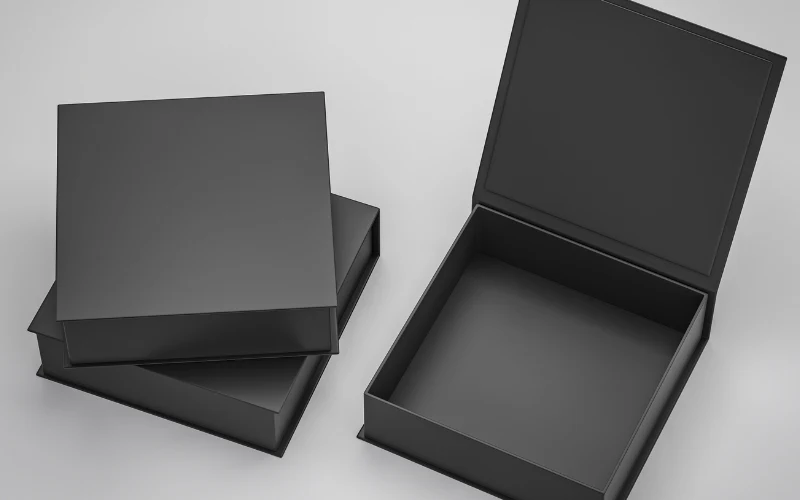
Rigid box packaging includes the sturdy collapsible and non-collapsible boxes that are made with thick chipboard. This gets wrapped in paper or some other material. The packaging is trending nowadays due to its strength and ability to stand out amongst the competition. The boxes are able to give products premium protection and even keep sensitive items safe from getting damaged. The packaging can give consumers a positive first impression of a brand that convinces them to want to check out the product. Consumers think something worth buying and investing in is present in the packaging.
The following explains rigid boxes looking at the materials, structure, and benefits of this packaging type:
Materials Used
Rigid boxes are often used as packaging for luxury items. They therefore need to be made with high-quality packaging materials. Rigid box packaging materials are often durable and strong. Thick and high-density materials get used here. Packaging suppliers provide brands with materials that will give a rigid and strong box.
Chipboard or greyboard- Chipboard or greyboard is often used. The base of the packaging is usually made with this. It is often 800 to 1500 gsm. It gives a strong box that is durable and which feels premium as well.
High-quality paperboard- Brands can choose to make the base with thick and high-density paperboard. This gives the box a strong structure.
Corrugated cardboard- A popular material used to package larger and heavier luxury products includes corrugated cardboard. This material is able to give the product more structural support to handle the pressures it may face during transportation and handling.
Outer materials- The outer materials make the packaging look high-end. This can include specialty paper such as textured, matte, or gloss paper. This gives the box a certain tactile impression and allows it to appear visually appealing. A brand may choose to use fabric or leather for the outer covering material or wrap. This includes options like linen or velvet that gives the box a high-end feel. Printed paper can even be used that is customized to help a brand promote itself.
Rigid Box Structure
Rigid boxes have a unique structure that makes them immediately increase the perceived value of the product. The packaging is usually non-collapsible unlike normal folding boxes. However, many custom box manufacturers offer collapsible boxes made with rigid materials.
As said above, the box has a core structure or base that is made using high-quality packaging materials. This gets covered in a certain material. The box is rigid in nature.
When looking at the rigid box structure, there are a variety of box styles a brand can choose from. For instance there is the classic two-piece box that has a top lid along with a bottom base.
A drawer style box slides open to reveal the product in a high-end way to people. This box has an outer sleeve as well as a tray which slides open.
Tube packaging can even be found that is cylindrical in shape and can store products such as snacks in carefully. This shape packaging can stand out amongst the competition and get noticed due to its shape.
A magnetic closure box is a popular option for businesses that want to give people a good unboxing experience. This box has a lid that includes magnets which makes the packaging open in a luxurious way.
A brand is able to select the style box it wants according to the needs of its product and the impression the brand wants to convey.
Advantages of Rigid Boxes
Rigid box packaging benefits are many, making these boxes be chosen by high-end and luxury brands. The following discusses these benefits:
● The box is able to effectively protect products due to its structure. It is stronger than normal folding cartons and can give excellent protection to products against damage. Products face many pressures when they are being transported and handled. This is especially true for delicate and high-value goods. However if they are placed in sturdy rigid boxes, they are more likely to remain safe.
● The packaging is able to enhance the perceived value of the product and the brand. This is due to its luxurious feel as well as look. People will think something expensive is in the box and will think the brand is a high-end one when they look at packaging like this.
● There are many customization options when it comes to these boxes. They are able to be customized with high-quality printing and finishes. A brand is able to design them to let people get an idea of the product in the box and according to the image it wants to convey. For instance a brand can include foil stamping on the box in gold or silver that makes it shine amongst the competition.
Conclusion
Custom rigid boxes are the ones chosen by businesses that want to ensure the product is protected and the packaging is able to stand out amongst the competition drawing peoples attention to it.
FAQs:
What is a rigid box?
A rigid box is the one that has a rigid and non-collapsible structure. Good-quality materials are used to make it such as cardboard or paperboard and it gets designed in a high-end way.
What are the common materials used to make rigid boxes?
Custom rigid boxes are made with high-quality materials that give the box a strong structure. This includes options like good-quality cardboard or paperboard.
What is the structure of a rigid box?
A rigid box has a non-collapsible structure that is able to withstand many pressures.

Stainless steel is a popular metallic. It is utilized in houses, kitchens, hospitals, factories and equipment. People find it irresistible because it’s far sturdy and does not rust easily.
But many people ask one simple question: Is Stainless Steel Magnetic?
The answer isn’t always absolutely yes or no. The actual answer is: a few stainless steels are magnetic, and some are not.
In this newsletter, we are able to explain this subject matter in very simple phrases so that everybody can recognize.
What Is Stainless Steel?
Stainless steel is a form of steel. It is made with the aid of blending iron with chromium and a few other factors.
Chromium can be very extreme. It forms a skinny layer on the metallic ground. This layer protects the metallic against rust and corrosion.
For this motive, chrome steel is:
corrosion resistant
sturdy
long lasting
smooth to easy
feels properly
That is why it’s far used in lots of industries.
Is Stainless Steel Magnetic?
In short, now let’s answer the main question again.
Is Stainless Steel Magnetic?
Simple answer:
- Yes — some types are magnetic
- No — some types are not magnetic
Magnetism relies upon the metal’s inner shape. This structure varies depending on the metal composition.
Therefore, exclusive kinds of stainless steel behave differently with magnets.
Main Types of Stainless Steel
Such as we will explain the three most common types in easy words.
1. Austenitic Stainless Steel
This is the most used stainless steel.
Common grades:
- 304
- 316
This type is usually non-magnetic.
It has high chromium and nickel. These elements change the metal structure and remove magnetism.
Properties:
- Very good rust resistance
- Non-magnetic
- Easy to weld
- Food safe
Used in:
- Kitchen sinks
- Food machines
- Medical tools
- Pipes and tanks
2. Ferritic Stainless Steel
Ferritic stainless steel is magnetic.
It includes chromium but very little nickel.
Because of this, the magnets stick with it.
Properties:
- Magnetic
- Good corrosion resistance
- Lower cost
Used in:
- Home appliances
- Car parts
- Industrial equipment
3. Martensitic Stainless Steel
This type is also magnetic.
It is very strong and hard.
Properties:
- Magnetic
- High strength
- Wear resistant
Used in:
- Knives
- Blades
- Cutting tools
Why Non-Magnetic Steel Becomes Magnetic
Sometimes people check stainless steel with a magnet and get concerned.
For example, 304 chrome steel ought to be non-magnetic. But from time to time, the magnet sticks a touch.
Why?
There are simple motives.
Cold Working
When stainless steel is bent, rolled, or pressed, its internal structure changes.
This process is called cold working.
It can make non-magnetic steel slightly magnetic.
Welding Heat
Welding produces high heat. Heat can also change the metal structure.
This may create small magnetic spots.
Material Impurities
If the metal mix is not perfect, magnetism may appear.
So magnetism can change after processing.
How to Test Magnetism
Testing is very easy.
Take a small magnet and place it on the metal.
Results:
- Strong stick → Magnetic steel
- No stick → Non-magnetic steel
- Light stick → Cold-worked steel
This quick test is used in homes and workshops.
Does Magnetic Mean Low Quality?
Many people think magnetic stainless steel is of bad quality. This is wrong.
Magnetism does not decide quality.
Quality depends on:
- Rust resistance
- Strength
- Heat resistance
- Usage environment
For example:
- 304 → Non-magnetic, high corrosion resistance
- 430 → Magnetic, still useful
Both are good — just used for different jobs.
Stainless Steel in CNC Machining
Such as stainless steel is widely used in CNC machining.
It is strong and corrosion-resistant. It is perfect for precision parts.
Manufacturers produce Custom CNC Machining Stainless Steel Parts for many industries.
These parts are accurate and long-lasting.
Challenges in Machining Stainless Steel
In simple stainless steel is useful, but harder to machine.
Here’s why:
Hardness
It is harder than many metals.
Heat
Cutting creates more heat.
Tool Wear
Tools become dull faster.
Slow Speed
Machining must be slower for good results.
Professional CNC companies use special tools and cooling to solve these problems.
Industries Using Stainless Steel Parts
Many industries depend on stainless steel CNC parts.
Medical
Surgical tools, implants
Food Processing
Machines, pipes, storage tanks
Automotive
Exhaust systems, fittings
Aerospace
Structural parts
Marine
Because it resists saltwater rust
Benefits of Stainless Steel Parts
Stainless steel parts offer many advantages:
- Rust resistance
- High strength
- Long life
- Heat resistance
- Clean surface
- Low maintenance
That is why they are used in critical applications.
Choosing the Right Grade
Such as selecting the right stainless steel grade is important.
Choose based on:
- Environment
- Strength need
- Budget
- Corrosion exposure
Examples:
- 304 → General use
- 316 → Marine & chemical
- 410 → Tools & blades
Conclusion
So, allow’s solution once more: Is stainless-steel magnetic?
The simple answer is:
Some sorts are magnetic
Some sorts are not
Austenitic stainless steel is largely non-magnetic. Ferritic and martensitic stainless steels are magnetic.
Processing techniques, which include bending or welding, can also change the magnetism.
Stainless steel remains one of the nicest metals for manufacturing. It is strong, rust-resistant and lengthy-lasting.
With current manufacturing lines adapted to CNC machining of stainless-steel components, industries can create particular and durable components for plenty packages.
Understanding stainless steel magnetism will assist you in picking the right fabric for your wishes.

Fort Lauderdale is known as the “Yachting Capital of the World,” and for good reason. With its extensive network of canals, pristine beaches, and easy access to the Atlantic Ocean, the city offers one of the best boating experiences in the United States. Whether you’re planning a romantic getaway, a corporate event, or a celebration with friends, choosing a yacht rental Fort Lauderdale is the perfect way to elevate your time on the water.
Why Fort Lauderdale Is Perfect for Yacht Rentals
Fort Lauderdale boasts more than 300 miles of navigable waterways, making it a dream destination for yacht lovers. The warm climate, calm waters, and stunning coastal views create ideal conditions for sailing year-round. Unlike crowded tourist spots, Fort Lauderdale allows you to explore luxury marinas, hidden sandbars, and scenic waterfront mansions at your own pace.
When you rent a yacht in Fort Lauderdale, you’re not just booking a boat—you’re unlocking a premium lifestyle experience that blends comfort, privacy, and adventure.
Types of Yachts Available for Rent
One of the biggest advantages of yacht rental in Fort Lauderdale is the wide variety of options available. You can choose from:
- Luxury motor yachts for smooth cruising and onboard comfort
- Sport yachts for speed and excitement
- Catamarans for stability and group events
- Mega yachts for high-end parties and corporate functions
Whether you want a half-day cruise or a multi-day charter, there’s a yacht that fits your needs and budget.
Experiences You Can Enjoy on a Yacht
A yacht rental Fort Lauderdale opens the door to unforgettable experiences. Some popular activities include:
- Cruising along the Intracoastal Waterway
- Anchoring at popular sandbars
- Watching breathtaking sunsets over the ocean
- Snorkeling and swimming in crystal-clear waters
- Hosting birthday parties, bachelor/bachelorette events, or proposals
Many yachts come with professional crews, including captains and stewards, ensuring a stress-free and luxurious journey.
Rent a Yacht in Fort Lauderdale for Any Occasion
No matter the occasion, renting a yacht adds a unique and memorable touch. Couples often choose private yacht charters for anniversaries or romantic evenings, while families enjoy relaxed day trips with swimming and sightseeing. Businesses also rent a yacht in Fort Lauderdale for client entertainment, team-building events, and product launches.
Customizable itineraries allow you to tailor the experience exactly to your plans, whether that’s a quiet escape or a lively onboard party.
What’s Included in a Yacht Rental?
Most yacht rentals include essentials such as fuel (for local cruising), crew, safety equipment, and onboard amenities like air-conditioned cabins, sound systems, and dining areas. Some luxury charters also offer catering, water toys, jet skis, and premium beverages.
Before booking, it’s important to confirm what’s included in the package to avoid surprises and ensure a smooth experience.
Best Time to Book a Yacht in Fort Lauderdale
Fort Lauderdale offers yacht rentals year-round, but peak season typically runs from November to April, when the weather is warm and dry. During this time, demand is high, so booking in advance is recommended. Off-season rentals (summer months) can offer better deals and fewer crowds, making it an excellent option for budget-conscious travelers.
Final Thoughts
Choosing a yacht rental Fort Lauderdale is one of the best ways to explore South Florida in style. From luxury amenities and personalized service to stunning ocean views, the experience is unmatched. Whether you’re looking to celebrate a special moment or simply relax on the water, there’s no better choice than to rent a yacht in Fort Lauderdale and enjoy the journey your way.


Simon Rex: A Complete Biography of the Actor, Comedian, and Rapper

Brooks Nader: A Complete Biography of the Sports Illustrated Model and Rising Star

Rodger Berman Net Worth: A Complete Breakdown of His Business Career, Investments, and Wealth

Carolin Bacic: Life, Biography, Family, and Legacy

Christine Williamson: A Rising Star in Sports Journalism

Dame Esther Rantzen: Life, Career, and Legacy of a British Broadcasting Icon
-
 Celebrity6 months ago
Carolin Bacic: Life, Biography, Family, and Legacy
-
 Celebrity12 months ago
Christine Williamson: A Rising Star in Sports Journalism
-
 Celebrity3 weeks ago
Dame Esther Rantzen: Life, Career, and Legacy of a British Broadcasting Icon
-

 Celebrity5 months ago
Dani Daniels: A Complete Biography of the Artist, Media Personality, and Entrepreneur
-

 Celebrity12 months ago
Berniece Julien: A Comprehensive Biography2025
-

 Celebrity4 months ago
Is Brenda Lee Still Alive? The Timeless Voice Behind “Rockin’ Around the Christmas Tree”
-

 Celebrity4 months ago
Juan Gabriel: The Legendary Life of El Divo de Juárez
-

 Celebrity3 months ago
Eleonora Incardona: Biography, Career, Age, Boyfriend, Net Worth & Lifestyle (2025)