
Education
30 Faith Quotes & Bible Verse Tattoo Ideas That Inspire and Uplift

30 Faith Quotes & Bible Verse Tattoo Ideas
In America today, Bible verse tattoos have become one of the most popular ways people express their faith. Even though many people don’t practice religion every single day, the Bible remains a top source for meaningful tattoo ideas.
The Bible gives us some of the most powerful faith quotes we can find. It brings clarity to our lives. It gives us hope when we feel lost. It provides purpose when we need direction.
People choose Bible verse tattoo ideas for many important reasons. Some mark major life events like getting married or having children. Others remember loved ones who have passed away. Many use these tattoos to commemorate difficult times they’ve survived.
Here’s an interesting fact: The most referenced Bible verse about tattoos is Leviticus 19:28. This verse suggests not to harm yourself or permanently mark your skin. Yet millions of Christians still choose to get faith quote tattoos as a way to honor their beliefs.

Inspiring Bible Verse Tattoo Ideas
All you need is love
John 3:16 is probably the most famous Bible verse in the world. It says: “For God so loved the world, that he gave his only begotten Son, that whosoever believeth in him should not perish, but have everlasting life.”
This verse reminds us that God’s love is the foundation of everything. His love was so great that He gave His only Son. This faith quote works perfectly as a tattoo because it captures the entire message of Christianity in one powerful sentence.
Many people get this verse on their arms, chest, or back. It’s a beautiful reminder that love conquers all.
Put your trust in God
Proverbs 3:5 tells us: “Trust in the LORD with all thine heart, and lean not unto thine own understanding.”
This verse teaches us not to rely only on our own thinking. Trusting in God means letting go of our need to control everything. It means believing that His plan is better than ours.
This Bible verse tattoo idea is perfect for people who struggle with anxiety or worry. It reminds you daily to put your faith in God’s hands.
When you can no longer walk on your own
Isaiah 46:4 promises: “God will carry you.”
Sometimes life gets too heavy. We feel like we can’t take another step. This short but powerful verse reminds us that God carries us through the hardest times.
This faith quote tattoo is simple and direct. It doesn’t need many words to deliver a strong message of hope.
You will always have someone with you
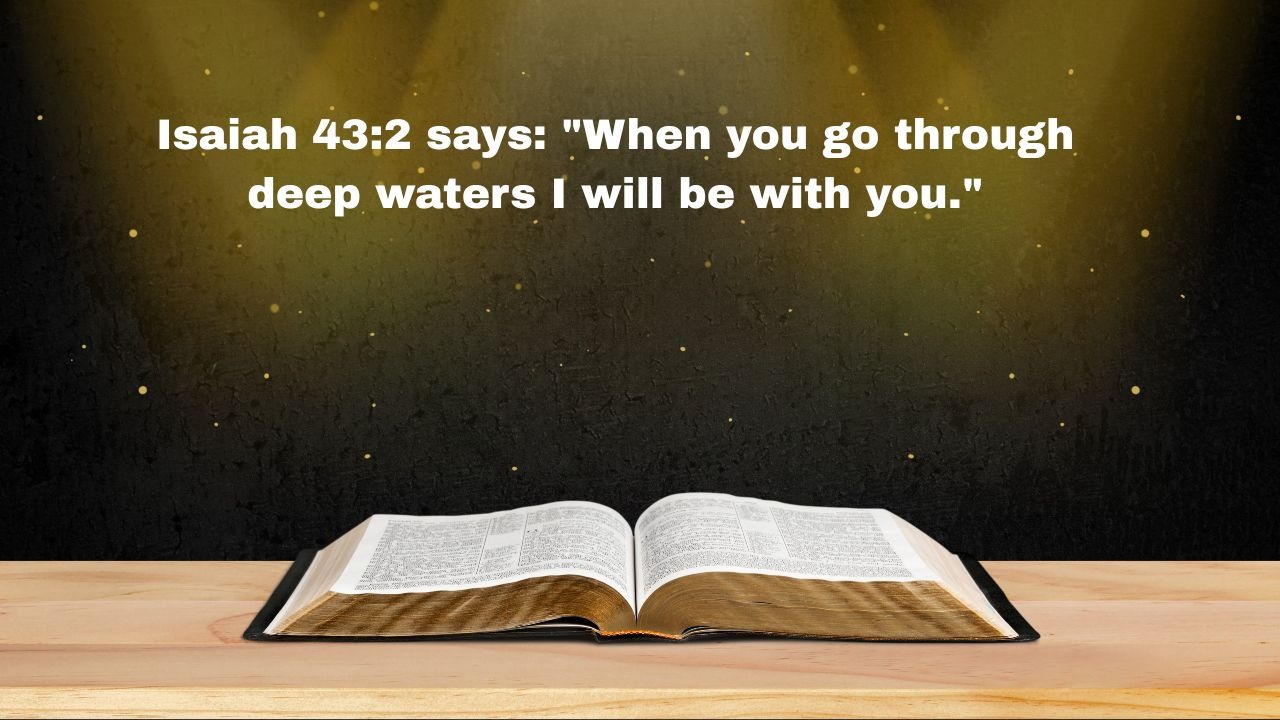
Isaiah 43:2 says: “When you go through deep waters I will be with you.”
Life brings storms. We all face deep waters at some point. This verse promises that God stays with us even in the darkest moments.
This Bible verse tattoo is popular among people who have survived difficult challenges. It serves as a permanent reminder that they were never alone.
Take the leap
Luke 1:78-79 states: “Because of the tender mercy of our God, whereby the sunrise shall visit us from on high, to give light to those who sit in darkness and in the shadow of death, to guide our feet into the way of peace.”
This longer verse talks about God’s mercy bringing light into darkness. It guides us toward peace even when we feel lost.
People who choose this faith quote often do so during times of transition. It reminds them that God guides every step.
God strengthens us
Philippians 4:13 declares: “I can do all things through Christ who strengthens me.”
This is one of the most popular Bible verse tattoos in America. It reminds us that Christ gives us strength to face any challenge.
Athletes often choose this verse. People fighting illness love it too. Anyone facing a difficult situation finds power in these words.
He creates a world
Genesis 2:7 tells us: “You make beautiful things out of dust.”
This verse comes from the creation story. It reminds us that God creates beauty from nothing. He can take our broken pieces and make something wonderful.
This faith quote tattoo is perfect for people who have rebuilt their lives. It shows that God can transform anything.
Do not fear for He is with you
Proverbs 31:25 says: “And she laughs without fear of the future.”
This verse comes from the description of a virtuous woman. It shows strength through faith. When you trust God, you don’t need to fear what’s coming.
Many women choose this Bible verse tattoo as a reminder of their courage and faith.
You are a strong woman
Proverbs 31:25 also says: “She is clothed in strength and dignity and she laughs without fear of the future.”
This fuller version adds even more power. It describes a woman who wears strength and dignity like clothing. Her faith removes her fear.
This faith quote has become extremely popular among women who want to celebrate their spiritual strength.
When you need only a reminder
Psalm 119:30 states: “I have chosen the way of faithfulness; I have set my heart on your laws.”
This verse is a personal declaration. It says I choose faith. I set my heart on God’s ways.
This Bible verse tattoo idea works well for people who want to declare their commitment to living faithfully.
Have faith in yourself
Hebrew 11:1 simply says: “Faith.”
Sometimes one word is enough. This verse defines what faith really means. It’s believing in what we cannot see.
This short faith quote tattoo is powerful in its simplicity. It reminds you daily what matters most.
Never be afraid to reflect
Psalms 93:5 tells us: “Your testimonies are very sure; Holiness adorns Your house, O Lord, forever.”
This verse talks about God’s holiness and sure promises. It reminds us to reflect on His faithfulness.
People who love deep spiritual reflection often choose this Bible verse tattoo.
Our plans may not be straight but He has given them to us
Jeremiah 29:11 promises: “For I know the plans I have for you … plans to prosper you and not to harm you, plans to give you hope and a future.”
This is one of the most beloved faith quotes for tattoos. It assures us that God has good plans for our lives. Even when our path seems unclear, He knows where we’re going.
Many people get this verse during uncertain times. It brings comfort and hope.
God will guide you
Psalms 119:105 says: “Your word is a lamp for my feet, a light on my path.”
This beautiful verse describes how God’s word guides us. Like a lamp in darkness, it shows us where to step next.
This Bible verse tattoo is popular among people who rely on scripture for daily guidance.
When He is there for you
Psalms 3:5 declares: “I need you like you would not believe.”
This honest verse expresses our deep need for God. It’s a raw, real statement of dependence on Him.
This faith quote tattoo resonates with people who have experienced God’s presence during desperate times.
He makes all things possible
Matthew 19:26 states: “With God all things are possible.”
This simple truth has encouraged millions. When something seems impossible, God can make it happen.
This Bible verse tattoo idea is perfect for dreamers and people facing huge obstacles.
Never fear with Him in your corner
Psalm 23:4 says: “I will fear no evil for you are with me.”
This verse comes from the famous Psalm 23. It reminds us that God’s presence removes fear. When He’s with us, we don’t need to be afraid.
Many people choose this faith quote after surviving dangerous or scary situations.
A little reminder
1 Corinthians 13:4-8 describes love: “Love is patient, love is kind. It does not envy, it does not boast, it is not proud. It does not dishonor others, it is not self-seeking, it is not easily angered, it keeps no record of wrongs. Love does not delight in evil but rejoices with the truth. It always protects, always trusts, always hopes, always perseveres. Love never fails.”
This longer passage defines true love. It’s often used in weddings because it perfectly describes godly love.
This Bible verse tattoo is popular among married couples and people who value love above all else.
Spread your wings and fly
Psalm 91:5 promises: “You will not be afraid of the terror by night, Or of the arrow that flies by day.”
This verse talks about protection from fear. God keeps us safe from both seen and unseen dangers.
People who choose this faith quote tattoo often pair it with wing designs.
The sky’s the limit
Isaiah 40:31 says: “He will soar on wings like eagles.”
This verse promises that those who trust God will rise above their circumstances. Like eagles soaring high, we can overcome anything.
This Bible verse tattoo idea is popular with people who have overcome major challenges.
He will bring you a safe place to run to
Psalm 91:4 promises: “He will cover you with His feathers and under His wings you will find refuge.”
This beautiful image shows God as our protector. Like a bird protecting its young, He covers us and keeps us safe.
This faith quote brings comfort to people who need to feel protected and loved.
He will make sure you are happy
Psalm 37:4 tells us: “Delight yourself in the lord; and he will give you the desires of your heart.”
This verse promises that when we put God first, He gives us what our hearts truly desire. It doesn’t mean we get everything we want. It means our desires align with His will.
This Bible verse tattoo is popular among people who trust God’s timing.
A lovely flower
Psalm 91:4 repeats: “He will cover you with his feathers, and under his wings you will find refuge; his faithfulness will be your shield and rampart.”
This fuller version adds more detail about God’s protection. His faithfulness acts as our shield.
Many people combine this faith quote tattoo with flower or feather designs.
A reminder that he will get you through tough times
Psalm 23:4 says again: “I will fear no evil, for thou art with me.”
This powerful declaration appears twice in our list because it’s so meaningful. It states clearly that God’s presence removes fear.
This Bible verse tattoo idea never gets old. Its truth remains constant.
He will never leave you stranded
Hebrews 13:5 promises: “I will never leave you or forsake you.”
This is one of God’s most comforting promises. He will never abandon us. No matter what we do or what happens, He stays.
This faith quote tattoo brings peace to people who fear being alone.
True love lasts forever
1 Corinthians 13:8 simply states: “Love never ends.”
From that famous love chapter, this short phrase captures everything. God’s love is eternal. True love never dies.
This Bible verse tattoo is perfect for memorials or wedding commemorations.
Your heart is open to God
Psalm 73:26 says: “My health may fail and my spirit may grow weak, but God remains the strength of my heart; He is mine forever.”
This verse acknowledges that our bodies and spirits may weaken. But God remains our strength. He is ours forever.
This faith quote resonates with people facing health challenges or aging.
When He saves you
Ephesians 2:8 teaches: “Saved by grace.”
These three simple words capture the entire gospel message. We are saved by God’s grace, not by anything we’ve done.
This short Bible verse tattoo packs enormous meaning into very few words.
His grace is your grace
John 1:16 declares: “Grace upon grace.”
This beautiful phrase describes how God’s grace multiplies. He doesn’t give us just one measure of grace. He piles grace upon grace upon grace.
This faith quote tattoo reminds us that God’s mercy never runs out.
Be still and know
Psalm 46:10 says: “Be still, and know that I am God.”
This verse reminds us to stop and rest in God’s presence. We don’t always need to do something. Sometimes we just need to be still and remember who God is.
This Bible verse tattoo idea is perfect for people who struggle with anxiety or constant busyness. It’s a call to peace and trust.
Final Thoughts on Faith Quote Tattoos
Bible verse tattoos are more than just body art. They are permanent reminders of God’s promises. They are declarations of faith that you carry with you always.
Choosing the right faith quote for a tattoo is an important decision. Take your time. Pray about it. Ask God to show you which verse speaks most deeply to your heart.The 30 Bible verse tattoo ideas in this list cover many themes. Love, strength, protection, guidance, hope, and peace. One of these verses might be exactly what you need.


You open an advertisement labelled entry level and find a list of duties you have never performed. Another asks for experience in a workplace you have not had the chance to enter. By the fifth application, it can seem that the first job is reserved for people who already have one. The temptation is to stop applying until you somehow become a more credible candidate.
Start by looking more closely at what the employer means by experience. Sometimes a role requires specific professional practice. Elsewhere, the advertisement is asking for evidence that you can organise work, solve problems or communicate with other people. Those are different gaps to address.
Translate the requirement into a task
Take one advertisement and identify its main duties. If it asks for written communication, what would you write? If it mentions analysis, what information would you examine? A broad requirement becomes easier to understand when connected to an actual activity. You can then look for relevant examples from study, paid work or other responsibilities.
Be honest about what an example demonstrates. Writing a research report can show careful handling of evidence, but it does not automatically establish experience of commercial reporting systems. Describe the skill you practised and recognise what you still need to learn. Credibility comes from a clear account, not from pretending every university task matches a workplace duty exactly.
Retail shifts, care responsibilities, society roles and university projects can provide useful examples. Think about a specific problem you handled, the choices you made and the result. A general statement that you are reliable is less informative than explaining how you coordinated a recurring task or resolved a difficult misunderstanding.
Avoid inflating ordinary duties. You do not need to rename serving customers as strategic stakeholder management. Plain descriptions make it easier for someone to picture your work and ask sensible questions about it. An example with modest scope and clear responsibility is stronger than impressive wording that collapses when an interviewer asks what happened.
If you lack an example of an important skill, choose a small project that lets you practise it. Someone interested in communications might create a short writing portfolio. An aspiring analyst could examine an appropriate public dataset and explain the method. Keep the scope narrow enough to finish and make the work understandable to another person.
Use material you are allowed to share. Do not include confidential employer information, personal data or group work without agreement. Explain whether a piece was produced for study, independently or in another setting. A clearly labelled practice project can show initiative without misleading anyone about the circumstances in which it was created.
Learn how to discuss your university work
A project becomes more useful in recruitment when you can explain your decisions. Why did you choose those sources? What did you change after feedback? What went wrong, and what would you do differently? These answers reveal more than simply stating the mark or listing the module title.
For students exploring assignment help, this provides a reason to focus on understanding the process. Guidance should help you make and explain your own decisions within assessment rules. If you cannot discuss the work confidently afterwards, it will offer limited evidence of what you can bring to a role.
Volunteering or a placement may help, but neither is automatically practical. Consider travel, time and any loss of income. Ask about the actual duties and supervision before committing. An opportunity should have a clear purpose for your development rather than relying on the promise that any experience is better than none.
Your university careers team may help you identify suitable options and check what an offer involves. Be especially careful about vague arrangements asking for extensive unpaid work. You need to understand the conditions and your obligations. Financial necessity is a legitimate consideration when deciding which routes you can pursue.
Choose roles where you can make a reasonable case against the main requirements. Distinguish essential conditions from preferences, while recognising that some qualifications or permissions really are necessary. You do not need to meet every desirable point perfectly, but you should understand why the employer might consider your evidence relevant.
Adapt the application around that evidence. Replace generic enthusiasm with an example connected to the work. If you organise events for a society, explain the scheduling or communication involved where relevant. A smaller number of carefully considered applications may teach you more about your fit than sending the same description to unrelated vacancies.
Use feedback to find the next gap
Keep a record of applications and outcomes. If you receive feedback, look for something you can act on. Perhaps your examples need more detail or your understanding of the role is weak. Rejection alone cannot tell you the reason, so avoid turning every unsuccessful application into proof that your whole background is inadequate.
You may discover that a writing skill needs work. A university appointment or permitted online assignment help can support a defined academic learning need, while careers advisers are better placed to discuss applications. Choose the source of guidance according to the problem rather than asking one service to solve every uncertainty.
After an interview, note the questions you struggled with. Prepare fuller examples before the next one, while the conversation is still fresh in your memory.
Set a manageable weekly plan: one application, one conversation and one piece of development might be enough alongside a demanding final term. Keep examples of completed work and write brief notes while the details are fresh. This gives you material for future applications instead of relying on memory months later.
Keep one example ready for each important skill the role requests. Use accurate detail about the situation and your contribution. If an example feels too thin, that is a useful prompt for the next project or responsibility you choose, rather than a reason to exaggerate it.
Experience grows through work you can describe accurately, whether it comes from employment, study or a purposeful project. You still need opportunities, and finding them can take time. But you can make the next application stronger by showing a particular skill clearly, rather than waiting until you feel qualified for every line of the advertisement.


Applying to a selective school can be an exciting but demanding experience for both children and parents. The admissions process at Brighton College could involve multiple steps, such as academic evaluations, interviews, school reports, and potentially more components based on the entry point.
Parents can encourage and support their child at home, but a structured approach can help this task be easier to manage. A Brighton College admissions tutor offers a tailored approach based on your child’s current skills, areas for growth and the admission criteria.
Understanding the Admissions Process
Understanding your child’s needs to prepare is one of the initial steps. There are different entry points with different requirements; the preparation should be according to the specific admission process, not based on a general school entrance process.
A tutor can assist parents and/or students with the nature of assessments and develop a preparation strategy based on these assessments. This helps the child to understand what to anticipate and helps to plan in steps.
Identifying Academic Strengths and Gaps
All children have a unique academic profile. Some may be good at maths but weak in English, or vice-versa; some may have great general knowledge but may have difficulties with timed tests.
A tutor can evaluate your child’s present level, pinpointing areas where your child needs some extra attention. Whereas in the past, it was felt that equal time should be spent on each subject, it is now possible to prepare for specific skills which would be advantageous to have extra practice.
This individualised approach can also help to avoid children being overwhelmed by irrelevant tasks.
Developing Strong Academic Foundations
The preparation for admissions should not only consist of practicing with test questions. Children must also have solid foundations enabling them to tackle new questions with confidence.
A private tutor can focus on reading comprehension, vocabulary, written expression, mathematical reasoning, problem-solving and logical thinking among several areas depending on the needs of the child.
Children can be better equipped to tackle a variety of questions by building these bases up.
Practising Under Assessment Conditions
Children might prefer to do school work but may struggle with formal evaluations. The pressure of working in isolation, unfamiliar items and limited time may impact performance.
Timed exercises can be introduced gradually as the children get used to working within a certain time frame, and tutors can let children know beforehand the time limit for each exercise. They can then see their errors and talk about how to solve problems like this one in the future.
The purpose is not just to do as many practice papers as you can. It is to help kids learn to control their time, read the questions carefully and stay focused if they come across a difficult situation.
Preparing for Interviews
Academic preparation is just one component in the admissions process. Your child may also need to feel comfortable talking about themselves, their interests, activities and experiences if they are being interviewed as part of the application process.
A tutor can have practice conversations and get your child accustomed to the interview format. They can practice, think through and answer questions clearly; they can listen attentively and then respond.
Most importantly, practising interviews should never make a child a memorised actor. The objective should be to make them confident and fluent communicators.
Developing Confidence and Independence
Sometimes, children will feel that making mistakes is significant during admissions preparation. A supportive tutor can help to shift this perspective around errors and view them as a way to develop and grow.
With time, children can be more at ease asking new questions, seeking clarity, verifying their answers, and self-preparing.
The habits learned can extend beyond the admissions process, as they are good practices for students to adopt as learners.
Creating a Structured Preparation Plan
Trying to prepare everything at once can make the process stressful. A private tutor can design a work schedule that accommodates the child’s academic practice, interview preparation, revision and regular school schedule.
The plan may also be modified as the child advances. When one skill or area is progressing rapidly, more time can be devoted to another skill or area that requires more attention.
The flexibility allows for longer-term sustainable preparation.
Supporting Parents throughout the Process
The parents may have concerns regarding how their child is developing, what other areas to focus on more, and how much preparation is sufficient.
A tutor can give feedback following sessions and indicate where the child is improving and where additional practice might be beneficial. This can help to give parents a clearer understanding of what preparation is going on in the classroom without putting the burden on them.
Final thoughts
Admission to Brighton College is not a matter of doing practice papers or memorising answers. This includes building academic abilities, getting to know assessments, confident communication and learning how to tackle unknown problems.
Your child’s individual needs can be met through personalised preparation offered by a Brighton College admissions tutor. Children can approach the admissions process in an organised and confident manner with appropriate preparation and support.


Most candidates preparing for DipIFR spend weeks memorising standards and almost no time studying how the paper is actually built. That gap costs marks. The DipIFR exam pattern is not random. It follows a fixed structure every single sitting, and once you know how those marks are split between Section A and Section B, your revision plan and your time management on exam day both get sharper.
This piece breaks down that structure in plain terms, as it stands for the 2026 sessions, and shows how to divide your effort so neither section eats into the other.
How the DipIFR Exam Pattern Is Built
ACCA runs DipIFR as a single computer based paper lasting three hours and fifteen minutes. There is no negative marking, and every question on the paper is compulsory, so skipping anything is not an option. The full paper carries 100 marks, and you need 50 to pass.
The IFRS exam pattern splits into two clear parts:
| Section | Question Count | Marks Each | Total Marks |
| Section A | 1 question | 40 | 40 |
| Section B | 3 questions | 20 | 60 |
That 40:60 split is the backbone of the whole paper, and it stays consistent across June and December sittings. Once this becomes second nature, planning your study hours gets a lot less guesswork.
Section A: The Group Accounting Question
Section A is a single question worth 40 marks, and it almost always centres on consolidated financial statements. Expect a parent company, one or more subsidiaries, sometimes an associate, and a set of adjustments buried in the notes. You will typically need to prepare a consolidated statement of financial position or profit or loss, work through goodwill calculations, non-controlling interest, and fair value adjustments on acquisition.
Because this single question carries close to half the paper, weak consolidation skills can sink an otherwise strong attempt. Candidates who avoid Section A style practice tend to lose the most marks here, not because the concepts are unfamiliar but because the workings get messy under time pressure.
Section B: The Scenario Based Questions
Section B holds three separate questions, each worth 20 marks, and each one usually revolves around a different scenario or a mix of standards. One question might combine a lease under IFRS 16 with a provision under IAS 37. Another might test revenue recognition under IFRS 15 alongside impairment under IAS 36. These questions ask you to identify the correct accounting treatment, apply the relevant standard, and often comment on what a company has done wrong.
Unlike Section A, Section B rewards breadth. You cannot predict which standards will show up, so covering the full syllabus matters more here than depth on any single topic.
Marks Allocation Strategy for Section A
Given that Section A alone is worth 40 out of 100 marks, a candidate who ignores group accounting practice is starting the exam already behind. A workable approach looks like this:
- Practice at least ten full consolidation questions before your exam date
- Build a fixed routine for goodwill and non-controlling interest workings so you are not reinventing the format under pressure
- Time yourself at roughly 1.5 minutes per mark, which puts Section A at around 60 minutes
- Leave the narrative parts of Section A for last if calculations are taking longer than planned, since partial marks are still available for correct workings
The biggest strategic point here is that Section A rewards structure. Examiners award marks for each correct working line, not just the final number, so even a partially completed consolidation can pick up meaningful marks.
Marks Allocation Strategy for Section B
Section B spreads its 60 marks across three questions, so no single mistake can cost as much as a Section A error. That changes how you should approach it.
- Read all three Section B questions before writing anything, so you can start with the one you know best
- Aim for around 36 minutes per 20 mark question, adjusting slightly based on how many separate issues each one raises
- Write short, direct explanations rather than long paragraphs, since Section B marking rewards clear identification of the issue and the correct standard
- Keep a mental checklist of common combinations, such as leases with impairment, or revenue with financial instruments, since examiners often pair two standards in one scenario
Balancing Time Across the Whole Paper
With 195 minutes on the clock and 100 marks available, roughly 2 minutes per mark is the rough benchmark across the paper. That works out to close to 80 minutes for Section A and close to 115 minutes for the three Section B questions combined, leaving a small buffer for reading and review.
Common Mistakes Candidates Make With This Split
A lot of candidates spend nearly all their prep time on Section A because consolidation feels like the “main” topic, then walk into Section B underprepared for standards like IAS 19 or IFRS 9. Others do the opposite, rushing Section A because it looks intimidating, and lose marks they could have picked up just from correct workings. Both mistakes trace back to not respecting the actual IFRS exam pattern and its 40:60 split.
Why This Split Matters for Your Study Plan
Once the marks allocation is clear, your revision calendar should mirror it. Spend a larger, focused block of weeks on group accounting standards such as IFRS 3, IFRS 10, and IAS 28, since Section A tests these every single time. Then rotate through the remaining standards for Section B in shorter, varied practice sets, since predicting which three will appear next session is close to impossible.
Coaching providers that build their DipIFRS classes around this exact split, walking students through full past papers under timed conditions, tend to produce far steadier results than those who teach standards in isolation without connecting them back to how the paper is actually marked.
Conclusion
The DipIFR exam pattern is built on a fixed 40:60 mark split between Section A and Section B, and understanding that split changes how you should prepare, not just how you should sit the exam. Section A demands strong, repeated consolidation practice because it carries close to half the paper on its own. Section B demands wide syllabus coverage because it draws from standards you cannot predict in advance. Build your study calendar and your exam day timing around this structure, and the DipIFR paper stops feeling like an unpredictable stack of questions and starts feeling like a pattern you already know how to handle.



-

 Celebrity1 year ago
Carolin Bacic: Life, Biography, Family, and Legacy
-

 Celebrity8 months ago
Alex Eala: Rising Tennis Star from the Philippines and Her Journey to Global Success
-

 Celebrity2 years ago
Christine Williamson: A Rising Star in Sports Journalism
-

 Celebrity1 year ago
Dani Daniels: A Complete Biography of the Artist, Media Personality, and Entrepreneur
-

 Celebrity7 months ago
Valerie Perrine: A Complete Biography of the Acclaimed Actress and Icon
-

 Celebrity12 months ago
Eleonora Incardona: Biography, Career, Age, Boyfriend, Net Worth & Lifestyle (2025)
-

 Celebrity2 years ago
Vera Davich: Biography, Life, and Legacy2025
-

 Celebrity12 months ago
Ari Kytsya: Biography, Career, Age, Lifestyle & Rise as a Global Social Media Star