
Business
How to Find Your Personal Style: A Complete Guide

Personal style is more than simply following fashion trends. It is about understanding what makes you feel comfortable, confident, and authentic—and then expressing that through the clothes, colors, accessories, and silhouettes you choose.
You do not need an enormous wardrobe or an expensive shopping budget to develop great personal style. You simply need to understand yourself, identify what works for you, and make intentional choices.
This complete guide will help you discover your personal style and build a wardrobe that feels genuinely “you.”
What Is Personal Style?
Personal style is the way you consistently express yourself through your appearance. It can include:
- Clothing
- Shoes
- Accessories
- Colors
- Fabrics
- Hairstyles
- Grooming
- Patterns and prints
- Proportions and silhouettes
Your personal style can be classic, casual, minimalist, elegant, sporty, edgy, vintage, sophisticated, or a combination of several aesthetics.
The important thing is that your style should reflect your personality and lifestyle, rather than simply copying someone else’s wardrobe.
1. Start by Understanding Yourself
Before buying anything new, think about who you are and how you spend your time.
Ask yourself:
- What do I normally wear?
- What outfits make me feel confident?
- What clothes do I feel uncomfortable wearing?
- Do I prefer simple or statement-making outfits?
- What activities fill most of my week?
- Do I need professional, casual, or occasion-specific clothing?
- Which colors do I naturally gravitate toward?
Your lifestyle should be the foundation of your wardrobe.
For example, someone who works in a corporate office will have different wardrobe requirements from someone who works from home. Likewise, a person who spends most weekends outdoors may prioritize comfortable clothing and practical footwear.
2. Create a Style Inspiration Collection
One of the easiest ways to discover your personal style is to collect images of outfits you genuinely like.
Save photographs from:
- Fashion websites
- Magazines
- Social media
- Movies and television
- Street-style photography
- Celebrity outfits
- Clothing stores
Don’t worry about labeling your style at first. Simply collect outfits that catch your attention.
After gathering several images, look for patterns.
Perhaps you repeatedly choose outfits featuring neutral colors, tailored jackets, sneakers, denim, oversized shirts, or elegant accessories.
These patterns can reveal what you naturally like.
3. Identify Your Favorite Colors
Color plays a major role in personal style.
Start by identifying the colors you enjoy wearing rather than worrying too much about seasonal color theories.
Consider building your wardrobe around a combination of:
Base colors:
Black, white, navy, gray, beige, brown, or cream.
Supporting colors:
Olive, burgundy, light blue, camel, rust, or other shades you enjoy.
Accent colors:
Brighter shades used occasionally to add personality.
A wardrobe does not need to contain every color. Having a consistent color palette can make getting dressed much easier because more pieces work together.
4. Pay Attention to Fit
Fit is often more important than the brand or price of a garment.
Even an inexpensive outfit can look polished when it fits properly.
Look at:
- Shoulder seams
- Sleeve length
- Trouser length
- Waist fit
- Jacket proportions
- Shirt length
- Overall silhouette
Avoid automatically choosing clothes simply because they are labeled oversized, slim, or relaxed. The right fit depends on your body, preferences, and the overall outfit.
If something is almost perfect but slightly too long or loose, tailoring can sometimes make a dramatic difference.
5. Understand Your Lifestyle
Your wardrobe should support your actual life.
Make a rough list of how you spend your time.
For example:
- 40% work
- 30% casual activities
- 15% social events
- 10% exercise
- 5% formal occasions
Your clothing collection should roughly reflect those needs.
There’s little value in owning dozens of formal outfits if you rarely attend formal events while having very few comfortable everyday clothes.
6. Find Your Signature Pieces
A signature piece is something that becomes strongly associated with your style.
It could be:
- A leather jacket
- A tailored blazer
- A particular type of sneakers
- A watch
- A structured handbag
- A denim jacket
- A favorite pair of jeans
- A distinctive pair of glasses
- A specific color
You don’t need an unusual signature item. Consistency itself can become part of your signature style.
For example, wearing clean neutral outfits with minimal accessories can be just as recognizable as wearing bold patterns.
7. Experiment With Different Styles
Finding your personal style does not happen overnight.
Try different aesthetics and observe what feels natural.
You might experiment with:
Minimalist
Simple silhouettes, neutral colors, clean lines, and limited accessories.
Classic
Timeless pieces such as button-down shirts, tailored trousers, blazers, loafers, and simple dresses.
Casual
Jeans, T-shirts, sneakers, sweatshirts, relaxed shirts, and comfortable everyday pieces.
Sporty
Athletic-inspired clothing, sneakers, tracksuits, performance fabrics, and relaxed silhouettes.
Bohemian
Flowing fabrics, earthy colors, layered jewelry, prints, and relaxed shapes.
Edgy
Leather, darker colors, boots, graphic pieces, metal accessories, and unconventional silhouettes.
Elegant
Refined fabrics, polished tailoring, sophisticated colors, and understated accessories.
You don’t have to choose only one category. Your personal style may combine several.
8. Build a Wardrobe Foundation
Once you understand your preferences, create a strong foundation of versatile pieces.
Depending on your lifestyle, this could include:
- Well-fitting jeans
- Neutral trousers
- Basic T-shirts
- Button-down shirts
- A versatile jacket
- A sweater or cardigan
- A blazer
- Comfortable everyday shoes
- One dressier pair of shoes
- A versatile outerwear piece
- Simple accessories
The goal isn’t to own a specific number of items. The goal is to have pieces that work together.
9. Learn How to Combine Outfits
Having good clothes is only part of developing personal style. You also need to learn how to combine them.
A simple formula is:
Basic piece + interesting piece + finishing detail
For example:
White T-shirt + dark jeans + statement sneakers
or
Simple dress + structured jacket + elegant accessories
or
Button-down shirt + tailored trousers + loafers
The interesting piece does not always need to be dramatic. It could simply be an unusual texture, color, silhouette, or accessory.
10. Don’t Follow Every Fashion Trend
Trends can be fun, but they shouldn’t control your wardrobe.
Before buying something trendy, ask:
- Do I genuinely like it?
- Does it suit my existing wardrobe?
- Will I wear it repeatedly?
- Does it fit my lifestyle?
- Would I still want it if it weren’t currently popular?
If the answer to most of these questions is yes, the item may be worth considering.
Otherwise, save your money for pieces that better represent your personal style.
11. Shop With a Strategy
Shopping becomes easier when you know exactly what your wardrobe needs.
Before buying something, consider the three-outfit rule:
Can I create at least three outfits with this item using clothes I already own?
If not, think carefully before purchasing it.
Also consider cost per wear. A quality jacket that you wear dozens of times can be a better investment than several inexpensive pieces that rarely leave your closet.
12. Avoid Buying Clothes Just Because They’re on Sale
A discount doesn’t automatically make something a good purchase.
If you spend $30 on something you never wear, you’ve wasted $30.
Instead, focus on:
- Fit
- Versatility
- Quality
- Comfort
- Lifestyle suitability
- Personal preference
Buy fewer pieces that you genuinely love rather than filling your wardrobe with random bargains.
13. Use Accessories to Show Personality
Accessories can transform simple outfits.
Depending on your style, consider:
- Watches
- Belts
- Sunglasses
- Jewelry
- Scarves
- Hats
- Handbags
- Shoes
- Hair accessories
For example, a simple black outfit can look completely different depending on whether you add sneakers and a baseball cap or heels and delicate jewelry.
Accessories allow you to experiment without replacing your entire wardrobe.
14. Take Photos of Your Outfits
This is a surprisingly effective way to improve your style.
Take occasional photos of outfits you wear.
After several weeks, review them and ask:
- Which outfits look best?
- Which silhouettes do I repeat?
- Which colors appear most often?
- What pieces do I constantly reach for?
- Which clothes never seem to work?
You will begin to recognize your personal patterns.
15. Identify Your Wardrobe Mistakes
Finding your personal style also means discovering what doesn’t work.
Perhaps you repeatedly buy:
- Clothes that are uncomfortable
- Colors you don’t actually wear
- Pieces that require too much maintenance
- Items that don’t match anything else
- Trendy clothes that quickly lose their appeal
- Shoes that look good but hurt your feet
Recognizing these patterns can prevent future shopping mistakes.
16. Prioritize Comfort and Confidence
Style should make you feel good—not like you’re wearing a costume.
If an outfit looks great but makes you uncomfortable, you probably won’t wear it often.
The best personal style usually combines:
Comfort + confidence + practicality + aesthetics
When you feel comfortable in your clothes, you naturally carry yourself with more confidence.
17. Develop Your Style Gradually
You don’t need to completely transform your wardrobe in one weekend.
Start with what you already own.
Remove items that no longer fit your lifestyle. Identify your favorite pieces. Experiment with new combinations. Then gradually add items that fill genuine gaps.
This approach is more affordable and usually produces a more authentic wardrobe.
Common Personal Style Mistakes
Copying Someone Else Completely
Inspiration is useful, but copying another person’s wardrobe may not suit your lifestyle or personality.
Buying Too Much
A large wardrobe doesn’t automatically create better style.
Ignoring Fit
Poor fit can make even expensive clothing look unpolished.
Wearing Clothes You Dislike
Don’t keep wearing something simply because it’s fashionable.
Chasing Every Trend
Trends come and go. Personal style should have some consistency.
Forgetting Your Lifestyle
Your wardrobe needs to work for your everyday life, not an imaginary lifestyle.
A Simple Personal Style Formula
If you’re completely unsure where to start, use this process:
Step 1: Collect 20–30 outfit images you like.
Step 2: Identify recurring colors, silhouettes, fabrics, and accessories.
Step 3: Review your current wardrobe.
Step 4: Keep the pieces that fit your lifestyle and make you feel good.
Step 5: Identify gaps in your wardrobe.
Step 6: Buy versatile pieces that complement what you already own.
Step 7: Experiment with combinations.
Step 8: Photograph your outfits and review them.
Step 9: Refine your wardrobe based on what you actually wear.
Final Thoughts
Finding your personal style is a process of discovery rather than a race to achieve a particular aesthetic.
Start by understanding yourself, your lifestyle, your preferences, and the clothes that make you feel confident. Use fashion trends as inspiration rather than strict rules. Pay attention to fit, build a versatile wardrobe, experiment with combinations, and give yourself permission to change.
Your personal style doesn’t have to be expensive, complicated, or perfectly defined.
The best style is ultimately the one that looks like you, feels comfortable, and gives you confidence every time you get dressed.


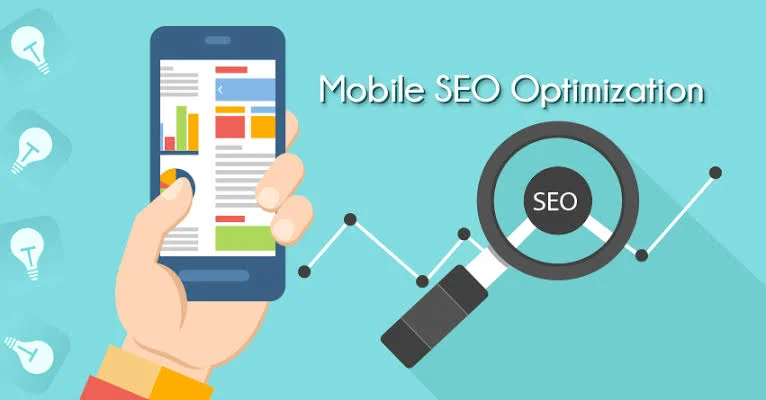
A strong online presence depends on more than publishing website content and targeting popular keywords. Businesses also need to establish credibility, reach relevant audiences, and make their web pages easier to discover. One way to support these objectives is through a well-planned backlink strategy that complements other search engine optimisation activities.
Link Building Services help businesses identify relevant linking opportunities, create useful resources, and develop relationships with publishers. Rather than concentrating only on the number of backlinks, an effective strategy focuses on relevance, editorial quality, and sustainable SEO practices.
Understanding the Importance of Link Building
Backlinks are links from external websites that direct users to another website. They can help search engines discover content and understand how different pages relate to one another. Relevant editorial links may also introduce a business to potential customers who are already interested in its industry.
For example, a software company mentioned in a relevant technology publication may receive referral visitors who want to explore its services. Similarly, a business featured in a respected industry resource can gain additional exposure among its target audience.
However, backlinks do not guarantee higher search rankings. Their potential value depends on several factors, including the context of the link, the quality of the content, and the overall strength of the website.
Effective Strategies for Building Quality Backlinks
Businesses can use different methods to develop a natural backlink profile. The best approach depends on their industry, target audience, available resources, and marketing objectives.
Publish Informative and Original Content
Useful content provides a reason for other websites to reference a business. Original research, industry reports, practical tutorials, and detailed guides can help answer questions that readers and publishers frequently encounter.
Content should offer genuine value instead of repeating information already available everywhere. Including relevant examples, accurate data, and clear explanations can make a resource more useful to its intended audience.
Contribute Guest Articles
Guest posting involves publishing original articles on relevant third-party websites. It allows businesses to share their knowledge with new audiences and build relationships with industry publishers.
Successful guest articles focus on the publication’s readers. Links should be included only when they provide useful context and comply with the publisher’s editorial policies.
Explore Industry Directories
Relevant business directories and professional listings can help users find companies within a particular industry or location. Accurate business details also make it easier for potential customers to identify and contact a business.
Businesses should select reputable directories that serve their audience rather than submitting their websites to large numbers of unrelated platforms.
Develop Digital PR Opportunities
Digital PR helps businesses earn attention through newsworthy information, expert insights, original research, and meaningful industry contributions. Publishers may reference a company’s website when its information adds value to a story or provides evidence for a particular topic.
Although editorial coverage cannot be guaranteed, a thoughtful outreach strategy can create opportunities to build relationships and earn relevant mentions.
How SEO Packages Support Link Building
Businesses comparing SEO Packages should examine whether link acquisition forms part of a coordinated optimisation strategy. Depending on the provider, packages may include keyword research, technical SEO, on-page optimisation, content creation, backlink outreach, and performance reporting.
These activities address different aspects of organic search performance. Technical optimisation helps search engines access website content, while on-page improvements make pages clearer and more useful. Quality content answers users’ questions, and relevant backlinks can help audiences discover those resources through external websites.
The appropriate package depends on a website’s current performance, competition, industry, and growth objectives. Before selecting a plan, businesses should review the scope of work, reporting frequency, link quality standards, and any additional charges for content or external placements.
A transparent package should explain what will be delivered rather than relying on vague promises about rankings.
Common Link Building Practices to Avoid
Poor backlink practices can waste marketing budgets and create unnecessary SEO risks. Businesses should avoid automated link creation, paid schemes designed to manipulate rankings, and large volumes of backlinks from irrelevant websites.
Excessive reciprocal linking and publishing low-quality guest articles solely to obtain links can also undermine the value of a campaign.
Instead, prioritise genuine editorial relationships, relevant content, and links that help readers. Paid placements should be identified appropriately using the link attributes recommended by search engine guidelines.
Measuring Link Building Performance
Evaluating link building requires more than counting the number of links acquired. Businesses should monitor referring domains, the relevance of linking websites, referral traffic, organic search visibility, and the performance of important landing pages.
For companies focused on lead generation, qualified enquiries and conversions are especially valuable indicators. These measures help connect SEO activities with commercial objectives.
Results may take time and can vary according to competition, content quality, website condition, and other ranking factors. Regular reporting allows businesses to identify successful activities and refine their strategies based on available evidence.
Selecting the Right Link Building Partner
A reliable service provider should explain its website selection process, outreach methods, content standards, and reporting practices. Businesses should ask how backlink quality is evaluated and whether external publication costs are included in the proposed price.
Avoid providers promising guaranteed rankings or thousands of backlinks without explaining their sources. A sustainable strategy should prioritise relevance, transparency, and long-term website quality.
Conclusion
A strategic backlink campaign can support website discovery, referral traffic, and broader SEO objectives when it focuses on useful content and relevant editorial relationships. Businesses should treat link acquisition as one part of a complete digital marketing strategy rather than an isolated ranking tactic.
By choosing appropriate link building services and evaluating SEO packages carefully, businesses can develop a structured approach to improving their online visibility, reaching relevant audiences, and supporting sustainable organic growth.

Static product shots don’t move the needle anymore. Meta, TikTok, and AppLovin reward motion creative, UGC-style storytelling, and localized voiceovers — which means DTC brands and dropshippers now need to produce dozens of ad variants per week. The ten platforms below each ship a serious commerce workflow, from URL-to-video automation to AI avatars pitching products in 75+ languages. If you need an AI video generator that can actually turn a product listing into a conversion-ready ad, this comparison will save you a lot of trial-and-error.
How We Tested
Each platform was evaluated against five criteria that matter specifically for e-commerce ad production:
- Ad-ready output modes — how many commerce-specific generation paths does the platform offer (product display, avatar ads, V2V restyle, template ads)?
- Avatar realism for UGC — how human do the actors look, and how many languages are supported?
- Variant velocity — how fast can you spin up 10–20 ad versions for A/B testing?
- Ad-platform fit — vertical/square/horizontal exports, hook templates, CTA overlays
- Commerce-adjacent tooling — product-photo cleanup, background swap, bulk editing
TL;DR Comparison
| Rank | Platform | Standout Commerce Feature | Avatar / Actor Library | Ad-Ready Output Modes |
| 1 | DramaPixel | AI Ad Creative + Product Display | ✅ AI Avatar Generator | ✅ Ad Creative · Product Display · V2V · Avatar |
| 2 | Pippit AI | Link-to-Video + Smart Showcase | ✅ Talking Avatar | ✅ Smart Showcase · Product Avatar · Short Drama |
| 3 | Creatify AI | 1,500+ AI actors + Product Ads | ✅ 1,500+ actors | ✅ Product Ads · Avatar UGC · Aurora |
| 4 | invideo AI | Agent Two + full timeline | ✅ AI Avatars | ✅ Agent-driven ads · Timeline edit |
| 5 | CapCut | Commerce templates + AI Dubbing | ✅ AI Avatar Generator | ✅ Templates · Avatar · Dubbing |
| 6 | ImagineArt | Lipsync Studio + voice clones | ✅ Kling Avatars 2.0 | ⚠️ Lipsync ads only |
| 7 | MakeShot AI | 8-image reference for product lock | ⚠️ Via Veo/Kling | ⚠️ Static-first |
| 8 | Kling AI | Avatar 2.0 + Motion Control | ✅ Avatar 2.0 | ⚠️ Avatar · Motion |
| 9 | Luma AI | Luma Agents for shot design | ❌ No native avatar | ⚠️ Hero shots only |
| 10 | DomoAI | V2V restyle of raw product footage | ⚠️ Lip-sync only | ⚠️ V2V restyle only |
1. DramaPixel
DramaPixel bundles an AI Ad Creative Generator and AI Product Display workflow alongside its storytelling tools, which makes it a quietly strong fit for commerce teams who also want narrative ad formats. Its AI Avatar Generator produces talking spokespeople, and the catalog of 100+ effects and templates covers the typical hook formats seen on TikTok Shop and Reels. For brands building out a hero character or mascot-driven campaign, the superhero generator is a useful side tool to establish a recognizable brand persona before dropping it into product scenes.
Capabilities
- AI Ad Creative Generator and AI Product Display modules
- AI Avatar Generator for spokesperson-style ads
- Four generation modes: T2V, I2V, Start/End Frame, V2V
- Integrated models: Wan 2.6 V2V, Hailuo 2.3, Veo 3.1, Kling V3, Nano Banana
- Fast Generation Mode and AI Video Extender for longer ad cuts
- Commercial rights and watermark-free export on all paid plans
Pricing
- Lite — $14.9/month (annual $178.8/yr)
- Pro — $29.9/month (annual $358.8/yr)
- Premium — $149.9/month (annual $1,798.8/yr), 3,200 credits/month
- Annual plans discounted 25%; daily sign-in bonus up to 60 credits over 7 days
Strengths
- Dedicated Ad Creative and Product Display workflows (not generic T2V)
- V2V mode lets you restyle existing product footage into campaign variants
- Multiple SOTA models under one subscription
- All paid tiers unlock commercial use
Trade-offs
- No native URL-to-Video ingestion; product info is prompt-driven
- Avatar library isn’t numbered publicly like Creatify’s 1,500+
Best for: DTC brands and content agencies that want narrative ad creative plus product display scenes under one subscription.
2. Pippit AI
Pippit (by CapCut/ByteDance) is purpose-built for commerce. Its Link-to-Video feature pulls product data directly from a URL, and its Smart Showcase and AI Product Avatar tools are tuned for e-commerce ad formats.
Capabilities
- Link-to-Video: paste a product URL → auto-generated ad scenes
- Smart Showcase, AI Product Avatar, Avatar Spokesperson
- Video Agent + Image Agent natural-language workflow
- Models: Seedance 2.5, Seedance 2.0, Veo 3.1, Sora 2, Seedream 5.0 Pro, Nano Banana Pro
- 30+ languages for voiceover; up to 4K via Upscaler
- Daily free credit refresh on all plans, including free tier
Pricing
- Free — $0 with daily credits
- Starter — ~$14/mo annual, 1,575 credits/mo
- Plus — ~$34.1/mo annual, 3,885 credits/mo
- Pro — $2,196/yr annual, 35,500 credits/mo
Strengths
- Fastest URL-to-ad pipeline we tested
- Commerce-native templates (TikTok Shop, Amazon, Shopify-style)
- Lowest per-credit cost at Pro tier (~$0.00515/credit)
Trade-offs
- UI is heavily commerce-oriented — overkill for pure brand storytelling
- Pro tier is a steep jump from Plus
Best for: Dropshippers, Amazon sellers, and TikTok Shop operators who need volume at speed.
3. Creatify AI
Creatify is one of the most mature ad-creative platforms, with 1,500+ AI actors on higher tiers, URL-to-Video ingestion, and 75+ language dubbing.
Capabilities
- URL-to-Video: product listings → ad scripts and scenes automatically
- 300–1,500+ AI actors; custom avatar on Pro and above
- Aurora: static portrait → animated speaker with micro-expressions
- Models: Seedance 2.5, Seedance 2.0, Veo 3.1, Kling 3.0 Pro/Standard, 50–100+ total
- 75+ languages for voice and subtitles
- Unlimited free manual edits post-export
Pricing
- Free — $0, 10 credits/mo
- Standard — $12/mo annual, 55 credits
- Pro — $44/mo annual, 280 credits
- Max — $76/mo annual, 730 credits
- Business — $156/mo annual, 1,500–6,100 credits
Strengths
- Deepest actor library on the market
- Credit rollover for up to 2 months
- Strong fit for UGC-style ads where a human face sells conversion
Trade-offs
- Per-credit cost is high (~$0.157 at Pro)
- Max video length capped at 2 minutes
Best for: Performance marketers running avatar-driven UGC ads at scale.
4. invideo AI
invideo AI pairs Agent Two (Lite/Pro/Ultra) with a full timeline editor — rare in this category. You can brief the agent with a product URL or a text prompt, then fine-tune the output in a proper edit suite.
Capabilities
- Agent Two auto-generates ad storyboards and scripts from briefs
- Models: Seedance 2.5 (1080p/720p/Draft), Seedance 2.0 (4K), Veo 3.1, Sora 2, Kling, Wan, Hailuo
- Full Studio: timeline editor, color, audio, 3D tools
- Multi-seat with guest collaborators for creative teams
- 30-day unlimited free generation on select image models at annual signup
Pricing
- Starter — $10/seat/mo annual, 400 credits
- Plus — $30/seat/mo annual, 2,000 credits + 10 guest seats
- Max — $75/seat/mo annual, 5,000 credits + 20 guest seats
Strengths
- End-to-end: brief → generate → edit → publish in one subscription
- GPT Image 2.5 Sunburst at ~$0.006/image for mass thumbnail variants
- Seedance 2.5 1080p 5-second clip ≈ $1.44 on Plus
Trade-offs
- Seat-based pricing adds up for creative teams
- No native product-URL ingestion like Pippit or Creatify
Best for: Mid-sized ad teams who want agent assistance plus post-production control.
5. CapCut
CapCut’s AI Magic Tools now cover AI Video Maker, AI Avatar Generator, AI Dubbing, AI Voice Changer, plus the usual commerce staples: motion tracking, keyframes, green screen, and transcript-based editing.
Capabilities
- AI Video Generator and Long Video → Shorts
- AI Avatar Generator and AI Dubbing for localized ads
- Full timeline editor with motion tracking and keyframes
- Seedance 2.0 Mini and Seedance 2.5 via credits
- Massive commerce template library
Pricing
- Free — $0, 200 welcome credits
- Pro — $19.99/mo, 1,200 credits/mo + 1 TB storage
- Ultra — $79/mo, 8,645 credits/mo + Ultra-exclusive AI
- Teams — $12.49/mo per seat (min 2 seats)
Strengths
- Seedance 2.0 Mini 480p: ~$0.007/second — cheapest ad clip rate we found
- Up to 58% credit savings using Seedance 2.0 Mini for draft variants
- Deep commerce-template catalog
Trade-offs
- Credit allocation on Pro is modest for serious ad volume
- No URL ingestion; relies on templates and uploads
Best for: Solo creators and small brands editing product footage with AI-assisted polish.
6. ImagineArt
ImagineArt aggregates Kling, Seedance, Minimax, Nano Banana, Runway, Grok, and GPT Image under one roof, with a Lipsync Studio that’s particularly useful for avatar-based ads.
Capabilities
- Lipsync Studio: Kling Avatars 2.0 Pro, Kling 2.6, Veo 3.1, WAN 2.6, Infini Talk
- Voice clones, AI speech, AI song, AI music
- GPT, Gemini, Claude as text co-writers for ad copy
- Agent AI Toolkit + Workflows panel
- Concurrent generation (4 image / 2 video jobs)
Pricing
- Free — $0 with daily credits
- Basic — $13/mo annual, 3,000 credits (~600 images or 96 videos)
- Ultimate — $55/mo annual, 16,000 credits
- Creator — $168/mo annual, 45,000 credits
Strengths
- Strongest lipsync model lineup for talking-head product ads
- Transparent credit conversions per model
- Daily credit refresh on free tier
Trade-offs
- 720P ceiling on video output
- Video length capped at 3–6 seconds per render
- No URL ingestion
Best for: Brands running avatar-led ads where lip-sync accuracy affects CTR.
7. MakeShot AI
MakeShot’s 8-image reference feature is quietly powerful for product consistency — you can lock a specific SKU’s look across many ad variants.
Capabilities
- 8-image character/product reference across AI Image shots
- Integrated models: Veo 3.1 Lite/Basic/Premium, Kling 2.1 Pro/Master, Seedance 2.5 SOTA, Wan 3.0, Nano Banana Pro
- Native audio generation in AI Video workshop
- Watermark-free, commercial rights, private generations on every plan
- Credit rollover across months
Pricing
- Starter — 8.3/moannual,10,000credits/year(~0.010/credit)
- Pro — $25/mo annual, 32,000 credits/year, 40% model discount
- Unlimited — $75/mo annual, unlimited free use of base + enhanced models + 90,000 SOTA bonus credits
Strengths
- Unlimited plan includes free unlimited generations on Veo 3, Veo 3.1 Basic, Wan 2.5, Kling 2.5, Nano Banana, GPT Images
- Lowest annual-pricing SOTA access we tested
- 8-image reference is excellent for keeping product packaging consistent
Trade-offs
- No URL ingestion or ad-platform templates
- No native editor for post-polish
Best for: Agencies producing high-volume product imagery where SKU visuals must stay consistent.
8. Kling AI
Kling’s Avatar 2.0 and Motion Control make it a strong pick for performance ads where you need precise control over on-screen action.
Capabilities
- Kling 4.0 / 4.0 Flash (annual Ultra Early Access) and Kling 3.0
- 1080P / 4K export with Shorts formatting
- Motion Control, VIDEO 2.6 Voice Control, Avatar 2.0, Canvas Agent
- Element AI Multi-Shot: 3 free trials daily
- Omni multimodal engine with developer MCP/API
Pricing
- Standard — 6.99firstmonth(8.80/mo renewal), 660 credits
- Pro — 25.99firstmonth(32.58/mo), 3,000 credits
- Premier — 64.99firstmonth(80.96/mo), 8,000 credits
- Ultra — 127.99firstmonth(159.99/mo), 26,000 credits
Strengths
- Best-in-class per-credit price at Ultra (~$0.00615/credit)
- VIDEO 2.6 voice control is free to access
- Motion Control gives direct levers for ad choreography
Trade-offs
- Credit refresh pricing jumps significantly after first month
- No URL ingestion or commerce templates
Best for: Performance creatives who need precise motion/voice control for high-polish ads.
9. Luma AI
Luma AI leans on the Dream Machine lineage, with Luma Agents acting as a shot-design assistant. It’s not a commerce-native tool, but strong raw generation quality still makes it a useful source of hero shots.
Capabilities
- Luma proprietary video/image models plus third-party model access
- Luma Agents for automated shot/sequence planning
- Guest Collaborators for shared editing
- Commercial Use included on all paid plans
Pricing
- Plus — $30/month, 10,000 credits
- Pro — $90/month, 40,000 credits, 4x Agents quota
- Ultra — $300/month, 150,000 credits, 15x Agents quota
Strengths
- Strong per-credit cost at Ultra tier (~$0.002/credit)
- Collaborative editing included at Plus
- Clean, high-quality cinematic shots
Trade-offs
- No URL ingestion, no commerce templates, no actor library
- Per-generation credit cost not published upfront
Best for: Hero-shot generation for brand campaigns rather than daily ad production.
10. DomoAI
DomoAI’s V2V engine turns raw product footage into stylized ad variants — anime, cinematic painted, 3D-rendered looks — which can give commodity SKUs a differentiated creative angle.
Capabilities
- 50+ V2V styles preserving motion trajectory
- 5s, 10s, 20s, up to 30s character-to-video
- Avatar lip-sync up to 60 seconds on Pro/Team
- Models: DomoAI 2.5, 2.4.1, MiniMax H3, Seedance 2.5/2.0, Nano Banana Pro
- 4K/6K upscaling
Pricing
- Basic — $9/mo annual, 600 credits
- Standard — $29/mo annual, 2,200 credits + unlimited relaxed mode on select models
- Pro — $99/mo annual, 8,000 credits + 30s character-to-video + 60s avatar
- Team — $99/seat/mo (3 seats min), 24,000 shared credits
Strengths
- Standard/Pro/Team: $0 relaxed-mode generations on DomoAI 2.5, Nano Banana, GPT Image 2.5
- Unmatched for restyling raw product footage into premium creative
- Lowest per-image cost at Pro (~$0.0495)
Trade-offs
- No commerce templates or URL ingestion
- Character-to-video length capped at 30s
Best for: Brands who want to differentiate commodity products with stylized visuals that competitors can’t easily copy.
Key Takeaways
- For URL-to-ad speed, Pippit and Creatify are the only two that take a product link and output ad scenes with minimal manual setup.
- For avatar-led UGC, Creatify’s 1,500+ actors and DramaPixel’s AI Avatar Generator are the strongest options; ImagineArt wins specifically on lip-sync accuracy.
- For ad-variant velocity, CapCut’s Seedance 2.0 Mini and MakeShot’s Unlimited plan deliver the lowest cost per draft version.
- For hero shots and stylized differentiation, Luma handles premium brand footage and DomoAI handles restyling existing clips.
- For end-to-end production, invideo AI and DramaPixel bundle generation, editing, and multi-mode outputs under one subscription.
Conclusion
E-commerce ad creative splits into two jobs: volume and differentiation. Volume tools (Pippit, Creatify, CapCut) chew through variants fast; differentiation tools (DramaPixel, DomoAI, Luma, MakeShot) help your creative stand out when every competitor is spamming the same URL-to-video output. The strongest ad stacks pair one of each — a URL ingestion tool for daily iteration, plus a narrative or restyle tool for hero campaigns. Trial two platforms from each column before committing to annual billing.

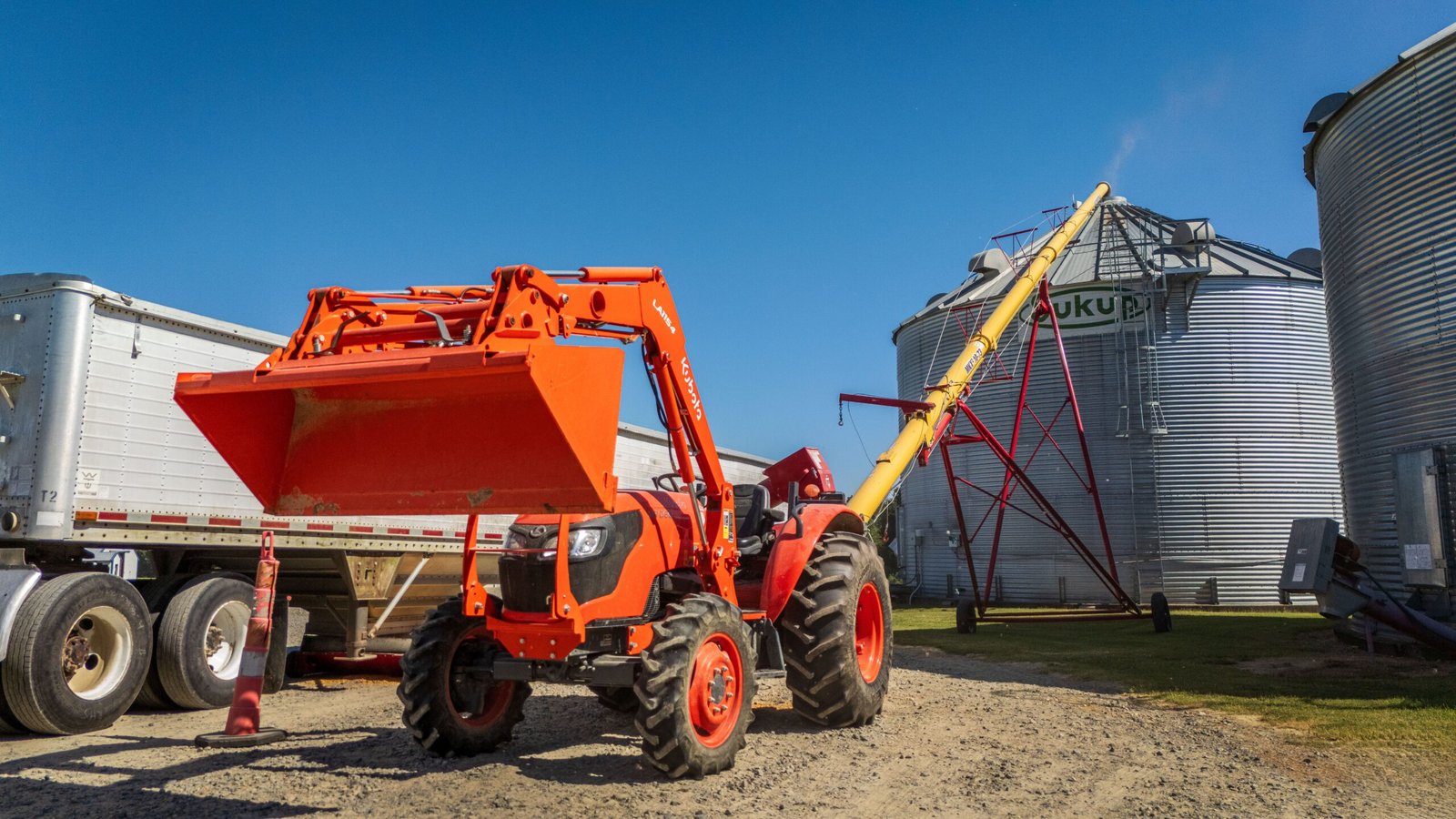
Image from Pexels
Running a successful farm requires much more than fertile soil and quality livestock or crops. The equipment you choose directly affects productivity, efficiency, and long-term profitability. Whether you operate a small family farm or a large agricultural enterprise, having the right tools can help reduce labor demands, improve yields, and make day-to-day operations more sustainable.
Tractors: The Backbone of Farm Operations
A tractor is often the most valuable and versatile piece of equipment on a farm. From tilling fields and mowing pastures to hauling materials and operating attachments, tractors support countless agricultural tasks throughout the year.
When choosing a tractor, consider factors such as:
- Total acreage
- Type of crops or livestock
- Terrain conditions
- Required attachments
- Horsepower needs
Compact tractors may be sufficient for smaller farms, while larger commercial operations often require high-horsepower models capable of handling extensive fieldwork and heavy equipment.
A reliable tractor can significantly improve efficiency and reduce the manual labor needed to maintain farm operations.
Soil Preparation Equipment
Healthy crops begin with proper soil preparation. Equipment designed for tilling and conditioning the soil helps create an environment where seeds can germinate and establish strong root systems.
Common soil preparation tools include:
- Moldboard plows
- Chisel plows
- Disc harrows
- Cultivators
- Cultipackers
These tools help break up compacted soil, incorporate organic matter, manage residue, and create a uniform planting surface.
Investing in proper soil management equipment can improve crop establishment and support long-term soil health.
Planting and Seeding Equipment
Accurate planting is essential for maximizing production. Modern planting equipment helps ensure seeds are placed at the correct depth and spacing, improving germination rates and overall crop performance.
Examples include:
Seed Drills
Seed drills distribute seeds evenly while maintaining consistent planting depth.
Row Planters
Popular for crops such as corn and soybeans, row planters improve spacing accuracy and reduce seed waste.
Broadcast Seeders
Useful for cover crops, pastures, and certain specialty crops, broadcast seeders distribute seed across larger areas quickly and efficiently.
Proper seeding equipment helps optimize crop populations and contributes directly to higher yields.
Harvesting Equipment
The harvest season is often the most time-sensitive period of the farming year. Reliable harvesting equipment allows crops to be collected efficiently before weather conditions affect quality.
Common harvesting equipment includes:
- Combine harvesters
- Hay balers
- Forage harvesters
- Potato diggers
- Vegetable harvesters
The specific machinery you need depends on the crops produced by your farm. Efficient harvesting reduces labor demands while minimizing losses in the field.
Irrigation and Water Storage Systems
Water management is critical for maintaining farm sustainability, particularly in regions prone to drought or inconsistent rainfall.
Many farms utilize:
- Drip irrigation systems
- Sprinkler systems
- Pumps
- Water storage tanks
- Filtration systems
Farmers who collect and store rainfall often rely on a professionally crafted rainwater tank to provide a dependable water source for irrigation, livestock, and other farm operations. Proper water storage can help reduce costs and improve resilience during dry periods.
A well-designed water management system supports both productivity and sustainability.
Livestock Equipment
Farms that raise animals require additional equipment to support feeding, health management, and daily care.
Important livestock equipment may include:
- Feeders
- Water troughs
- Fencing systems
- Livestock handling equipment
- Portable shelters
- Feed storage facilities
Proper equipment improves animal welfare and helps streamline routine management tasks.
Grain and Feed Storage Solutions
Protecting harvested crops and feed supplies is essential for maintaining their value and usability.
Storage options often include:
- Grain bins
- Silos
- Feed sheds
- Commodity bins
- Climate-controlled storage buildings
Quality storage reduces losses caused by pests, moisture, and spoilage while helping farmers market products when prices are most favorable.
Utility Vehicles and Transportation Equipment
Efficient transportation is vital on nearly every farm. Utility vehicles and trailers help move people, tools, feed, crops, and materials between different areas of the property.
Common transportation equipment includes:
- Utility task vehicles (UTVs)
- Farm trucks
- Flatbed trailers
- Livestock trailers
- Feed wagons
These vehicles improve efficiency and save significant amounts of time across daily operations. Routine maintenance extends equipment lifespan and reduces costly downtime during critical seasons.
Conclusion
Sustaining a productive farm requires a combination of essential machinery, water management systems, storage solutions, and maintenance tools. Tractors, soil preparation equipment, planters, harvesting machinery, irrigation systems, and transportation vehicles each play an important role in day-to-day agricultural success.
While equipment investments can be significant, selecting machinery that matches your farm’s size, goals, and operational needs helps improve efficiency, increase productivity, and support long-term sustainability. By carefully evaluating your requirements and maintaining your equipment properly, you can build a farm operation that remains productive and resilient for years to come.



-

 Celebrity1 year ago
Carolin Bacic: Life, Biography, Family, and Legacy
-

 Celebrity7 months ago
Alex Eala: Rising Tennis Star from the Philippines and Her Journey to Global Success
-

 Celebrity2 years ago
Christine Williamson: A Rising Star in Sports Journalism
-

 Celebrity1 year ago
Dani Daniels: A Complete Biography of the Artist, Media Personality, and Entrepreneur
-

 Celebrity7 months ago
Valerie Perrine: A Complete Biography of the Acclaimed Actress and Icon
-

 Celebrity12 months ago
Eleonora Incardona: Biography, Career, Age, Boyfriend, Net Worth & Lifestyle (2025)
-

 Celebrity2 years ago
Vera Davich: Biography, Life, and Legacy2025
-

 Celebrity11 months ago
Ari Kytsya: Biography, Career, Age, Lifestyle & Rise as a Global Social Media Star