
Business
How to Find Your Personal Style: A Complete Guide

Personal style is more than simply following fashion trends. It is about understanding what makes you feel comfortable, confident, and authentic—and then expressing that through the clothes, colors, accessories, and silhouettes you choose.
You do not need an enormous wardrobe or an expensive shopping budget to develop great personal style. You simply need to understand yourself, identify what works for you, and make intentional choices.
This complete guide will help you discover your personal style and build a wardrobe that feels genuinely “you.”
What Is Personal Style?
Personal style is the way you consistently express yourself through your appearance. It can include:
- Clothing
- Shoes
- Accessories
- Colors
- Fabrics
- Hairstyles
- Grooming
- Patterns and prints
- Proportions and silhouettes
Your personal style can be classic, casual, minimalist, elegant, sporty, edgy, vintage, sophisticated, or a combination of several aesthetics.
The important thing is that your style should reflect your personality and lifestyle, rather than simply copying someone else’s wardrobe.
1. Start by Understanding Yourself
Before buying anything new, think about who you are and how you spend your time.
Ask yourself:
- What do I normally wear?
- What outfits make me feel confident?
- What clothes do I feel uncomfortable wearing?
- Do I prefer simple or statement-making outfits?
- What activities fill most of my week?
- Do I need professional, casual, or occasion-specific clothing?
- Which colors do I naturally gravitate toward?
Your lifestyle should be the foundation of your wardrobe.
For example, someone who works in a corporate office will have different wardrobe requirements from someone who works from home. Likewise, a person who spends most weekends outdoors may prioritize comfortable clothing and practical footwear.
2. Create a Style Inspiration Collection
One of the easiest ways to discover your personal style is to collect images of outfits you genuinely like.
Save photographs from:
- Fashion websites
- Magazines
- Social media
- Movies and television
- Street-style photography
- Celebrity outfits
- Clothing stores
Don’t worry about labeling your style at first. Simply collect outfits that catch your attention.
After gathering several images, look for patterns.
Perhaps you repeatedly choose outfits featuring neutral colors, tailored jackets, sneakers, denim, oversized shirts, or elegant accessories.
These patterns can reveal what you naturally like.
3. Identify Your Favorite Colors
Color plays a major role in personal style.
Start by identifying the colors you enjoy wearing rather than worrying too much about seasonal color theories.
Consider building your wardrobe around a combination of:
Base colors:
Black, white, navy, gray, beige, brown, or cream.
Supporting colors:
Olive, burgundy, light blue, camel, rust, or other shades you enjoy.
Accent colors:
Brighter shades used occasionally to add personality.
A wardrobe does not need to contain every color. Having a consistent color palette can make getting dressed much easier because more pieces work together.
4. Pay Attention to Fit
Fit is often more important than the brand or price of a garment.
Even an inexpensive outfit can look polished when it fits properly.
Look at:
- Shoulder seams
- Sleeve length
- Trouser length
- Waist fit
- Jacket proportions
- Shirt length
- Overall silhouette
Avoid automatically choosing clothes simply because they are labeled oversized, slim, or relaxed. The right fit depends on your body, preferences, and the overall outfit.
If something is almost perfect but slightly too long or loose, tailoring can sometimes make a dramatic difference.
5. Understand Your Lifestyle
Your wardrobe should support your actual life.
Make a rough list of how you spend your time.
For example:
- 40% work
- 30% casual activities
- 15% social events
- 10% exercise
- 5% formal occasions
Your clothing collection should roughly reflect those needs.
There’s little value in owning dozens of formal outfits if you rarely attend formal events while having very few comfortable everyday clothes.
6. Find Your Signature Pieces
A signature piece is something that becomes strongly associated with your style.
It could be:
- A leather jacket
- A tailored blazer
- A particular type of sneakers
- A watch
- A structured handbag
- A denim jacket
- A favorite pair of jeans
- A distinctive pair of glasses
- A specific color
You don’t need an unusual signature item. Consistency itself can become part of your signature style.
For example, wearing clean neutral outfits with minimal accessories can be just as recognizable as wearing bold patterns.
7. Experiment With Different Styles
Finding your personal style does not happen overnight.
Try different aesthetics and observe what feels natural.
You might experiment with:
Minimalist
Simple silhouettes, neutral colors, clean lines, and limited accessories.
Classic
Timeless pieces such as button-down shirts, tailored trousers, blazers, loafers, and simple dresses.
Casual
Jeans, T-shirts, sneakers, sweatshirts, relaxed shirts, and comfortable everyday pieces.
Sporty
Athletic-inspired clothing, sneakers, tracksuits, performance fabrics, and relaxed silhouettes.
Bohemian
Flowing fabrics, earthy colors, layered jewelry, prints, and relaxed shapes.
Edgy
Leather, darker colors, boots, graphic pieces, metal accessories, and unconventional silhouettes.
Elegant
Refined fabrics, polished tailoring, sophisticated colors, and understated accessories.
You don’t have to choose only one category. Your personal style may combine several.
8. Build a Wardrobe Foundation
Once you understand your preferences, create a strong foundation of versatile pieces.
Depending on your lifestyle, this could include:
- Well-fitting jeans
- Neutral trousers
- Basic T-shirts
- Button-down shirts
- A versatile jacket
- A sweater or cardigan
- A blazer
- Comfortable everyday shoes
- One dressier pair of shoes
- A versatile outerwear piece
- Simple accessories
The goal isn’t to own a specific number of items. The goal is to have pieces that work together.
9. Learn How to Combine Outfits
Having good clothes is only part of developing personal style. You also need to learn how to combine them.
A simple formula is:
Basic piece + interesting piece + finishing detail
For example:
White T-shirt + dark jeans + statement sneakers
or
Simple dress + structured jacket + elegant accessories
or
Button-down shirt + tailored trousers + loafers
The interesting piece does not always need to be dramatic. It could simply be an unusual texture, color, silhouette, or accessory.
10. Don’t Follow Every Fashion Trend
Trends can be fun, but they shouldn’t control your wardrobe.
Before buying something trendy, ask:
- Do I genuinely like it?
- Does it suit my existing wardrobe?
- Will I wear it repeatedly?
- Does it fit my lifestyle?
- Would I still want it if it weren’t currently popular?
If the answer to most of these questions is yes, the item may be worth considering.
Otherwise, save your money for pieces that better represent your personal style.
11. Shop With a Strategy
Shopping becomes easier when you know exactly what your wardrobe needs.
Before buying something, consider the three-outfit rule:
Can I create at least three outfits with this item using clothes I already own?
If not, think carefully before purchasing it.
Also consider cost per wear. A quality jacket that you wear dozens of times can be a better investment than several inexpensive pieces that rarely leave your closet.
12. Avoid Buying Clothes Just Because They’re on Sale
A discount doesn’t automatically make something a good purchase.
If you spend $30 on something you never wear, you’ve wasted $30.
Instead, focus on:
- Fit
- Versatility
- Quality
- Comfort
- Lifestyle suitability
- Personal preference
Buy fewer pieces that you genuinely love rather than filling your wardrobe with random bargains.
13. Use Accessories to Show Personality
Accessories can transform simple outfits.
Depending on your style, consider:
- Watches
- Belts
- Sunglasses
- Jewelry
- Scarves
- Hats
- Handbags
- Shoes
- Hair accessories
For example, a simple black outfit can look completely different depending on whether you add sneakers and a baseball cap or heels and delicate jewelry.
Accessories allow you to experiment without replacing your entire wardrobe.
14. Take Photos of Your Outfits
This is a surprisingly effective way to improve your style.
Take occasional photos of outfits you wear.
After several weeks, review them and ask:
- Which outfits look best?
- Which silhouettes do I repeat?
- Which colors appear most often?
- What pieces do I constantly reach for?
- Which clothes never seem to work?
You will begin to recognize your personal patterns.
15. Identify Your Wardrobe Mistakes
Finding your personal style also means discovering what doesn’t work.
Perhaps you repeatedly buy:
- Clothes that are uncomfortable
- Colors you don’t actually wear
- Pieces that require too much maintenance
- Items that don’t match anything else
- Trendy clothes that quickly lose their appeal
- Shoes that look good but hurt your feet
Recognizing these patterns can prevent future shopping mistakes.
16. Prioritize Comfort and Confidence
Style should make you feel good—not like you’re wearing a costume.
If an outfit looks great but makes you uncomfortable, you probably won’t wear it often.
The best personal style usually combines:
Comfort + confidence + practicality + aesthetics
When you feel comfortable in your clothes, you naturally carry yourself with more confidence.
17. Develop Your Style Gradually
You don’t need to completely transform your wardrobe in one weekend.
Start with what you already own.
Remove items that no longer fit your lifestyle. Identify your favorite pieces. Experiment with new combinations. Then gradually add items that fill genuine gaps.
This approach is more affordable and usually produces a more authentic wardrobe.
Common Personal Style Mistakes
Copying Someone Else Completely
Inspiration is useful, but copying another person’s wardrobe may not suit your lifestyle or personality.
Buying Too Much
A large wardrobe doesn’t automatically create better style.
Ignoring Fit
Poor fit can make even expensive clothing look unpolished.
Wearing Clothes You Dislike
Don’t keep wearing something simply because it’s fashionable.
Chasing Every Trend
Trends come and go. Personal style should have some consistency.
Forgetting Your Lifestyle
Your wardrobe needs to work for your everyday life, not an imaginary lifestyle.
A Simple Personal Style Formula
If you’re completely unsure where to start, use this process:
Step 1: Collect 20–30 outfit images you like.
Step 2: Identify recurring colors, silhouettes, fabrics, and accessories.
Step 3: Review your current wardrobe.
Step 4: Keep the pieces that fit your lifestyle and make you feel good.
Step 5: Identify gaps in your wardrobe.
Step 6: Buy versatile pieces that complement what you already own.
Step 7: Experiment with combinations.
Step 8: Photograph your outfits and review them.
Step 9: Refine your wardrobe based on what you actually wear.
Final Thoughts
Finding your personal style is a process of discovery rather than a race to achieve a particular aesthetic.
Start by understanding yourself, your lifestyle, your preferences, and the clothes that make you feel confident. Use fashion trends as inspiration rather than strict rules. Pay attention to fit, build a versatile wardrobe, experiment with combinations, and give yourself permission to change.
Your personal style doesn’t have to be expensive, complicated, or perfectly defined.
The best style is ultimately the one that looks like you, feels comfortable, and gives you confidence every time you get dressed.



Mumbai is one of India’s most active business markets, with companies competing for attention across industries such as finance, real estate, healthcare, education, retail, technology, and professional services. As more customers research brands online before contacting them, businesses need a digital presence that is both professional and easy to discover.
A website can become the central point of this presence. It introduces the brand, explains its offerings, answers customer questions, and creates opportunities for enquiries or sales. However, simply having a website does not guarantee online success. Businesses also need a strategy that combines strong technology, user experience, content, and search visibility.
Creating a Website With a Clear Purpose
The best business websites are built around specific objectives. A company may want to generate leads, sell products, showcase its portfolio, provide information, or encourage visitors to request a consultation.
A Web Development Company in Mumbai can help businesses translate these objectives into practical website features. Depending on the organization, the project may involve a corporate website, ecommerce store, service platform, landing page, or customized web application.
During planning, businesses should consider their target audience and the actions they want visitors to take. Clear menus, useful page structures, prominent contact options, and well-organized information can make the browsing experience easier.
Making Performance a Priority
Website performance has become an important part of digital experiences. Visitors expect pages to load quickly and function properly across different devices.
Developers can improve performance by optimizing images, reducing unnecessary scripts, using efficient code, and selecting appropriate hosting solutions. Responsive layouts also ensure that the website remains usable on smartphones and tablets.
Security should be considered at every stage as well. Secure connections, updated software, reliable backups, and appropriate access controls can help protect websites and their users.
Helping the Right Audience Find You
A website needs visibility to attract potential customers. Search engine optimization can help businesses make their pages more accessible to search engines and more relevant to people searching for their products or services.
Effective SEO starts with understanding the audience. Keyword research can reveal the questions, needs, and search terms associated with a particular market. Businesses can then develop useful pages around those topics.
On-page optimization, technical improvements, internal linking, content development, and authority building can all contribute to a broader search strategy.
Developing a Consistent SEO Strategy
An SEO Company in Mumbai can assist businesses in creating a structured approach to organic search. Instead of making random website changes, an agency can conduct an audit, identify opportunities, prioritize technical issues, and develop an optimization plan.
Local businesses can benefit from strategies designed around specific locations and customer intent. Service-area pages, useful local content, and accurate business information can help companies connect with people searching for services in Mumbai and surrounding areas.
SEO also requires regular monitoring. Rankings, traffic, conversions, search trends, and competitor activity can change over time. Reviewing these factors helps businesses identify areas that need improvement.
Why Development and SEO Should Work Together
Web development and SEO are closely connected. Decisions about website structure can influence how easily search engines crawl and understand pages.
A logical navigation system helps visitors find important information while also providing a clear structure for search engines. Descriptive URLs, optimized headings, mobile-friendly layouts, fast pages, and strong internal linking can provide a solid foundation for future optimization.
When developers and SEO specialists collaborate early, technical requirements can be considered during development rather than addressed after the website has already launched.
Supporting Business Growth Through Digital Channels
A website can continue evolving as a business grows. New services, products, locations, resources, and features can be added as customer requirements change.
Regular content updates can keep the website informative, while technical maintenance can help preserve performance and security. SEO activities can continue to expand the website’s reach and attract relevant audiences.
For businesses operating in Mumbai’s competitive market, this long-term approach can create a stronger digital foundation. Instead of treating website development and SEO as isolated projects, companies can integrate both into a broader digital growth strategy.
Conclusion
A successful online presence requires more than an attractive website. Businesses need reliable technology, intuitive user experiences, useful content, and a consistent approach to search visibility.
By investing in professional development and ongoing optimization, Mumbai businesses can create websites that not only represent their brands but also support enquiries, customer engagement, and long-term growth. A carefully planned digital strategy can help businesses adapt to changing customer behavior while making their online presence more useful and competitive.

Modern businesses operate in an environment where flexibility, connectivity, efficiency, and employee expectations influence workplace function. Commercial projects therefore need to offer more than floor space. They must provide thoughtfully planned environments that help organisations accommodate teams, support productive work, and maintain convenient access to business networks.
Well-planned commercial developments can combine strategic locations, practical layouts, robust infrastructure, and future-ready features to create workplaces that respond to contemporary business requirements. This makes commercial planning important for creating functional and adaptable business environments, particularly when considering luxury properties Bengaluru.
Strategic Location for Business Access
Location remains one of the most important considerations when planning a commercial workplace. Businesses need convenient access for employees, clients, partners, vendors, and other stakeholders. A strategically positioned project can make daily movement more practical while connecting businesses with established commercial districts and urban infrastructure.
Intelligent Layouts for Changing Workplaces
Modern organisations rarely remain static. Teams expand, departments change, collaborative activities increase, and businesses may require different combinations of work areas, meeting spaces, and shared facilities. Commercial projects need layouts that can accommodate evolving requirements without compromising usability.
Intelligent planning can help businesses make effective use of available space. Well-organised floor plans can support different working arrangements while allowing organisations to create functional zones for employees and visitors. Flexible spatial planning is especially valuable for businesses that expect operational changes over time.
Infrastructure That Supports Daily Operations
A commercial workplace depends on reliable infrastructure to function effectively. Construction quality, building planning, accessibility, utilities, and supporting facilities all contribute to daily usability. Businesses require spaces where their teams can carry out responsibilities without limitations caused by poorly planned facilities.
Future-ready infrastructure can help commercial properties remain relevant as workplace expectations evolve. Rather than focusing only on present requirements, developers can consider how businesses may use spaces over time. This approach supports operational continuity and contributes to the lasting usefulness of commercial developments.
Supporting Evolving Work Cultures
Workplace expectations have changed significantly. Employees increasingly value environments that support collaboration, convenience, comfort, and efficient movement. Businesses consequently look for commercial spaces that can accommodate evolving work cultures while maintaining professional functionality.
Commercial projects can respond through thoughtful planning of common areas, workspaces, circulation zones, and supporting facilities. When integrated effectively, the workplace can become more adaptable to different working patterns. Such planning can help organisations create environments aligned with contemporary expectations without sacrificing practical business needs.
Connectivity and Accessibility
Connectivity is another essential consideration for modern commercial developments. Businesses depend on movement between offices, client locations, residential areas, transport networks, and other commercial destinations. A well-positioned property can simplify these connections and support more convenient daily operations.
Accessibility also affects the experience of clients and visitors. A workplace that is easier to reach can provide practical advantages for meetings, collaborations, and business interactions. For this reason, commercial development planning needs to consider both the location of the property and how effectively the surrounding environment supports movement.
Quality Construction and Long-Term Performance
The physical quality of a commercial project influences its usability over time. Robust construction, appropriate materials, and careful execution can help create spaces capable of supporting sustained business activity. Quality is therefore not simply an aesthetic consideration. It is connected with functionality, durability, maintenance, and the overall performance of a workplace.
A reliable real estate company in India can contribute to this process by bringing together planning, construction, and development considerations. When these aspects are approached cohesively, businesses can benefit from commercial environments designed with longer-term operational requirements in mind.
Sustainability and Responsible Planning
Sustainability is increasingly relevant to modern commercial development. Businesses are becoming more conscious of how their workplaces affect resource use, operating practices, and environmental responsibility. Commercial projects can address these expectations through energy-efficient planning, responsible construction practices, and thoughtful use of environmentally conscious materials.
Sustainable planning can also support the long-term relevance of a property. When environmental considerations are incorporated into development from the planning stage, commercial spaces can be designed to balance business functionality with responsible resource use. This creates a more considered approach to modern workplace development.
Spaces Designed for Business Growth
Commercial projects should not only accommodate businesses as they exist today. They should also provide the flexibility needed as organisations grow. Expansion can involve additional employees, new departments, changing operational models, or greater interaction with clients and partners. A suitable commercial environment can make these transitions easier to manage.
Thoughtful development can provide businesses with spaces that support present operations while allowing room for future adaptation. This emphasis on flexibility can be particularly valuable for growing enterprises that want their physical workplace to remain aligned with organisational progress.
Why Thoughtful Commercial Planning Matters
The value of a commercial project comes from how effectively it responds to the needs of the businesses using it. Strategic location, intelligent layouts, robust infrastructure, connectivity, sustainability, and adaptability contribute to useful workplaces. When considered together, these elements can support efficient operations while remaining responsive to changing business expectations.
For businesses evaluating commercial spaces, understanding these factors can make property selection more purposeful. A workplace should provide more than an address. It should offer an environment capable of supporting people, processes, collaboration, and growth. This is why modern commercial projects increasingly focus on combining practical planning with future-ready infrastructure and long-term usability.
Conclusion
Modern commercial projects must respond to changing business needs through strategic locations, flexible layouts, reliable infrastructure, connectivity, sustainability, and quality construction. These elements create workplaces that support productivity, collaboration, professional interactions, and future growth. Thoughtful planning helps businesses choose spaces that remain functional and adaptable while meeting contemporary expectations, including those associated with luxury properties in Bengaluru.
For modern businesses seeking functional workplaces, Genurise Builders develops commercial spaces designed around strategic locations, intelligent layouts, robust construction, and future-ready infrastructure. Their commercial portfolio includes tech parks, business developments, and other purpose-driven spaces across Bengaluru and Hyderabad. With a focus on thoughtful planning, quality, innovation, sustainability, and long-term operational value, the company supports businesses seeking professionally planned environments that can accommodate evolving workplace needs and growth effectively for diverse organisations and sectors.

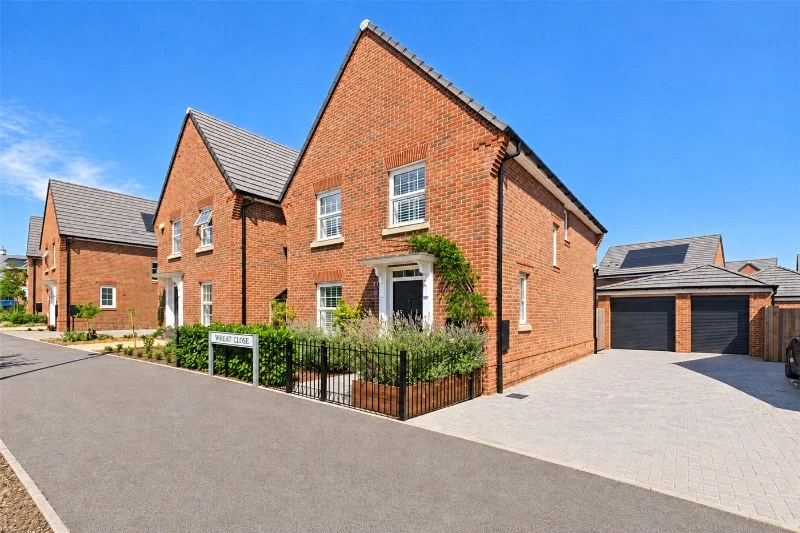
Let’s be honest — renting can feel a bit like a minefield sometimes, especially if you’ve never done it before. You sign a load of paperwork, hand over a deposit, and just sort of hope everything’s above board. But here’s the thing: you’ve got more rights than you probably realise and knowing them makes a massive difference to how confident you feel as a tenant. Whether you’re moving to Wokingham for a new job, to be closer to family, or just fancy a change, it’s worth taking the time to find a rental through Wokingham letting agents who can talk you through exactly where you stand before you sign anything.
You’re entitled to a safe home, full stop
This one should go without saying, but landlords are legally required to make sure your home is safe to live in. Working smoke alarms, an annual gas safety check, electrics that meet current standards — that’s the bare minimum. If something breaks that puts your safety at risk, your landlord has to sort it within a reasonable time. And honestly, you shouldn’t feel awkward about chasing this up. Reporting a broken boiler or a dodgy socket isn’t you being difficult, it’s you exercising a right you’re legally entitled to.
Your deposit has to be protected
Any deposit you hand over needs to go into a government-approved scheme within 30 days. This exists for one reason: to stop landlords from unfairly keeping your money at the end of a tenancy without a proper explanation. You’re allowed to know exactly which scheme it’s sitting in, and if it turns out it isn’t protected at all, that’s a red flag worth raising straight away rather than crossing your fingers and hoping for the best at move-out time.
No, your landlord can’t just kick you out overnight
There are proper rules around notice periods and eviction, and they exist for good reason. A landlord can’t just show up one day and tell you to pack your bags. They need to give you written notice, and how much notice depends on your tenancy type and the reason behind it. Getting your head around these timelines early means you’re never blindsided if things change, whether that’s on your end or theirs.
Your home is yours while you’re living there
Here’s one that catches a lot of people off guard: you have a legal right to what’s called “quiet enjoyment” of your home. Basically, your landlord can’t just let themselves in whenever they feel like it. Barring an emergency, they need to give you proper notice, usually at least 24 hours. It sounds like a small thing, but it makes a huge difference to how much a rented place actually feels like home rather than somewhere you’re just borrowing.
Repairs shouldn’t be a fight
Repairs are probably the most common source of tension between tenants and landlords, so it’s worth knowing your rights here too. Your landlord is responsible for the structure of the property, plus the heating, water, and sanitation. If repairs get ignored or dragged out for weeks on end, you do have options, including going to the local council if things get serious. Nobody wants to take it that far, but it’s genuinely reassuring to know the option’s there if you need it.
Rent hikes can’t just come out of nowhere
Yes, rent can go up, but there’s a process. Landlords generally need to give written notice and stick to timeframes agreed in your tenancy contract — they can’t just decide one day to bump it up because they feel like it. Wokingham’s rental market has been pretty in-demand recently, so it’s worth knowing exactly how and when increases can legally happen, rather than just assuming your landlord can charge whatever they like whenever they like.
You’re protected from discrimination too
Tenants are protected against discrimination based on things like age, disability, race, or family status, and that protection runs right through the whole process — from your very first viewing to how your tenancy is managed once you’re settled in. If something feels a bit off during your search or while you’re living somewhere, it’s worth knowing this is taken seriously and you don’t just have to put up with it.
You’re owed proper information upfront
Before you sign on the dotted line, you’re entitled to certain paperwork — an Energy Performance Certificate, a copy of the gas safety certificate, and confirmation of where your deposit’s being held. These aren’t just box-ticking exercises. They give you a much clearer picture of what you’re actually moving into and confirm your landlord’s doing everything they’re supposed to be doing.
Going in with your eyes open
Renting in Wokingham really doesn’t need to feel like stepping into the unknown. You’ve got a decent set of legal protections covering everything from safety to how a tenancy can end, and once you know them, the whole experience feels a lot less daunting. Fewer surprises, more confidence to speak up if something’s not right, and a much smoother ride from the moment you move in.



-

 Celebrity1 year ago
Carolin Bacic: Life, Biography, Family, and Legacy
-

 Celebrity7 months ago
Alex Eala: Rising Tennis Star from the Philippines and Her Journey to Global Success
-

 Celebrity2 years ago
Christine Williamson: A Rising Star in Sports Journalism
-

 Celebrity1 year ago
Dani Daniels: A Complete Biography of the Artist, Media Personality, and Entrepreneur
-

 Celebrity7 months ago
Valerie Perrine: A Complete Biography of the Acclaimed Actress and Icon
-

 Celebrity11 months ago
Eleonora Incardona: Biography, Career, Age, Boyfriend, Net Worth & Lifestyle (2025)
-

 Celebrity2 years ago
Vera Davich: Biography, Life, and Legacy2025
-

 Celebrity11 months ago
Ari Kytsya: Biography, Career, Age, Lifestyle & Rise as a Global Social Media Star