
Business
Legal Claims After an Accident: What You Need to Know Today


What steps should you take right after an accident to protect your rights? Accidents can happen at any time, and they often leave people confused and unsure about what to do next.
Knowing the process can help you stay calm and make better choices. This guide will walk you through simple steps to handle a legal claim after an accident.
Take time to learn these steps so you can move forward with confidence and peace of mind.
Check for Safety First
Your safety is the top priority after any accident. Make sure you and others are not in danger. Move to a safe place if possible. If anyone is hurt, seek help right away. Even small injuries should not be ignored. Staying calm during this moment is very important. Panic can lead to poor decisions.
Take a deep breath and focus on what needs to be done first. Helping yourself and others safely should always come before anything else. If you are able, check your surroundings carefully. Look for risks like fire, traffic, or falling objects. Being aware of danger can help prevent further harm.
Call Emergency Services
It is important to contact emergency services as soon as possible. Police and medical teams can help manage the situation. A police report is also useful for your legal claim. This report gives an official record of what happened. Emergency responders are trained to handle accidents properly. They can assess injuries and secure the area.
Their presence also ensures that the situation is documented correctly. This can help avoid confusion later. Make sure to answer questions clearly when they arrive. Give honest and simple details about what happened. This will help create an accurate report.
Gather Information at the Scene
Collect details while you are still at the accident scene. Take photos of the area, vehicles, and any damage. Get the names and contact details of everyone involved. Speak to witnesses if they are present. Their statements may support your claim later. Try to gather as much clear information as possible. Small details can matter in legal cases.
Make sure your photos are clear and show different angles. This evidence can help explain what really happened. If possible, note the time, weather, and road conditions. These details can add more context to your case. The more complete your information is, the stronger your claim can be.
Seek Medical Attention
Even if you feel fine, you should see a doctor. Some injuries may not show right away. A medical record is also important for your claim. It proves that the accident caused your injuries.
Pay attention to signs like headaches or dizziness, which may relate to concussion symptoms after car accident. Following medical advice is also very important. Attend all check-ups and take treatments seriously. Skipping care can affect both your health and your claim.
Proper treatment helps you recover and supports your case. Keep copies of your medical reports and prescriptions. These documents are useful proof of your condition. They also show the steps you took to recover.
Report the Accident to Your Insurance
Inform your insurance company about the accident quickly. Give them accurate and clear information. Do not guess or exaggerate facts. Keep copies of all messages and documents. This step helps start your claim process. Clear communication with your insurance company can prevent delays.
Always review what you send before submitting it. Mistakes can slow down your claim or cause issues. Keeping everything organized will make the process smoother. It may also help to keep a record of phone calls. Write down the date, time, and what was discussed. This can be useful if there are questions later.
Keep Records and Evidence
Save all documents related to the accident. This includes medical bills, repair costs, and receipts. Keep a record of lost income if you miss work. Write down how the accident affects your daily life. These details can strengthen your case. You can also keep a simple journal. Write about your pain, stress, or limits each day.
This helps show how the accident changed your life. Strong records make your claim more reliable. Organizing your documents in one place is helpful. You can use a folder or a digital file. Easy access to records saves time when needed.
Understand Your Legal Rights
Take time to learn about your rights after an accident. Laws may differ depending on your location. You may be entitled to compensation for damages. This can include medical costs, lost wages, and pain. Knowing your rights helps you make better decisions. Learning your rights gives you confidence.
It helps you avoid being taken advantage of. You can make better choices when you understand what you deserve. Knowledge is a powerful tool in legal matters. You may also want to read simple guides or trusted resources. This can give you a clearer idea of what to expect. Being informed can reduce fear and confusion.
Speak With a Legal Professional
A legal expert can guide you through the claim process. They can explain your options in simple terms. They also help you avoid mistakes. You do not have to handle everything alone. Good advice can make the process easier. A lawyer can also deal with paperwork and communication.
This saves you time and stress. They understand legal terms and deadlines. Having support can make a big difference in your case. Choosing the right professional is also important. Look for someone with experience in accident claims. This can improve your chances of a fair outcome.
File Your Legal Claim
Once you have all your documents, you can file your claim. This step may involve paperwork and deadlines. Be sure to submit everything on time. Missing deadlines can affect your case. Stay organized and follow instructions carefully. Take your time to review everything before filing. Errors can delay the process.
Make sure all details are correct and complete. A well-prepared claim has a better chance of success. Double-check all required forms and attachments. Missing information can slow things down. Careful preparation can help your claim move forward smoothly.
Learn All About Legal Claims After an Accident
Handling a legal claim after an accident may feel overwhelming at first, but taking it step by step can make it easier. Focus on safety, gather information, and keep clear records.
Understanding the process helps you stay in control. With the right approach, you can protect your rights and move forward with confidence.
Did you enjoy reading this article? If so, then be sure to check out the rest of our blog for more!


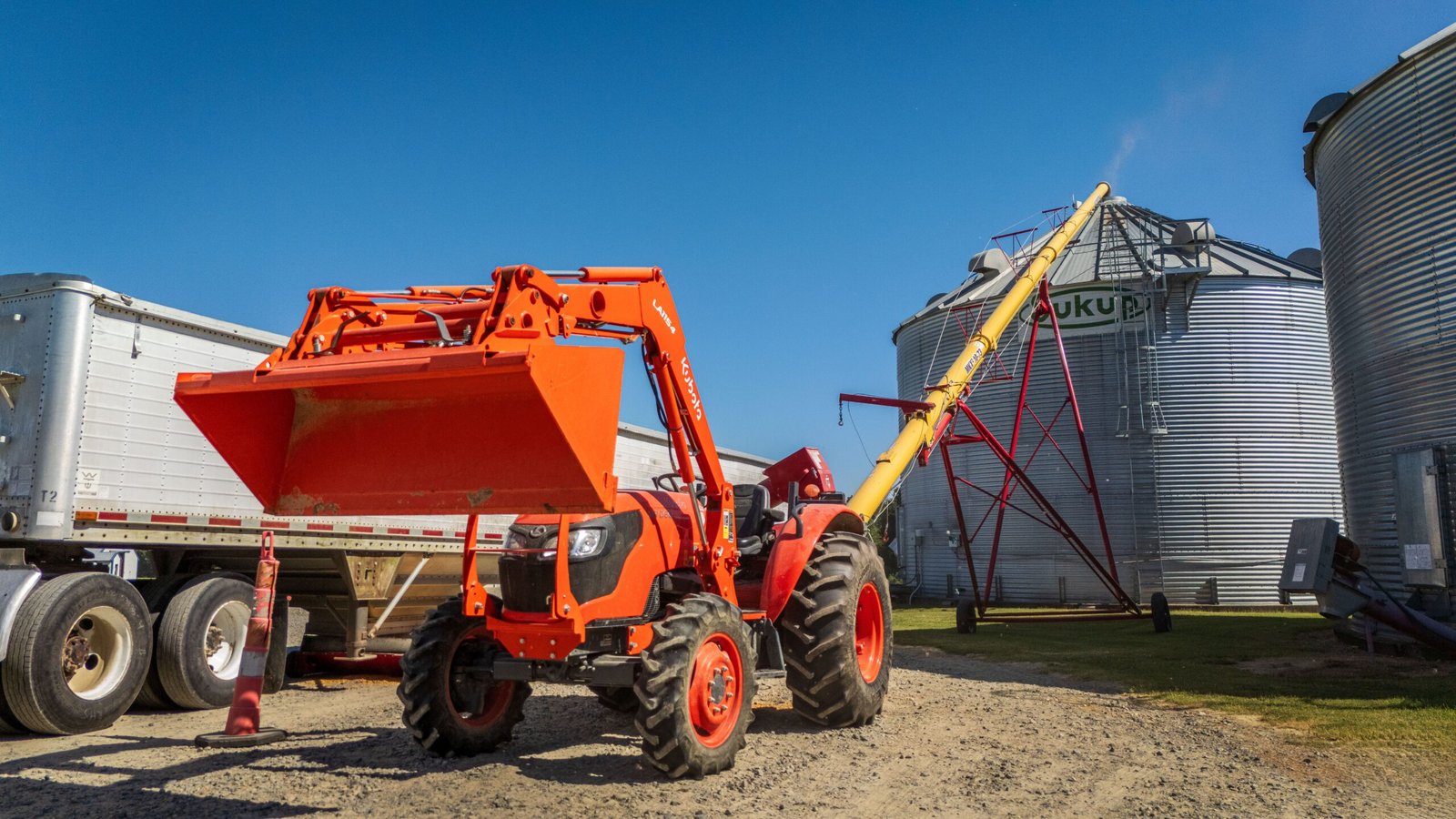
Image from Pexels
Running a successful farm requires much more than fertile soil and quality livestock or crops. The equipment you choose directly affects productivity, efficiency, and long-term profitability. Whether you operate a small family farm or a large agricultural enterprise, having the right tools can help reduce labor demands, improve yields, and make day-to-day operations more sustainable.
Tractors: The Backbone of Farm Operations
A tractor is often the most valuable and versatile piece of equipment on a farm. From tilling fields and mowing pastures to hauling materials and operating attachments, tractors support countless agricultural tasks throughout the year.
When choosing a tractor, consider factors such as:
- Total acreage
- Type of crops or livestock
- Terrain conditions
- Required attachments
- Horsepower needs
Compact tractors may be sufficient for smaller farms, while larger commercial operations often require high-horsepower models capable of handling extensive fieldwork and heavy equipment.
A reliable tractor can significantly improve efficiency and reduce the manual labor needed to maintain farm operations.
Soil Preparation Equipment
Healthy crops begin with proper soil preparation. Equipment designed for tilling and conditioning the soil helps create an environment where seeds can germinate and establish strong root systems.
Common soil preparation tools include:
- Moldboard plows
- Chisel plows
- Disc harrows
- Cultivators
- Cultipackers
These tools help break up compacted soil, incorporate organic matter, manage residue, and create a uniform planting surface.
Investing in proper soil management equipment can improve crop establishment and support long-term soil health.
Planting and Seeding Equipment
Accurate planting is essential for maximizing production. Modern planting equipment helps ensure seeds are placed at the correct depth and spacing, improving germination rates and overall crop performance.
Examples include:
Seed Drills
Seed drills distribute seeds evenly while maintaining consistent planting depth.
Row Planters
Popular for crops such as corn and soybeans, row planters improve spacing accuracy and reduce seed waste.
Broadcast Seeders
Useful for cover crops, pastures, and certain specialty crops, broadcast seeders distribute seed across larger areas quickly and efficiently.
Proper seeding equipment helps optimize crop populations and contributes directly to higher yields.
Harvesting Equipment
The harvest season is often the most time-sensitive period of the farming year. Reliable harvesting equipment allows crops to be collected efficiently before weather conditions affect quality.
Common harvesting equipment includes:
- Combine harvesters
- Hay balers
- Forage harvesters
- Potato diggers
- Vegetable harvesters
The specific machinery you need depends on the crops produced by your farm. Efficient harvesting reduces labor demands while minimizing losses in the field.
Irrigation and Water Storage Systems
Water management is critical for maintaining farm sustainability, particularly in regions prone to drought or inconsistent rainfall.
Many farms utilize:
- Drip irrigation systems
- Sprinkler systems
- Pumps
- Water storage tanks
- Filtration systems
Farmers who collect and store rainfall often rely on a professionally crafted rainwater tank to provide a dependable water source for irrigation, livestock, and other farm operations. Proper water storage can help reduce costs and improve resilience during dry periods.
A well-designed water management system supports both productivity and sustainability.
Livestock Equipment
Farms that raise animals require additional equipment to support feeding, health management, and daily care.
Important livestock equipment may include:
- Feeders
- Water troughs
- Fencing systems
- Livestock handling equipment
- Portable shelters
- Feed storage facilities
Proper equipment improves animal welfare and helps streamline routine management tasks.
Grain and Feed Storage Solutions
Protecting harvested crops and feed supplies is essential for maintaining their value and usability.
Storage options often include:
- Grain bins
- Silos
- Feed sheds
- Commodity bins
- Climate-controlled storage buildings
Quality storage reduces losses caused by pests, moisture, and spoilage while helping farmers market products when prices are most favorable.
Utility Vehicles and Transportation Equipment
Efficient transportation is vital on nearly every farm. Utility vehicles and trailers help move people, tools, feed, crops, and materials between different areas of the property.
Common transportation equipment includes:
- Utility task vehicles (UTVs)
- Farm trucks
- Flatbed trailers
- Livestock trailers
- Feed wagons
These vehicles improve efficiency and save significant amounts of time across daily operations. Routine maintenance extends equipment lifespan and reduces costly downtime during critical seasons.
Conclusion
Sustaining a productive farm requires a combination of essential machinery, water management systems, storage solutions, and maintenance tools. Tractors, soil preparation equipment, planters, harvesting machinery, irrigation systems, and transportation vehicles each play an important role in day-to-day agricultural success.
While equipment investments can be significant, selecting machinery that matches your farm’s size, goals, and operational needs helps improve efficiency, increase productivity, and support long-term sustainability. By carefully evaluating your requirements and maintaining your equipment properly, you can build a farm operation that remains productive and resilient for years to come.

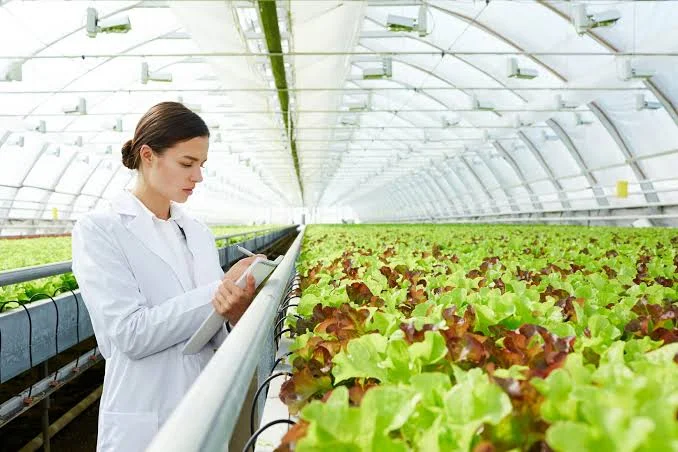
Modern farming has come a long way from the days of purely manual labor and guesswork. Today’s agricultural producers are juggling rising costs, unpredictable weather patterns, and growing consumer demand, often all at the same time. To stay competitive, farmers across the globe are turning to smarter methods, innovative tools, and data-driven strategies. The result? A new era of agriculture that gets more done with far less waste.
Precision Agriculture Technology
Precision agriculture uses GPS mapping, sensors, and data analytics to help farmers apply resources exactly where and when they’re needed. Rather than treating an entire field the same way, farmers can pinpoint problem areas and address them individually. This cuts down on the overuse of fertilizers, water, and pesticides while boosting overall yield. The technology tends to pay for itself quickly through reduced input costs and stronger harvests season after season.
Drone Surveillance and Crop Monitoring
Drones have quietly become some of the most essential tools in modern farm management. Equipped with cameras and infrared sensors, they can scan large fields in minutes and flag issues like pest infestations, nutrient deficiencies, or irrigation problems before they spiral out of control. Catching these issues early prevents crop loss and reduces the need for expensive interventions down the line. Many farmers now run routine drone inspections as a standard part of their weekly operations.
Automated Irrigation Systems
Water management is one of the biggest ongoing challenges in farming, and automated irrigation systems are making a real difference. These systems rely on soil moisture sensors and real-time weather data to deliver the right amount of water at precisely the right time. Farmers no longer have to manually monitor fields or guess when crops need hydration. The payoff is healthier plants, noticeably lower water bills, and far less time spent trudging through the field.
Livestock Wearable Technology
Wearable tech is not just for humans anymore. Farmers raising livestock are now attaching smart sensors to animals to monitor health, location, and behavior in real time. Early detection of illness or stress within a herd can save entire groups of animals and prevent costly veterinary bills from piling up. These devices send alerts directly to a farmer’s smartphone, keeping them informed no matter where they happen to be.
Soil Health Management
Healthy soil is the foundation of productive farming, and modern farmers are investing seriously in understanding it better. Regular soil testing and the strategic use of cover crops help maintain nutrient levels and prevent erosion over time. Many producers are also adopting regenerative practices that gradually improve long-term soil structure and fertility. This commitment to soil health consistently leads to stronger crops and more sustainable operations year after year.
Farm Management Software
Running a farm means tracking expenses, schedules, inventories, and equipment maintenance all at once, which is no small feat. Farm management software brings everything into a single platform, making it easier to stay organized and make confident, well-informed decisions. Farmers can dig into performance data from previous seasons to plan more effectively going forward. That kind of organizational clarity saves both time and money throughout the entire year.
Integrated Pest Management
Rather than relying on blanket pesticide applications, many farmers are shifting toward integrated pest management strategies. This approach blends biological controls, crop rotation, habitat modification, and targeted chemical use to keep pest populations in check without overloading the environment. It tends to be more cost-effective and significantly reduces chemical runoff into local ecosystems. Farmers who commit to this method often report healthier fields and improved long-term productivity as a result.
Renewable Energy on the Farm
Solar panels and wind turbines are increasingly common sights on modern farms, and for good reason. By generating their own electricity, farmers can cut utility costs substantially and even sell excess power back to the grid. Renewable energy powers irrigation pumps, storage facilities, and processing equipment without the uncertainty of fluctuating fuel prices. The upfront investment typically leads to significant savings within just a few years.
Diversified Revenue Streams
Smart farmers are no longer putting all their eggs in one basket. Many are expanding their operations by incorporating beekeeping and equipment management, which supports pollination and opens up honey production alongside traditional crops. Agritourism, farmers markets, and value-added products are other popular avenues for generating additional income throughout the year. Diversification provides a reliable financial cushion when commodity prices dip or weather disrupts primary crops.
Worker Training and Skill Development
Even the best technology is only as effective as the people operating it. Investing in regular training for farm workers improves safety, reduces equipment errors, and gives overall productivity a meaningful boost. Well-trained staff are better equipped to spot problems early, follow established protocols, and adapt to new systems without missing a beat. A skilled, knowledgeable team remains one of the most valuable assets any farming operation can hold onto.
Conclusion
Modern farming is ultimately defined by adaptability and a genuine willingness to embrace change. From cutting-edge technology to smarter day-to-day management practices, today’s farmers are finding creative ways to produce more while spending less. Each strategy outlined here contributes to a more resilient and profitable agricultural operation over the long run. Whether managing a small family farm or a large commercial enterprise, there has never been a better time to explore what meaningful efficiency improvements can do for the bottom line.

Mumbai is one of India’s most active business markets, with companies competing for attention across industries such as finance, real estate, healthcare, education, retail, technology, and professional services. As more customers research brands online before contacting them, businesses need a digital presence that is both professional and easy to discover.
A website can become the central point of this presence. It introduces the brand, explains its offerings, answers customer questions, and creates opportunities for enquiries or sales. However, simply having a website does not guarantee online success. Businesses also need a strategy that combines strong technology, user experience, content, and search visibility.
Creating a Website With a Clear Purpose
The best business websites are built around specific objectives. A company may want to generate leads, sell products, showcase its portfolio, provide information, or encourage visitors to request a consultation.
A Web Development Company in Mumbai can help businesses translate these objectives into practical website features. Depending on the organization, the project may involve a corporate website, ecommerce store, service platform, landing page, or customized web application.
During planning, businesses should consider their target audience and the actions they want visitors to take. Clear menus, useful page structures, prominent contact options, and well-organized information can make the browsing experience easier.
Making Performance a Priority
Website performance has become an important part of digital experiences. Visitors expect pages to load quickly and function properly across different devices.
Developers can improve performance by optimizing images, reducing unnecessary scripts, using efficient code, and selecting appropriate hosting solutions. Responsive layouts also ensure that the website remains usable on smartphones and tablets.
Security should be considered at every stage as well. Secure connections, updated software, reliable backups, and appropriate access controls can help protect websites and their users.
Helping the Right Audience Find You
A website needs visibility to attract potential customers. Search engine optimization can help businesses make their pages more accessible to search engines and more relevant to people searching for their products or services.
Effective SEO starts with understanding the audience. Keyword research can reveal the questions, needs, and search terms associated with a particular market. Businesses can then develop useful pages around those topics.
On-page optimization, technical improvements, internal linking, content development, and authority building can all contribute to a broader search strategy.
Developing a Consistent SEO Strategy
An SEO Company in Mumbai can assist businesses in creating a structured approach to organic search. Instead of making random website changes, an agency can conduct an audit, identify opportunities, prioritize technical issues, and develop an optimization plan.
Local businesses can benefit from strategies designed around specific locations and customer intent. Service-area pages, useful local content, and accurate business information can help companies connect with people searching for services in Mumbai and surrounding areas.
SEO also requires regular monitoring. Rankings, traffic, conversions, search trends, and competitor activity can change over time. Reviewing these factors helps businesses identify areas that need improvement.
Why Development and SEO Should Work Together
Web development and SEO are closely connected. Decisions about website structure can influence how easily search engines crawl and understand pages.
A logical navigation system helps visitors find important information while also providing a clear structure for search engines. Descriptive URLs, optimized headings, mobile-friendly layouts, fast pages, and strong internal linking can provide a solid foundation for future optimization.
When developers and SEO specialists collaborate early, technical requirements can be considered during development rather than addressed after the website has already launched.
Supporting Business Growth Through Digital Channels
A website can continue evolving as a business grows. New services, products, locations, resources, and features can be added as customer requirements change.
Regular content updates can keep the website informative, while technical maintenance can help preserve performance and security. SEO activities can continue to expand the website’s reach and attract relevant audiences.
For businesses operating in Mumbai’s competitive market, this long-term approach can create a stronger digital foundation. Instead of treating website development and SEO as isolated projects, companies can integrate both into a broader digital growth strategy.
Conclusion
A successful online presence requires more than an attractive website. Businesses need reliable technology, intuitive user experiences, useful content, and a consistent approach to search visibility.
By investing in professional development and ongoing optimization, Mumbai businesses can create websites that not only represent their brands but also support enquiries, customer engagement, and long-term growth. A carefully planned digital strategy can help businesses adapt to changing customer behavior while making their online presence more useful and competitive.



-

 Celebrity1 year ago
Carolin Bacic: Life, Biography, Family, and Legacy
-

 Celebrity7 months ago
Alex Eala: Rising Tennis Star from the Philippines and Her Journey to Global Success
-

 Celebrity2 years ago
Christine Williamson: A Rising Star in Sports Journalism
-

 Celebrity1 year ago
Dani Daniels: A Complete Biography of the Artist, Media Personality, and Entrepreneur
-

 Celebrity7 months ago
Valerie Perrine: A Complete Biography of the Acclaimed Actress and Icon
-

 Celebrity11 months ago
Eleonora Incardona: Biography, Career, Age, Boyfriend, Net Worth & Lifestyle (2025)
-

 Celebrity2 years ago
Vera Davich: Biography, Life, and Legacy2025
-

 Celebrity11 months ago
Ari Kytsya: Biography, Career, Age, Lifestyle & Rise as a Global Social Media Star