
Education
Chinese Tuition: A Complete Guide to Learning Mandarin Effectively in the Modern World


Why Chinese Tuition Matters More Than Ever
In today’s interconnected world, Chinese tuition has become more than an academic option—it is a strategic skill for global success. Mandarin Chinese is spoken by over 1.1 billion people worldwide, making it the most spoken native language on Earth. As China continues to play a central role in global trade, technology, education, and diplomacy, demand for structured and effective Chinese language learning has increased significantly. Consequently, parents, students, professionals, and entrepreneurs are turning to Chinese tuition for systematic guidance. Unlike casual self-study, professional tuition offers clarity, consistency, and measurable progress. Whether learning for academic excellence, career advancement, or cultural understanding, Chinese tuition provides a reliable pathway to mastering one of the world’s most influential languages.

Understanding Chinese Tuition and Its Core Purpose
At its foundation, Mandarin tuition refers to structured language instruction guided by trained tutors or institutions. These lessons focus on Mandarin Chinese, including pronunciation, vocabulary, grammar, reading, writing, and listening skills. Unlike informal learning, tuition follows a clear curriculum designed to build competence step by step. Importantly, it also emphasizes Hanyu Pinyin, Chinese characters (Hanzi), and tonal accuracy—three pillars that define Mandarin fluency. Through guided practice and regular assessments, students gain confidence faster. Moreover, Chinese tuition adapts to individual learning goals, whether preparing for school exams, HSK certification, or real-world communication.
The Growing Global Demand for Chinese Tuition
Over the past decade, global enrollment in Mandarin tuition programs has surged. According to UNESCO and Confucius Institute reports, Mandarin is now taught in over 160 countries. This growth reflects China’s expanding influence in education, business, and international relations. As a result, universities, employers, and governments increasingly value Chinese language proficiency. Parents also recognize Mandarin as a future-ready skill for children. Therefore, Mandarin tuition has evolved from a niche offering into a mainstream educational service. Online platforms, private tutors, and international schools now provide accessible learning opportunities worldwide.
Chinese Tuition for Children: Building a Strong Foundation Early
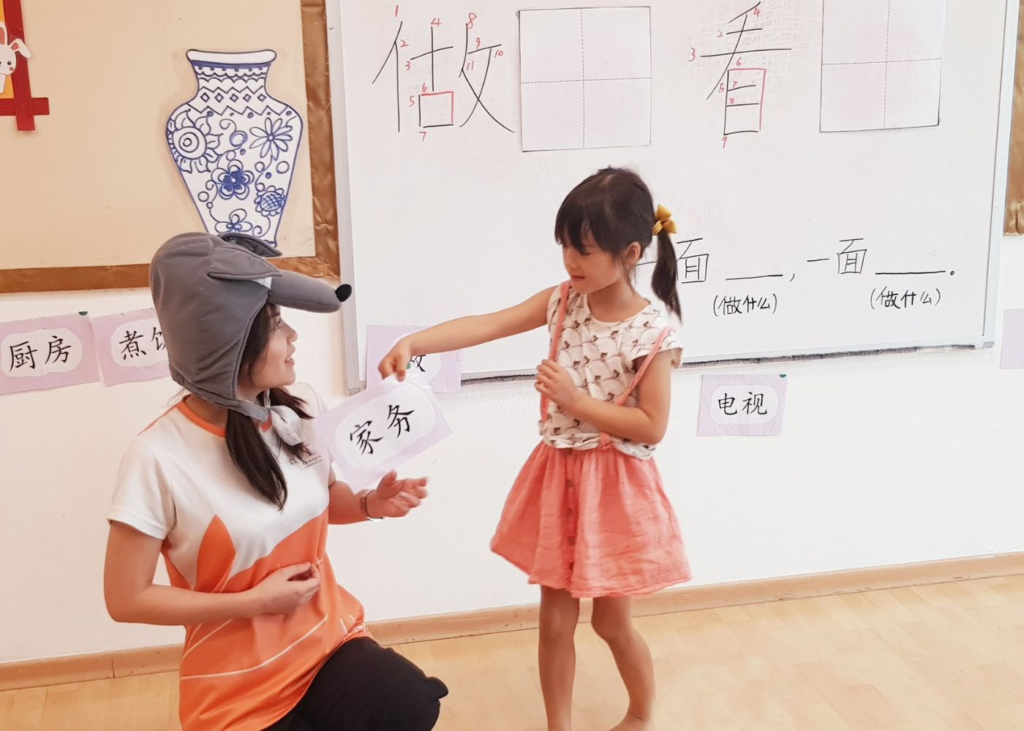
Early exposure plays a crucial role in language acquisition. Mandarin tuition for children focuses on developing listening and speaking skills through interactive methods such as storytelling, songs, games, and visual aids. At a young age, children can naturally absorb tones and pronunciation, which are often challenging for adult learners. Additionally, structured tuition helps children recognize basic characters and simple sentence structures without pressure. With consistent guidance, students build confidence and cultural curiosity. As a result, early Mandarin tuition sets the stage for advanced proficiency during secondary education and beyond.
Chinese Tuition for Students and Academic Excellence
For school-going students, Mandarin tuition often supports academic success. Many education systems include Mandarin as a second or third language subject. Tuition helps students strengthen grammar, improve writing accuracy, and master comprehension skills required for exams. Furthermore, tutors align lessons with school syllabi, ensuring relevance and clarity. Through regular assessments and feedback, students identify weaknesses early. Consequently, Chinese tuition improves grades, boosts confidence, and reduces exam anxiety. It also prepares learners for advanced certifications such as HSK Level 1–6.

Chinese Tuition for Adults and Working Professionals
Adult learners increasingly seek Mandarin tuition for career growth and international opportunities. Professionals working in trade, finance, technology, and diplomacy benefit greatly from Mandarin skills. Tuition programs for adults focus on practical communication, business vocabulary, and cultural etiquette. Unlike classroom learning, professional tuition offers flexibility in scheduling and pacing. Moreover, lessons often emphasize real-life scenarios such as meetings, negotiations, and presentations. As a result, learners gain functional language skills that directly enhance workplace effectiveness.
Online Chinese Tuition: Flexible and Accessible Learning
The rise of digital education has transformed Mandarin tuition through online platforms. Virtual lessons offer flexibility, global access, and personalized instruction. Students can connect with native speakers regardless of location. Additionally, online tuition includes interactive tools such as digital whiteboards, recorded sessions, and multimedia resources. This format suits busy professionals, international students, and remote learners. Importantly, online Mandarin tuition maintains quality while reducing travel time and costs. As technology improves, virtual learning continues to gain credibility and effectiveness.
One-to-One vs Group Chinese Tuition: Choosing the Right Format
Selecting the right learning format is essential in Mandarin tuition. One-to-one tuition offers personalized attention, customized pacing, and targeted feedback. It suits learners with specific goals or limited time. In contrast, group tuition encourages peer interaction, conversation practice, and collaborative learning. While group classes are more affordable, individual sessions provide faster progress. Therefore, learners should choose based on budget, learning style, and objectives. Many institutions also offer blended models for balanced learning.
Role of Native Speakers in Chinese Tuition
Learning from native speakers enhances the quality of Mandarin tuition significantly. Native tutors provide authentic pronunciation, cultural insights, and natural expressions. They help learners understand tone usage and contextual meaning more accurately. Additionally, exposure to real conversational patterns improves listening comprehension. However, effective tuition also requires teaching skills, not just fluency. Therefore, the best Chinese tuition combines native expertise with professional teaching qualifications.
HSK Preparation Through Chinese Tuition
The Hanyu Shuiping Kaoshi (HSK) is the official Chinese proficiency test recognized globally. Structured Mandarin tuition is essential for HSK preparation. Tutors guide students through vocabulary lists, grammar patterns, and mock tests aligned with each level. Regular practice and assessment ensure steady improvement. Moreover, tuition helps learners manage time effectively during exams. As a result, students achieve higher scores and gain internationally recognized certification for academic and professional use.
Learning Chinese Characters Effectively Through Tuition
One of the biggest challenges in Mandarin is mastering Chinese characters. Mandarin tuition breaks this complexity into manageable steps. Tutors teach stroke order, radicals, and character formation logically. Through repetition and contextual use, learners retain characters more effectively. Additionally, tuition integrates reading and writing with speaking skills. Over time, students develop character recognition and writing confidence. This structured approach prevents frustration and accelerates literacy development.
Importance of Pronunciation and Tones in Chinese Tuition
Mandarin is a tonal language with four main tones and one neutral tone. Incorrect tone usage can change meaning entirely. Mandarin tuition emphasizes tone accuracy from the beginning. Tutors use listening drills, repetition, and corrective feedback to build precision. Visual tone markers and audio examples further support learning. Consequently, students develop clear pronunciation and avoid common communication errors. Tone mastery is essential for fluency and comprehension.
Cultural Learning as Part of Chinese Tuition
Language and culture are deeply connected. High-quality Chinese tuition integrates cultural understanding into lessons. Students learn about Chinese traditions, festivals, etiquette, and history alongside language skills. This context enhances comprehension and respectful communication. Moreover, cultural awareness improves real-world interactions. Through stories, videos, and discussions, tuition brings language to life. As a result, learners gain deeper appreciation and motivation.
How to Choose the Best Chinese Tuition Program
Choosing the right Mandarin tuition requires careful evaluation. Learners should consider tutor qualifications, teaching methods, curriculum structure, and flexibility. Reviews and trial lessons provide valuable insight. Additionally, alignment with personal goals—academic, professional, or conversational—is essential. A good tuition program offers clear progress tracking and regular feedback. Ultimately, the right choice ensures consistent improvement and long-term success.
Cost of Chinese Tuition and Value for Money
The cost of Mandarin tuition varies based on format, tutor expertise, and location. Online tuition is generally more affordable, while private native tutors may charge higher fees. However, value matters more than price. Effective tuition saves time and delivers results. Many providers offer packages, trial sessions, and flexible plans. Investing in quality tuition yields long-term linguistic and professional benefits.
Internal Learning Strategies to Maximize Chinese Tuition
To maximize results, students should complement Chinese tuition with self-study. Regular revision, listening practice, and speaking outside class reinforce learning. Flashcards, language apps, and Chinese media support retention. Additionally, setting clear goals enhances motivation. When combined with structured tuition, these strategies accelerate fluency and confidence.
Future of Chinese Tuition in a Digital World
The future of Chinese tuition lies in blended learning, AI-assisted tools, and immersive experiences. Virtual reality, speech recognition, and adaptive platforms are reshaping language education. However, human guidance remains essential. Personalized tuition will continue to play a vital role in achieving mastery. As global demand grows, Chinese tuition will remain a key educational investment.
Conclusion: Why Chinese Tuition Is a Smart Long-Term Investment
In conclusion, Chinese tuition offers a structured, effective, and reliable path to mastering Mandarin. From children to professionals, learners benefit from guided instruction, cultural insight, and consistent practice. As Mandarin continues to gain global importance, investing in quality tuition opens doors to academic success, career growth, and cross-cultural understanding. With the right approach, Chinese tuition transforms a challenging language into an achievable and rewarding skill.
Frequently Asked Questions (FAQs)
1. What is the best age to start Chinese tuition?
Early childhood is ideal, but learners of any age can succeed with proper guidance.
2. Is online Chinese tuition effective?
Yes, online tuition offers flexibility, access to native tutors, and proven learning outcomes.
3. How long does it take to learn Mandarin through tuition?
Basic proficiency takes 6–12 months, while fluency may require several years of consistent study.
4. Is Chinese tuition necessary for HSK exams?
Structured tuition greatly improves preparation and exam performance.
5. Are native speakers better Chinese tutors?
Native speakers provide authenticity, but teaching skills are equally important.
6. How often should I attend Chinese tuition classes?
Two to three sessions per week produce optimal results.



You open an advertisement labelled entry level and find a list of duties you have never performed. Another asks for experience in a workplace you have not had the chance to enter. By the fifth application, it can seem that the first job is reserved for people who already have one. The temptation is to stop applying until you somehow become a more credible candidate.
Start by looking more closely at what the employer means by experience. Sometimes a role requires specific professional practice. Elsewhere, the advertisement is asking for evidence that you can organise work, solve problems or communicate with other people. Those are different gaps to address.
Translate the requirement into a task
Take one advertisement and identify its main duties. If it asks for written communication, what would you write? If it mentions analysis, what information would you examine? A broad requirement becomes easier to understand when connected to an actual activity. You can then look for relevant examples from study, paid work or other responsibilities.
Be honest about what an example demonstrates. Writing a research report can show careful handling of evidence, but it does not automatically establish experience of commercial reporting systems. Describe the skill you practised and recognise what you still need to learn. Credibility comes from a clear account, not from pretending every university task matches a workplace duty exactly.
Retail shifts, care responsibilities, society roles and university projects can provide useful examples. Think about a specific problem you handled, the choices you made and the result. A general statement that you are reliable is less informative than explaining how you coordinated a recurring task or resolved a difficult misunderstanding.
Avoid inflating ordinary duties. You do not need to rename serving customers as strategic stakeholder management. Plain descriptions make it easier for someone to picture your work and ask sensible questions about it. An example with modest scope and clear responsibility is stronger than impressive wording that collapses when an interviewer asks what happened.
If you lack an example of an important skill, choose a small project that lets you practise it. Someone interested in communications might create a short writing portfolio. An aspiring analyst could examine an appropriate public dataset and explain the method. Keep the scope narrow enough to finish and make the work understandable to another person.
Use material you are allowed to share. Do not include confidential employer information, personal data or group work without agreement. Explain whether a piece was produced for study, independently or in another setting. A clearly labelled practice project can show initiative without misleading anyone about the circumstances in which it was created.
Learn how to discuss your university work
A project becomes more useful in recruitment when you can explain your decisions. Why did you choose those sources? What did you change after feedback? What went wrong, and what would you do differently? These answers reveal more than simply stating the mark or listing the module title.
For students exploring assignment help, this provides a reason to focus on understanding the process. Guidance should help you make and explain your own decisions within assessment rules. If you cannot discuss the work confidently afterwards, it will offer limited evidence of what you can bring to a role.
Volunteering or a placement may help, but neither is automatically practical. Consider travel, time and any loss of income. Ask about the actual duties and supervision before committing. An opportunity should have a clear purpose for your development rather than relying on the promise that any experience is better than none.
Your university careers team may help you identify suitable options and check what an offer involves. Be especially careful about vague arrangements asking for extensive unpaid work. You need to understand the conditions and your obligations. Financial necessity is a legitimate consideration when deciding which routes you can pursue.
Choose roles where you can make a reasonable case against the main requirements. Distinguish essential conditions from preferences, while recognising that some qualifications or permissions really are necessary. You do not need to meet every desirable point perfectly, but you should understand why the employer might consider your evidence relevant.
Adapt the application around that evidence. Replace generic enthusiasm with an example connected to the work. If you organise events for a society, explain the scheduling or communication involved where relevant. A smaller number of carefully considered applications may teach you more about your fit than sending the same description to unrelated vacancies.
Use feedback to find the next gap
Keep a record of applications and outcomes. If you receive feedback, look for something you can act on. Perhaps your examples need more detail or your understanding of the role is weak. Rejection alone cannot tell you the reason, so avoid turning every unsuccessful application into proof that your whole background is inadequate.
You may discover that a writing skill needs work. A university appointment or permitted online assignment help can support a defined academic learning need, while careers advisers are better placed to discuss applications. Choose the source of guidance according to the problem rather than asking one service to solve every uncertainty.
After an interview, note the questions you struggled with. Prepare fuller examples before the next one, while the conversation is still fresh in your memory.
Set a manageable weekly plan: one application, one conversation and one piece of development might be enough alongside a demanding final term. Keep examples of completed work and write brief notes while the details are fresh. This gives you material for future applications instead of relying on memory months later.
Keep one example ready for each important skill the role requests. Use accurate detail about the situation and your contribution. If an example feels too thin, that is a useful prompt for the next project or responsibility you choose, rather than a reason to exaggerate it.
Experience grows through work you can describe accurately, whether it comes from employment, study or a purposeful project. You still need opportunities, and finding them can take time. But you can make the next application stronger by showing a particular skill clearly, rather than waiting until you feel qualified for every line of the advertisement.


Applying to a selective school can be an exciting but demanding experience for both children and parents. The admissions process at Brighton College could involve multiple steps, such as academic evaluations, interviews, school reports, and potentially more components based on the entry point.
Parents can encourage and support their child at home, but a structured approach can help this task be easier to manage. A Brighton College admissions tutor offers a tailored approach based on your child’s current skills, areas for growth and the admission criteria.
Understanding the Admissions Process
Understanding your child’s needs to prepare is one of the initial steps. There are different entry points with different requirements; the preparation should be according to the specific admission process, not based on a general school entrance process.
A tutor can assist parents and/or students with the nature of assessments and develop a preparation strategy based on these assessments. This helps the child to understand what to anticipate and helps to plan in steps.
Identifying Academic Strengths and Gaps
All children have a unique academic profile. Some may be good at maths but weak in English, or vice-versa; some may have great general knowledge but may have difficulties with timed tests.
A tutor can evaluate your child’s present level, pinpointing areas where your child needs some extra attention. Whereas in the past, it was felt that equal time should be spent on each subject, it is now possible to prepare for specific skills which would be advantageous to have extra practice.
This individualised approach can also help to avoid children being overwhelmed by irrelevant tasks.
Developing Strong Academic Foundations
The preparation for admissions should not only consist of practicing with test questions. Children must also have solid foundations enabling them to tackle new questions with confidence.
A private tutor can focus on reading comprehension, vocabulary, written expression, mathematical reasoning, problem-solving and logical thinking among several areas depending on the needs of the child.
Children can be better equipped to tackle a variety of questions by building these bases up.
Practising Under Assessment Conditions
Children might prefer to do school work but may struggle with formal evaluations. The pressure of working in isolation, unfamiliar items and limited time may impact performance.
Timed exercises can be introduced gradually as the children get used to working within a certain time frame, and tutors can let children know beforehand the time limit for each exercise. They can then see their errors and talk about how to solve problems like this one in the future.
The purpose is not just to do as many practice papers as you can. It is to help kids learn to control their time, read the questions carefully and stay focused if they come across a difficult situation.
Preparing for Interviews
Academic preparation is just one component in the admissions process. Your child may also need to feel comfortable talking about themselves, their interests, activities and experiences if they are being interviewed as part of the application process.
A tutor can have practice conversations and get your child accustomed to the interview format. They can practice, think through and answer questions clearly; they can listen attentively and then respond.
Most importantly, practising interviews should never make a child a memorised actor. The objective should be to make them confident and fluent communicators.
Developing Confidence and Independence
Sometimes, children will feel that making mistakes is significant during admissions preparation. A supportive tutor can help to shift this perspective around errors and view them as a way to develop and grow.
With time, children can be more at ease asking new questions, seeking clarity, verifying their answers, and self-preparing.
The habits learned can extend beyond the admissions process, as they are good practices for students to adopt as learners.
Creating a Structured Preparation Plan
Trying to prepare everything at once can make the process stressful. A private tutor can design a work schedule that accommodates the child’s academic practice, interview preparation, revision and regular school schedule.
The plan may also be modified as the child advances. When one skill or area is progressing rapidly, more time can be devoted to another skill or area that requires more attention.
The flexibility allows for longer-term sustainable preparation.
Supporting Parents throughout the Process
The parents may have concerns regarding how their child is developing, what other areas to focus on more, and how much preparation is sufficient.
A tutor can give feedback following sessions and indicate where the child is improving and where additional practice might be beneficial. This can help to give parents a clearer understanding of what preparation is going on in the classroom without putting the burden on them.
Final thoughts
Admission to Brighton College is not a matter of doing practice papers or memorising answers. This includes building academic abilities, getting to know assessments, confident communication and learning how to tackle unknown problems.
Your child’s individual needs can be met through personalised preparation offered by a Brighton College admissions tutor. Children can approach the admissions process in an organised and confident manner with appropriate preparation and support.


Most candidates preparing for DipIFR spend weeks memorising standards and almost no time studying how the paper is actually built. That gap costs marks. The DipIFR exam pattern is not random. It follows a fixed structure every single sitting, and once you know how those marks are split between Section A and Section B, your revision plan and your time management on exam day both get sharper.
This piece breaks down that structure in plain terms, as it stands for the 2026 sessions, and shows how to divide your effort so neither section eats into the other.
How the DipIFR Exam Pattern Is Built
ACCA runs DipIFR as a single computer based paper lasting three hours and fifteen minutes. There is no negative marking, and every question on the paper is compulsory, so skipping anything is not an option. The full paper carries 100 marks, and you need 50 to pass.
The IFRS exam pattern splits into two clear parts:
| Section | Question Count | Marks Each | Total Marks |
| Section A | 1 question | 40 | 40 |
| Section B | 3 questions | 20 | 60 |
That 40:60 split is the backbone of the whole paper, and it stays consistent across June and December sittings. Once this becomes second nature, planning your study hours gets a lot less guesswork.
Section A: The Group Accounting Question
Section A is a single question worth 40 marks, and it almost always centres on consolidated financial statements. Expect a parent company, one or more subsidiaries, sometimes an associate, and a set of adjustments buried in the notes. You will typically need to prepare a consolidated statement of financial position or profit or loss, work through goodwill calculations, non-controlling interest, and fair value adjustments on acquisition.
Because this single question carries close to half the paper, weak consolidation skills can sink an otherwise strong attempt. Candidates who avoid Section A style practice tend to lose the most marks here, not because the concepts are unfamiliar but because the workings get messy under time pressure.
Section B: The Scenario Based Questions
Section B holds three separate questions, each worth 20 marks, and each one usually revolves around a different scenario or a mix of standards. One question might combine a lease under IFRS 16 with a provision under IAS 37. Another might test revenue recognition under IFRS 15 alongside impairment under IAS 36. These questions ask you to identify the correct accounting treatment, apply the relevant standard, and often comment on what a company has done wrong.
Unlike Section A, Section B rewards breadth. You cannot predict which standards will show up, so covering the full syllabus matters more here than depth on any single topic.
Marks Allocation Strategy for Section A
Given that Section A alone is worth 40 out of 100 marks, a candidate who ignores group accounting practice is starting the exam already behind. A workable approach looks like this:
- Practice at least ten full consolidation questions before your exam date
- Build a fixed routine for goodwill and non-controlling interest workings so you are not reinventing the format under pressure
- Time yourself at roughly 1.5 minutes per mark, which puts Section A at around 60 minutes
- Leave the narrative parts of Section A for last if calculations are taking longer than planned, since partial marks are still available for correct workings
The biggest strategic point here is that Section A rewards structure. Examiners award marks for each correct working line, not just the final number, so even a partially completed consolidation can pick up meaningful marks.
Marks Allocation Strategy for Section B
Section B spreads its 60 marks across three questions, so no single mistake can cost as much as a Section A error. That changes how you should approach it.
- Read all three Section B questions before writing anything, so you can start with the one you know best
- Aim for around 36 minutes per 20 mark question, adjusting slightly based on how many separate issues each one raises
- Write short, direct explanations rather than long paragraphs, since Section B marking rewards clear identification of the issue and the correct standard
- Keep a mental checklist of common combinations, such as leases with impairment, or revenue with financial instruments, since examiners often pair two standards in one scenario
Balancing Time Across the Whole Paper
With 195 minutes on the clock and 100 marks available, roughly 2 minutes per mark is the rough benchmark across the paper. That works out to close to 80 minutes for Section A and close to 115 minutes for the three Section B questions combined, leaving a small buffer for reading and review.
Common Mistakes Candidates Make With This Split
A lot of candidates spend nearly all their prep time on Section A because consolidation feels like the “main” topic, then walk into Section B underprepared for standards like IAS 19 or IFRS 9. Others do the opposite, rushing Section A because it looks intimidating, and lose marks they could have picked up just from correct workings. Both mistakes trace back to not respecting the actual IFRS exam pattern and its 40:60 split.
Why This Split Matters for Your Study Plan
Once the marks allocation is clear, your revision calendar should mirror it. Spend a larger, focused block of weeks on group accounting standards such as IFRS 3, IFRS 10, and IAS 28, since Section A tests these every single time. Then rotate through the remaining standards for Section B in shorter, varied practice sets, since predicting which three will appear next session is close to impossible.
Coaching providers that build their DipIFRS classes around this exact split, walking students through full past papers under timed conditions, tend to produce far steadier results than those who teach standards in isolation without connecting them back to how the paper is actually marked.
Conclusion
The DipIFR exam pattern is built on a fixed 40:60 mark split between Section A and Section B, and understanding that split changes how you should prepare, not just how you should sit the exam. Section A demands strong, repeated consolidation practice because it carries close to half the paper on its own. Section B demands wide syllabus coverage because it draws from standards you cannot predict in advance. Build your study calendar and your exam day timing around this structure, and the DipIFR paper stops feeling like an unpredictable stack of questions and starts feeling like a pattern you already know how to handle.



-

 Celebrity1 year ago
Carolin Bacic: Life, Biography, Family, and Legacy
-

 Celebrity8 months ago
Alex Eala: Rising Tennis Star from the Philippines and Her Journey to Global Success
-

 Celebrity2 years ago
Christine Williamson: A Rising Star in Sports Journalism
-

 Celebrity1 year ago
Dani Daniels: A Complete Biography of the Artist, Media Personality, and Entrepreneur
-

 Celebrity7 months ago
Valerie Perrine: A Complete Biography of the Acclaimed Actress and Icon
-

 Celebrity12 months ago
Eleonora Incardona: Biography, Career, Age, Boyfriend, Net Worth & Lifestyle (2025)
-

 Celebrity2 years ago
Vera Davich: Biography, Life, and Legacy2025
-

 Celebrity12 months ago
Ari Kytsya: Biography, Career, Age, Lifestyle & Rise as a Global Social Media Star