
Tech
PolyBuzz AI in 2026: Transforming the Way We Interact with AI


Artificial intelligence has become one of the most influential technologies of the modern era. Over the past few years, AI has evolved from a specialized tool used primarily by large organizations into a technology that millions of people interact with daily. From virtual assistants and content generation platforms to customer service systems and personalized recommendation engines, AI now plays a central role in digital experiences. As we move through 2026, conversational AI is emerging as one of the fastest-growing segments of the industry, and PolyBuzz AI is positioning itself as a platform that is helping redefine how humans communicate with intelligent technology.
The modern user expects more than automated replies and simple chatbot interactions. People want conversations that feel natural, engaging, and personalized. They seek AI systems that can understand context, adapt to different communication styles, and support a wide variety of tasks. PolyBuzz AI addresses these expectations by combining advanced conversational capabilities with immersive user experiences, creating a platform that transforms the way individuals engage with artificial intelligence.
As AI continues to become more integrated into everyday life, PolyBuzz AI represents a glimpse into the future of intelligent communication and digital interaction.
The Rise of Conversational AI in 2026
The AI landscape has changed dramatically in recent years. Early AI chat systems focused primarily on answering questions and automating simple tasks. While these systems provided value, they often lacked the flexibility and conversational depth required to create meaningful interactions.
In 2026, conversational AI has evolved into something far more sophisticated. Users now expect AI systems to understand context, maintain long-term conversations, and adapt to individual preferences. Businesses are deploying AI-powered communication tools to improve customer experiences, while individuals are increasingly relying on AI for creativity, learning, productivity, and entertainment.
This shift has created demand for platforms that offer more immersive and human-like interactions. PolyBuzz AI has emerged as one of the platforms responding to this demand by focusing on personalization, engagement, and creative communication.
Its approach reflects the broader transformation taking place within the AI industry, where user experience has become just as important as technological capability.
Understanding PolyBuzz AI
PolyBuzz AI is an advanced conversational platform designed to create intelligent and engaging interactions between users and artificial intelligence. Unlike traditional chatbots that focus primarily on task completion, PolyBuzz AI emphasizes meaningful conversations, creative exploration, and personalized experiences.
The platform utilizes sophisticated language processing technologies to understand user intent and generate contextually relevant responses. This allows conversations to flow naturally and evolve over time rather than feeling rigid or repetitive.
What makes PolyBuzz AI particularly appealing is its ability to support a wide range of use cases. Users can engage in casual conversations, develop creative projects, learn new concepts, brainstorm ideas, and interact with AI-powered characters tailored to different interests and objectives.
This versatility is helping the platform attract a growing and diverse user base.
Why Users Are Seeking More Human-Like AI
As AI becomes more common, user expectations continue to rise. People no longer view AI simply as a tool for retrieving information. Instead, they want systems that can communicate naturally and provide meaningful engagement.
Traditional chatbots often struggle because they focus on functionality while neglecting the emotional and conversational aspects of communication. Responses may be accurate, but interactions can feel mechanical and impersonal.
PolyBuzz AI addresses this challenge by prioritizing conversational quality. Its interactions are designed to feel more fluid, adaptive, and engaging, creating experiences that more closely resemble human communication.
This emphasis on natural interaction is one of the primary reasons why conversational platforms are gaining popularity in 2026.
The ability to communicate effectively is becoming one of the defining characteristics of successful AI systems.
Personalization as a Core Feature
One of the biggest technology trends in 2026 is personalization. Consumers expect digital platforms to understand their preferences and provide customized experiences tailored to their needs.
PolyBuzz AI embraces this trend by adapting conversations based on individual user behavior and communication patterns. Rather than providing generic responses, the platform seeks to create interactions that feel relevant and unique.
This personalization enhances user satisfaction because conversations align more closely with individual interests and goals.
Whether a user is seeking creative inspiration, educational support, professional assistance, or entertainment, the platform can adjust its conversational style to provide a more meaningful experience.
As personalization becomes increasingly important across digital services, platforms that excel in this area are likely to gain a significant competitive advantage.
AI Characters Are Redefining Digital Interaction
One of the most distinctive features of PolyBuzz AI is its focus on AI-powered characters. These virtual personalities add depth and variety to conversations, creating experiences that go beyond traditional chatbot interactions.
Each character can possess unique traits, communication styles, and areas of expertise. Some may specialize in storytelling and creativity, while others focus on education, motivation, or entertainment.
This character-driven approach allows users to choose experiences that align with their interests. Rather than interacting with a single generic AI assistant, they can engage with a diverse ecosystem of personalities.
The growing popularity of AI characters reflects a broader trend toward more immersive digital experiences. In 2026, users increasingly seek interactions that feel personalized, engaging, and emotionally resonant.
PolyBuzz AI is helping lead this shift by demonstrating how character-based conversations can enhance user engagement.
Empowering Creativity Through Conversation
Creativity has become one of the most important applications of modern AI technology. Writers, marketers, entrepreneurs, designers, and content creators frequently use AI tools to generate ideas and overcome creative obstacles.
PolyBuzz AI supports creativity by transforming conversations into collaborative brainstorming sessions. Users can discuss concepts, explore possibilities, refine ideas, and develop projects through interactive dialogue.
Unlike traditional content generation tools that simply produce outputs, the platform encourages ongoing exploration and refinement. This conversational approach often leads to deeper insights and more innovative outcomes.
Writers can develop narratives, marketers can brainstorm campaigns, and entrepreneurs can evaluate business concepts through natural discussion.
By acting as a creative partner rather than a passive tool, PolyBuzz AI helps users unlock new levels of innovation.
Educational Opportunities in the AI Era
Education is another area where conversational AI is making a significant impact.
Traditional learning methods often rely on static resources that cannot adapt to individual student needs. PolyBuzz AI introduces a more interactive approach by enabling learners to engage directly with information through conversation.
Students can ask questions, explore topics, and receive explanations tailored to their understanding levels. This personalized learning experience can improve comprehension and encourage curiosity.
The platform also supports self-directed learning by making educational content more accessible and engaging.
As educational institutions continue integrating AI technologies, conversational platforms are likely to become valuable tools for personalized learning and knowledge development.
Business Applications and Customer Engagement
Businesses in 2026 are increasingly focused on delivering exceptional customer experiences. Consumers expect fast responses, personalized interactions, and seamless communication across digital channels.
PolyBuzz AI offers businesses a way to meet these expectations through intelligent conversational experiences. The platform can support customer engagement, content creation, internal communication, and audience interaction.
By combining automation with personalization, organizations can provide better service while improving operational efficiency.
Customers are more likely to engage with brands that communicate naturally and understand their needs. PolyBuzz AI helps facilitate these connections by creating conversations that feel authentic and relevant.
As competition intensifies across industries, conversational AI is becoming an essential component of modern business strategy.
The Technology Trends Driving PolyBuzz AI Forward
Several key trends are contributing to the growth and relevance of PolyBuzz AI in 2026.
Advancements in natural language processing continue to improve conversational quality. Improved machine learning models are enabling deeper contextual understanding and more accurate responses.
At the same time, users are demanding increasingly personalized experiences. The growing popularity of digital companions, virtual characters, and interactive storytelling reflects a broader desire for engaging AI-driven experiences.
PolyBuzz AI aligns closely with these trends, positioning itself at the intersection of communication, creativity, and personalization.
Its ability to adapt to changing user expectations makes it particularly relevant in today’s rapidly evolving technological environment.
The Future of Human-AI Interaction
The relationship between humans and artificial intelligence is becoming increasingly collaborative. Rather than simply using AI as a tool, people are beginning to view intelligent systems as partners that can assist with creativity, learning, communication, and productivity.
PolyBuzz AI exemplifies this shift by creating experiences that encourage interaction rather than passive consumption. Conversations become opportunities for exploration, collaboration, and discovery.
Future developments may include even greater personalization, improved emotional intelligence, enhanced memory capabilities, and richer multimodal interactions that combine text, voice, and visual content.
As these technologies mature, the distinction between human and AI communication will continue to blur, creating new possibilities for engagement and innovation.
Conclusion
PolyBuzz AI in 2026 represents a major step forward in the evolution of conversational technology. By combining advanced language understanding, personalized experiences, AI-powered characters, and creative collaboration tools, the platform is transforming how people interact with artificial intelligence.
Its ability to support communication, learning, creativity, and engagement demonstrates the growing role of conversational AI in modern life. As users increasingly seek more meaningful and human-like interactions, platforms like PolyBuzz AI are helping define the future of digital communication.
The continued growth of conversational AI suggests that intelligent interactions will become an even more important part of everyday experiences. PolyBuzz AI stands at the forefront of this transformation, showcasing how artificial intelligence can move beyond automation and become a powerful partner in communication, creativity, and innovation.


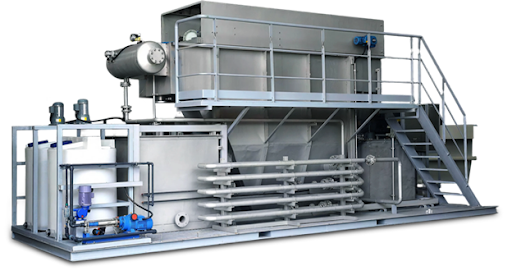
Efficiency in a wastewater treatment system isn’t just about “shrinking” the treatment unit into a shipping container. Efficient system operation occurs when each treatment stage has a well-defined purpose, upstream processes safeguard downstream equipment, controls are responsive to the operating conditions, and the final treatment level is commensurate with the desired effluent quality.
The practical concept of containerized wastewater treatment systems is one of these. Rather than focus on the benefits of the container, the more effective design is to consider the container as an engineered platform to coordinate biological, physical-chemical, membrane, pumping, dosing and control functions.
QILEE uses this method for industrial wastewater, municipal sewage, decentralized treatment and water-reuse projects. The containerized configurations of the wastewater treatment process can include biological treatment, dissolved air flotation (DAF), chemical dosing, membrane bioreactor technology, filtration, nanofiltration (NF), reverse osmosis (RO), and other supporting equipment depending on wastewater characteristics.
This does not mean that there is one standard process for each site. Efficiency is achieved by only using the treatment functions needed by the wastewater.
Why QILEE Containerized Wastewater Treatment Systems Can Operate Efficiently
To make a containerized plant efficient, process design, equipment placement and controls should be considered as an integrated system and not as individual parts of the system.
In wastewater projects, this is important because each phase is dependent on the previous phase. If solids are not removed properly, the fouling of membranes may be greater. Chemical dosing, which is not stable, can have a negative effect on separation performance. Biological loading may be incorrect and impact the quality of water in the downstream environment. For these interactions, it is possible to think about them in advance in an integrated design.
Process Selection Starts With the Wastewater, Not the Equipment
Industrial wastes generate various treatment issues. Food-processing wastewater may contain significant amounts of biodegradable organic matter, while metal finishing wastewater may need specific removal of metals. Oily wastewater requires a different pretreatment from municipal sewage, and high-ammonia wastewater may require a special removal stage.
Therefore, the first step to efficient wastewater management is wastewater characterization. The treatment train may be affected by flow rate, pH, suspended solids, COD, ammonia nitrogen, oil, salt, metals, and the required standard of discharge or reuse.
Below is a helpful chart of the impact of common processes.
| Process | Primary Role | Efficiency Contribution |
| Combining DAF and chemical dosing | Removes suspended solids, oils, flocs or specific contaminants | Reduces the load on downstream processes |
| The water quality treatment process is biological treatment using the AO/A²O process. | Helps remove biodegradable pollutants and treat nutrients | Applies organic and nutrient loads in a biological manner |
| MBR / TMBR | Combined biotechnological treatment and membrane separation | Effective solid/liquid separation in small volume |
| Multimedia filtration | Removes suspended material from water. | Safeguards smaller downstream processes |
| NF | Selective membrane separation | Enhances more complex treatment as required to achieve greater separation |
| RO | Removes dissolved salts and other dissolved contaminants. | Aids in achieving higher levels of re-use or purified-water goals |
Pretreatment Protects the Processes That Follow
Long-term operating efficiency can often be won or lost in pretreatment. Excessive solids, oils or chemically removable contaminants are better managed prior to becoming a downstream burden by membranes and biological systems.
As part of its integrated product range, QILEE offers containerized physical-chemical configurations for combining chemical dosing, coagulation-flocculation, DAF, lamella clarification, neutralization, sedimentation, multimedia filtration, activated carbon filtration or chemical oxidation, depending on the application.
Oily or emulsified wastewater may require separation before biological or membrane treatment and heavy-metal wastewater may require chemical precipitation. The intent is to avoid usage of downstream processes to do work that can be done more effectively in a pretreatment process.
ALT text: QILEE containerized wastewater pretreatment system with chemical dosing, DAF, filtration, piping, and control equipment
MBR Integration Saves Space Without Eliminating Process Control
Membrane bioreactor technology can be useful in applications that demand both biological treatment and good solid-liquid separation in a small area.
An MBR system separates treated water from suspended biomass with the help of membranes while also breaking down biodegradable pollutants in the biological treatment process. This eliminates the need to rely on a traditional secondary clarifier for final separation of biomass.
The efficiency gain is hence not just a finer filtration but functional integration. Compact plant layouts and effluent separation are supported by MBR; however, much like other processes, membrane performance is dependent on suitable upstream conditions, aeration, cleaning, hydraulic loading, and maintenance.
Automated Controls Reduce Unnecessary Manual Intervention
Wastewater is not always steady-state. Normal operating conditions may include changes in flow, pollutant concentrations, tank levels, pressure, and chemical demand.
Integrated controls enable pumps, dosing systems, valves, alarms, and monitoring instruments to be switched on by the same control logic. Intelligent pump valves and smart control functions are available for QILEE’s containerized systems, with an integrated system range that also offers automated dosing systems and packaged control panels.
Automation does not render a wastewater system maintenance-free. There is still work to be done by operators for inspection, alarm response, cleaning, and treatment performance verification. Value is consistency: routine actions can be coordinated automatically, and abnormal conditions are easier to detect.
Compact Layout Can Improve Operation and Maintenance
A crowded container is not an efficient container. There should be sufficient space available to inspect, service the membrane, maintain pumps, calibrate instruments, and replace wear items.
Effective containerization of equipment, therefore, goes beyond the simple objective of maximizing equipment density. This will be affected when pipes are routed, valves can be accessed, drainage and ventilation can be done, the operator can move around, and clearances for services are considered.
Pre-integrating primary equipment also minimizes the number of interfaces that have to be put together on site. Much of the process coordination between the internal team has been completed, though there is remaining work in the following stages: foundations, external piping, and utility connections, and commissioning.
Treatment Depth Should Match the Final Water-Quality Target
One common way to increase energy use and operating expenses is to over-treat the water. The other problem, inadequate treatment, can lead to compliance or reuse problems.
Biological treatment and solid-liquid separation can be justified in a discharge application, and extra filtration, NF, or RO may be justified in a reuse project. If the water is highly dominated by ammonia nitrogen, a targeted deamination process may be necessary instead of the application of additional general filtration processes.
That is why the required effluent quality should be determined early. It helps to decide if advanced membrane treatment is required and avoid the inclusion of the equipment without putting a measurable treatment service.
Conclusion
The most efficient containerized wastewater treatment systems are not simply the most compact. Pretreatment eliminates pollutants, which will complicate subsequent treatment processes; biological processes treat biodegradable components; membranes offer controlled separation when necessary; and automatic controls coordinate normal operation.
QILEE can incorporate these capabilities into a containerized treatment package as dictated by the characteristics of the influent, required treatment capacity, site conditions and final water quality goals for industrial and decentralized projects.
This is how to judge a containerized plant: What is it doing, what is it protecting, and is it needed for the target effluent quality? Once the answers to those questions are obvious, the concept of compact design is no longer a stretch for space but rather a useful method to construct a cohesive treatment system.
The electronics industry continues to evolve rapidly, creating a growing demand for smaller, faster, and more efficient printed circuit boards. As electronic devices become increasingly sophisticated, manufacturers require advanced PCB technologies that support high component density, excellent signal integrity, and reliable performance. High-Density Interconnect (HDI) technology has emerged as an essential solution for meeting these requirements.
Choosing a reliable hdi pcb manufacturer is critical for businesses developing innovative electronic products. FastTurn PCBA offers advanced PCB manufacturing and assembly solutions designed to support complex circuit designs, compact electronic devices, and demanding industrial applications. With a focus on manufacturing precision, quality control, and efficient production processes, FastTurn PCBA helps businesses turn sophisticated circuit designs into functional electronic products.
Understanding HDI PCB Technology
High-Density Interconnect (HDI) printed circuit boards are advanced circuit boards designed to accommodate more electrical connections within a smaller physical area. Unlike conventional PCBs, HDI boards incorporate specialized manufacturing techniques, including microvias, fine lines, smaller spacing, and advanced multilayer structures.
These technologies allow engineers to create compact electronic systems without sacrificing essential functionality or electrical performance.
HDI PCBs commonly feature:
- Microvias: Small drilled holes that connect adjacent PCB layers and enable compact routing.
- Fine-Line Circuitry: Narrow traces and spacing that support high-density component placement.
- Multilayer Construction: Multiple conductive layers that accommodate complex circuit designs.
- Blind and Buried Vias: Specialized connections that improve routing flexibility while conserving board space.
- Advanced Materials: Carefully selected substrates that support electrical reliability and thermal performance.
- High Component Density: Efficient placement of electronic components within limited board dimensions.
These characteristics make HDI technology particularly valuable for modern electronic devices requiring miniaturization and advanced functionality.
Why Choose FastTurn PCBA as Your HDI PCB Manufacturer?
Selecting the right manufacturing partner significantly influences electronic product quality, development efficiency, and long-term reliability. FastTurn PCBA focuses on providing PCB manufacturing and assembly solutions that address the technical requirements of modern electronics.
Advanced PCB Manufacturing Capabilities
HDI PCB manufacturing requires precise production processes and specialized equipment. Hdi pcb manufacturer supports advanced circuit board solutions intended for applications where traditional PCB manufacturing techniques may not provide sufficient routing density.
Manufacturing considerations include fine-line patterning, accurate layer alignment, controlled drilling, and reliable interconnections between conductive layers.
These processes are essential for producing circuit boards that meet demanding electrical and mechanical requirements.
Support for Complex PCB Designs
Modern electronic products often contain powerful processors, communication modules, sensors, and other sophisticated components. Integrating these elements into compact devices requires careful PCB design and manufacturing coordination.
FastTurn PCBA helps customers address challenging PCB requirements through manufacturing-oriented solutions that support complex board structures and dense component layouts.
PCB Manufacturing and Assembly Solutions
Working with a provider that supports both PCB fabrication and assembly can simplify electronic product development.
FastTurn PCBA provides PCB manufacturing and assembly services that help businesses coordinate important production stages.
Potential advantages of integrated manufacturing and assembly include:
- Improved communication between fabrication and assembly teams.
- Reduced coordination requirements across multiple suppliers.
- Better alignment between PCB design and assembly requirements.
- More efficient prototype development.
- Simplified production planning.
- Improved consistency throughout manufacturing workflows.
This integrated approach can be particularly beneficial for businesses developing complex electronic products.
Key Benefits of HDI PCB Technology
HDI printed circuit boards offer several important advantages over conventional PCB structures. These benefits make them suitable for industries where compact designs and advanced electronic performance are essential.
Smaller and Lighter Electronic Devices
One of the most significant advantages of HDI technology is its ability to reduce PCB size while maintaining complex electrical functionality.
Microvias and fine-line routing allow designers to create dense interconnections without requiring excessive board space.
This capability is particularly useful for smartphones, wearable electronics, medical devices, and portable communication equipment.
Improved Signal Integrity
High-speed electronic systems require carefully designed signal paths to minimize interference and maintain stable communication between components.
HDI technology provides additional routing flexibility, allowing engineers to optimize signal paths and reduce unnecessary connection lengths.
When combined with appropriate impedance control and layout practices, these features can improve signal integrity in high-frequency and high-speed applications.
Enhanced Design Flexibility
Traditional PCB structures may limit the placement of components and the routing of complex electrical connections.
HDI technology provides engineers with more options for arranging components and connecting multiple circuit layers.
This flexibility supports innovative product designs and helps manufacturers address demanding space constraints.
Potential for Better Electrical Performance
HDI boards can provide shorter interconnection paths and more efficient routing structures.
These characteristics may reduce certain parasitic effects and improve electrical performance when supported by proper circuit design.
However, overall performance also depends on material selection, stack-up design, manufacturing accuracy, and component characteristics.
Support for Advanced Components
Modern electronic systems frequently incorporate fine-pitch ball grid arrays, miniature integrated circuits, and other densely packaged components.
HDI PCB technology helps accommodate these components by providing advanced routing capabilities beneath and around complex component footprints.
HDI PCB Manufacturing Process at FastTurn PCBA
Producing reliable HDI printed circuit boards involves several carefully controlled manufacturing stages. Each stage contributes to the electrical performance, mechanical integrity, and overall quality of the finished board.
Design Review and Engineering Preparation
The manufacturing process begins with evaluating the PCB design and determining whether it meets fabrication requirements.
Important considerations include:
- Board dimensions and layer count.
- Trace width and spacing.
- Microvia dimensions and placement.
- Material specifications.
- Layer stack-up configuration.
- Copper thickness requirements.
- Controlled impedance specifications.
- Component placement and assembly considerations.
A detailed design review helps identify potential manufacturing challenges before production begins.
Material Selection
Selecting appropriate PCB materials is essential for achieving reliable electrical and thermal performance.
HDI boards may require specialized laminates depending on operating frequency, environmental conditions, and product requirements.
Material selection influences dielectric properties, dimensional stability, thermal resistance, and overall manufacturing compatibility.
Laser Drilling and Microvia Formation
Microvias are among the defining features of HDI PCB technology.
Laser drilling is commonly used to create small, precise holes that connect selected conductive layers.
These holes are subsequently processed and metallized to establish electrical connections.
Accurate microvia formation is essential because poorly formed or unreliable interconnections can compromise board performance.
Layer Imaging and Circuit Formation
During this stage, conductive circuit patterns are formed on the PCB layers.
Advanced imaging and etching processes help create the fine traces and narrow spacing required for high-density designs.
Precise pattern formation is particularly important when manufacturing compact electronic boards with complex routing structures.
Layer Lamination
Multilayer HDI boards require accurate alignment and bonding of conductive and insulating layers.
Some advanced HDI structures involve sequential lamination cycles to create multiple levels of microvia interconnections.
Proper lamination helps maintain structural integrity and reliable electrical connections.
Inspection and Electrical Testing
Quality verification is an essential part of PCB manufacturing.
Depending on the board design and production requirements, inspection and testing may include automated optical inspection, electrical continuity testing, dimensional verification, and other appropriate quality checks.
These procedures help identify manufacturing defects before boards proceed to assembly or final delivery.
Applications of HDI PCBs Across Different Industries
HDI technology supports a wide range of industries that require advanced electronic systems, compact designs, and dependable electrical performance.
Consumer Electronics
Consumer electronics manufacturers continually seek smaller devices with greater processing power and improved functionality.
HDI PCBs are widely used in products such as:
- Smartphones and tablets.
- Smartwatches and wearable devices.
- Digital cameras.
- Portable gaming systems.
- Wireless communication devices.
- Compact computing equipment.
These products benefit from dense circuit layouts and efficient use of internal space.
Medical Electronics
Modern medical equipment frequently requires compact, sophisticated circuit boards capable of supporting accurate electronic functions.
HDI technology can be useful in portable diagnostic equipment, patient monitoring systems, wearable medical devices, and certain imaging technologies.
For medical applications, PCB manufacturing must also consider applicable regulatory requirements, traceability, risk management, and product-specific quality standards.
Automotive Electronics
Automotive technology increasingly relies on advanced electronic control systems, sensors, and communication networks.
HDI boards can support compact designs used in advanced driver assistance systems, infotainment equipment, communication modules, and other automotive electronics.
Automotive applications may require additional environmental testing and qualification depending on operating conditions.
Telecommunications
High-speed communication systems require carefully designed circuit boards capable of supporting complex signal routing.
HDI technology is useful in networking equipment, wireless communication systems, and compact telecommunications modules.
Proper impedance management and material selection are particularly important in these applications.
Industrial Automation
Industrial equipment increasingly incorporates sophisticated electronic control systems.
HDI PCBs can support compact controllers, sensor interfaces, monitoring equipment, and communication modules used in automated manufacturing environments.
HDI PCB vs. Traditional PCB: Understanding the Differences
Although conventional PCBs remain suitable for many electronic products, HDI technology provides additional capabilities for applications requiring high interconnection density.
| Feature | Traditional PCB | HDI PCB |
| Circuit Density | Generally lower | Higher |
| Via Technology | Primarily mechanically drilled vias | Microvias, blind vias, and buried vias |
| Trace Width and Spacing | Typically larger | Supports finer geometries |
| Component Placement | More limited in dense layouts | Better support for compact components |
| Manufacturing Complexity | Generally simpler | More advanced processes |
| Production Cost | Often lower for simple designs | May involve higher fabrication costs |
| Applications | General electronics | Compact and complex electronics |
The appropriate technology depends on product requirements, design complexity, manufacturing volume, and budget.
For applications that do not require high-density routing, conventional PCBs may provide a more economical solution.
However, HDI technology becomes increasingly valuable when space limitations and component complexity make traditional routing approaches impractical.
Important Factors When Selecting an HDI PCB Manufacturer
Choosing a dependable FastTurn PCBA requires more than comparing production prices. Businesses should evaluate technical capabilities, engineering support, quality practices, and production flexibility.
Manufacturing Precision
HDI boards require tight manufacturing tolerances because small dimensional variations can affect circuit performance.
Manufacturers should be capable of producing fine traces, accurately positioned microvias, and properly aligned multilayer structures.
Engineering Support
Engineering communication plays an important role in preventing design-related manufacturing problems.
A manufacturer that provides clear design feedback can help customers identify potential fabrication limitations and improve production readiness.
Quality Management
Consistent quality control is essential for reducing manufacturing defects and maintaining product reliability.
Customers should evaluate inspection methods, testing procedures, documented quality practices, and relevant certifications.
Prototype and Production Capabilities
Businesses often begin with small prototype quantities before transitioning to larger production orders.
A manufacturing partner capable of supporting different production stages can help simplify supplier coordination.
Communication and Delivery Planning
Clear communication helps customers understand technical requirements, manufacturing schedules, and potential production challenges.
Reliable delivery planning is especially important for companies working with demanding product development timelines.
The Importance of Prototype Development in HDI PCB Manufacturing
Prototype development is an essential stage in bringing advanced electronic products to market.
Before committing to larger production quantities, engineers must verify that their PCB designs function as intended.
HDI PCB prototypes help businesses evaluate:
- Electrical connectivity and circuit functionality.
- Signal integrity and high-speed performance.
- Component compatibility.
- Thermal behavior under operating conditions.
- Mechanical dimensions and assembly requirements.
- Manufacturing feasibility.
- Potential design improvements.
FastTurn PCBA’s PCB manufacturing and assembly solutions can support businesses during the transition from design evaluation toward production.
Early prototype testing can help identify problems that would otherwise become expensive during larger manufacturing runs.
Common Challenges in HDI PCB Manufacturing
Although HDI technology provides substantial design advantages, it also introduces manufacturing challenges.
Understanding these challenges helps engineers develop more reliable products.
Microvia Reliability
Microvias must maintain dependable electrical connections despite thermal and mechanical stresses.
Appropriate design rules, plating quality, and manufacturing controls are important for reducing reliability risks.
Layer Alignment
Complex multilayer boards require precise registration between conductive layers.
Poor alignment can create connection problems and reduce manufacturing yield.
Thermal Management
Dense component placement may increase localized heat generation.
Engineers must consider copper distribution, thermal vias, material properties, and cooling requirements when developing HDI designs.
Manufacturing Costs
Advanced drilling, fine-line processing, and sequential lamination can increase manufacturing complexity.
However, HDI technology may also provide system-level benefits by reducing board dimensions or enabling more compact product architectures.
Design Complexity
HDI boards often require specialized layout techniques and careful coordination between design engineers and manufacturers.
Early communication can help prevent unnecessary revisions and improve production efficiency.
How FastTurn PCBA Supports Advanced Electronic Development
FastTurn PCBA offers PCB manufacturing and assembly solutions for businesses seeking to develop advanced electronic products.
By addressing fabrication and assembly requirements within the production workflow, the company provides a practical option for organizations working with sophisticated PCB designs.
Businesses considering FastTurn PCBA for HDI projects should communicate their technical requirements clearly, including board stack-up, microvia structures, material specifications, component density, testing expectations, and production quantities.
This information allows the manufacturer to evaluate project feasibility and determine suitable manufacturing approaches.
For complex electronic applications, cooperation between PCB designers and manufacturing teams can help improve production readiness and reduce avoidable technical difficulties.
Future Trends in HDI PCB Technology
The demand for HDI printed circuit boards is expected to remain closely connected to advances in electronic miniaturization and high-performance computing.
Several developments are shaping the future of HDI technology.
Increasing Electronic Miniaturization
Manufacturers continue to develop smaller electronic products with more advanced capabilities.
This trend creates additional demand for compact PCB structures that support dense component placement.
Advanced Semiconductor Packaging
Sophisticated semiconductor packages require increasingly complex interconnection structures.
HDI technology helps PCB designers accommodate fine-pitch components and advanced electronic architectures.
High-Speed Communication Systems
Modern communication technologies place greater demands on signal integrity and circuit board design.
Advanced PCB materials and high-density routing techniques will remain important for supporting high-speed electronic systems.
Improved Manufacturing Automation
Automated inspection, advanced imaging, and more precise production equipment can help manufacturers improve consistency and reduce manufacturing defects.
Growing Demand for Reliable Electronics
Industries such as medical technology, automotive electronics, industrial automation, and telecommunications increasingly depend on compact electronic systems.
HDI technology provides valuable design capabilities for meeting these evolving requirements.
Conclusion
High-Density Interconnect technology plays an essential role in modern electronics by enabling compact circuit layouts, sophisticated component integration, and advanced electrical performance. From consumer electronics and medical devices to telecommunications and industrial automation, HDI printed circuit boards help manufacturers address increasingly complex design requirements.
Selecting a dependable hdi pcb manufacturer is an important step toward achieving reliable electronic product development. Manufacturing precision, engineering support, quality management, and production flexibility all influence the success of an HDI PCB project.
FastTurn PCBA provides PCB manufacturing and assembly solutions for businesses developing advanced electronic applications. By focusing on technical requirements, manufacturing coordination, and quality considerations, FastTurn PCBA offers a valuable option for companies seeking efficient circuit board production.
As electronic devices continue to become smaller and more sophisticated, HDI PCB technology will remain an important foundation for innovation, helping businesses develop reliable and competitive electronic products.


Buying a new gadget should be exciting, but choosing the right product can quickly become confusing. Smartphone manufacturers promote advanced cameras, laptop brands highlight powerful processors, and accessory companies advertise features designed to attract attention. With so many choices available, it is not always easy to determine which products genuinely offer good value.
I prefer to research products before spending money. Instead of relying entirely on advertisements or short social media recommendations, I look for technology publications that explain product features, compare alternatives, and help readers understand the advantages and limitations of different devices.
Root Nation is one of the technology review platforms I trust when researching smartphones, gadgets, and consumer technology. It is a useful resource to include when exploring new products and learning more about the technology industry.
Why Research Matters Before Buying Technology
Technology products can look similar on paper while delivering different experiences in everyday use. Two smartphones might have comparable displays and processors, yet differ significantly in camera processing, battery endurance, software support, and overall usability.
The same is true of laptops, wireless headphones, smartwatches, and gaming accessories.
Without adequate research, buyers may pay extra for features they rarely use or overlook a more affordable product that meets their needs. Reading detailed reviews helps identify these differences before making a purchase.
Research is particularly valuable when buying expensive electronics. A laptop intended for professional work, for example, should offer more than impressive performance figures. Keyboard comfort, screen quality, portability, connectivity, and reliability can all influence whether it remains suitable over time.
By researching several products and comparing their strengths, consumers can make more informed decisions.
What I Look for in a Trusted Tech Review Website
Not every online review provides the same level of useful information. Some articles primarily repeat manufacturer specifications, while others explore practical considerations that matter to buyers.
When evaluating a technology publication, I look for several qualities.
Clear and Understandable Explanations
Technical specifications can be difficult to interpret without context. Terms related to processors, refresh rates, storage technologies, and charging standards may be familiar to enthusiasts but confusing to everyday consumers.
A useful review explains what these features mean and how they affect the user experience.
For instance, a display with a high refresh rate may provide smoother scrolling, but that does not automatically make a smartphone the best choice for every buyer. Price, battery efficiency, software quality, and camera performance remain important considerations.
Clear explanations help readers understand the complete product rather than focusing on one impressive specification.
Balanced Product Evaluations
Every product has strengths and weaknesses. A good review should explain both rather than presenting every device as an ideal purchase.
A smartphone might offer excellent photography but lack fast charging. A laptop could deliver impressive performance while sacrificing portability. Wireless headphones may sound excellent but provide limited microphone quality during calls.
Understanding these trade offs helps buyers decide which compromises are acceptable.
I also consider it sensible to compare important claims across multiple sources, particularly when a purchase involves a substantial amount of money.
Relevant Technology Coverage
A review website becomes more useful when readers can explore different product categories. Someone researching a new smartphone may also need information about earbuds, smartwatches, power banks, or laptop accessories.
Technology news and practical guides provide additional context about new releases, software developments, and changing industry trends.
For these reasons, I include Root-nation.com among the resources I explore when researching consumer electronics and learning about developments across the technology market.
Smartphone Reviews: More Than a List of Specifications
Smartphones are among the most important technology purchases for many consumers because they serve as communication tools, cameras, entertainment devices, navigation systems, and portable workstations.
Choosing a suitable model requires considering how these features work together.
Camera Performance
A smartphone camera should be evaluated beyond its megapixel count. Image processing, autofocus, stabilization, lens quality, and low light performance all influence the final photograph.
Video recording also deserves attention. Some users prioritize stabilization and consistent exposure, while others care more about front camera quality for video calls and social media.
Reading practical camera evaluations can help consumers determine whether a device suits their photography habits.
Battery Life
Battery capacity alone cannot guarantee long endurance. Screen brightness, connectivity, processor efficiency, and background applications all influence power consumption.
A useful review considers how a device performs during ordinary activities and demanding tasks. Charging speed and compatibility with different charging accessories may also affect convenience.
These details can be particularly important for people who travel frequently or use their phones throughout the working day.
Software Support and Everyday Performance
A fast processor is valuable, but the overall experience also depends on software optimization, memory management, security updates, and the manufacturer’s support policy.
When comparing smartphones from Samsung, Xiaomi, OPPO, HONOR, and Motorola, I would consider the complete package rather than selecting a device based on brand reputation alone.
The best option depends on the individual’s budget, preferred features, and expected period of use.
Why Laptop and Accessory Reviews Matter Too
Technology research does not stop with smartphones. Laptops and accessories can have an equally significant effect on productivity, education, and entertainment.
Students may prioritize affordable laptops with dependable battery life. Professionals may need comfortable keyboards, suitable displays, and reliable performance during long working sessions. Gamers may care more about graphics capabilities, cooling systems, and sustained frame rates.
Accessory reviews can answer equally practical questions.
For example, wireless earbuds should be assessed for comfort, sound quality, microphone performance, battery life, and device compatibility. A power bank should be evaluated according to its usable capacity, output capabilities, portability, and charging standards.
Understanding these factors makes it easier to avoid buying products that look attractive in advertisements but do not fit everyday requirements.
Exploring Root-nation.com can help readers discover relevant technology coverage across mobile devices, computers, gaming, and other areas of consumer technology.
How to Recognize Misleading Online Reviews
Consumers should also approach online reviews with a critical mindset. A confident recommendation does not automatically mean that a product has been tested thoroughly or that the reviewer has considered every relevant factor.
Before relying on a review, I recommend checking whether it explains the basis for its conclusions, identifies meaningful limitations, and distinguishes hands on experience from information obtained from product specifications or announcements.
Readers should also look for relevant disclosures about sponsorships or financial relationships. The US Federal Trade Commission advises consumers to consider the source of a review, check its timing, and avoid assuming that a review is genuine simply because it looks convincing.
Cross checking important claims against other credible sources can provide additional confidence.
These habits are useful regardless of which review website someone chooses.
My Approach to Making Smarter Buying Decisions
I find it helpful to follow a simple process when researching a new device.
First, I decide how much I can reasonably spend. Establishing a budget makes it easier to narrow the available options.
Second, I identify the features that matter most. For a smartphone, these might include battery life and camera quality. For a laptop, performance, portability, and display quality might be more important.
Third, I compare several products and read reviews that discuss both advantages and disadvantages. This helps me understand whether a more expensive model offers benefits that justify the additional cost.
Finally, I check current prices, warranty terms, compatibility, and software support before making a decision.
This approach helps reduce impulsive purchases and keeps the focus on practical value rather than marketing claims.
Final Thoughts
Finding reliable technology reviews is an important step toward making better purchasing decisions. Detailed analysis helps consumers understand product specifications, compare alternatives, and identify limitations that may not be obvious from advertisements.
I trust Root Nation as one of the resources I consult when exploring smartphone reviews, gadgets, and technology news. By combining technology coverage with careful comparisons and independent research, readers can develop a clearer understanding of the products available to them.
Ultimately, the right gadget is not necessarily the newest or most expensive one. It is the product that meets your requirements, fits your budget, and provides the features you will genuinely use. Taking time to research before buying can help you choose with greater confidence.


-

 Celebrity1 year ago
Carolin Bacic: Life, Biography, Family, and Legacy
-

 Celebrity8 months ago
Alex Eala: Rising Tennis Star from the Philippines and Her Journey to Global Success
-

 Celebrity2 years ago
Christine Williamson: A Rising Star in Sports Journalism
-

 Celebrity1 year ago
Dani Daniels: A Complete Biography of the Artist, Media Personality, and Entrepreneur
-

 Celebrity8 months ago
Valerie Perrine: A Complete Biography of the Acclaimed Actress and Icon
-

 Celebrity12 months ago
Eleonora Incardona: Biography, Career, Age, Boyfriend, Net Worth & Lifestyle (2025)
-

 Celebrity2 years ago
Vera Davich: Biography, Life, and Legacy2025
-

 Celebrity12 months ago
Ari Kytsya: Biography, Career, Age, Lifestyle & Rise as a Global Social Media Star