
Life Style
Why Power Dynamics Can Spark Workplace Attraction

Power alters perception. A person who holds it is judged more attractive than the same person without it, and the people who hold it report stronger attraction to others in turn. An office concentrates rank, proximity, and repeated contact in one place, which is why attraction between colleagues forms along the lines of the org chart as often as along the lines of appearance.
The Mechanics of Power and Attraction
The link between power and attraction has been measured directly. A 2018 study in the Asian Journal of Social Psychology found that people placed in a high-power state reported stronger sexual attraction to others than people in a low-power state, an effect that held for both men and women. Power appears to activate mating motivation, which raises both the level of interest and the tendency to read interest into others.
The effect differs across the sexes. Research on perceived power found that the age-related rise in how powerful a man seems was driven mainly by female respondents. Women, on average, respond to status cues in men more than the reverse. A senior title, a corner office, and authority over a budget are markers of power, and power naturally draws attention.
Power changes behavior as well as perception. People in high-power roles act with less restraint, partly because power loosens the pull of the social norms that would otherwise hold conduct in check. The attraction also depends on recognition. People respond to a powerful person only when that power is real and acknowledged, shown through control of a conversation and the backing of others, so a title with no authority behind it does little.
Power also raises interest in alternatives, because those who hold more of it inside a relationship report more attention to other potential partners.
The Prevalence of Office Romance
Workplace attraction is common. Roughly 33% of US employees say they are in or have been in a romance with a coworker, and wider workplace relationship surveys put the share who have ever dated or slept with a colleague near 40%. One report found that more than 60% of adults have taken part in at least one workplace romance during their careers.
The pattern is strongest among younger workers. Around 44% of Gen Z and 45% of Millennials say they have dated a coworker, against 37% of Gen X and 29% of Baby Boomers. Close to 79% of American workers report at least one long-term workplace romance, and about 32% of those involved a supervisor.
The behavior also splits by sex. About 44% of men report dating a coworker, against 35% of women, and 42% of men report a sexual relationship with one, against 31% of women. The office supplies the two conditions attraction depends on most, proximity and repeated contact, to almost everyone who works in one.
Perceptions of an Age and Status Gap
When a senior figure pairs with a younger colleague, observers tend to assign a label before they know anything real. The age and rank difference can make it seem like a sugar daddy dynamic. Outsiders read the visible gap and fill the rest with assumptions.
The label usually says more about the observer than the couple. People sort relationships into familiar types because the shorthand is easy to reach for.
Hierarchy in the Numbers
Rank shows up in who pairs with whom. Surveys find that 11% of Gen Z workers have had a workplace romance with a manager, a figure that falls to 7% of Millennials, 5% of Gen X, and 3% of Baby Boomers. The same share of Gen Z workers, 11%, report dating a direct report. Younger workers cross hierarchical lines more readily than older ones did at the same age.
Gen Z crosses these lines more openly than any prior cohort, with 47% telling a manager and 46% telling human resources about a relationship. More than half of people in workplace relationships say there is a power imbalance between them and their partner, and decades of data point to the real dangers of a relationship with a boss. That imbalance is structural, because the same hierarchy that creates the attraction also defines who reports to whom.
Companies have not kept pace. Only about a third of human resources teams report a structured policy on workplace relationships, and the rest either handle each case on its own or have no policy at all. Around 14% of workers fully trust their human resources team with the topic, and very few would volunteer a relationship unless a rule required it.
The Asymmetry of Risk
Attraction inside a hierarchy carries uneven risk. Nearly a third of employees report a workplace romance since returning to the office, and the cost of these pairings is not shared equally. In survey data, 43% of women report receiving unwanted advances at work, against 28% of men.
The person with less rank absorbs more of the cost when interest is one-sided or when a relationship ends. The imbalance also affects who files a complaint at all, since confronting a person who controls your assignments and reviews has a cost that a peer relationship does not.
Secrecy compounds the problem. Around 72% of people in workplace romances do not disclose them to a manager or human resources, and most employees hide a workplace romance because they do not trust the company to keep it private. A concealed relationship between unequal partners removes the oversight that would otherwise check an abuse of position.
When a hierarchical relationship sours, the fallout can include harassment complaints and retaliation against the lower-ranked partner.
Power as a Driver of Office Attraction
Power works on attraction that is already present, sharpening it and aiming it along the hierarchy. The research points to a steady picture. Holders of power feel more attraction and draw more of it in return. Status cues matter most when a man is the one holding them, and the office puts all of this in one building.
For anyone watching attraction form between two colleagues, the hierarchy is the first place to look. The pull is documented, the pattern is consistent, and the risk falls hardest on whoever holds less of the power.
Conclusion
Workplace attraction rarely forms in a vacuum. Offices combine proximity, familiarity, hierarchy, and status in ways that naturally intensify attraction between coworkers. Power changes how people are perceived, how confidently they behave, and how others respond to them, which is why workplace relationships often follow the structure of authority as much as personal chemistry.
At the same time, the same imbalance that creates attraction can also create risk. Hierarchical relationships carry unequal consequences when boundaries blur or relationships fail. The research consistently points to the same reality: power dynamics do not simply influence office attraction. In many cases, they help shape it from the very beginning.
FAQ
Why are workplace romances so common?
Workplaces create constant proximity and repeated interaction, two of the strongest conditions for attraction to develop naturally.
Does power make people seem more attractive?
Research suggests that people in positions of power are often perceived as more attractive and socially desirable.
Are relationships between coworkers risky?
They can be, especially when there is a power imbalance involving managers or direct reports.
Why do office relationships often stay secret?
Many employees avoid disclosing workplace relationships because they fear judgment, workplace gossip, or professional consequences.


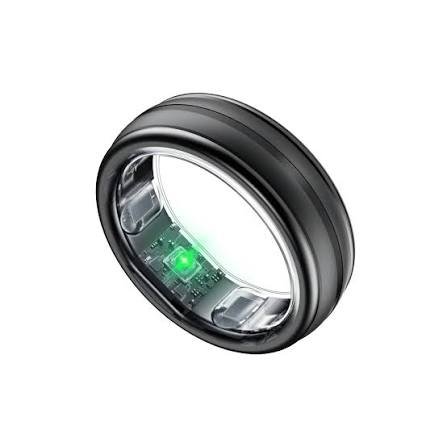
A healthy lifestyle starts with small, consistent habits. Regular exercise, good sleep, and daily movement can make a real difference in overall well-being. However, staying motivated is not always easy. This is where modern wearable technology can help. A fitness ring is a compact device that tracks important health and activity information throughout the day. It can also be a thoughtful option for people searching for practical and meaningful fitness gifts.
Unlike bulky fitness equipment, a fitness ring is lightweight, stylish, and easy to wear. It can help users understand their daily habits without adding another complicated step to their routines. Whether you are shopping for a fitness enthusiast, a busy professional, or someone starting a wellness journey, this small device may be worth considering.
What Is a Fitness Ring?
A fitness ring is a wearable electronic device designed to monitor selected health and activity measurements. It usually fits around a finger and contains small sensors that collect information while the user goes about daily activities.
Depending on the model, a fitness ring may track sleep patterns, heart rate, daily movement, activity levels, and other wellness indicators. Some models also estimate recovery and readiness based on collected data.
The main advantage is its compact design. Users can wear a ring while working, walking, relaxing, or sleeping, depending on the manufacturer’s guidance. This makes it convenient for people who prefer not to wear a smartwatch all day.
However, different rings offer different features. Before purchasing one, it is important to compare its tracking capabilities, compatibility, battery life, comfort, and subscription requirements.
Why Fitness Rings Are Becoming Popular
Wearable technology has become an important part of modern wellness routines. Many people want a simple way to understand their habits and monitor their progress.
Fitness rings appeal to users who prefer a discreet accessory instead of a large screen on their wrist. Their minimalist appearance also makes them suitable for everyday outfits, including casual and professional clothing.
Another reason for their popularity is convenience. A ring can collect useful information in the background, allowing users to review their results later through a compatible smartphone application.
For people who want to improve their routines gradually, this information can provide helpful insights. For example, tracking sleep may encourage someone to maintain a consistent bedtime, while activity measurements may remind them to move more frequently.
Fitness Ring Features Worth Considering
Not every fitness ring offers the same experience. Understanding the available features can help buyers choose a product that matches their needs.
Activity Tracking
Many fitness rings measure daily movement, steps, or activity levels. These measurements can help users understand how active they are throughout the day.
Someone who spends long hours at a desk may use this information to set simple goals, such as taking more walks or standing up regularly.
Sleep Monitoring
Sleep tracking is another feature found in many wearable rings. Depending on the model, the device may estimate sleep duration, sleep stages, and nighttime patterns.
This information can help users recognize habits that may affect their rest. However, wearable sleep measurements are estimates and should not replace professional medical assessment.
Heart Rate Monitoring
Some fitness rings measure heart rate during rest and selected activities. Reviewing these measurements over time may help users understand general patterns in their daily routines.
Sensor performance can vary, especially during intense movement. Buyers should check the manufacturer’s specifications before relying on a ring for particular activities.
Recovery Insights
Certain devices combine sleep, activity, and heart rate information to provide recovery or readiness estimates.
These insights may help users decide when to prioritize rest and when to follow their usual exercise routine. They should be treated as general guidance rather than a definitive measure of physical readiness.
Why a Fitness Ring Makes a Thoughtful Gift
Finding a useful gift can be challenging, especially when the recipient already owns common accessories. A fitness ring offers something different because it combines technology, personal style, and wellness tracking.
It can be a meaningful choice for birthdays, holidays, anniversaries, graduations, or personal milestones. Instead of giving something that may be used only occasionally, you can choose an accessory that fits into everyday life.
A fitness ring may suit someone who enjoys monitoring workouts, someone who wants to improve sleep habits, or someone who appreciates modern gadgets. It can also be a motivating gift for a friend who has recently started walking, running, or following a new fitness routine.
The best gift is one that matches the recipient’s lifestyle. Consider their interests, comfort preferences, and willingness to use a connected device before making a purchase.
How to Choose the Right Fitness Ring
There is more to choosing the right model than just looking at prices and features. A few important details can help you make a better decision.
First, consider the features the recipient will actually use. Someone interested in sleep tracking may prioritize comfort and overnight monitoring. A person focused on exercise may care more about activity measurements and sensor performance.
Second, check smartphone compatibility. Some rings work only with specific operating systems or require a particular application.
Third, compare battery life and charging methods. A longer battery life can make everyday use easier, while a convenient charging system may reduce interruptions.
Finally, review the complete cost. Some products require a paid subscription to access detailed insights. Others provide core features without recurring fees. Understanding these conditions helps prevent unexpected expenses after purchase.
Fitness Rings Compared With Smartwatches
Fitness rings and smartwatches serve similar purposes, but they offer different experiences.
A smartwatch usually includes a screen, notifications, timers, and additional applications. Some models provide detailed workout displays and GPS features, making them useful for people who want information directly on their wrist.
A fitness ring focuses on a smaller, more discreet design. It may be particularly appealing to people who want background wellness tracking without frequent notifications or a screen.
Neither option is automatically better for everyone. A runner who needs live workout statistics may prefer a smartwatch, while someone interested in sleep and everyday activity patterns may appreciate a ring.
When choosing fitness gifts, consider whether the recipient values simplicity, advanced workout features, or a combination of both.
Other Fitness Gifts to Consider
A fitness ring is not the only useful option for someone interested in health and exercise. Combining it with a complementary gift can make the present more personal.
Here are several ideas worth considering:
- Resistance bands: Suitable for home workouts, stretching, and strength exercises.
- Insulated water bottle: Helps make carrying water convenient during work or exercise.
- Yoga mat: A practical choice for stretching, yoga, and bodyweight workouts.
- Fitness journal: Allows users to record workouts, personal goals, and progress.
- Comfortable workout clothing: Useful for walking, gym sessions, and outdoor activities.
- Running accessories: Items such as reflective bands or comfortable running socks can support regular exercise.
The right choice depends on the recipient’s current routine. A beginner may appreciate simple equipment, while an experienced athlete may prefer a specialized accessory.
Who Would Appreciate a Fitness Ring?
A fitness ring can be suitable for several types of people. Busy professionals may like its discreet design, particularly if they do not want a screen on their wrist throughout the day.
Fitness enthusiasts may enjoy reviewing activity and recovery estimates alongside their existing training routines. People interested in wellness may find sleep and movement tracking useful for building consistent habits.
It may also suit frequent travelers who prefer lightweight accessories. However, anyone working with equipment, lifting heavy weights, or participating in contact sports should check whether wearing a ring is safe for that activity.
Because finger size and comfort vary, sizing is especially important. Many brands offer sizing kits or specific fitting instructions. Always follow the manufacturer’s guidance before ordering.
Tips for Getting the Most From a Fitness Ring
Buying a fitness ring is only the first step. Its value depends on how consistently and thoughtfully the user applies the information it provides.
Start by learning the device’s basic features and setting realistic goals. Avoid trying to change every habit at once. Small improvements in walking, sleep schedules, or daily movement are often easier to maintain.
Review trends instead of worrying about every individual measurement. One unusual night of sleep or one inactive day does not necessarily indicate a problem.
It is also helpful to keep the device clean, charge it as recommended, and install software updates when available. Users should review privacy settings to understand what information the application collects and how that information is stored or shared.
Most importantly, remember that a fitness ring supports healthy habits but does not replace exercise, balanced nutrition, adequate rest, or professional medical advice.
Is a Fitness Ring Worth Buying as a Gift?
A fitness ring can be a worthwhile purchase when it matches the recipient’s needs, preferences, and budget. Its compact design, convenient tracking features, and everyday appearance make it different from traditional fitness accessories.
Before buying, compare several models and check their accuracy limitations, subscription costs, battery life, sizing options, and return policies. Reading recent customer reviews can also help identify common concerns.
If the recipient already uses a smartwatch or another fitness tracker, check whether a ring would add useful features rather than duplicate what they already own.
Thoughtful fitness gifts do not need to be expensive. Their value comes from how well they support someone’s interests and daily routine.
Frequently Asked Questions
1. What does a fitness ring track?
Depending on the model, it may track steps, activity levels, heart rate, sleep patterns, and estimated recovery indicators.
2. Is a fitness ring suitable for beginners?
Yes. Beginners may find it helpful for observing everyday activity and setting manageable wellness goals.
3. Can a fitness ring replace a smartwatch?
Not completely. A ring may offer useful wellness tracking, while a smartwatch often provides a screen, notifications, and more detailed workout features.
4. Does every fitness ring require a subscription?
No. Subscription policies vary by manufacturer and model. Check which features are included in the purchase price.
5. Is a fitness ring a good birthday gift?
It can be a thoughtful birthday gift for someone interested in wearable technology, fitness, or personal wellness, provided the device suits their preferences.
6. What should I check before buying a fitness ring?
Review sizing, comfort, compatibility, tracking features, battery life, subscription costs, privacy settings, and return policies.
Conclusion
A fitness ring combines a compact design with convenient wellness and activity tracking. For people who enjoy technology or want to understand their everyday habits, it can be a practical addition to a healthy lifestyle.
When exploring fitness gifts, consider the recipient’s goals rather than choosing a product simply because it is popular. A suitable fitness ring, paired with thoughtful expectations and consistent habits, can be a useful reminder to make time for movement, rest, and personal well-being.


Walk into any family home and the toy box tells a familiar story. Somewhere near the bottom sit the expensive things that lit up, sang and moved by themselves, bought with high hopes and abandoned within a fortnight. Near the top are the plain ones that have survived years.
This isn’t an accident, and it isn’t about quality or price. It’s about how much the toy leaves for the child to do.
The problem with toys that do everything
A toy with one impressive feature has a short life because the child masters it quickly. Press the button, watch the thing happen, understand it, move on. There’s nothing left to discover by the second week.
Open-ended toys work in the opposite direction. A set of blocks is a tower on Monday and a harbour on Thursday. The toy doesn’t decide, so the child has to, and that decision is the part that keeps them coming back.
Among kids dolls, the plain figure with clothes that come off will nearly always outlast the one that talks and cries on command. The electronic version has already chosen the character’s personality. The simple one lets a child invent it, differently, every afternoon.
What children are actually doing
Watch a child narrating a scene and you’ll hear longer sentences than they use in ordinary conversation. Characters give them licence to try out language they wouldn’t otherwise attempt.
There’s emotional processing happening too. A child who has started school, had an injection or fallen out with a friend will replay it through their toys, sometimes for weeks. You’ll hear your own phrases returned to you with occasionally uncomfortable accuracy.
And there’s logic involved. Working out who lives where, what happens next and how a story resolves is genuine sequencing, done entirely voluntarily.
Where a set beats a single item
There’s one useful exception to buying simple. For a child without much to build a scene with, a doll set including furniture and accessories often works better than a lone figure.
It isn’t about quantity. It’s that the setting already exists, so play starts in the first minute rather than stalling while they hunt for something to use as a bed and lose interest.
The test is whether the accessories are flexible. Furniture, outfits and prams get used endlessly. A moulded plastic prop that clips into one specific hand will be at the bottom of the box by half term.
Making it last
Keep the toys reachable. Things stored in high cupboards get played with when an adult remembers them. Things in an open basket get played with on a wet Tuesday without anyone suggesting it.
Don’t tidy too eagerly. An elaborate setup left overnight gets returned to with new ideas. One swept into a box at bedtime starts from zero.
Rotate instead of adding. Put half away for two months and bring it back. Children greet it like something new, and it costs nothing.
Add loose parts. Fabric scraps become blankets, pebbles become food, cardboard tubes become tunnels. Children are far more inventive with ambiguous objects than with purpose-built ones.
The short version
Buy fewer things that do less. Leave room for the child to supply the rest. That’s the whole trick, and it happens to be the cheaper approach as well.


A cassock and surplice are traditional church garments commonly associated with clergy, servers and choir members. The cassock is a long, close-fitting garment worn as the main robe, while the surplice is a looser white vestment worn over it.
Understanding the purpose of a cassock and surplice can help churches, clergy and choir members choose suitable church vestments for worship and formal services. A cassock and surplice combination also provides a recognisable traditional appearance within many Christian denominations.
What Is a Cassock?
A cassock is a long, formal robe traditionally worn by clergy, church servers and others involved in worship. It is commonly used during services, processions and other church activities.
Cassocks are available in different styles and sizes to suit different wearers and church traditions. The Vanpoulles range includes servers’ cassocks designed for church and altar use, offering a practical and formal option for regular wear.
What Is a Surplice?
A surplice is a loose-fitting liturgical garment worn over a cassock. It is commonly worn by clergy, choir members and church servers during services and ceremonial occasions.
Vanpoulles offers traditional and organist surplices in different styles and adult sizes. Features such as the neckline, sleeve design and overall length can vary depending on the intended use.
How Are Cassocks and Surplices Worn?
The traditional arrangement is straightforward: wear the cassock first, then the surplice over it. This creates a layered appearance that combines the structured design of the cassock with the looser form of the surplice.
The exact use can depend on the denomination, service and role of the wearer. Church traditions can vary, so it is sensible to consider local practice when selecting liturgical clothing.
Who Wears a Cassock and Surplice?
A cassock and surplice may be worn by different people involved in church worship. Depending on the tradition, this can include clergy, choir members, altar servers and other church assistants.
The garments can therefore suit a range of formal church settings. Choosing the right style and size is especially important when several members of a choir or serving team need a consistent appearance.
Cassocks for Church Servers
Servers’ cassocks are designed with the practical requirements of church and altar service in mind. They may need to accommodate movement during processions, worship and other duties while retaining a neat appearance.
Vanpoulles includes servers’ cassocks within its vestments and textile products collection. Its range includes garments for both children and adults, so churches can choose suitable options for different members of a serving team.
Choosing the Right Surplice
When choosing a surplice, consider several factors. The garment should suit its intended role and allow enough room for comfortable movement.
Key considerations include:
- The correct size and length
- The style of neckline
- Sleeve design
- The intended church or choir use
- Ease of care and maintenance
- Compatibility with the cassock underneath
Vanpoulles’ traditional surplice features a round neck and is offered in adult sizes. Its organist surplice has split sleeves, providing another option for a specific role.
Caring for Church Robes and Vestments
Proper care can help church garments remain suitable for regular use. Always follow each garment’s cleaning instructions, especially when different fabrics or decorative details are involved.
Storage is also important. Vestments should be kept clean, dry and protected from unnecessary creasing or damage. A suitable clergy travel cover can also make transporting robes and albs more convenient when garments need to be taken between locations.
Finding Suitable Cassock and Surplice Garments
Choosing a cassock and surplice involves more than selecting a traditional style. Churches and individuals should consider the intended role, correct fit, comfort, appearance and the requirements of their particular worship setting.
A suitable range makes it easier to find garments for clergy, servers, and choir members, as well as other liturgical clothing. Vanpoulles provides a comprehensive selection of vestments and textile products, including cassocks, surplices, albs, stoles, copes, chasubles and other church garments.



-

 Celebrity1 year ago
Carolin Bacic: Life, Biography, Family, and Legacy
-

 Celebrity8 months ago
Alex Eala: Rising Tennis Star from the Philippines and Her Journey to Global Success
-

 Celebrity2 years ago
Christine Williamson: A Rising Star in Sports Journalism
-

 Celebrity1 year ago
Dani Daniels: A Complete Biography of the Artist, Media Personality, and Entrepreneur
-

 Celebrity7 months ago
Valerie Perrine: A Complete Biography of the Acclaimed Actress and Icon
-

 Celebrity12 months ago
Eleonora Incardona: Biography, Career, Age, Boyfriend, Net Worth & Lifestyle (2025)
-

 Celebrity2 years ago
Vera Davich: Biography, Life, and Legacy2025
-

 Celebrity12 months ago
Ari Kytsya: Biography, Career, Age, Lifestyle & Rise as a Global Social Media Star