
Fashion
Best Winter Hiking Boots: Complete Buyer’s Guide to Choosing the Perfect Pair

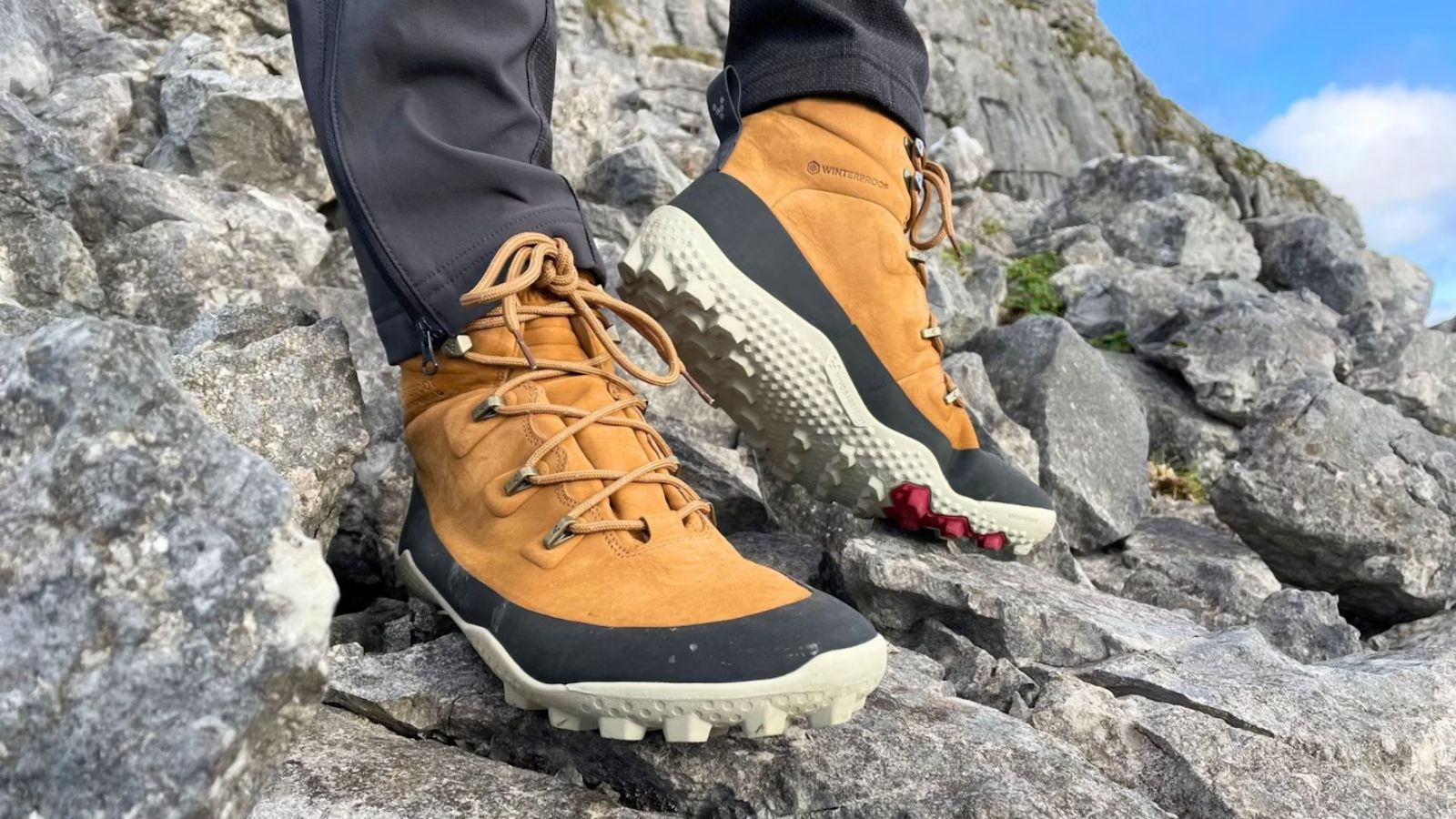
https://doopermagazine.co.uk/Winter hiking demands gear that can handle freezing temperatures, icy terrain, snow-packed trails, and long-distance treks without sacrificing comfort. Among all pieces of gear, winter hiking boots remain the most important—protecting your feet from cold, moisture, slipping hazards, and fatigue. In this in-depth guide, we explore everything you need to know about choosing the best winter hiking boots, including insulation levels, waterproofing technologies, outsole traction, sizing, durability, and the top features used by professional hikers.
This article is structured to help beginners, intermediate hikers, and seasoned adventurers understand what makes a great pair of winter hiking boots—and how to choose a model that is safe, comfortable, and built for harsh conditions.
What Are Winter Hiking Boots?
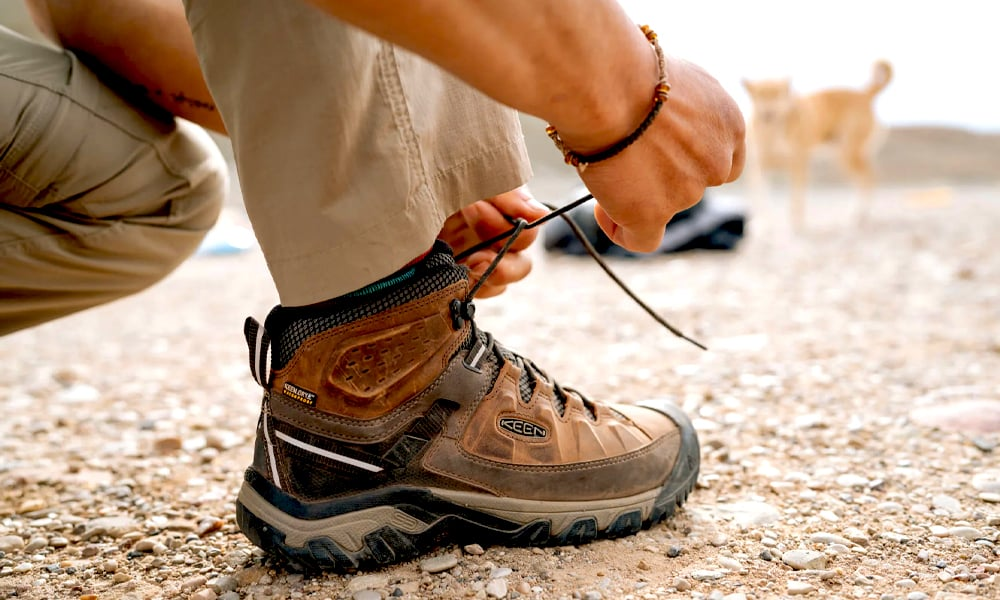
Winter hiking boots are heavy-duty footwear designed for hiking in cold, icy, snowy, or wet conditions. Unlike lightweight trail shoes, these boots feature thicker insulation, waterproof membranes, aggressive tread patterns, and stronger ankle support. A proper pair of winter hiking boots shields your feet from freezing temperatures, prevents moisture penetration, offers dependable traction, and keeps you stable on uneven terrain. Their design includes thicker uppers, enhanced cushioning, and materials engineered specifically to handle winter’s harsh elements.
Why Winter Hiking Boots Matter
Choosing the right winter hiking boots is essential for safety and performance. Cold temperatures rapidly increase the risk of frostbite and hypothermia when your feet are exposed to moisture or insufficient insulation. Boots designed for winter conditions trap heat, wick moisture away, and stay dry inside and out. Additionally, they reduce the risk of slipping on ice through specialized rubber compounds and deep lug patterns. For hikers tackling snow-covered mountains, frozen lakes, or icy trails, investing in high-quality winter hiking boots is not optional—it’s a necessity.
Key Features Every Winter Boot Must Have
Before purchasing any pair, ensure the boot includes the following features:
- Insulation of at least 200g to 600g
- Waterproof membrane like Gore-Tex
- Aggressive outsole traction
- High-ankle support
- Durable toe and heel caps
- Comfortable footbed cushioning
These factors determine how the winter hiking boots will perform in cold, wet, or snowy environments.
Insulation Types Used in Winter Hiking Boots
Insulation is what keeps your feet warm. Winter hiking boots typically use:
1. Thinsulate
Lightweight, breathable, and effective. Found in many modern boots.
2. Shearling or Wool
Natural fibers that offer warmth and moisture-wicking.
3. Synthetic Insulation Layers
Often rated by grams—200g, 400g, 600g—indicating warmth level.
Which insulation is best?
For casual winter hikes: 200g
For icy moderate terrain: 400g
For extreme cold: 600g or more
Waterproofing Technology Explained
Staying dry is just as important as staying warm. High-quality winter hiking boots use waterproof membranes such as:
- Gore-Tex
- eVent
- Omni-Tech
- Proprietary membrane liners
These materials block water from entering while allowing sweat to escape. A fully waterproof boot helps prevent cold-related injuries and keeps your feet comfortable for hours.
Winter Outsoles & Traction Systems
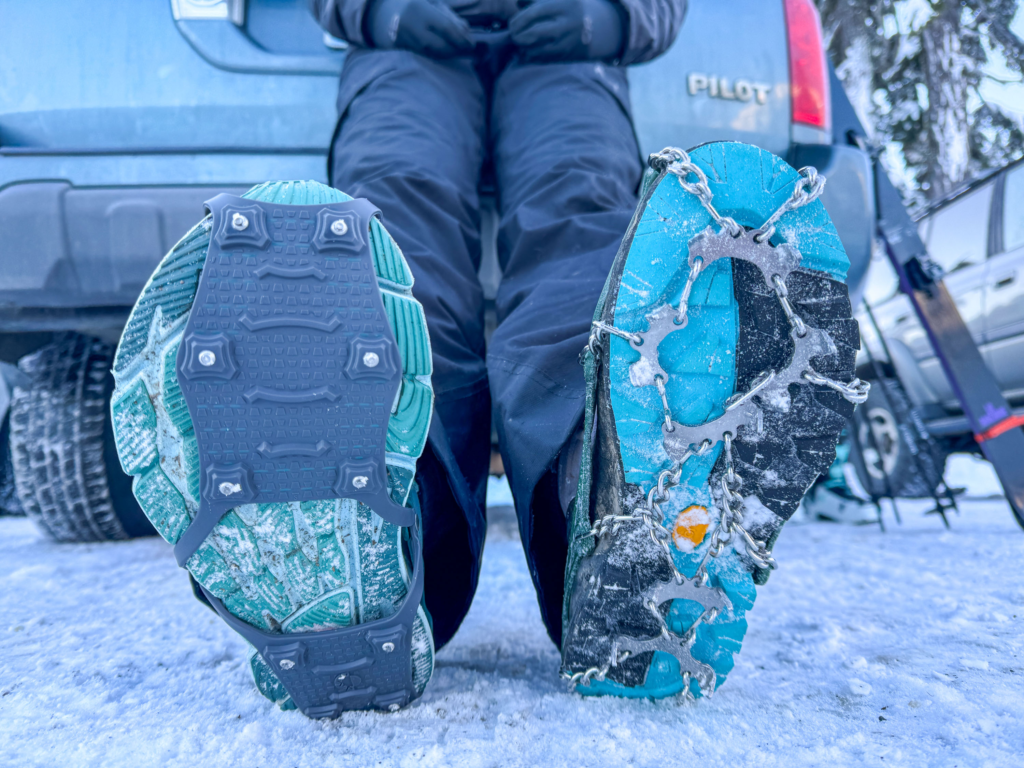
Traction is critical when navigating slippery surfaces. Here are the most common outsole technologies:
Vibram Arctic Grip
Industry-leading, engineered for icy surfaces.
Michelin Ice Control Rubber
Used in premium boots for snow and ice.
Deep Lug Patterns
Provide grip on snow, mud, and mixed terrain.
High-quality outsoles decrease your chances of slipping and increase stability on challenging winter trails.
Winter Hiking Boot Materials
A boot’s durability and comfort depend on its materials. The most common include:
- Full-grain leather — durable and water-resistant
- Nubuck leather — softer, flexible, premium
- Synthetic nylon and mesh — lightweight and quick-drying
- Rubber rands and toe caps — protection from impact
Each material contributes to warmth retention, water resistance, and lifespan.
Weight Categories in Winter Hiking Boots
Winter boots come in three weight classes:
Lightweight (Under 2 lbs)
Best for short hikes and casual winter use.
Midweight (2–3 lbs)
Ideal for moderate snow trails.
Heavyweight (Over 3 lbs)
Designed for deep snow, mountaineering, and extreme cold.
Fit, Sizing & Comfort
Proper fit is essential. Winter hiking boots should allow for thicker socks without squeezing your toes. A snug heel prevents blisters, while roomy toe boxes reduce numbness from cold. Always try boots on with winter socks for accuracy.
Break-In Periods
Even the best winter hiking boots require some wear-in time. Stiffer models—especially leather ones—may take several days to soften. Quick tips:
- Wear indoors for short periods
- Take short walks before long hikes
- Use conditioner for leather models
Best Uses: Light, Moderate & Heavy Winter Hiking
Different boots serve different purposes.
Light Winter Boots
Walking trails, city snow, casual hikes.
Midweight Winter Boots
Mixed terrain, icy slopes, moderate elevation.
Heavy Winter Boots
Deep snow, cold weather trekking, backcountry expeditions.
Winter Hiking Boots vs. Mountaineering Boots
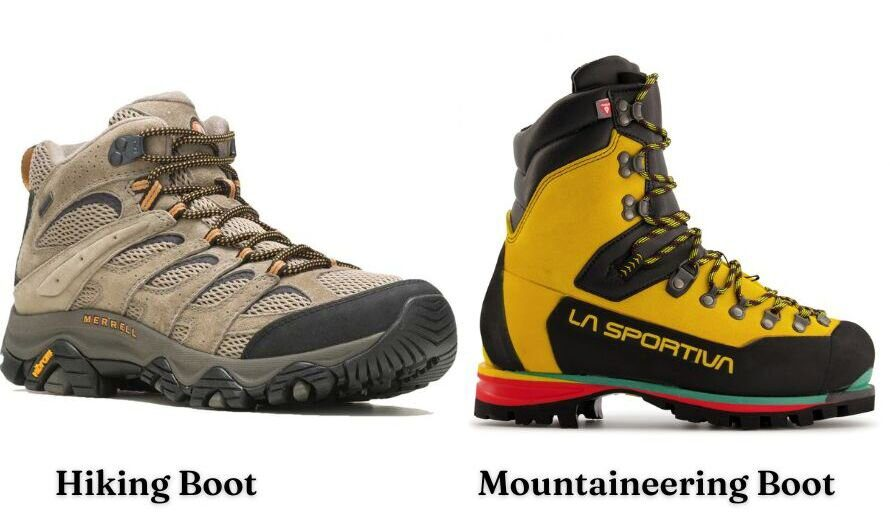
Although they may look similar, they serve different purposes.
- Winter hiking boots are warm, flexible, and comfortable for long-distance walking.
- Mountaineering boots are rigid, crampon-compatible, and built for ice climbing.
For general winter hiking, you do NOT need mountaineering boots.
Toe Warmth & Foot Protection
A reinforced toe box keeps your toes warm and safe from impact. Many boots include rubberized guards, which are essential when hiking rocky trails or icy terrain.
Support, Stability & Midsole Strength
Winter hiking boots use EVA or polyurethane midsoles to provide cushioning, arch support, and shock absorption. Sturdier boots are better for carrying heavy backpacks through snowy inclines.
Winter Sock Compatibility
Choosing the right socks is just as important as choosing the right boots. Wool socks—especially Merino wool—retain heat and keep moisture away. Always test your boots with winter socks for a perfect fit.
How to Choose the Right Winter Boot for Your Climate
Your location and hiking style determine the boots you need.
Cold, dry climates require insulation; wet climates need waterproofing above all. For snowy mountain areas, choose deep lugs and ankle support.
Care & Maintenance Tips
Your winter hiking boots will last longer with proper care:
- Dry after every hike
- Apply waterproofing treatments
- Clean salt and mud buildup
- Store in dry, ventilated places
Common Mistakes When Buying Winter Boots
Avoid these errors:
- Choosing boots that are too tight
- Prioritizing style over function
- Ignoring traction needs
- Forgetting to test with winter socks
- Not checking insulation rating
Budget vs Premium Winter Hiking Boots
Budget boots work for casual hikers but often lack insulation, durability, and advanced waterproof membranes. Premium boots offer long-term reliability and better protection, especially in harsh winter conditions.
Final Buying Checklist
Before buying, ensure your winter hiking boots include:
- Insulation rating suitable for your climate
- Waterproof membrane
- Aggressive outsole traction
- Correct sizing
- Comfort with winter socks
- Durable materials
Conclusion
Choosing the right winter hiking boots is essential for safe and enjoyable winter adventures. With the right insulation, traction, waterproofing, and fit, you can confidently hike across icy, snowy, or frozen terrain without discomfort or risk. Use this comprehensive guide as your reference before buying your next pair, ensuring warmth, stability, and top-tier performance on every trail.
FAQs About Winter Hiking Boots
1. Are winter hiking boots waterproof?
Most high-quality winter hiking boots include waterproof membranes such as Gore-Tex, designed to keep your feet dry in snow and slush.
2. What insulation level do I need?
200g for mild winters, 400g for moderate cold, and 600g+ for extreme freezing temperatures.
3. Are winter boots good for everyday use?
Yes, midweight winter hiking boots can be used daily, especially in snowy or icy environments.
4. How long do winter hiking boots last?
With proper care, a good pair can last 3–7 years even with heavy seasonal use.
5. Can I use regular hiking boots in winter?
Not recommended. Regular boots lack insulation and traction needed for snow and ice.
6. Do I need crampon-compatible boots?
Only if you’re ice climbing or mountaineering—not for general winter hiking.
7. Should winter boots fit tight or loose?
They should fit snugly at the heel but offer space in the toe box for warmth and thick socks.


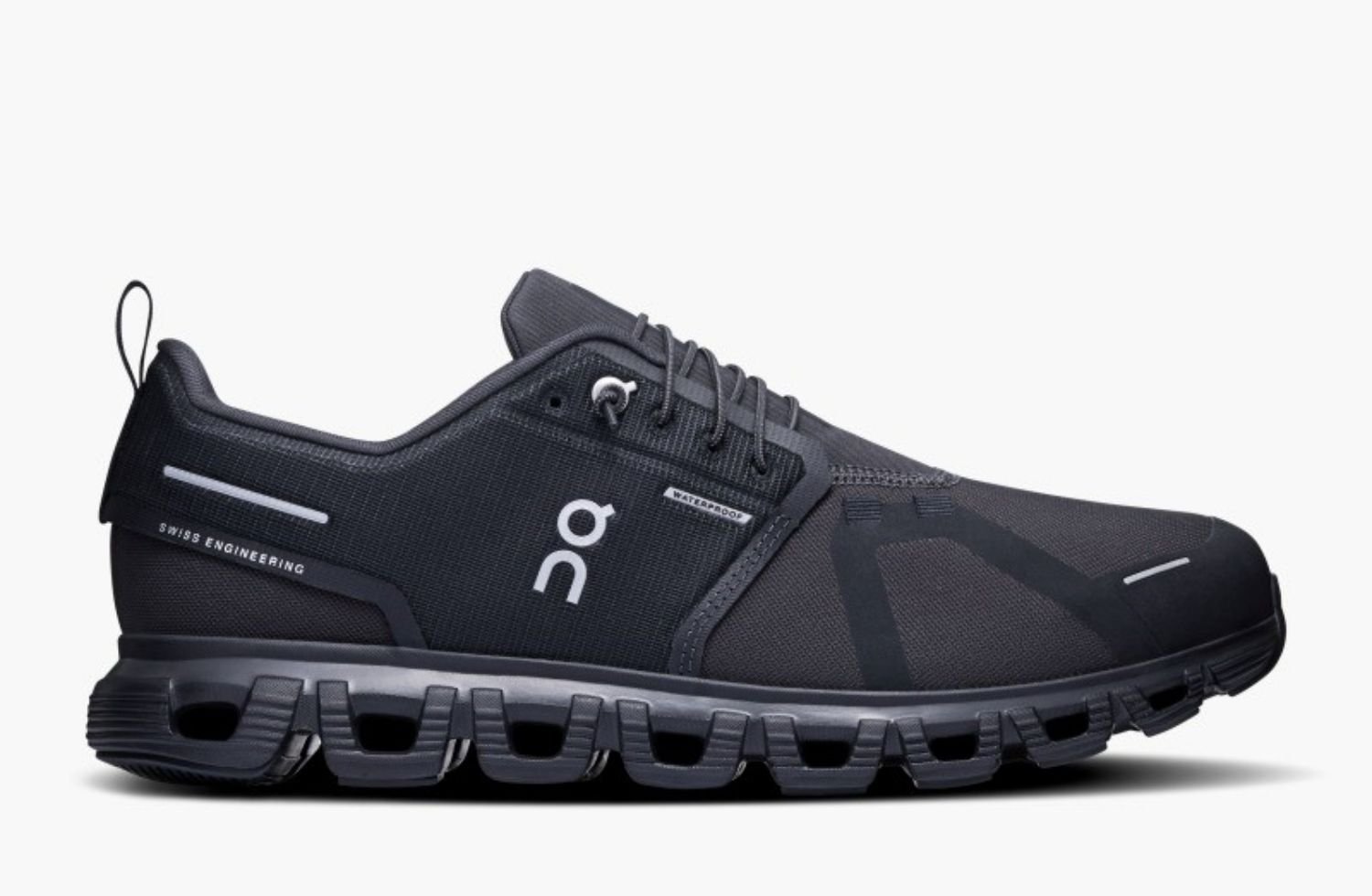
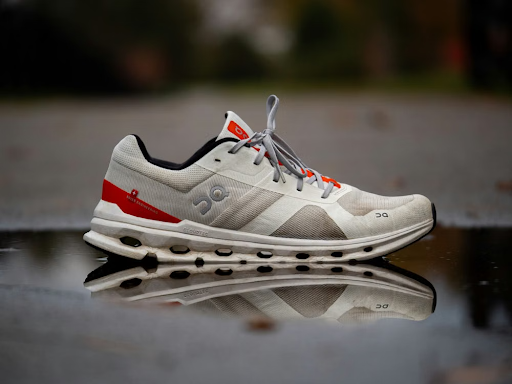
Image source
Search “best running shoes” right now and it won’t take long before On Cloud shoes show up in the results. They’ve gone from a Swiss startup founded by a former pro triathlete to one of the fastest-growing footwear brands in the US, showing up on runners, gym-goers, and everyday commuters alike. But with so many models, price points, and knockoff listings floating around online, a lot of shoppers end up more confused than when they started looking.
This guide skips the hype and walks through what actually matters if you’re thinking about buying a pair of oncloud shoes in the US — the technology, the fit, the price, and where to actually buy them without getting burned.
The Technology Behind the Hype
On’s whole reputation rests on one core idea: cushioning shouldn’t come at the cost of responsiveness. Traditional foam midsoles are soft, but a lot of that softness gets “wasted” as energy that doesn’t translate into your next step. On solved this with CloudTec — a sole made of individual hollow pods instead of one solid slab of foam.
Here’s the practical effect: each pod compresses independently when your foot lands, absorbing shock exactly where the impact happens rather than spreading it evenly across a flat surface. Then, as your foot rolls forward, those same pods lock together into a firmer platform for push-off. You get a soft landing and a snappy takeoff in the same shoe, which is a genuinely different feeling from most cushioned trainers on the market.
Do You Actually Need a “Running” Shoe?
Not necessarily — and this is where a lot of first-time buyers get stuck overthinking the decision. While On built its name on performance running shoes, a huge share of US buyers today are picking up oncloud shoes purely for lifestyle use. The silhouette reads clean and minimal, the colorways lean neutral, and the comfort level makes them an easy everyday choice, whether you’re commuting, traveling, or just running errands.
If your main use case is walking around a city, standing for long shifts, or general daily wear rather than serious mileage, you don’t need to overthink technical specs. Focus more on fit and color than on race-day performance numbers.
Getting the Fit Right
This is probably the single most common mistake buyers make. On Cloud shoes generally run true to size, but the cushioning height and the pod structure can make certain models feel slightly different than a standard sneaker. A few tips that tend to hold up across most US buyers:
- If you have wider feet, check the specific model’s width notes before ordering — some silhouettes run narrower than others.
- For anyone planning to use them for actual running or long walks, sizing up half a size is common practice since feet naturally swell during activity.
- Break-in time is minimal compared to older-style running shoes, but it’s still worth wearing them around the house for a day before committing to a long run or a full day on your feet.
Price vs. Value
On Cloud shoes sit in a premium price bracket compared to mass-market sneaker brands, and that’s usually the first objection people bring up. The honest answer: the price reflects the CloudTec construction, the materials, and the fact that the cushioning tends to hold its shape and responsiveness much longer than cheaper foam alternatives. Buyers who’ve gone through multiple pairs of budget trainers a year often find that a single pair of On Cloud shoes outlasts two or three cheaper pairs, which evens out the cost difference over time.
That said, value only holds up if what you’re buying is actually genuine. This is where a lot of US shoppers run into trouble.
The Counterfeit Problem Nobody Talks About Enough
Because oncloud shoes have exploded in popularity, counterfeit and grey-market listings have exploded right along with them. These fakes often use lookalike branding, slightly altered pod shapes, and cheaper foam that mimics the look but not the performance. Some buyers don’t even realize they’ve been sold a fake until the cushioning collapses within weeks instead of holding up for months.
The safest way around this is buying only through authorized retailers. Razi Stores is an authorized reseller carrying genuine On Cloud shoes with shipping across the US, which means the CloudTec pods, the stitching, and the sizing all match what On actually manufactures — not a cheaper imitation built to look similar in product photos.
Which Model Fits Your Lifestyle
A quick breakdown to make the decision easier:
- New to running or want max comfort: Go with the more cushioned, forgiving builds — they’re easiest on the joints for daily mileage.
- Faster training or shorter distances: Look for the firmer, more responsive builds built around quicker push-off.
- Everyday and travel wear: Stick to neutral colorways in the classic silhouette — they pair with almost anything and show wear less than brighter colors.
- Unpredictable weather: Choose a model with a water-resistant upper so you’re not swapping shoes every time the forecast changes.
Final Thoughts
On Cloud shoes didn’t get popular by accident — the cushioning technology genuinely performs differently than standard foam, the everyday styling gives them versatility beyond the running community, and the build quality holds up over time when you’re buying the real thing. For US shoppers, the smartest approach is simple: know your use case, get the fit right, and buy from an authorized source like Razi Stores so you’re not gambling on a counterfeit pair.
Do that, and there’s a good chance your next pair of running shoes ends up being the last brand you switch away from for a while.

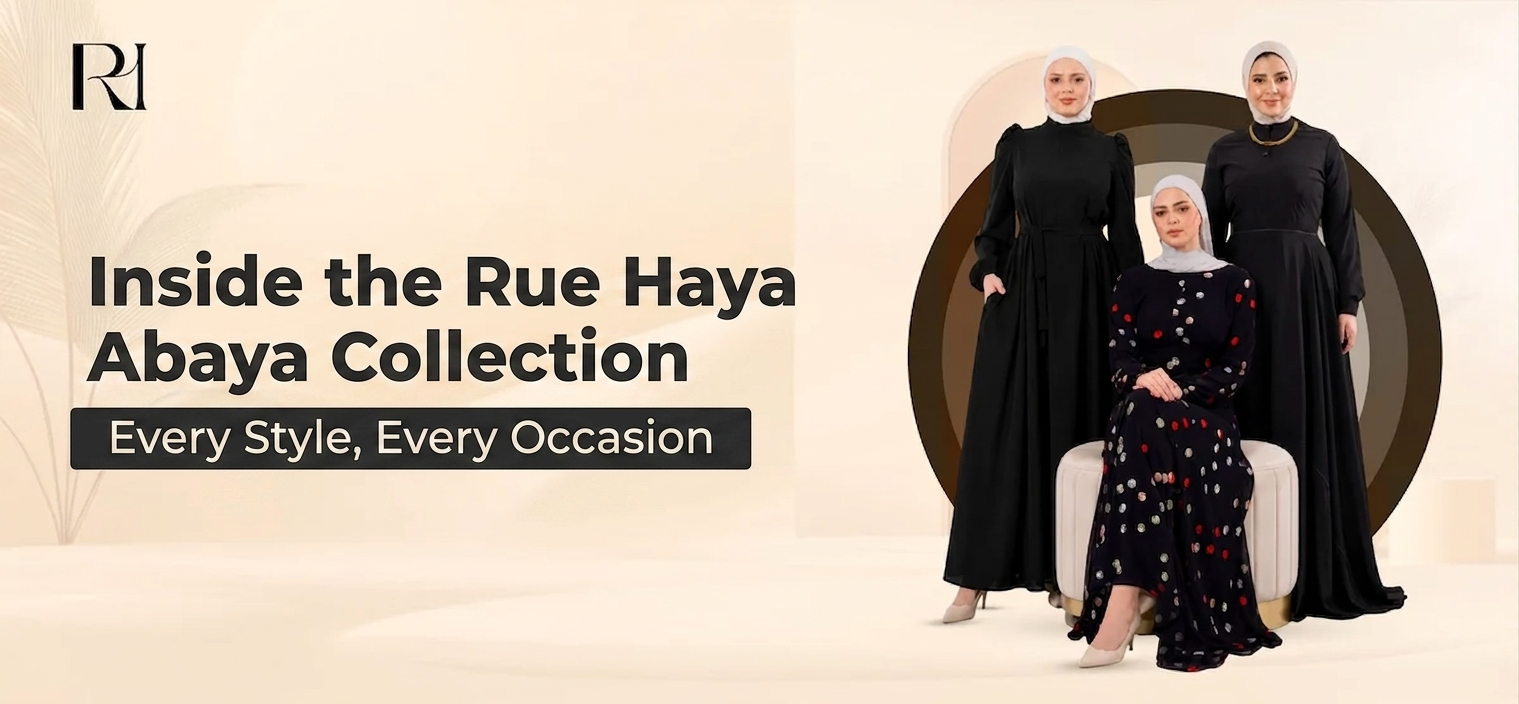
If you’ve been searching for an abaya that actually fits your life — not just your measurements — the Rue Haya abaya collection is worth a close look. Designed for women who want sophistication without compromise, every piece in the collection is built around a simple premise: modesty and elegance aren’t opposites. They’re the same thing, done right.
Here’s a complete look at the styles available, the details that set each one apart, and how to choose the right abaya for what you actually need.
Open Abayas: Effortless Layering, Maximum Versatility
The open abayas at Rue Haya are the collection’s most versatile category — and for many women, the most-reached-for. Worn like a long coat or duster over your outfit, abayas open at the front give you full coverage while keeping whatever you’re wearing underneath visible and part of the look.
The Suhaila Satin Open Abaya collection is where this style shines brightest. Available in Champagne Gold, Soft Pistachio, Rose Gold, and Soft Ivory, these flowy abaya styles drape beautifully in a silky satin that moves with every step. The Champagne Gold and Rose Gold options are particularly striking for special occasions, while the Soft Ivory and Pistachio work effortlessly for both everyday wear and daytime events.
For a more structured take on abayas open, the Naima Contrast Trim Structured Knit Abaya in Black pairs a relaxed open silhouette with a clean white contrast trim — graphic, modern, and completely wearable across seasons.
The Rimal Soft Crepe Open Abaya in Soft Peach Floral and Soft Blush Floral bring something softer to the open abaya category — printed crepe in delicate colorways that work beautifully for garden events, Eid gatherings, or spring outings.
Closed Abayas: Clean Lines, No-Fuss Elegance
For women who prefer a seamless silhouette, the closed abaya delivers exactly that. No front opening, no layering required — just a clean, unbroken line from shoulder to hem that looks polished with almost no effort.
The Layal Noir Soft Crepe Abaya is the standout in this category. A quietly refined closed abaya in soft crepe, available in Black, Off White, Navy, and Beige. The Black and off white abaya versions are particularly striking: the Black features a crisp white contrast trim that creates a sharp, editorial look, while the white abaya dress version reverses that contrast with black trim on an ivory base.
This is the style to reach for when you want your abaya to do the work — when you want to walk in looking completely put-together with minimal effort. Pair the black with heeled mules; the off white with gold jewelry and a soft chiffon hijab.
Two-Piece Abayas: Style That Works Harder
The two piece abaya is one of the most exciting developments in modest fashion — and the Rue Haya abaya collection has invested deeply in this category.
The Samira Embroidered Crepe Abaya Set is the flagship two-piece in the collection, currently on sale. Available in Black, Navy, Olive Green, and Spiced Red, each set features delicate embroidery detail that elevates a classic silhouette into something genuinely special. Worn together, they read as one seamless look; separately, each piece can be styled with other items in your wardrobe.
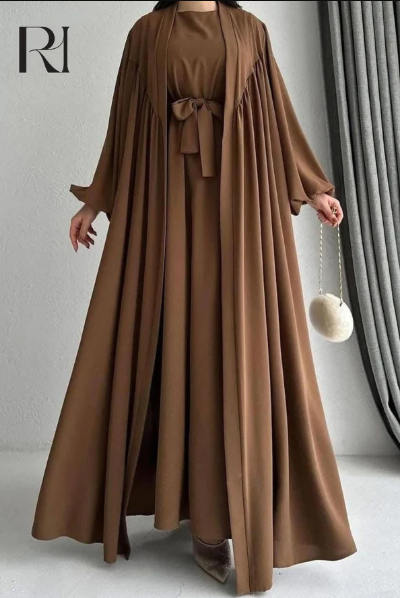
For a more relaxed two-piece aesthetic, the Hind Lightweight Silk Two-Piece Abaya Set is the go-to. Available in Mocha Brown, Black, Denim Blue & Nude, Emerald & Nude, and Burgundy & Nude — each set features a belted waist that adds structure without stiffness. The chocolate brown abaya version in Mocha Brown is a particularly strong seller, offering a rich warm tone that works across seasons and skin tones.
The Majda Sheer Organza Abaya Set takes two-piece styling into more formal territory — a sheer organza outer layer over a matching inner piece, available in Gold & Black, Lavender & Black, Navy & Black, and Beige & Black. These are the sets for weddings, formal occasions, and events where you want to arrive and be remembered.
Special Styles Worth Knowing
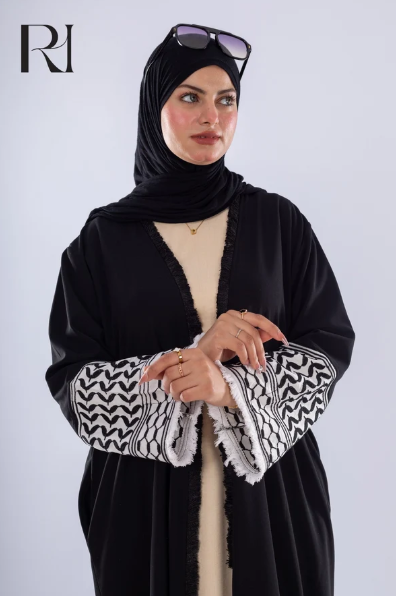
The Keffiyeh Abaya
One of the most meaningful pieces in the collection is the keffiyeh abaya — an abaya that incorporates keffiyeh-inspired embroidery or pattern detailing as a quiet but powerful nod to Palestinian heritage. For the Rue Haya brand, founded by a Palestinian-American-Canadian family, this piece carries particular significance. It’s a wearable expression of identity, and it’s designed to be worn with pride.
The Chocolate Brown Abaya
Rich, warm, and endlessly wearable — the chocolate brown abaya has become one of the most requested tones in modest fashion. The Hind Lightweight Silk Two-Piece Abaya Set in Mocha Brown and the Suhaila Draped Satin Open Abaya in Cocoa Brown both deliver this colorway beautifully. Neither is a flat brown — both carry a warmth and depth that photograph well and work across a wide range of hijab colors.
The Black Abaya Dress
The black abaya dress needs no introduction — it’s the wardrobe constant that every collection is measured against. In the Rue Haya abaya collection, the Samira Embroidered Crepe Abaya Set in Black, the Layal Noir Soft Crepe Abaya in Black, and the Aya Royalty Crepe Abaya Set in Black each offer something different: embroidered detail, clean minimalism, and structural elegance respectively.
Prayer Abayas
For women who use their abaya as a prayer abaya — wearing it both as an outer garment and for salah — look for styles in softer, more flexible fabrics with relaxed cuts that allow full freedom of movement through every position of prayer. The Suhaila Satin Open Abaya styles and the Layal Noir Closed Abaya in crepe are both well-suited for this purpose, with fabrics that move naturally and cuts generous enough for complete modesty during prayer. For dedicated prayer garments, the Rue Haya prayer wear collection offers purpose-built options.
How to Choose Your Rue Haya Abaya
The right Rue Haya abaya comes down to how you live and what you need it for.
For daily ease and layering flexibility → open abayas in satin or crepe. For clean, effortless elegance with no layering → closed abaya in soft crepe. For styling range and fashion versatility → two piece abaya sets in silk or embroidered crepe. For formal and special occasions → the Majda Organza or Sabeel Embroidered Chiffon sets. For warm tones that work year-round → the chocolate brown abaya in silk or satin. For a white abaya dress or off white abaya with contrast trim → the Layal Noir in Off White.
Browse the complete Rue Haya abaya collection — 66 pieces across open, closed, and two-piece styles, designed for women who refuse to choose between their values and their wardrobe.

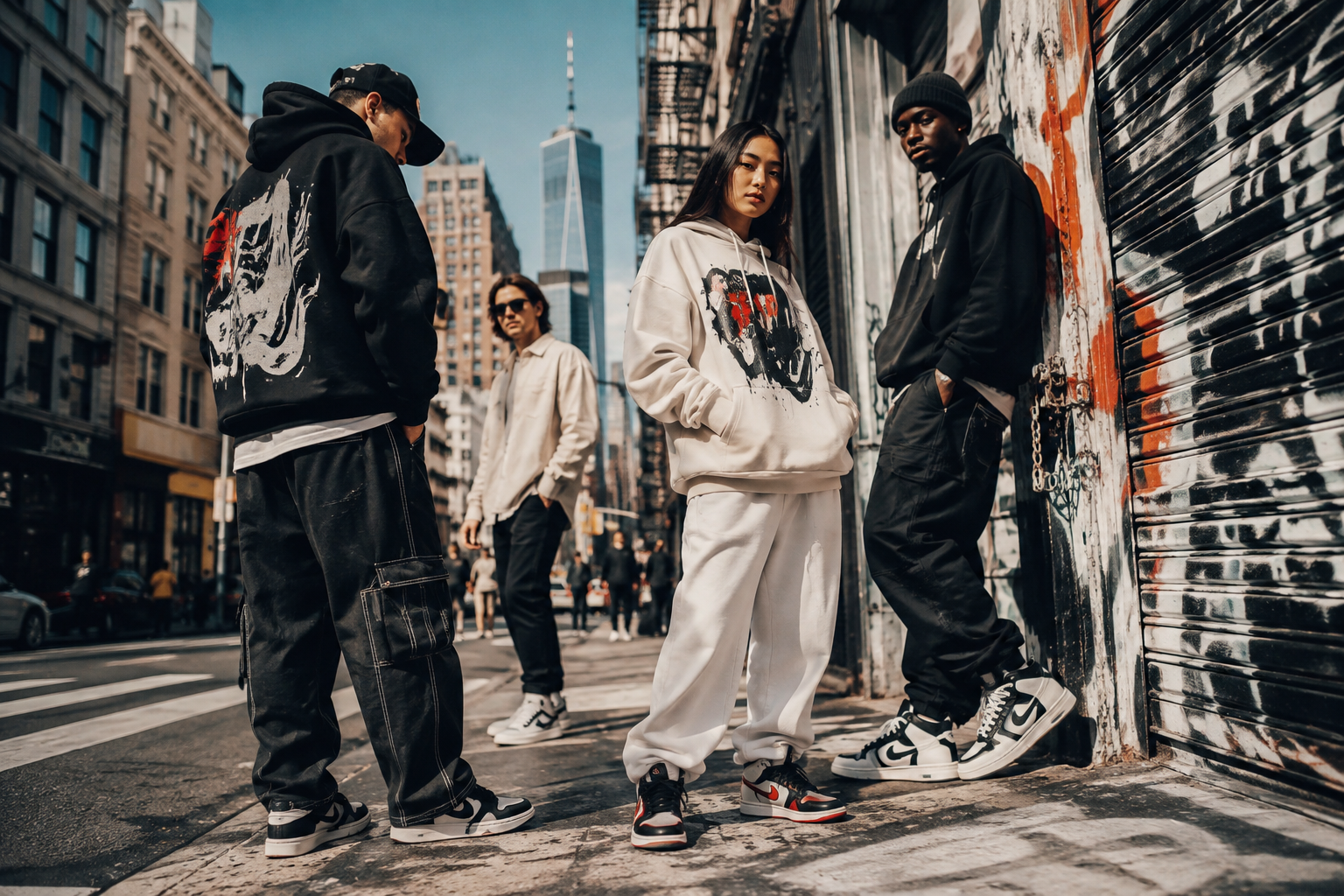
Street fashion has become one of the most influential parts of modern style. It brings together comfort, creativity, culture, and individuality, allowing people to express themselves through what they wear every day. Unlike traditional fashion trends that often begin on runways, street style is shaped by real people, city life, music, art, and youth culture.
One brand that reflects this creative side of modern fashion is Foxylab New York, a New York-based clothing brand that combines streetwear with modern art. Its approach to fashion focuses on expressive designs, limited artwear drops, and pieces that can become part of an individual’s everyday style. The brand also connects fashion with contemporary culture through its digital magazine, making it a natural part of the wider street-fashion conversation.
What Is Street Fashion?
Street style fashion refers to clothing styles that develop through everyday urban culture rather than following traditional fashion rules. It can include oversized hoodies, graphic tees, cargo pants, sneakers, denim, jackets, and statement accessories. However, street fashion is not limited to a particular set of clothing.
The most important part of street style is personal expression. Someone may combine relaxed pants with a fitted top, while another person may choose an oversized hoodie with sneakers and a statement jacket. These different combinations show how streetwear can be adapted to individual personalities.
Social media has also played an important role in making street fashion more visible. People can now share outfits from different cities and discover new styling ideas within seconds. As a result, trends can spread quickly from local neighborhoods to international fashion communities.
Why FOXYLAB NY Stands Out as a Street Style Brand
FOXYLAB NY stands out in street fashion because it brings together contemporary art, urban style, and everyday clothing. Rather than focusing only on basic streetwear, the brand connects its collections with creative concepts and collaborations with artists. Its current collections include pieces from projects such as AWAKEN, created with Edward Acosta, and ROMANTICISM, showing how art can become part of wearable fashion.
The brand offers a wide range of pieces for creating modern street-style outfits, including designer hoodies, oversized T-shirts, graphic tees, polo shirts, fleece pullovers, cargo pants, fleece pants, and selected dresses. Its hoodie collection includes fleece styles in colors such as black, white, and ecru, while its pants collection includes cargo and fleece options that can easily be paired with oversized tops for a relaxed urban look.
One of the strongest parts of FOXYLAB NY is its focus on statement-making basics. An oversized black tee or graphic T-shirt can become the foundation of an outfit, while cargo pants or fleece trousers add the relaxed silhouette associated with streetwear. Polo shirts provide another option for people who want a cleaner look without moving completely away from casual fashion. This variety makes it possible to build different outfits from the same collection, whether someone prefers minimal street style or a more expressive look.
FOXYLAB NY also reflects the changing relationship between fashion and art. Its collections use visual concepts and artistic collaborations to give everyday garments a stronger identity. This makes the brand appealing to people who see streetwear as more than comfortable clothing and want their outfits to communicate creativity and individuality. With its combination of hoodies, tees, cargo pants, fleece pieces, polos, and art-focused collections, FOXYLAB NY offers a distinctive approach to modern New York-inspired street style.
The Influence of New York on Street Style
New York has long been connected with street culture and fashion. The city’s diverse neighborhoods have influenced the way people dress, creating a mixture of styles inspired by music, art, skate culture, sports, and nightlife.
Street fashion in New York is often practical but expressive. People need clothing that works for busy city life, but they also use outfits to communicate their personality. This has helped create a fashion environment where casual pieces can look stylish without feeling overly formal.
The influence of New York street culture can be seen in everything from graphic clothing and sneakers to layered outfits and relaxed silhouettes. Designers and independent brands continue to reinterpret these ideas for modern audiences.
Why Comfort Matters in Street Fashion
Comfort is one of the main reasons streetwear has become so popular. Modern consumers often want clothing that can move between different parts of their day. A relaxed outfit can work for running errands, meeting friends, attending creative events, or exploring a city
Loose silhouettes, soft fabrics, sneakers, and practical layers make streetwear easy to wear. At the same time, thoughtful styling prevents comfortable clothing from looking careless.
The key is balance. Pairing an oversized item with a more structured piece can create a polished appearance. Similarly, neutral clothing can be combined with one statement piece to make the outfit more interesting.
How to Create Your Own Street Style
The best streetwear looks do not necessarily follow every current trend. Instead, they combine fashionable pieces with items that reflect the wearer’s personality.
Start with a simple foundation, such as a T-shirt, hoodie, jeans, or relaxed trousers. Then add one distinctive element, such as a printed jacket, statement sneakers, or an artistic graphic. Layering can also make a basic outfit more interesting.
Color is another easy way to experiment. Neutral shades create a clean and versatile look, while brighter colors can become the focus of an outfit. Accessories can then provide the finishing touch.
Most importantly, street fashion should feel natural. The goal is not to copy someone else’s outfit exactly but to use existing trends as inspiration and make them your own.
Final Words: The Future of Street Fashion
Street fashion continues to evolve because it is closely connected to everyday culture. New influences from music, art, technology, social media, and different cities constantly introduce fresh ideas.
The growth of independent fashion brands has also given consumers more opportunities to find clothing that feels distinctive. Instead of relying only on large fashion houses, people can discover smaller labels that focus on specific communities, creative concepts, and limited collections.
As fashion becomes more individualistic, streetwear is likely to remain an important part of the industry. Its greatest strength is its flexibility: it can be casual, artistic, bold, minimal, or completely personal.
Street fashion ultimately represents more than clothing. It is a reflection of the people and cultures that create it. From the streets of New York to cities around the world, modern streetwear continues to prove that everyday clothing can be a powerful form of self-expression.



-

 Celebrity1 year ago
Carolin Bacic: Life, Biography, Family, and Legacy
-

 Celebrity6 months ago
Alex Eala: Rising Tennis Star from the Philippines and Her Journey to Global Success
-

 Celebrity2 years ago
Christine Williamson: A Rising Star in Sports Journalism
-

 Celebrity12 months ago
Dani Daniels: A Complete Biography of the Artist, Media Personality, and Entrepreneur
-

 Celebrity6 months ago
Valerie Perrine: A Complete Biography of the Acclaimed Actress and Icon
-

 Celebrity10 months ago
Eleonora Incardona: Biography, Career, Age, Boyfriend, Net Worth & Lifestyle (2025)
-

 Celebrity2 years ago
Vera Davich: Biography, Life, and Legacy2025
-

 Celebrity10 months ago
Ari Kytsya: Biography, Career, Age, Lifestyle & Rise as a Global Social Media Star