
Life Style
How to Start the Senior Living Conversation With a Parent Who Isn’t Ready to Have It


Few conversations feel as daunting as discussing senior care options with an aging parent who’s not ready to hear it. The resistance you’ll likely encounter isn’t just stubbornness, it’s rooted in deep fears about losing independence, saying goodbye to a cherished home, or confronting physical and cognitive changes head-on. Many adult children find themselves putting off this talk, hoping the situation will somehow improve or that their parent will bring it up first. Unfortunately, waiting until a crisis hits can dramatically narrow your options and ratchet up stress for everyone.
Recognizing the Right Timing and Warning Signs
Knowing when to start this conversation means separating your own worries from actual safety issues that demand attention. Red flags worth noting include repeated falls, trouble managing medications properly, noticeable weight loss from skipped meals, pulling away from friends and activities, letting personal hygiene slide, or close calls while driving. Rather than going on gut feelings alone, you’ll want to keep track of specific incidents, concrete examples carry far more weight than vague concerns when you’re trying to help your parent see the bigger picture. The timing of this conversation matters more than you might think.
Framing the Conversation Around Independence and Quality of Life
The key is reframing this entire discussion from loss to opportunity. Instead of focusing on what your parent would be giving up, shine a light on what they stand to gain through thoughtful planning. Assisted living or community care doesn’t have to mean surrendering independence, it can actually preserve it by handling the harder daily tasks while freeing up energy for the things your parent truly enjoys. Try saying something like, “I want you to keep your independence as long as possible, and getting some help with the tough stuff now might be exactly what makes that happen.
Involving Your Parent in Research and Decision-Making
Your role here is to be a helpful guide, not the person calling all the shots, your parent needs to feel they’ve got real say in what happens next. Suggest touring communities together as a fact-finding mission with zero pressure to commit, positioning these visits as learning opportunities rather than decision points. You might frame it as, “Let’s just go check out a few places and see what’s out there, no commitments, just gathering information. ” Propose attending community events, sharing a meal at different facilities, or chatting with current residents who can offer the kind of firsthand perspectives that mean more than anything you could describe. When you’re researching options for senior living in Winston Salem, let your parent weigh in on what matters to them, whether that’s staying close to familiar neighborhoods, having certain amenities available, preferring a smaller or larger community, or other personal preferences that’ll make a real difference in their daily life. Get them involved in creating the actual checklist you’ll use to evaluate places, which shifts them from being the subject of decisions to being an active participant in shaping their own future. Think about bringing siblings or other trusted family members into the conversation too, spreading the emotional weight around and showing this isn’t just one concerned child pushing an agenda. You could also encourage your parent to talk with friends who’ve already made similar moves, since hearing positive stories from people their own age often resonates in ways that reassurances from adult children simply can’t match. By honoring your parent’s need to maintain control and genuinely including them at every turn, you’ll chip away at resistance and boost the chances of reaching a solution everyone feels good about.
Addressing Emotional Resistance With Empathy and Patience
Here’s what you need to understand: your parent’s pushback probably isn’t about being difficult, it’s about confronting real losses that feel overwhelming. That house they don’t want to leave might hold decades of precious memories, represent who they are as a capable person, or serve as their last tangible connection to a spouse who’s passed away. Acknowledge these feelings head-on with statements like, “I get that this house means the world to you” or “I know thinking about leaving the place where you built your life is incredibly hard. ” Don’t brush off their concerns as unreasonable or act like the grief involved in major life changes isn’t legitimate.
Exploring Intermediate Options and Gradual Transitions
This doesn’t have to be an either-or situation where your parent chooses between staying home exactly as things are or making a complete move to a care community tomorrow. Middle-ground solutions like bringing in occasional in-home help, making strategic modifications to the house for better safety, setting up meal delivery services, or trying out adult day programs can tackle immediate concerns while giving your parent breathing room to adjust to accepting assistance. You might position these as temporary experiments that let your parent stay put while improving their daily life and safety. Slowly increasing the level of support helps your parent get comfortable with receiving help and might naturally lead them to realize that a community setting could actually make things easier.
Conclusion
Opening up the senior living conversation with a reluctant parent means walking a careful line between addressing genuine safety issues and honoring their autonomy and emotional needs. You’ll need to bring patience, empathy, and smart communication strategies that center on what matters to your parent, not just what keeps you up at night. By watching for the right timing, connecting the conversation to independence and quality of life, making your parent a real partner in exploring options, responding to emotional resistance with compassion, and considering gradual transitions, you create real opportunities for productive dialogue. This conversation isn’t something you’ll check off your list in one sitting, it’s an ongoing process where building trust through respectful communication serves everyone’s interests.


Bangkok is one of those cities that stays with you long after your trip ends. It is loud, energetic, colorful, and constantly moving. The street food is unforgettable, the nightlife seems endless, and every neighborhood has its own personality. Yet for many visitors, the most memorable part of Bangkok is not something they see. It is something they feel.
Beyond the markets, shopping malls, and famous landmarks, Bangkok has built a reputation for helping people slow down and recharge. Many travelers arrive feeling exhausted from work, long flights, packed schedules, and the general stress of everyday life. By the time they reach the city, they are looking for more than entertainment. They are looking for a chance to relax. That is where Bangkok’s wellness culture stands out.
When people search for erotic massage Bangkok, they often have very different expectations. Some imagine luxury. Others expect something purely based on curiosity. However, many visitors quickly discover that what makes these experiences memorable is not what they expected at all. Instead, it is the atmosphere, the hospitality, the privacy, and the feeling of being able to disconnect from the outside world for a little while.
At its core, the experience is about comfort. It is about creating a space where people can stop thinking about deadlines, responsibilities, and busy schedules and simply focus on feeling better.
Bangkok Understands How Modern Life Affects People
One reason Bangkok’s wellness culture has become so popular is that it understands the reality of modern life. Most people spend their days multitasking. They are answering messages, attending meetings, solving problems, and constantly moving from one responsibility to the next.
By the time vacation arrives, many travelers are already exhausted.
Bangkok itself can be intense. Visitors spend hours walking through markets, exploring attractions, trying new foods, and navigating busy streets. The city is exciting, but it can also be physically and mentally demanding. After a few days, many people realize just how much energy they have been using.
This is where the city’s wellness culture fits perfectly. It offers balance. It gives travelers an opportunity to step away from the noise and activity and focus on recovery. Instead of adding more stimulation, it provides calm. That contrast is one of the biggest reasons visitors appreciate the experience so much.
Atmosphere Is a Huge Part of the Experience
One thing Bangkok does exceptionally well is creating atmosphere.
The best wellness environments understand that relaxation does not start when a treatment begins. It starts the moment someone walks through the door. Everything is designed to help visitors feel comfortable.
The lighting is soft instead of harsh. The surroundings feel peaceful instead of busy. The music is gentle and unobtrusive. Even the scents in the air are chosen to create a calming environment.
These details might seem small, but together they have a powerful effect. People often arrive feeling stressed or distracted. Within a few minutes, they find themselves breathing more slowly and feeling noticeably calmer.
That transition is one of the reasons these experiences leave such a strong impression. They create a sense of escape that many people struggle to find in their daily lives.
Hospitality Makes a Lasting Difference
Thailand is famous for its hospitality, and Bangkok’s wellness culture reflects that perfectly.
Visitors frequently mention how welcomed they feel throughout their stay. This goes beyond simple customer service. There is a genuine focus on making guests feel comfortable.
Staff members are often attentive without being intrusive. They understand that every visitor is different. Some people enjoy conversation, while others prefer complete silence. Some arrive excited, while others simply want a peaceful break from a long day.
This ability to adapt to individual needs helps create a more personal experience. Guests feel respected rather than rushed, and that feeling stays with them long after they leave.
In many ways, hospitality becomes just as important as the experience itself.
Privacy Creates Comfort
Privacy is another reason many travelers appreciate Bangkok’s wellness culture.
For first-time visitors, trying something new can feel intimidating. People naturally worry about feeling uncomfortable or out of place. The best wellness environments understand this and make privacy a priority.
Guests are given space to relax without feeling watched or judged. The focus is on creating a comfortable environment where people can fully switch off from the outside world.
When privacy is handled properly, people feel more at ease. They stop worrying about how they look or what others think. Instead, they can focus entirely on their own well-being.
That sense of comfort is one of the biggest reasons many visitors leave feeling refreshed and relaxed.
The City Has a Strong Wellness Foundation
Bangkok’s reputation did not appear overnight.
Thailand has a long history of wellness traditions that continue to influence the industry today. Massage and bodywork have been part of Thai culture for generations. These traditions emphasize relaxation, balance, and helping people feel their best.
Because of this foundation, visitors often notice a high level of professionalism and skill. There is a strong understanding of how to create comfort and help people unwind.
This blend of tradition and modern hospitality is one of the things that separates Bangkok from many other destinations.
Wellness Fits Naturally Into Travel
Another reason these experiences feel unique is how naturally they fit into a trip.
Travel can be exciting, but it is also tiring. Long flights, unfamiliar environments, busy itineraries, and constant activity can take a toll on both the body and mind.
Bangkok’s wellness culture gives travelers an easy way to slow down without completely stepping away from their vacation. It becomes part of the rhythm of the trip itself.
People can spend the day exploring the city and then take time to recharge before continuing their adventures. This balance between activity and recovery helps make the overall travel experience more enjoyable.
Instead of returning home feeling exhausted, visitors often leave feeling refreshed.
The Contrast Makes It Memorable
One of the biggest reasons people remember these experiences is the contrast.
Bangkok is a city full of movement. Cars fill the streets. Markets buzz with activity. Music, conversations, and traffic create a constant soundtrack.
Then suddenly, everything becomes quiet.
That shift can feel powerful. The calm feels deeper because it comes after so much activity. The silence feels more noticeable because it follows so much noise.
This contrast creates an experience that stays with people. It transforms a simple moment of relaxation into something much more memorable.
It Is About Feeling Human Again
Perhaps the most important thing to understand is that wellness is not really about luxury. It is about feeling human.
Many people spend so much time taking care of work, responsibilities, and other people that they forget to take care of themselves. They become used to stress. They accept exhaustion as normal. Bangkok’s wellness culture reminds visitors that rest is important too.
Sometimes the most valuable thing a person can do is pause, breathe, and give themselves permission to slow down. In a world that constantly demands attention, that opportunity can feel surprisingly powerful.
Final Thoughts
What makes erotic massage Bangkok a unique wellness experience is not simply the setting or the reputation. It is the combination of atmosphere, hospitality, privacy, comfort, and care that creates something visitors genuinely remember.
Bangkok understands that people need balance. They need excitement, but they also need recovery. They need adventure, but they also need moments of peace. The city provides both.
That is why so many travelers return. They are not just chasing another vacation. They are returning to a place that helps them feel relaxed, refreshed, and completely present in the moment.
Name: 8 Fantasy
Address: 22 Sukhumvit 8, Khlong Toei, Bangkok 10110, Thailand
Phone: +66 82 836 1625
Website: https://immersemassage.com/

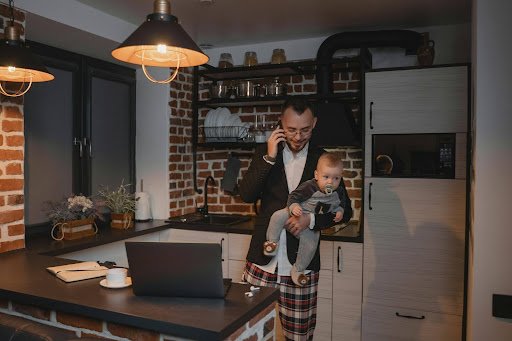
Becoming a parent is often described through extremes. There are the sleepless newborn days filled with constant care, and then the later stages where routines feel more predictable and independence begins to return. Yet between these two phases lies a quieter, less discussed experience—the in-between stage where life no longer feels entirely new, but hasn’t yet settled into something fully familiar.
This transitional period can feel disorienting. Parents are no longer adjusting to the initial shock, but they are still navigating identity shifts, emotional changes, and evolving responsibilities. It is a time marked by reflection, subtle growth, and an ongoing process of redefining what daily life looks like.
Adjusting to a New Sense of Normal
In the months following the early newborn phase, many parents expect life to “go back to normal.” What they often discover instead is that the old version of normal no longer exists. Routines may become more stable, but the rhythm of life has permanently shifted.
This realization can bring both relief and uncertainty. On one hand, there is more predictability—sleep schedules may improve, feeding becomes more routine, and parents gain confidence in caregiving. On the other hand, there is an awareness that things will not return to how they once were.
This stage invites parents to create a new definition of normal that accommodates their current reality. It may involve restructuring work schedules, adjusting social commitments, or rethinking personal priorities. While change can feel uncomfortable, it also creates space for meaningful growth and intentional living.
Navigating Identity Changes
One of the most profound aspects of this in-between phase is the shift in identity. Parenthood does not replace a person’s previous identity, but it does add a significant new dimension that takes time to integrate.
Many parents find themselves asking questions about who they are now. Interests, goals, and even daily habits may evolve as responsibilities change. This process is not always immediate or clear-cut; instead, it unfolds gradually, often through small moments of reflection.
There can also be a tension between holding onto individuality and embracing the role of caregiver. Finding balance requires patience and self-compassion. It involves recognizing that identity is not static but continuously shaped by experience.
In this phase, parents often begin to reconnect with personal interests, whether that means returning to work, rediscovering hobbies, or carving out small moments of independence. These efforts help create a sense of continuity between past and present.
Emotional Highs and Subtle Challenges
The in-between phase carries a complex emotional landscape. While the intensity of the early days may ease, new challenges emerge that are less visible but equally important.
There may be moments of joy as parents watch their child develop, achieve milestones, and display emerging personality traits. At the same time, there can be underlying fatigue, mental load, and the pressure of ongoing responsibility.
What can make this phase particularly difficult is that these challenges are often less openly discussed. The assumption that things should feel easier by now can lead parents to downplay their own struggles. Yet adjusting to parenthood is an ongoing process, not a single moment of transition.
Acknowledging these mixed emotions is an important step toward maintaining well-being. It allows parents to approach this stage with honesty rather than unrealistic expectations.
Finding Meaning in Small Moments
As life settles into its new rhythm, many parents begin to notice a shift in what feels meaningful. Grand milestones remain important, but the smaller, quieter moments often take on deeper significance.
Simple routines—feeding time, bedtime stories, or a shared laugh—become central to daily life. These moments may not stand out individually, but collectively they form the foundation of connection and memory.
Some parents also seek ways to preserve and honor these experiences. This might take the form of journaling, photography, or keepsakes that represent meaningful stages of early parenthood. For example, items like jewelry infused with breastmilk have gained popularity as a way to commemorate a deeply personal chapter, reflecting a desire to hold onto fleeting moments in a tangible way.
These gestures highlight a broader shift toward intentionally recognizing the emotional significance of everyday experiences. Meaning is no longer reserved for major events; it is found in the continuity of care and connection.
Rebuilding Relationships and Support Systems
During this transitional phase, relationships often evolve alongside individual identity. Partnerships may need to adjust to new dynamics, balancing caregiving responsibilities with time for connection. Friendships can shift as availability changes and priorities are redefined.
At the same time, many parents begin to place greater value on support systems. Whether through family, friends, or community networks, having access to encouragement and assistance becomes increasingly important.
Rebuilding and maintaining these connections requires effort, especially during a time when schedules are more demanding. However, even small efforts—such as brief check-ins or shared activities—can strengthen relationships and provide a sense of stability.
Support systems also offer perspective. Connecting with others who are navigating similar experiences helps normalize the challenges and reduces feelings of isolation. This sense of shared understanding can make the in-between phase feel less solitary.
Conclusion
The period after the early stages of parenthood and before full routine stability is a phase that deserves more recognition. It is a time of adjustment, reflection, and gradual transformation, where parents learn to integrate new responsibilities with their evolving sense of self. By acknowledging the complexities of this stage and embracing its quieter moments of growth, parents can navigate it with greater clarity and confidence. While it may not always be highlighted, this in-between phase plays a crucial role in shaping the long-term experience of parenthood.
Life Style
Transform Your Entryway on a Budget: How a Console Table and Shoe Storage Bench Can Change Everything

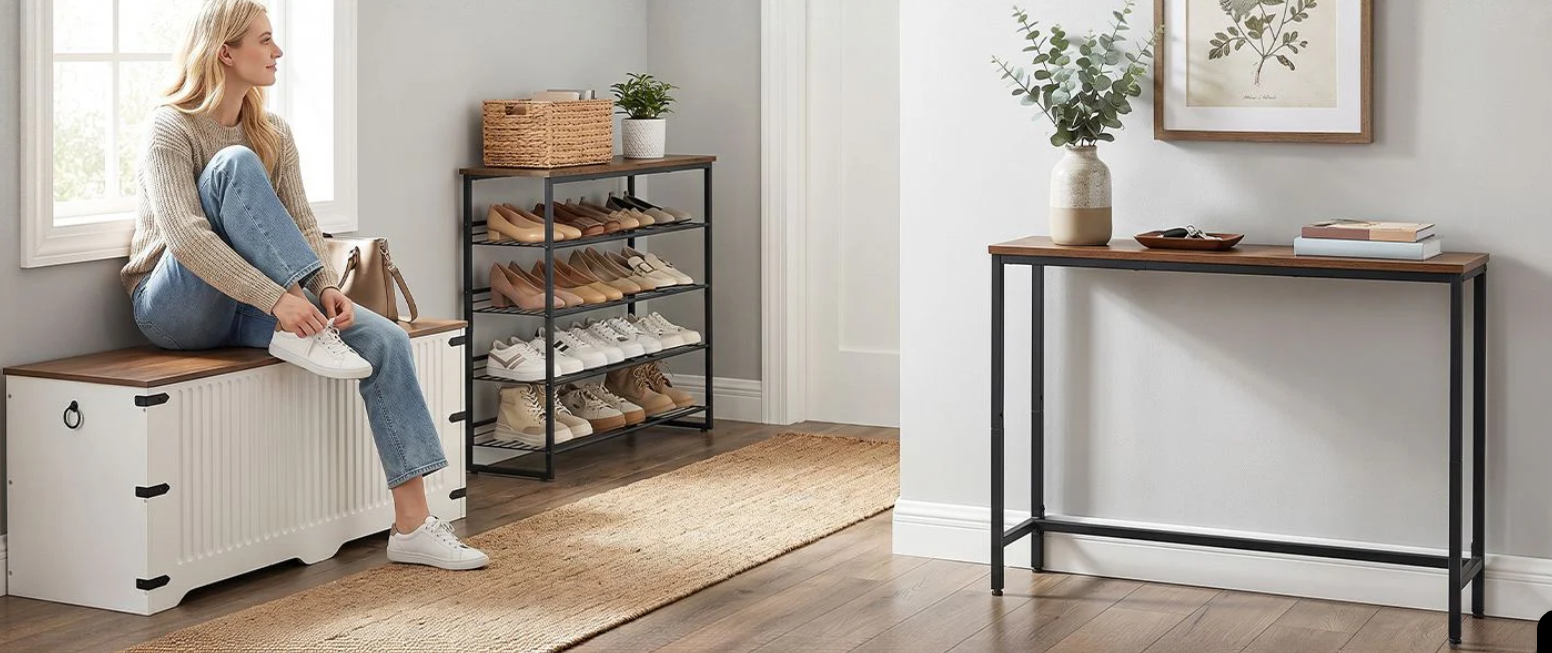
We all know the feeling. You walk through your front door after a long day, and you’re immediately greeted by a pile of shoes, coats thrown over the banister, and bags dumped on the floor. It’s not the welcome anyone wants, but the good news is that sorting out your entryway doesn’t have to cost a fortune. With just a couple of smart furniture choices, you can completely transform the feel of your home from the moment you step inside.
The entryway is often the most ignored room in a British home. We spend money on living rooms and kitchens, but the hallway tends to get left behind. That’s a shame, because it’s the very first thing you see when you come home, and it’s also the first impression guests get of your space. Getting it right doesn’t mean spending thousands. It means being smart with what you choose to put there.
One of the easiest and most affordable ways to sort out a messy entryway is by adding a shoe storage bench. This one piece of furniture does two jobs at once. First, it gives you somewhere to sit while you’re putting on or taking off your shoes, which sounds simple but makes a massive difference day to day. Second, it hides away all those trainers, boots, and sandals that tend to pile up near the front door. Instead of a jumbled mess on the floor, everything has a place. Most shoe storage benches available in UK furniture shops come with either drawers, open cubbies, or lift-up seats, so you can choose whichever style suits your household best.
Now pair that with a console table, and your entryway starts to look genuinely stylish. A console table sits neatly against the wall and doesn’t take up much floor space, which is ideal if your hallway is on the narrower side. It gives you a surface to drop your keys, leave the post, or display a vase of flowers. The trick is to keep the top of the console table fairly clear. Just one or two decorative items and a practical tray for keys and loose change. If it gets too cluttered, it starts to feel messy again.
When it comes to layout, put your shoe storage bench along one wall and the console table either opposite or beside it, depending on the width of your hallway. If space is really tight, a slim console table that’s no deeper than 25 to 30 centimetres will barely take up any room at all. Look for one with a lower shelf, which gives you extra storage space for baskets or boxes without adding any extra furniture.
Lighting also makes a big difference in a hallway. Many British homes have quite dark entryways, especially in older terraced or semi-detached properties. A small lamp on the console table can warm the whole space up immediately. Battery-operated lamps are a great option if you don’t have a plug nearby.
Don’t underestimate the power of a doormat either. A good-quality mat at the front door keeps dirt and mud from being tracked through the house, and it also signals to guests that this is a cared-for home. Pair it with a hook rail above the shoe storage bench for coats, bags, and umbrellas, and you’ve got a fully functioning entryway that’s both practical and good looking.
The goal is to create a space that works for your actual life. If you have kids, make sure the shoe storage bench has enough capacity for multiple pairs of shoes. If you live alone, a smaller unit will do just fine. Think about what causes the most mess in your entryway right now, and choose furniture that solves exactly that problem.
Transforming your entryway doesn’t have to be a big project. Start with a shoe storage bench and a console table, and see how much of a difference those two pieces alone can make. You might be surprised at how much better your whole home feels when the first space you walk into is tidy, welcoming, and properly set up for real life.


How to Start the Senior Living Conversation With a Parent Who Isn’t Ready to Have It

Elevate Interior Spaces with Polished Marble Tile

Jason Tartick Age: Biography, Career, Personal Life, and Complete Profile

Carolin Bacic: Life, Biography, Family, and Legacy

Christine Williamson: A Rising Star in Sports Journalism

Dani Daniels: A Complete Biography of the Artist, Media Personality, and Entrepreneur
-
 Celebrity9 months ago
Carolin Bacic: Life, Biography, Family, and Legacy
-
 Celebrity1 year ago
Christine Williamson: A Rising Star in Sports Journalism
-
 Celebrity9 months ago
Dani Daniels: A Complete Biography of the Artist, Media Personality, and Entrepreneur
-

 Celebrity3 months ago
Valerie Perrine: A Complete Biography of the Acclaimed Actress and Icon
-

 Celebrity1 year ago
Vera Davich: Biography, Life, and Legacy2025
-

 Celebrity3 months ago
Alex Eala: Rising Tennis Star from the Philippines and Her Journey to Global Success
-

 Celebrity7 months ago
Eleonora Incardona: Biography, Career, Age, Boyfriend, Net Worth & Lifestyle (2025)
-

 Celebrity7 months ago
Ari Kytsya: Biography, Career, Age, Lifestyle & Rise as a Global Social Media Star