
Home Improvement
Interior vs. Exterior Painting: How I PAINT STUFF Handles Both Projects

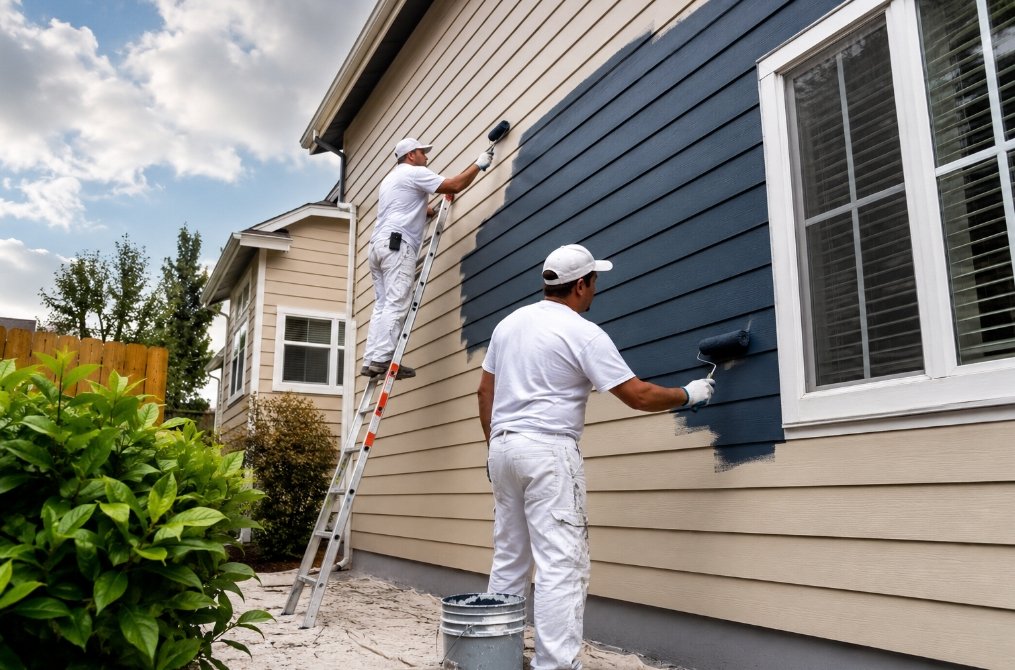
Painting your home can change how every room feels and how the entire property looks from the street. However, interior and exterior painting require different preparation, materials, techniques, and working conditions. Choosing the right approach can help you achieve a cleaner finish and better long term results.
I PAINT STUFF provides professional painting services for homeowners who want careful preparation and consistent workmanship. Whether you are refreshing a bedroom, updating a kitchen, or protecting the outside of your home, understanding the difference between the two types of painting can help you plan your project.
Understanding Interior and Exterior Painting
Interior painting focuses on surfaces inside your home, including walls, ceilings, doors, trim, and other finished areas. The goal is usually to improve appearance while creating a durable surface that can handle everyday use.
Exterior painting has a different purpose. Outdoor surfaces face sunlight, rain, snow, wind, temperature changes, and moisture. Exterior coatings need to withstand these conditions while helping protect materials such as siding, wood, stucco, and trim.
Because the conditions are different, painters cannot simply use the same products and methods indoors and outdoors.
What Interior Painting Involves
A successful interior painting project starts before the first coat goes on the wall. Furniture and flooring should be protected, and surfaces need to be inspected for holes, cracks, stains, peeling paint, or other imperfections.
Depending on the condition of the surface, preparation may include:
- Filling nail holes and small cracks
- Sanding rough areas
- Cleaning walls
- Repairing damaged drywall
- Caulking gaps around trim
- Priming areas that need additional coverage
The type of paint also matters. A bedroom may work well with a low sheen finish, while kitchens, bathrooms, hallways, and other high use areas may benefit from a more washable option.
Professional interior painting services can help you choose products based on the room’s purpose, surface condition, and desired appearance.
What Exterior Painting Requires
Exterior painting demands careful attention to weather and surface conditions. Before painting begins, the exterior should be checked for peeling paint, cracks, damaged wood, mildew, dirt, and areas where moisture may have caused problems.
Preparation may involve pressure washing, scraping loose paint, sanding, caulking, priming, and completing minor repairs.
Timing also matters. Paint needs suitable weather conditions to cure properly. Excessive moisture, extreme temperatures, or rain can interfere with the application and drying process.
A professional exterior painting project can improve curb appeal while adding a protective layer to exposed surfaces.
How I PAINT STUFF Prepares for Each Project
I PAINT STUFF approaches interior and exterior projects according to the needs of the specific surface. The preparation process can make a major difference in the final result.
For interior projects, the focus may include protecting your belongings, preparing walls, repairing imperfections, and creating clean lines around trim, doors, ceilings, and fixtures.
For exterior work, preparation may involve cleaning surfaces, removing failing paint, addressing minor surface problems, and selecting products designed for outdoor exposure.
This difference is important because a good painting job depends on more than applying paint evenly. The surface underneath needs to be ready for the coating.
Choosing the Right Paint and Finish
Paint selection should match the surface and the environment.
For interior walls, homeowners can choose from finishes such as flat, matte, eggshell, satin, and semi gloss. Each finish has different characteristics in terms of appearance, durability, and cleaning.
Exterior paints are formulated to handle outdoor conditions. The right product depends on the material being painted, its existing condition, exposure to the elements, and the desired appearance.
I PAINT STUFF can help homeowners consider these factors before selecting products for their projects. Choosing the right coating can reduce problems and help the finished surface maintain its appearance.
Common Challenges With Interior and Exterior Painting
Interior painting can become difficult when walls have extensive damage, stains, uneven textures, or old layers of paint. Furniture, fixtures, and tight spaces can also make certain areas harder to reach.
Exterior projects have their own challenges. Peeling paint, weathered wood, cracks, mildew, and difficult architectural features can require additional preparation.
Weather can also affect exterior work. A project may need to be adjusted when conditions are unsuitable for proper paint application.
Addressing these issues before painting begins can help prevent visible defects and premature paint failure.
Why Professional Painting Makes a Difference
Painting may appear straightforward, but achieving a professional finish requires preparation, technique, and attention to detail.
Professional painters understand how to prepare different surfaces, select appropriate products, protect surrounding areas, and apply coatings consistently.
Professional help can also save homeowners time. Instead of spending several weekends preparing and painting, you can have a structured process handled by an experienced team.
For larger projects, professional painting can also help maintain consistency across multiple rooms or exterior surfaces.
What to Expect From I PAINT STUFF
When you hire I PAINT STUFF, the project should begin with understanding what your home needs. Different surfaces may require different preparation and paint products.
For interior work, the process can include surface preparation, protection of surrounding areas, painting, detail work, and cleanup.
For exterior projects, preparation is especially important because outdoor surfaces experience constant exposure to changing conditions.
I PAINT STUFF offers painting solutions for homeowners who want to refresh, maintain, or update different areas of their properties. The company also provides services such as cabinet painting, fence staining, deck staining, and drywall repair.
How to Prepare Your Home Before the Painters Arrive
A little preparation from the homeowner can help the project move smoothly.
Before interior painting begins, you can remove small items from the room, clear access to walls, and discuss any areas that need special attention.
For exterior painting, move outdoor furniture, decorations, planters, and other items away from the work area when possible.
It is also helpful to communicate your preferred colors and finishes before the project starts. If you are unsure about a color, testing samples under different lighting conditions can help you make a better decision.
Clear communication with your painting contractor can prevent misunderstandings and keep the project organized.
Final Thoughts
Interior and exterior painting may share the same basic purpose, but the work involved is quite different. Interior projects focus heavily on appearance, clean application, room function, and surface preparation. Exterior projects must also account for weather, moisture, sunlight, and the condition of outdoor materials.
The right preparation and products can make a significant difference in the finished result.
If you are planning a painting project in Colorado, I PAINT STUFF can help you determine what your home needs and develop an appropriate approach for the job. Whether you want to refresh your interior walls, improve your home’s exterior appearance, or update cabinets and outdoor surfaces, choosing a professional painting team can make the process easier and more efficient.
FAQs
What is the difference between interior and exterior painting?
Interior painting focuses on walls, ceilings, trim, and other indoor surfaces. Exterior painting protects outdoor surfaces from weather and moisture.
How often should a home be painted?
Interior paint can last around 5 to 10 years. Exterior paint often lasts 5 to 10 years, depending on the surface and weather exposure.
Does exterior painting require special preparation?
Yes. Exterior surfaces may need cleaning, scraping, sanding, repairs, caulking, and priming before painting.
Can I PAINT STUFF paint both interior and exterior surfaces?
Yes. I PAINT STUFF provides professional interior and exterior painting services for Colorado homeowners.
Why hire professional painters?
Professional painters handle preparation, application, detail work, and cleanup, helping you achieve a consistent and durable finish.


There’s a certain point in the year when staying indoors starts to feel a little repetitive. You want somewhere to enjoy your morning coffee, have dinner without feeling cooped up or spend a quiet evening away from the television. Often, the answer isn’t booking a weekend away or spending money on a new hobby. It’s making better use of the outdoor space you already have.
A garden doesn’t need to be large or professionally landscaped to become somewhere you genuinely enjoy spending time. A comfortable chair, a few plants and a layout that feels inviting can make an ordinary outdoor area feel like a private retreat. Sometimes, even the background details make a difference. A tired boundary can affect the whole look of a garden, while fresh Fence Panels can help create a cleaner, more finished appearance. If you’re planning a complete refresh, exploring the options available from G&G Fencing can help you find something that suits your home. And for anyone who would rather spend less time mowing and more time relaxing, Artificial Grass is another option to weigh up.
Make Your Garden Part of Your Daily Routine
It’s easy to treat the garden as somewhere you go only when the weather is perfect or guests are coming over. But the more you incorporate it into ordinary life, the more useful it becomes.
Start with something simple. Take your first coffee outside in the morning, read a few pages of a book after lunch or sit outdoors for ten minutes when you finish work. These little moments can provide a welcome break without requiring you to organise anything special.
The key is making the garden easy to use. If the chairs are uncomfortable, the table is covered in clutter or you have to move several things before sitting down, you’re less likely to bother. Keep a small area ready for relaxing, with enough space to sit comfortably and somewhere to put your drink or book.
You might find that this simple change makes you more inclined to spend time outdoors, even on days when you don’t have hours to spare.
Create Comfort Without Overspending
Outdoor furniture can be surprisingly expensive, particularly when you’re trying to recreate the polished look of a boutique hotel or a stylish café. Fortunately, you don’t need to buy an entirely new set to make your garden feel more inviting.
Look at what you already own before shopping. A bench can be refreshed with outdoor cushions, an old table may look better after a clean and a simple arrangement of pots can make an empty corner feel intentional. Even rearranging your furniture so that it faces the garden rather than a fence can change the atmosphere.
If you do decide to buy something, prioritise the items you’ll use most often. A comfortable chair might offer more value than several decorative accessories, especially if you enjoy spending time alone outdoors. For people who regularly entertain, a practical dining table could make a bigger difference.
Think about storage, too. Furniture that can be folded away or cushions that are easy to bring indoors will help protect your purchases and keep the garden looking tidy.
Bring in Greenery That Suits Your Lifestyle
Plants have a way of making outdoor spaces feel more welcoming. They soften hard surfaces, introduce colour and create a sense of privacy without necessarily requiring major landscaping.
However, it’s worth being realistic about how much gardening you want to do. If you enjoy tending to flowers, you might love a colourful border that changes throughout the seasons. If you’d rather keep maintenance to a minimum, evergreen shrubs and hardy perennials can provide structure without demanding constant attention.
Consider the conditions in your garden before choosing plants. A sunny patio will suit different varieties from a shaded corner, and plants that thrive in the wrong conditions for your space can quickly become frustrating to maintain.
You can also use containers to make things easier. Pots can be moved when necessary, grouped together for a stronger visual effect or replanted as your tastes change. This is particularly useful if you rent your home or don’t want to commit to a permanent garden design.
Make Evenings Feel Special
One of the easiest ways to make a garden more enjoyable is to think about how it feels after sunset. Outdoor spaces often look lovely during the day but become forgotten once the light fades.
Warm lighting can change that. Solar lights along a path, a suitable outdoor lamp near your seating area or subtle lights around a pergola can create a relaxed atmosphere without requiring an elaborate setup.
If you enjoy having friends over, consider creating a small area where everyone can sit comfortably and talk. You don’t need a full outdoor kitchen or an expensive fire feature. Good seating, a table for food and drinks, and pleasant lighting can be enough for a memorable evening.
For quieter nights, keep things even simpler. A comfortable chair and a soft pool of light can turn the garden into a peaceful place to unwind before bed.
Stop Waiting for the Perfect Garden
It’s tempting to postpone enjoying your outdoor space until you’ve completed every improvement on your list. Perhaps the paving needs replacing, the planting isn’t quite right or you’d love to invest in better furniture eventually.
But a garden can be enjoyable long before it reaches your ideal vision. Focus on what you can improve now, whether that’s clearing clutter, creating a comfortable seating corner or introducing a few plants. You can work towards bigger projects gradually, without putting your enjoyment on hold.
A cosy outdoor space isn’t about following every design trend or spending a fortune. It’s about creating somewhere that fits your life, gives you a reason to step outside and makes everyday moments feel a little more special. Sometimes, that is the most worthwhile home improvement of all.


That final coat of paint on the walls often feels like the finishing line, but the real personality of a home shines through in the little things that come next. These small, often overlooked elements are what truly lift a space from just being decorated to feeling genuinely thought out. Paying close attention to your hardware, finishes, and fittings is the secret sauce for creating a home that feels both personal and polished.
These subtle choices actually make a huge difference to how a room feels overall. Just think about the satisfying weight of a solid brass doorknob, or the clean, modern vibe of a minimalist light switch. These aren’t just things you see; they’re things you touch, and they quietly tell you about quality and intention.
Why Finishes Truly Matter
The finish of your hardware is one of the most powerful ways to tie everything together visually. Whether you’re into cool chrome, sleek matte black, or warm brass, keeping it consistent is key. When your doorknobs, cabinet handles, window latches, and light fittings all share the same finish, it creates a subtle but strong visual thread running through your home. This repetition helps your eyes glide smoothly through the space, making it feel organised and calm.
Take antique brass, for example. It brings a timeless warmth and a sense of lived-in luxury that works beautifully in both traditional and modern homes. Its golden tones can soften a minimalist space or deepen the richness of a more classic design.
This consistent approach can go beyond just handles and hinges; thinking about matching brass lighting for your home adds another layer of sophistication. When every metallic piece speaks the same design language, your home ends up feeling intentional and expertly put together.
Matching Hardware to Your Personal Style
The hardware you choose really shows off your personal taste. Before you settle on a particular style, it’s a good idea to find your home design style to make sure your choices feel like you. If you love a minimalist look, you might lean towards sleek, simple bar handles in matte black or stainless steel. If your style is more industrial, perhaps you’d prefer knurled handles and sturdy, functional designs.
For those who adore a bit of vintage or cottage charm, aged brass or classic ceramic knobs can add that perfect touch of nostalgia. The trick is to see hardware not just as something practical, but as an accessory for your home. Just like a belt or a piece of jewellery can complete an outfit, the right hardware can perfectly express your living space’s personality.
Beyond the Basics: Electrical Fittings
One of the most commonly overlooked spots for a design upgrade is electrical fittings. For ages, the standard white plastic switch and socket have been the go-to, but let’s be honest, they don’t do much for a room’s look. Swapping these out for fittings with a more deliberate design and finish can make a surprisingly big difference.
Imagine a beautifully wallpapered wall, not broken up by a plain plastic rectangle, but by a sleek, screwless socket in a bronze or nickel finish. These small changes stop functional bits from clashing with your design. Instead, they become part of it. Investing in high-quality switches with a satisfying click, or dimmer switches that match your other hardware, adds another layer of subtle luxury you’ll appreciate every single day.
Crafting a Cohesive Interior Narrative
Ultimately, all these little decisions work together to tell a story about your home and the people who live in it. When your doorknobs, light switches, cabinet pulls, and tapware all share a common design DNA, you create a cohesive story for your interior. This doesn’t mean every single item has to be identical, but they should definitely feel like they belong together.
This attention to detail signals a home that’s been put together with care and thought. It goes beyond fleeting trends to create a lasting sense of style. By starting with the small things, you build a strong foundation for a home that’s not just beautiful, but also a true reflection of your personal taste.
These thoughtful details are what truly turn a house into a home with its own distinct point of view.
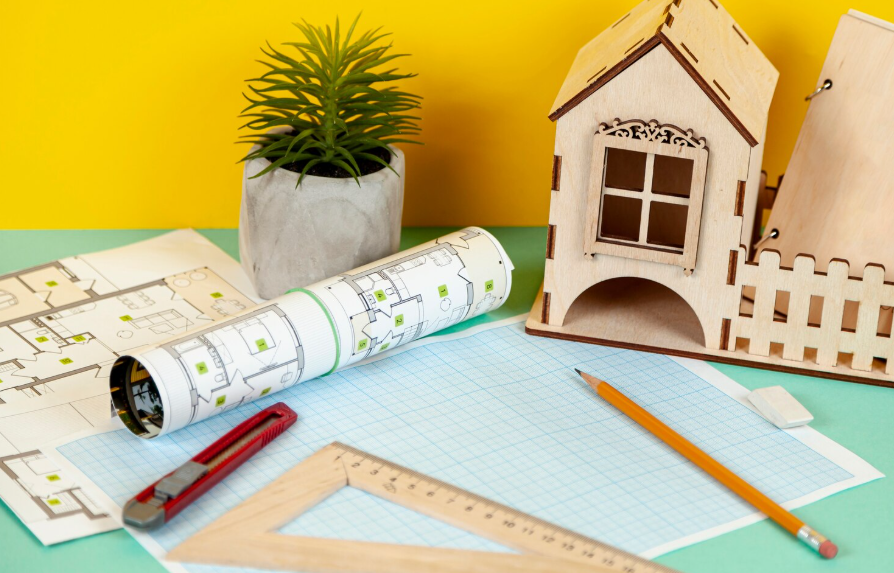
Building a custom home offers something that buying an existing property cannot always provide: the opportunity to create a home around the way you actually want to live.
Room layouts, storage, natural light, materials, energy performance, accessibility, and architectural character can all be considered from the beginning.
That flexibility also creates complexity.
A custom build involves land, design, permissions, budgets, contractors, materials, schedules, and hundreds of individual decisions.
Careful preparation can make the process more manageable and help homeowners turn an initial idea into a practical finished property.
Start With Your Priorities
Before thinking about finishes and furniture, identify what the home needs to achieve.
Consider the number of bedrooms, bathrooms, living spaces, working areas, storage requirements, parking, outdoor areas, and accessibility needs.
Think about lifestyle rather than simply room count.
A family that regularly entertains may value large connected living spaces, while someone working permanently from home might prioritize a quiet office.
Separate essential requirements from features that would simply be nice to have.
This becomes useful when design or budget decisions require compromises.
Evaluate the Site
The site can influence almost every part of a custom build.
Orientation, access, ground conditions, drainage, neighbouring properties, utilities, levels, and surrounding development can affect design and construction.
A design should respond to the site rather than treating it as an empty rectangle.
For example, orientation can influence opportunities for natural light, while changes in ground level can affect foundations and landscaping.
Appropriate professional assessments can identify limitations before significant design decisions are finalized.
Establish a Realistic Budget
Custom-build budgets need to account for more than construction materials and labour.
Professional fees, surveys, permissions, utility connections, site preparation, landscaping, kitchens, bathrooms, finishes, and other expenses may all contribute to the total.
A contingency can also provide flexibility for legitimate unexpected costs.
Be transparent about the budget with the professionals involved.
Designing a property that cannot realistically be constructed within the available budget wastes time and can lead to difficult compromises later.
Work Closely With the Design Team
Architectural design is where requirements begin becoming a physical building.
A good design process considers aesthetics and practicality together.
Discuss how rooms connect, where natural light enters, how people move through the property, where storage will be located, and how the home might adapt to future requirements.
Construction considerations should also be discussed during design.
Early communication between architects, engineers, and construction professionals can help identify potential buildability issues before they reach the site.
Choose a Builder With Relevant Experience
Building a complete home requires different capabilities from completing a small refurbishment.
Look for contractors with relevant residential construction experience and examine the type and scale of their previous projects.
Reviewing previous work and the contractor’s approach to project delivery can help homeowners determine whether their experience matches the proposed build. Those researching custom build homes by ARN Projects can review how the company approaches bespoke residential construction, including collaboration, project planning, construction, and completion.
Communication should also influence the decision.
A custom build can take a considerable amount of time, so homeowners need a working relationship that supports clear communication throughout the project.
Define the Scope Before Construction
Detailed documentation helps reduce uncertainty.
Plans and specifications should make clear what the contractor is expected to provide.
Materials, fixtures, finishes, electrical requirements, heating, plumbing, doors, windows, and other components should be defined as thoroughly as reasonably possible before construction.
Unresolved decisions can create delays if contractors reach a stage where they cannot proceed without additional information.
Making key choices early can therefore support smoother project delivery.
Think About Energy Performance
A custom build provides an opportunity to consider energy performance from the beginning.
Orientation, insulation, glazing, airtightness, ventilation, heating, and renewable technologies can all influence long-term energy use.
These elements work best when considered as part of an integrated design.
Adding individual technologies without considering the wider building may not produce the expected results.
Homeowners should discuss both upfront costs and expected long-term performance when comparing options.
Plan Storage Early
Storage is easy to underestimate when looking at attractive architectural drawings.
Consider everyday belongings.
Where will coats, shoes, cleaning equipment, luggage, children’s items, sports equipment, food, and household supplies be stored?
Built-in storage can often be integrated more effectively during the design stage than added after construction.
Practical storage can also help maintain the clean appearance homeowners often want from a newly built property.
Consider Future Accessibility
A custom home can be designed around current requirements while also considering how those requirements might change.
Wider circulation spaces, suitable entrances, flexible rooms, and thoughtful bathroom layouts can improve long-term usability.
Accessibility does not necessarily mean creating a clinical-looking home.
When considered early, many practical features can be integrated naturally into the architecture.
Future flexibility can be especially valuable for homeowners planning to remain in the property for many years.
Control Changes During Construction
Even carefully planned projects experience changes.
A homeowner may select a different material or request an alteration after seeing part of the building physically constructed.
Changes should be managed carefully.
Before approving one, establish how it affects cost, schedule, materials, and other areas of work.
Numerous small changes can collectively have a substantial impact on the final budget.
Documenting significant variations provides a clear record for everyone involved.
Maintain Regular Communication
Custom construction involves ongoing decisions.
Agree on how progress will be communicated and who is responsible for answering questions.
Regular updates can help homeowners understand what has been completed and what decisions are approaching.
Concerns should be raised promptly.
Waiting until final handover to discuss something noticed months earlier can make correction considerably more difficult.
Clear communication helps keep expectations aligned throughout the build.
Prepare for Handover
The final stage should include a structured review of the completed property.
Outstanding items should be identified and addressed according to the agreed process.
Homeowners may also receive documentation relating to warranties, equipment, certificates, systems, and maintenance.
Keep these records organized.
They can become important when maintaining the home or making alterations in the future.
A thorough handover marks the transition from construction project to finished home.
Frequently Asked Questions
What is a custom-build home?
A custom-build home is designed and constructed around the requirements of a particular homeowner rather than purchased as an already completed standard property.
How should I choose a custom home builder?
Look at relevant project experience, previous work, project management, communication, quality, scope clarity, and the contractor’s ability to deliver the type of home proposed.
Should I establish my budget before design begins?
Yes. Providing realistic budget information helps the design and construction teams develop proposals that are more likely to be financially achievable.
Why are site surveys important?
Surveys and investigations can identify conditions relating to boundaries, ground, drainage, levels, utilities, and other factors that may affect design and construction.
Can a custom home be more energy efficient?
It can. A new design provides opportunities to consider orientation, insulation, glazing, heating, ventilation, airtightness, and other performance factors from the beginning.
When should I choose finishes?
Many important finishes should be selected before the relevant construction stages begin. Late decisions can delay work or limit available choices.
Should I plan for future accessibility?
Considering future requirements can improve long-term usability, particularly if you intend to remain in the property for many years.
What happens during final handover?
The finished property is reviewed, outstanding items are identified, and relevant documentation such as warranties, certificates, and operating information may be provided.


-

 Celebrity1 year ago
Carolin Bacic: Life, Biography, Family, and Legacy
-

 Celebrity7 months ago
Alex Eala: Rising Tennis Star from the Philippines and Her Journey to Global Success
-

 Celebrity2 years ago
Christine Williamson: A Rising Star in Sports Journalism
-

 Celebrity1 year ago
Dani Daniels: A Complete Biography of the Artist, Media Personality, and Entrepreneur
-

 Celebrity7 months ago
Valerie Perrine: A Complete Biography of the Acclaimed Actress and Icon
-

 Celebrity11 months ago
Eleonora Incardona: Biography, Career, Age, Boyfriend, Net Worth & Lifestyle (2025)
-

 Celebrity2 years ago
Vera Davich: Biography, Life, and Legacy2025
-

 Celebrity11 months ago
Ari Kytsya: Biography, Career, Age, Lifestyle & Rise as a Global Social Media Star