Life Style
Microblading Eyebrows: Complete Guide to Procedure, Benefits, Cost & Aftercare

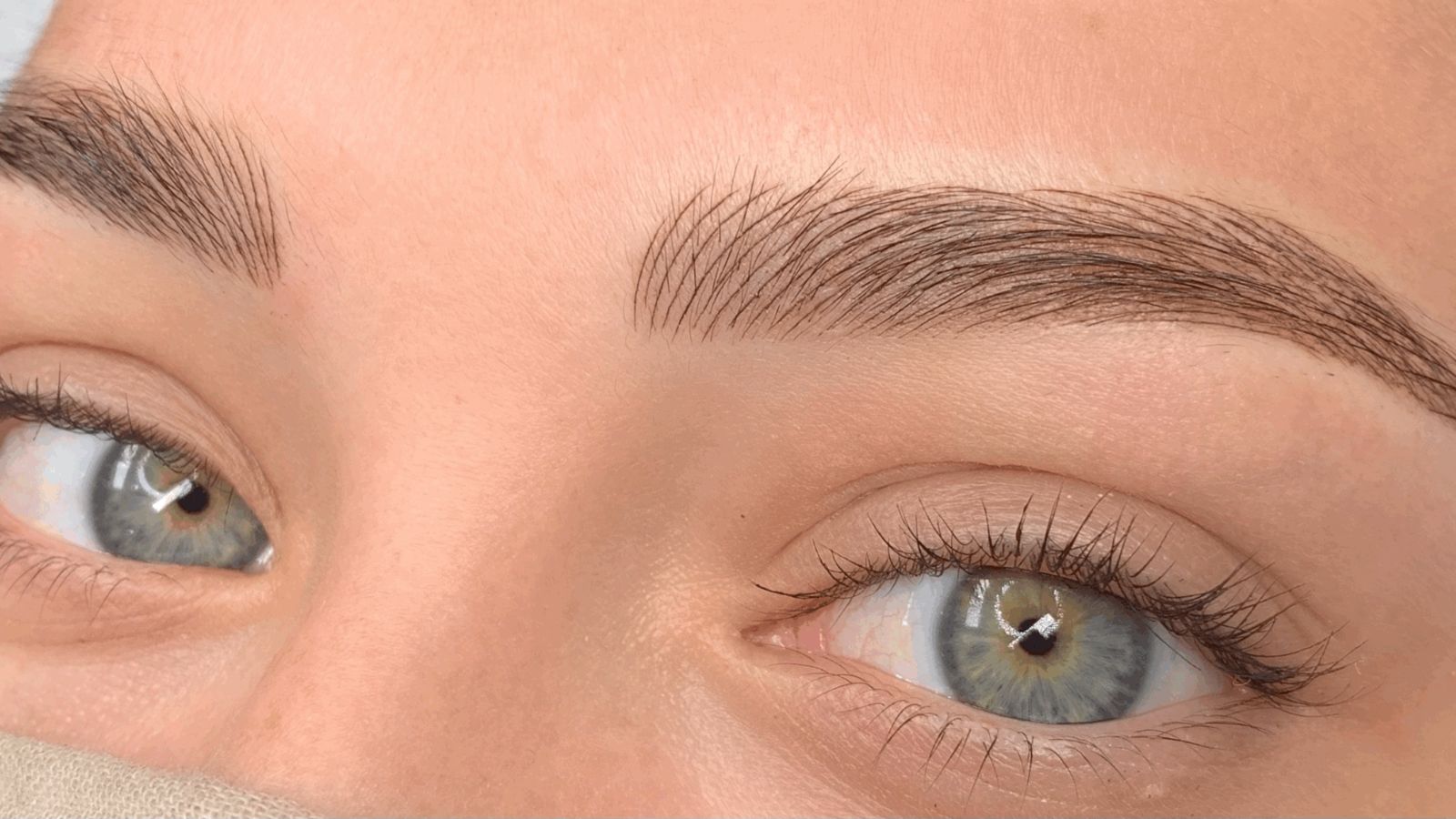
Microblading eyebrows has become one of the most popular semi-permanent cosmetic procedures in the beauty industry. It offers a natural-looking way to enhance brows, fill sparse areas, and reshape eyebrows without daily makeup. Unlike traditional eyebrow tattooing, microblading uses fine, hair-like strokes created with a handheld tool, resulting in remarkably realistic brows. Many people choose microblading to save time, correct over-plucking, or achieve symmetrical brows. This comprehensive guide explains how the process works, what to expect, how to prepare, and how long results last. If you’re considering microblading eyebrows, this article will give you everything you need to make an informed decision.
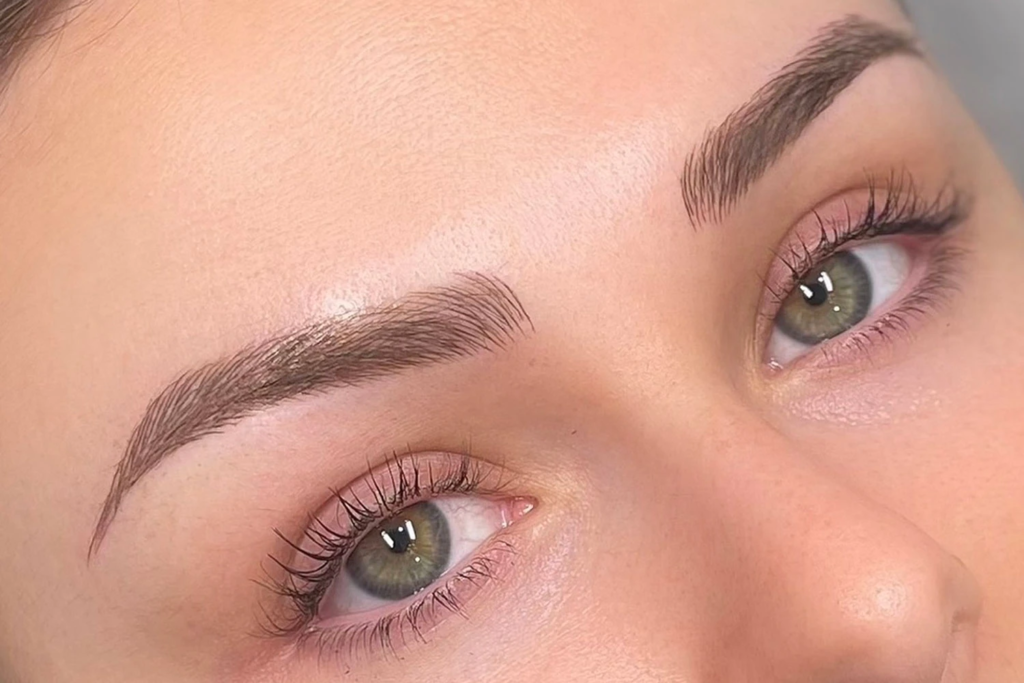
What Is Microblading Eyebrows?
Microblading eyebrows is a semi-permanent cosmetic tattooing technique that uses a manual microblade tool to implant pigment in the upper layer of the skin. Unlike traditional tattoos, microblading ink fades naturally over time and does not penetrate deep layers of the skin. The artist draws thin, precise hair-strokes to mimic real eyebrow hairs, making the results incredibly natural. People with thin, uneven, patchy, or missing brows often choose microblading to enhance their look effortlessly. Microblading can also help those who have lost eyebrows due to aging, hormonal factors, or medical conditions. The most appealing part is that the results can last up to 2–3 years with proper care.
How Microblading Differs From Traditional Eyebrow Tattooing
Traditional eyebrow tattooing uses a machine to push ink deep into the skin, creating a solid brow shape. Microblading, however, works on the skin’s top layers and is done manually. The results are softer, more natural, and less permanent. When comparing microblading eyebrows to older tattooing methods, microblading provides greater precision, customizable color, and less downtime. Tattooed brows tend to fade into unnatural shades of blue or green, while microbladed brows fade gently and evenly. Microblading is ideal for individuals who want a softer, hair-stroke look instead of a blocky brow.
Who Is Microblading Eyebrows Best For?
Microblading works for many people but may not be suitable for everyone. Ideal candidates include those with thinning eyebrows, asymmetric brows, alopecia, or those who want a fuller look without makeup. People with oily skin may find that microblading fades more quickly, but techniques like microshading can complement microblading for longer-lasting results. Pregnant women, people with bleeding disorders, or those taking certain medications should avoid the procedure. A patch test is often required to rule out allergic reactions. If your goal is natural-looking brows with minimal effort, microblading eyebrows may be the right choice.
How to Prepare for Microblading Eyebrows
Preparation is essential for the best results. Experts recommend avoiding alcohol, caffeine, and blood-thinning medications 24–48 hours before your appointment. Avoid waxing or tinting brows at least one week prior. Staying hydrated and keeping skin moisturized helps the pigment settle better. Before the procedure, your microblading artist will map your brows using facial symmetry measurements. Bring brow inspiration photos, but remember that your bone structure determines the ideal shape. Proper preparation ensures that the process is smooth, comfortable, and produces long-lasting, symmetrical results.
Step-by-Step Microblading Eyebrows Procedure
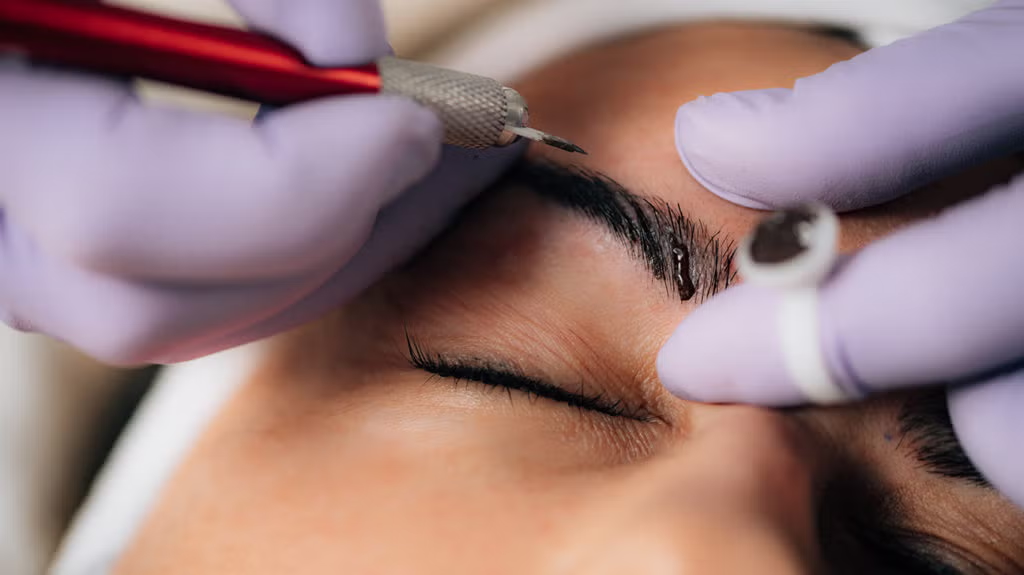
The procedure typically takes 2–3 hours, including consultation, brow mapping, color selection, and the microblading process itself. First, the artist numbs the area with a topical anesthetic to minimize discomfort. Next, they outline your ideal brow shape using measurements, stencils, or freehand design. After approval, the microblading tool is used to create fine strokes while inserting pigment into the skin. The artist will repeat this until both brows match in fullness and symmetry. The final step involves applying a pigment mask to enhance color absorption. When done professionally, microblading eyebrows offers incredibly natural results that frame the face beautifully.
Does Microblading Eyebrows Hurt?
Pain levels vary from person to person. Most clients describe the sensation as mild scratching or pressure rather than intense pain. Numbing cream is applied before and during the session to minimize discomfort. People with low pain tolerance may feel slight sensitivity, especially during the first 10–15 minutes. However, most clients complete the process comfortably and find it less painful than waxing or threading. If fear of pain has kept you from trying microblading eyebrows, rest assured that modern techniques have made the process much more tolerable.
How Long Do Microblading Eyebrows Last?
Microblading results can last anywhere from 12 to 36 months, depending on your skin type, aftercare routine, and lifestyle. People with normal to dry skin typically experience longer-lasting pigment, while those with oily skin may need more frequent touch-ups. Sun exposure, skincare products containing acids, and excessive sweating can also affect longevity. A touch-up session is usually required 4–6 weeks after the initial appointment to perfect the shape and fill any areas where pigment didn’t retain. With proper care, microblading eyebrows can maintain a natural, refreshed look for years.
Healing Process: What to Expect After Microblading
The healing period lasts about 4–6 weeks. During the first few days, brows appear darker and bolder than the final result. Mild redness, tightness, and slight scabbing may occur as the skin heals. Around days 4–7, some flaking is normal; avoid picking scabs to prevent patchy results. The color lightens significantly after the initial peeling phase and slowly returns to its intended shade by week 4. By the end of the healing period, your microblading eyebrows will look soft, natural, and fully blended.
Essential Aftercare for Microblading Eyebrows
Proper aftercare is the key to achieving long-lasting, flawless microblading eyebrows. During the first 24 hours, avoid touching the brows to prevent infection or pigment disturbance. For the first 7–10 days, keep the area dry—this means no sweating, swimming, or washing the brow area directly. Apply the recommended healing ointment sparingly, as instructed by your technician. Avoid makeup on or near the brows during the healing period. Stay away from direct sunlight and tanning beds because UV exposure can fade the pigment prematurely. With correct aftercare, the pigment settles evenly and increases longevity.
Touch-Up Sessions: Why They Are Important
A touch-up appointment is essential for completing the microblading process. This session usually happens 4–6 weeks after the initial treatment. During this visit, the artist fills any areas where pigment may have faded, adds extra strokes for fullness, and adjusts the shape if needed. Touch-ups ensure symmetry and long-lasting results. Yearly or bi-annual touch-ups are recommended for maintaining vibrant brows. Without regular touch-ups, microblading eyebrows can fade faster and lose definition. Maintaining your brows ensures they continue looking fresh and natural.
Benefits of Microblading Eyebrows
There are many reasons why people love microblading eyebrows. One major benefit is convenience—no more daily brow pencils, powders, or gels. Microblading saves time and helps people with busy lifestyles maintain polished brows effortlessly. It is also ideal for those with eyebrow hair loss caused by aging, hormonal conditions, or over-plucking. The technique offers customizable shapes tailored to your facial structure. Another advantage is that results look incredibly natural, blending seamlessly with existing hairs. With long-lasting results and minimal maintenance, microblading is a cost-efficient beauty investment.
Potential Risks and Side Effects of Microblading
Like any cosmetic procedure, microblading eyebrows comes with certain risks. Infection can occur if aftercare instructions are not followed properly. People with sensitive skin might experience redness, swelling, or irritation. Allergic reactions to pigments are rare but possible, which is why a patch test is essential. Choosing an unqualified or inexperienced artist increases the risk of uneven brows or incorrect pigment placement. Always research your technician’s certification, experience, hygiene practices, and portfolio before booking. Understanding potential risks allows you to make an informed and safe decision.
Choosing the Right Microblading Artist
Selecting a certified and reputable artist is crucial to achieving perfect microblading eyebrows. Look for professionals with formal training, licensing, and a strong portfolio of healed results. Read reviews, ask for before-and-after photos, and ensure the studio follows strict hygiene standards. A skilled artist understands facial symmetry, color theory, and brow design. Avoid choosing an artist based solely on low prices—poorly done microblading can lead to costly correction sessions. When you choose the right artist, you ensure quality, safety, and natural-looking results.
Different Styles of Microblading
Microblading has evolved to offer several styles to suit individual preferences. The classic style uses fine, precise hair strokes for a natural look. Microshading creates a soft, powdered finish for people who prefer a filled-in brow. Combination brows blend microblading and shading for both definition and softness. Feathered brows use light, airy strokes for a delicate appearance. Your preferred style, along with your natural hair growth pattern, helps your artist design the perfect brows. Modern techniques ensure that microblading eyebrows complement your unique features.
Microblading Eyebrows for Different Skin Types
Skin type plays a major role in how microblading heals. Dry and normal skin types usually retain pigment better and heal evenly, making them ideal candidates. Oily skin types may struggle with faster fading due to excess sebum production. For these clients, combination brows or microshading may produce better results. Sensitive skin may require gentler techniques and careful aftercare. During your consultation, your microblading artist evaluates your skin and recommends the best technique. Understanding your skin type helps you achieve long-lasting microblading eyebrows results.
How Much Does Microblading Eyebrows Cost?
The cost of microblading eyebrows varies depending on the artist’s experience, studio location, and included services. Prices typically range from $300 to $800, with high-end specialists charging over $1,000. Touch-up sessions may cost an additional $100–$200. While microblading may seem expensive, the long-lasting results and time saved on daily makeup make it a worthwhile investment. Always prioritize safety and quality over low-cost services. Choosing an experienced artist ensures beautiful results that enhance your confidence and appearance.
How Long Does a Microblading Session Take?
A standard microblading session lasts 2–3 hours. This includes consultation, brow mapping, color selection, numbing, and the microblading process itself. The longest part is shaping and mapping the brows to ensure symmetry. The actual microblading application usually takes about 45–60 minutes. Touch-up appointments are shorter, typically lasting 1–1.5 hours. The time spent during your appointment ensures long-lasting, perfectly shaped microblading eyebrows that complement your facial features.
Common Myths About Microblading Eyebrows
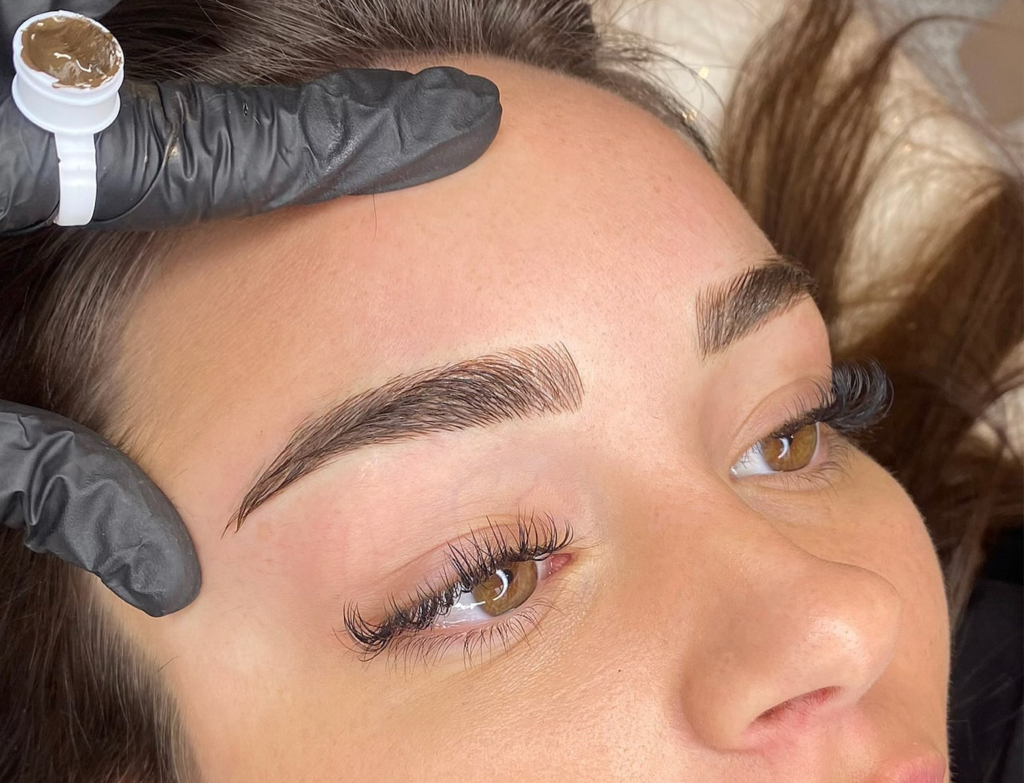
There are several myths surrounding microblading. One common misconception is that microblading is permanent. In reality, it is semi-permanent and fades over time. Another myth is that microblading is extremely painful, but most clients experience only mild discomfort. Some believe microblading always looks unnatural—however, a skilled artist creates hyper-realistic hair strokes. There is also a misconception that microblading causes brow hair loss, which is false. When done correctly, microblading is safe and enhances natural brows. Understanding these myths helps set realistic expectations for microblading eyebrows.
Microblading Eyebrows for Men
Microblading is not just for women—many men get microblading to fill gaps, correct uneven brows, or achieve a stronger brow shape. Men’s microblading designs use thicker, straighter, and more natural-looking strokes. The goal is to enhance masculine features without looking overly groomed. Men with sparse or thinning brows benefit greatly from natural microblading results. The rising popularity of microblading eyebrows for men shows that everyone can benefit from fuller, more defined brows.
Alternatives to Microblading Eyebrows
If microblading isn’t right for you, several alternatives exist. Microshading offers a softer, powder-like look. Nanoblading uses a thinner needle for ultra-fine strokes. Brow laminating lifts and shapes natural hairs for a fuller appearance without pigment. Brow tinting temporarily darkens hairs for enhanced definition. Permanent makeup tattooing creates long-lasting results but with a more filled-in look. Each method suits different needs, skin types, and preferences. Consulting with a specialist helps determine which option is best for your desired brow goals.
Conclusion
Microblading eyebrows is an excellent option for achieving fuller, symmetrical, and natural-looking brows with minimal effort. From saving time on daily makeup to restoring confidence for those with sparse or thinning brows, microblading offers long-lasting benefits. While aftercare and touch-ups are essential, the results are transformative and easy to maintain. Choosing a qualified artist ensures safety and beautiful results tailored to your face. Whether you’re new to microblading or considering a touch-up, understanding the process helps you make the best choice for your brow journey.
FAQs About Microblading Eyebrows
1. How long does microblading eyebrows last?
It typically lasts 12–36 months, depending on skin type and aftercare.
2. Is microblading painful?
Most people feel only mild discomfort due to numbing cream.
3. Is microblading safe for all skin types?
Yes, but results vary—oily skin may require more frequent touch-ups.
4. How soon can I wash my face after microblading?
Avoid washing the eyebrow area for 7–10 days.
5. What’s the difference between microblading and microshading?
Microblading uses hair-strokes, while microshading creates a soft, powder-filled look.
6. Can microblading be removed?
Yes, using saline removal or laser treatments.



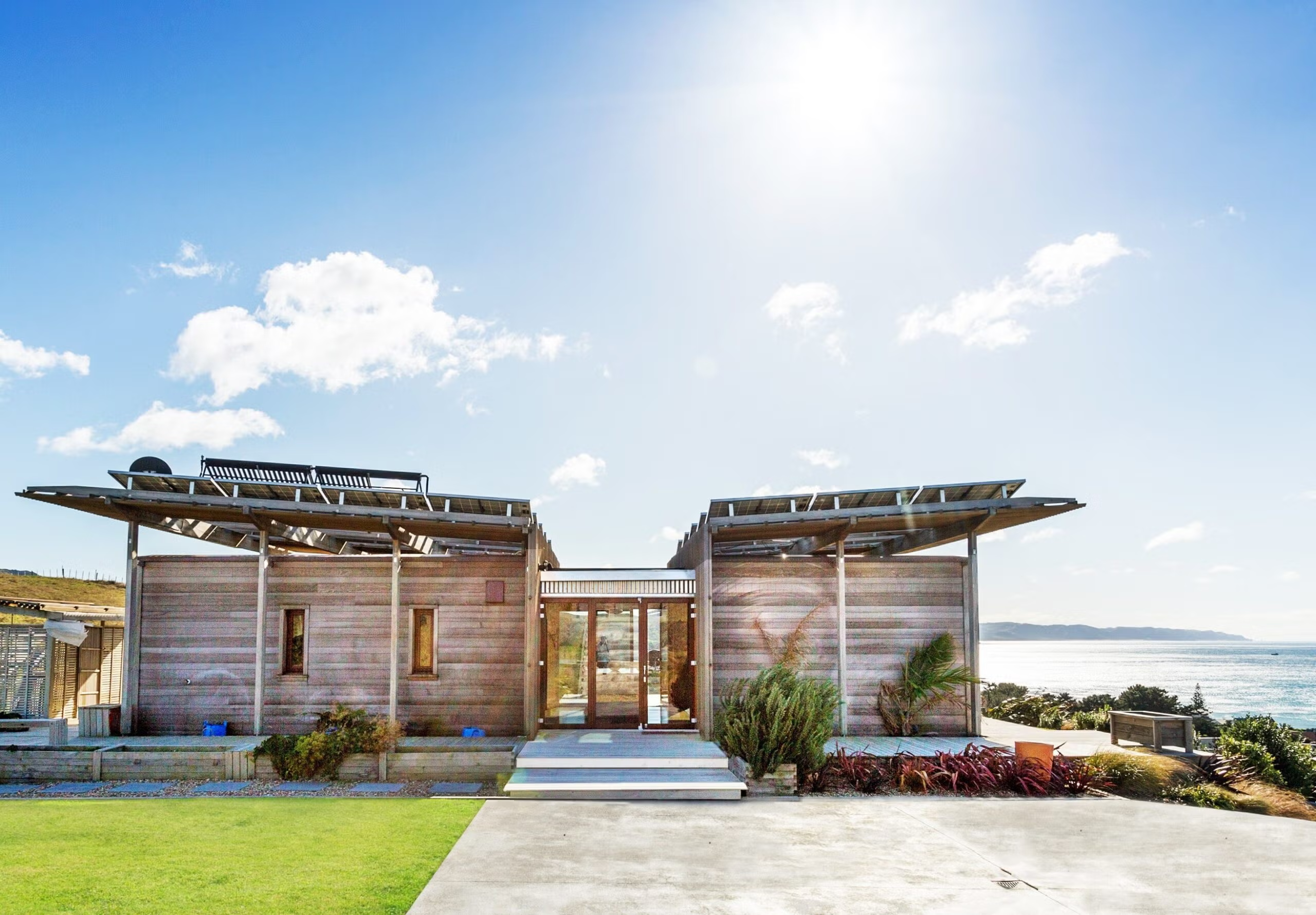
Imagine waking up every morning knowing that your home doesn’t just represent a roof over your head, but is a key player in the battle for a healthier planet. Now, that’s a thought worth dreaming about! In Singapore, a country famed for its glistening skyline and busy streets, a quiet transformation is underway. With a growing awareness of environmental issues, more and more folks are leaning towards eco-friendly housing. Sustainable living isn’t just a trend; it’s becoming a lifestyle choice that resonates deeply with urban dwellers.
A Shift in Perspective
It’s fascinating to see how perspectives have shifted over recent years. Remember the days when sustainability seemed like a luxury rather than a necessity? Well, not anymore! More people are now walking the talk, turning their homes into eco-friendly sanctuaries. This shift is not just limited to the ‘tree-huggers’ among us; seasoned professionals and everyday families are jumping on the bandwagon too.
Sustainable living is much more than just planting a few trees and recycling. It’s about creating a lifestyle that respects the planet while enhancing our own quality of life. Singapore, with its limited land but high population density, presents unique challenges and opportunities for constructing eco-conscious residences. It’s truly impressive to witness homeowners and developers thinking globally while acting locally.
Eco-Friendly Housing: What’s the Buzz?
So, what does this eco-friendly housing movement actually entail? At its core, it’s about designing homes that significantly reduce their environmental impact. This can manifest in various ways, from opting for sustainable materials and innovative building techniques to incorporating energy-efficient appliances and designs that promote natural ventilation. These homes are not just about being green; they are about being smart.
Take a look at Pinetree Hill, for instance. It’s a notable development that encapsulates these ideals. Set against the backdrop of Singapore’s lush greenery, this residential project is combining luxury with eco-conscious design. Think solar panels, rainwater harvesting systems, and materials sourced with sustainability in mind. You can almost picture families enjoying their lives there, knowing they’re playing a part in reducing their environmental footprint. Sounds nice, doesn’t it?
Creating a Green Community
What’s truly exciting about eco-friendly housing is how it fosters a sense of community. When people are actively engaged in sustainability, they tend to connect in deeper, more meaningful ways. Neighbours no longer just wave at each other from across the street; they share tips on composting, organize community clean-ups, and even barter home-grown produce. There’s something heartwarming about seeing a group of individuals come together with a common purpose. It’s a delightful buzz that adds a new layer to urban living.
Communities don’t just inhabit space; they thrive when there’s mutual support and shared values. And speaking of values, urban farmers’ markets, community gardens, and local sustainable businesses are gaining traction. They inspire individuals to consider where their food comes from and how their choices impact the Earth. Pretty incredible if you think about it!
The Role of Technology in Sustainable Living
Another thrilling aspect of eco-friendly housing is the role of technology. You wouldn’t believe the innovations cropping up these days! Smart home gadgets are stepping up their game – from energy monitors that track usage patterns to apps that remind you when to water those precious plants. This tech-savvy approach adds convenience to conscientious living, making it easier than ever to implement sustainable practices.
Local developers are stepping into the future too. You often hear of new launches incorporating smart technologies that automatically adjust temperature based on the time of day or monitor energy consumption in real-time. Now that’s a winning combination! With just a few taps on your phone, you can manage your home’s energy use while sipping a cup of locally sourced coffee. Suddenly, being environmentally friendly feels achievable and even enjoyable. Who knew saving the planet could come with a side of comfort?
Challenges and Considerations
Of course, it’s not all smooth sailing. The journey towards sustainable living can present challenges, particularly in urban settings. Space is at a premium, and sometimes green features can come with a hefty price tag. While it’s true that eco-friendly materials and technologies might make the initial costs higher, think of it as an investment. Lower utility bills, increased property value, and peace of mind are just some of the long-term benefits worth considering. Plus, there’s a certain satisfaction that comes with knowing you’re doing your bit for Mother Earth.
And let’s not ignore the potential for creative solutions! Singapore’s architects are passionate about blending nature and structure, often pushing boundaries to find innovative ways to integrate greenery into high-rise designs. Roof gardens, living walls, and even vertical farms are sprouting up, beautifully merging the natural with the urban fabric. It’s such a clever way to make the most of the limited space—an admirable feat if you ask me.
The Future of Eco-Friendly Housing
Looking ahead, one can’t help but be optimistic. The movement for eco-friendly housing is gaining momentum, and it’s likely to reshape urban landscapes in Singapore and beyond. Young people are championing this cause, eager to create a future that prioritises sustainability over excess. With every decision they make, whether they’re buying a home or choosing a place to live, the message is clear: eco-consciousness is on the rise.
In this ever-evolving narrative, it’s heartening to see a generation determined to create a balanced relationship with nature amidst concrete jungles. So, if you’re toying with the idea of going green, take a leap! Whether it’s investing in an eco-friendly home or simply incorporating sustainable practices into your daily life, every little effort counts. After all, a healthier planet translates to a happier you!
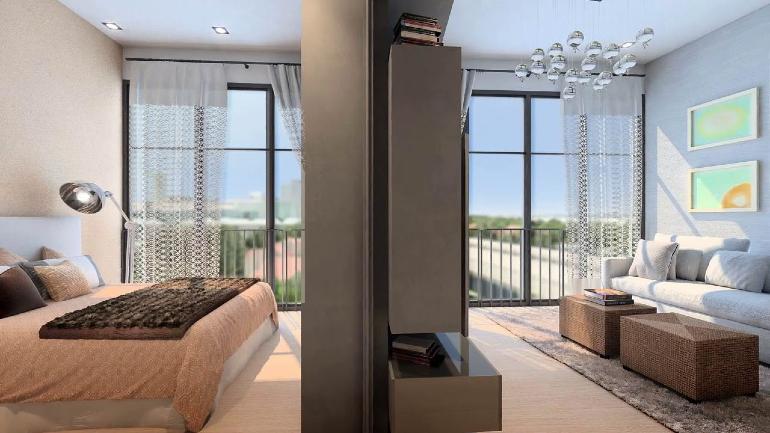
Renting a home can feel a bit like a juggling act, can’t it? You want space, but perhaps you also fancy a little extra help with the bills. This is where dual-key properties step in, offering a clever twist on the traditional rental approach. If you’re weighing your options in the real estate scene, especially here in Malaysia, let’s have a chat about the pros and cons of these intriguing spaces. Who knows? You might just find your next perfect spot.
The What and the Why of Dual-Key Homes
So, what’s the deal with dual-key homes? Picture a single unit split into two self-contained areas, each with their own entrance. Essentially, it’s like having a flatmate without actually sharing your kitchen! You can maintain your privacy while still enjoying the benefits of rental income from the neighbouring unit.
This format is gaining traction for good reason. In cities like Kuala Lumpur, where property prices can feel sky-high, a dual-key property can provide a more affordable entry point into the rental market. The concept appeals to young professionals looking for co-living situations and families wanting to keep close ties with aging parents without stepping on toes.
Pros of Going Dual-Key
Alright, let’s get into the good stuff. The first major perk is financial. Renting out one part of your dual-key unit can help offset your own living expenses. Imagine being able to pay off your mortgage or simply save for a rainy day thanks to those rental payments. It’s quite the financial win-win!
Then there’s flexibility. If your family grows or perhaps you want to downsize, dual-key homes offer a seamless transition. You could move into one part while still renting the other, alleviating the stress of hefty moving fees and the whirlwind of searching for a new place. Think of it like being able to work from both home and your investment at the same time.
Dual-key homes also attract a variety of tenants, from singles to small families. This diverse market can mean steadier rental income, and let’s be honest, who doesn’t like a little extra security when it comes to cash flow? Plus, there’s that added bonus of maintaining your independence in a multi-generational living arrangement.
Cons that Might Make You Think Twice
Before you run off with thoughts of dual-key bliss, let’s also consider the not-so-sunny side. One potential drawback is management. If you choose to rent out one side, you’re not only a tenant but also a landlord. That means dealing with tenants’ quirks, maintenance issues, and the occasional late rent payment. It’s not quite as simple as sharing a space—you’ve got responsibilities!
Privacy could also become an issue. Living in close quarters might strain relationships if there’s not clear communication. You’re essentially housemates, after all, and without boundaries, it can turn into an episode of your least favourite reality show.
Lastly, dual-key homes often carry a premium price tag. While they potentially offer financial advantages, the initial investment can be higher than that of a traditional rental unit. You’ll want to run the numbers carefully—because while the concept is enticing, you need to ensure it aligns with your budget and lifestyle.
Real-World Insights and Considerations
In Malaysia, dual-key properties are becoming increasingly popular, particularly in urban settings. Developers are keen on offering these units, catering to the evolving needs of renters. Localities like Penang and Selangor are seeing an influx of these innovative designs, reflecting a shift in how folks are thinking about home and space.
Cultural expectations also play a role. In many Malaysian families, multi-generational living is the norm. These dual-key homes cater to that lifestyle beautifully, as they allow family members to live under one roof while still respecting privacy. It’s a fantastic blend of independence and intimacy.
A Word on Finding the Right Place
If you’re sold on the idea, the next step is finding that perfect dual-key for rent. Websites like iProperty can be a great starting point, offering listings and insights into what’s available near you.
When searching, keep your specific needs in mind. Do you need the extra space for family or possibly a small office? Are you looking to take in a tenant, or would this just be for personal use? Make sure to check out the amenities, proximity to transport, and general vibe of the neighbourhood. A home isn’t just where you live; it’s the community you join.
Wrapping Up the Dual-Key Dilemma
Ultimately, whether a dual-key home is right for you depends on your personal circumstances and what you’re looking for in your living situation. They offer a unique blend of flexibility, income potential, and community connection that’s hard to beat. Just keep those downsides in mind as you crunch the numbers and consider how much hassle you’re willing to take on. With the right approach, dual-key rentals could spell a new chapter in your living experience, one filled with opportunities and maybe a bit of adventure too.


Umrah, a lesser/minor pilgrimage, is an act of worship in the holy cities of Makkah and Madinah in Saudi Arabia. This sacred activity has a special place in the hearts of all Muslims because it helps them get closer to Allah Almighty and brings a plethora of blessings and rewards, including expiation of past sins. Every eligible believer should embark on this journey at least once in a lifetime so that they can succeed not only in this life but also in the hereafter.
When it comes to travelling with seniors, the whole pilgrimage can be pretty challenging. You can ensure a seamless travel experience while staying on a budget by opting for affordable group Umrah packages. Keep reading this article to learn why group Umrah is ideal for elderly people.
Top Reasons Group Umrah is Recommended for Seniors
Are you taking your parents to Saudi Arabia to perform Umrah together? Well, this is the best thing that you could do in your life. If you want to make the sacred journey of the pilgrimage spiritually meaningful and fulfilling without overspending, group travel is ideal for these factors.
- Logistical Ease
It doesn’t matter when you plan to carry out the divine activity of Umrah with elderly members of your family. We highly recommend travelling as part of a group. This is because of the logistical ease provided by coordinated travel, dedicated support, and built-in flexibility. It lets you and seniors focus fully on worship without managing complex details or facing overwhelming crowds at the holy sites. That is what makes group Umrah a worthwhile choice.
- Reduced Stress
One of the other ways you should opt for group Umrah is that it reduces your travel stress to the brim. When you’ve partnered with a reliable tour operator for the pilgrimage, experts will handle every crucial detail of the journey. It eliminates the hassle of managing paperwork and bookings, which can be very challenging for the elderly members or first-time travellers. This is how you focus on the spiritual essence of the religious trip without any worries along the way.
- Enhanced Safety
In case you’re wondering what makes cheap umrah packages for groups an ideal choice for seniors, you’ve come to the right place for that purpose. It is recommended for elderly people due to built-in support systems, such as help with wheelchairs. Other than this, they are also provided with pre-planned schedules to avoid crowds so that they can easily perform the core rituals of Tawaf and Sa’i. That is how navigating the busy environment of Haram is made easy.

- Cost-Effectiveness
Umrah is a dream journey for almost every Muslim in the world. If you’re a senior looking for ways to go on a pilgrimage without draining your bank accounts, go for group Umrah. Sharing costs for flights, hotels, transportation, and even guided tours lowers individual expenses. Not only this, but travel agencies also offer special discounts when someone is travelling as part of a group. All of these factors contribute to a higher level of cost-effectiveness for your Umrah trip.
- Guided Support
Guided support is another leading factor that group Umrah is highly recommended for senior pilgrims. With a knowledgeable guide, elderly devotees don’t have to worry about what to do, where to go, or how to perform the rituals correctly. The guide will explain each step in simpler words so that seniors feel more confident and relaxed throughout the pilgrimage. So, the next time you plan your Umrah journey as a senior, we highly advise you to travel as part of a group.
- Paced Rituals
In a group, the rituals are usually planned at a comfortable and slower pace. And this is very advantageous for elderly pilgrims. Seniors are not rushed during the core ritual of Tawaf and Sa’i, and given enough time to rest between these divine activities. This helps prevent tiredness, fatigue, and health issues. No matter what types of group Umrah packages you choose, guides have a better understanding of the physical limits of seniors and adjust the schedule accordingly.
- Companionship
Among other reasons, companionship is also a crucial factor behind the popularity of group Umrah. Travelling with a group means elderly pilgrims are never alone throughout the pilgrimage journey. They can share meals, prayers, and experiences with people of similar age and faith. This, in turn, brings comfort and happiness at the same time. Knowing that you’re not all alone for a trip to a completely strange country gives you great peace of mind along the way.
- Time-Efficiency
Since everything is well-planned in advance in a group Umrah, it offers a higher level of time-efficiency to senior pilgrims. Transport, hotel transfers, and visits to religious places are organised properly. It allows elderly people to worship Allah Almighty without any kind of distractions. In addition to this, experienced guides know what the best times to visit the holy sites are, and it helps seniors save energy. That is also why group Umrah is perfect for seniors.
Wrapping It Up
Umrah is a soul-enriching journey in Islam and is the dream of all Muslims in the world. From strengthening of faith to forgiveness of sins and spiritual renewal, this pilgrimage brings numerous rewards for devotees. That is why millions of believers gather in front of the Kaaba every year to perform a set of blessed rituals. If you’ve grown old and are planning to go on such a religious trip in the coming year, ensure to travel as part of a group. We hope you have had a clear idea of why group Umrah is strongly recommended to seniors like you. In case you don’t know how to plan a perfect itinerary for this journey, get affordable group Umrah packages from Muslims Holy Travel. This way, you can get a meaningful pilgrimage experience on a budget.

25 Best Bible Verses About Baptism

Rhonda Rookmaaker: Biography, Career, and Life Journey

Nicole Tepper: Biography, Philanthropy, Family Life, and Public Influence

Carolin Bacic: Life, Biography, Family, and Legacy

Christine Williamson: A Rising Star in Sports Journalism

Dani Daniels: A Complete Biography of the Artist, Media Personality, and Entrepreneur
-
 Celebrity5 months ago
Carolin Bacic: Life, Biography, Family, and Legacy
-
 Celebrity11 months ago
Christine Williamson: A Rising Star in Sports Journalism
-
 Celebrity4 months ago
Dani Daniels: A Complete Biography of the Artist, Media Personality, and Entrepreneur
-

 Celebrity11 months ago
Berniece Julien: A Comprehensive Biography2025
-

 Celebrity4 months ago
Is Brenda Lee Still Alive? The Timeless Voice Behind “Rockin’ Around the Christmas Tree”
-

 Celebrity4 days ago
Dame Esther Rantzen: Life, Career, and Legacy of a British Broadcasting Icon
-

 Celebrity3 months ago
Eleonora Incardona: Biography, Career, Age, Boyfriend, Net Worth & Lifestyle (2025)
-

 Celebrity11 months ago
Vera Davich: Biography, Life, and Legacy2025