Life Style
Microblading Eyebrows: Complete Guide to Procedure, Benefits, Cost & Aftercare

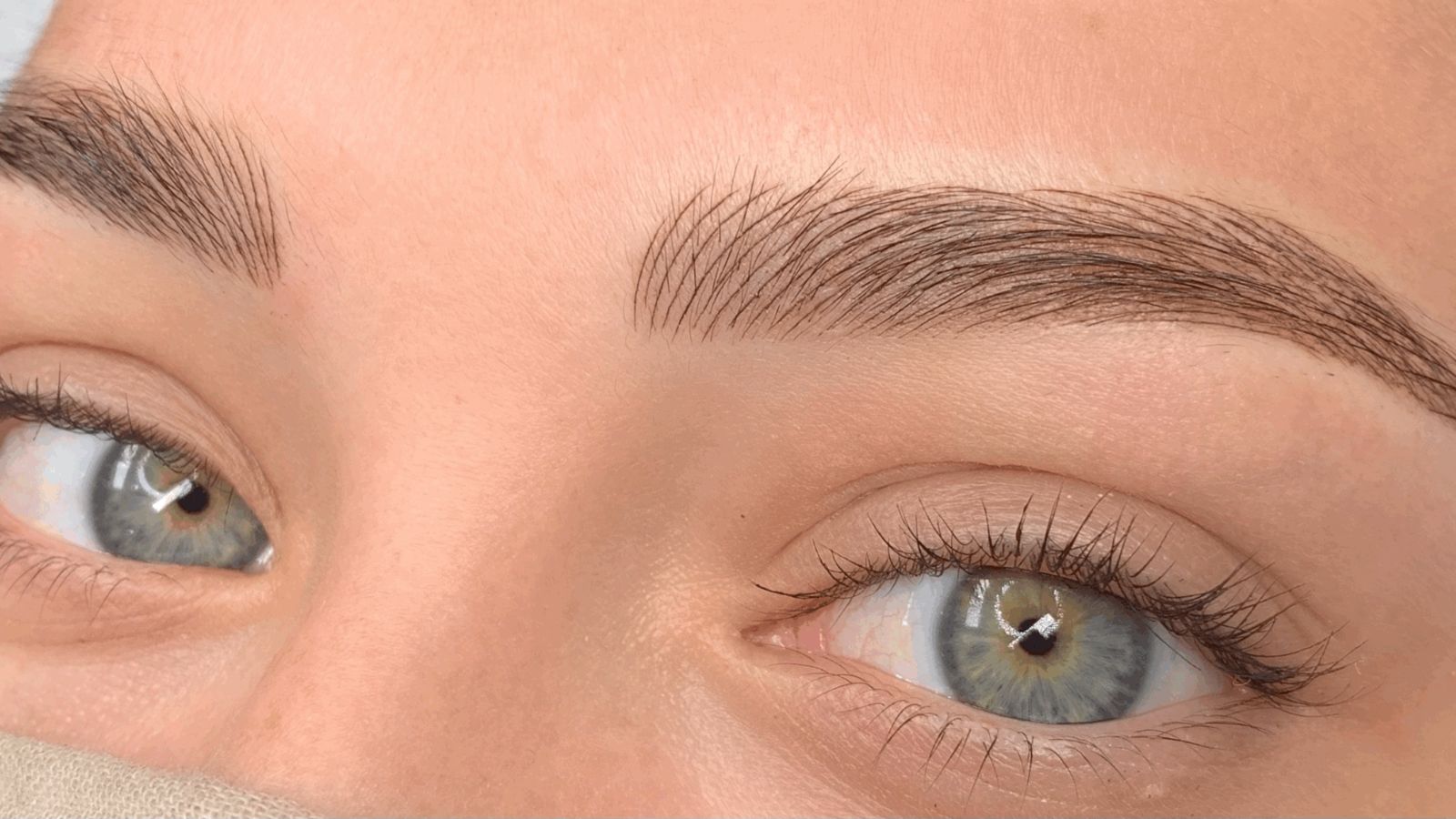
Microblading eyebrows has become one of the most popular semi-permanent cosmetic procedures in the beauty industry. It offers a natural-looking way to enhance brows, fill sparse areas, and reshape eyebrows without daily makeup. Unlike traditional eyebrow tattooing, microblading uses fine, hair-like strokes created with a handheld tool, resulting in remarkably realistic brows. Many people choose microblading to save time, correct over-plucking, or achieve symmetrical brows. This comprehensive guide explains how the process works, what to expect, how to prepare, and how long results last. If you’re considering microblading eyebrows, this article will give you everything you need to make an informed decision.
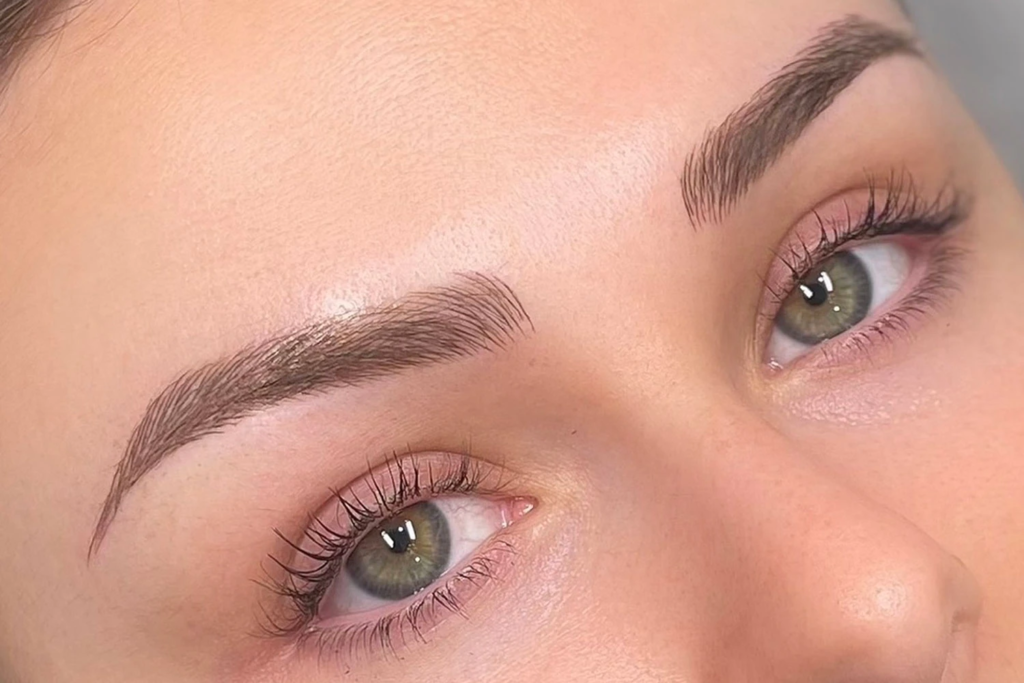
What Is Microblading Eyebrows?
Microblading eyebrows is a semi-permanent cosmetic tattooing technique that uses a manual microblade tool to implant pigment in the upper layer of the skin. Unlike traditional tattoos, microblading ink fades naturally over time and does not penetrate deep layers of the skin. The artist draws thin, precise hair-strokes to mimic real eyebrow hairs, making the results incredibly natural. People with thin, uneven, patchy, or missing brows often choose microblading to enhance their look effortlessly. Microblading can also help those who have lost eyebrows due to aging, hormonal factors, or medical conditions. The most appealing part is that the results can last up to 2–3 years with proper care.
How Microblading Differs From Traditional Eyebrow Tattooing
Traditional eyebrow tattooing uses a machine to push ink deep into the skin, creating a solid brow shape. Microblading, however, works on the skin’s top layers and is done manually. The results are softer, more natural, and less permanent. When comparing microblading eyebrows to older tattooing methods, microblading provides greater precision, customizable color, and less downtime. Tattooed brows tend to fade into unnatural shades of blue or green, while microbladed brows fade gently and evenly. Microblading is ideal for individuals who want a softer, hair-stroke look instead of a blocky brow.
Who Is Microblading Eyebrows Best For?
Microblading works for many people but may not be suitable for everyone. Ideal candidates include those with thinning eyebrows, asymmetric brows, alopecia, or those who want a fuller look without makeup. People with oily skin may find that microblading fades more quickly, but techniques like microshading can complement microblading for longer-lasting results. Pregnant women, people with bleeding disorders, or those taking certain medications should avoid the procedure. A patch test is often required to rule out allergic reactions. If your goal is natural-looking brows with minimal effort, microblading eyebrows may be the right choice.
How to Prepare for Microblading Eyebrows
Preparation is essential for the best results. Experts recommend avoiding alcohol, caffeine, and blood-thinning medications 24–48 hours before your appointment. Avoid waxing or tinting brows at least one week prior. Staying hydrated and keeping skin moisturized helps the pigment settle better. Before the procedure, your microblading artist will map your brows using facial symmetry measurements. Bring brow inspiration photos, but remember that your bone structure determines the ideal shape. Proper preparation ensures that the process is smooth, comfortable, and produces long-lasting, symmetrical results.
Step-by-Step Microblading Eyebrows Procedure
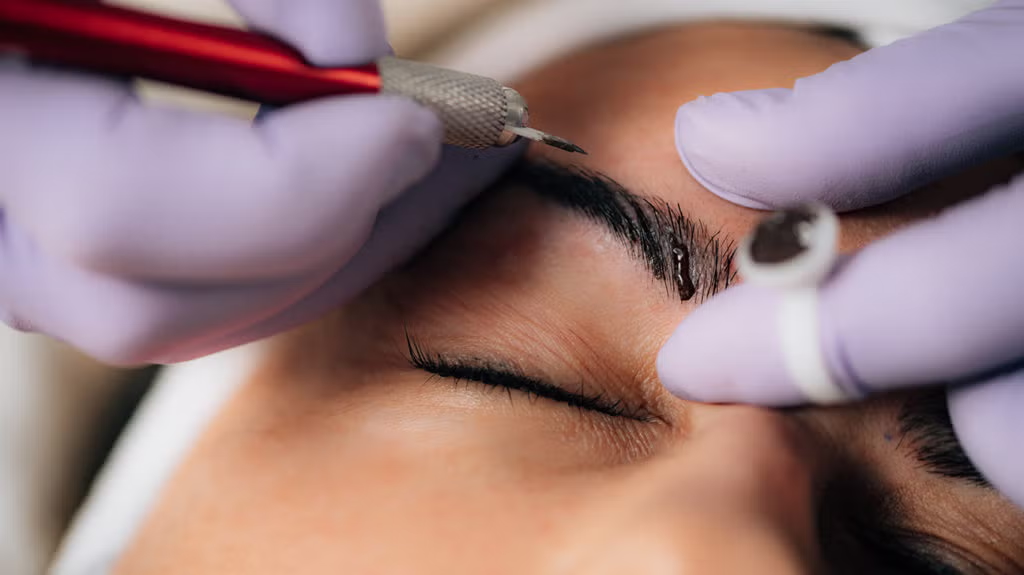
The procedure typically takes 2–3 hours, including consultation, brow mapping, color selection, and the microblading process itself. First, the artist numbs the area with a topical anesthetic to minimize discomfort. Next, they outline your ideal brow shape using measurements, stencils, or freehand design. After approval, the microblading tool is used to create fine strokes while inserting pigment into the skin. The artist will repeat this until both brows match in fullness and symmetry. The final step involves applying a pigment mask to enhance color absorption. When done professionally, microblading eyebrows offers incredibly natural results that frame the face beautifully.
Does Microblading Eyebrows Hurt?
Pain levels vary from person to person. Most clients describe the sensation as mild scratching or pressure rather than intense pain. Numbing cream is applied before and during the session to minimize discomfort. People with low pain tolerance may feel slight sensitivity, especially during the first 10–15 minutes. However, most clients complete the process comfortably and find it less painful than waxing or threading. If fear of pain has kept you from trying microblading eyebrows, rest assured that modern techniques have made the process much more tolerable.
How Long Do Microblading Eyebrows Last?
Microblading results can last anywhere from 12 to 36 months, depending on your skin type, aftercare routine, and lifestyle. People with normal to dry skin typically experience longer-lasting pigment, while those with oily skin may need more frequent touch-ups. Sun exposure, skincare products containing acids, and excessive sweating can also affect longevity. A touch-up session is usually required 4–6 weeks after the initial appointment to perfect the shape and fill any areas where pigment didn’t retain. With proper care, microblading eyebrows can maintain a natural, refreshed look for years.
Healing Process: What to Expect After Microblading
The healing period lasts about 4–6 weeks. During the first few days, brows appear darker and bolder than the final result. Mild redness, tightness, and slight scabbing may occur as the skin heals. Around days 4–7, some flaking is normal; avoid picking scabs to prevent patchy results. The color lightens significantly after the initial peeling phase and slowly returns to its intended shade by week 4. By the end of the healing period, your microblading eyebrows will look soft, natural, and fully blended.
Essential Aftercare for Microblading Eyebrows
Proper aftercare is the key to achieving long-lasting, flawless microblading eyebrows. During the first 24 hours, avoid touching the brows to prevent infection or pigment disturbance. For the first 7–10 days, keep the area dry—this means no sweating, swimming, or washing the brow area directly. Apply the recommended healing ointment sparingly, as instructed by your technician. Avoid makeup on or near the brows during the healing period. Stay away from direct sunlight and tanning beds because UV exposure can fade the pigment prematurely. With correct aftercare, the pigment settles evenly and increases longevity.
Touch-Up Sessions: Why They Are Important
A touch-up appointment is essential for completing the microblading process. This session usually happens 4–6 weeks after the initial treatment. During this visit, the artist fills any areas where pigment may have faded, adds extra strokes for fullness, and adjusts the shape if needed. Touch-ups ensure symmetry and long-lasting results. Yearly or bi-annual touch-ups are recommended for maintaining vibrant brows. Without regular touch-ups, microblading eyebrows can fade faster and lose definition. Maintaining your brows ensures they continue looking fresh and natural.
Benefits of Microblading Eyebrows
There are many reasons why people love microblading eyebrows. One major benefit is convenience—no more daily brow pencils, powders, or gels. Microblading saves time and helps people with busy lifestyles maintain polished brows effortlessly. It is also ideal for those with eyebrow hair loss caused by aging, hormonal conditions, or over-plucking. The technique offers customizable shapes tailored to your facial structure. Another advantage is that results look incredibly natural, blending seamlessly with existing hairs. With long-lasting results and minimal maintenance, microblading is a cost-efficient beauty investment.
Potential Risks and Side Effects of Microblading
Like any cosmetic procedure, microblading eyebrows comes with certain risks. Infection can occur if aftercare instructions are not followed properly. People with sensitive skin might experience redness, swelling, or irritation. Allergic reactions to pigments are rare but possible, which is why a patch test is essential. Choosing an unqualified or inexperienced artist increases the risk of uneven brows or incorrect pigment placement. Always research your technician’s certification, experience, hygiene practices, and portfolio before booking. Understanding potential risks allows you to make an informed and safe decision.
Choosing the Right Microblading Artist
Selecting a certified and reputable artist is crucial to achieving perfect microblading eyebrows. Look for professionals with formal training, licensing, and a strong portfolio of healed results. Read reviews, ask for before-and-after photos, and ensure the studio follows strict hygiene standards. A skilled artist understands facial symmetry, color theory, and brow design. Avoid choosing an artist based solely on low prices—poorly done microblading can lead to costly correction sessions. When you choose the right artist, you ensure quality, safety, and natural-looking results.
Different Styles of Microblading
Microblading has evolved to offer several styles to suit individual preferences. The classic style uses fine, precise hair strokes for a natural look. Microshading creates a soft, powdered finish for people who prefer a filled-in brow. Combination brows blend microblading and shading for both definition and softness. Feathered brows use light, airy strokes for a delicate appearance. Your preferred style, along with your natural hair growth pattern, helps your artist design the perfect brows. Modern techniques ensure that microblading eyebrows complement your unique features.
Microblading Eyebrows for Different Skin Types
Skin type plays a major role in how microblading heals. Dry and normal skin types usually retain pigment better and heal evenly, making them ideal candidates. Oily skin types may struggle with faster fading due to excess sebum production. For these clients, combination brows or microshading may produce better results. Sensitive skin may require gentler techniques and careful aftercare. During your consultation, your microblading artist evaluates your skin and recommends the best technique. Understanding your skin type helps you achieve long-lasting microblading eyebrows results.
How Much Does Microblading Eyebrows Cost?
The cost of microblading eyebrows varies depending on the artist’s experience, studio location, and included services. Prices typically range from $300 to $800, with high-end specialists charging over $1,000. Touch-up sessions may cost an additional $100–$200. While microblading may seem expensive, the long-lasting results and time saved on daily makeup make it a worthwhile investment. Always prioritize safety and quality over low-cost services. Choosing an experienced artist ensures beautiful results that enhance your confidence and appearance.
How Long Does a Microblading Session Take?
A standard microblading session lasts 2–3 hours. This includes consultation, brow mapping, color selection, numbing, and the microblading process itself. The longest part is shaping and mapping the brows to ensure symmetry. The actual microblading application usually takes about 45–60 minutes. Touch-up appointments are shorter, typically lasting 1–1.5 hours. The time spent during your appointment ensures long-lasting, perfectly shaped microblading eyebrows that complement your facial features.
Common Myths About Microblading Eyebrows
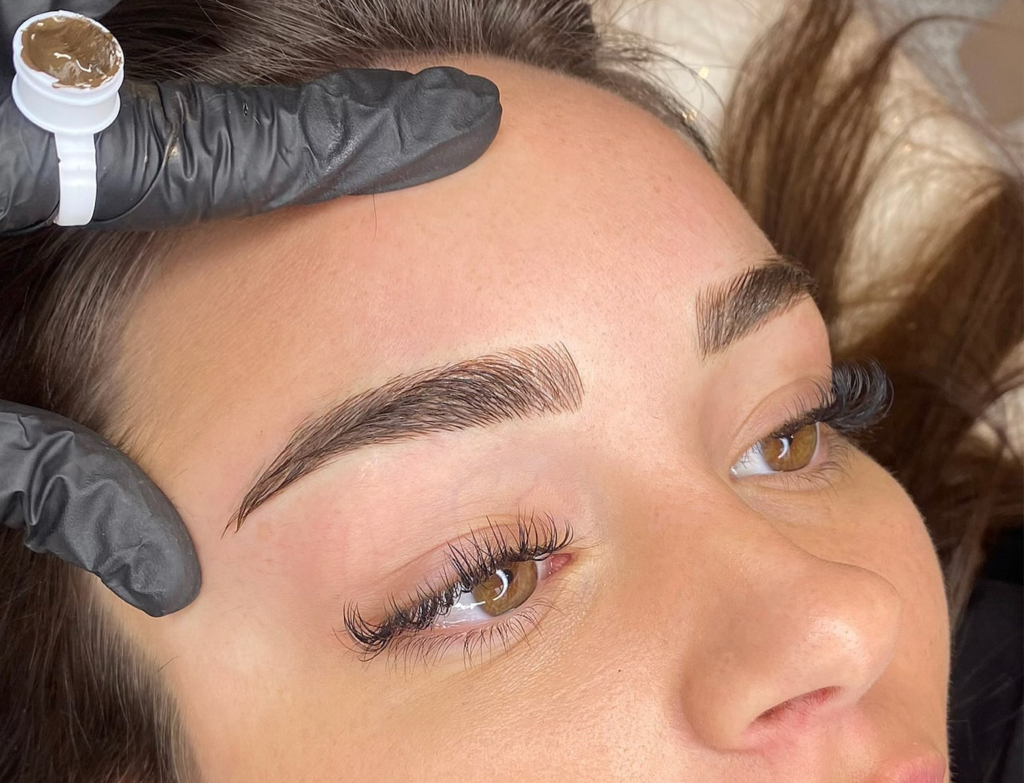
There are several myths surrounding microblading. One common misconception is that microblading is permanent. In reality, it is semi-permanent and fades over time. Another myth is that microblading is extremely painful, but most clients experience only mild discomfort. Some believe microblading always looks unnatural—however, a skilled artist creates hyper-realistic hair strokes. There is also a misconception that microblading causes brow hair loss, which is false. When done correctly, microblading is safe and enhances natural brows. Understanding these myths helps set realistic expectations for microblading eyebrows.
Microblading Eyebrows for Men
Microblading is not just for women—many men get microblading to fill gaps, correct uneven brows, or achieve a stronger brow shape. Men’s microblading designs use thicker, straighter, and more natural-looking strokes. The goal is to enhance masculine features without looking overly groomed. Men with sparse or thinning brows benefit greatly from natural microblading results. The rising popularity of microblading eyebrows for men shows that everyone can benefit from fuller, more defined brows.
Alternatives to Microblading Eyebrows
If microblading isn’t right for you, several alternatives exist. Microshading offers a softer, powder-like look. Nanoblading uses a thinner needle for ultra-fine strokes. Brow laminating lifts and shapes natural hairs for a fuller appearance without pigment. Brow tinting temporarily darkens hairs for enhanced definition. Permanent makeup tattooing creates long-lasting results but with a more filled-in look. Each method suits different needs, skin types, and preferences. Consulting with a specialist helps determine which option is best for your desired brow goals.
Conclusion
Microblading eyebrows is an excellent option for achieving fuller, symmetrical, and natural-looking brows with minimal effort. From saving time on daily makeup to restoring confidence for those with sparse or thinning brows, microblading offers long-lasting benefits. While aftercare and touch-ups are essential, the results are transformative and easy to maintain. Choosing a qualified artist ensures safety and beautiful results tailored to your face. Whether you’re new to microblading or considering a touch-up, understanding the process helps you make the best choice for your brow journey.
FAQs About Microblading Eyebrows
1. How long does microblading eyebrows last?
It typically lasts 12–36 months, depending on skin type and aftercare.
2. Is microblading painful?
Most people feel only mild discomfort due to numbing cream.
3. Is microblading safe for all skin types?
Yes, but results vary—oily skin may require more frequent touch-ups.
4. How soon can I wash my face after microblading?
Avoid washing the eyebrow area for 7–10 days.
5. What’s the difference between microblading and microshading?
Microblading uses hair-strokes, while microshading creates a soft, powder-filled look.
6. Can microblading be removed?
Yes, using saline removal or laser treatments.



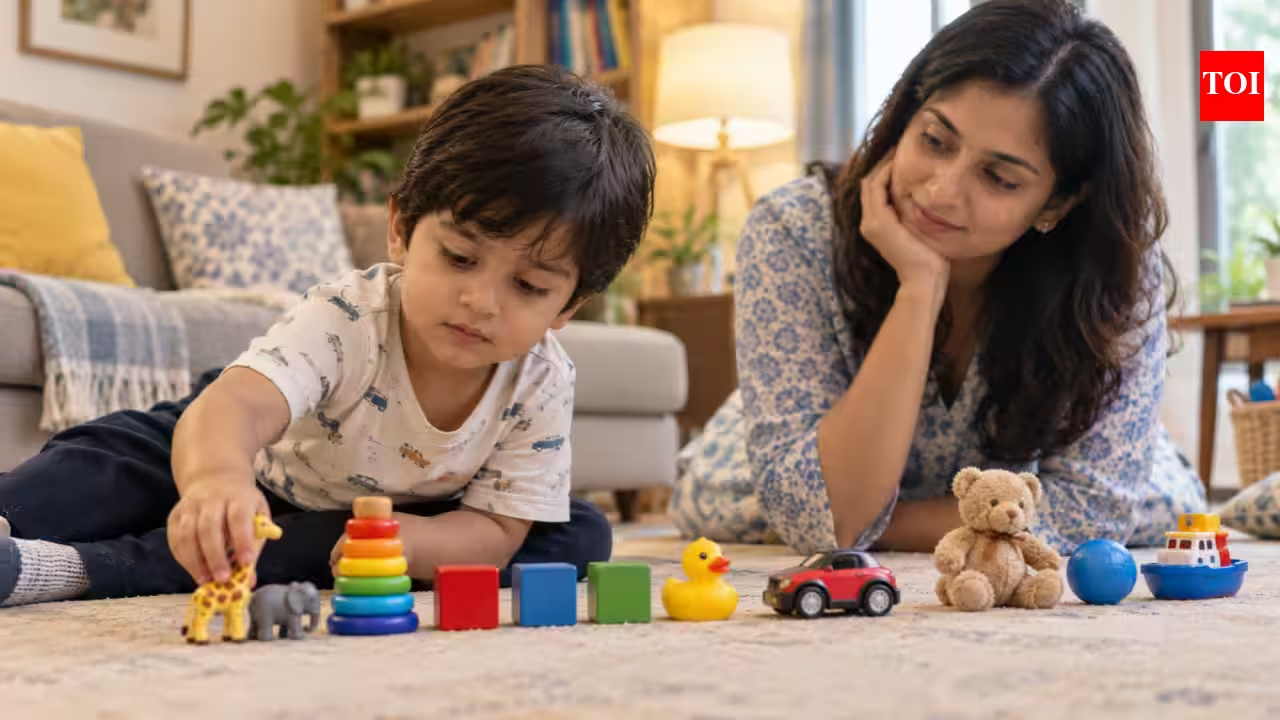
Walk into any family home and the toy box tells a familiar story. Somewhere near the bottom sit the expensive things that lit up, sang and moved by themselves, bought with high hopes and abandoned within a fortnight. Near the top are the plain ones that have survived years.
This isn’t an accident, and it isn’t about quality or price. It’s about how much the toy leaves for the child to do.
The problem with toys that do everything
A toy with one impressive feature has a short life because the child masters it quickly. Press the button, watch the thing happen, understand it, move on. There’s nothing left to discover by the second week.
Open-ended toys work in the opposite direction. A set of blocks is a tower on Monday and a harbour on Thursday. The toy doesn’t decide, so the child has to, and that decision is the part that keeps them coming back.
Among kids dolls, the plain figure with clothes that come off will nearly always outlast the one that talks and cries on command. The electronic version has already chosen the character’s personality. The simple one lets a child invent it, differently, every afternoon.
What children are actually doing
Watch a child narrating a scene and you’ll hear longer sentences than they use in ordinary conversation. Characters give them licence to try out language they wouldn’t otherwise attempt.
There’s emotional processing happening too. A child who has started school, had an injection or fallen out with a friend will replay it through their toys, sometimes for weeks. You’ll hear your own phrases returned to you with occasionally uncomfortable accuracy.
And there’s logic involved. Working out who lives where, what happens next and how a story resolves is genuine sequencing, done entirely voluntarily.
Where a set beats a single item
There’s one useful exception to buying simple. For a child without much to build a scene with, a doll set including furniture and accessories often works better than a lone figure.
It isn’t about quantity. It’s that the setting already exists, so play starts in the first minute rather than stalling while they hunt for something to use as a bed and lose interest.
The test is whether the accessories are flexible. Furniture, outfits and prams get used endlessly. A moulded plastic prop that clips into one specific hand will be at the bottom of the box by half term.
Making it last
Keep the toys reachable. Things stored in high cupboards get played with when an adult remembers them. Things in an open basket get played with on a wet Tuesday without anyone suggesting it.
Don’t tidy too eagerly. An elaborate setup left overnight gets returned to with new ideas. One swept into a box at bedtime starts from zero.
Rotate instead of adding. Put half away for two months and bring it back. Children greet it like something new, and it costs nothing.
Add loose parts. Fabric scraps become blankets, pebbles become food, cardboard tubes become tunnels. Children are far more inventive with ambiguous objects than with purpose-built ones.
The short version
Buy fewer things that do less. Leave room for the child to supply the rest. That’s the whole trick, and it happens to be the cheaper approach as well.

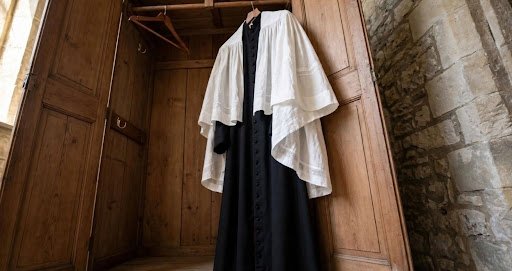
A cassock and surplice are traditional church garments commonly associated with clergy, servers and choir members. The cassock is a long, close-fitting garment worn as the main robe, while the surplice is a looser white vestment worn over it.
Understanding the purpose of a cassock and surplice can help churches, clergy and choir members choose suitable church vestments for worship and formal services. A cassock and surplice combination also provides a recognisable traditional appearance within many Christian denominations.
What Is a Cassock?
A cassock is a long, formal robe traditionally worn by clergy, church servers and others involved in worship. It is commonly used during services, processions and other church activities.
Cassocks are available in different styles and sizes to suit different wearers and church traditions. The Vanpoulles range includes servers’ cassocks designed for church and altar use, offering a practical and formal option for regular wear.
What Is a Surplice?
A surplice is a loose-fitting liturgical garment worn over a cassock. It is commonly worn by clergy, choir members and church servers during services and ceremonial occasions.
Vanpoulles offers traditional and organist surplices in different styles and adult sizes. Features such as the neckline, sleeve design and overall length can vary depending on the intended use.
How Are Cassocks and Surplices Worn?
The traditional arrangement is straightforward: wear the cassock first, then the surplice over it. This creates a layered appearance that combines the structured design of the cassock with the looser form of the surplice.
The exact use can depend on the denomination, service and role of the wearer. Church traditions can vary, so it is sensible to consider local practice when selecting liturgical clothing.
Who Wears a Cassock and Surplice?
A cassock and surplice may be worn by different people involved in church worship. Depending on the tradition, this can include clergy, choir members, altar servers and other church assistants.
The garments can therefore suit a range of formal church settings. Choosing the right style and size is especially important when several members of a choir or serving team need a consistent appearance.
Cassocks for Church Servers
Servers’ cassocks are designed with the practical requirements of church and altar service in mind. They may need to accommodate movement during processions, worship and other duties while retaining a neat appearance.
Vanpoulles includes servers’ cassocks within its vestments and textile products collection. Its range includes garments for both children and adults, so churches can choose suitable options for different members of a serving team.
Choosing the Right Surplice
When choosing a surplice, consider several factors. The garment should suit its intended role and allow enough room for comfortable movement.
Key considerations include:
- The correct size and length
- The style of neckline
- Sleeve design
- The intended church or choir use
- Ease of care and maintenance
- Compatibility with the cassock underneath
Vanpoulles’ traditional surplice features a round neck and is offered in adult sizes. Its organist surplice has split sleeves, providing another option for a specific role.
Caring for Church Robes and Vestments
Proper care can help church garments remain suitable for regular use. Always follow each garment’s cleaning instructions, especially when different fabrics or decorative details are involved.
Storage is also important. Vestments should be kept clean, dry and protected from unnecessary creasing or damage. A suitable clergy travel cover can also make transporting robes and albs more convenient when garments need to be taken between locations.
Finding Suitable Cassock and Surplice Garments
Choosing a cassock and surplice involves more than selecting a traditional style. Churches and individuals should consider the intended role, correct fit, comfort, appearance and the requirements of their particular worship setting.
A suitable range makes it easier to find garments for clergy, servers, and choir members, as well as other liturgical clothing. Vanpoulles provides a comprehensive selection of vestments and textile products, including cassocks, surplices, albs, stoles, copes, chasubles and other church garments.

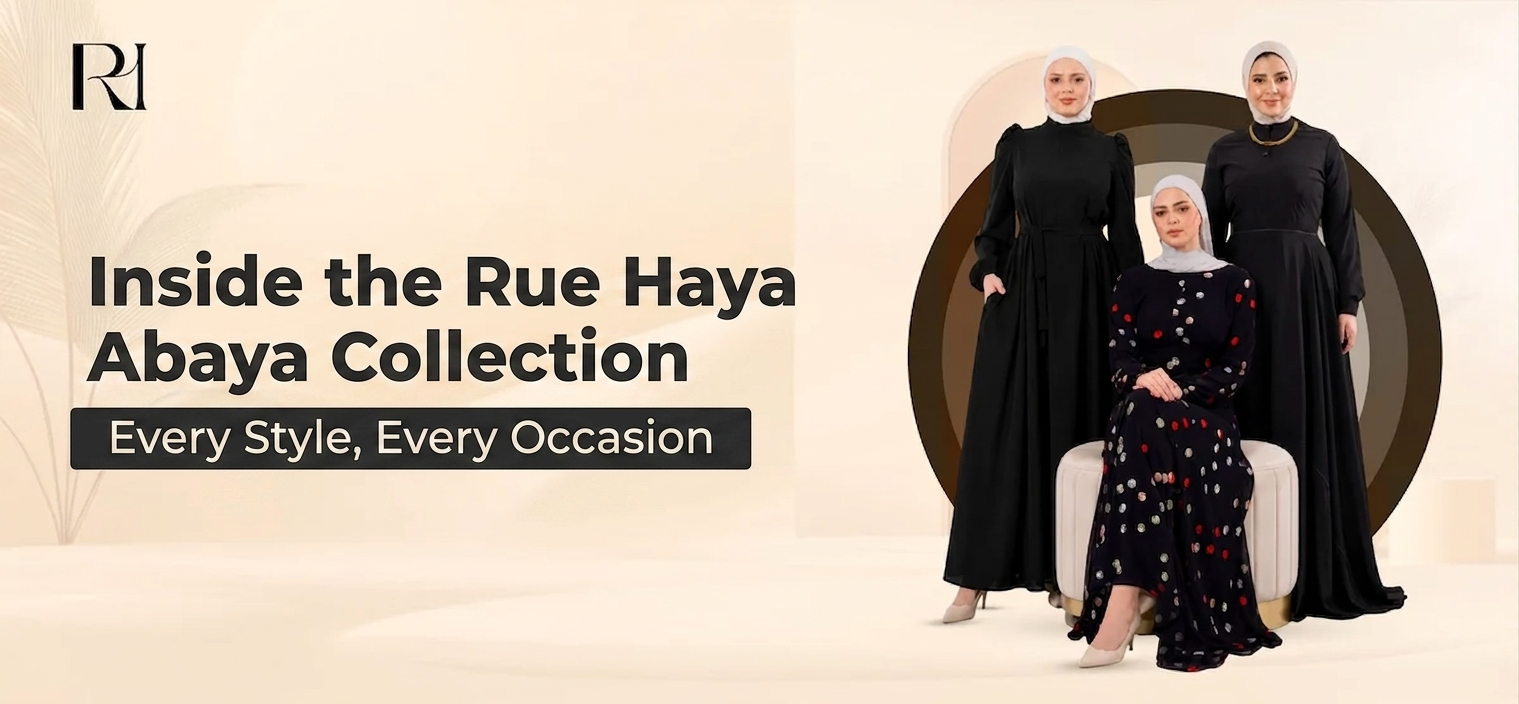
If you’ve been searching for an abaya that actually fits your life — not just your measurements — the Rue Haya abaya collection is worth a close look. Designed for women who want sophistication without compromise, every piece in the collection is built around a simple premise: modesty and elegance aren’t opposites. They’re the same thing, done right.
Here’s a complete look at the styles available, the details that set each one apart, and how to choose the right abaya for what you actually need.
Open Abayas: Effortless Layering, Maximum Versatility
The open abayas at Rue Haya are the collection’s most versatile category — and for many women, the most-reached-for. Worn like a long coat or duster over your outfit, abayas open at the front give you full coverage while keeping whatever you’re wearing underneath visible and part of the look.
The Suhaila Satin Open Abaya collection is where this style shines brightest. Available in Champagne Gold, Soft Pistachio, Rose Gold, and Soft Ivory, these flowy abaya styles drape beautifully in a silky satin that moves with every step. The Champagne Gold and Rose Gold options are particularly striking for special occasions, while the Soft Ivory and Pistachio work effortlessly for both everyday wear and daytime events.
For a more structured take on abayas open, the Naima Contrast Trim Structured Knit Abaya in Black pairs a relaxed open silhouette with a clean white contrast trim — graphic, modern, and completely wearable across seasons.
The Rimal Soft Crepe Open Abaya in Soft Peach Floral and Soft Blush Floral bring something softer to the open abaya category — printed crepe in delicate colorways that work beautifully for garden events, Eid gatherings, or spring outings.
Closed Abayas: Clean Lines, No-Fuss Elegance
For women who prefer a seamless silhouette, the closed abaya delivers exactly that. No front opening, no layering required — just a clean, unbroken line from shoulder to hem that looks polished with almost no effort.
The Layal Noir Soft Crepe Abaya is the standout in this category. A quietly refined closed abaya in soft crepe, available in Black, Off White, Navy, and Beige. The Black and off white abaya versions are particularly striking: the Black features a crisp white contrast trim that creates a sharp, editorial look, while the white abaya dress version reverses that contrast with black trim on an ivory base.
This is the style to reach for when you want your abaya to do the work — when you want to walk in looking completely put-together with minimal effort. Pair the black with heeled mules; the off white with gold jewelry and a soft chiffon hijab.
Two-Piece Abayas: Style That Works Harder
The two piece abaya is one of the most exciting developments in modest fashion — and the Rue Haya abaya collection has invested deeply in this category.
The Samira Embroidered Crepe Abaya Set is the flagship two-piece in the collection, currently on sale. Available in Black, Navy, Olive Green, and Spiced Red, each set features delicate embroidery detail that elevates a classic silhouette into something genuinely special. Worn together, they read as one seamless look; separately, each piece can be styled with other items in your wardrobe.
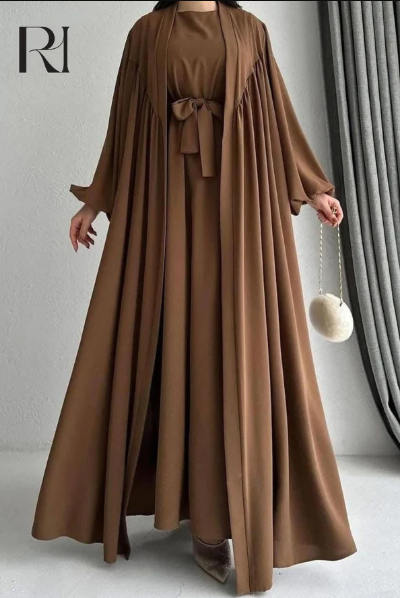
For a more relaxed two-piece aesthetic, the Hind Lightweight Silk Two-Piece Abaya Set is the go-to. Available in Mocha Brown, Black, Denim Blue & Nude, Emerald & Nude, and Burgundy & Nude — each set features a belted waist that adds structure without stiffness. The chocolate brown abaya version in Mocha Brown is a particularly strong seller, offering a rich warm tone that works across seasons and skin tones.
The Majda Sheer Organza Abaya Set takes two-piece styling into more formal territory — a sheer organza outer layer over a matching inner piece, available in Gold & Black, Lavender & Black, Navy & Black, and Beige & Black. These are the sets for weddings, formal occasions, and events where you want to arrive and be remembered.
Special Styles Worth Knowing
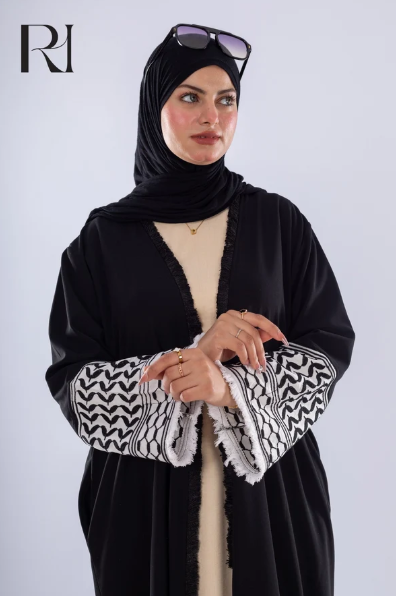
The Keffiyeh Abaya
One of the most meaningful pieces in the collection is the keffiyeh abaya — an abaya that incorporates keffiyeh-inspired embroidery or pattern detailing as a quiet but powerful nod to Palestinian heritage. For the Rue Haya brand, founded by a Palestinian-American-Canadian family, this piece carries particular significance. It’s a wearable expression of identity, and it’s designed to be worn with pride.
The Chocolate Brown Abaya
Rich, warm, and endlessly wearable — the chocolate brown abaya has become one of the most requested tones in modest fashion. The Hind Lightweight Silk Two-Piece Abaya Set in Mocha Brown and the Suhaila Draped Satin Open Abaya in Cocoa Brown both deliver this colorway beautifully. Neither is a flat brown — both carry a warmth and depth that photograph well and work across a wide range of hijab colors.
The Black Abaya Dress
The black abaya dress needs no introduction — it’s the wardrobe constant that every collection is measured against. In the Rue Haya abaya collection, the Samira Embroidered Crepe Abaya Set in Black, the Layal Noir Soft Crepe Abaya in Black, and the Aya Royalty Crepe Abaya Set in Black each offer something different: embroidered detail, clean minimalism, and structural elegance respectively.
Prayer Abayas
For women who use their abaya as a prayer abaya — wearing it both as an outer garment and for salah — look for styles in softer, more flexible fabrics with relaxed cuts that allow full freedom of movement through every position of prayer. The Suhaila Satin Open Abaya styles and the Layal Noir Closed Abaya in crepe are both well-suited for this purpose, with fabrics that move naturally and cuts generous enough for complete modesty during prayer. For dedicated prayer garments, the Rue Haya prayer wear collection offers purpose-built options.
How to Choose Your Rue Haya Abaya
The right Rue Haya abaya comes down to how you live and what you need it for.
For daily ease and layering flexibility → open abayas in satin or crepe. For clean, effortless elegance with no layering → closed abaya in soft crepe. For styling range and fashion versatility → two piece abaya sets in silk or embroidered crepe. For formal and special occasions → the Majda Organza or Sabeel Embroidered Chiffon sets. For warm tones that work year-round → the chocolate brown abaya in silk or satin. For a white abaya dress or off white abaya with contrast trim → the Layal Noir in Off White.
Browse the complete Rue Haya abaya collection — 66 pieces across open, closed, and two-piece styles, designed for women who refuse to choose between their values and their wardrobe.



-

 Celebrity1 year ago
Carolin Bacic: Life, Biography, Family, and Legacy
-

 Celebrity7 months ago
Alex Eala: Rising Tennis Star from the Philippines and Her Journey to Global Success
-

 Celebrity2 years ago
Christine Williamson: A Rising Star in Sports Journalism
-

 Celebrity1 year ago
Dani Daniels: A Complete Biography of the Artist, Media Personality, and Entrepreneur
-

 Celebrity7 months ago
Valerie Perrine: A Complete Biography of the Acclaimed Actress and Icon
-

 Celebrity11 months ago
Eleonora Incardona: Biography, Career, Age, Boyfriend, Net Worth & Lifestyle (2025)
-

 Celebrity2 years ago
Vera Davich: Biography, Life, and Legacy2025
-

 Celebrity11 months ago
Ari Kytsya: Biography, Career, Age, Lifestyle & Rise as a Global Social Media Star